
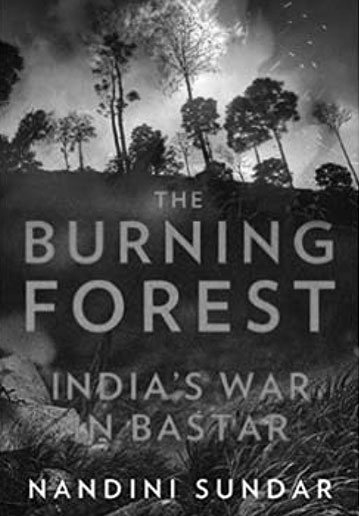
Nandini Sundar
Until the end of the 19th century the Adivasis enjoyed a relatively bucolic existence in the Princely State of Bastar. They were not subject to the exploitative caste relationships that existed on the plains, and the sparsely populated forests provided them with space to practice shifting cultivation, collect forest produce and hunt animals.
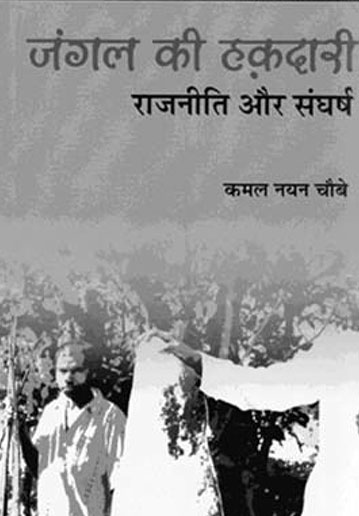
Kamal Nayan Chaubey
There are two intrinsic aspects that characterize the newness of this study. The book establishes a serious engagement between political theorization and everyday world of tribal communities in contemporary India. It evokes the notion of law as a determining reference point to understand the changing political world of tribal communities.
The books under review are a chronicle of the instabilities and death and destruction that have plagued the wider West Asian region in the recent past. Vijay Prashad brings to note the ‘slow political death of the idea of Arab nationalism’ by highlighting the chaos engulfing Iraq, Syria and Libya and the destructive role of regional players (p. 6).
The books under review are a chronicle of the instabilities and death and destruction that have plagued the wider West Asian region in the recent past. Vijay Prashad brings to note the ‘slow political death of the idea of Arab nationalism’ by highlighting the chaos engulfing Iraq, Syria and Libya and the destructive role of regional players (p. 6).
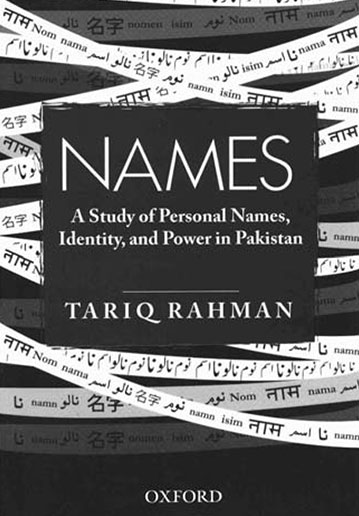
Tariq Rahman
We need to establish that proper names are an integral part of systems we have been treating as codes: as means of fixing significations by transposing them into terms of other significations. Would this be true if it were true, as logicians and some linguists have maintained that proper names are, in Mell’s phrase, ‘meaningless’ in signification?
– Levi-Straus
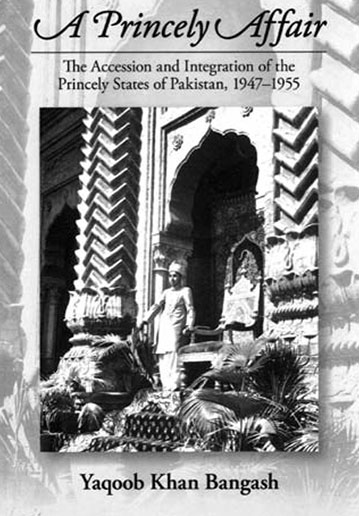
Yaqoob Khan Bangash
A substantial part of the British Indian empire was governed in the indirect mode, through ‘native’ Princes whose territories together constituted about forty per cent of the area of the Indian empire. These Princes acknowledged overall British supremacy, and were allowed some internal autonomy the extent of which varied from State to State.
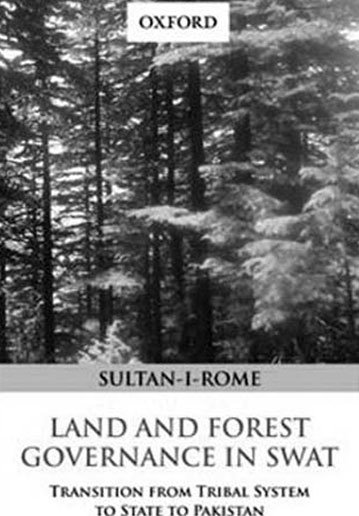
Sultan-i-Rome
Both these books deal with regions of the British Empire hitherto considered ungovernable and hazardous. Written by academics familiar with the culture, societal and tribal norms of the area, they provide timely scholastic content to available literature on the subject at a moment…
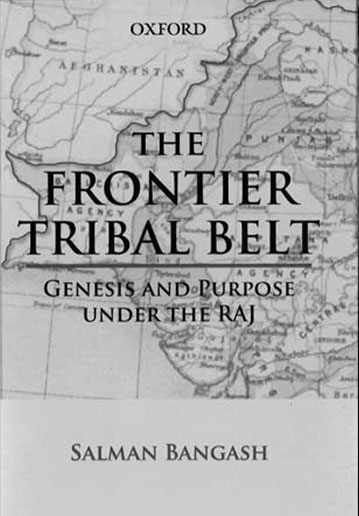
Salman Bangash
Both these books deal with regions of the British Empire hitherto considered ungovernable and hazardous. Written by academics familiar with the culture, societal and tribal norms of the area, they provide timely scholastic content to available literature on the subject at a moment when a Committee of Experts set up by the Establishment in Pakistan for reform in the Federally Administered Tribal Areas…
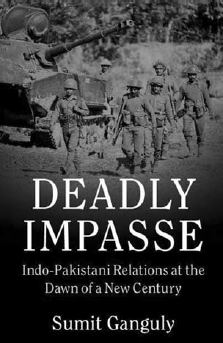
Sumit Ganguly
Sumit Ganguly is no stranger to scholars in international and strategic studies. His book The Origins of Wars in South Asia is a popular text with undergraduates. He takes his earlier work that finishes with the 1971 War further in the volume under review by beginning with the Kargil War. His is a slim volume covering the first decade of the century, the beginning of which he dates to this war.
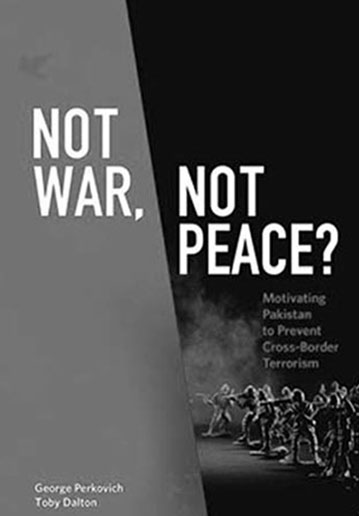
George Beahm
Bilateral India US relations remain on an upswing and the recent visit by Defence Secretary Carter anointing India as a Major Defence Partner testifies to this. Let us not get carried away by this and think of Russia too. 12 years ago, Pakistan was designated a Major Non-Nato Ally by George Bush. What really concerns US policy makers and thinkers is not the disputes between India and Pakistan, nor the terrorists that are India-specific.
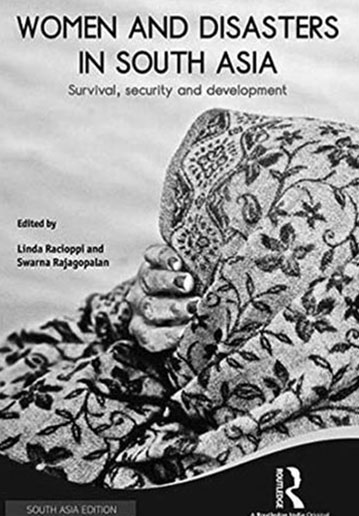
Linda Racioppi and Swarna Rajagoplan
Studying and analysing disasters, their impact and how these are dealt with by governments, humanitarian agencies and people, is developing as a research area with a multidisciplinary approach. In recent times the University Grants Commission in India and the Division of Disaster Management in the Indian Government have given huge funding for developing studies around this.
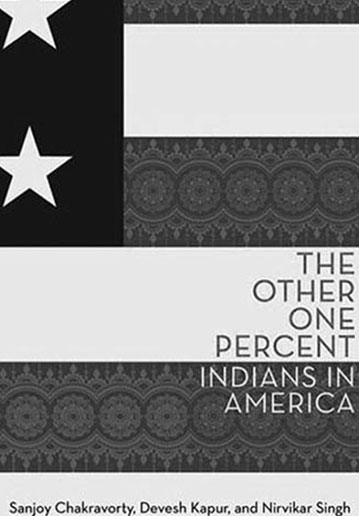
Sanjoy Chakravorty, Devesh Kapur and Nirvikar Singh
The rise of nationalism in the West and the heart-rending images of refugees from the Middle East has brought back immigration as a topic of conversation across the world. Nationalism seems to trump humanitarian considerations in policies towards immigration, particularly towards refugees, whether it is the Rohingy as in Myanmar or the Syrian refugees.
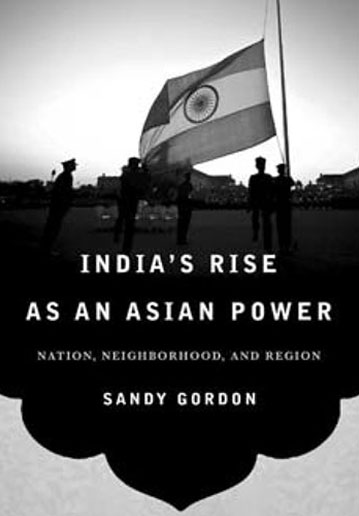
Sandy Gordon
India is an important actor in South Asia and it has been extending its role regionally and globally. However, in spite of participating actively India is not regarded as an ‘Asian Power’. Sandy Gordon’s book juxtaposes the changes which are necessary in the Indian domestic and neighbourhood policies for India to become an ‘Asian Power’. It also provides recommendations and actions which the Indian government should undertake to achieve the goal.
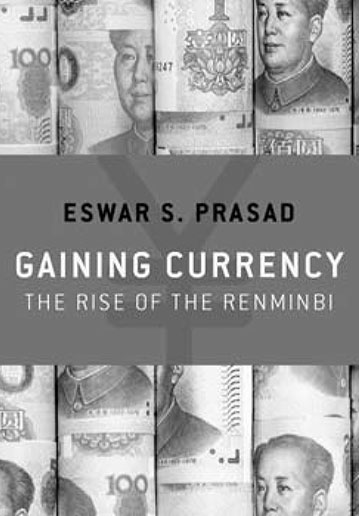
Eswar S. Prasad
As Fukuyama was visualizing his ‘End of History’, a giant was stirring–awakened by a unique set of reform policies which liberalized the economics but not the politics of governance. The subsequent rise of China has oft been documented by admirers as also its critics. China is today the world’s second largest economy—a GDP of around USD 11 trillion or 15% of world GDP and 12% of world’s trade.
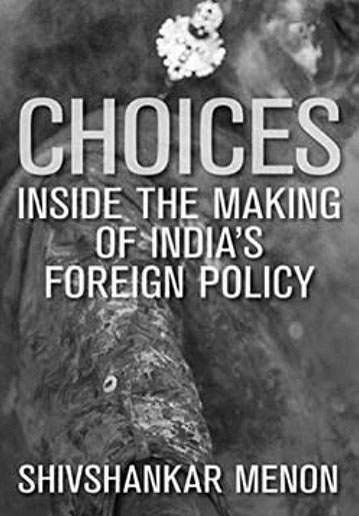
Shivshankar Menon
Modern India’s history is counted from 1947, but the making of India’s current foreign policy goes back to 1990 or there abouts. A number of factors, both global and domestic, that crystallized in the late 1980s-early 1990s mark a clear change in course at the time. In India, there was political turmoil, and two short-lived governments (led by PMs V.P. Singh and Chandrashekhar) followed by the assassination of Rajiv Gandhi, had left India shaken both economically, and in terms of leadership.
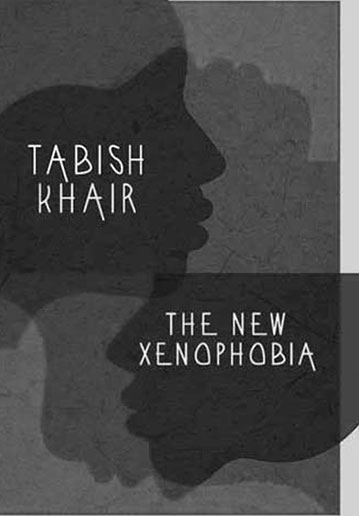
Tabish Khair
Tabish Khair’s The New Xenophobia is a bold effort to examine an increasingly pressing universal phenomenon, which the world has been ignoring as being part of the past. The importance of this work is that it seeks to place what it terms as ‘New’ in the perspective of what was the old xenophobia within the author’s broad concept that ‘Power refers to any imposition, physical or not, of one consciousness upon another’ approvingly quoting Emmanuel Levinas, the French Lithuanian 20th century philosopher, on the nature of violence beyond physical.
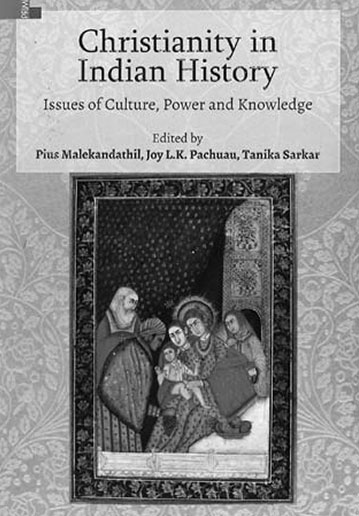
Pius Malekandathil, Joy L.K. Pachuau and Tanika Sarkar
In the long history of Christianity in India spanning millennia, the Christian faith came to be rooted in the multicultural pluralistic tapestry of India, and was articulated and found expression in multiple ways depending on specific contexts. During the course of its journey, Indian Christianity became complex and multilayered and known for its adaptations, collaborations and contestations with the local culture and history.
With Sufism being viewed as a counter narrative to radical Islam, there is a renewe interest in this mystical aspect of Islam, particularly of Sufi traditions in the subcontinent. These three books published recently highlight the cultural, historical and spiritual legacies of important Sufis in the subcontinent. Shaykh Usman Ali Hujwiri is popularly known as Data Ganj Baksh. Beginning with Data Sahib’s arrival in Lahore from Ghazna in the eleventh century, Sufi philosophy began to impact both the intellectual and social life of Muslim communities.
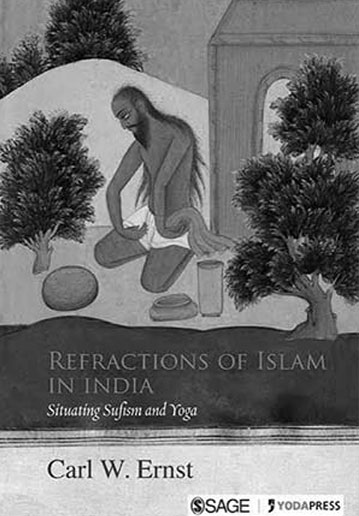
Carl W. Ernst
With Sufism being viewed as a counter narrative to radical Islam, there is a renewe interest in this mystical aspect of Islam, particularly of Sufi traditions in the subcontinent. These three books published recently highlight the cultural, historical and spiritual legacies of important Sufis in the subcontinent. Shaykh Usman Ali Hujwiri is popularly known as Data Ganj Baksh. Beginning with Data Sahib’s arrival in Lahore from Ghazna in the eleventh century, Sufi philosophy began to impact both the intellectual and social life of Muslim communities.
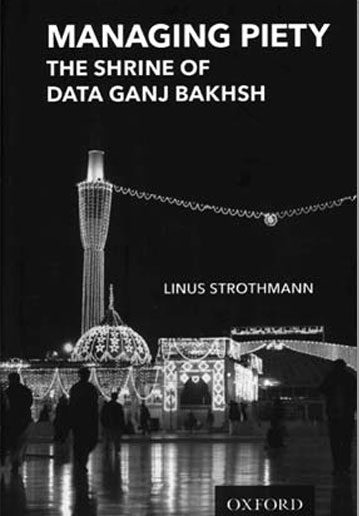
Linus Strothmann
With Sufism being viewed as a counter narrative to radical Islam, there is a renewe interest in this mystical aspect of Islam, particularly of Sufi traditions in the subcontinent. These three books published recently highlight the cultural, historical and spiritual legacies of important Sufis in the subcontinent. Shaykh Usman Ali Hujwiri is popularly known as Data Ganj Baksh. Beginning with Data Sahib’s arrival in Lahore from Ghazna in the eleventh century, Sufi philosophy began to impact both the intellectual and social life of Muslim communities.