
The 150th birth anniversary of Rabindranath Tagore in May 2011 generated so much of renewed interest in the writer and his work that every other day we now see the proliferation of Tagoreana in all possible literary and cultural forms.
2014
The 150th birth anniversary of Rabindranath Tagore in May 2011 generated so much of renewed interest in the writer and his work that every other day we now see the proliferation of Tagoreana in all possible literary and cultural forms.
The 150th birth anniversary of Rabindranath Tagore in May 2011 generated so much of renewed interest in the writer and his work that every other day we now see the proliferation of Tagoreana in all possible literary and cultural forms.
The 150th birth anniversary of Rabindranath Tagore in May 2011 generated so much of renewed interest in the writer and his work that every other day we now see the proliferation of Tagoreana in all possible literary and cultural forms.
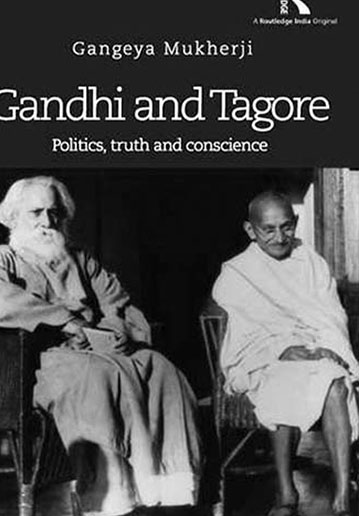
Gangeya Mukherji
The 150th birth anniversary of Rabindranath Tagore in May 2011 generated so much of renewed interest in the writer and his work that every other day we now see the proliferation of Tagoreana in all possible literary and cultural forms.
The 150th birth anniversary of Rabindranath Tagore in May 2011 generated so much of renewed interest in the writer and his work that every other day we now see the proliferation of Tagoreana in all possible literary and cultural forms.
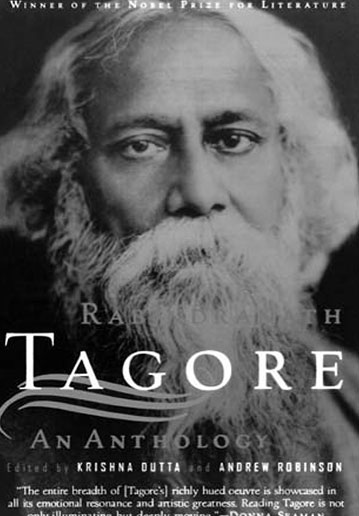
Krishna Dutta and Andrew Robinson
The 150th birth anniversary of Rabindranath Tagore in May 2011 generated so much of renewed interest in the writer and his work that every other day we now see the proliferation of Tagoreana in all possible literary and cultural forms.
2015
The legendary Gandhian Narayan Desai died on December 24, 2015 at the age of ninety. He was the last of the ‘true’ Gandhians who lived his life practising and preaching Gandhi’s philosophy. His father Mahadev Desai was Gandhi’s close associate and also his personal secretary; hence, Narayan Desai’s upbringing had been under the tutelage of Gandhi.
Michael Alleby
The 1920s has been noted as an exciting decade for scholars tracking the histories of modern sound. Jonathan Sterne has shown how sound reproduction technologies amplified as well as grew out of the ‘maelstrom’ of modern life that was marked by the rise of industrial capitalism, massive population shifts and the rise of mass media.
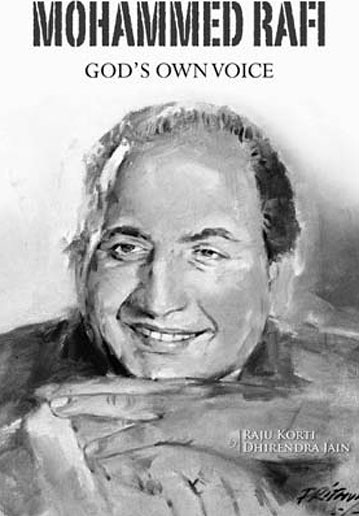
Raju Korti and Dhirendra Jain
One thing is apparent; the book, Mohammad Rafi: God’s Own Voice has been written by two earnest fans and ferocious defenders of the renowned playback singer Mohammad Rafi (1924–80).
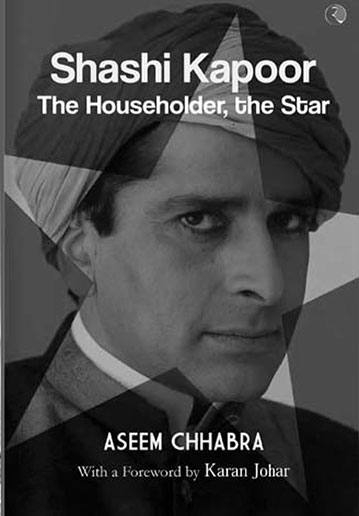
Aseem Chhabra
Shashi Kapoor: The Householder, The Star is an almost heartbreaking account—of the fame, and untoward retirement and estrangement from the industry, the painful and premature aging of a once extremely popular and daring showman.
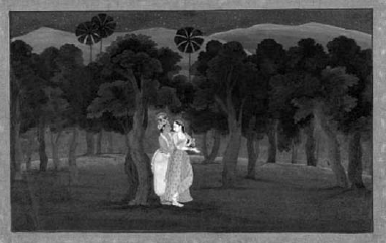
Terence Blacker
In the intense heat of the Indian summer of 1739, a Persian army could be seen heading in triumph away from the looted city of Delhi. Delhi was the capital of the great Mughals, the Muslim dynasty, originally of Central Asian origin, that had ruled much of India since the mid-sixteenth century.
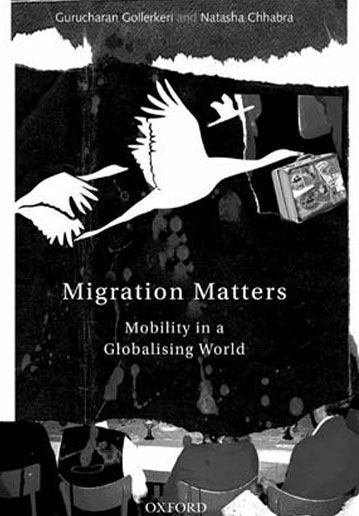
Gurucharan Gollerkeri and Natasha Chhabra
Migration has been a part of human history from the earliest times. Millions of people are seeking work, a new home or simply a safe place to live outside their countries of birth. People migrated as manual workers, highly qualified specialists, entrepreneurs, refugees or family members of previous migrants.
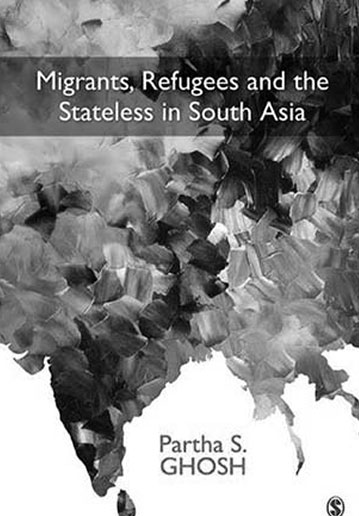
Aparna Bandopadhyay
As the title indicates this book is about the malleable boundaries between migrants, refugees and the stateless in a world where borders become indicators of freedom of movement. The regional focus is South Asia with all its geographical, historical, political and social complexities.
Sara Dickey
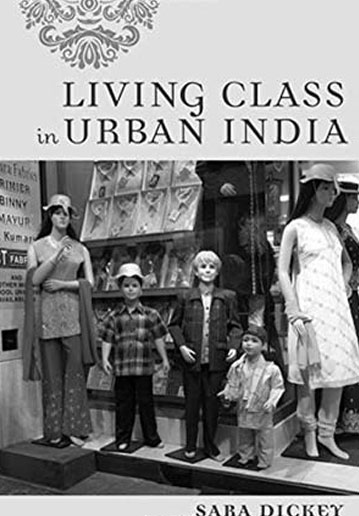
This book needs to be appreciated as a culmination of a three ecade engagement with the city of Madurai and a select set of residents who became the author’s respondents and very close friends. These close acquaintances’ lives, their troubles, travails, joys and everyday struggles are tracked in a way that they become the central cast…
Anindita Ghosh
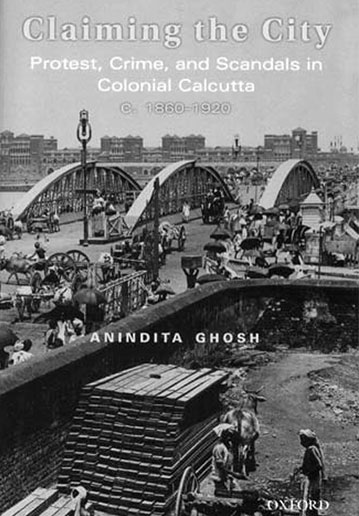
Aquestion calculated to test the mettle of even those intimately familiar with the history of colonial Calcutta—what is common to Mahesh-chandra Das De, Aghor-chandra Das Ghose and Jaharilal Sil? These names will not occur in any roll call of honour but as pamphleteers of urban phenomena such as storms, bridges and fish epidemics, they were nonpareil.
Jyoti Grewal
‘The ones who can call themselves contemporary are only those who do not allow themselves to be blinded by the lights of the century, and so manage to get a glimpse of the shadows in those lights, of their intimate obscurity.’ (Giorgio Agamben, What Is The Contemporary?, p. 45)
Zaheer Baber
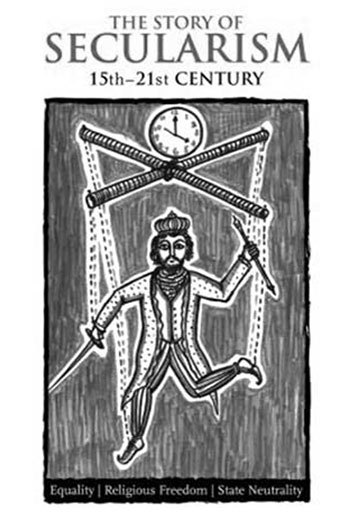
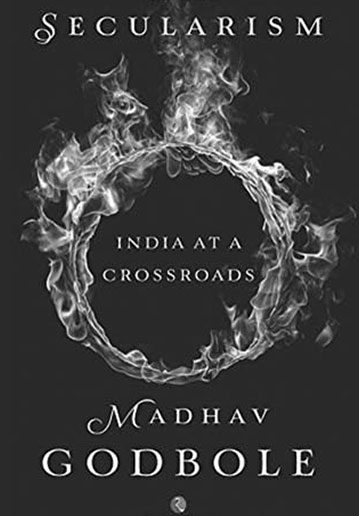
Secularism in India has always been a contested terrain at both conceptual and practical levels. With the advent of modernity and democracy preceding the wave of industrialization, unlike in the West, it has largely been understood as a peculiar Indian phenomenon distinct from the western secular models.
Nalini Rajan
Secularism in India has always been a contested terrain at both conceptual and practical levels. With the advent of modernity and democracy preceding the wave of industrialization, unlike in the West, it has largely been understood as a peculiar Indian phenomenon distinct from the western secular models.
Madhav Godbole
Secularism in India has always been a contested terrain at both conceptual and practical levels. With the advent of modernity and democracy preceding the wave of industrialization, unlike in the West, it has largely been understood as a peculiar Indian phenomenon distinct from the western secular models.