
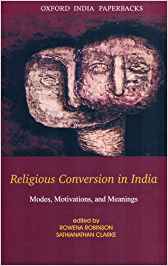
Rowena Robinson
Conversion is a contentious issue in contemporary India. This book examines the various facets of conversion in India through fourteen contributions made by fifteen authors including the editors.

Satish Deshpande
In this era of cross-cutting issues and research, claiming a particular expertise as one’s own may sound incongruous, but I cannot resist the temptation of confessing what I had always felt while reading Satish Deshpande and that is: reminding geographers that someone else is doing what they ought to have done.
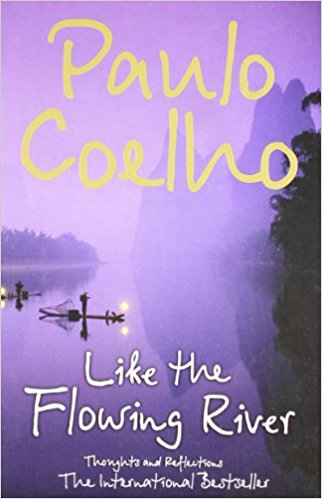
Paul Coelho
I would recommend Paul Coelho’s Like a Flowing River: Thoughts and Reflections if you are looking for (a) a book to carry on a journey, (b) a gift for a student achiever or (c) a mood-elevator.

Jagannath Prasad Das
2007
Jagannath Prasad Das who was recently awarded the prestigious Saraswati Samman is a versatile and outstanding Oriya writer who has been consistently writing poetry, fiction, drama and essays on art for almost four decades now.
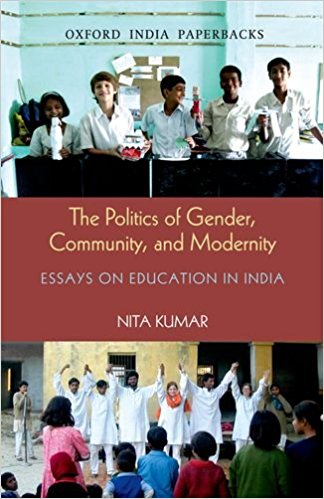
Nita Kumar
Issues of education, community, modernity and Indian women are highly contentious these days, evoking aggressive and often violent passions. Kumar brings ethnographical studies that compel our gaze to be tempered by her readings of history and raises questions on the need to revisit our notions of the nation and most importantly of education.
In his memoirs, In the Afternoon of Time, the veteran Hindi writer, Harivansh Rai Bacchan expressed a strong preference for the way the Hindi language ought to evolve in the public sphere. Hindi words, he wrote, should constitute the main body of a text, but they should be laced with Urdu and Persian. This would add to the beauty of the prose but not detract from its own distinctive attractions.
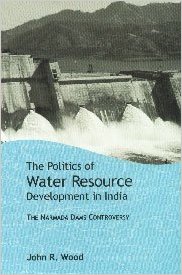
John R. Wood
Profusely footnoted, elaborately indexed and extensively researched, this volume is a valuable contribution to the on-going debate on the merits and demerits of high dams to meet India’s growing needs for irrigation, hydropower and drinking water.

Andrea Major
Is sati a burning issue or a burnt out issue? The theme of sati has been thrashed out threadbare in the last decade with both western and Indian scholarship converging on this crucial area of social history and societal practice.
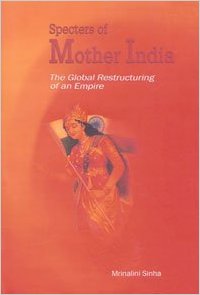
Mrinalini Sinha
The task of a historian is not only to go through already identified paths and throw new light on well known events but also constantly look into sources and archival material, and identify moments which have played an important role in social dynamics.
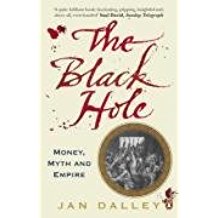
Jan Dalley
Dalley begins with the best of intentions. Debunking myths, demonstrating how the practices of history writing and representation implicitly and explicitly make and unmake myths and understanding within this how and why the story of the Black Hole of Calcutta (1756) became so central to the formation of the British Empire are his overall concerns. Unfortunately,

Bimal Jalan
Democracy is the most ambitious political project of the last century and Indian democracy with a vigorous free press, apolitical military, regular and competitive elections, and a functional overburdened judiciary is one of the good examples of a formal democracy.
The volume under review is an excellent addition in a world of scarce serious literature on India which, as Rajni Kothari describes, is ‘a mammoth virgin laboratory of original research’. As most of the literature on Indian thought has essentially come from non-theory specialists,
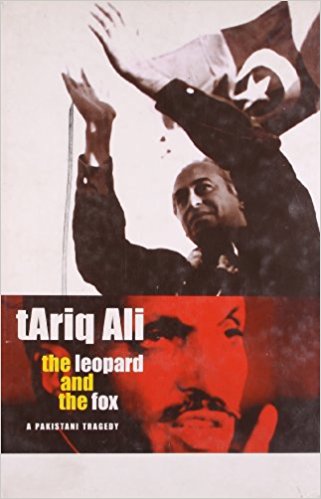
Tariq Ali
Zulfikar Ali Bhutto founded the Pakistan Peoples Party (PPP) and became the country’s first elected Prime Minister. Despite his socialist credo of ‘food, clothing and shelter’ which he used in his 1970 political campaign, the left regarded him with mixed feelings.

Mushirul Hasan
2007
The Autobiography of Lutfullah, A Mohamedan Gentleman and His Transactions with His Fellow Creatures (the original title of the book when it was first published in 1857) belongs to the popular genre of travel writing in the 19th century.
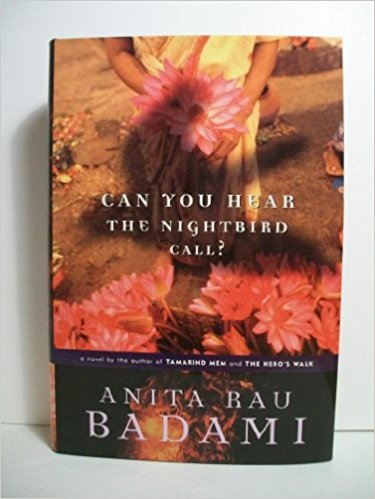
Anita Rau Badami
With the publication of Midnight’s Children in 1981 Indian Writing in English was finally said to have come of age. Such proclamations notwithstanding, even a quarter of a century after Rushdie’s magnum opus Indian writers in English continue to be assailed with questions such as whether they are being authentic to their culture or commodifying it for the benefit of foreign publishers, markets, and readership.
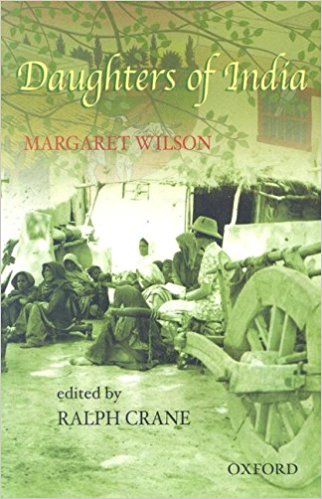
Margaret Wilson
Fiction written in the past affords us authentic glimpses of that era and also an insight into the social psyche of different groups of persons of that period through imagined characters. The poor plight of Indian women and lower classes was a strong theme in British colonial propaganda to legitimize its presence in India.
Shanta Acharya
2007
The word shringara, the title of Shanta Acharya’s fourth full-length poetry collection, has a special reverberation for me. In my childhood, reading Bengali poetry from the olden days, I would come across this mysterious word,
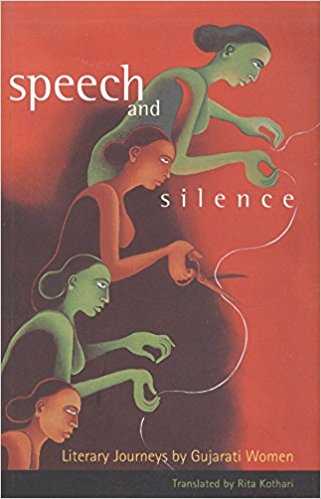
Rita Kothari
There are occasions when you feel a kind of bliss when you read a book that is able to deal with things that are dear to your heart. Here is such a publication: an anthology that collects writing by Gujarati women over a century.
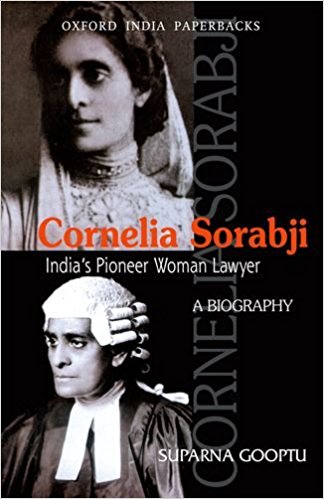
Suparna Gooptu
Anglophilia has long afflicted the average educated Indian Parsi. It was so in the Victorian era. It is so now. Cornelia Sorabji was no exception. Though only half a Parsi, she did not do things by halves.

R.S. Khare
About five decades ago, Louis Dumont (1911-1998) a French scholar of international repute, set the tone and tenor of the academic discourse in anthropology and sociology about the nature of Indian society. Dumont was a ‘pupil’ of Marcel Mauss; and he learnt Sanskrit when he was imprisoned in Hamburg during the Second World War.