
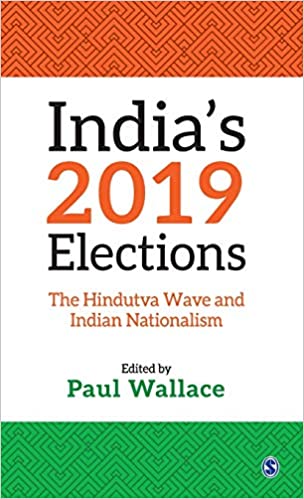
Paul Wallace
India’s 2019 elections result deepened the fundamental transformation of politics since 2014. The BJP not only witnessed a surge in quantitative terms but it also penetrated into new territories that were largely dominated by regional parties.
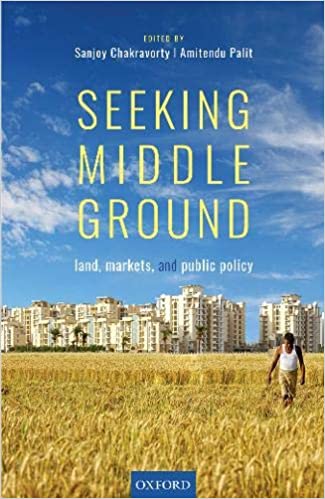
Sanjoy Chakravorty and Amitendu Palit
The contestations over land continue to remain relevant in the age of capitalist industrialization. While in the pre-industrial world, land clearly maintained a central role in the generation and accumulation of wealth, modern industrialization and the subsequent upheaval.
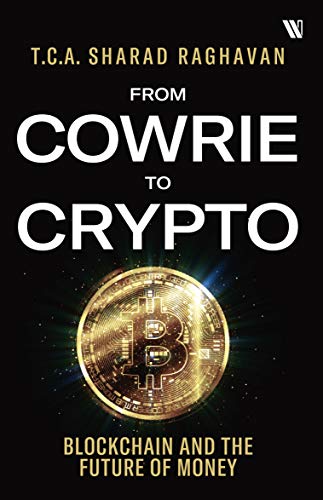
T.C.A. Sharad Raghavan
Money as a medium of exchange, and a store of value, has gone through many avatars as civilizations have surged and ebbed. Precious metals, precious stones, cowrie shells, rice–at various times in various places, these things have been used either as currency.
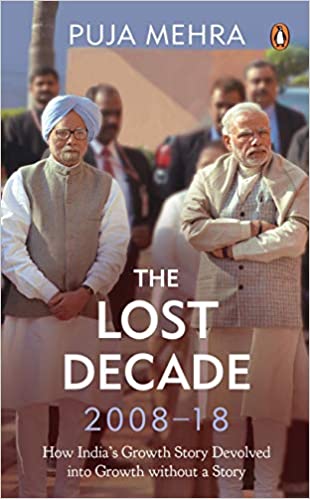
Puja Mehra
The Indian economy has been lurching from crisis to crisis for more than a decade now. The latest crisis is unfolding as we speak, with the COVID-mitigating country-wide lockdown already taking an economic toll on industries with factories closed, and a huge population dependent on the informal economy unable to earn its daily wage.
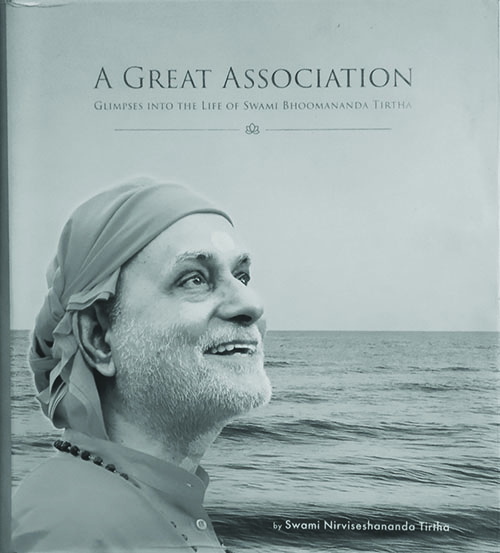
Swami Nirviseshananda Tirtha
To label this book the biography of a spiritual figure would be a misnomer. On the contrary, it is an inner exploration into a universalism that transcends caste and creed and therefore religion in our conventional understanding of the term.
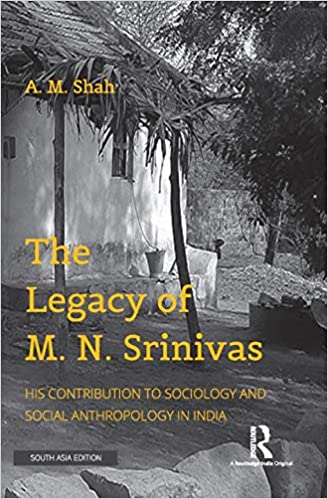
A.M. Shah
The emergence of the ‘biographical turn’ in social science tradition inaugurated a new intellectual movement in capturing the nuances of economic and social change and the ruptures in institutional histories. The past few decades of biographical research.
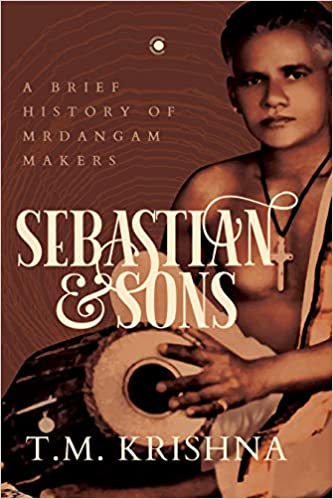
T.M. Krishna
Sebastian & Sons is the intriguing title of a book on the brief history of mrdangam makers. The striking photograph of Madurai Ratnam, Sebastian’s first cousin, adorns the cover. When Krishna was asked who Sebastian was, he responded: ‘Sebastian was the oldest.
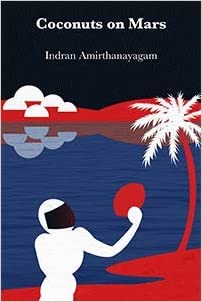
Indran Amirthanayagam/Gopikrishnan Kottoor/E.V. Ramakrishnan/THESE WERE MY HOMES: COLLECTED POEMS
The title—Coconuts on Mars as well as the cover photo of the book draws one’s curiosity to the contents of the book. It is not an easy read, as least not when you read it the first time but the book unravels beautifully only if you stay on a page.
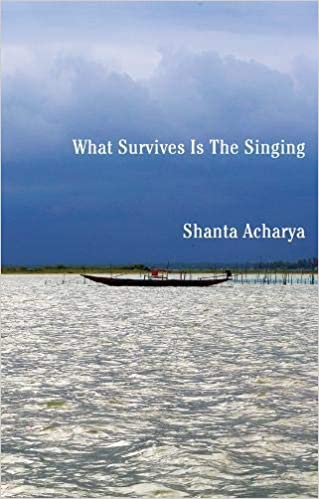
Shanta Acharya/Jennifer Wong
Shanta Acharya exercises her poetic licence by quoting Elizabeth Jennings, ‘We have a whole world to rearrange.’ While she dismantles our perceptions, she rearranges her sentiments and opinions as poems laced with observations. A reason is given.
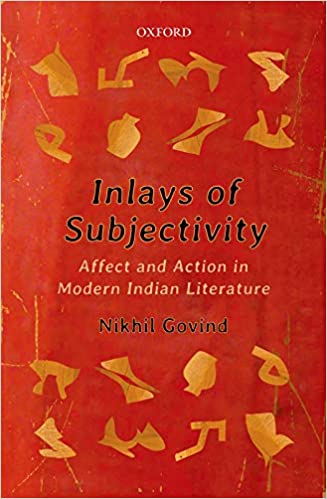
Nikhil Govind
Given the interest in emotions in understanding human behaviour more fully than ever before, researchers in recent times have been looking at the crevices between thought and word, cracks and gaps through which meaning can slip unnoticed by readers.
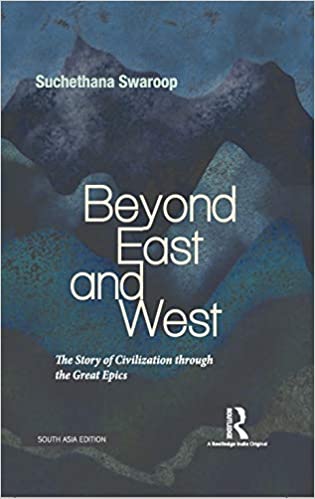
Suchethana Swaroop, translated from the original Kannada by N.S. Raghavan
A very intriguing title with the promise of opening up grand vistas of history. Let us see how far it succeeds.
The author starts out with the premise that the great epics, even in their oral form, have played a decisive role in the making of the history.
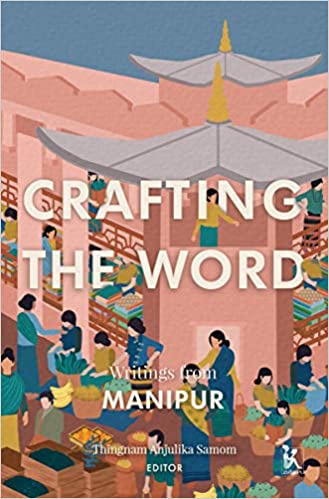
Thingnam Anjulika Samom. Translated from the original Manipuri by a translators’ collective.
The book under review brings together the work of twenty-six women writers from Manipur. Translated into English from the original texts in Manipuri by a small group of translators, this anthology tries to locate a politics of the everyday across a wide.
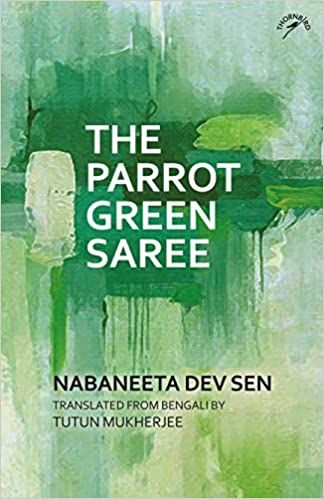
Nabaneeta Dev Sen, translated from the original Bengali by Tutun Mukherjee
During the mid-1970s, Nabaneeta Dev Sen wrote a trilogy of Bengali novellas for the Annual Puja Festival numbers of different magazines. Passing through the turbulence and the aftermath of the Naxalite movement that had swept over Bengal during that decade.
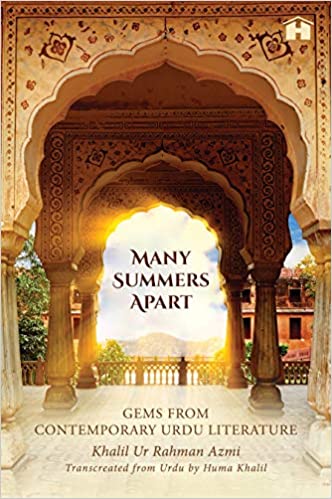
Khalil Ur Rahman Azmi
Khalil Ur Rahman Azmi’s monumental and definitive study on the Progressive Movement in Urdu Literature is now available in English, thanks to his daughter and translator, Huma Khalil. It must indeed be a joyful experience for researchers and scholars alike.
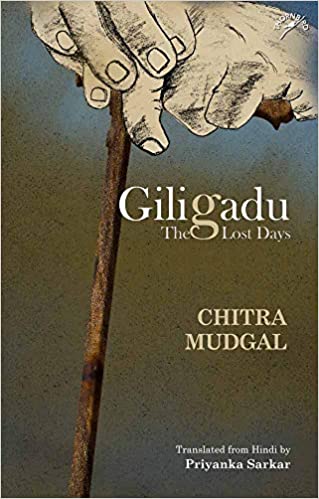
Chitra Mudgal, translated from the original Hindi by Priyanka Sarkar
In 2007, when Giligadu was originally published and was available to the Hindi readers, it was received warmly as yet another socially relevant realistic novel by activist-writer Chitra Mudgal. It was hailed as a critical portrayal of the disintegration of family.
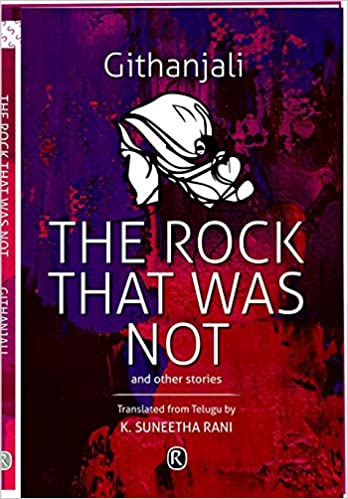
Githanjali
2019
Githanjali’s book of short stories, The Rock That Was Not, deals with Indian women who are striving hard to stay afloat in wedlock, while claiming their own identity. Marriage becomes a tool for patriarchy to suppress their identity.
Jhimli Mukherjee Pandey
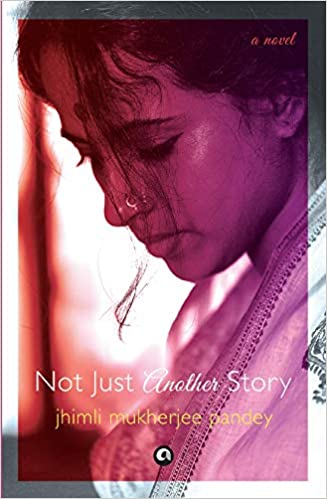
In 2004 directors Zana Briski and Ross Kauffman, having photographed and filmed children of the prostitutes of Calcutta’s red-light district Sonagachi, released their documentary Born into Brothels: Calcutta’s Red Light Kids to the public. It opened.
Nayantara Sahgal
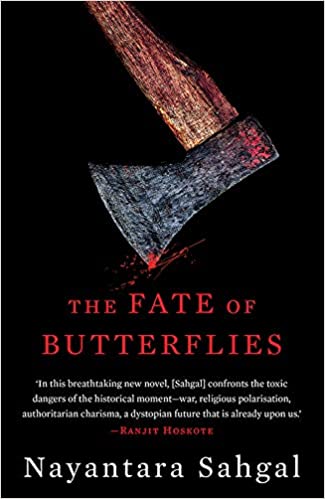
The Fate of Butterflies by the redoubtable Nayantara Sahgal is another testimonial to the author’s versatile imagination. Interweaving the personal and the political like many of Sahgal’s earlier novels, the novel narrates a history of the present from a fast receding liberal-secular perspective.
Purushottam Agrawal
2019
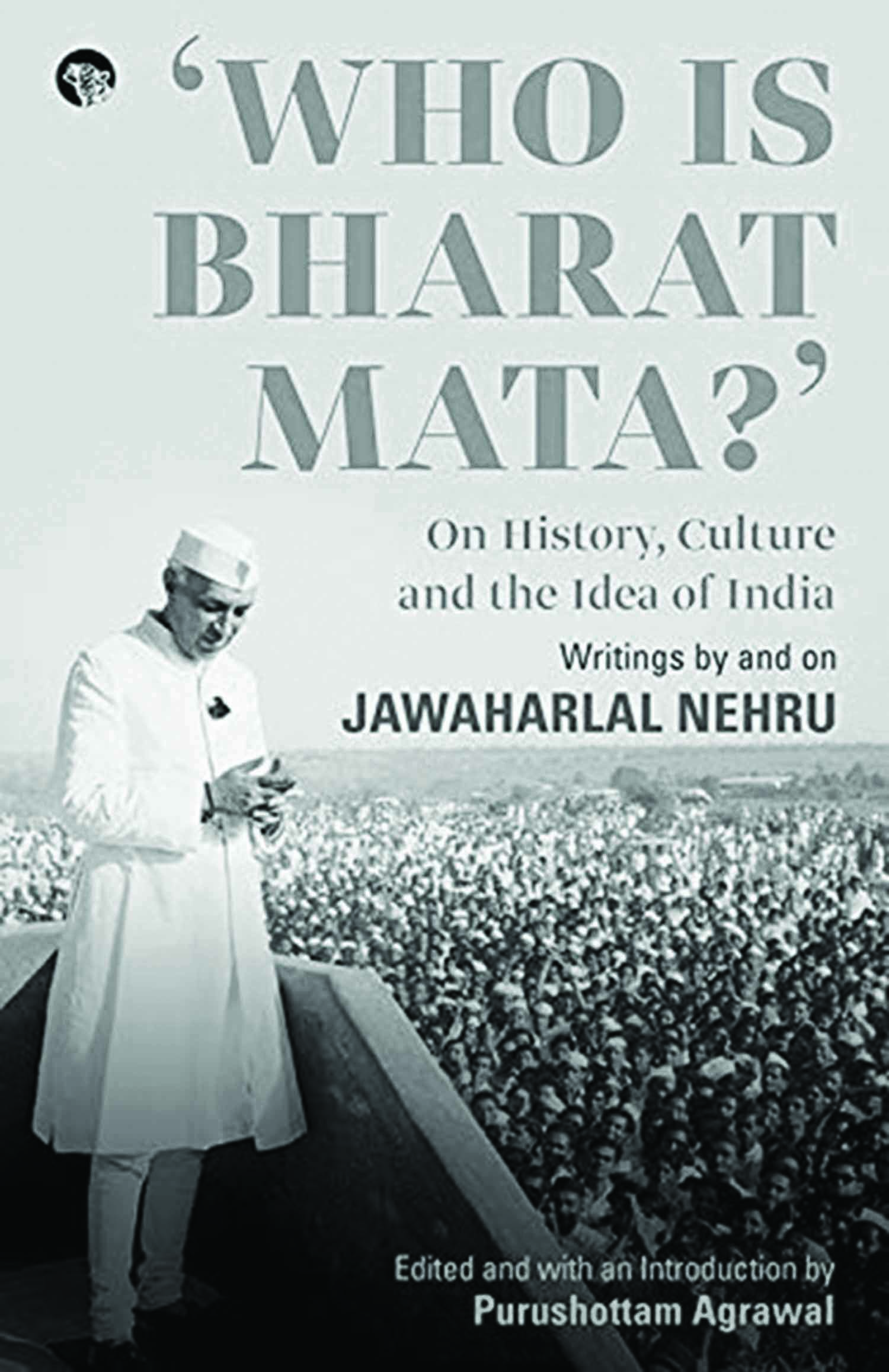
Purushottam Agrawal’s edited book on Nehru, provocatively titled Who is Bharat Mata?—among many other admirable qualities—has the grace of opportune timing. It comes at a precarious moment of our history when the memory of Nehru is dimming, almost irrevocably one.