
Translations
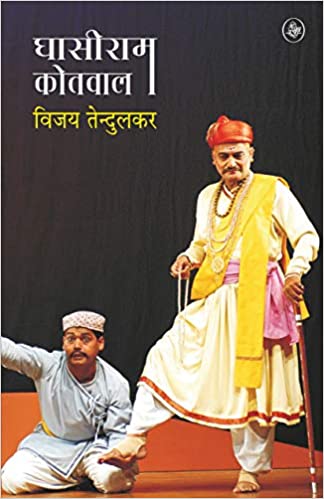
Vijay Tendulkar. Translated from the original Marathi by Dr Damodar Khadse
2019
The accepted wisdom about Vijay Tendulkar’s plays is that they are about power and violence. Well, are they? Think of his ‘violent’ protagonists—Sakharam (in Sakharam Binder), Ramakant (Gidhade), Ghashiram (Ghashiram Kotwal), Benare’s prosecutors (Shantata! Court Chalu Ahe).
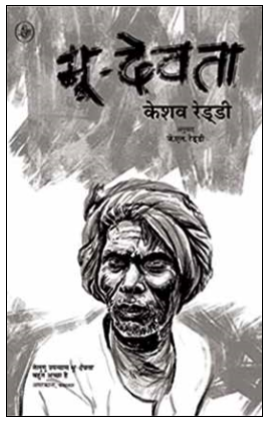
Keshav Reddy. Translated from the original Telugu by J.L. Reddy
As lecturers and critics, we routinely perform the delicate task of establishing and reinforcing the boundaries which mark our disciplinary engagements. What, for instance, is life writing as opposed to bildsungroman? At which stage do novellas become novels? What distinguishes.
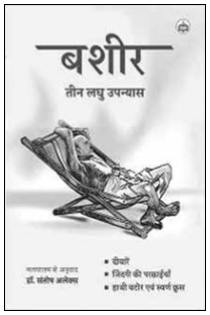
Dr. Santosh Alex
From the very beginning, Vaikom Muhammad Basheer’s writing grips you. The very first story in the collection declares itself as a love story. Not only that, the narrator of this story does so by directly asking the readers a simple question: ‘Aap logon mein kisi ne Deewaarein.
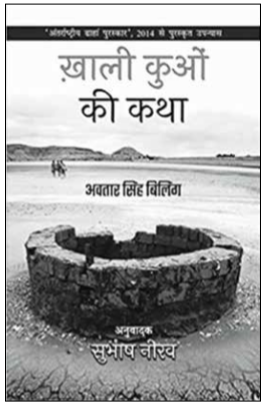
Avtar Singh Billing. Translated from the original Punjabi by Subhash Neerav
An ardent Punjabi, having lived all my life outside of the Punjab, I am delighted to have been given such an evocative tour de force in Avtar Singh Billing’s novel Khali Kuon ki Katha. This book is my first experience of having effectively entered into rural Punjab.
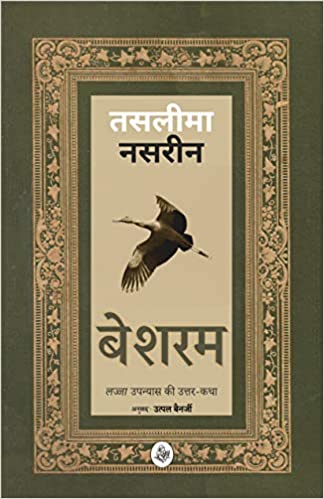
Taslima Nasrin. Translated from the original Bengali by Utpal Banerjee
When the characters the author weaves in Lajja take a shape of their own in the sequel, readers are taken into a journey beyond the political realm of Lajja to the social and emotional realms. Besharam takes the story of Lajja forward in a way where the author delves.
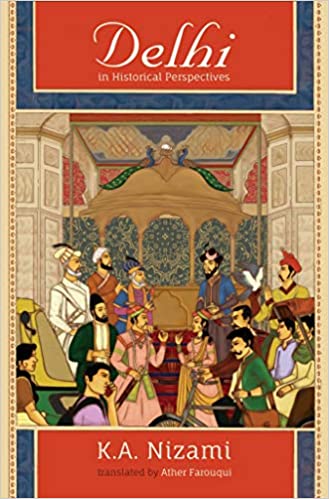
K. A. Nizami. Translated from the original Urdu by Ather Farouqui
The Urdu Department of Delhi University has a photo gallery on its website. In a 1966 photograph of the Department, taken during the inaugural Nizam lecture, Princess Esin and Prince Muffakham Jah of Hyderabad are seated. Between the newly married.
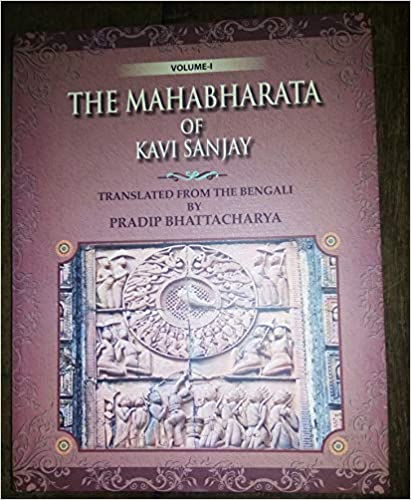
Pradip Bhattacharya
We are so obsessed with the legitimacy (or not) of many Ramayanas that we tend to forget that the Mahabharata also appears in almost every Indian language, that it, too, inhabits highly localized cultures; that outside the Sanskrit text, its characters often.
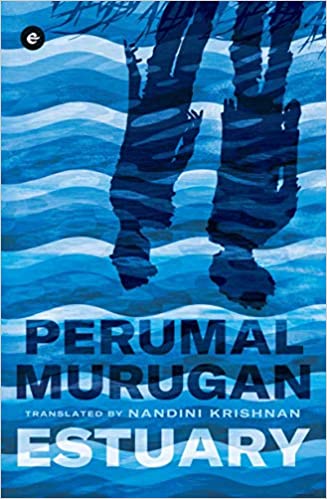
Perumal Murugan
2020
As a writer, Perumal Murugan has a politics of his own. Readers of Murugan know that following the protest against his 2010-Tamil novel, Mathorubhagan (One Part Woman) he wrote his obituary in 2015 saying, Perumal Murugan, the writer, is dead.
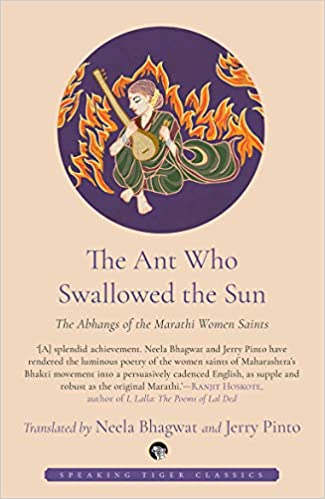
Neela Bhagwat and Jerry Pinto
Self-identity and self-expression have never been very smooth for women, described by one of the translators of this volume of poems under review as ‘adi-dalit, the original broken, oppressed and silenced’ caste. When social, economic and linguistic norms.
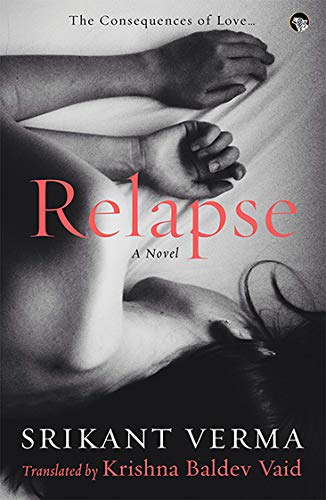
Srikant Verma
2018
One of the challenges of translating an Indian text into English is the constant tussle between the ‘Indianness’ of the original and the ostensible foreignness of the English language. But what if a Hindi novel is translated in such a way that the English.
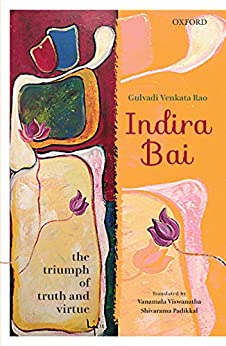
Gulvadi Venkata Rao
The first Kannada novel, Indira Bai or The Triumph of Truth and Virtue, has been recently translated into English, for the second time, by Vanamala Viswanatha and Shivarama Padikkal. Originally published by the Basel Mission Press, Mangalore, in 1899.
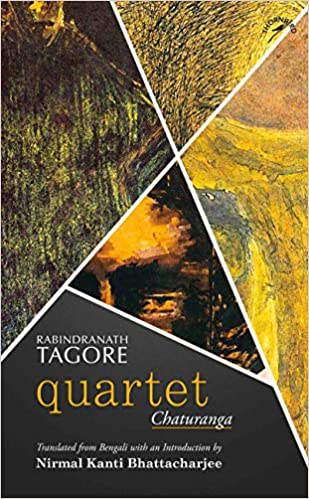
Rabindranath Tagore
Originally serialized in the magazine Sabjupatra in 1915, Rabindranath Tagore’s Chaturanga (Quartet) is a short novella set in 19th century Bengal. Later it was published in book form in 1916 and is considered a landmark in Bengali literature.
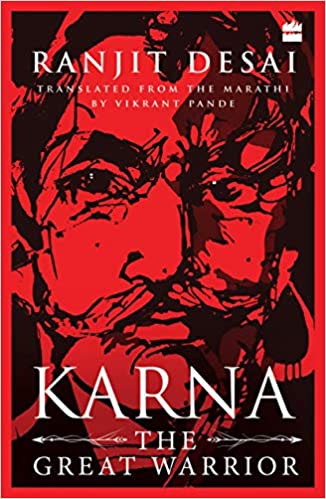
Ranjit Desai. Translated from the original Marathi by Vikrant Pande
Any survey of modern Marathi literature from the mid-19th century onwards is bound to show up its fascination for and engagement with historical and mythological subjects whether in drama or fiction. In the wake of the Dramatic Performances Act imposed.
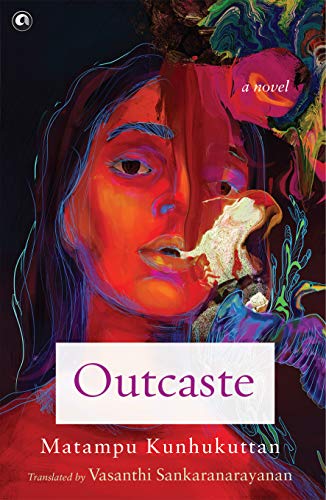
Matampu Kunhukuttan. Translated from the original Malayalam by Vasanthi Sankaranarayanan
The Malayalam novel, published in 1969, was based on the 1905 trial for excommunication of a high-born Namboodiri Brahmin woman (antharjanam) named Thatri from the Namboodiri homestead(illam) called Kuriyedathu and her sixty-four paramours.
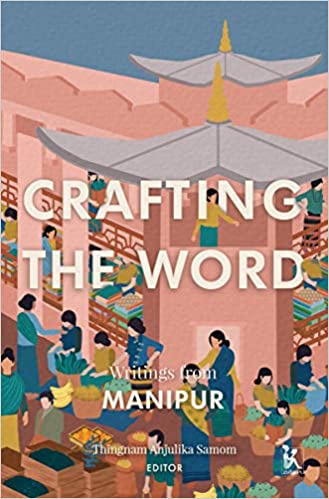
Thingnam Anjulika Samom. Translated from the original Manipuri by a translators’ collective.
The book under review brings together the work of twenty-six women writers from Manipur. Translated into English from the original texts in Manipuri by a small group of translators, this anthology tries to locate a politics of the everyday across a wide.
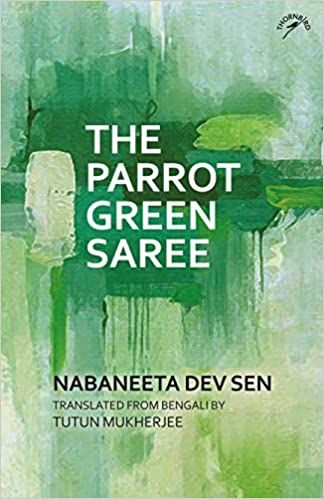
Nabaneeta Dev Sen, translated from the original Bengali by Tutun Mukherjee
During the mid-1970s, Nabaneeta Dev Sen wrote a trilogy of Bengali novellas for the Annual Puja Festival numbers of different magazines. Passing through the turbulence and the aftermath of the Naxalite movement that had swept over Bengal during that decade.
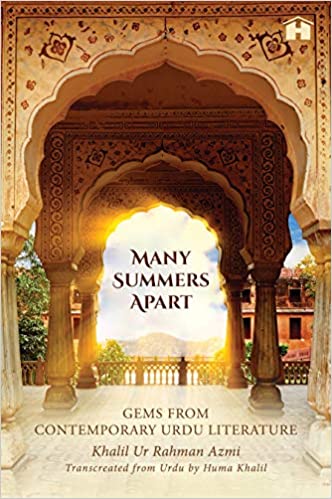
Khalil Ur Rahman Azmi
Khalil Ur Rahman Azmi’s monumental and definitive study on the Progressive Movement in Urdu Literature is now available in English, thanks to his daughter and translator, Huma Khalil. It must indeed be a joyful experience for researchers and scholars alike.
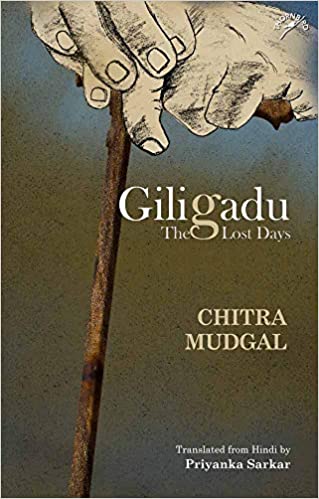
Chitra Mudgal, translated from the original Hindi by Priyanka Sarkar
In 2007, when Giligadu was originally published and was available to the Hindi readers, it was received warmly as yet another socially relevant realistic novel by activist-writer Chitra Mudgal. It was hailed as a critical portrayal of the disintegration of family.
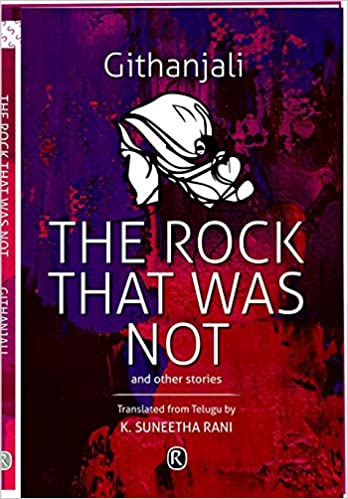
Githanjali
2019
Githanjali’s book of short stories, The Rock That Was Not, deals with Indian women who are striving hard to stay afloat in wedlock, while claiming their own identity. Marriage becomes a tool for patriarchy to suppress their identity.
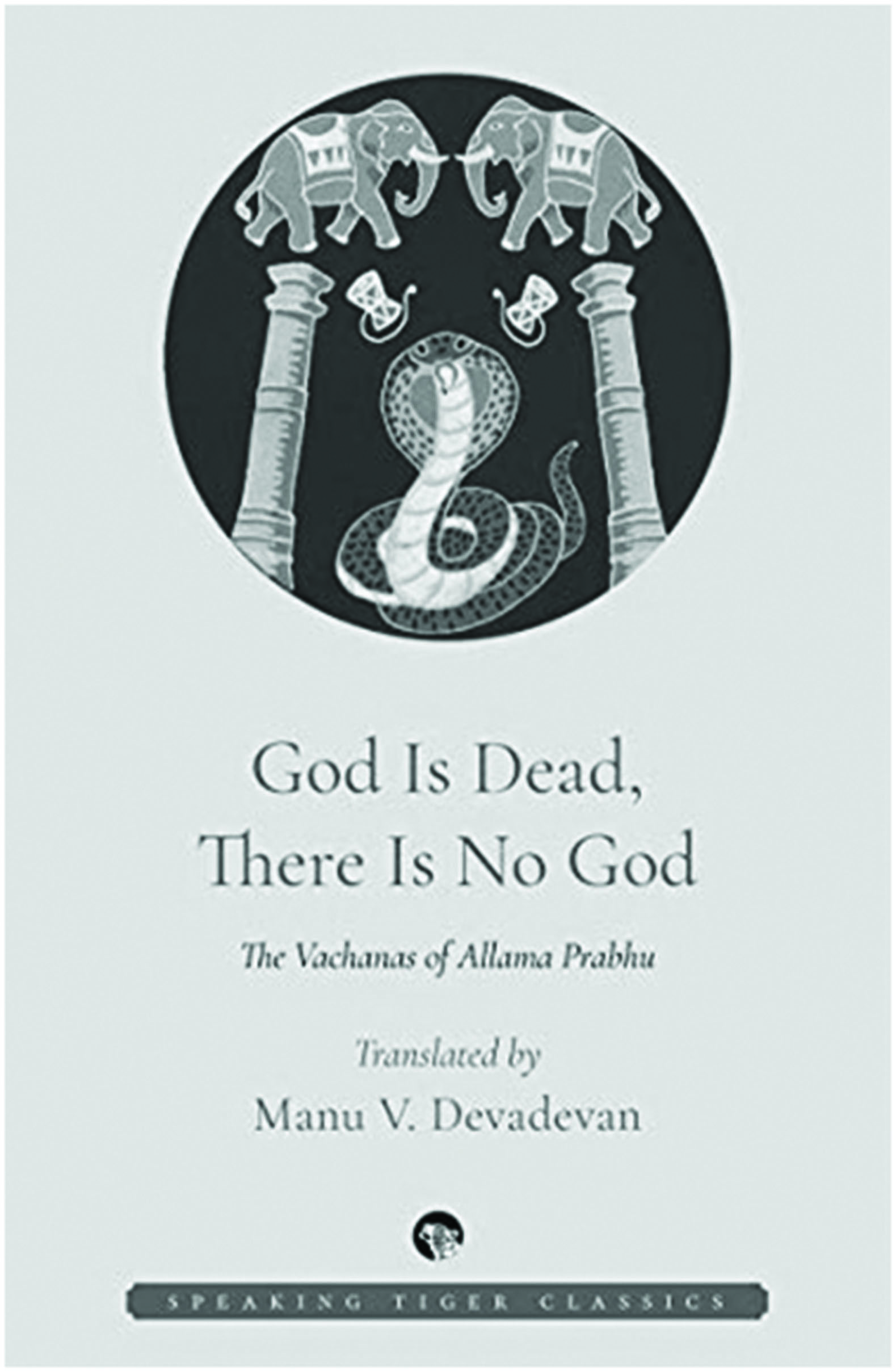
Manu V. Devadevan
The title is a misnomer. This tantalizing title of a book of translation that is saturated with divinity is an invitation to the enterprising reader to explore what lies within and what lies beyond the imagined entity called ‘God’. I would like to begin my review.