
Translations
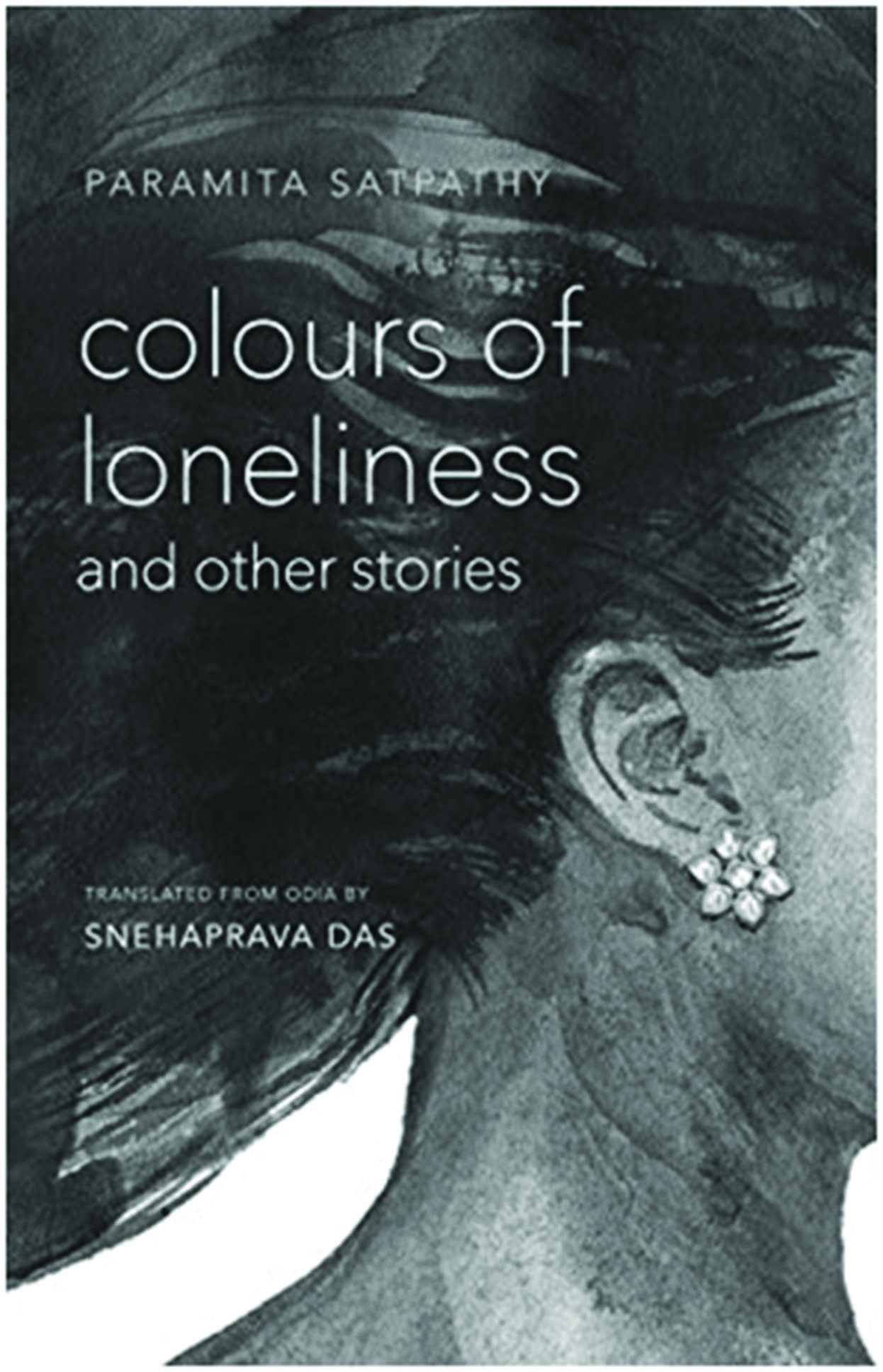
Snehaprava Das
‘I write to … express that part of women’s lives which is often buried and endured in silence.’ This line from Paramita Satpathy’s conversation with her translator says it all. Each of the fourteen stories in this collection showcases a different problem—each a common issue, rarely discussed.
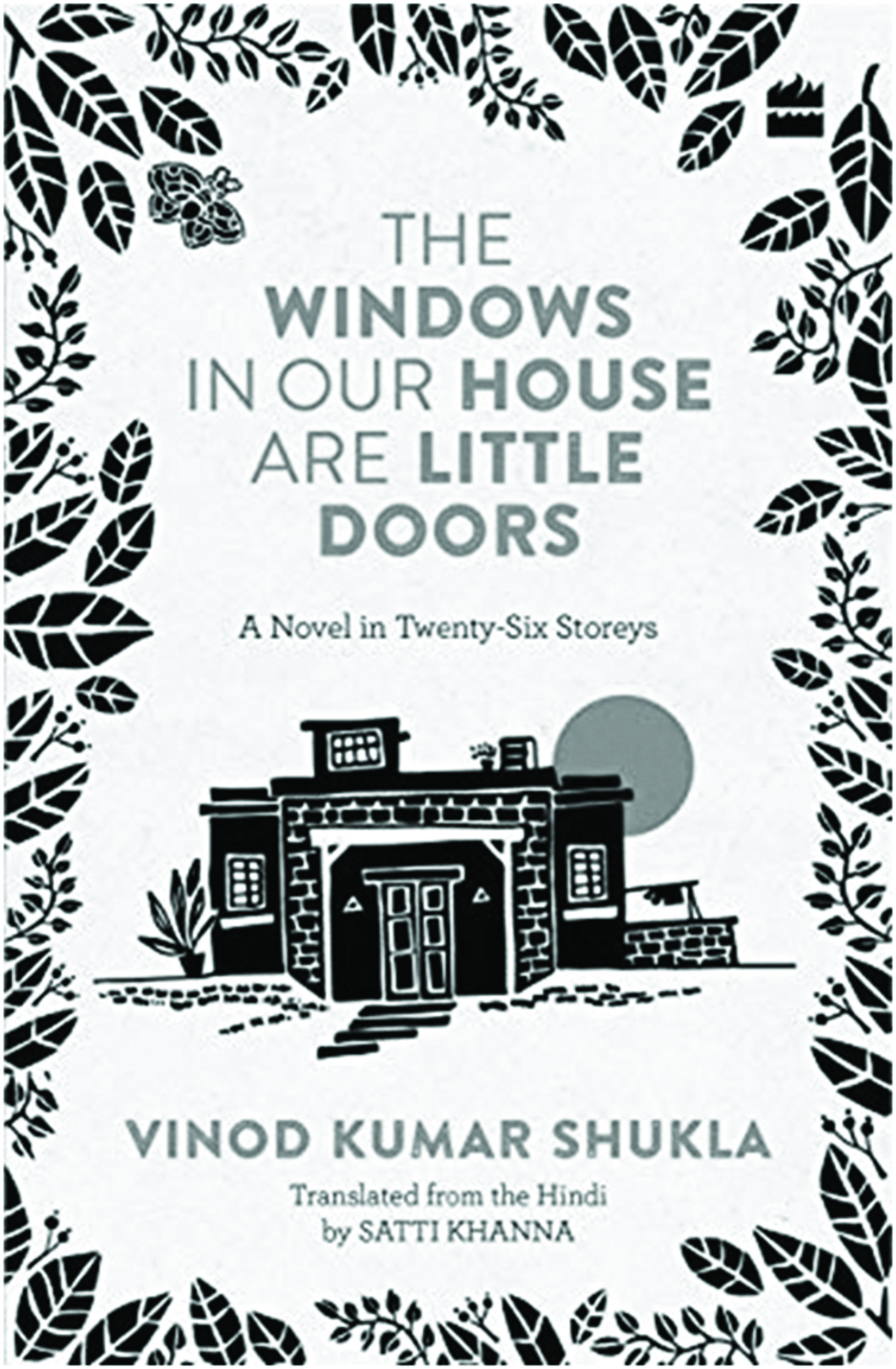
Vinod Kumar Shukla
2019
In 1958, a young boy from a small town in Madhya Pradesh failed in Hindi in the school final examination, because of which he had to enrol in an agricultural college where there was no Hindi. He completed the course and taught in an agricultural college for many years after.
Saadat Hasan Manto
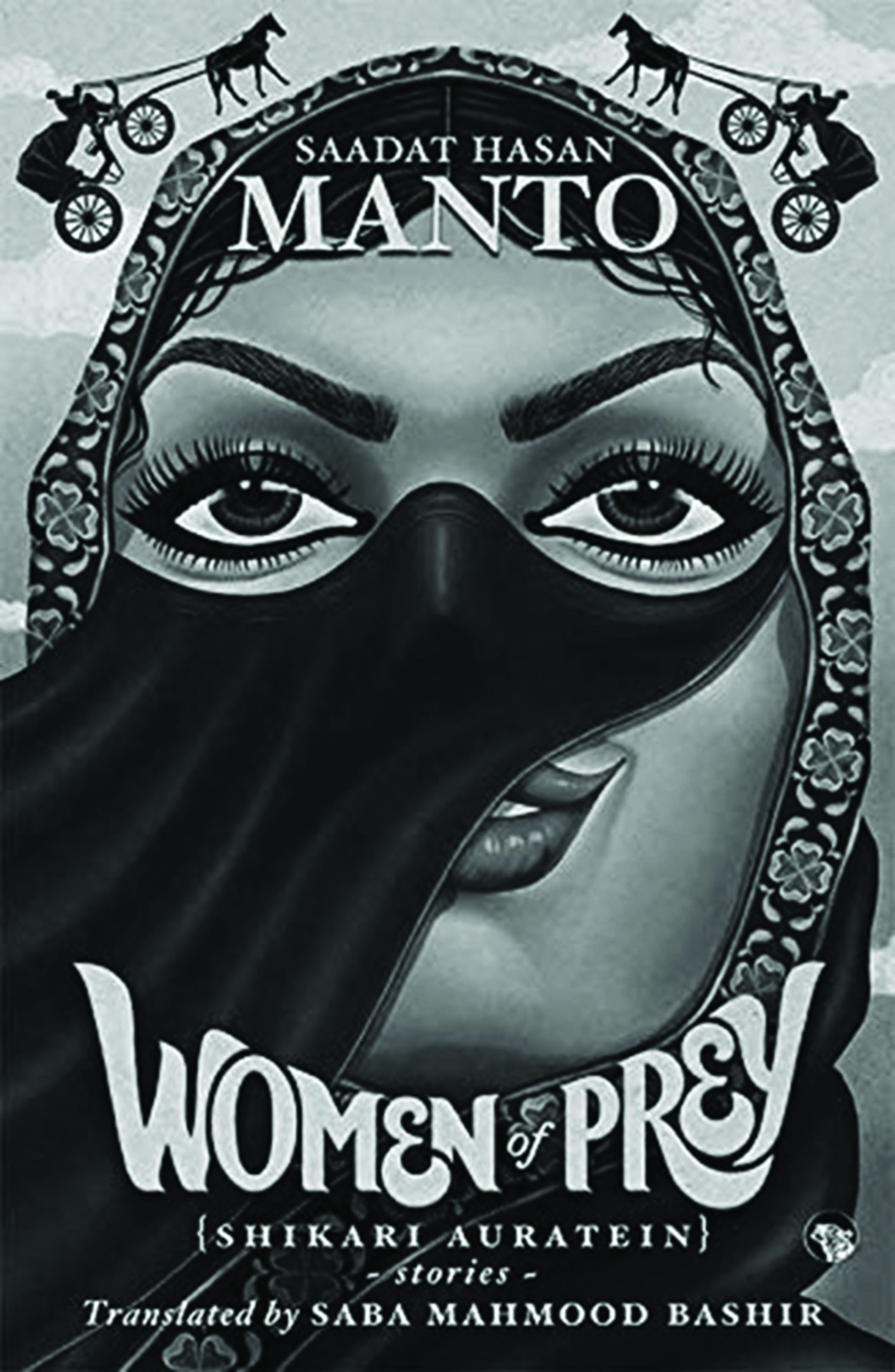
Capitalized SAADAT HASAN MANTO, printed against strands of jet black hair that have escaped the floral edge of a burqa, which reveals more than it conceals; arched eyebrows, large and thickly kohl-lined eyes, the partial tantalizing glimpse of painted lips.
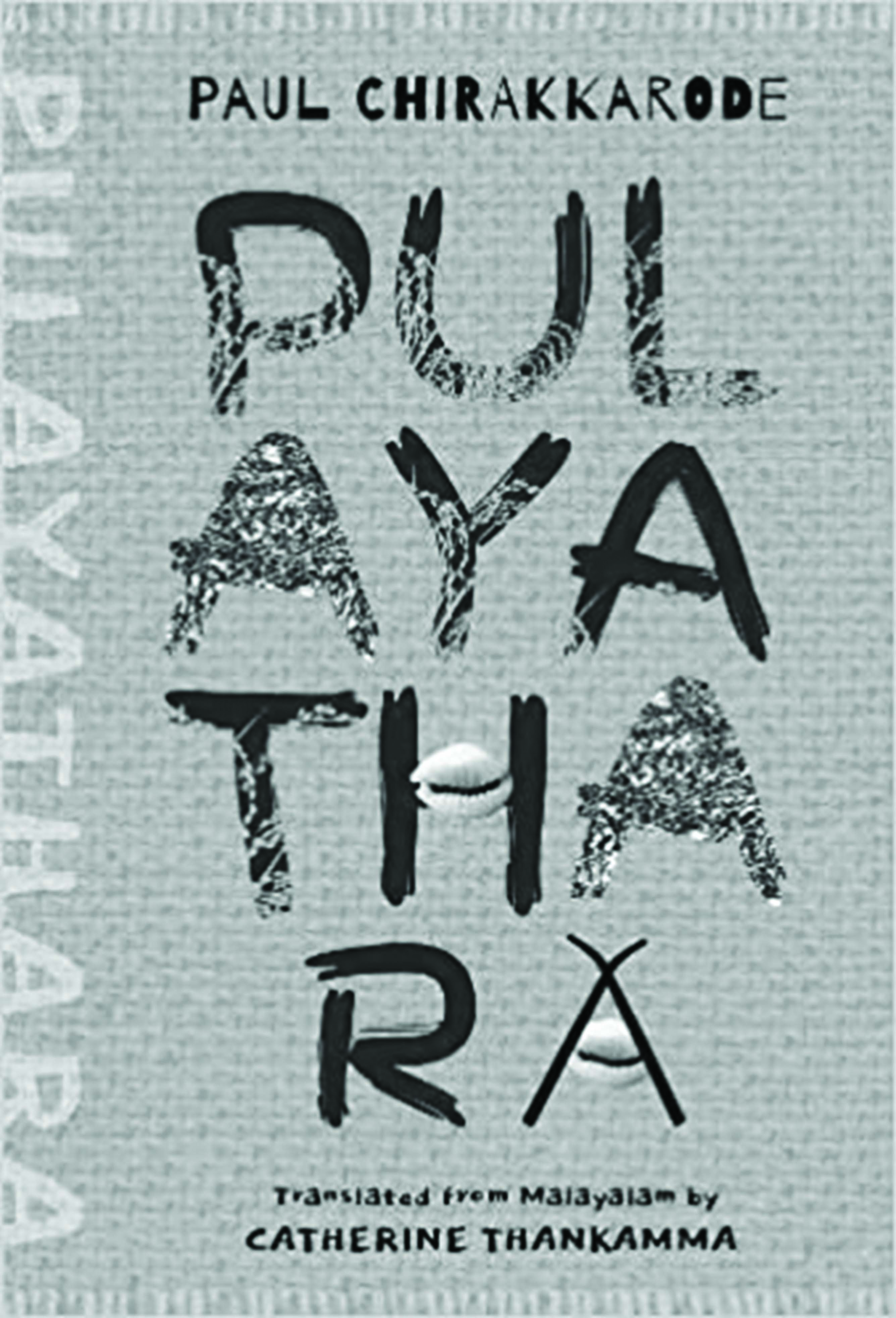
Paul Chirakkarode
2019
Pulayathara was published in the year 1962. It was the first novel in Malayalam to give a graphic description of the Dalit Christian condition. The novel was largely ignored by the reading public and critical establishments. However, the scorching issues of land, labour and faith that the book sought to project, continue to haunt millions.
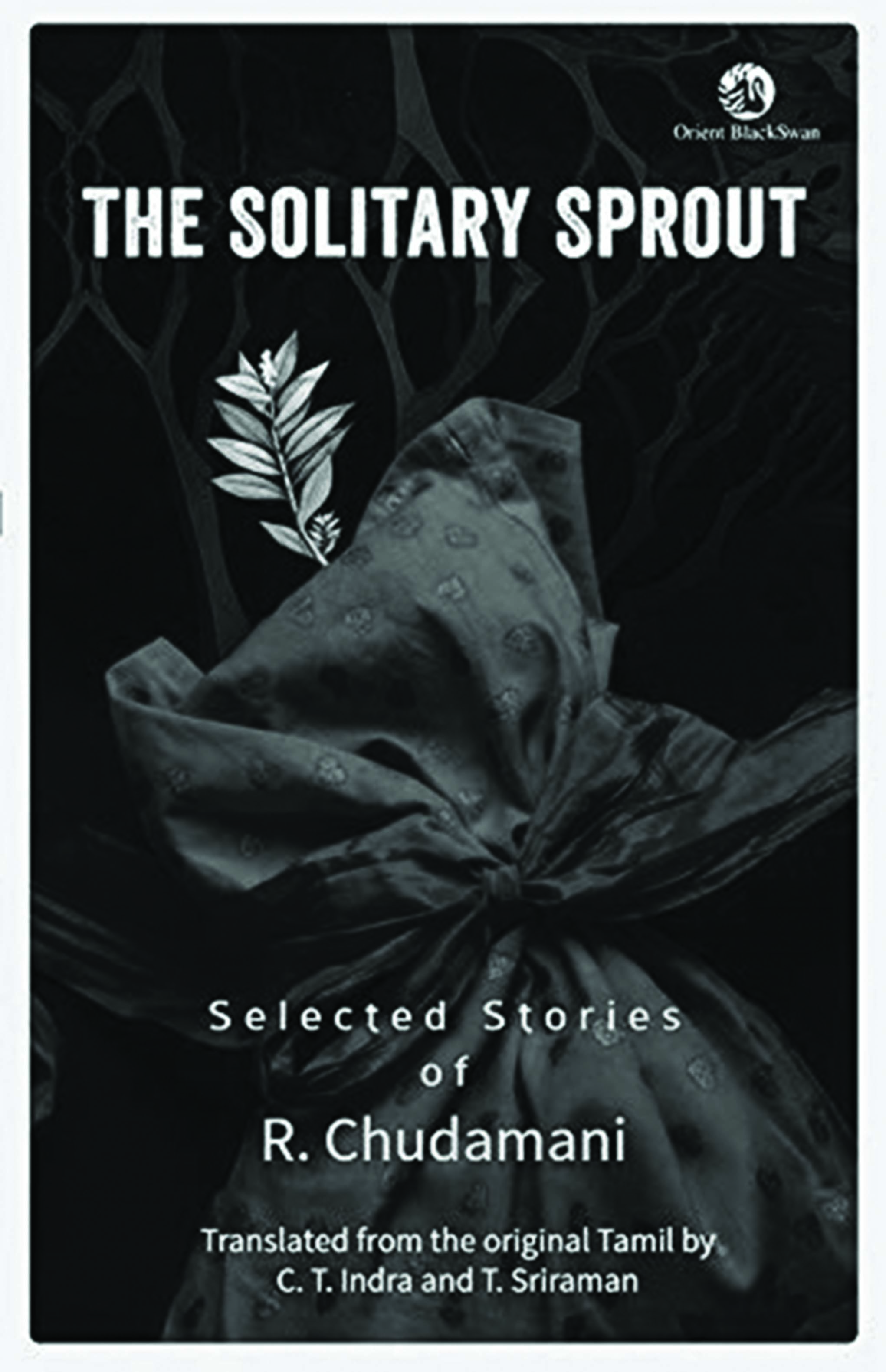
C. T. Indra and T. Sriraman
The Solitary Sprout is a treat to read. This will come as no surprise to those familiar with Chudamani’s books. Like the others, this book contains no violence or sex, preaches no doctrine, upholds no morals……just twenty simple tales of the everyday life of mostly Tamilian families.
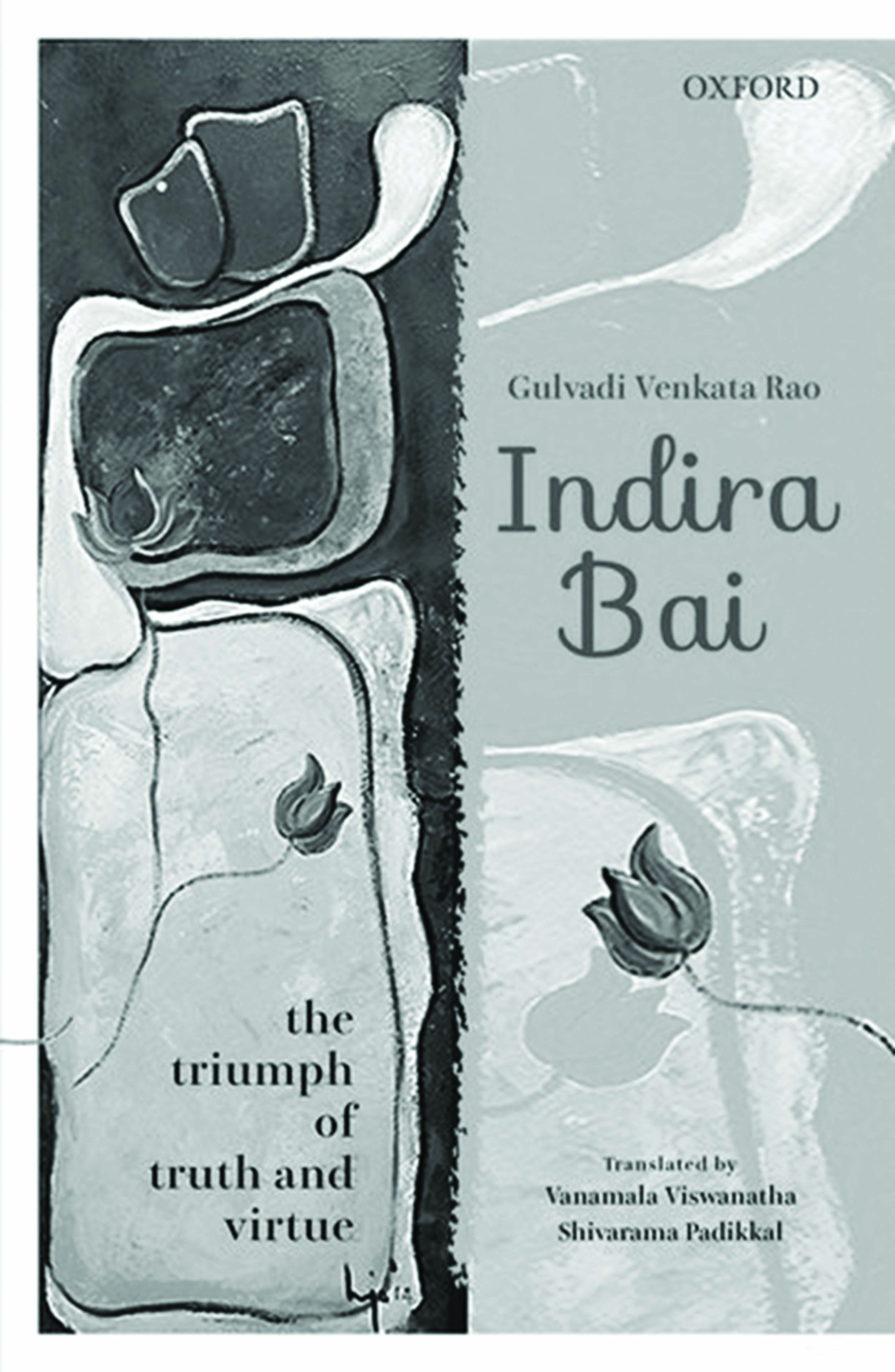
Gulvadi Venkata Rao
The first Kannada novel, Indira Bai or The Triumph of Truth and Virtue, has been recently translated into English, for the second time, by Vanamala Viswanatha and Shivarama Padikkal. Originally published by the Basel Mission Press, Mangalore, in 1899 the novel was first translated into English.
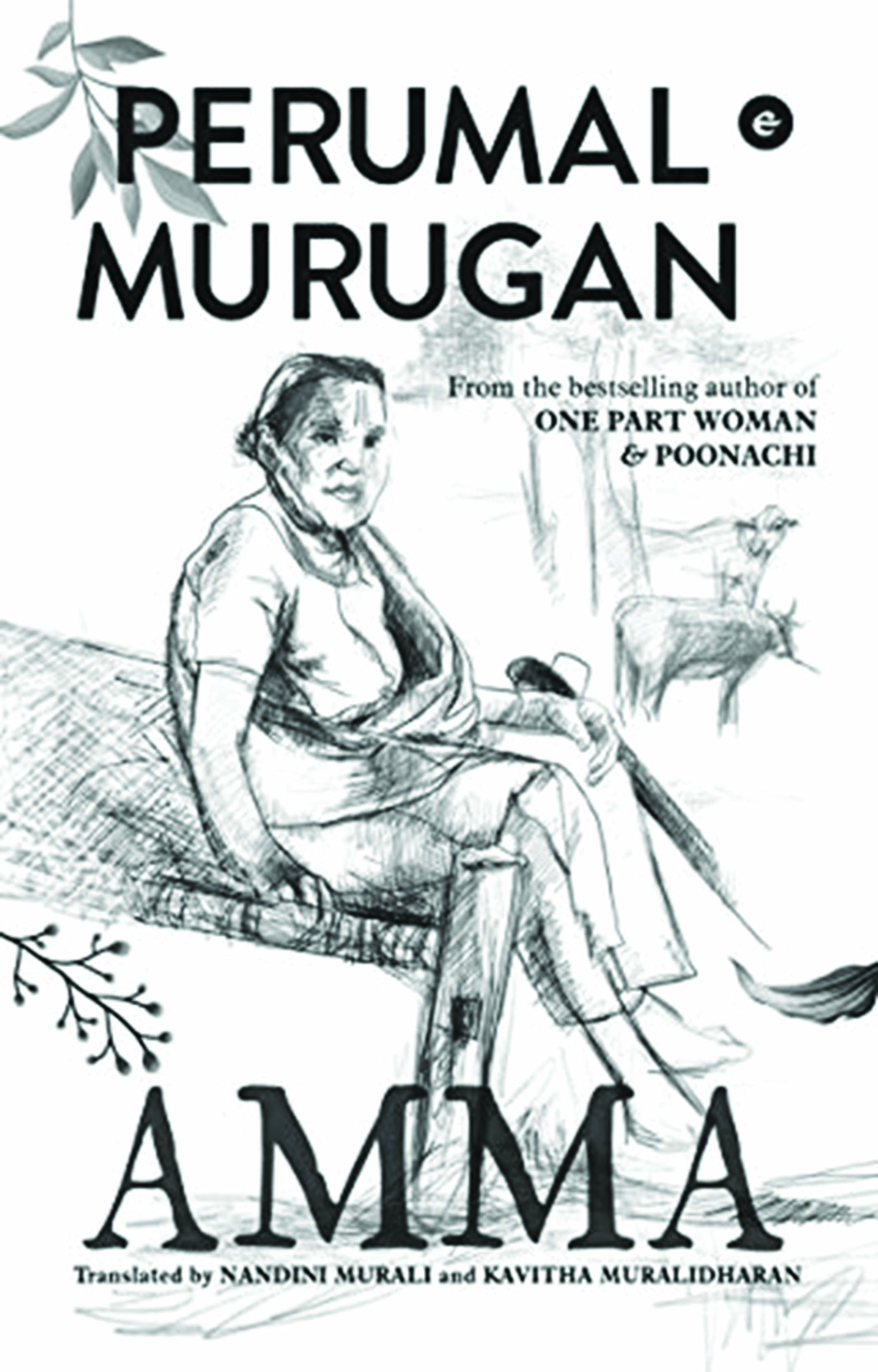
Perumal Murugan
2019
‘I was my mother’s boy.’ ‘Amma took this shy, introverted child by hand and pushed him out into the world.’‘I was forty-six the year Amma died. Even today, I inhabit the world she created in those forty-six years with me.’
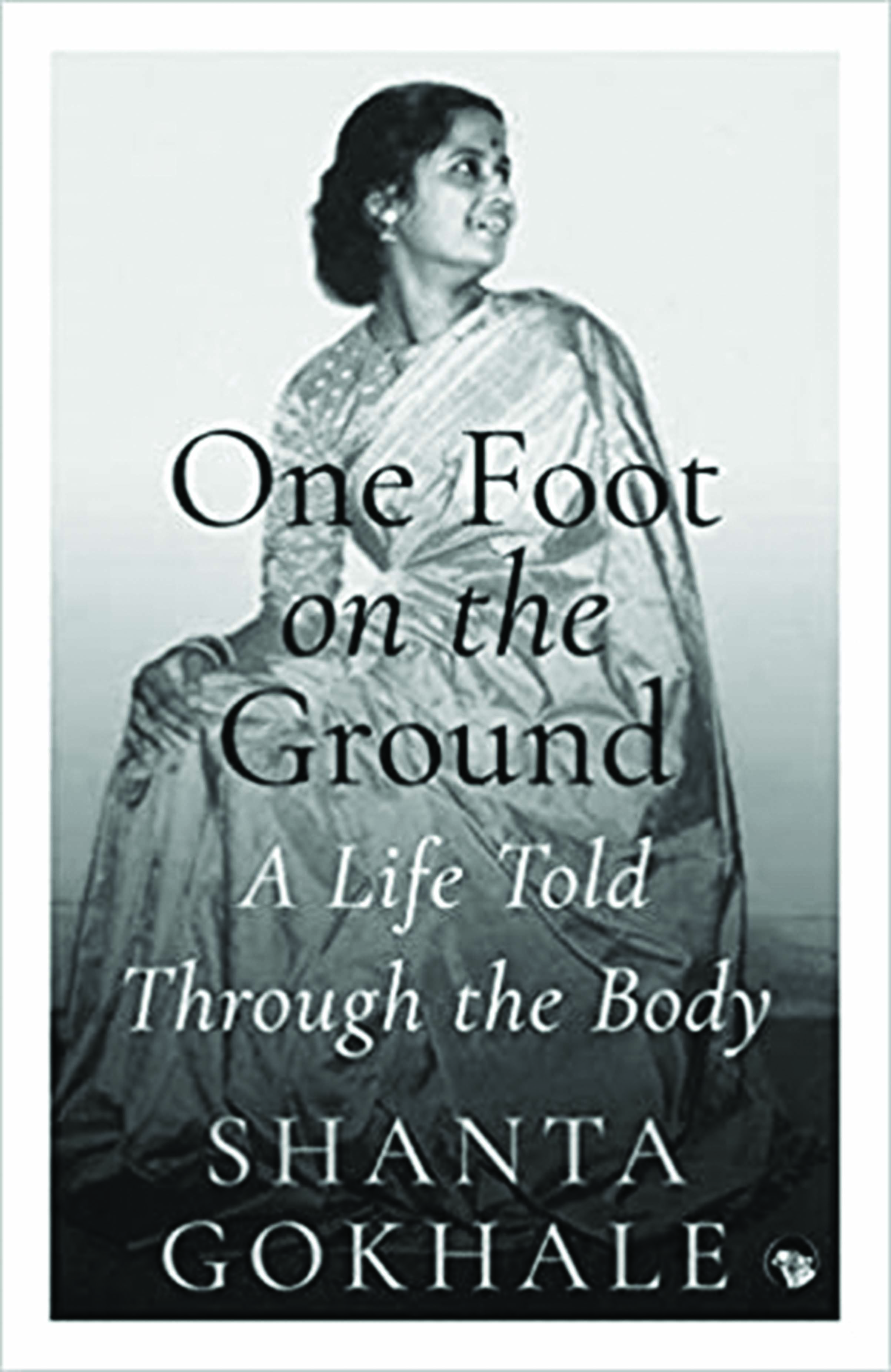
Shanta Gokhale
In November 2019, the Tata Literature Live Festival, held in Mumbai, conferred a lifetime achievement award upon Shanta Gokhale, recognizing and acknowledging her long and distinguished career. Reading her delightful memoir, we can understand.
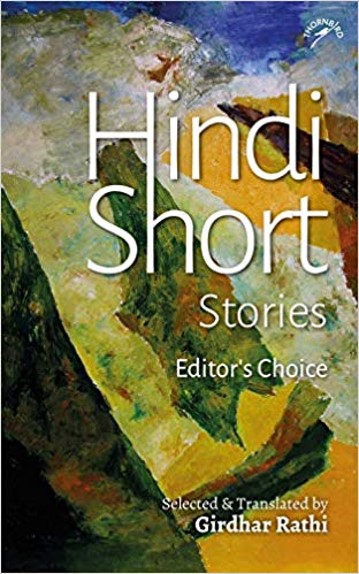
Girdhar Rathi
In this eclectic anthology of stories from the Nayi Kahani or New Stories movement in Hindi literature which started in the late 1950s, acclaimed poet, editor and translator, Girdhar Rathi offers readers the translation of a personally selected array of seventeen short stories.
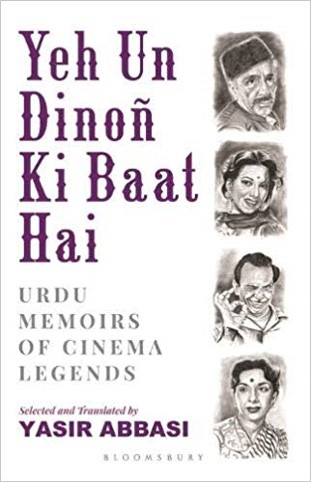
Yasir Abbasi
The major ingredient of the aura of Bombay Cinema is nostalgia. Films themselves satiate nostalgias for things and ways of living now lost, or never acquired. Nostalgia for rurality, small town sensibilities, the historical past, myths and fables are all important.
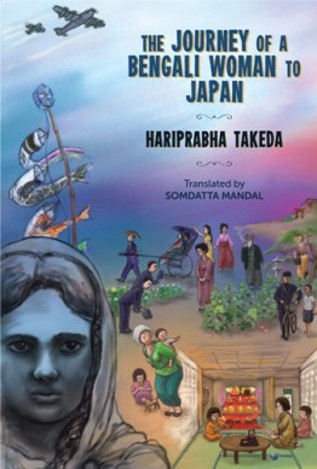
Hariprabha Takeda
She is by no means an adventurous traveller recounting her excursions into ‘the Land of the Rising Sun’ wrapped in the secrecy of its isolation from the rest of the world. She was following her Japanese husband Oemon Takeda to visit her Japanese in-laws living.
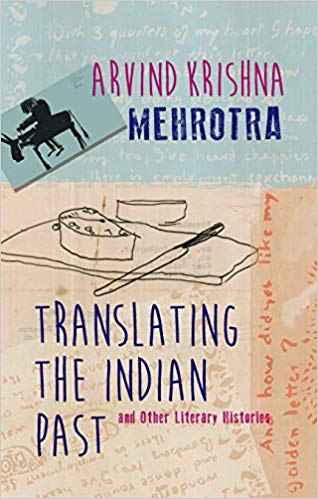
Arvind Krishna Mehrotra
Arvind Krishna Mehrotra is rightly respected as a poet. About his criticism, there can be more than one opinion. A reader could be ever so slightly wary of a critic who is known for his extreme likes and dislikes, one is referring only to his corpus of critical writing.
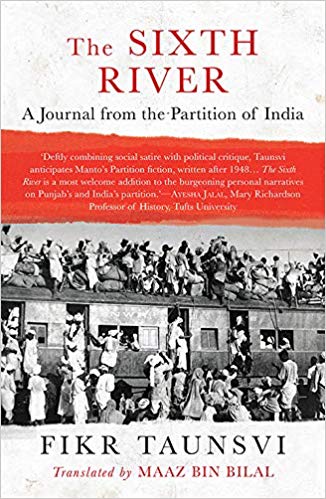
Fikr Taunsvi. Translated from the original Urdu
Fikr Taunsvi or Ram Lal Bhatia was an Urdu language poet and satirist, from western Punjab, in present day Pakistan. Maaz Bin Bilal explains that Bhatia found his name ‘vahiyaaat’ or ‘fake’ and ‘absurd’ and adopted the pen name Fikr Taunsvi in the tradition.
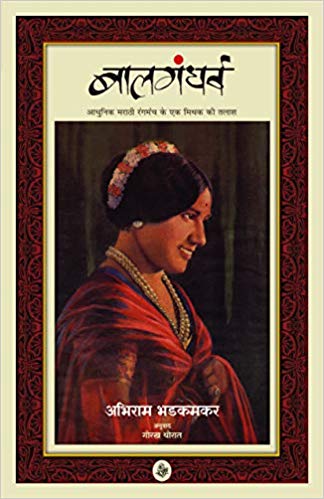
Abhiram Bhadkamkar
At the outset I would like to congratulate Gorakh Thorat for choosing to translate Abhiram Bhadkamkar’s novel Asa Balgandharva, and not any other account of Balgandharva’s life, which are available in plenty, in Marathi. Bhadkamkar’s account is by far the fullest account of the star-actor’s life in one place, in Marathi!
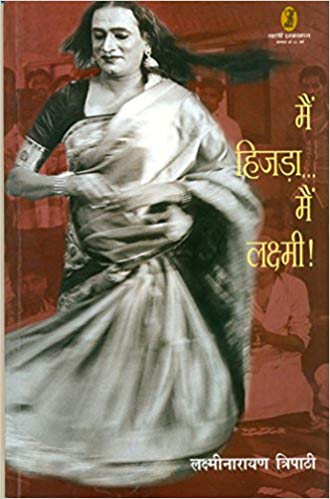
Surekha Bankar
While queer theory and practice is a new field of study in India, the form of autobiography, biography, and memoir has come up as a powerful tool for LGBTQIA+ authors. Apart from Tripathi’s Main Hijra… Main Laxmi!, there are books like The Truth About Me by A Revathi, A Gift of Goddess Lakshmi by Manobi Bandhopadhyay, the first transgender principal of a college and Red Lipstick: The Men in My Life by Laxminarayan Tripathi and Pooja Pandey.
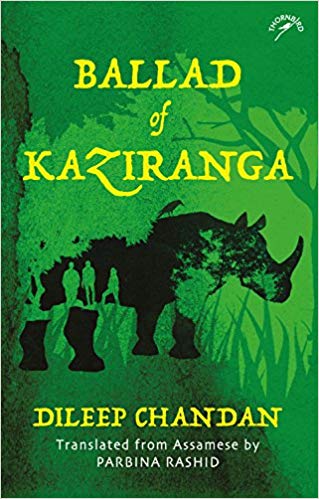
Dileep Chandan
2018
Kaziranga! The very name spells magic. Deep dark forests, filtered emerald-green sunlight, large acres of open grassland, swamps and wetland, and thousands of animals and birds coexisting in celebration of the splendid glory of nature. Spread across over 400 sq km, Kaziranga is home to several protected species of animals: among them the tiger (its largest concentration in the world is found here), the wild elephants, the water buffalo, the swamp deer, many species of birds, and most famously, two-thirds of the world’s one-horned rhino population.
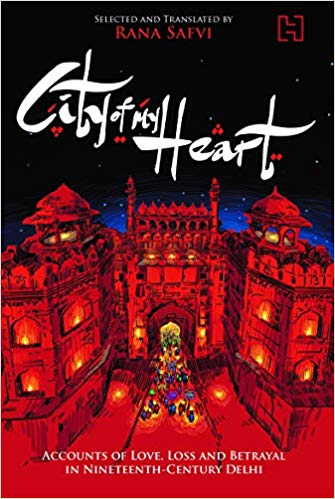
Rana Safvi
The Mughal years are a fascinating period in our history. It is a period that is sought to be whitewashed by the current dispensation. Roads named after Mughal emperors are already in the process of getting appropriated and renamed and history glorifying the non-Mughal leaders is being rewritten. In such a time, Rana Safvi’s City of My Heart takes us back to the Delhi of the Mughal Empire, not in its heyday, but during its last vestiges.
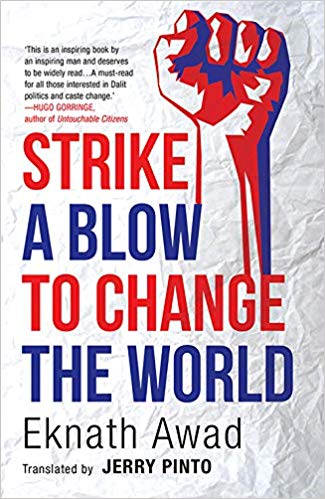
Eknath Awad
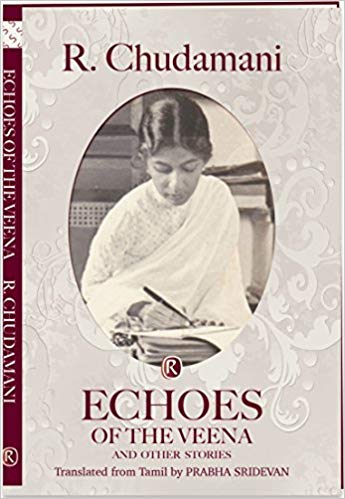
R. Chudamani
I must confess to never having read Chudamani earlier. Coming to political maturity in an age when Tamil Brahminness was considered dangerous, there seemed to be no need to read her, someone I had thought was the quintessential Brahmin writer. This is why this small book bowled me over. Delicious irony, a humanist non-judgemental gaze, pithy writing—if I could read and enjoy Jane Austen whom colonialism surely empowered to write…