
History
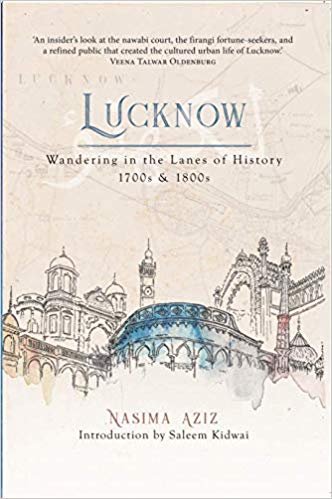
Nasima Aziz
As the title suggests, the book takes the reader on a journey through the most popular period of the history of Awadh—the 1700s and 1800s. The historical scenario is diligently explained; and a peep into the dynamics of the court, the personal lives of the nawabs, and their changing relationship with the Mughal rulers and the colonial masters, makes the book extremely interesting.
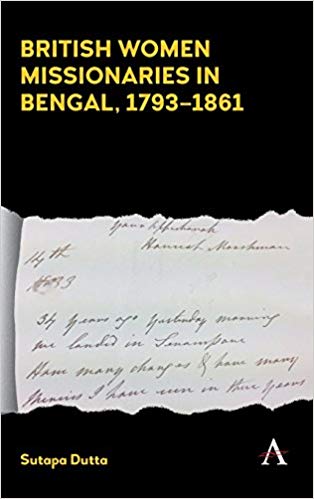
Sutapa Dutta
While William Carey’s name is etched in the history of missionary activity in India, arguably little is known about Hannah Marshman, who worked alongside her missionary husband, Joshua Marshman, as well as Carey. Similarly, Mary Ann Cooke, the first ‘unmarried’ woman sent to do missionary work in India, has had few biographers.
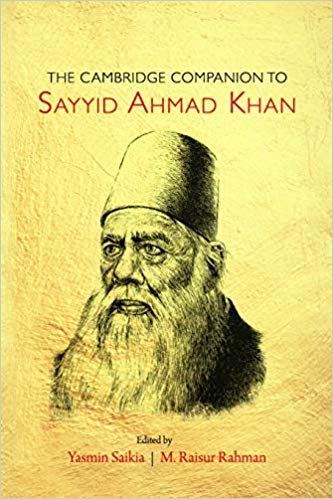
Yasmin Saikia
The Cambridge Companion to Sayyid Ahmad Khan, published on the occasion of the 200th anniversary of the birth of Sayyid Ahmad Khan (1817-98), fittingly includes contributions by historians, political scientists, literature scholars, and a specialist in religious studies.
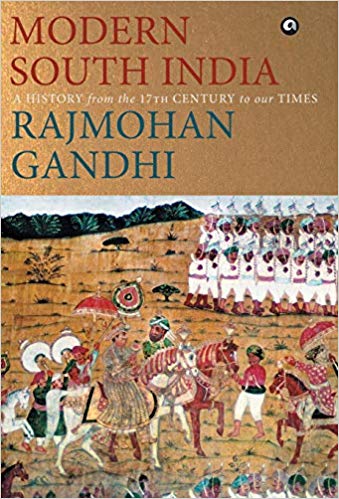
Rajmohan Gandhi
There are histories of India, and then occasionally we have histories of south India. Histories of India tend to be, to a great extent, about regions of the subcontinent lying north of the Deccan plateau and the Vindhyas. Depending on the period of Indian history being considered, a conscientious scholar might take into account some significant developments in the south, but the overall narrative is likely to focus on the Ganga plains and the north-west.
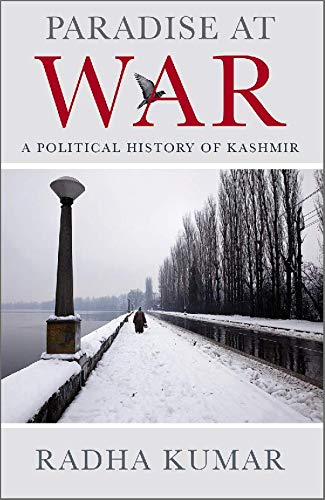
Radha Kumar
Radha Kumar’s Paradise At War is yet another addition to the large corpus of scholarship on politics As is par for the course with much of this literature, starting from a discussion on Kashmiri self-understanding of being unique and exceptional, stemming out of the region’s geographical peripherality and its relatively unbroken tradition, history, and mythology, the book moves to the post-1947 events that led to the rise of insurgency in Kashmir in the late 1980s.
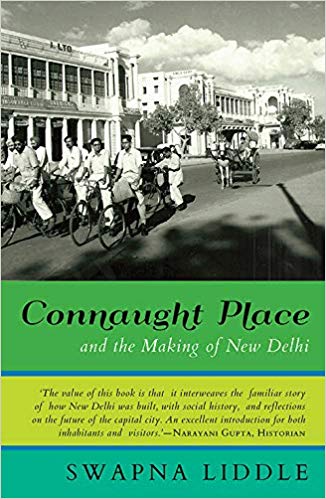
Swapna Liddle
The much-defeated citadel of Delhi was little more than desolation. The Persian ruler Nadir Shah had bled the city. And what remained had been plundered by the rapacious hordes led by the Afghan, Ahmad Shah Durrani. Delhi could barely sustain a population much less afford the patronage of the arts. By the end of the eighteenth century Delhi was no more.
Ambalika Guha
Ambalika Guha has produced an excellent study on the powerful interplay between colonialism, nationalism, modernity, medicine and midwifery in colonial Bengal (c. 1860-1947). Unlike the dominant scholarship in the field, Guha emphasizes the roles that both male and female doctors, and not female doctors alone, played at the pedagogic and interventionist levels respectively in the development of midwifery and obstetrics in Bengal…
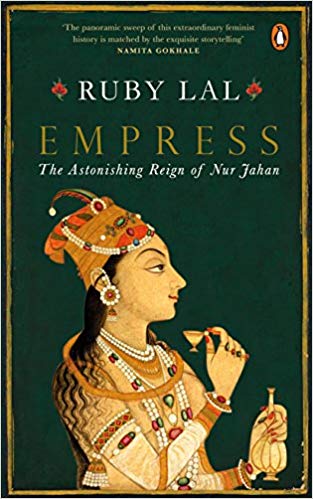
Ruby Lal
Empress :The Astonishing Reign of Nur Jahan comes after a host of other works by Ruby Lal on themes such as domesticity, women’s writing, harem, imperial household and so on in pre-colonial South Asia. Her previous book, Domesticity and Power in the Early Mughal World (2005) opened up new vistas of looking at the Mughal harem, domestic space, and the feminine world, through the prism of power.
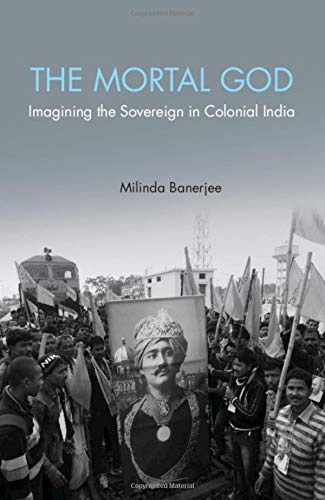
Milinda Banerjee
Milinda Banerjee’s The Mortal God is an interesting and incisive intervention on the issue of Indian attitudes towards power and conceptualizations of rule. It explores the issue of ‘Imagining the Sovereign in Colonial India’ through a wide lens, managing to adroitly bring the readers’ attention to notions of sovereign figures and sovereignty at various levels of Indian society, from the British colonial thinkers, to Indian elite among the nationalists, as well as popular conceptions among the subaltern figures of the peasant and the tribal.
Vikas Pathak
British rule provided for administrative unification, unified communication within India, with English as the link language. This created a pan-Indian space in which it became possible for Indians to ‘imagine’ India. Some tried to imagine a pan-Indian identity. Others imagined a nation based on caste and religion. Yet others preferred to plead for people to subordinate the idea of a nation based on primordial loyalties to a pan-Indian nation based on nationalism (p. 18). These ideas form the bases of this extremely costly but thinly argued book.
Neeladri Bhattacharya
In its scope and style, this book is comparable to seminal literature in agrarian history such as Tzvetan Todorov’s The Conquest of America: The Question of the Other, and Charles Mann’s 1491: New Revelations of the Americas Before Columbus and 1493: Uncovering the New World Columbus Created which, like Bhattacharya’s deconstruction of colonial documents and literature, draw on the Spanish conquistadors’ reports and journals to describe the ‘settling’ of the Americas.
Ramachandra Guha
It is always a daunting task to review very lengthy books, and Ramachandra Guha’s latest offering, Gandhi: The Years That Changed The World, 1914-1948 (2018) is humongous by any standards. The book spans more than a thousand pages, and covers practically every month of Gandhi’s life in India after his return from South Africa in 1915 to his tragic assassination in 1948.
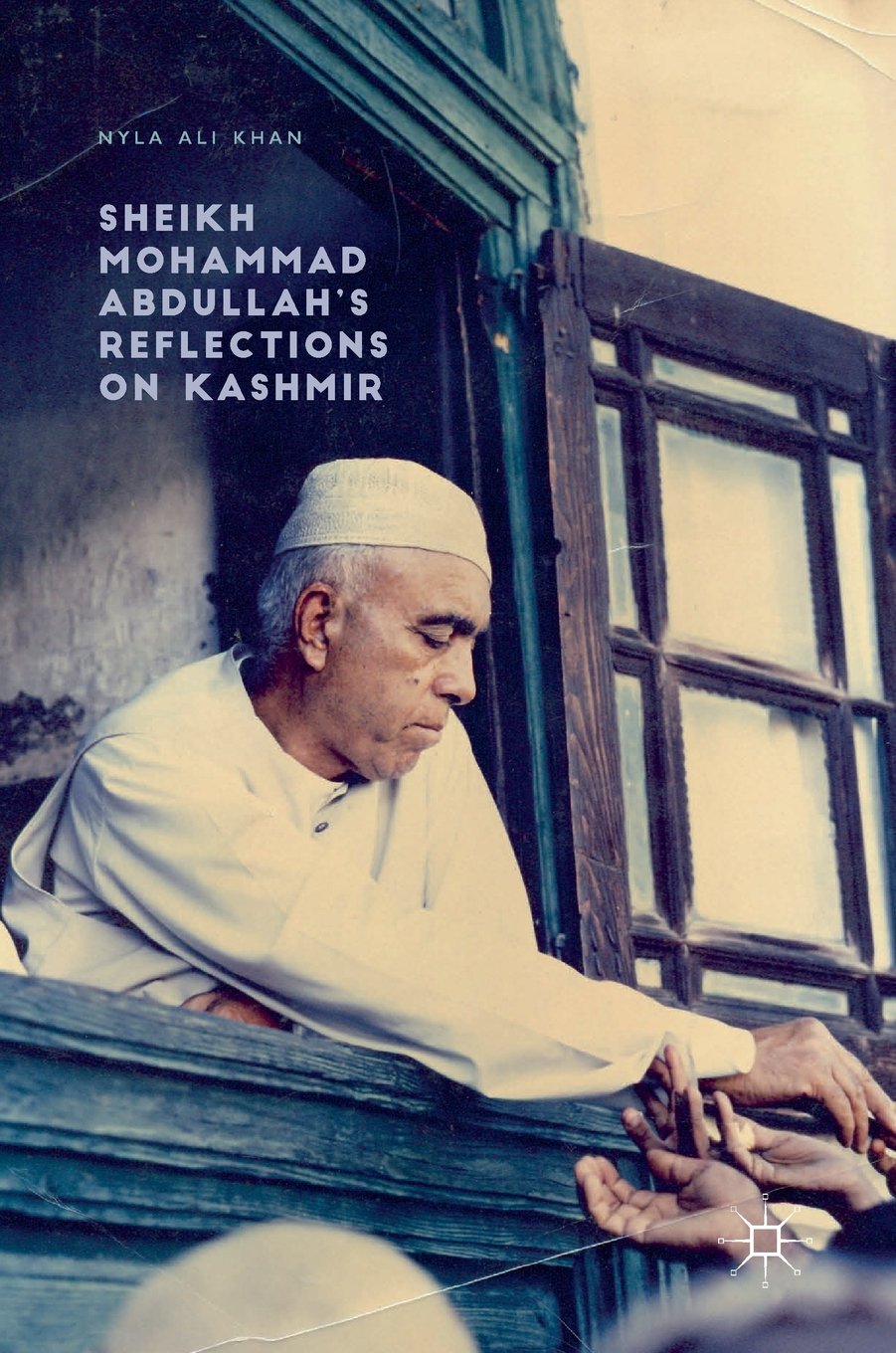
SHEIKH MOHAMMAD ABDULLAH’S REFLECTIONS ON KASHMIR
Nyla Ali Khan’s Sheikh Mohammad Abdullah’s Reflections on Kashmir seeks to restore the centrality of Sheikh Abdullah in Kashmiri identity politics. At a time when this politics has been sufficiently radicalized and gone much beyond his ideology and political values, the book seeks to portray him as the statesman who was much ahead of his time and had the ability to take bold decisions which were not particularly popular but were required as per the situation of the time.
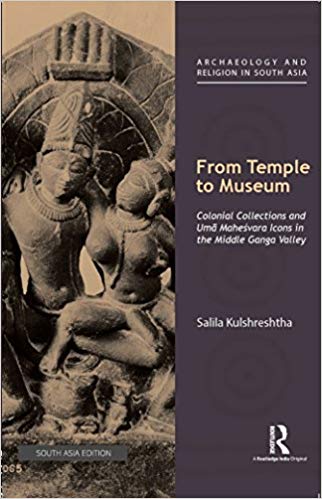
Salila Kulshreshtha
The present work is a result of a thoroughly revised and updated version of a doctoral thesis submitted to the Centre for Historical Studies, Jawaharlal Nehru University, New Delhi. Based primarily on the analysis of Uma Maheshvara icons that once adorned the temples in the middle Ganga Valley this monograph has been published in the Routledge Series ‘Archaeology and Religion in South Asia’.
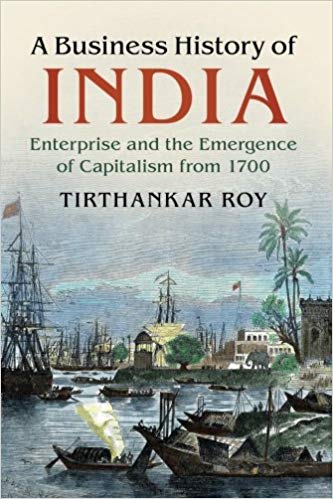
Tirthankar Roy
Few books that I have read in the last few years are as good as this one. For one thing, Roy writes surprisingly well for an academic and when the subject is as dry as business history this is an invaluable asset. But it is not just the style. The content, too, is entirely satisfying because it makes one want to engage with the author, who is as erudite as he is opinionated—and I don’t mean that in a bad way.
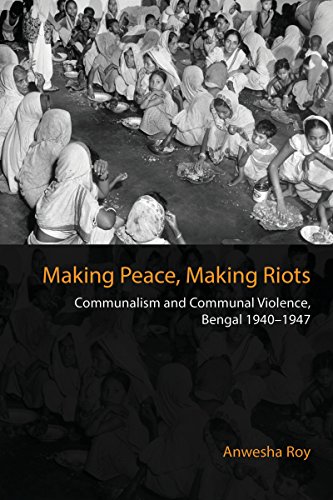
Anwesha Roy
The author, Anwesha Roy, analyses the events of a turbulent phase of Indian politics in six chapters based upon an extensive range of sources that include confidential letters and reports like that of the Report of the Dacca Riots Enquiry Committee in the Home Political Proceedings and files, Police Records, Intelligence Branch records from the West Bengal State Archives and the National Archives of India, New Delhi.
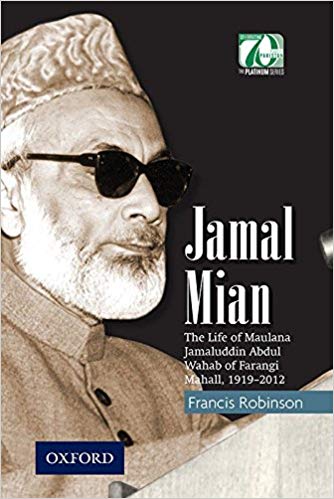
Francis Robinson
In 1976, two years after the publication of Francis Robinson’s first book, Separatism Among Indian Muslims, he was invited to meet Maulana Jamaluddin, the son of one of the book’s major protagonists, Maulana Abdul Bari, whose alliance with Mahatma Gandhi and the other leaders of the Khilafat movement just after World War I stands as a milestone in the narrative of early twentieth century Indian political history.
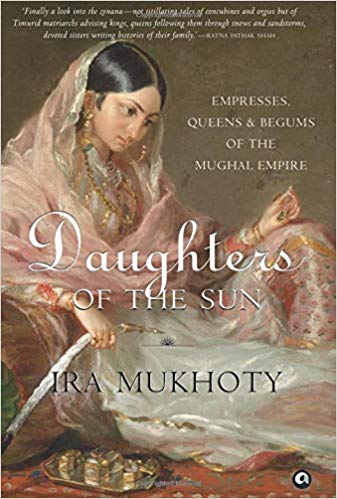
Ira Mukhoty
Daughters of the Sun chronicles the lives of Mughal women—unmarried daughters, sisters, powerful, dynamic wives, anagas or milk mothers or foster mothers—who contributed to the building of the Mughal Empire. These women often worked from within the zenana or the women quarters; several of these women, however, accompanied the Emperor to the battlefield, engaged in diplomacy, were fiery traders, patrons of arts, aesthetics and literature…
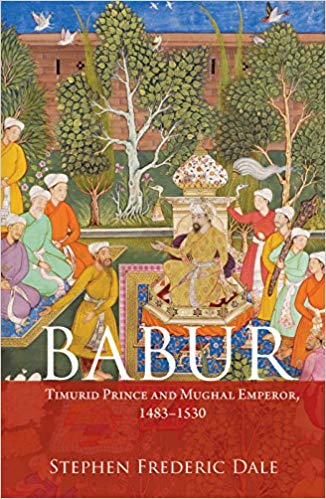
Stephen Dale
Zahir ad-Din Muhammad Babur (1483-1530) was a figure of utmost importance within the cultural and political landscape of 16th century central Asia and northern India. As the founder of the Indo-Afghan state, the basis of the later Mogul Empire, he also wrote, fortuitously, one of the most important autobiographical testimonies of his time, characterized by an impressive range of personal and political details, the Baburnama.