
History
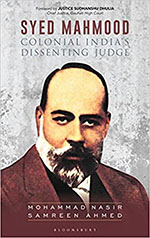
Mohammad Nasir and Samreen Ahmed
Syed Mahmood could have become a public figure as eminent as his father Sir Syed Ahmed Khan, the educationist and social reformer who founded the Muhammadan Anglo-Oriental (MAO) College (later the Aligarh Muslim University). Certainly, he had the potential for it. He knew at least seven languages ranging from English to Persian, Latin, and Sanskrit; wrote extensively in English and Urdu; and made notable contributions to the development of law and education in India
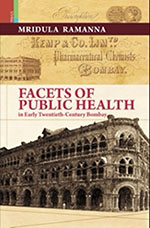
Mridula Ramanna
Historical literature on public health in colonial Bombay has been vast in depth and scale. We have seen how the city fought the plague, saw questions of sovereignty arise from the medical and moral disaster it inflicted on the city over the years. While the racialized segregated structures of the Presidency have been studied, there is need for a detailed description of the health policies and their intended subjects. Mridula Ramanna undertakes this project in yet another rigorous and meticulous volume on public health governance in Bombay of the late colonial period.
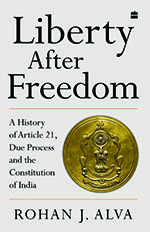
Rohan J. Alva
Indian legal scholarship is going through an exciting phase. Several books have emerged in the past few years which successfully combine meticulous academic research with a lucid, articulate style of presentation accessible to most laypersons. A surprisingly large proportion has been authored not by academics but practising advocates: Gautam Bhatia’s Offend, Shock, or Disturb (2016) and Abhinav Chandrachud’s Republic of Rhetoric (2017) come readily to mind.
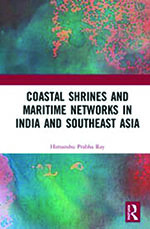
Himanshu Prabha Ray
The wide prevalence of scripts, languages, architectural forms and iconography with a clear provenance from India in a wide swathe of South East Asia from quite early in the first millennium, has interested many in India almost from the beginning of modern history writing and archeological investigation in the country.
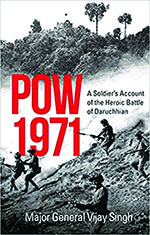
Major General Vijay Singh
There are three special things about the book under review, the last two of which are interconnected. To begin with the first: its description of a battle for Daruchhian between its well-entrenched Pakistani defenders and an Indian infantry battalion of the Grenadier Regiment. Daruchhian is a hill feature across from Poonch on the Pakistan Occupied Kashmir side of the Ceasefire Line—as the Line of Control (LC) was termed then.
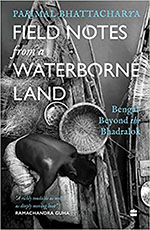
Parimal Bhattacharya
One of the popular traditional games played by children in Bengal is kumir (crocodile)-danga (elevated land). One player who is designated as kumir has to catch the other players when they trespass their area (danga). This game encapsulates the very identity of Bengal and it is about the movement of players across the shifting territory of kumir and danga.
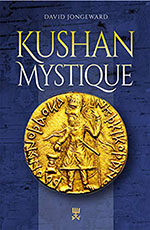
David Jongeward
2020
A story of many sojourns, Kushan Mystique is a narrative of a cultural anthropologist David Jongeward who got attracted to Kushan history and Gandharan art and developed the symptoms of ‘Kushanitis’. Now what is this ‘Kushanitis’? In a delightful foreword, Joe Cribb, formerly of the British Museum, explains this term by saying that it is a condition of mind which afflicts a person and spreads easily when one comes into direct contact with the puzzle of the Kushan kings.
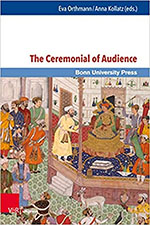
by Eva Orthmann, Anna Kollatz
For quite a long time now, highly interesting fields of research such as the early modern courtly audience, had been disregarded, being considered as a crucial part of classical diplomatic history and hence a flagship of antiquated and Eurocentric historiographical research. But thanks to the development of new theoretical approaches such as global history, postcolonial studies, and the ‘New Diplomatic History’, the courtly audience has emerged as an extremely fruitful field of research, as numerous publications in recent years have shown.
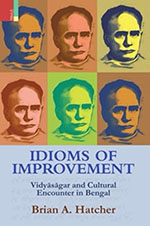
Brian A. Hatcher
26th September 2020 marked the 200th birth anniversary of Ishwarchandra Vidyasagar, one of the prominent figures in Bengal Renaissance. A prolific writer, his works are considered to be ‘classics’ in contemporary times. Vidyasagar’s writings are an important source to discern the evolution of ideas, thoughts, and practices in Bengal.
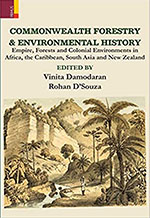
Vinita Damodaran and Rohan D’Souza
The book under review presents a crucial framework to understand environmental issues at a comprehensive and global level. It underlines that it is imperative to reconsider the centrality of the nation-state as the basic unit of studying environmental changes, and it is necessary to move beyond that as the unit of analysis. In other words, the book represents the idea of writing environmental histories as a ‘nature without borders’.
Durba Mitra
There is no gainsaying that violence has been instrumental in creating and shaping societies. Less attention has been paid to shame and guilt—emotions that rarely show up in discussions on politics and society. Durba Mitra places these ideas front and centre in her devastating explication of the history of the linkages between notions of sexuality and their impact on the evolution of social thought in colonial India.

Stephan Conermann, Anna Kollatz
In 2018, a group of researchers based in different research groups at the University of Bonn joined together with a common interest in studying pre-modern courts as centres of social interaction and decision-making.[1] Coming from as different disciplines as European Medieval History, English Studies, History of the Middle East, in particular Mamluk Studies, Iranian Studies, Sinology, Japanese Studies, and Art History, the editors and their participating colleagues embarked in a process of building a common method allowing for transcultural and interdisciplinary comparison.

Upinder Singh
Alexander Cunningham was the first Director General of the newly established Archaeological Survey of India and had spent his entire career in the Army in India as an engineering officer participating in a number of East India Company’s campaigns in the 1830s and 1840s and also in the second Anglo-Sikh war. His wide travels enabled the development of a serious interest in ‘antiquarianism’ as it was then termed. Evidence of this is to be found in his monographs and articles on ancient coinage, architecture, early trade and pilgrim routes.

Sanjoy Chakravorty and Neelanjan Sircar
Within the next three decades, India is expected to have more than half of its population living in urban areas.[1] India’s urbanization is unfolding across a wide diversity of cities and towns, from megacities like Mumbai and Kolkata to a massive constellation of smaller cities and towns that are strewn throughout the country.
Kristin Victoria Magistrelli Plys
In the last couple of years, a fairly large number of accounts ranging from popular pieces to research-based scholarship, of the Indian Emergency have appeared in the public domain. The book under review is the latest addition to the fast-expanding repertoire of Emergency writings. The Emergency, which Plys aptly calls the ‘particular totalitarian moment’, reconfigured forever, among others, the postcolonial political (and socio-economic) landscape of India. Imposed by Prime Minister Indira Gandhi-led Congress in 1975, the Emergency was effective–thanks to the PM’s lackeys and her wayward, roguish son Sanjay Gandhi–until 1977.

Nachiket Chanchani
2020
Undoubtedly, the Himalayas are a hostile terrain, especially so for those accustomed to living in the warm and relatively dry plains of India. This mountain chain has also acted as a wall that separates weather regimes and in some cases, been a deterrent to invaders. However, pilgrimage and trade, quite like its perennial river systems, have always entranced people into crossing the snowbound heights of this young yet formidable mountain chain.
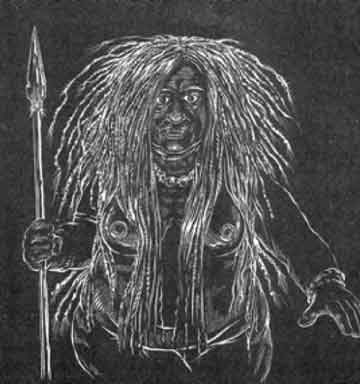
J. Furcifer Bhairav & Rakesh Khanna
As the title suggests, this work is a popular encyclopaedia, which attempts to compile narratives on ghosts, demons, and monsters from the Indian subcontinent. Edited by J Furcifer Bhairav and Rakesh Khanna, this book excavates the ‘spooky’ stories of mythical, tribal and contemporary origins. It constitutes 332 entries with multiple sub-entries, and its lucid writing style is supported by detailed illustrations, inviting a wide range of readership. A significant contribution of this work lies in tracing the micro and macro tales from Assam to the Konkan coast, Kashmir to Odisha, and Tibet to Lakshadweep.
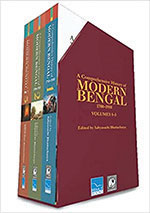
Edited by Sabyasachi Bhattacharya
A Comprehensive History of Modern Bengal: 1700-1950 edited by the late Sabyasachi Bhattacharya, an institution in his own right, covers a formidable range of themes. The articles contained in these volumes deal with a diverse array of issues. They deal with, among others, ecology, economy, science, military history, environment, politics, society, social movements, labour, class formation, culture in its multidimensional forms encompassing literature, theatre and art, though an article on the evolution of cinema in Modern Bengal is strangely absent.
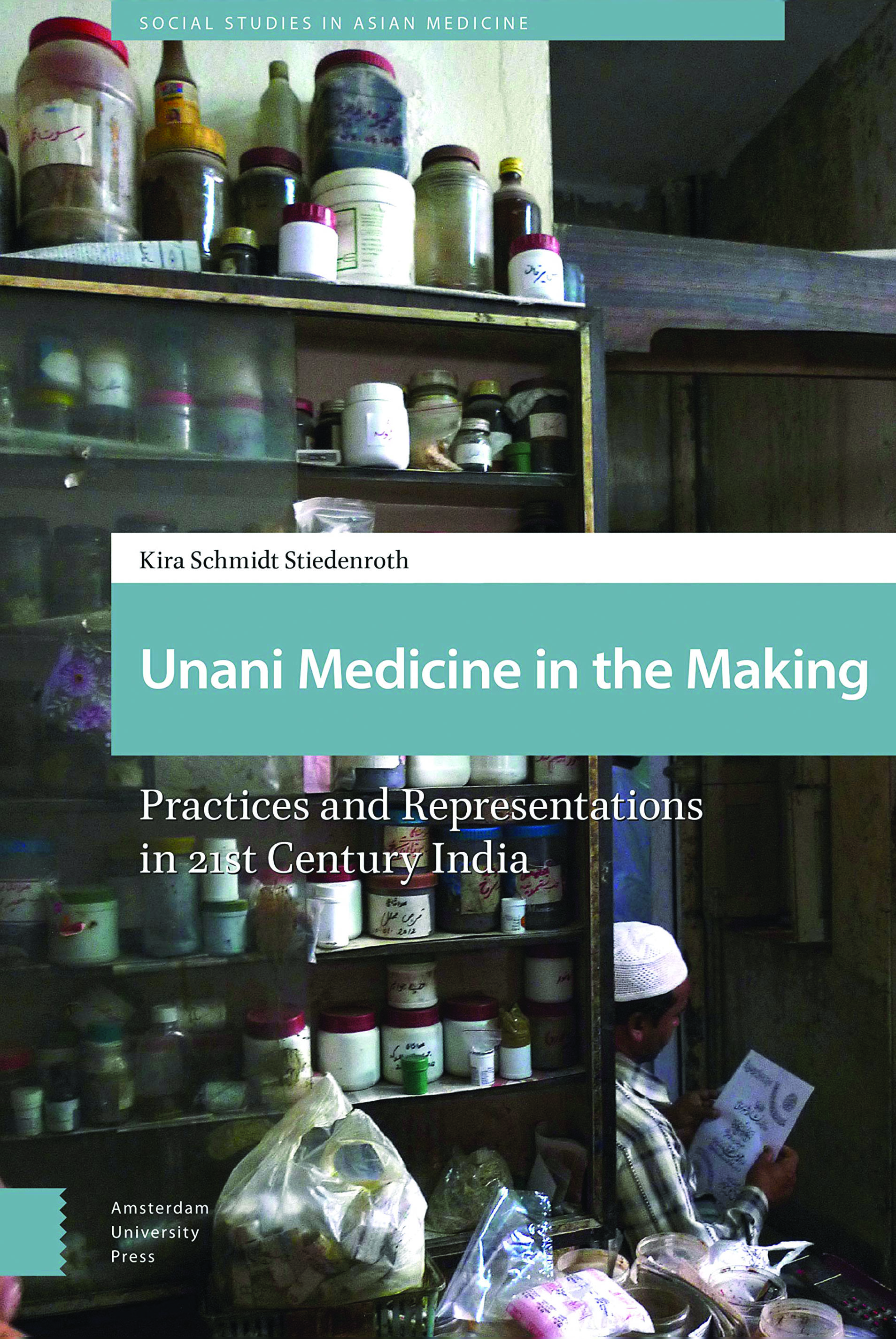
Kira Schmidt Stiedenroth
Social history of South Asia’s indigenous medical traditions and practices and their troubled relationship with western medicine during the colonial period, marked a fundamental shift from the conventional descriptive accounts of these medical traditions. Such social histories of South Asian indigenous medical traditions, and their encounter and exchanges with western medicine were marked by two features: firstly, they were predominantly based on colonial records; secondly, they were primarily focused on the Ayurvedic system of medicine, not only because of Ayurveda’s projected overwhelming presence but also due to the prevailing dominant political and ideological atmosphere particularly since the late nineteenth-century, that was aggravated after 1947.
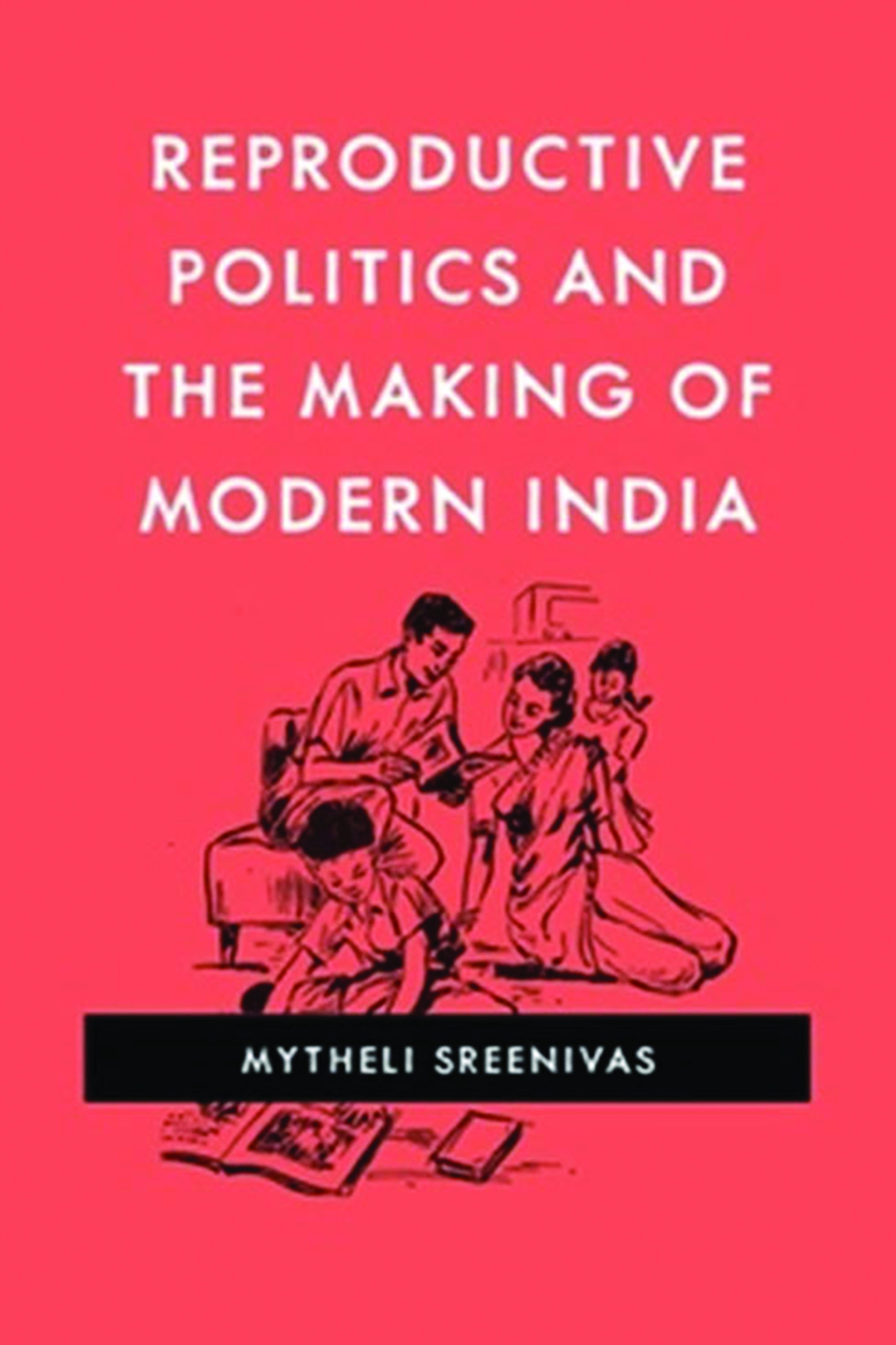
Mytheli Sreenivas
Politically correct, influential people in policy making circles in the West do not talk any more of the yellow peril, or use phrases such as population explosion, or metaphors like the population bomb. At the same time, partly due to the very reach and influence of such doomsday demographic discourses emanating from the West in the past, and the modified ones today, the elites and the middle classes in much of the Third World remain convinced that the cause of social and economic problems in their own countries stem primarily, if not only, from population growth.