

Y. Venugopal Reddy
Even the well-educated layman let alone an ordinary citizen in India does not know the planning process in all its complexities. The concept of multilevel planning is understood even less. A book that describes the process, the way it has evolved over the years, its future directions, the meaning…
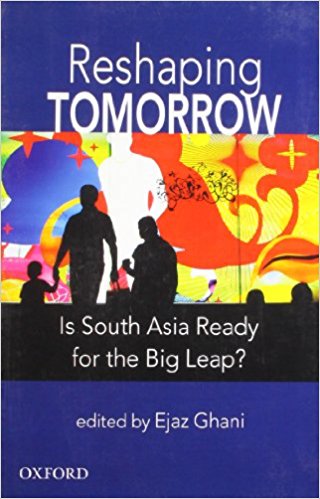
Ejaz Ghani
Two kinds of debate are dominant in discussions about South Asia’s future: one largely political; the other, at least on the surface, largely economic.The first insists on regional cooperation for the inter-state political harmony that is considered to be a precondition not only for economic growth, but for the region to play a role on the world stage commensurate with its size and population…
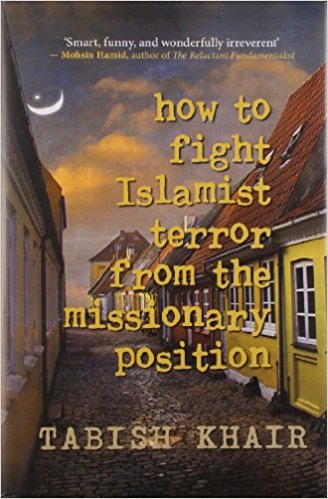
Tabish Khair
Tabish Khair’s fourth novel is a brilliant piece of satire on Islamic terror and Islamism and how the West perceives, as also reacts to the two, post 9/11.
M.S.A. Rao
The volume under review is a bunch of studies in the sociology of social movements in India. Never in the history of Indian social sciences has the case for a sociology of social movements received so much attention as it has in the 1970’s. Only a decade and a half ago the conventionalist ‘establishment’ of the Indian…
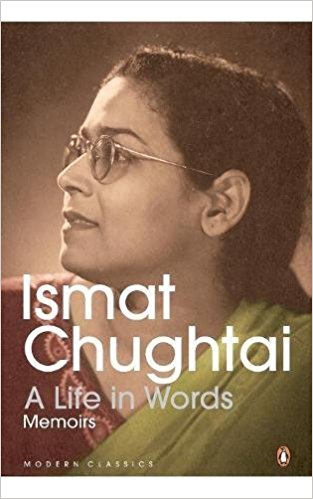
Ismat Chughtai
Ismat Chughtai (1915-1991) is easily one of the most well-known Urdu writers from India in the twentieth century. Mostly renowned for a few of her short stories such as ‘Lihaaf,’ it goes without saying that she was a writer who was much, much more than that.
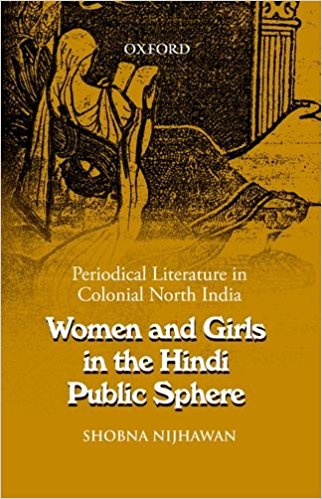
Shobna Nijhawan
Feminist historians have particularly problematized the use of conventional archives by scholars, pointing to its dangers and limitations. They have made a strong case for expanding our archival arenas, to include material not conventionally regarded as archival.
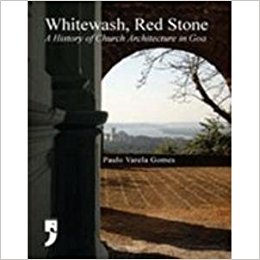
Paulo Varela Gomes
The evocative title of this scholarly work captures with immediacy a vision of Goan churches standing tall and white on red earth surrounded by a lush green landscape.
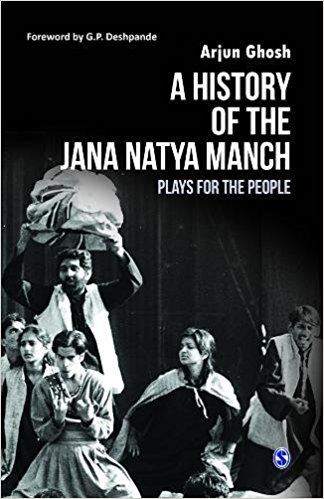
Arjun Ghosh
In 1942, artists who had been inspired by the freedom movement, by the anti-fascist struggle and by the sweep of Communism formed the Indian People’s Theatre Association (IPTA). Among their serried ranks were Prithviraj Kapoor, Ravi Shankar, Utpal Dutt, Ritwik Ghatak and so many more familiar and unfamiliar names, whose talents built up the various culture industries of Independent India. They wanted to make art that was socially relevant and that was in some way an adjutant to the freedom movement. The Bengal Famine of 1943 provided them with the spur.
Kavita Panjabi
This is a book with big ambitions. Aware of the enormity of her task, Kavita Panjabi, its editor, has done her best to squeeze the universe into a ball—in the form of a fifty page introduction.
Andrew Nicholson
Andrew Nicholson’s Unifying Hinduism:Philosophy and Identity in Indian Intellectual History is an ambitious work, closely and densely argued, from which, as a scholar working on North Indian bhakti traditions and on Indian Modernity, I have learnt much.
Kalayani Shankar
Kamala Devi Chattopdhyaya, a pioneer of ‘cultural revival’ and a life-long devotee for cause of traditional arts and crafts in India remarked in 1983 that ‘dance is today married to public performances just as education is to jobs.
Ved Vatuk
This book of verse is dedicated to ‘Pavitra—the Purest Love’ and the poems themselves are saturated with the theme of love. Untitled and only numbered, they unveil a poetic personality which is affectionate, has the capacity to feel…
Zoya Hasan
2012
This volume is the product of a conference with the same title jointly organized by the University of Chicago and Jawaharlal Nehru University, held in New Delhi in 2008.
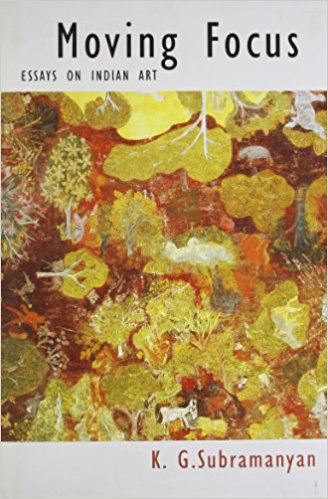
K.G. Subramanyan
1979
The combination of being an able scholar, critic and artist is rare enough, but to combine this with an influential teaching career is an achievement. At the University of Baroda, Professor K.G. Subramanyam has inspired more than two generations of artists, not only by his own work but by the impact of his critical writings.
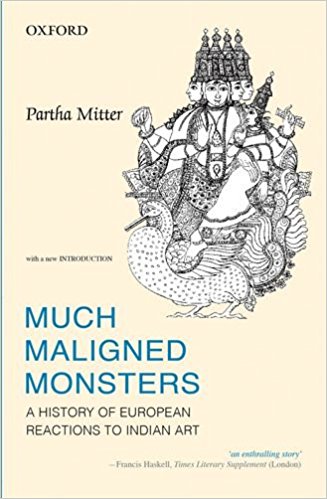
Partha Mitter
Partha Mitter has written a carefully documented study of the history of European reactions to Indian art. Indian sculpture, architecture and even painting seem to have presented insuperable difficulties to the westerner in the past and even today he has still ‘to find a way to appreciate the values of Indian art in its own context and in its own right.’
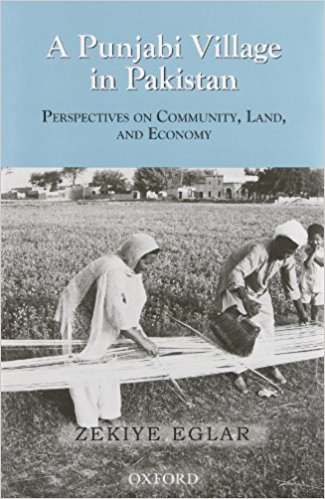
Zekiye Eglar
This is the first ethnographic study of a Muslim village in Punjab, based on field work done by Dr. Zekiye Eglar, a Turkish scholar of Azeri origin in the early fifties (1950—mid-1955), which was submitted as a doctoral thesis in the Columbia University,
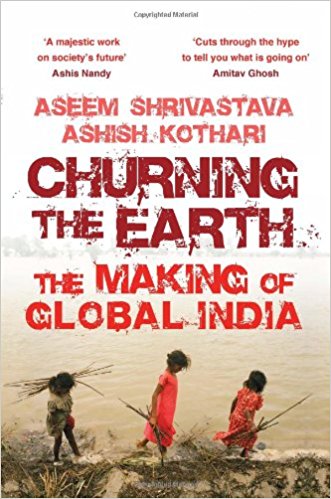
Aseem Srivastava
What does one say about a book that got a rave review from Amitav Ghosh even before it hit the stands? A book that Ashish Nandy describes as ‘a majestic work on society’s future?’ A book that Aruna Roy, Jean Dreze, Amit Bhaduri, Justice Krishna Iyer and many other stars of the jholawala pantheon have praised in words that go well beyond the call of comradely duty?
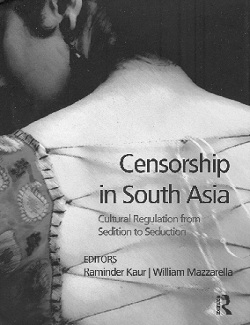
Raminder Kaur
The importance of this book lies in its unpacking the word ‘censorship’, which is commonly understood as the suppression of information, images or any other content, usually by the State or a State institution, on grounds ranging from obscenity to threat to national security.
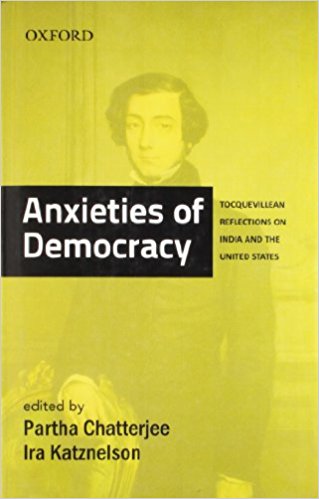
Partha Chatterjee
It is pleasantly fortuitous to be able to review a book on democracy on the 65th anniversary of India’s Independence, especially as the India chapters of this book deal with the challenges our democracy has faced since the birth of the Republic.
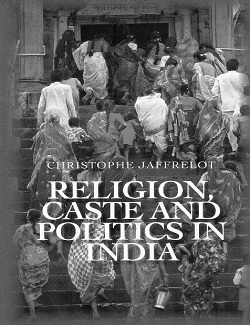
Christophe Jaffrelot
India’s robust sense of accomplishment at being a functioning democracy amid much political chaos has tended in recent times to waver ever so slightly.