
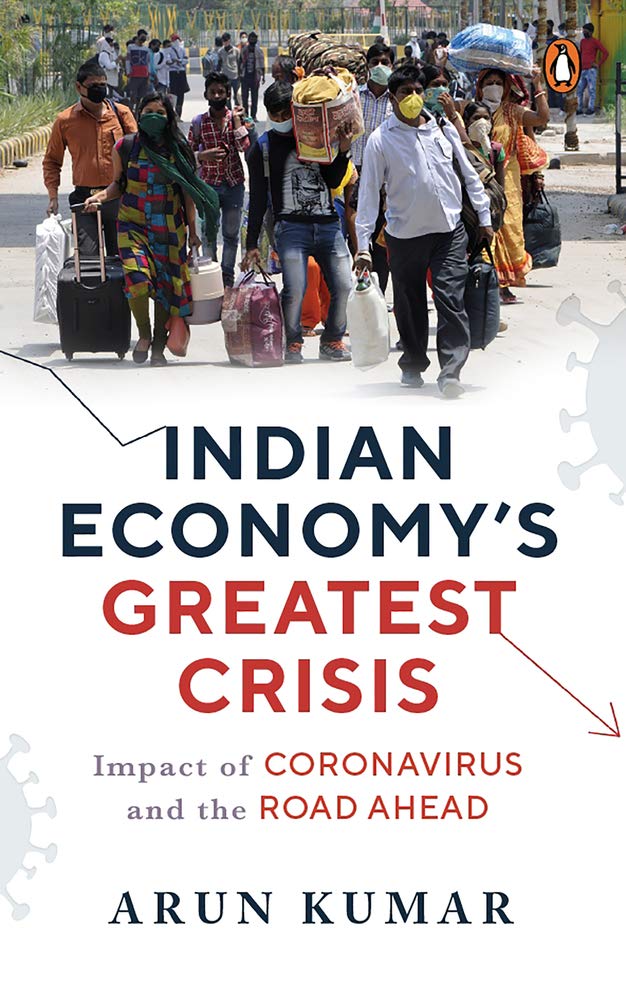
Arun Kumar
The book under review suggests ways out of what is possibly one of the worst crises of the 21st century. The author compares the situation to a war and also finds similarities with the 2007-08 economic crisis. He attempts to address the fallout of the pandemic, its historical context and puts forward the emerging challenges and potential solutions.The book begins with the science behind viruses and gives a historical background to pandemics. This part is very well covered and readers will find it very informative. The later chapters delve into the government’s response. The author critically evaluates the measures undertaken by governments and their prognosis of the situation…
Ankush Agrawal and Vikas Kumar
The poor quality of official statistics is the basis for many criticisms of the Government these days. Whether it is the handling of the COVID pandemic, the state of the economy, or the quality of life of people in society, a common refrain of all critics is that of the poor and declining quality of Government data. Ironically, this situation has come about in large measure because of the success of official statisticians in persuading policy makers, commentators, and civil society activists to use data and empirical arguments in their discussions…
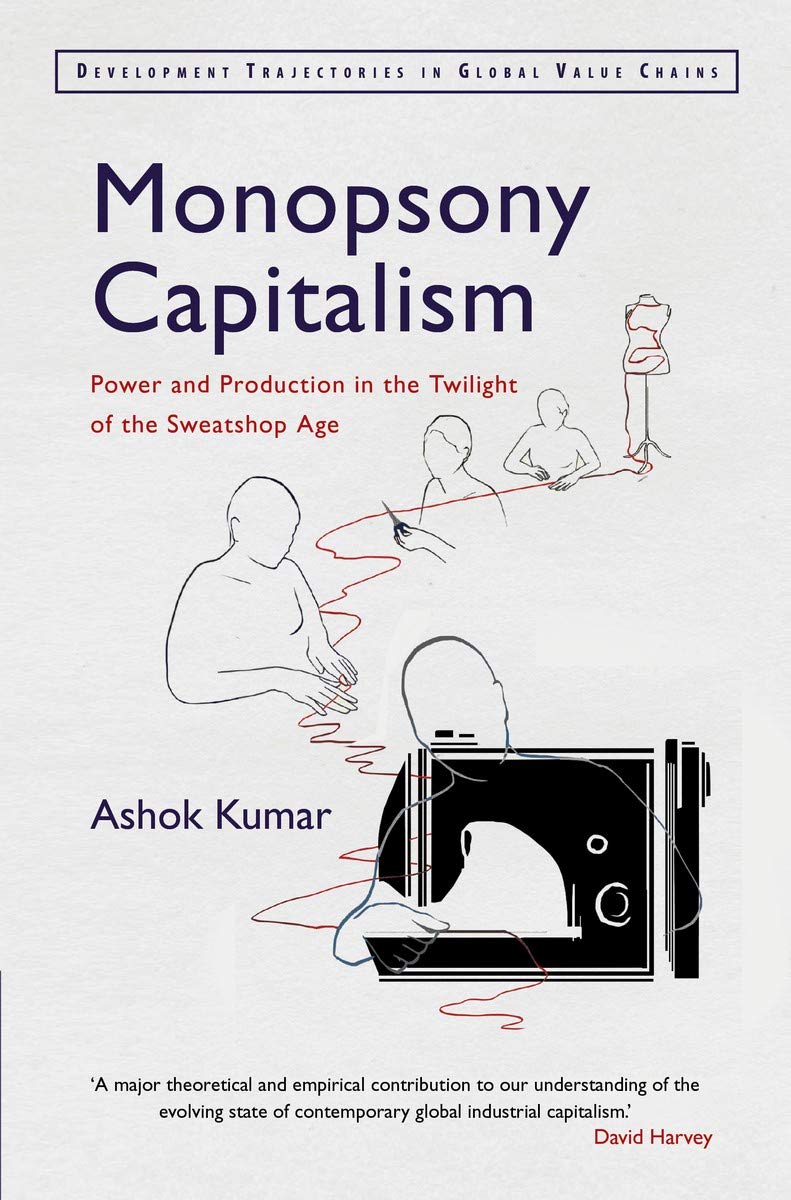
Ashok Kumar
The book under review, Monopsony Capitalism: Power and Production in the Twilight of the Sweatshop Age, could bear the title of the review of the book as it is reminiscent of the regime of accumulation described in the classic Monopoly Capital by Paul Baran and Paul Sweezy, and recalled by Ashok Kumar on page 50. In footnote 27 on the page, the author advises, similar to the illustrious duo, that ‘“monopsony capital’’ is intended more as an analytical device rather than a quantitative measure.’ Monopoly is one seller confronting many buyers. Monopsony is a few buyers confronting many sellers. Both are analytical devices…
Kshitija Joshi
Venture capital, though not new in India, has expanded in the last decade; India has created over a 100 unicorns with a combined market capitalization of $240 billion. This enormous wealth creation has spurred a growing investor appetite for start-ups. More than $60 billion has been invested in Indian start-ups over the past five years, with around $12 billion in 2020 alone. The most astounding example is the resounding success of the food delivery app, Zomato, which after registering a robust listing day gain of 66% continues to scale new highs every day despite not making a single rupee by way of profits…
Hari Ram Prajapati
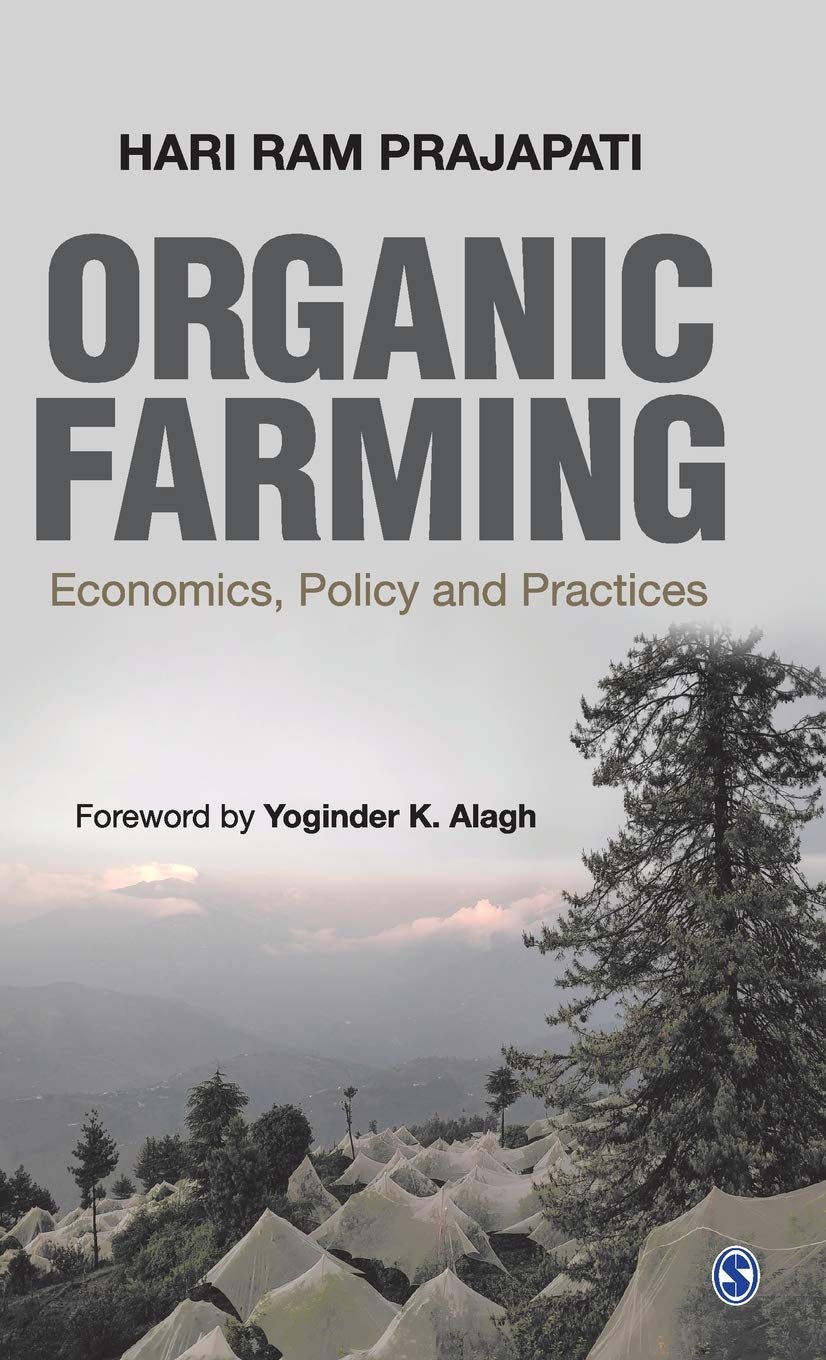
Small land holdings, coupled with low productivity and high volatility of agricultural yields, and farmers’ income are the concerns of Indian agriculture today. These concerns need to be addressed by raising agricultural productivity and lowering market, production and climatic risks. Substantially increasing farmers’ income and making it stable are the pre-requisites for the viability of the sector. Adoption of organic farming can be financially rewarding and environmentally sound. The book Organic Farming: Economics, Policy and Practices by Hari Ram Prajapati is an attempt to describe the economics and status of organic farming and related government policies in the country…
Arkotong Longkumer
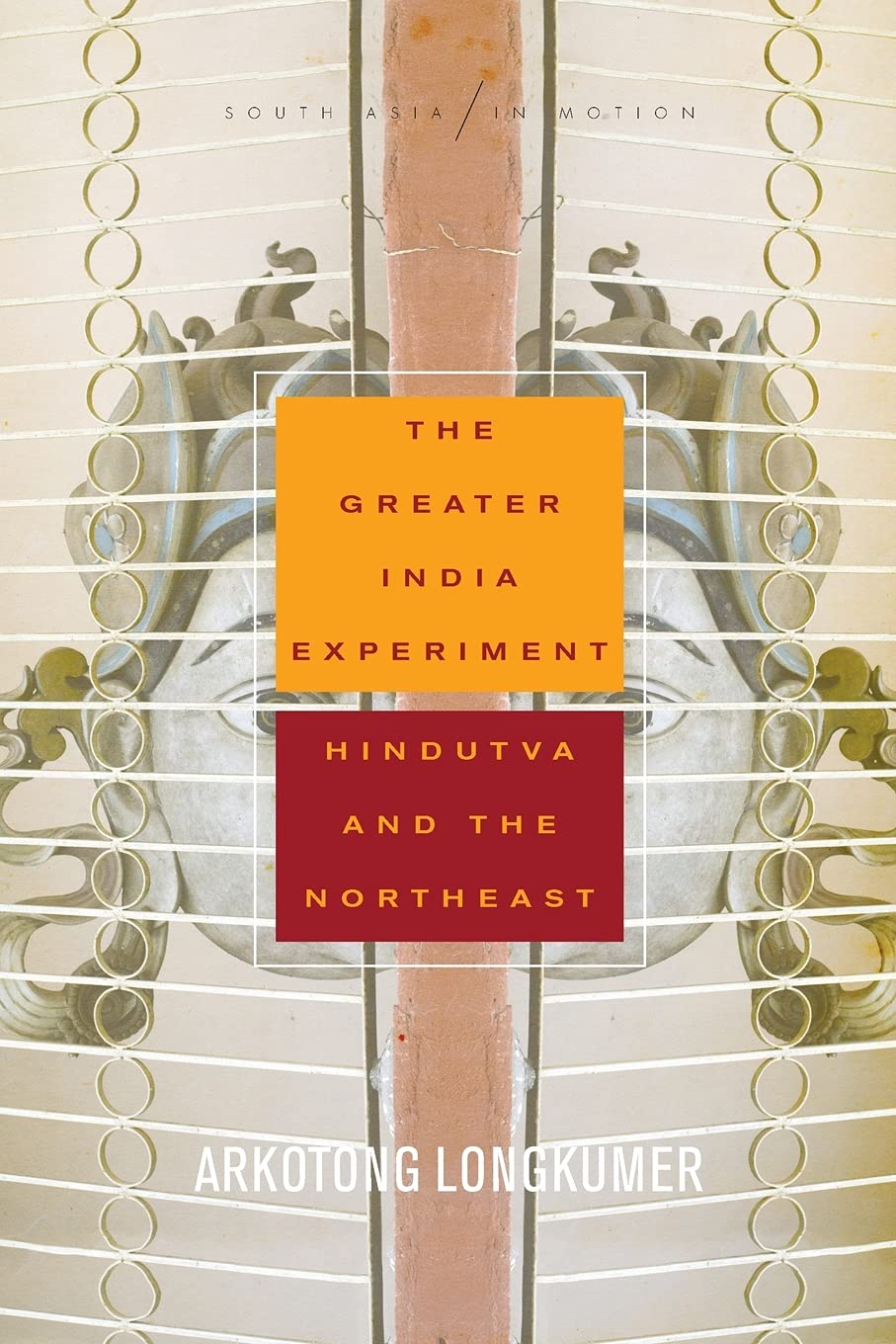
Fresh scholarly interests evoking curiosity and concern have come up after the rise and consolidation of Hindu nationalism in India. The capture of power by the BJP in 2019 has made the causes and consequences of its victory a timely and tantalizing prospect for analysis, spanning volumes of work in academia and journalism. Accounting for the rise of the Hindu Right, studies have explored complex polarization strategies, majoritarian logic, suave use of caste-class algorithms, alliance making, attracting funds of corporate houses, deft social media marketing…
Joel Lee
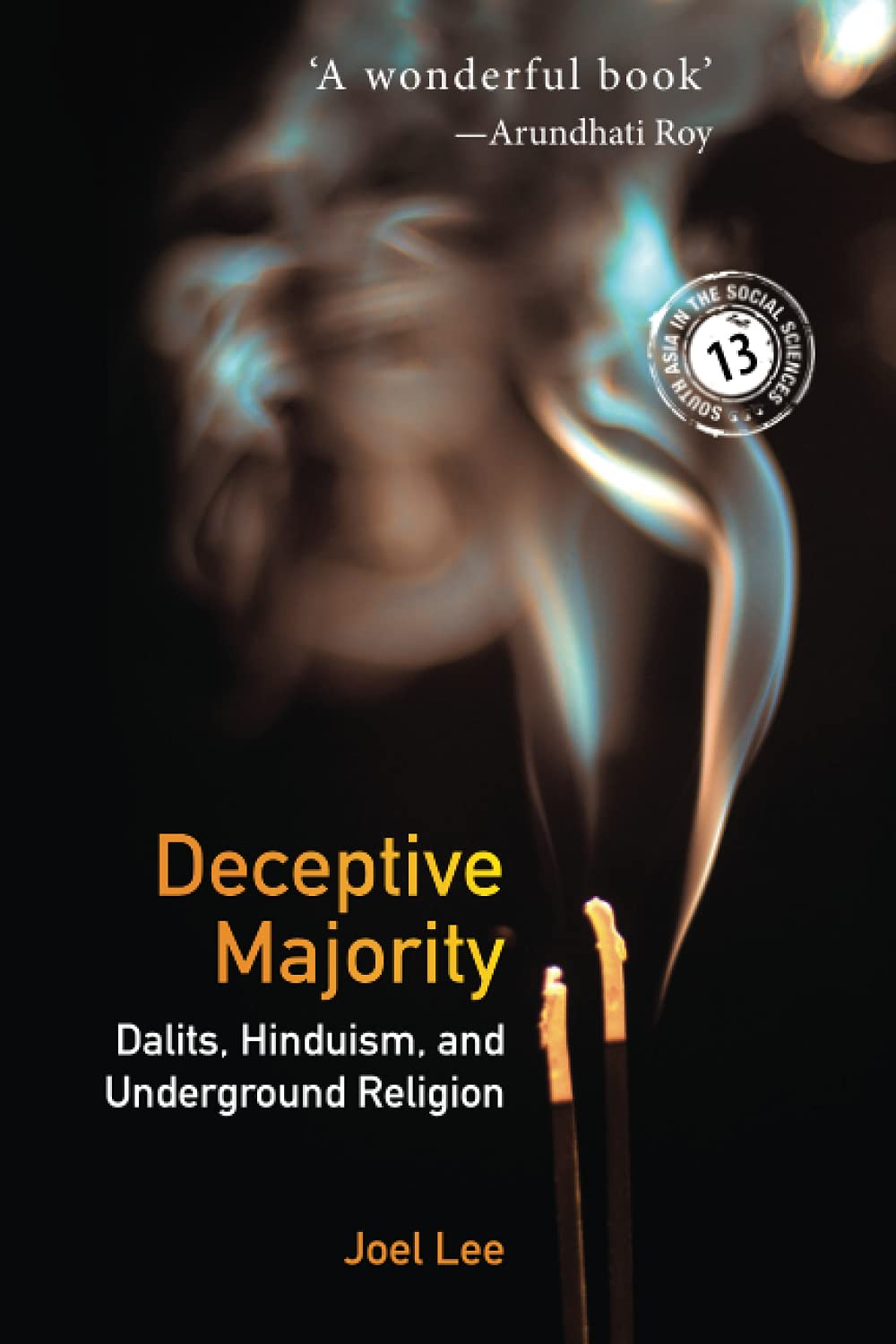
A conversion by change of name within Hinduism is a clandestine conversion which can be of no avail—AmbedkarThe quote above is a reflection of the fact that Dr. Ambedkar denounced any potential for liberation for Dalits within Hinduism. Despite that, several Dalit castes connect themselves to the great tradition of Hinduism and perceive religion as an emancipatory space. The desire for pain-sharing, an aspiration to equality, dignity and self-respect provided grounds for religious traditions to enter into the life world of the marginalized. Alternative religious traditions helped provide this…
Mana Kia
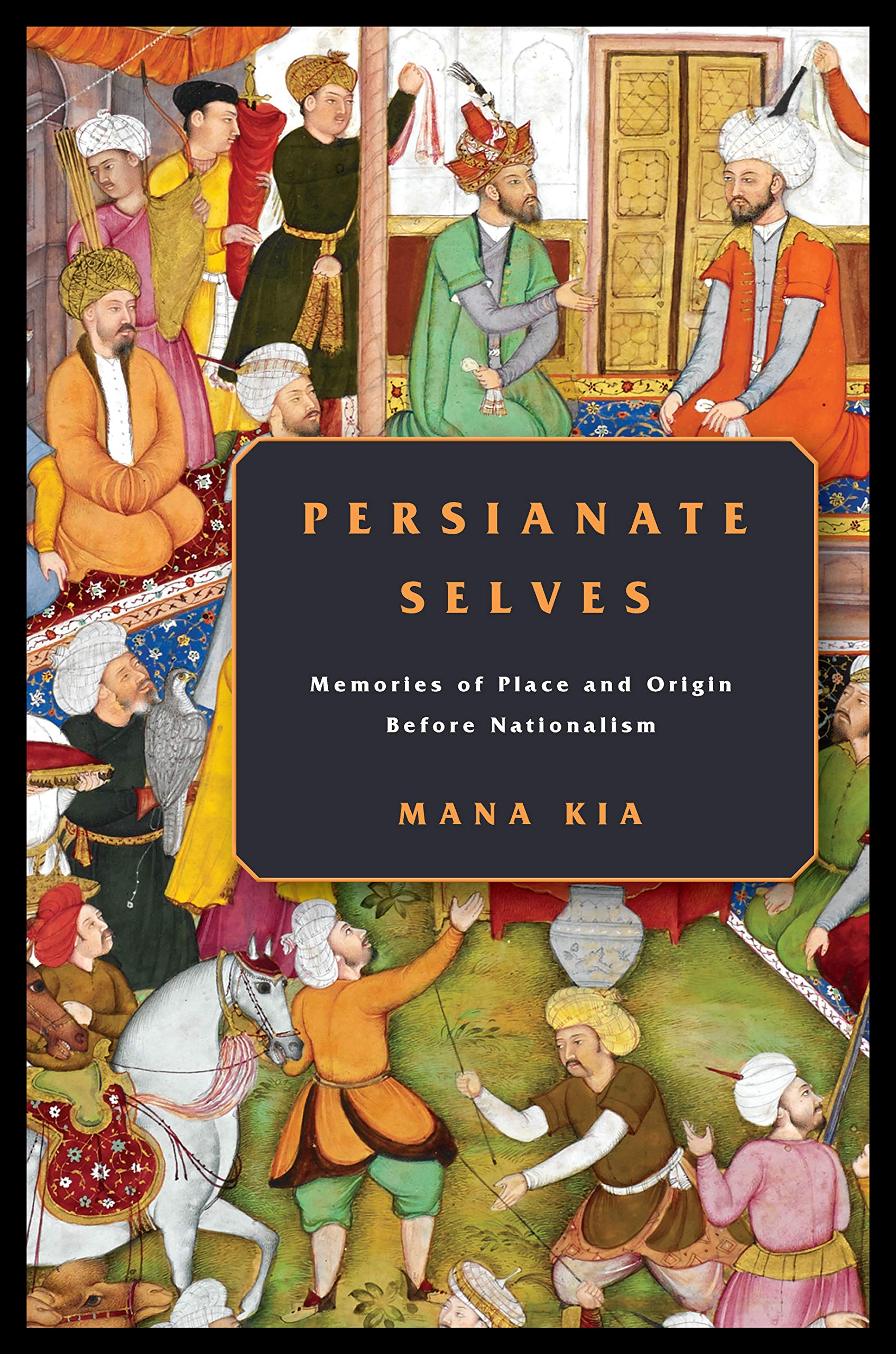
Shaikh Ali Hazin, one of the greatest Persian poets of the day, moved to Delhi from Isfahan in 1734, a couple of years after the great Safavid dynasty of Iran was ended by Nadir Shah Afshar. While he was widely venerated in India, Shaikh Hazin denigrated Indian writings in Persian, which he found corrupted and unfathomable. In response Khan Arzu, one of the greatest scholars of the age, an uncle to the poet Mir, and a philologist who anticipated William Jones by a few decades, defended Indians’ ability to compose in Persian as they liked by making a distinction between the spoken language and the learnt literary language…
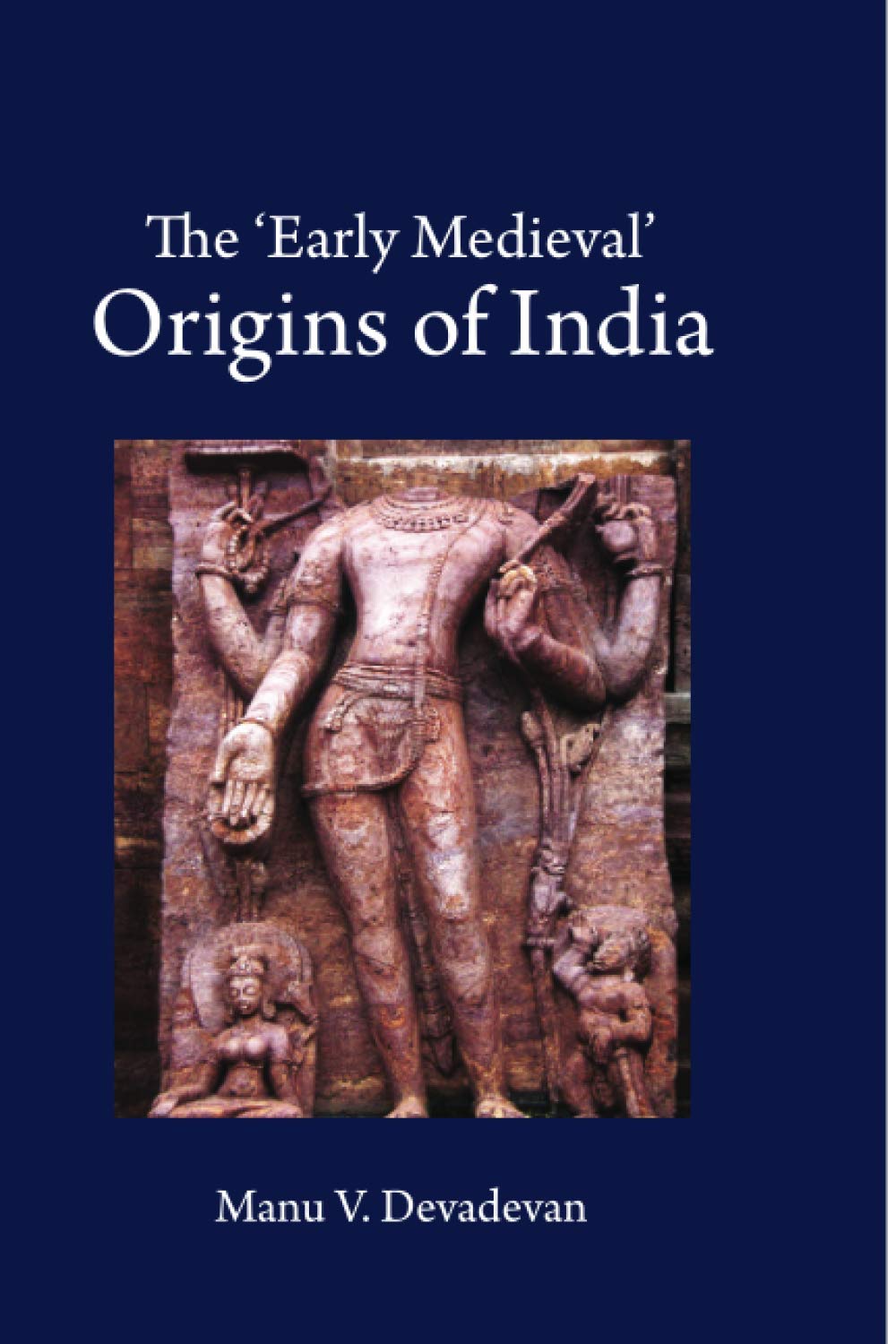
Manu V. Devadevan
The volume by Manu V Devadevan, The ‘Early Medieval’ Origins of India, is a significant contribution to pre-modern South Asian history. A reappraisal of the historiography of the period 600-1200 CE referred to as the ‘early medieval’, it is a valuable addition to the debate on what India is and how it should be understood. Critical of the scheme of periodization in Indian history and prevailing wisdom on early medieval period, the book is provocative and radical in its claim that India is a product of the early medieval times. It stands strongly against the popular imagination and existing knowledge that trace the beginnings of ‘Indian civilization’ to the second millennium BCE or the age of the Vedas…
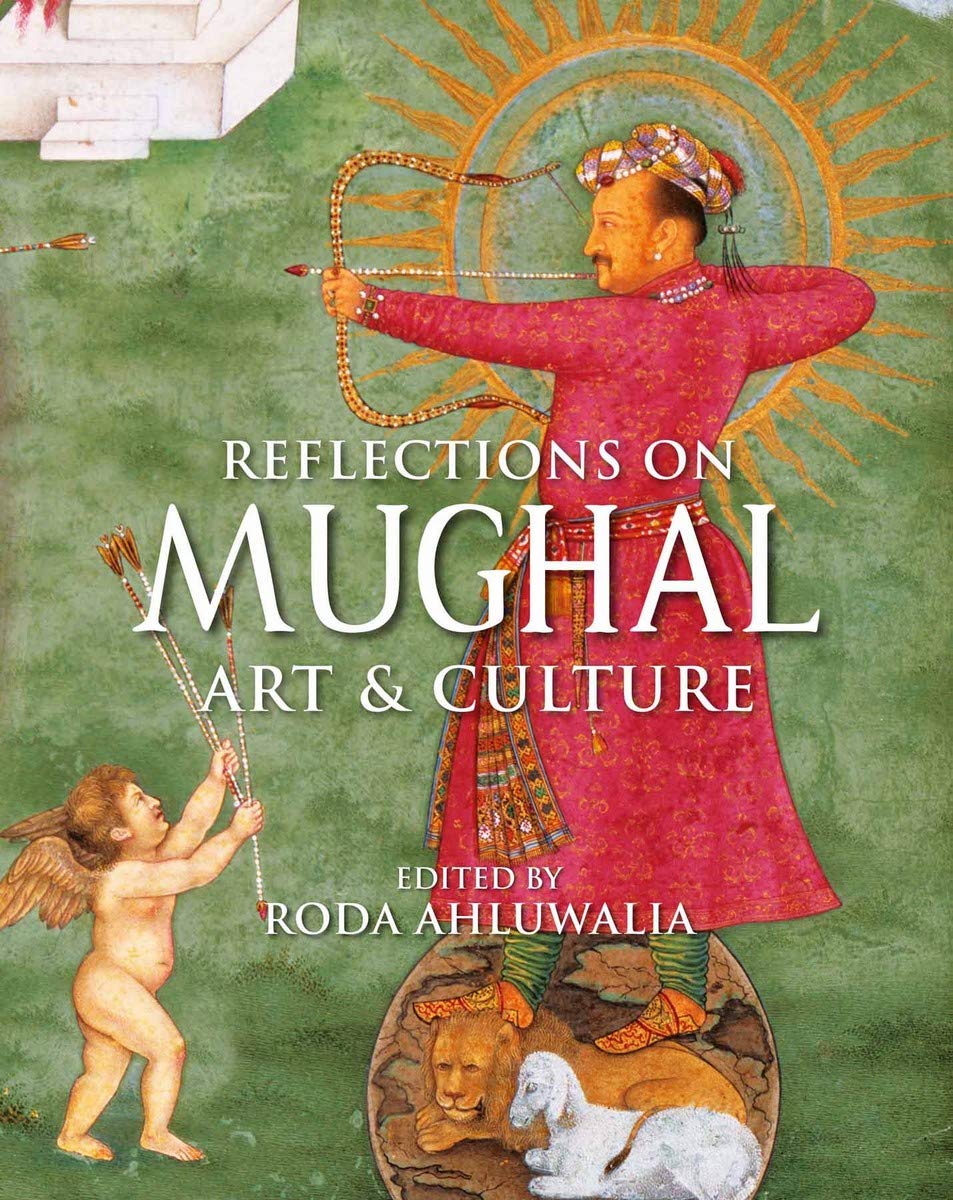
Roda Ahluwalia
This book is a collection of papers presented at a two-day seminar titled ‘Mughal Art and Culture’ organized by the KR Cama Oriental Institute, Mumbai in 2017. A wonderful exhibit of the institutional patronage provided by the Parsi community to historical research pertaining to Iran and India, the book is a welcome addition to the history of the Mughal era while retaining its specialized focus on the history of art and architecture of the period. It begins with a short Foreword by Muncherji Cama (since deceased), President, Cama Institute, and Owner-Editor of Bombay Samachar, the Gujarati newspaper…
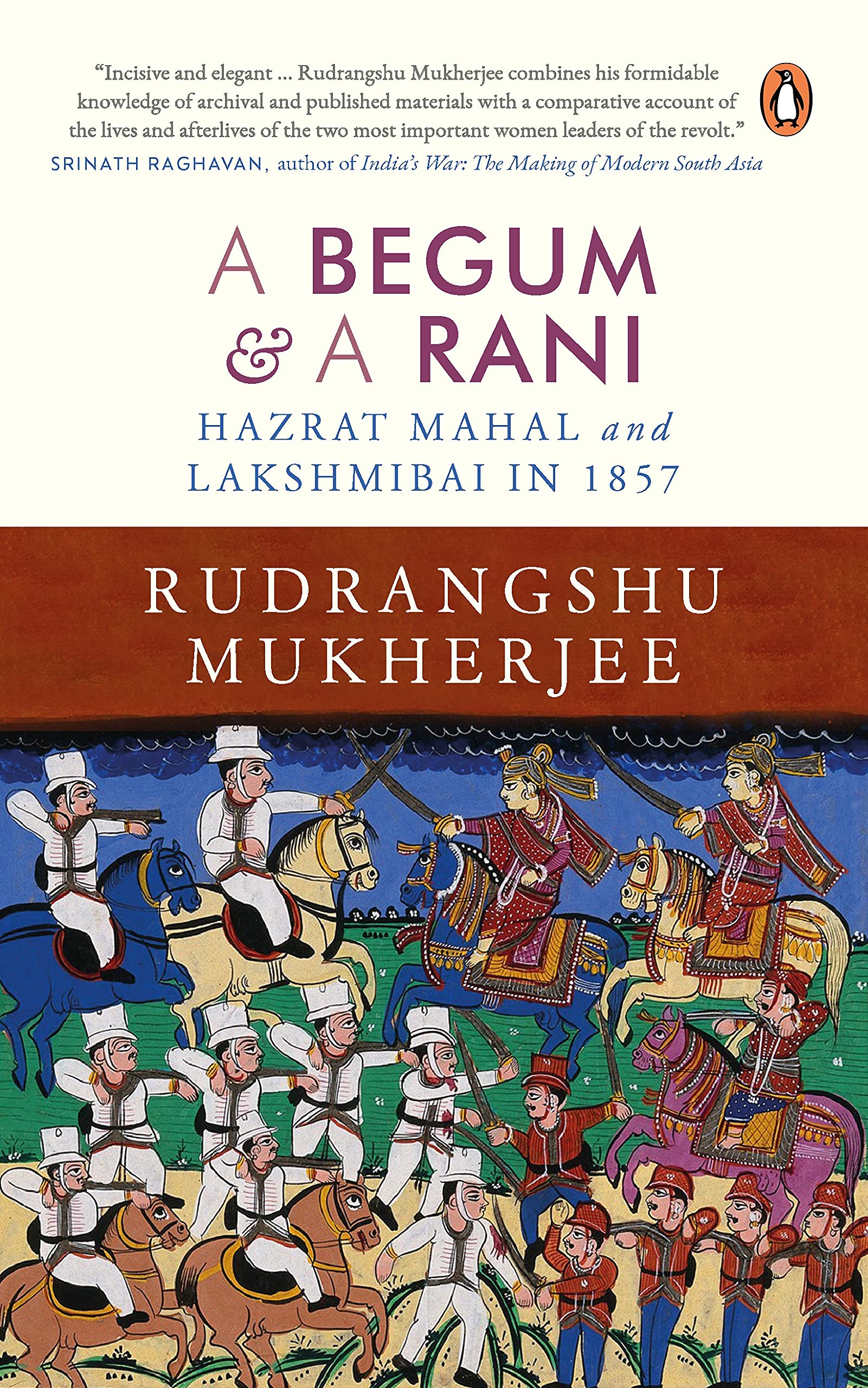
Rudrangshu Mukherjee
So far as a rigorous history of the upsurge of 1857 is concerned, Professor Rudrangshu Mukherjee is a formidable name. After every 50 years of the event, something spectacular has happened. Scholarship on the history of 1857 has been rising with state-funded seminars, conferences and publications, in 1957, and 2007. Mukherjee’s interventions have been much more profound and way beyond such sponsored research. He has also paid special attention to Awadh and Kanpur…
Aparna Vaidik
The book Waiting for Swaraj: Inner Lives of Indian Revolutionaries makes a distinctive contribution in locating the lives of revolutionaries of the Hindustan Republican Association (HRA) and Hindustan Republican Socialist Association (HRSA) beyond their acts of heroism. It is, as the author Aparna Vaidik calls it, the evaluation of an ‘emotional community’ that these revolutionaries primarily belonging to the North of India forged. They were crafting in the process an incipient Hindi speaking public sphere that contributed to a lexicon in Hindi to imagine a new discursive India…
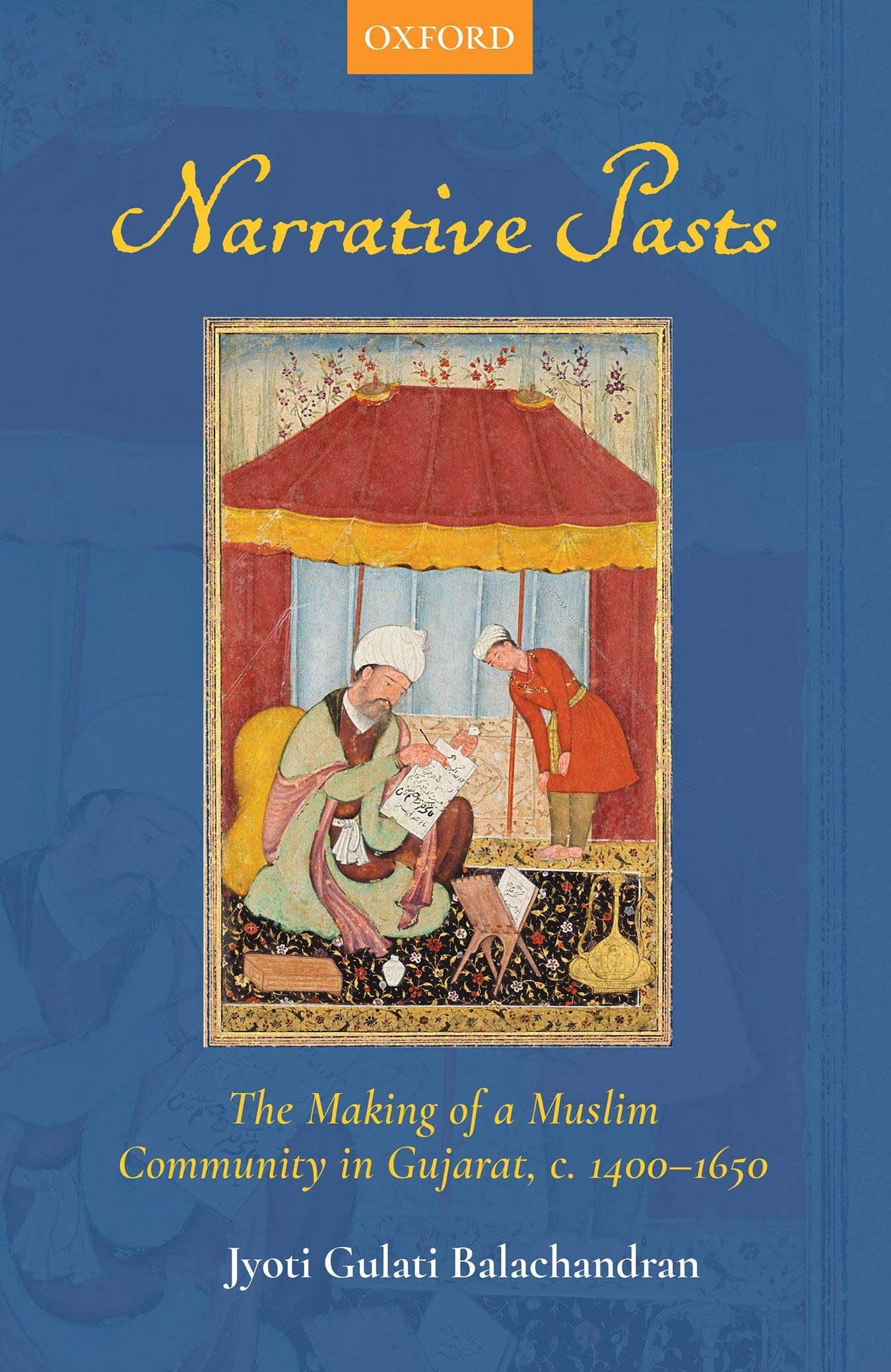
Jyoti Gulati Balachandran
Narrative Pasts narrates the formation of the Muslim community in 15th century Gujarat. The work highlights the representational power of various literary genres—biographical, historical, genealogical etc. and the way these memorialize the 15th century landscape. It successfully demonstrates that the region of Gujarat had a significant position in the world of Islamicate South Asia wherein it shaped the literary developments as well as the identity of the Muslim communities in the subcontinent. The region was also the focal point of textual knowledge formation as well as a thriving urban settlement. Moreover…
Katherine Young
2021
Sometime around the 11th-12th century CE, Ramanuja, a great Shrivaisnava saint, accompanied by two disciples travelled from Srirangam (presently in Tiruchchirappalli district) to Tirukottiyur (currently in Sivaganga district) in the Tamil Nadu region to meet a renowned acharya (loosely translated as teacher) for the purpose of learning a mantra (esoteric sacred knowledge) otherwise exclusively confined to the Brahmanas of the Shrivaisnava community. We are told that Ramanuja’s interaction with the acharya was a test of his will power and patience…
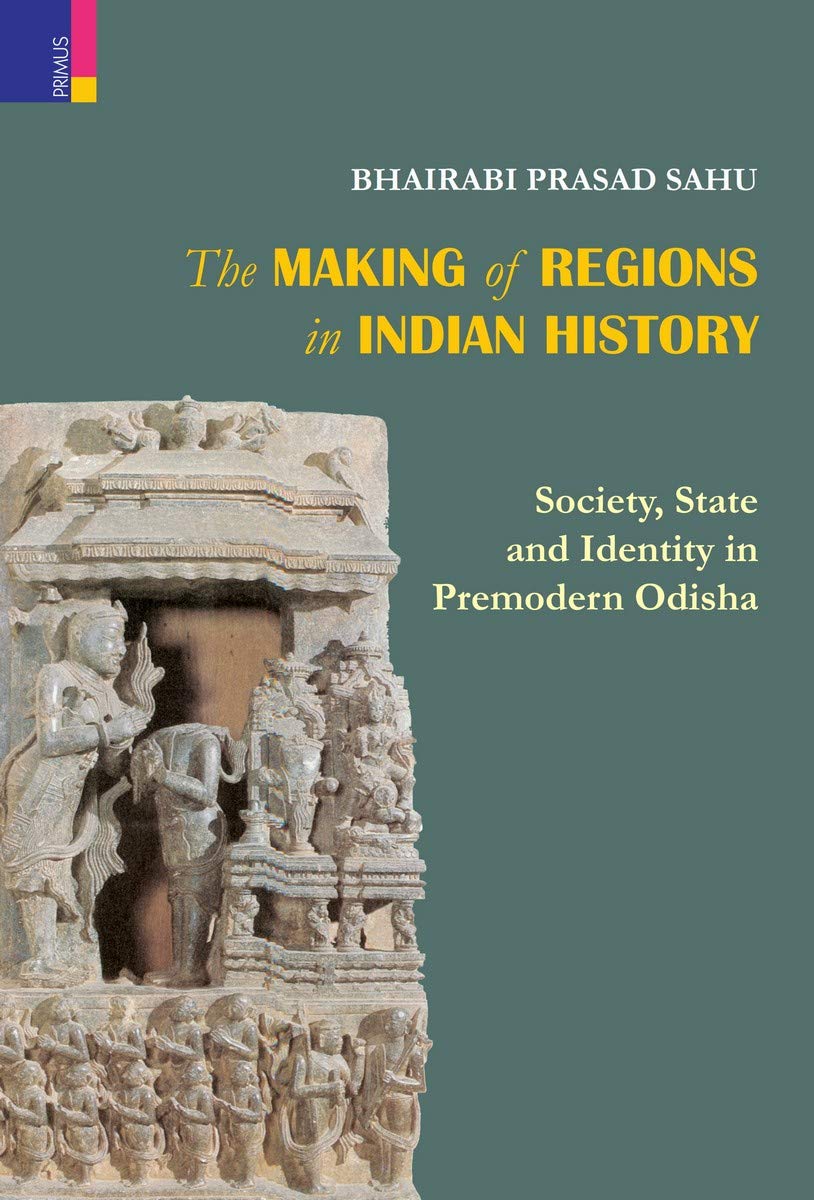
Bhairabi Prasad Sahu
Bhairabi Prasad Sahu, a veteran historian, has published a collection of fourteen essays on the history of pre-modern Odisha. The book explores the ‘convergences of culture, language, society and territory’ (p. 20) in the making of the Odisha region from the post-Mauryan times to the sixteenth century. It engages with issues of monarchical state formation, expansion of state-society, shaping of a region-specific caste system, spread of Puranic religions, growth of trade, markets and urbanization, and the evolution of Odia language and script…
Aloka Parasher Sen
Aloka Parasher Sen, otherwise known amongst students of history for her groundbreaking works on forest spaces and forest dwellers, especially the Mlecchas, has made another crucial intervention via the book under review. This book on the early history of Deccan is her labour of love, a token of gratitude to the city of Hyderabad, where she taught as Professor in the Department of History, Hyderabad Central University. In another piece of writing, a rather interesting bio-note, Sen admits that her stay in Hyderabad made her sensitive to the immediate environs and got her interested, academically, in the region…
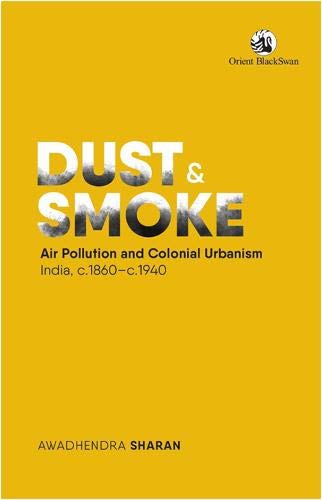
Awadhendra Sharan
Urbanization is considered to be a significant moment in human history. Mumford argues that urbanization took an unprecedented form by throwing off natural limits of the environment with industrialization. Thus, while urbanization in the past was a historical moment for detaching labour from land and nature, urbanization in the present is about bringing nature back to tackle the question of livability of the city. This has made contemporary urban discourses witness the emergence of debates such as green urbanism, eco-city, sustainable city, etc…
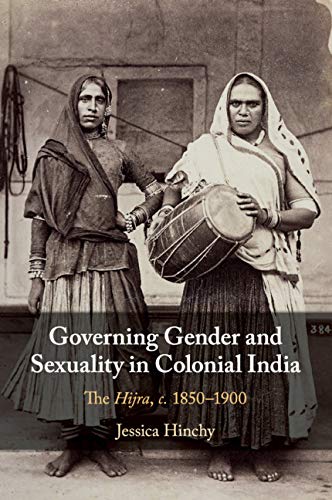
Jessica Hinchy
In writing Governing Gender and Sexuality in Colonial India, Jessica Hinchy has given the world of gender and sexuality studies a much required in-depth history of the Hijra community. Based on years of her archival research published as independent papers in different journals, this book is also the story of encounters with violence, resistance, and resilience. Hidden behind the detailed academic analysis is the tale of survival of a community whose non-normativity and visibility made it a target of colonial control, surveillance, discrimination and even extermination…
Ashutosh Bhardwaj
The book The Death Script: Dreams and Delusions in Naxal Country is primarily a document discussing death in the aftermath of the Maoist insurgency of Bastar. The author Ashutosh Bhardwaj is a journalist who lived in the forests of Dandakaranya. His narration is a departure from journalistic writing as he uses creative ways to tell the stories of the Red Corridor of India, in which he is a participant rather than a mere observer. The book is divided into seven chapters. Each chapter is categorized in a creative way, and as a whole…
Ismat Chughtai. Translated from the original Urdu by Tahira Naqvi
The events of Karbala are part of a tradition that is well documented in the observation of Moharram all over the world. The story told has also been across generations making these events a cultural artefact to be remembered and shared, with every episode echoed in a majlis, marsiya, noha, and more. Ismat Chughtai’s Ek Qatra-e-Khoon is a recounting of these events presented in the form of a novel, and particularly unique if one considers it alongside her other works…