
Politics
Sudha Pai
The book under review, studying public institutions in India follows Rethinking Public Institutions in India edited by Devesh Kapur, Pratap Bhanu Mehta and Milan Vaishnav (OUP 2017). Grouped in five parts, the volume examines sixteen institutions, aside from analysing methodologies for studying institutions.
Aakash Singh Rathore and Ashis Nandy
The 2019 General Elections confirmed the hypothesis that the broad consensus over the ‘idea of India’ forged at the time of Independence no longer holds and a fundamental shift has taken place in favour of values that are the antithesis of this consensus.
Paul Wallace
India’s 2019 elections result deepened the fundamental transformation of politics since 2014. The BJP not only witnessed a surge in quantitative terms but it also penetrated into new territories that were largely dominated by regional parties.
Sanjoy Chakravorty and Amitendu Palit
The contestations over land continue to remain relevant in the age of capitalist industrialization. While in the pre-industrial world, land clearly maintained a central role in the generation and accumulation of wealth, modern industrialization and the subsequent upheaval.
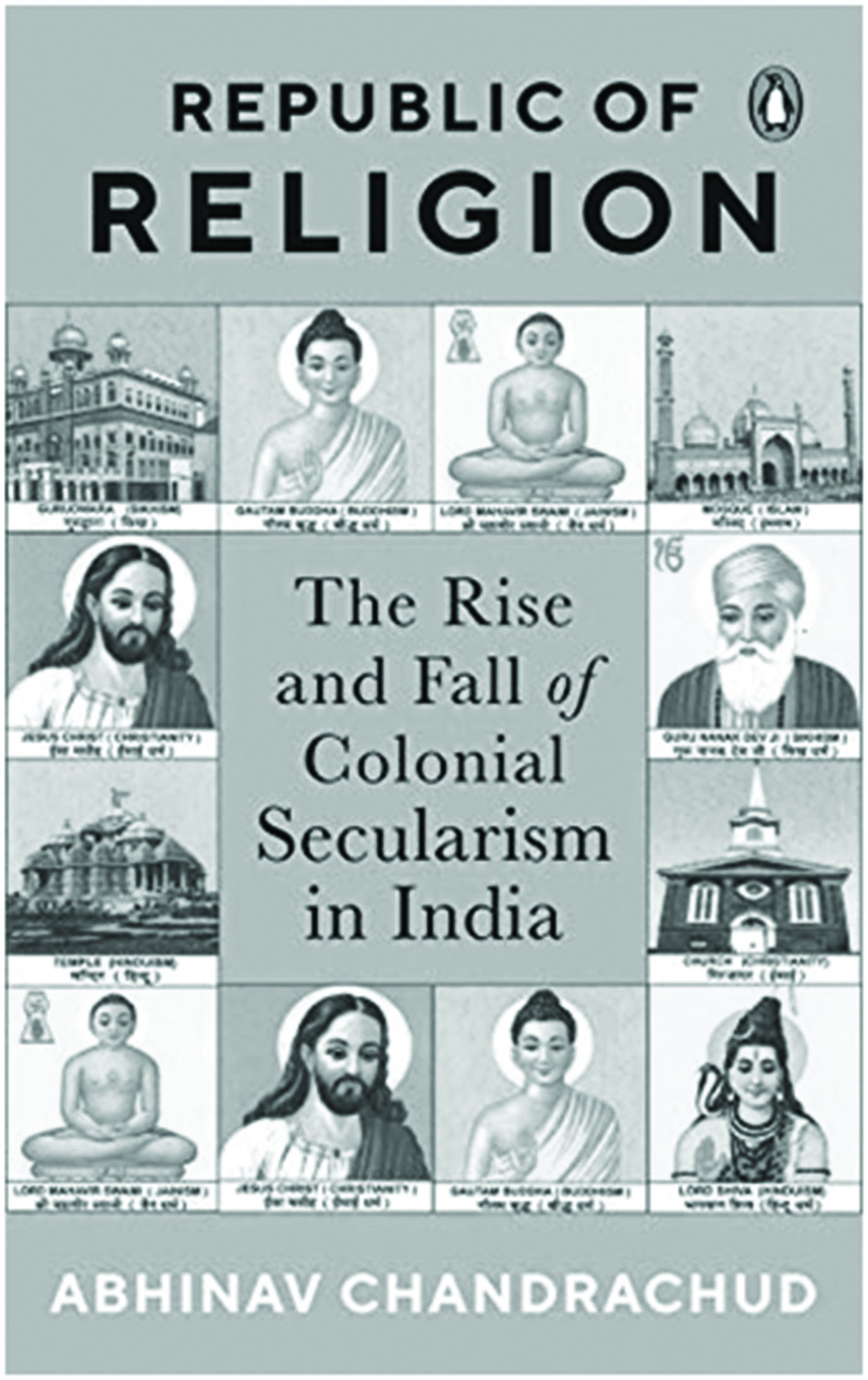
Abhinav Chandrachud
In the abundant literature on secularism that is now at hand, the range of comparative work on distinctive projects of secularism, in different parts of the world, has widened significantly, moving away from earlier binary classifications. The literature shows.
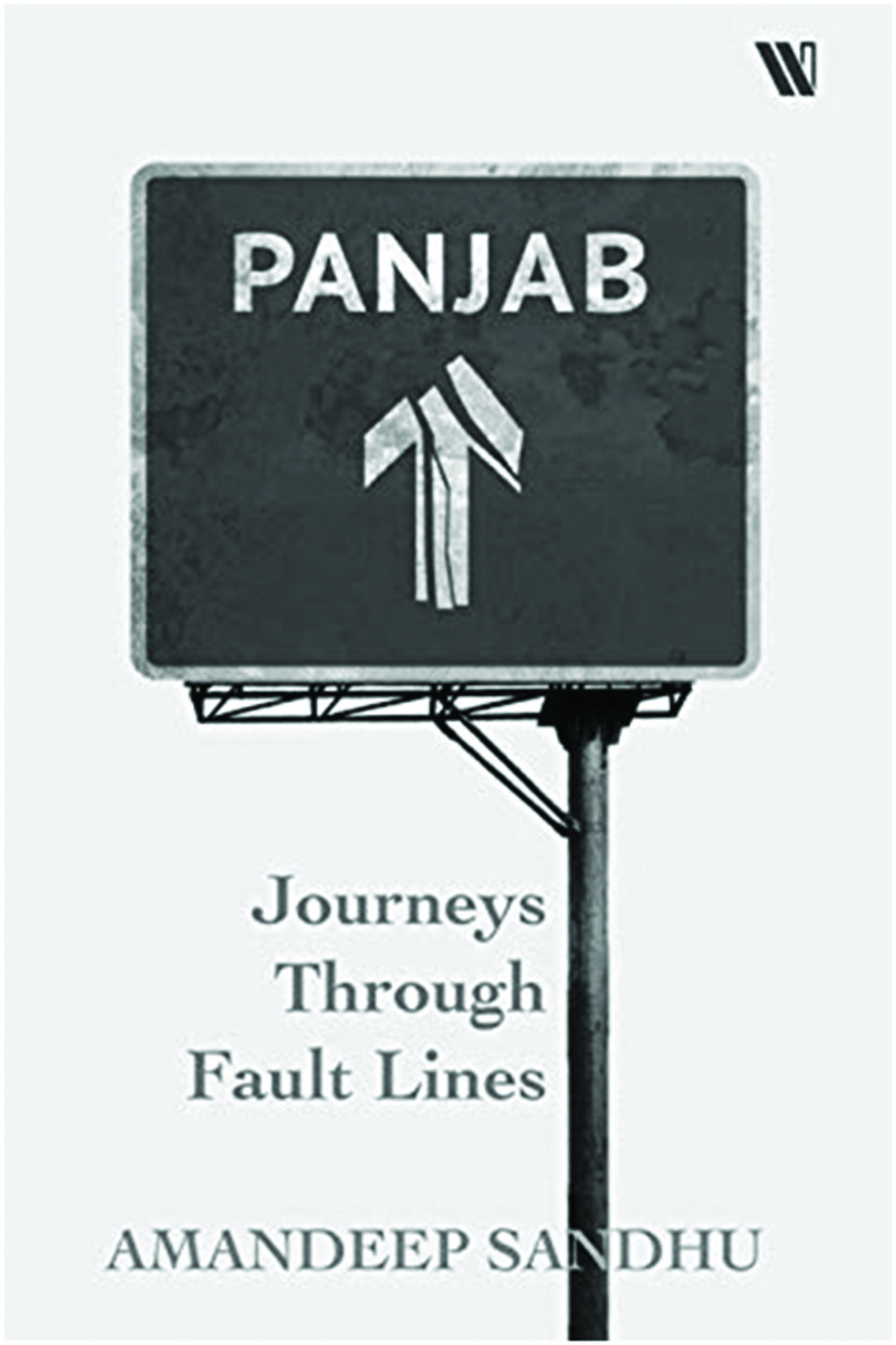
Amandeep Sandhu
The tenor of Amandeep Sandhu’s Panjab: Journeys Through Fault Lines is established in the very first chapter titled Satt–Wound. The author, born in Rourkela, admits to only a fragile link with Punjab (spelt Panjab)–his family once belonged to the State. He then provides images that are intimate and distant, uniquely personal and universally familiar all at once: brass vessels.
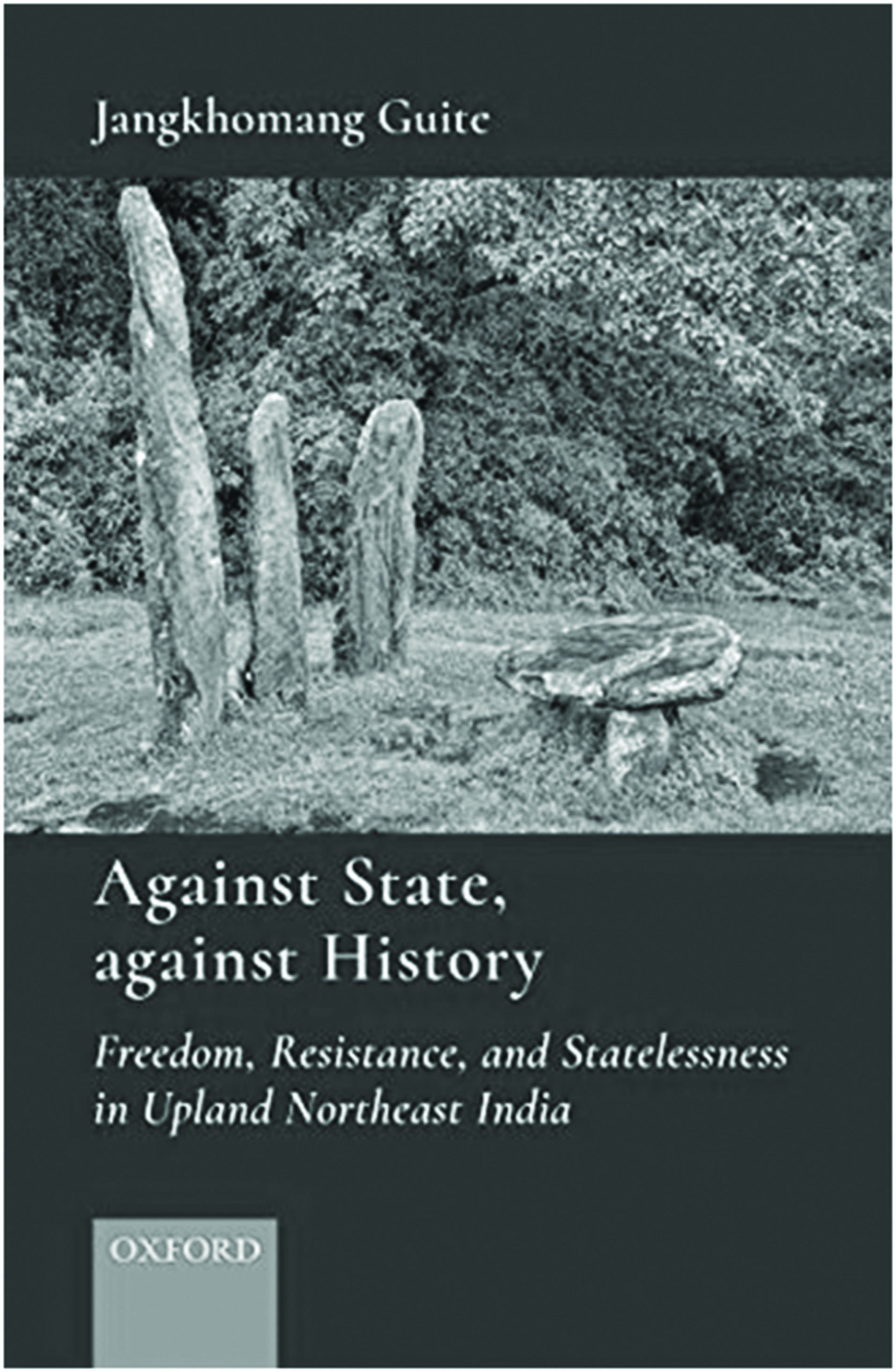
Jangkhomang Guite
2019
Colonial stereotypical portrayal of the myriad hill-tribes of India’s North East as, inter alia, demoniacal, relics of the past and uncivilized—abstract principles intended to rationalize the imperial project—has undergirded much of the dominant understandings about the region.
Partha Chatterjee
This is a timely intervention by Partha Chatterjee on the question of popular sovereignty in an era of populism and abounding authoritarianism. The book is based on the Ruth Benedict Lectures that Chatterjee delivered at Columbia University in April 2018 and as he admits candidly.
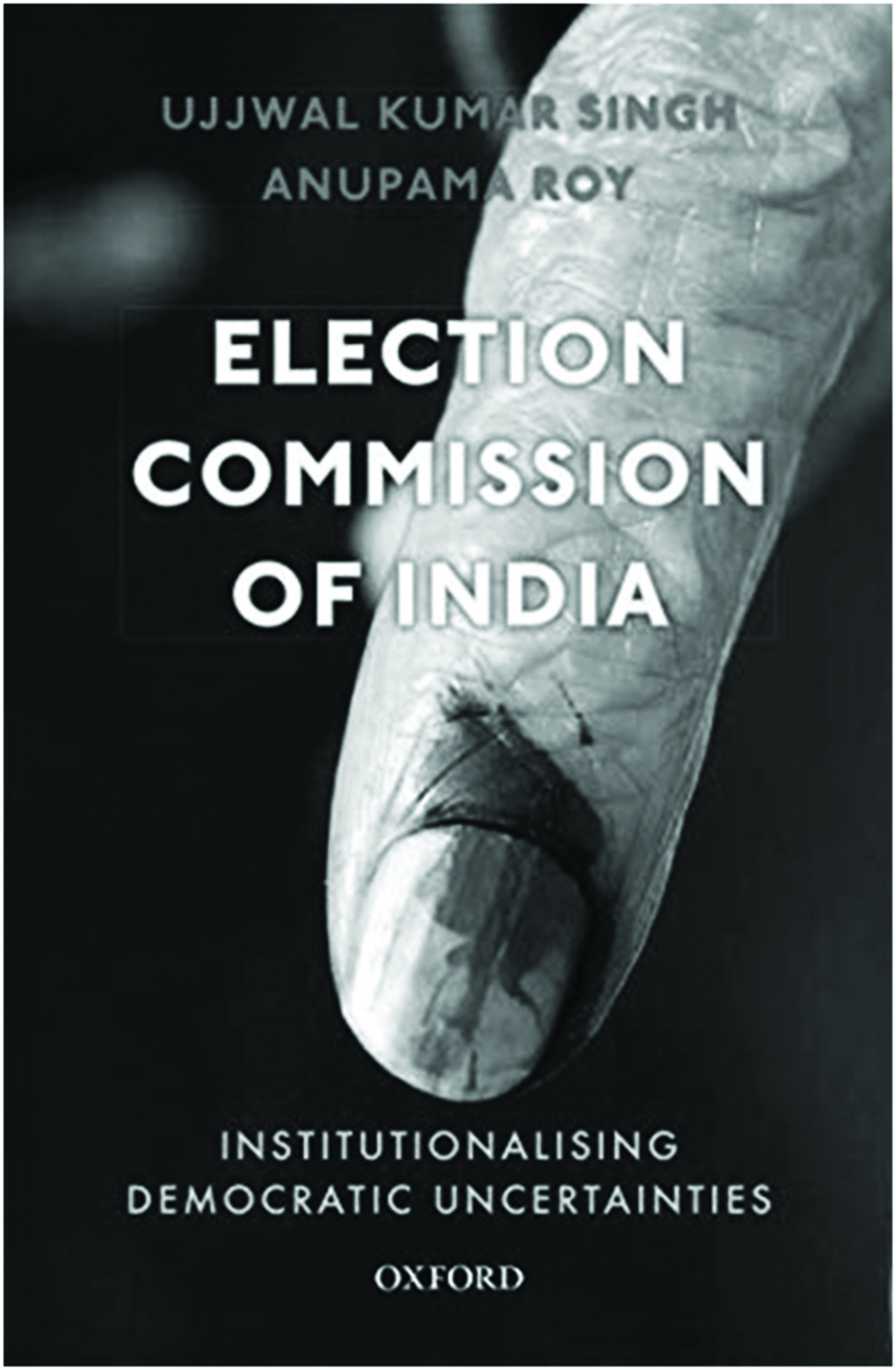
Ujjwal Kumar Singh and Anupama Roy
Election Commission of India: Institutionalising Democratic Uncertainties has hit the shelves—physical as well as digital, at a time when the Election Commission of India (ECI) has come under unprecedented scrutiny over its alleged failure to enforce election norms.
Pranab Bardhan, Sudipto Mundle, and Rohini Somanathan
As our Republic turns 70, there is a distinct anti-intellectual wind blowing in the air, by which I mean not merely a certain wariness often bordering on suspicion of ideas but outright disrespect for ideas that are not popular. Ideas that question or point to flaws.
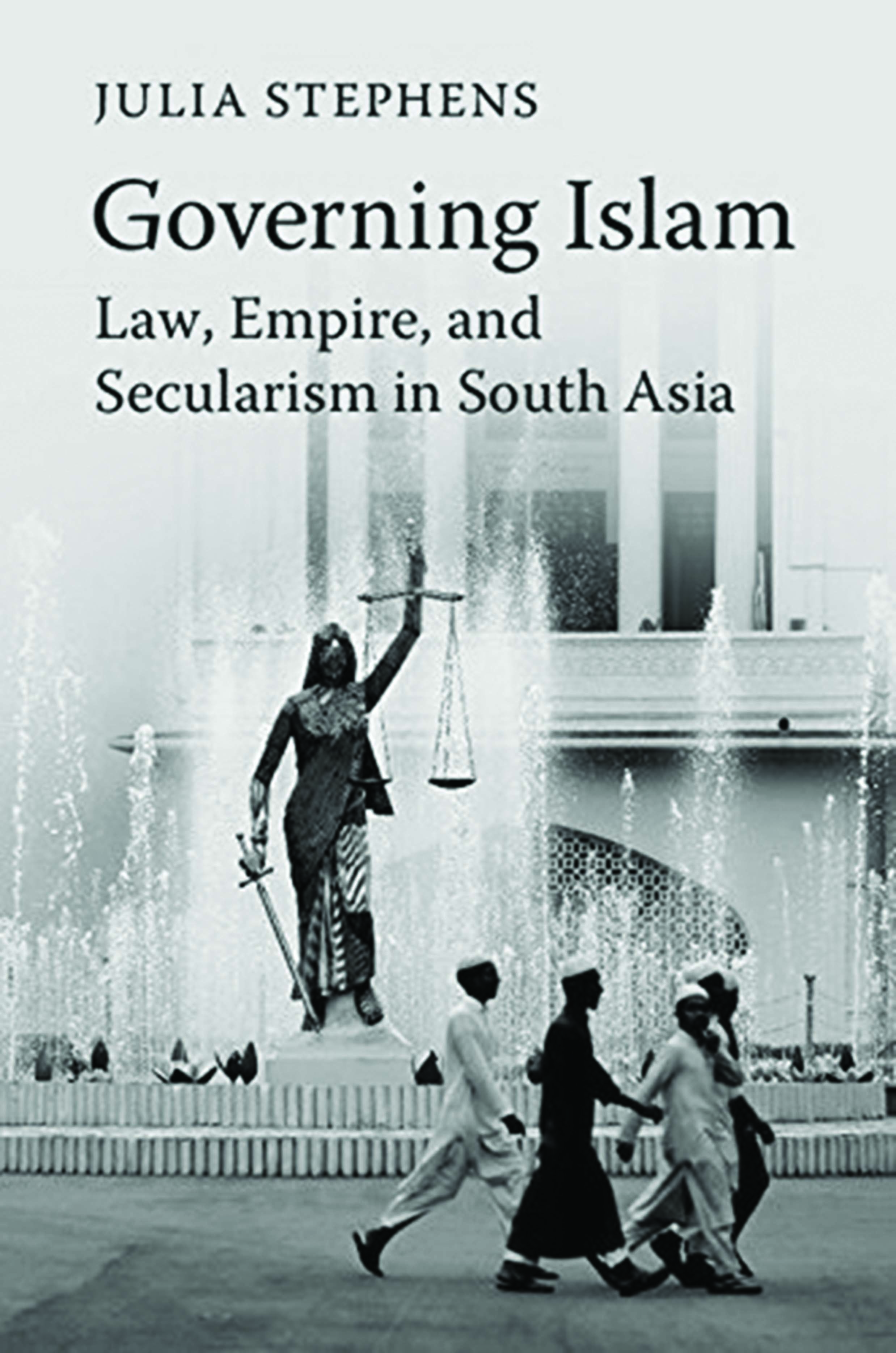
Julia Stephens
The current manouevres by the Indian government to define civic status in terms of religious identity have deep roots in the legal regimes introduced under British colonial rule. If implementation of the new Citizenship (Amendment) Act will require applicants.
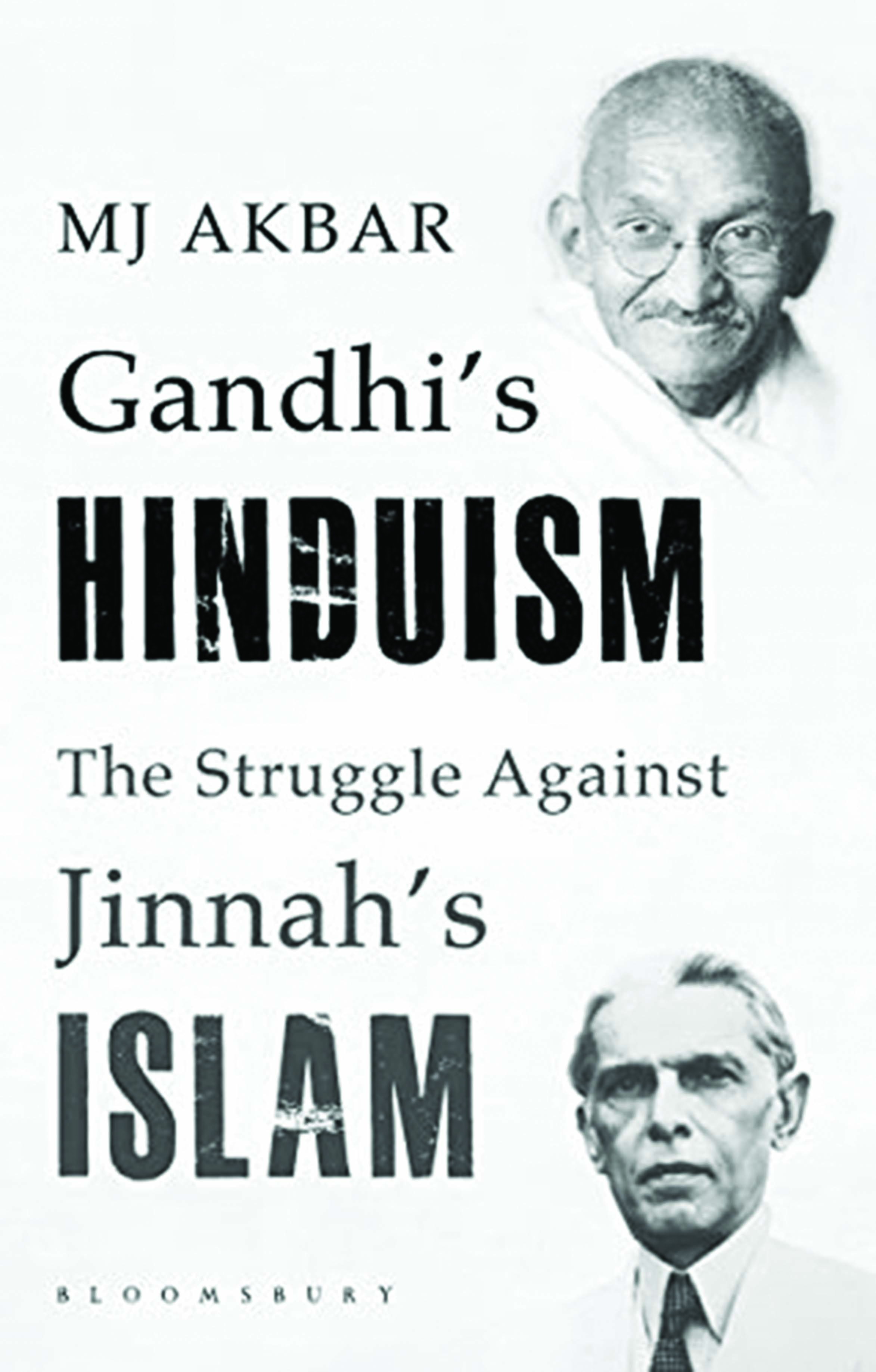
M.J. Akbar
MJ Akbar needs no introduction. A famous journalist and politician (BJP), he is also a prolific writer. His latest offering, its unwieldy and somewhat misleading title notwithstanding, is about the last phase of India’s freedom struggle. The struggle for freedom was never between Hinduism and Islam.
Subhash Gatade
The 2014 general elections which saw the Bharatiya Janata Party return to power with an absolute majority is believed to have brought an important paradigmatic shift to Indian politics. Scholars commenting have termed it as a majoritarian shift.

Jennifer Bussell
In this illuminating study Jennifer Bussell explores a frequently talked about but scarcely studied phenomenon of Indian democracy, characterized aptly as ‘patronage democracy’, describing the relationship between elected representatives and the electors as ‘clients and constituents’.
Rajeev Dhavan
Increasing corruption in public life has been a matter of growing concern in India since the early 1960s. The Administrative Reforms Commission recommended the appointment of the Lokpal institution in 1966. Since then, a number of Lokpal legislations were introduced.
Rumki Basu
The discipline of public administration emerged foregrounding two major Wilsonian fallacies. One, that ‘politics’ and ‘administration’ are distinct dichotomous governmental blobs which need to be dealt with separately, and the political and permanent executive must take note of it.
Maidul Islam
The Indian social, political and economic scenario has undergone and is still undergoing a process of rapid transformation. A change is particularly significant in the way we perceive Muslims and their concerns in India. The new institutional framework caused.
Rajesh Kota
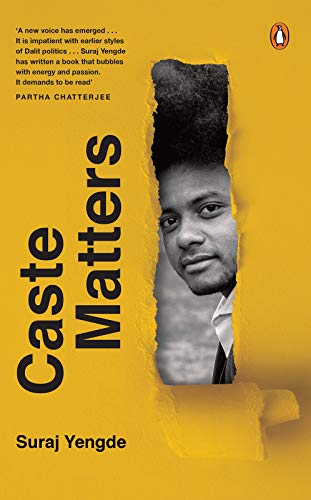
In normal political discussions, the conscious Ambedkarites are scaled above and admired more over the other ‘non-active’ Dalits. In the post-Ambedkar period, the Dalit Panthers in Maharashtra and the formation of the BSP in Uttar Pradesh are two prominent examples.

Rajesh Kota
Jai Bheem, Lal Salaam (Hail the Unity of the Ambedkarites and the Marxists) had become a catchphrase slogan in the aftermath of Rohit Vemula’s suicide in Hyderabad Central University in 2016, which immediately percolated to the streets around the power-corridors.
Uma Chakravarti
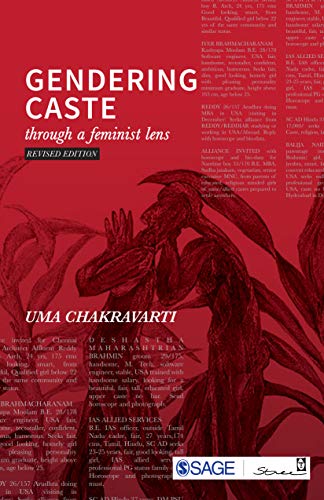
This is the revised and updated edition of a book originally published in 2003. Maithreyi Krishnaraj’s ‘Note from the Series Editor’ introduces the volume and places it in its context, while Uma Chakravarti’s ‘Afterword: Caste and Gender in the New Millennium’ provides.