
Art and Culture
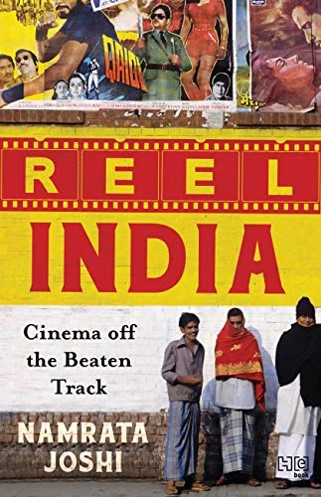
Namrata Joshi
Ever since cinema emerged as a dominant source of entertainment in the last century, its influence on the public psyche remains unsurpassed. Over time and across space, it has changed forms and with technological innovations, its range and capacity have hugely expanded.

Poonam Trivedi and Paromita
Any survey of Shakespeare requires an intricate triangulation of history, politics and culture. Shakespeare is so integrally related to Cinema that movies which adapt Shakespeare are used to showcase the multidimensional growth of cinema itself—from the minute-long.
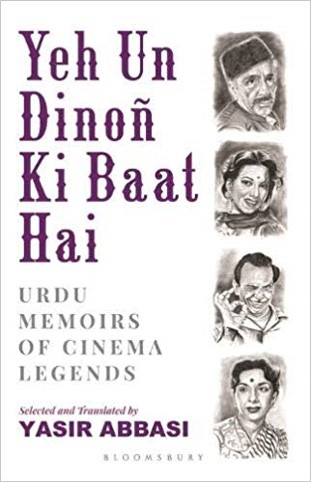
Yasir Abbasi
The major ingredient of the aura of Bombay Cinema is nostalgia. Films themselves satiate nostalgias for things and ways of living now lost, or never acquired. Nostalgia for rurality, small town sensibilities, the historical past, myths and fables are all important.
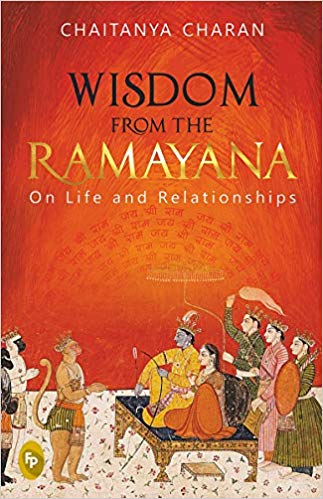
Chaitanya Charan
No matter how old you are, if you are from India, you can probably recall the first time you heard the story of Rama. The memory could be your grandmother’s voice in a room lit only by a lamp, or a book such as Rajagopalachari’s rendition or the pictures in the Amar Chitra Katha or the televised version. Every Indian household has children who have grown up on the telling of the Ramayana.
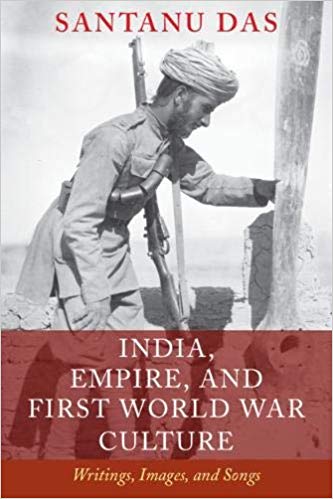
Santanu Das
So much has already been written on the history of the First World War—its cause, spread and consequences—that an addition to the corpus of existing literature, expanded substantially in the last few years on the occasion of the war’s centenary, is unlikely to cause much of a stir. Yet the book by Santanu Das that seeks to be ‘the first cultural and literary history of India and the First World War, though it necessarily engages with the social and the political’ has turned out to be a definitive exercise that enriches our understanding like few others before.
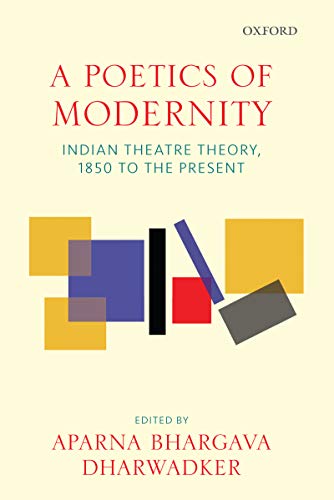
Aparna Bhargava Dharwadker
There’s something dangerous about theatre. People pretend to be who they are not, in settings that are fake, and speak words that do not come from their own minds. It excites passions, both in the people performing, as well as in the people watching.
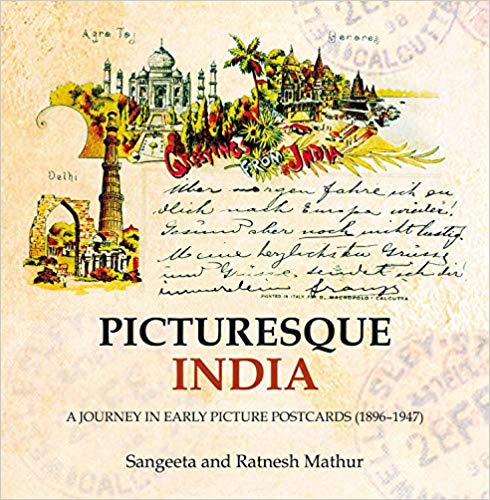
Sangeeta
Picture postcards, i.e., cards that have pictures on them and can be sent by post, came late to India, probably only in 1896, years after their launch in Europe. However, millions of postcards showing views of India were sold in the years that followed, especially during their Golden Era, which lasted till around 1915.
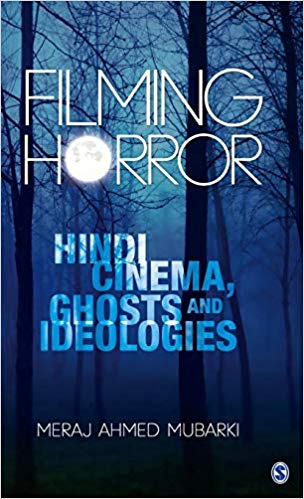
Meraj Ahmed Mubarki/Mithuraaj Dhusiya
The Central Board of Film Certification, popularly known as the Censor Board, requires the members of examining/revising committee to satisfy themselves that ‘pointless or avoidable scenes of violence, cruelty and horror are not shown’ in a film. Arguably, this official undesirability of horror in Indian cinema was complemented by the notoriety of the horror films and their status as ‘not quite cinema’.
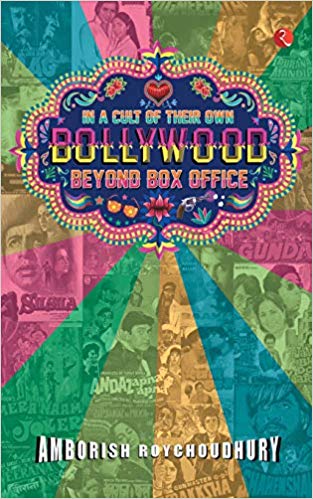
Amborish Roychoudhury
Here is an example of a filmy situation where a simple logic resolves a complex situation: ‘Mantri: Ye kanch bulletproof hai tum mujhe chu bhi nahin sakte (This glass is bullet-proof. You can’t even touch me). Prabhuji thinks for a moment and then smiles: Ye kanch bulletproof hai magar patthhar proof nahin. (This glass is bullet-proof, but not stone-proof).
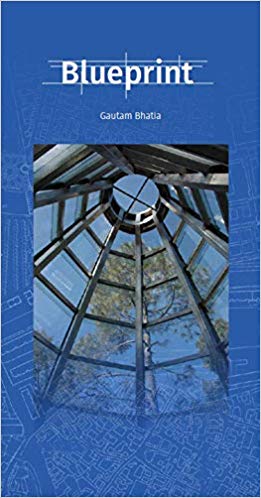
Gautam Bhatia
2018
Gautam Bhatia can very easily be misunderstood. The Delhi-based artist and architect’s discomfort with mediocrity in Indian architecture has been poured out through scathing critiques over the past decades. One could dismiss Bhatia as being cynical if not for his prolific inspired artistic and architectural output that counterbalance the despondency found in his literature.
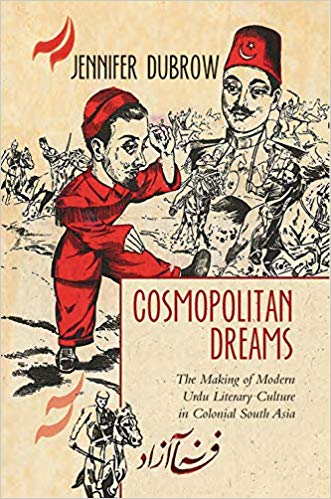
Jennifer Dubrow
The arrival of commercial print in the 19th century, across the subcontinent allowed for the emergence of the professional writer, one who could make a living from writing alone. Where professional poets and writers had earlier subsisted on patronage from kings and nobles, the 19th century created opportunities for a writer to make a living from the market.
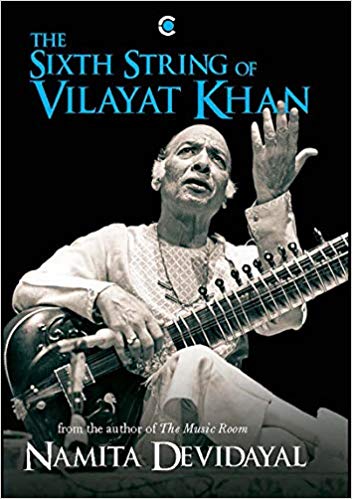
Namita Devidayal
Three great sitarists blossoming in the second half of the last century—Ravi Shankar, Vilayat Khan and Nikhil Banerjee—enriched our instrumental music tradition decisively. Their personalities, largely shaped by their background and upbringing, were very different, as was their impact on the public psyche, at national and international levels. But for his untimely death, Nikhil Banerjee would have also had a much wider audience and perhaps been as acclaimed as the other two.
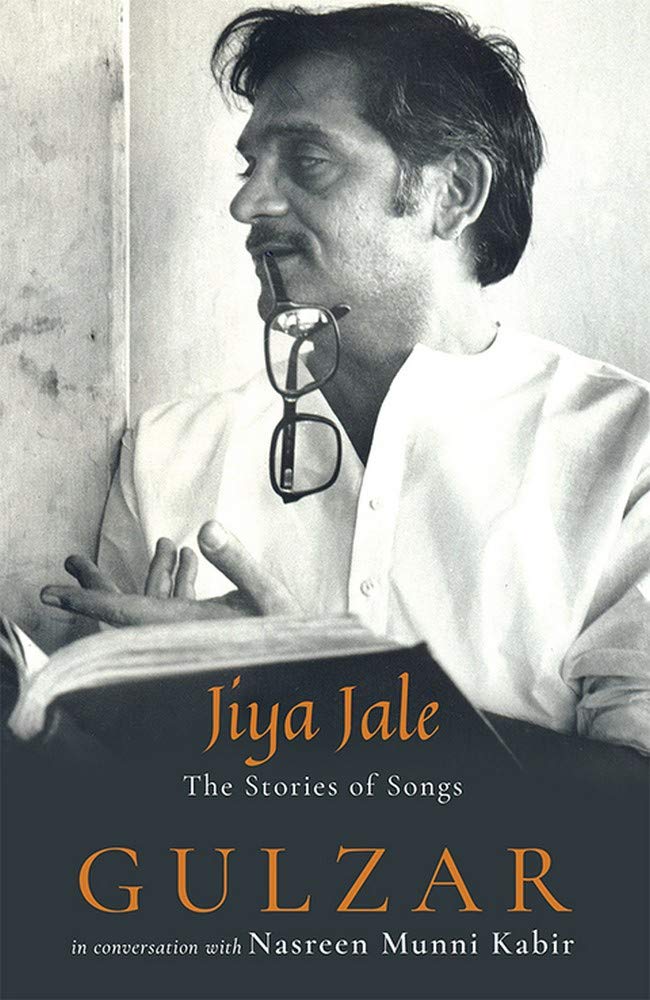
Gulzar in Conversation
Nasreen Munni Kabir’s book Jiya Jale is a fascinating account of trying to understand Gulzar’s poetry in order to translate it. The conversation tries to unravel the meaning of the poet’s lyrics and in the process we get a ringside view of not only the complicated art of translating songs but also insights into the craft of lyric writing. Gulzar lays a lot of stress on the craft of writing; according to him ‘one should master the profession one practices.’
Ankur Bhardwaj
A ficionados of Hindi film music (present reviewer included) seriously believe that the output of songs from the Golden Era (1940-1970) is so rich and diverse that there is a song to describe every single emotion, feeling that we are aware of, as well as those that might be subconscious and subterranean. There is a eureka moment each time one encounters a song that manages to guess one’s exact feelings and puts it just right.
Ritwik Ghatak
2018
A sequence in Komal Gandhar (1961) is where the camera dollies towards the dead end of a railway track. The tracks end at the banks of the Padma. On the other side of the Padma is Eastern Bengal or East Pakistan. As they stare into the vast expanse of the Padma with itinerant vessels plying along the waters, Anusya shares with Bhrigu that her ‘desh’ is on the other side and that the sight of the other Bengal has saddened her.
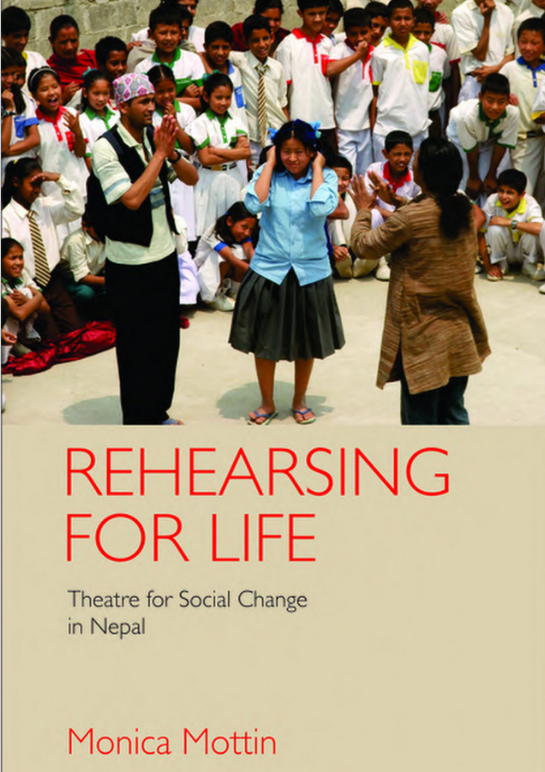
Monica Mottin
Theatre has been the oldest art form known to humankind—an art form that surpasses class barriers to facilitate an egalitarian representation of community’s aspirations, ideas and responses. In fact it is an evocative medium that articulates the identities of societies all over the world. As Monica Mottin remarks, her intent is to probe how reflectivity and ambiguity can allow for the aesthetic space to become a transformative space.
Ghulam Murshid
Authored, translated and about to be reviewed by a Bengali (a curious coincidence, indeed), this book by Ghulam Murshid, a well-known Britain based academic of Bangladeshi origin, is yet another addition to the large corpus of writings on the Bengalis. It offers, as Murshid says, ‘a general idea of Bengali culture’. But this thousand years old culture has neither been uniform nor unchanging; all cultures, for that matter, show exactly the same traits.
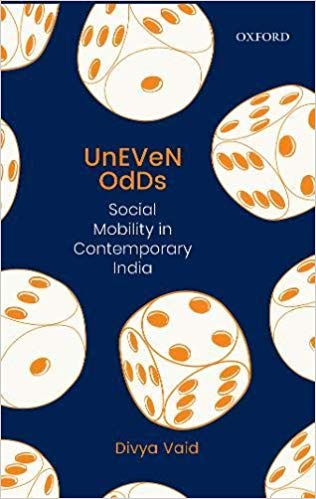
Divya Vaid
The importance of a book on social mobility in India can hardly be over-emphasized when nearly three decades of economic reforms are to be completed. A crucial premise of ‘economic liberalization’ was that deregulation of various aspects of the economy would create new opportunities, which were hitherto chained by the nexus of the traditional capitalists with the bureaucracy on one hand and government monopolies in certain areas apparently restricting dynamism on the other.
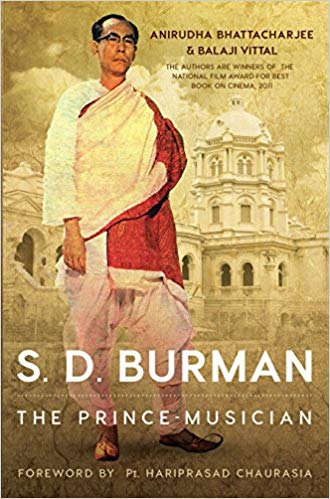
Anirudha Bhattacharjee & Balaji Vittal
Sachin Dev Burman was a colossus,…
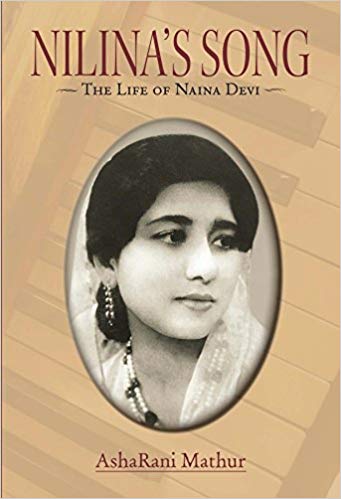
Asha Rani Mathur
There are two underlying narratives in this short but fine biography. One is the story of a set of remarkable women–patrons, musicians, enthusiasts who set the tone to cultural life in dusty Delhi after Independence. Upper class, confident, accomplished, generous, an amalgam of grace and nationalism—Sumitra Charat Ram, Nirmala Joshi, Nina Ripjit Singh (Naina Devi) and later Dipali Nag and Sheila Dhar were names to reckon with.