
Kumar Ambuj
Kumar Ambuj has carved a niche for himself by relating his life experiences through his stories. Ambuj is basically a poet. Ichhayen (Desires) is his first collection of stories that makes it clear that he has been able to break new ground in this form as well. The collection consists of 15 stories, most of which are short stories…
Chandrakiran Sonrexa
2011
Chandrakiran Sonrexas autobiography, Pinjre Ki Maina, time and again flashes Jainendras Mrinal on to the mind screen. A rebellious nature notwithstanding, the life paths chosen because of humiliation, rejection or mistrust finally lead back to the same destinations, after all. And then, Mrinal, rebelling against…

P.L. Malhotra
For the first time ever in a decade and more, the NCERT, the apex body advising the Government of India on educational matters, has woken up from its hibernation and brought out a book that is something worthwhile possessing or presenting to the younger generation.
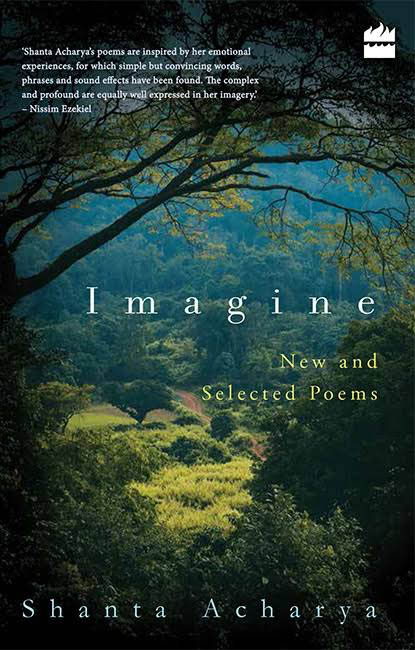
Shanta Acharya
Shanta Acharya’s evolution as a poet shows three distinct phases, as William Blake has put it, of innocence, experience and higher innocence. She starts out in a restrained manner, goes through certain experiences, and then goes on to fully articulate her emotional experiences.
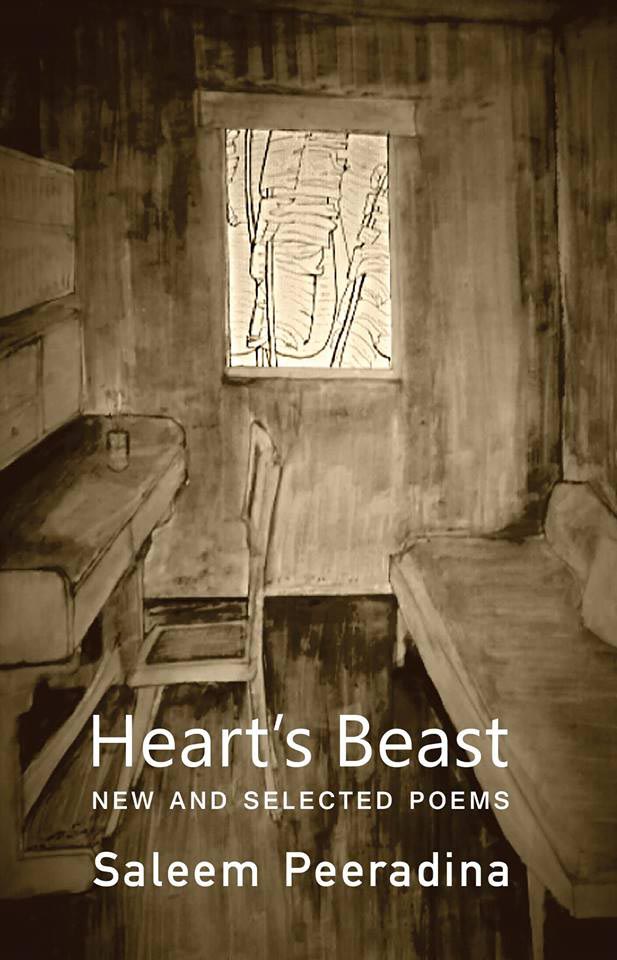
Saleem Peeradina
Not self-expression but expressiveness: The languageways of Heart’s Beast.
Apoet’s selected poems from multiple books and a lifetime’s work, implies an intense self-consciousness and a special focus on future readers. Selected poems are not really for one’s existing readership.
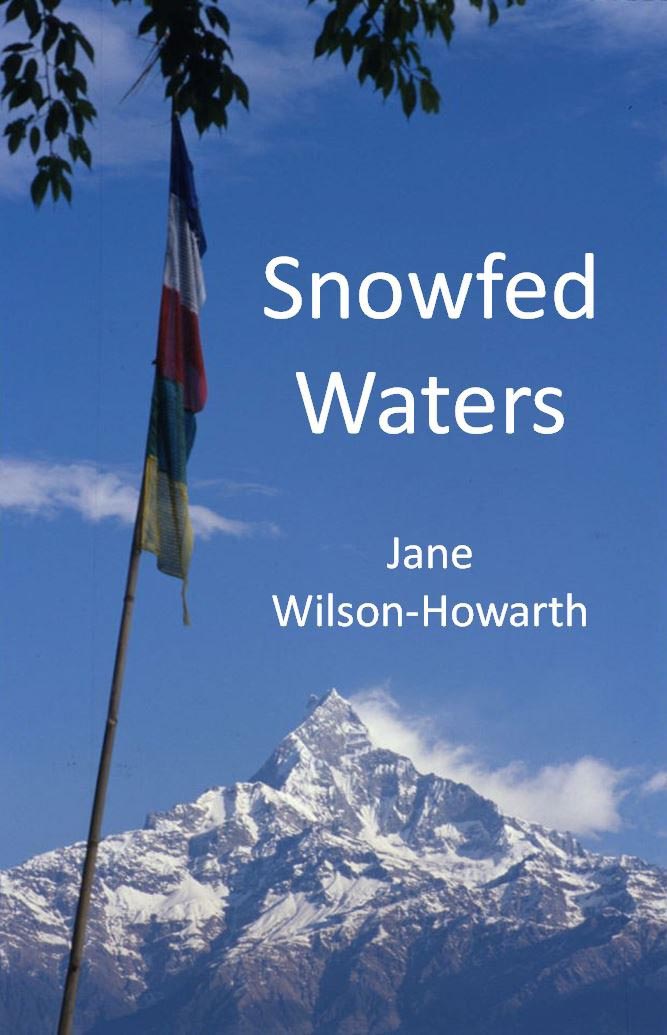
Jane Wilson-Howarth
2017
I reckon that blaming people fixes nothing. You’re the only person who is going to sort you out. No one else really can—or really cares, enough. That is what Nepalis know—better than anyone. That’s our western disease. Don’t take responsibility. Take on a lawyer!
—Jane Wilson- Howarth
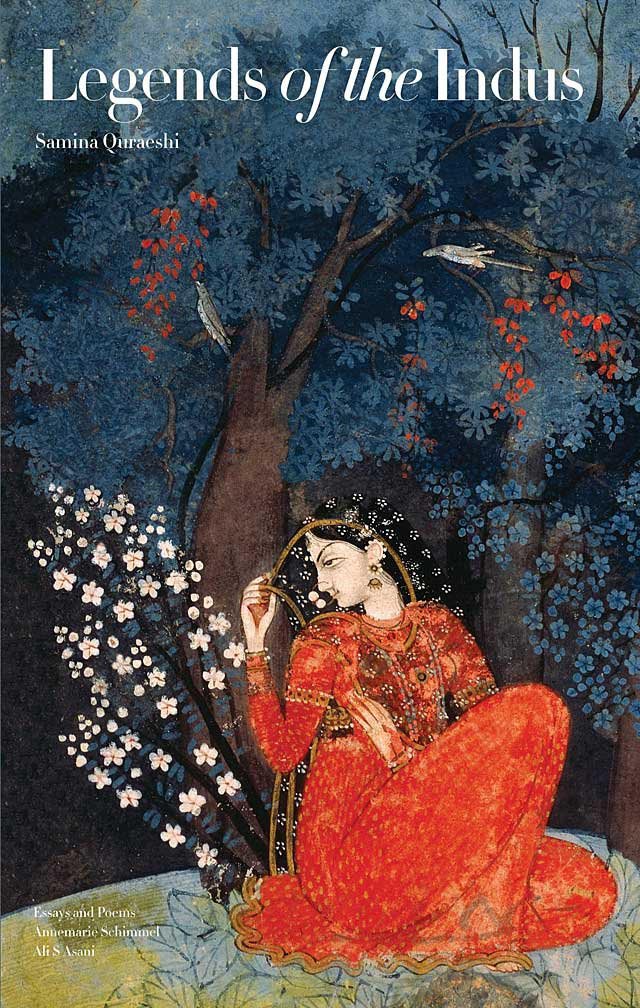
Samina Quraeshi
Opening this book is like flying on a magic carpet across fabled lands and landscapes. It is a compilation of five legends drawn from the main regions of the Indus Valley, spanning the Himalayas to the desert sands of the Arabian Sea, in what is now Pakistan, encompassing Khyber, Pakhtunkwa, Punjab, Baluchistan, and Sindh, embracing a plural culture.

Sumana Roy
How I Became a Tree by Sumana Roy is the story of Sumana, who, tired of the violence, greed, hatred, pace of life of the present day ‘human’ life looks for an alternative for which she turns to nature—the life of a tree—to find solace. She recounts her journey with all its doubts and fears, the impact of works of other writers, painters, scholars on her as she moved towards achieving her goal.
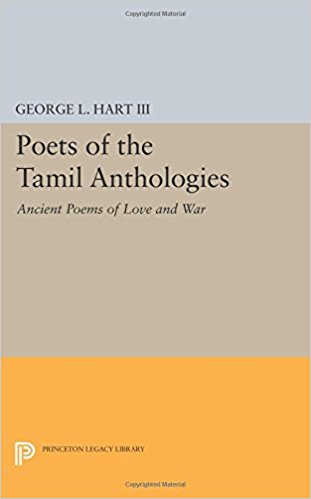
George L. Hart III
Tamil is the oldest surviving classical language of India, and Tamil literature goes back to the early centuries of the Christian era. The old heroic and romantic literature, the devotional hymns of the Saiva and Vaishnava saints and narrative literature form the glory of Tamil.
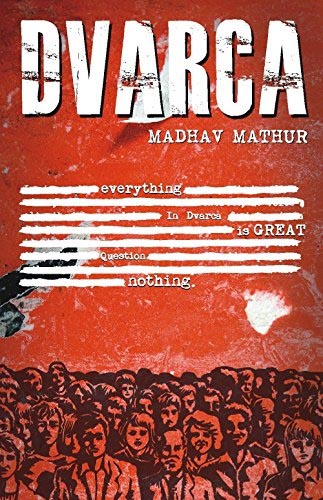
Madhav Mathur
2017
Imagine living in a country where the state decided everything about your life—the number of kids you have, how you get pregnant, how much food will be rationed to you, your profession, your language and religion.
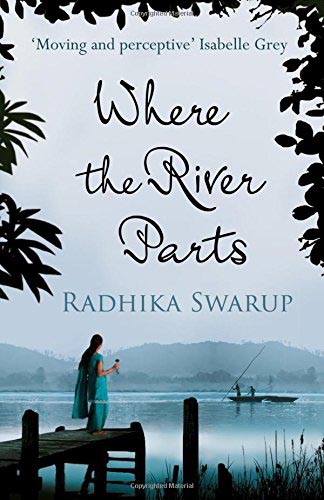
Radhika Swarup
The Partition of India was a cataclysmic event that rent the fabric of the nation, causing scars that persist into the present. The corrosive, debilitating effects of colonialism were temporary, but they ended in a brutal carnage, the real and metaphorical mutilations of which were almost impossible to erase from the collective unconscious.

Irwin Allan Sealy
In its broadest sense a masque is a pageant—a brilliant amalgamation of dazzling music, dance and colour. Zelaldinus (Jalaluddin Akbar) in his days as the Mughal emperor, is supposed to have held many masques in Fatehpur Sikri, the red stone capital he built in the Aravali range, beyond Agra. There, the women of his

Mary Ann Dasgupta
An anthology offered under the label Indian Perspectives, ought to have two things: an Introduction—preferably a strong one; and a Selection that is discriminating—and therefore strong. Hers has no introduction and may be half a dozen real poets out of its presentation of thirty.
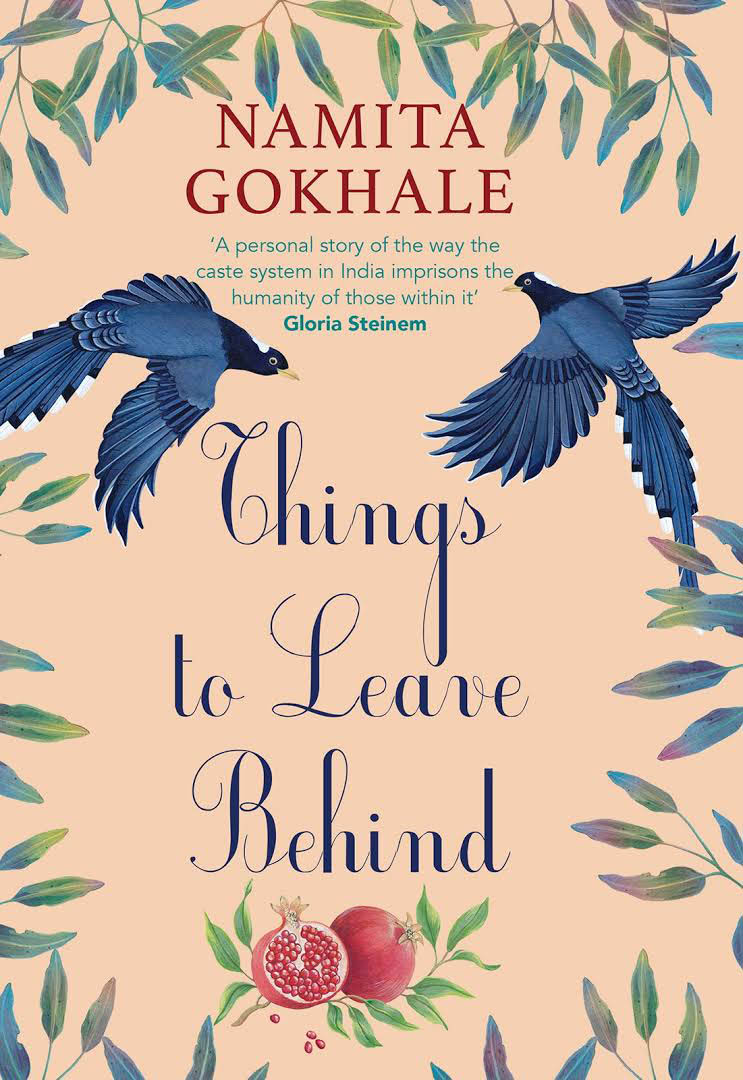
Namita Gokhale
With a narrative steeped in the annals of Kumaon history, Namita Gokhale’s Things to Leave Behind, may well be a historical novel; but then again, so deeply interlaced are the political fortunes of this land at the threshold of modernity with the history of the Pant family that pigeonholing appears, at best, an exercise in reductionism.

Shane Joseph
‘13” is an auspicious number for this collection of short stories by author Shane Joseph. The
number ‘13’ conjures up feelings of foreboding and unease, which is exactly what Joseph delivers in this assembly of stories. Throughout the telling of the ‘13’ tales Joseph introduces us to a myriad characters wrestling with their own personal demons; some mental, some physical and some the very environment they inhabit.
Mushirul Hasan
The first book is a collection of letters to and from Dr. M.A. Ansari; it also contains some statements issued by Dr. Ansari in his long political career and his addresses as chairman of the reception committee for the Delhi session of the Muslim League in 1918, president of the Indian National Congress at its Madras session in 1927, and chairman of the all-parties Muslim National Convention at Calcutta in 1928.
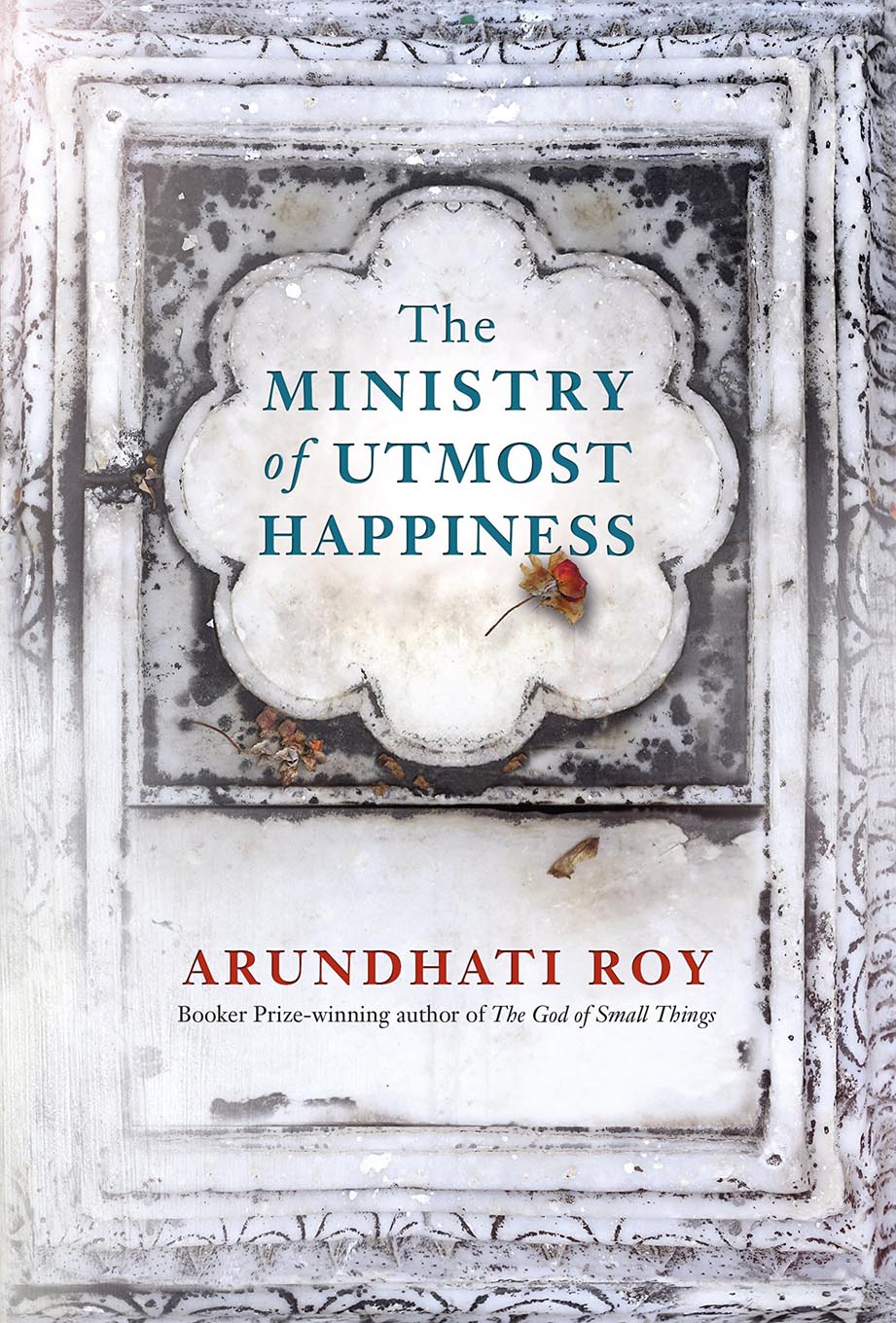
Arundhati Roy
Arundhati Roy’s second novel, The Ministry of Utmost Happiness, begins better than her first one, even reads better than the first one, but is less of a novel than the first one. It is exhilarating and irritating.
Sudhir Chakravarti. Translated from the original Bengali by Utpal K. Banerjee
During the entire decade of the 1960s, Sudhir Chakravarti traversed the space covering Nadia, Bardhaman, Birbhum and Murshidabad in this Bengal and Meherpur and Kusthia in the other Bengal (Bangladesh) comprising countless villages to look for so many hidden meta-religions as practised by wandering minstrels who are known as bauls, bairagis, dervishes, fakirs, sahajiyas and udasins. Cutting across tiny hamlets and settlements tucked away in the farthest corners of Bengal he completed an intensive research and the result was his much-acclaimed book Gobheer Nirjon Pothey.
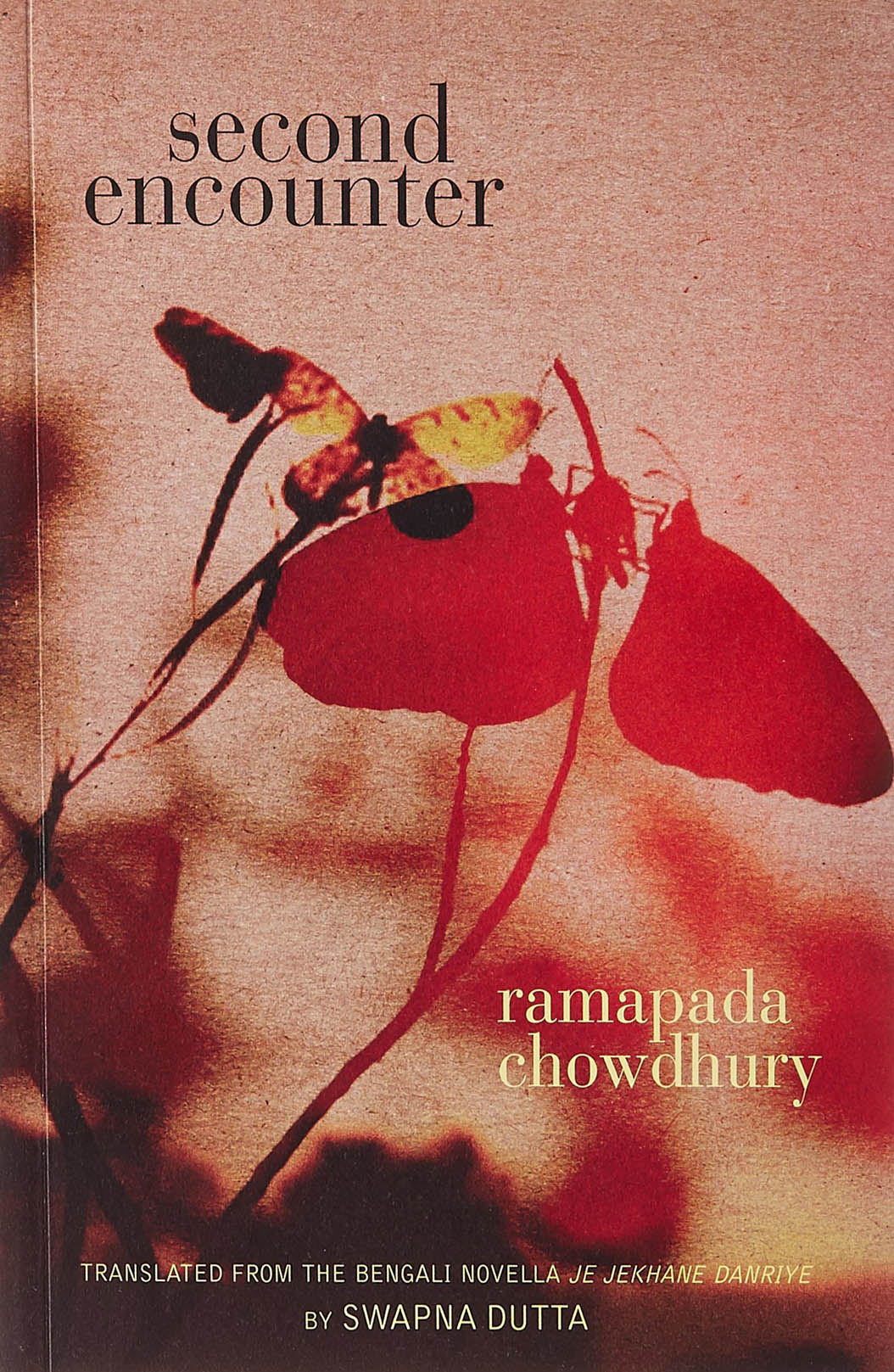
Ramapada Chowdhury. Translated from the Bengali novella Je Jekhana Danriye by Swapna Dutta
Second Encounter, first published in Bengali in 1972 as Je Jekhane Danriye, traces the relationship between Anupam and Anjali, two individuals who love each other and yet continue to live their own separate fragmentary lives.
Ganesh Matkari
2017
Not quite a novel, but more an interconnected set of short stories each with its own protagonist-narrator offering a different point of view on a series of unfolding events, Half-Open Windows is a superb translation of Ganesh Matkari’s fast paced Khidkya Ardhya Ugdya published in 2014.