
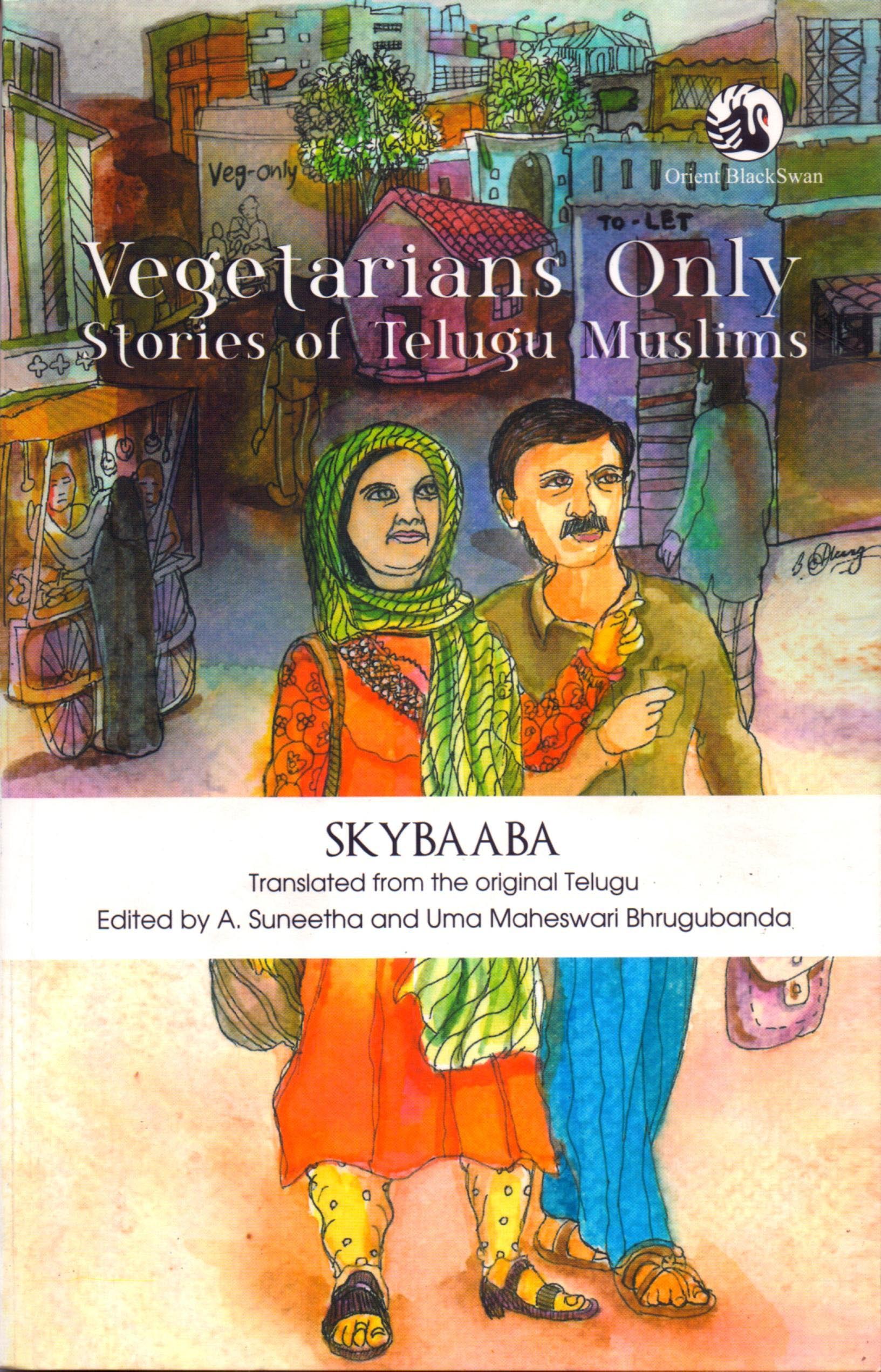
Skybaba. Translated from the original Telugu by A. Suneetha and Uma Maheswari Bhrugubanda
Over the past few decades theme based writing with focus on situations and communities have seen the light. So Partition stories, Tsunami stories, women’s writings, dalit stories and so on made their way into the market. We have also had a number of films based on these lines.
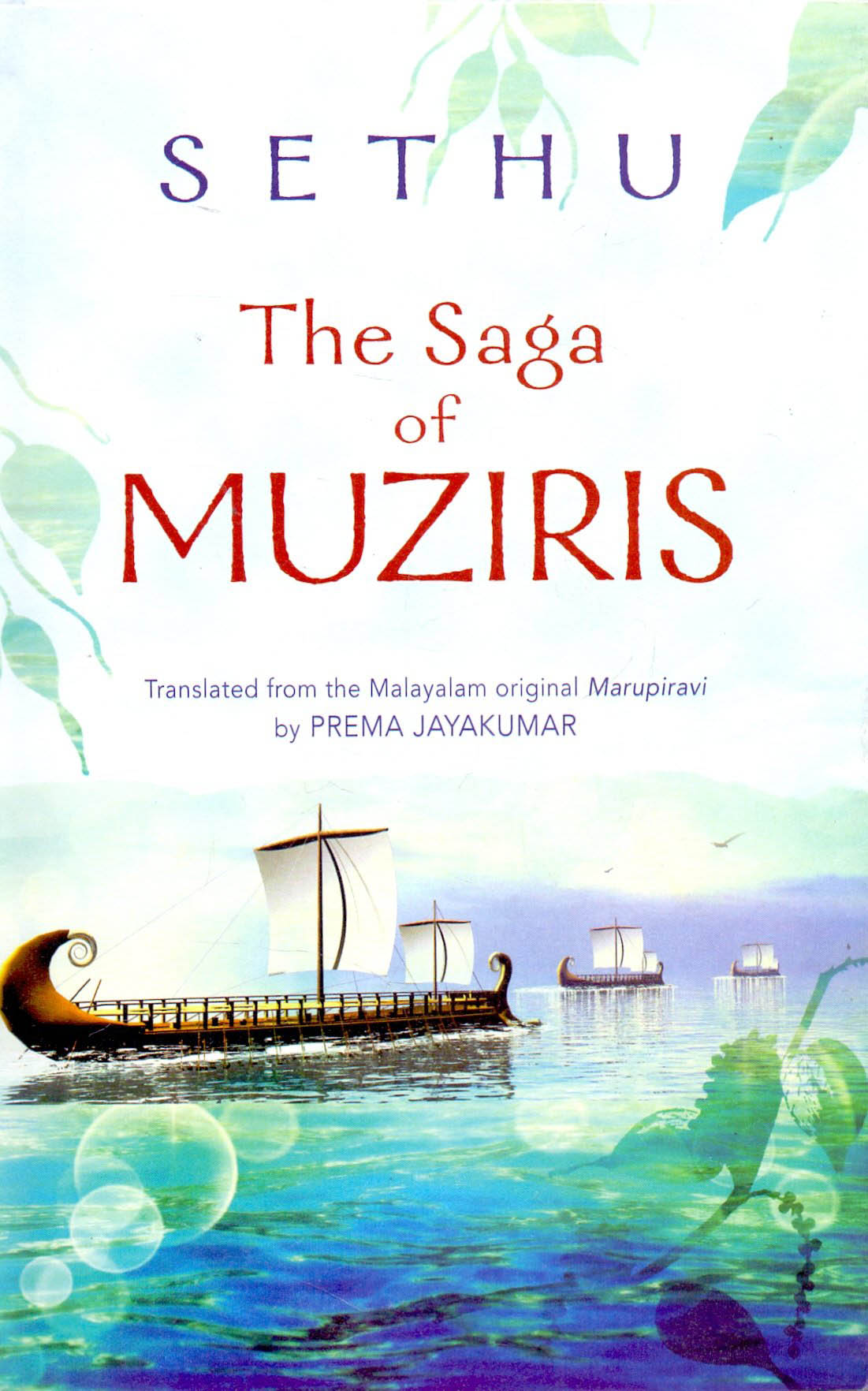
Sethu
Muziris is the story of generations, Muziris is the story of an Ahalya waiting to come alive, she is a life force lurking to be discovered from behind termite-ridden pages, she housed a civilization to be celebrated, she influenced the financial structure of the world, her shores were dangerous and the Yavana sailors came in to eat, drink and to whore, ponnode vanthu kariyode poka, she held so many sights and sounds. And what happened to Muziris ?
Raghavanka
The Life of Harishchandra, a 13th cen-tury Kannada classic by poet Raghavanka, is the latest volume
brought out by The Murthy Classic Library of India which is bringing out extremely well edited and professionally worked out English translations of classic Indian texts for not just a global audience, but to Indian readers as well.
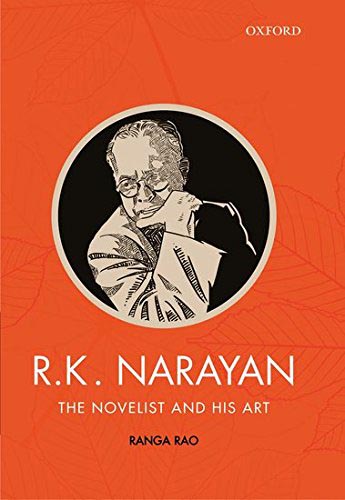
Ranga Rao
At a first glance, the title may sound old fashioned, vintage lit-crit in the genre of Life & Times or Men of Letters series. But the book opens with the freshness of a new found love that encourages a rediscovery of the self. Ranga Rao’s doctoral dissertation was on Narayan, in the sixties.
Manju Kak
Art historian, novelist, painter and film-maker, Manju Kak, has brought us a potpourri of sights, smells and experiences. Manju grew up in the hills as a school girl in Nainital, and with her marriage, returned to Uttrakhand, this time to Ranikhet.
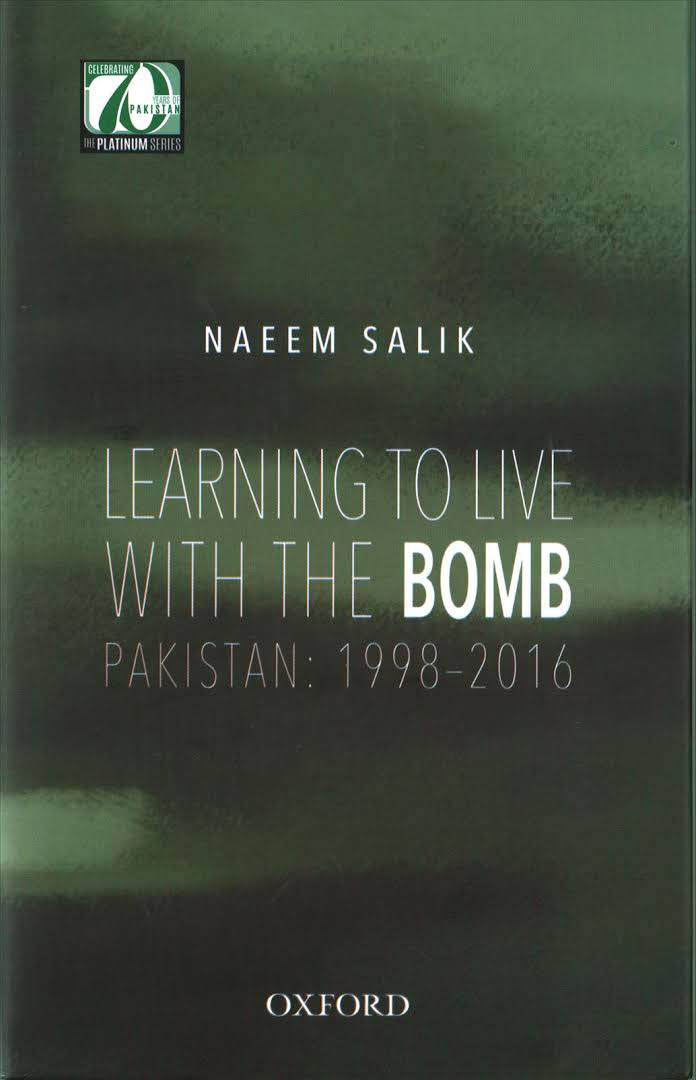
Naeem Salik
India is geographically contiguous to two other nuclear weapon powers, and both
these countries, China and Pakistan have adversarial relations with India. On the contrary, China and Pakistan are known to share an all-weather friendship and have a convergent strategic aim to curtail India’s rise.
Sagarika Ghose
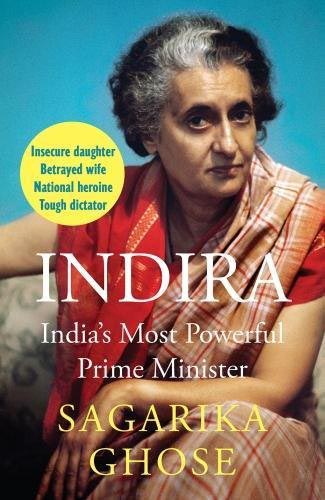
There is no dearth of biographical accounts of Indira Gandhi (1917–84), and there lies the challenge before the author Sagarika Ghose, a journalist and novelist, as to what new could she offer. One of the identifiable novelties of this portrait is a creative style of beginning and/or ending the chapters with a letter from the author to the departed soul.
Audrey Truschke
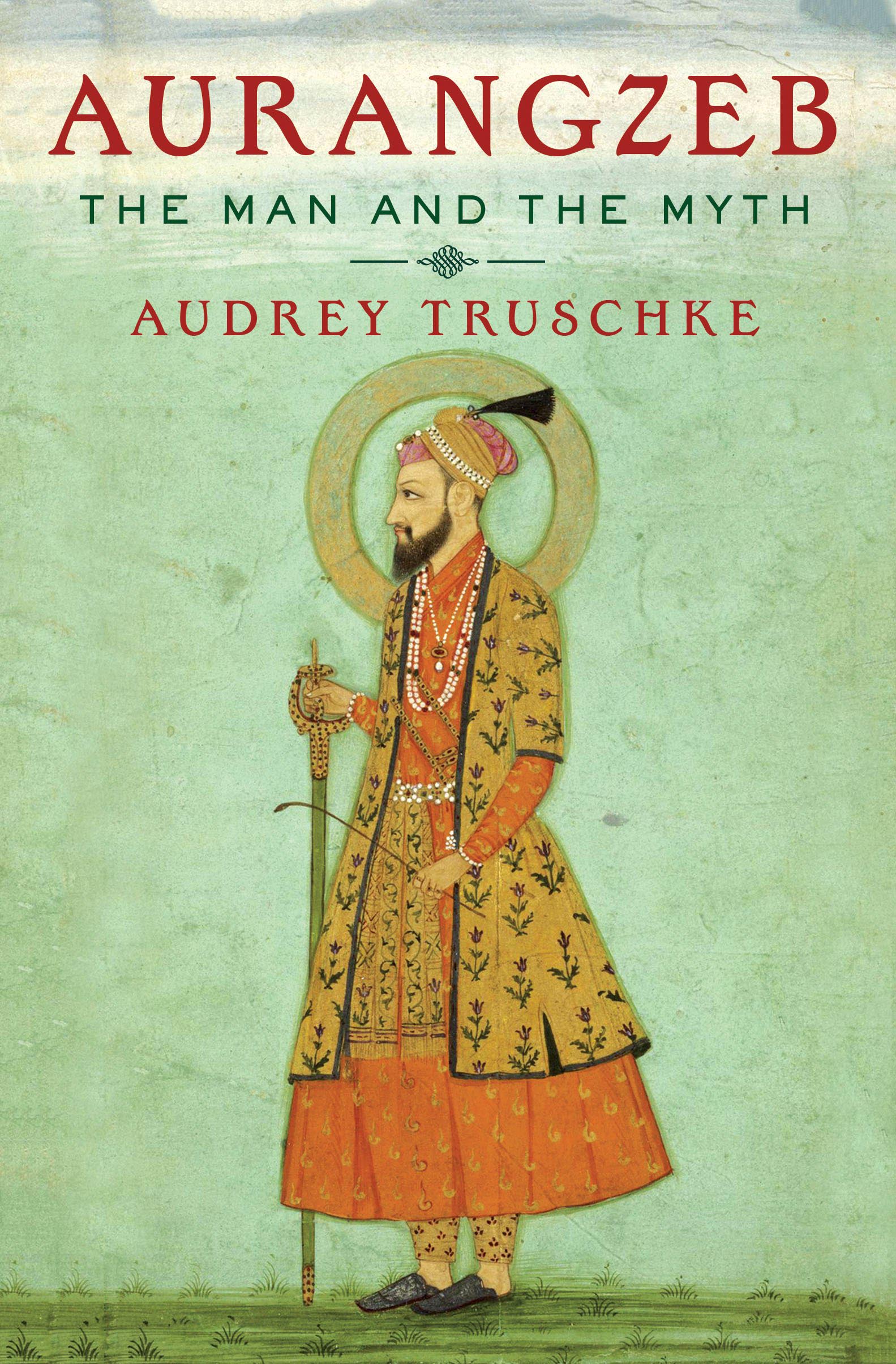
Both Audrey Truschke and her book Aurangzeb have garnered much attention. A number of interviews of the author, reviews of the book, and other promotional material are circulating widely on the internet.
Kevin McGrath
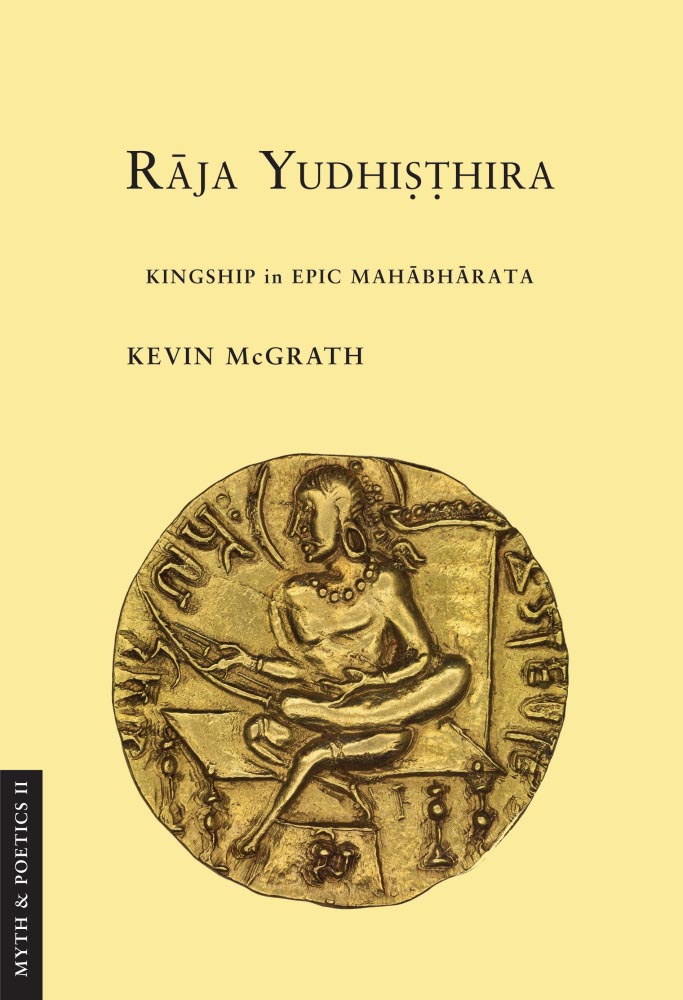
Kevin McGrath’s analysis of Yudhishthira’s complex personality is refreshingly free from hagiography; at the same time, the text balances lucid scholarship with a compassionate, nuanced view of its subject.
McGrath points out that neither of the warring sides of the royal Hastinapura clan (Pandavas and Kauravas), wins in the end—rather, it is Krishna’s Yadava lineage that achieves lasting success.
Saurabh Mishra
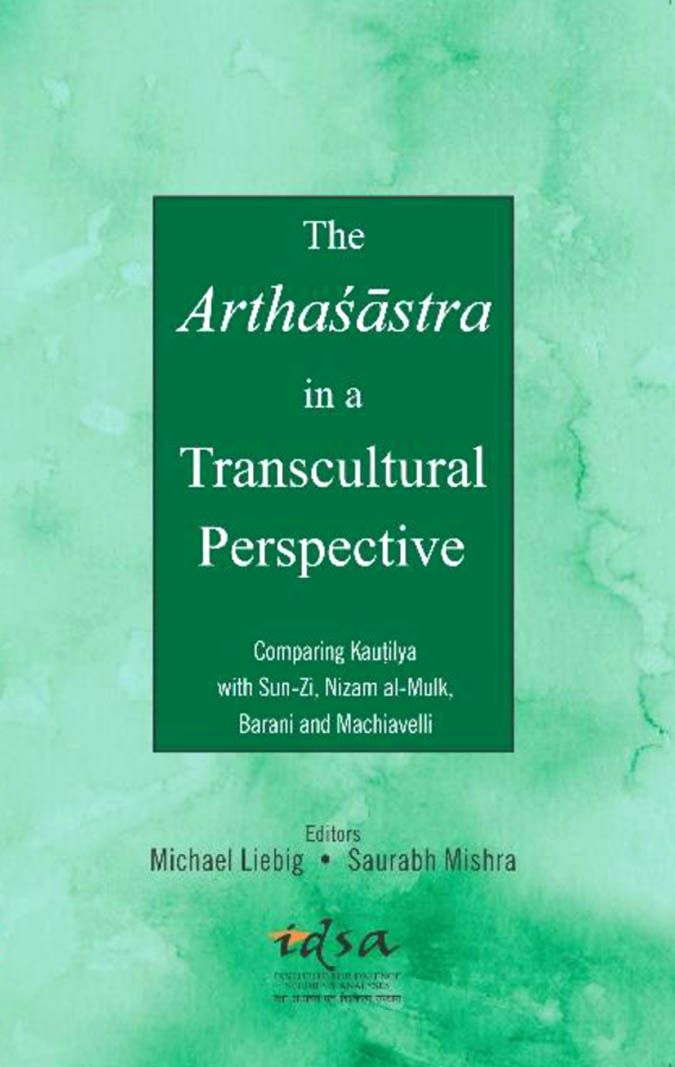
The Institute of Defence Studies and Analysis (IDSA), New Delhi, is mak-ing a remarkable tribution to Kautilya studies. The IDSA Library runs a ‘Kautilya Desk’, storing a growing body of new material, in a spirit of dedication. A contributor to this volume, Col. Pradeep Gautam (Retd.), supported by the current and former IDSA Directors and others, supervises this project.
Piyush Daiya
Among the many qualities of Piyush Daiyas book of conversation with artistAkhilesh, the most inspiring is his ability to efface his minutest traces from the text. The entire dialogue comes across as a selfrevelation by the artist, as if he conversed with himself in the darkness of a summer night, or standing against his canvas, and Piyush merely overheard him.
Devendra Raj Ankur
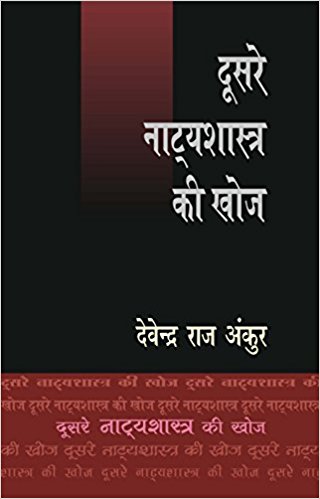
What Bharat wrote about theatre has always been discussed as a theory of poetics by critics like Abhinav Gupta, Dhananjay, Bhatt Nayak, Bhatt Lolak and others. This tradition has travelled right up to our contemporaries like Dr. Nagendra. Did this tradition benefit either poetry or drama, the present author, Devendra Raj Ankur, asks.
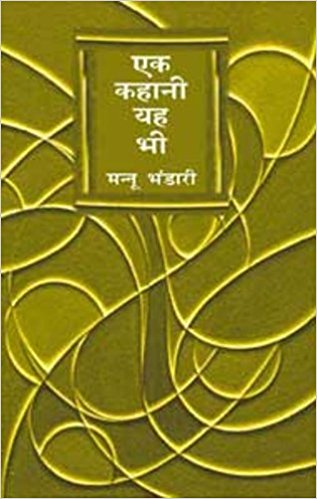
Mannu Bhandari
Mannu Bhandari is a wellknown author whose autobiography presents the masculine aspect of womens conscience. This can play an important role in understanding the contradictions of feminist discourse. This discourse is created as an outcome of the crisis of the woman writer, her ambitions, her contradictions…

Dharamvir bharti
The book was first published by Oxford University Press five years ago with a critical introduction. However this remarkable Indian drama is finding a broader reader/audience base and has recently been published by the University of Hawaii Press with an additional, deeply penetrating essay …
Suryanath Singh
At present, Hindi short fiction, an important genre emerging in the postIndependence period, is at a crossroads. After confrontingNai Kahani(New Short Story) andAkahani (AntiShort Story) movements, this fiction moved towards commitment in the nineteen seventies; here it dwelt persistently on themes of exploitation…
Meera Kant
Meera Kant has the distinction of being one of the most prolific young Hindi playwrights today. Her plays, including Nepathya Raag, Kaali Barf and Ihamrig, have engaged with an interestingly wide range of subjects in both contemporary and thought provoking manner. Her plays are distinguished by her skilful use of dramaturgy…
Jyotsna Milan
2011
Astudenotes Lot Lakar(Past Tense) Pratham Purush(Third person, not the first person in Sanskrit) singularthat is To be, become. It denotes the sense of possibility also. A possibility which includes an apprehension there along with a sense of uncertainty. Astuis also the name of the heroine of the novel, therefore the term is a feminine-noun…
Asghar Wajahat
2011
his novel makes a wideranging comment on a complex sociocultural world and virtually troubled political loyalties of a generation of intellectuals, who proudly describe themselves as progressive intellectual activists in pre1990 India. Focusing on the intellectual life of contemporary Delhi, the novel quite stridently interrogates…
Gajanan Madhav
The volume under review is a kind of arapid reader in Indian history that the towering Hindi poet of the 1940s and 1950s, Gajanan Madhav Muktibodh (hereafter, Muktibodh) wrote in 1962. An odd volume in itself, and in the authors own words, probably the only text he ever wrote that had nothing original in itafter all…

Liladhar Mandloi
Likhe Mein Dukkha (Pathos in Print) is a new collection of poems by a popular poet, Liladhar Mandloi Mandloi. He has simultaneously published three collections of poetry. This collection contains ninetyeight small poems. It is distinctly different from other collections in the sense that it includes a particular kind of poetry. ..