
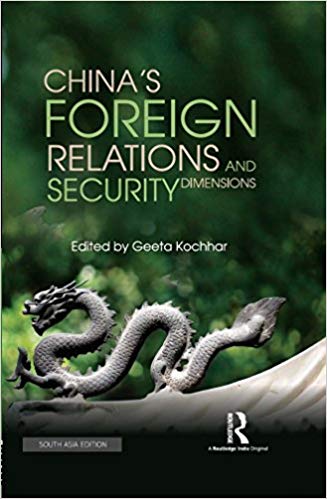
Atmaja Gohain Baruah
A changing geopolitical scenario in the Indo-Pacific and certain domestic issues facing China has made the country clutch on to its nationalist fervours more strongly than before. The Chinese leadership has substantially upped its economic and military power. There is a greater yearning for national glory—exemplified by an assertive protection of China’s interests both at home and abroad.
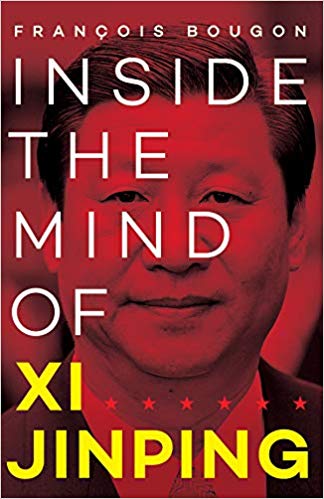
Francois Bougon
Xi Jinping is now the all-powerful leader of China. A country of 1.4 billion people, it has some ninety million members of the Communist Party (CCP). It is the second largest economy with a 2017 GDP estimated at twelve trillion dollars representing nearly 20% of the world economy which makes it larger than the next three—Japan, Germany and the UK—put together.
Chaitanya Ravi
The academic nuclear debate in India waxes and wanes. It is currently demonstrating a slow uptick, especially because of the emergence of a new group of younger scholars who bring more energy, new approaches and fresh insights into the field. The two books examined here, though addressing different aspects of the Indian nuclear issue, testify to this.
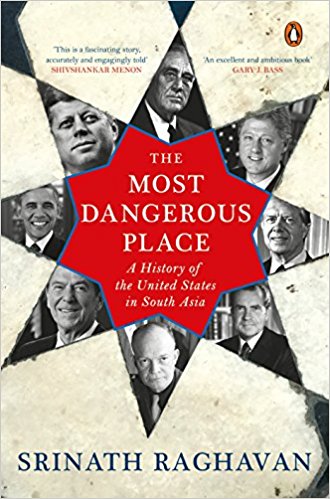
Srinath Raghavan
Lawrence Freedman, the leading British strategic thinker and Head of Department of War Studies at King’s College London, once mentioned to this reviewer that Srinath Raghavan was the best student he ever had. He was his doctoral student and later a colleague at the department. He has written some of the best books on military cum diplomatic history on South Asia; to name a couple: War and Peace in Modern India…

Manit Rastogi and Sonali Rastogi
Morphogenesis is a New Delhi based mid-size architectural practice established in the late 1990s. The book under review presents a collage of their work and ethos over the years. It has a foreword by Michael Webb, LA based architect.
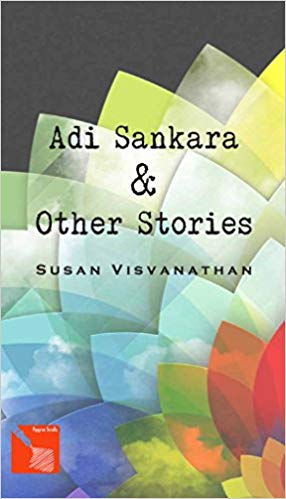
Susan Visvanathan
The title of this book may lead readers to expect a collection of short stories based around the life and work of Adi Shankaracharya, the great saint and mystic of yore. However, two of the three novellas in this collection are unconnected with the Shankaracharya. One story is set in medieval Europe.
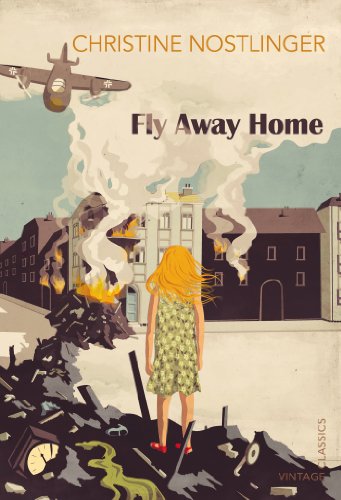
Indu K Mallah
2018
Feminist writing takes many forms, and of course the critic has to be able to classify a memoir of love and longing and loss carefully. The very bases of poet Indu Mallah’s writing is an obituary, elegantly written so that the conventional rendering of distress is transformed into a poetic idiom.
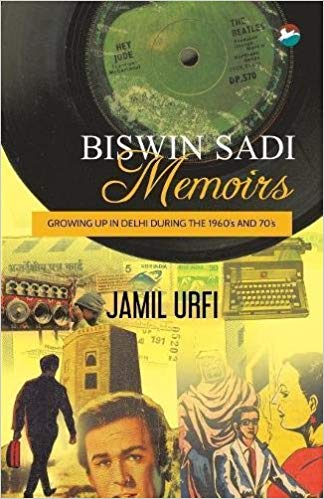
Jamil Urfi
Jamil Urfi’s book of memoirs Biswin Sadi is a feast for all those who were coming of age in the 60s and 70s. Even though it is based in North India, anyone anywhere belonging to that generation is sure to exult and relive memories of Binaca Geet Mala, Chitrahaar, Bhoole Bisre Geet and the aggravating Krishi Darshan.
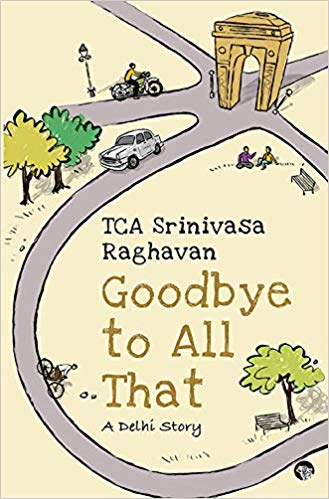
TCA Srinivasa Raghavan
The principal plot of Goodbye to All That: A Delhi Story is not complicated. The young hero, a bachelor, member of the editorial staff of the Delhi branch of a large British publishing firm, has to find three bestselling authors, all of whom must be renowned economists, and get them to write books for the firm, or lose his job.
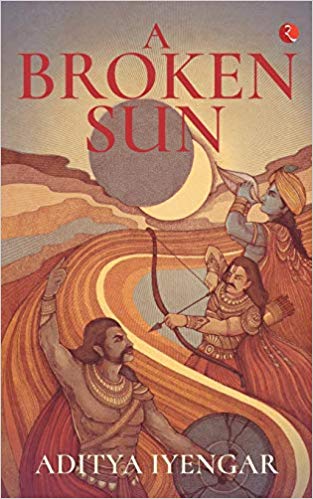
Aditya Iyengar
2018
This novel is the second of a trilogy on the Kurukshetra War, we are told, and covers the thirteenth to the fifteenth nights of the war. Reading this novel one cannot but admire the courage of the author in stripping the Mahabharata of what he calls ‘the myth part of the story’ and ‘the supernatural weapons or happenings’…
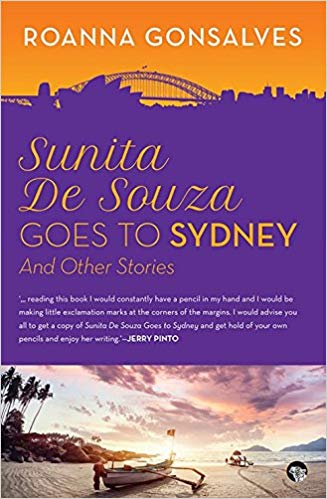
Roanna Gonsalves
Chroniclers of the diasporic Indian experience are many: celebrated names such as Salman Rushdie, Jhumpa Lahiri, Meena Alexander and Chitra Banerji Divakaruni spring immediately to mind. Despite this crowded field, the fact that Indian Australian writer Roanna Gonsalves’s debut collection of short stories…
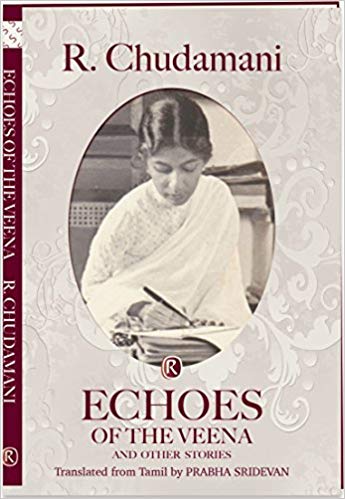
R. Chudamani
I must confess to never having read Chudamani earlier. Coming to political maturity in an age when Tamil Brahminness was considered dangerous, there seemed to be no need to read her, someone I had thought was the quintessential Brahmin writer. This is why this small book bowled me over.
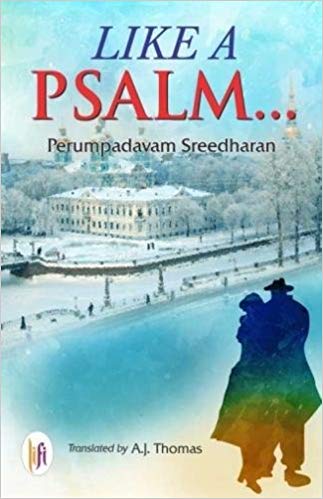
Perumpadavam Sreedharan
No writer has delved deeper into the innermost recesses of the human mind than Dostoevsky. The result is an array of memorable characters: Dmitri, Ivan, Alyosha and Smerdyakov in The Brothers Karamazov, Prince Myshkin in The Idiot, Rashkolnikov in Crime and Punishment and so many more.
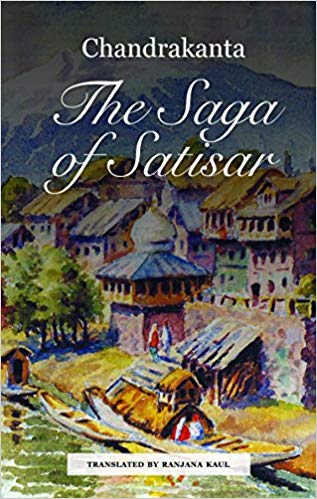
Chandrakanta
The Saga of Satisar, a translation by Ranjana Kaul of Katha Satisar written by the well-known Hindi novelist Chandrakanta, is epic in scope and proportion. The narrative straddles three generations of several sprawling interrelated and interconnected Hindu and Muslim families of Kashmir.
Nitasha Devasar
Publishing generally, and Indian publishing, in particular has fascinated me ever since I worked in a publishing company as an editor in the latter half of the 1970s. The fascination rose from its unique nature: it is the only industry that is characterized by what economists call perfect competition, meaning anyone can enter the industry…
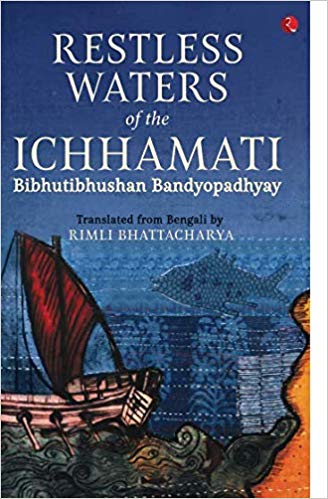
Bibhutibhushan Bandyopadhyay
Bibhutibhushan is my favourite Bengali author and his epic narrative of life as it was lived by the banks of the Ichhamati river in the latter half of the nineteenth century, in what is now Bangladesh, one of my best loved novels. I can open it at any page and start reading only to put it down at the end. I have done so innumerable times.
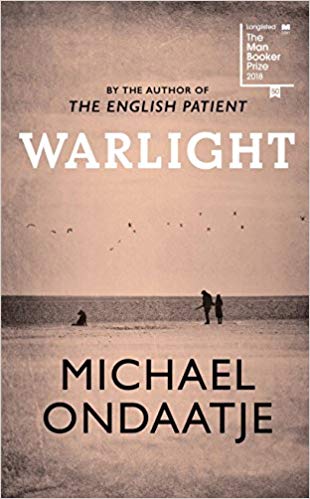
Michael Ondaatje
2018
Sometimes a slow-paced book is as unputdownable as a fast-paced thriller—Ondaatje’s Warlight is one such magical novel. It draws you into the narrative, makes you identify with the situation, nudges you (if you need the nudging) to discover the other selves and lives of characters along with the narrator/central character…

Ivan Kostka and Pramod Ranjan
In sociological terms, India can never get rid of its class and caste configurations. This anthology of select articles evolved from the literary debates that raged in the pages of the Forward Press magazine that began its journey in 2012 , and argued for clubbing all marginalized literature under the broader rubric of ‘Bahujan Literature’.
Narendra Pani and Anshuman Behera
A well thought out compilation of essays in this edited book paves the way for reasoning with politics, thoughts and theories that engross the scholars of politics invariably. It persuades us to think beyond the simplistic register of lamentation or celebration.
Ajay K. Mehra
Indian democracy is in a state of transition. One approach to examining this ‘democratic transformation’, as the book under review calls it, is by studying the shifts within the legislature, since it is the legislature that mirrors the changes in the larger polity.