
Sumantra Bose
This is a rather bulky book…
Greta Rana
2018
Greta Rana’s Hostage is both a political and personal story of displacement and violence that puts the reader in the thick of a migrant’s turbulent and unpredictable life. Unlike an academic study that structurally locates migration within specific national projects, Rana’s book, based on true stories of Nepali migrants, offers a critical humane perspective from the other side.
Sudeep Basu
Since the middle of the 20th century, one of the definitive figures of political life has been the refugee. Whether we look at writings about minorities, the stateless and unwanted people, or we look to large-scale violent dislocations of populations during the Partition of India, or to the large-scale displacement of Palestinians with the establishment of Israel, the refugee is a figure that marks the modern world.
Milinda Banerjee
Milinda Banerjee’s The Mortal God is an interesting and incisive intervention on the issue of Indian attitudes towards power and conceptualizations of rule. It explores the issue of ‘Imagining the Sovereign in Colonial India’ through a wide lens, managing to adroitly bring the readers’ attention to notions of sovereign figures and sovereignty at various levels of Indian society, from the British colonial thinkers, to Indian elite among the nationalists, as well as popular conceptions among the subaltern figures of the peasant and the tribal.
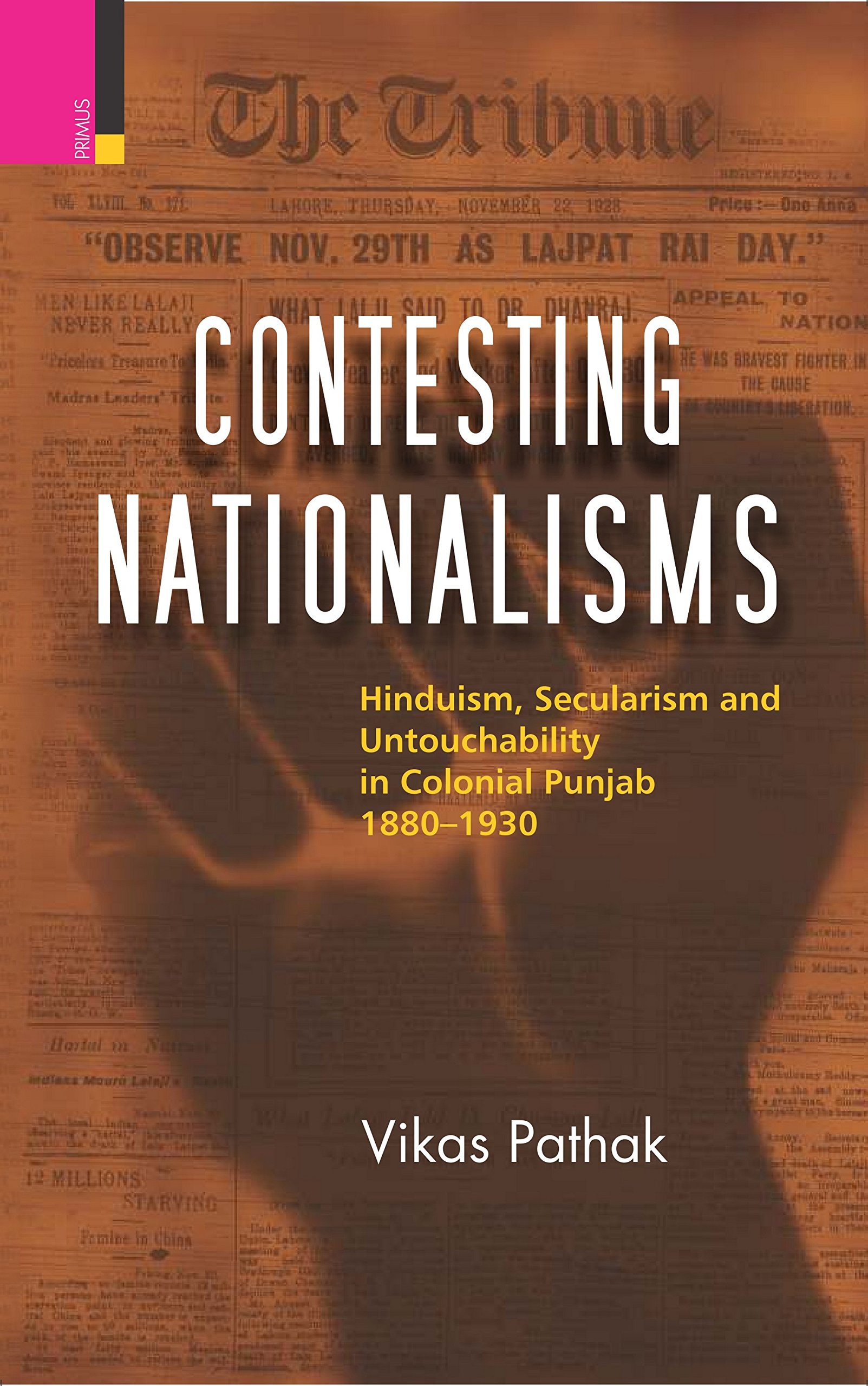
Vikas Pathak
British rule provided for administrative unification, unified communication within India, with English as the link language. This created a pan-Indian space in which it became possible for Indians to ‘imagine’ India. Some tried to imagine a pan-Indian identity. Others imagined a nation based on caste and religion. Yet others preferred to plead for people to subordinate the idea of a nation based on primordial loyalties to a pan-Indian nation based on nationalism (p. 18). These ideas form the bases of this extremely costly but thinly argued book.
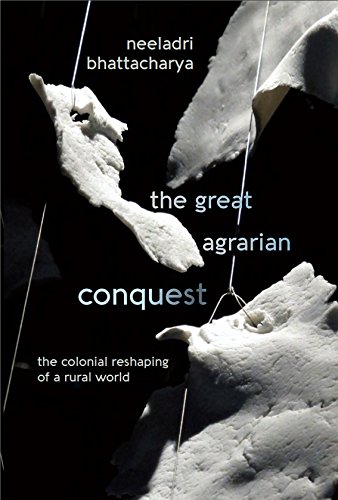
Neeladri Bhattacharya
In its scope and style, this book is comparable to seminal literature in agrarian history such as Tzvetan Todorov’s The Conquest of America: The Question of the Other, and Charles Mann’s 1491: New Revelations of the Americas Before Columbus and 1493: Uncovering the New World Columbus Created which, like Bhattacharya’s deconstruction of colonial documents and literature, draw on the Spanish conquistadors’ reports and journals to describe the ‘settling’ of the Americas.
Wendy Doniger
We need to think carefully about Hinduism today. On the one hand, we have the Hindutvavadis who fabricate a whimsical, fantastic, malignant history of Hinduism. On the other, we have the secularists (Left, modernist, developmentalist) who evade an engagement with the history of Hinduism as a difficult embarrassment best forgotten. What is the truth? Take for example swa-dharma in the Manu Dharmashastra, the dharma applicable to one’s social position.
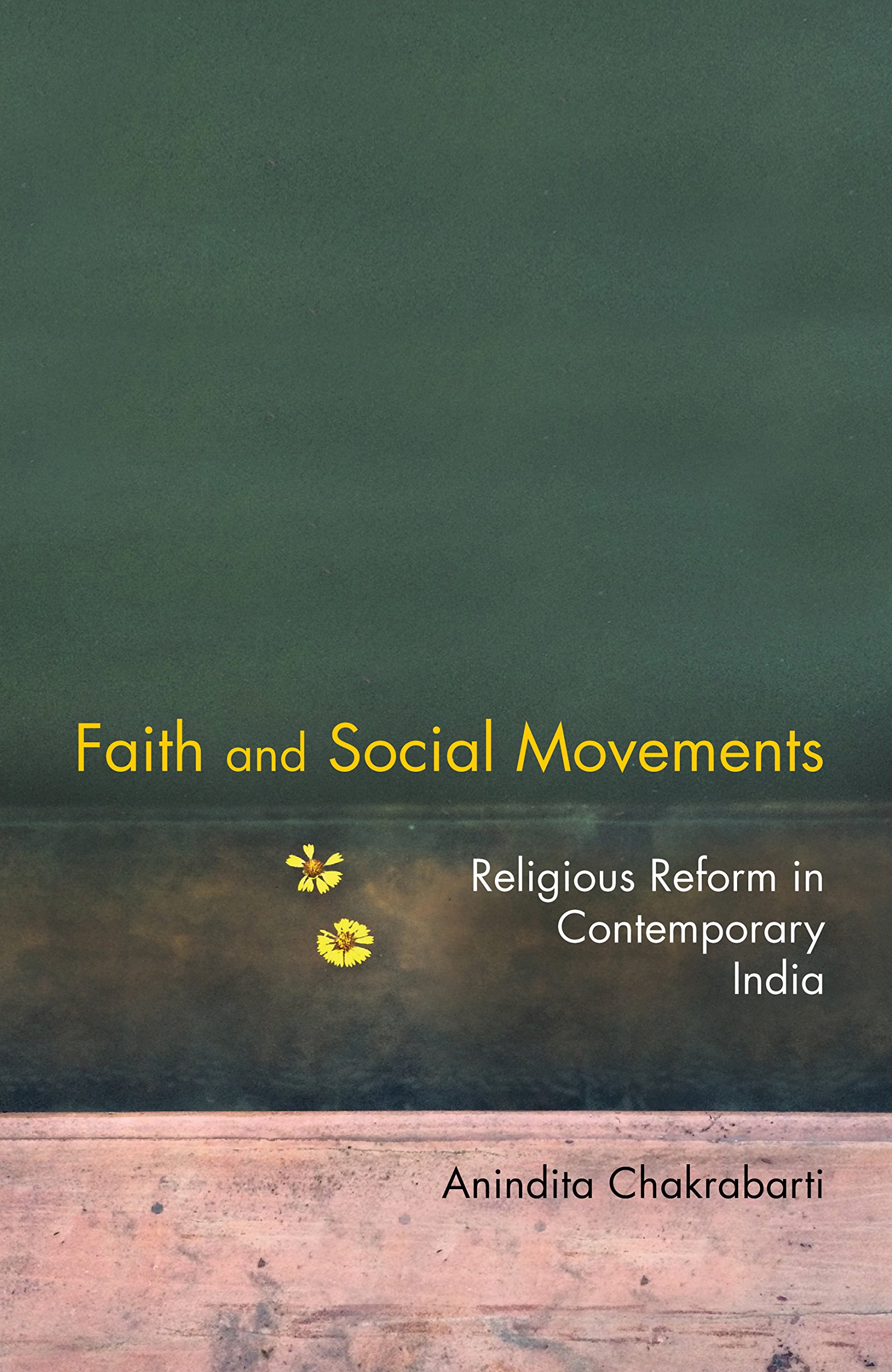
Anindita Chakrabarti
This book is a rigorous ethnographic study of religious movements in contemporary India. The author has focused upon two faith-based movements, namely, the Svadhyaya and the Tablighi Jamaat. Anindita Chakrabarti had spent several years doing ethnographic research in Gujarat, Mumbai and Delhi. As a sociological study, it states its aims very clearly. It wants to create a dialogue between the broad sub-discipline of sociology of religion with the theories of social movements and collective action.
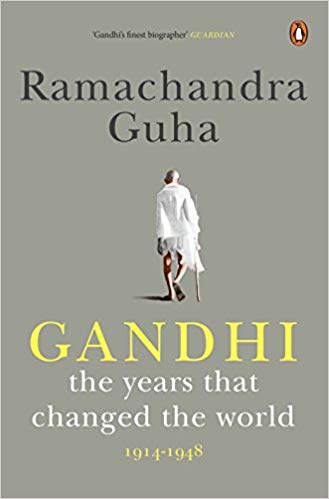
Ramachandra Guha
It is always a daunting task to review very lengthy books, and Ramachandra Guha’s latest offering, Gandhi: The Years That Changed The World, 1914-1948 (2018) is humongous by any standards. The book spans more than a thousand pages, and covers practically every month of Gandhi’s life in India after his return from South Africa in 1915 to his tragic assassination in 1948.
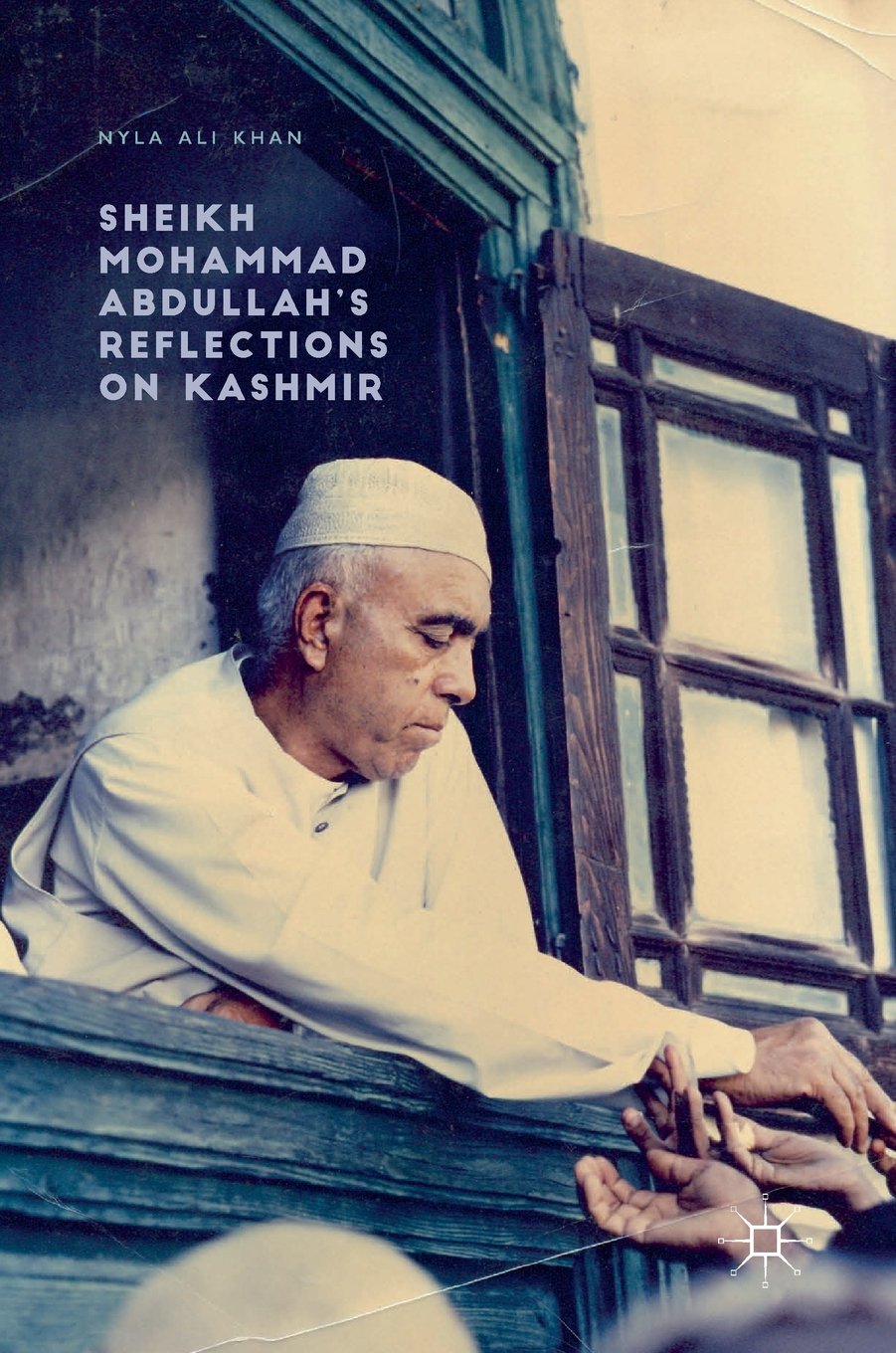
SHEIKH MOHAMMAD ABDULLAH’S REFLECTIONS ON KASHMIR
Nyla Ali Khan’s Sheikh Mohammad Abdullah’s Reflections on Kashmir seeks to restore the centrality of Sheikh Abdullah in Kashmiri identity politics. At a time when this politics has been sufficiently radicalized and gone much beyond his ideology and political values, the book seeks to portray him as the statesman who was much ahead of his time and had the ability to take bold decisions which were not particularly popular but were required as per the situation of the time.
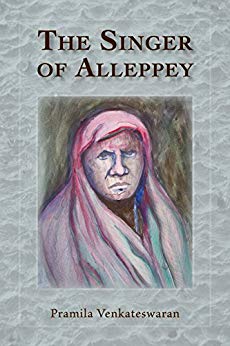
Pramila Venkateswaran and Meena Chopra
Pramila Venkateswaran is ‘one of our finest diaspora poets’, declares Keki Daruwala. This collection enhances that point. The poet laureate of Suffolk County, Long Island from 2013 to 2015, Venkateswaran has already six collections of poems to her credit. The Singer of Alleppey creates a viewpoint on feminism for the readers. It avoids all pitfalls of direct winging and rhetoric in the true discipline of art.
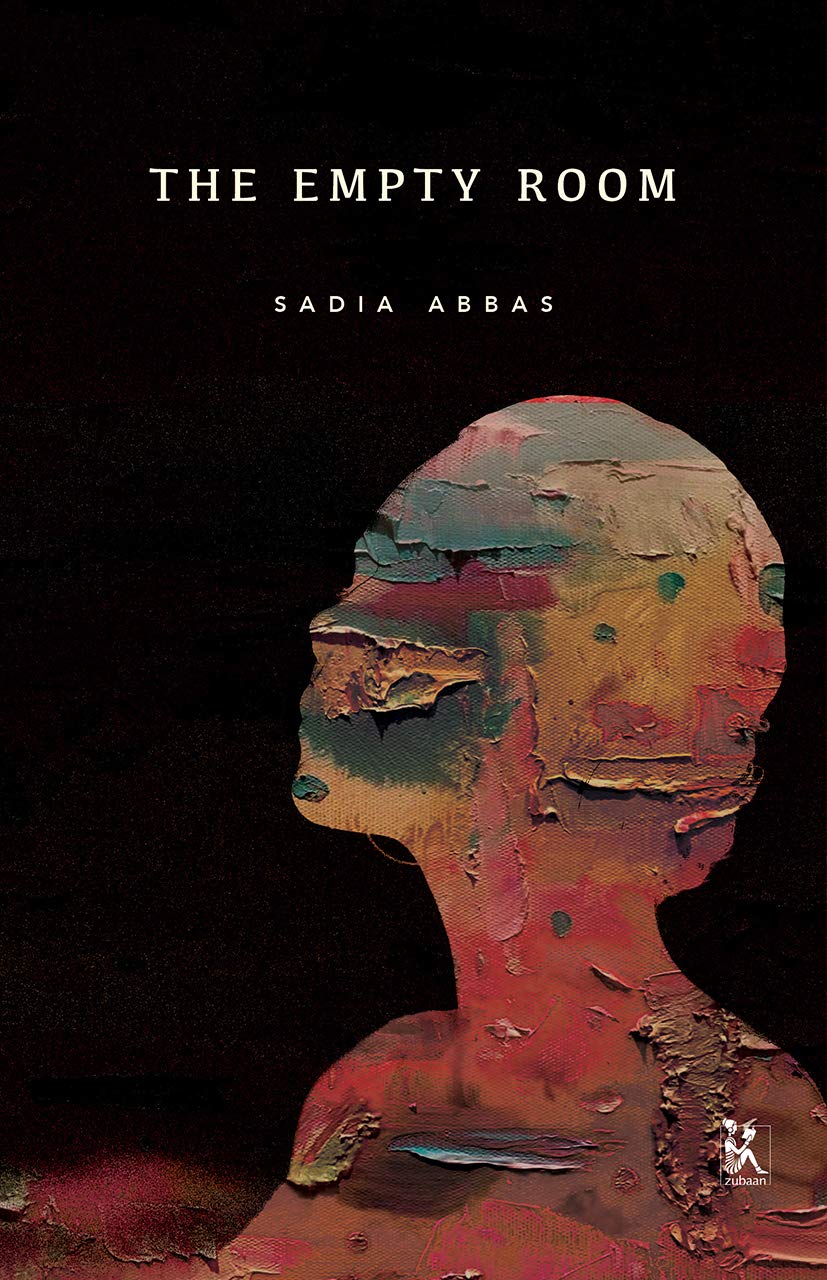
Sadia Abbas
2019
Sadia Abbas’s debut novel, The Empty Room, is a diligently crafted piece of work that details the intricacies of the life of a married woman in Pakistan. The character-driven story unfolds in Karachi between the years 1969 and 1979, a period of immense political tension in the country, and in the author’s own words, ‘one of the most turbulent times that the country witnessed.’ Four regimes came into power during this tumultuous time and the country was steeped in civil war.
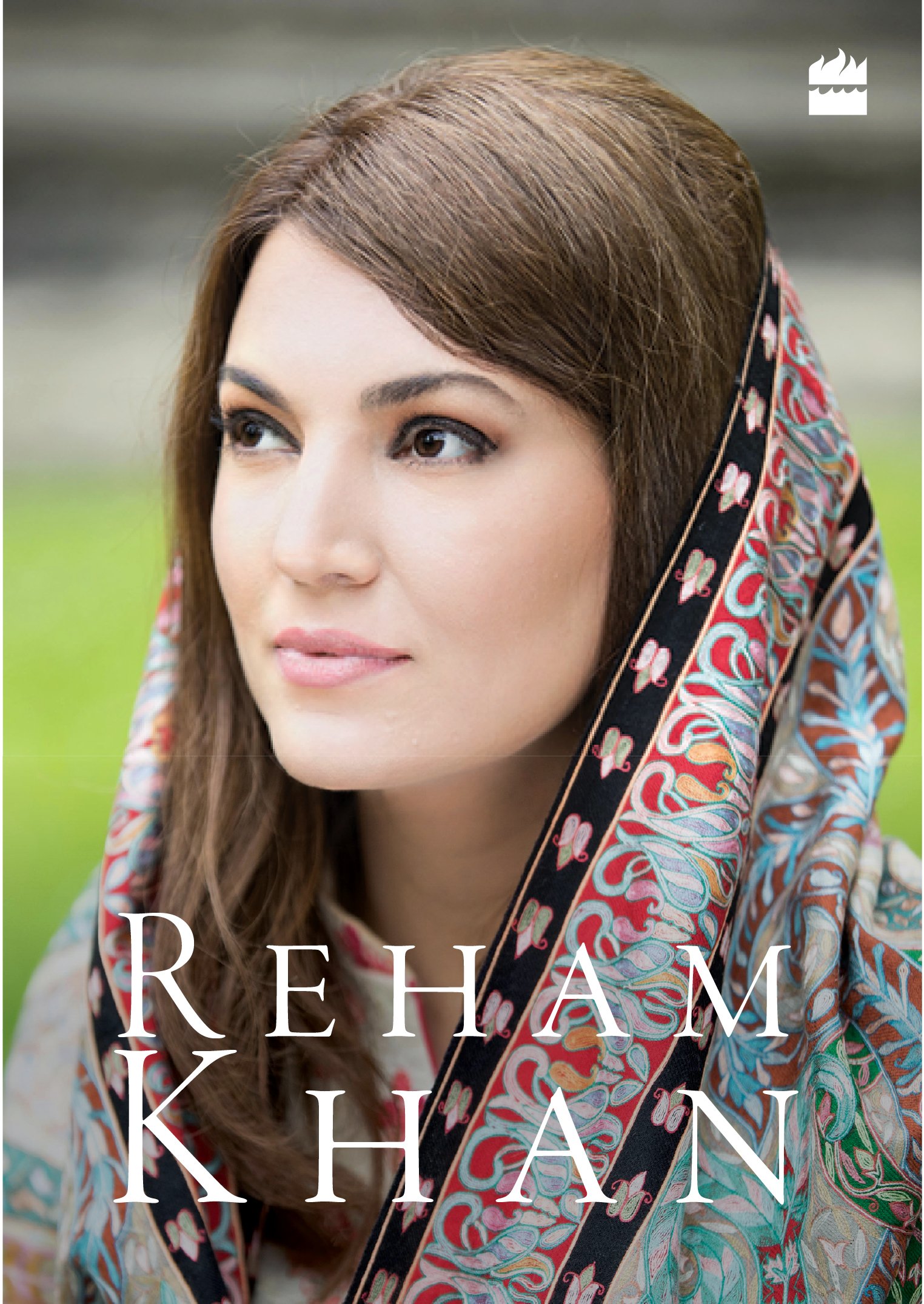
Reham Khan
2019
Even before its release, a leaked manuscript of Reham Khan’s book attracted legal notices in June from four persons featured in her narrative, and threats to sue her for defamation from Jemima Goldsmith, Imran Khan’s first wife. The book cover has the words ‘Reham Khan’ printed in large letters below a photograph of a striking woman, lightly made-up, her brown hair half-covered with a dupatta.
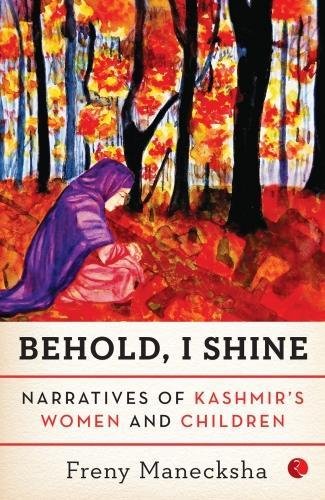
Freny Manecksha
It was in 1990 when Cynthia Enloe coined the one-word phrase ‘womenandchildren’ to bring forth how women always figured in war narratives as those needing protection, portrayed merely as victims. That women were equal participants in the society, equally navigating through the complex terrains of war and conflict, was something that male-centric discourses conveniently ignored. In case of the Kashmir conflict as well, the portrayal of women has largely been confined to that of victims.
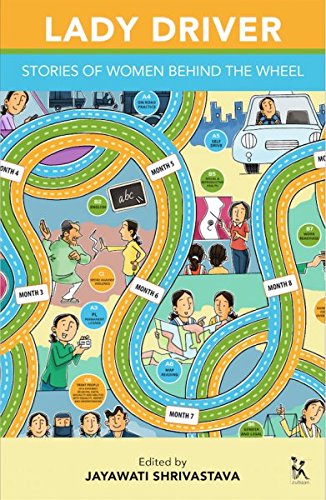
Edited by Jayawati Shrivastava
In recent years, there is growing emphasis in feminist writing on looking at the relation between patriarchal control and women’s relationship with space. How women experience and negotiate physical spaces in everyday life has been shown to have a critical link with gender relations. Public spaces in India, specifically after incidents like the ‘Delhi Gang Rape’ of 2012, have been seen as inevitable sites of violence against women…
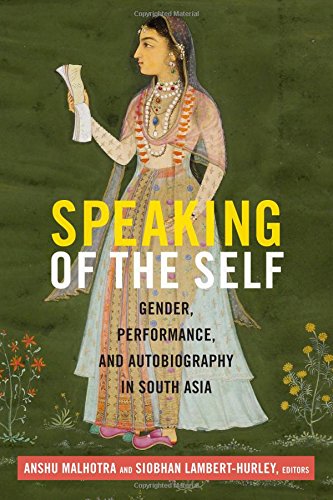
Anshu Malhotra and Siobhan Lambert-Hurley
It is a universally acknowledged fact that there is a discernible overt or covert ‘difference’ between the writing of men and that of women. Initially, after women became literate and thereafter educated, they began writing about their own lives as lived histories, recording the micro-politics of daily living in their memoirs, diaries and letters. That women would opt for life-writing or autobiographies as the preferred literary genre to any other was inevitable according to Virginia Woolf, as women’s lives were ones of confinement within the domestic.
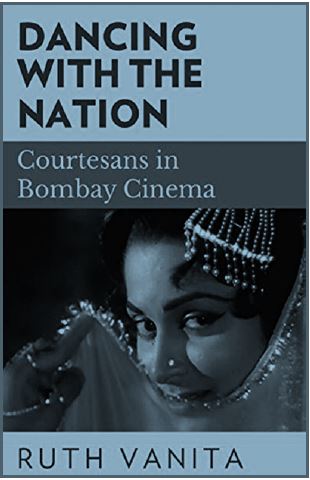
Ruth Vanita
Here is a book that uses dance, very specifically the dance of the courtesan as presented by Hindi cinema to theorize and discuss a range of very important issues in contemporary India. It is an outstanding example of interdisciplinary scholarship. The book cuts across cinema studies, dance in Hindi films, Urdu and Hindi literature, gender and sexuality studies, politics, history and sociology to name just a few of the disciplinary locations that this book could easily occupy.
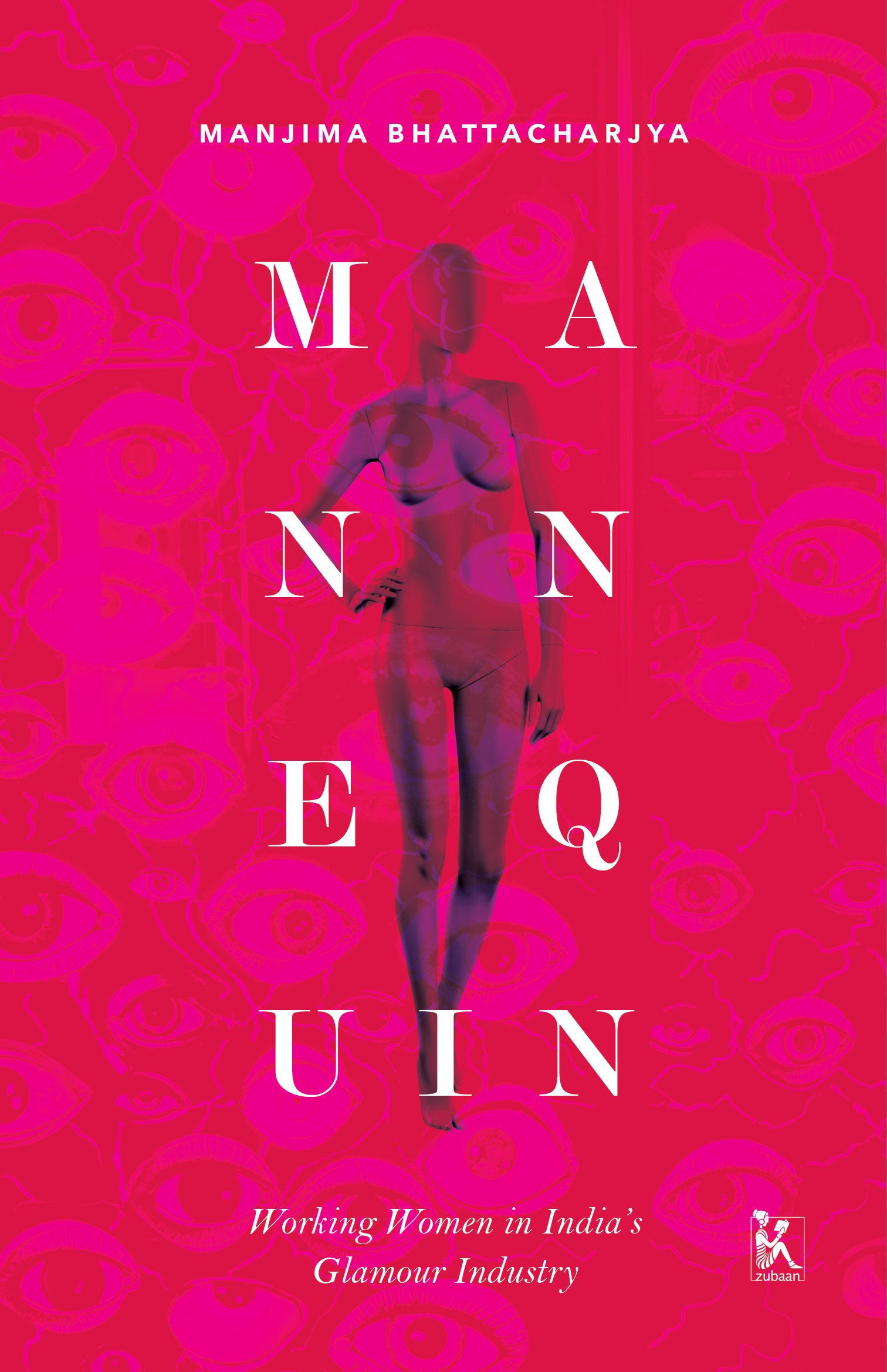
Manjima Bhattacharjya
This is a stylish book, taking a leaf from the world it explores, the world of high fashion. The writer carried out research during 2003-07, specifically interviews with thirty models, fieldwork at the annual Lakme Fashion Week(s), and tracking the growth of the Indian glamour industry. She wrote her PhD, but for the book eschews sociological jargon in favour of a lucid, quasi-light tone.
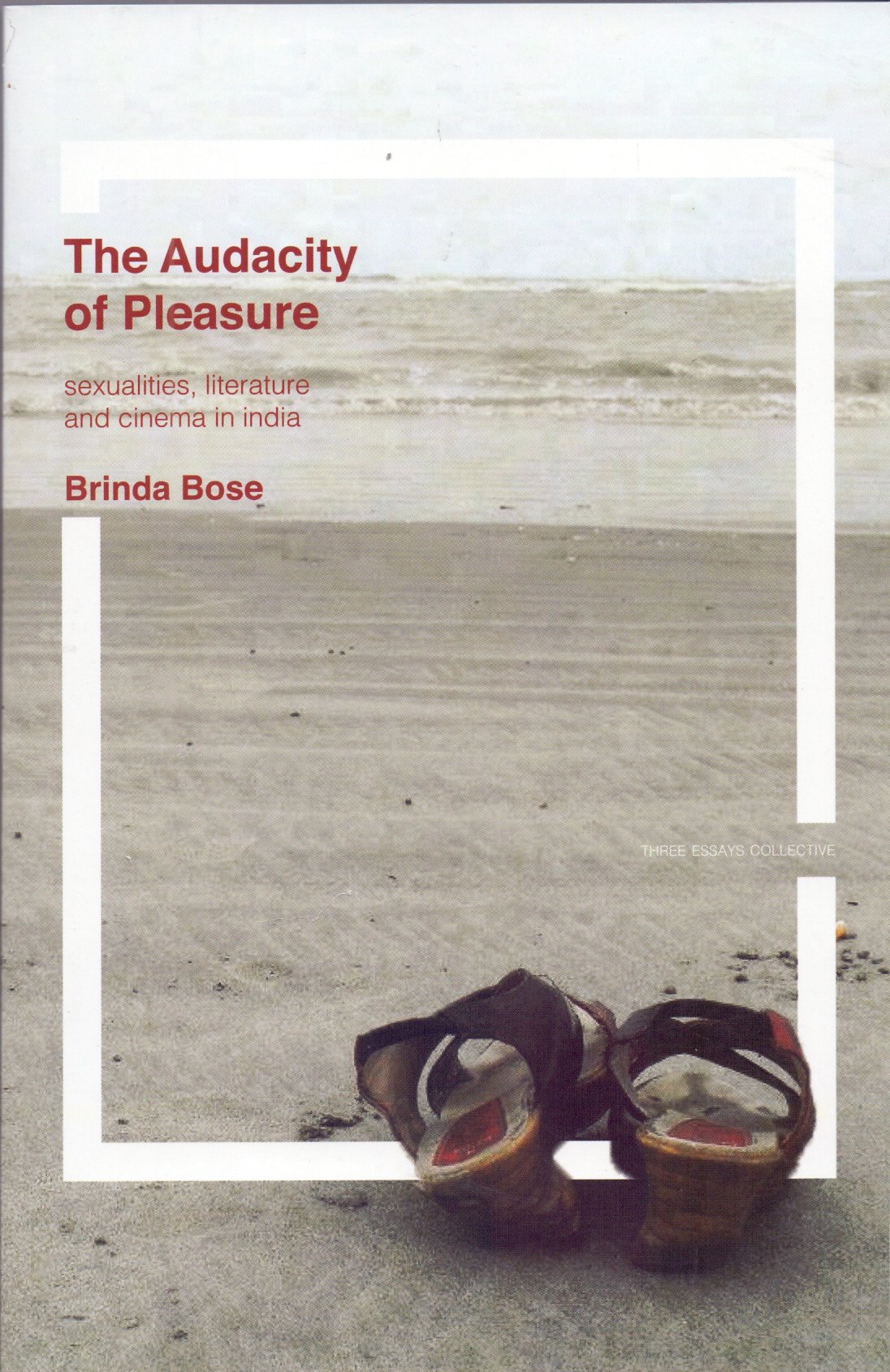
Brinda Bose
Female sexual desire and pleasure have been uncomfortable territories for writers, artists, activists and scholars. Instead, the tendency has been to focus on violence when it comes to sexuality, in urgent response to high levels of sexual violence against women in India. Although this frame of violence has been central to the women’s movement in India and has driven significant social change, it has overwhelmed any conversation on pleasurable sexuality.
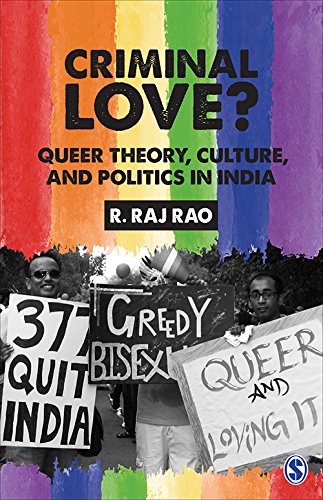
R. Raj Rao
Raj Rao’s book is a collection of essays that straddle the personal and the political as they narrate the evolving LGBT movement in India. The book is rewarding once the reader acknowledges its genre-bending ambitions. The introduction by Thomas Waugh, who claims intimate acquaintance with the author for a ‘quarter of a century’, sets the mood for the rest of the text. Waugh establishes Raj Rao as a pioneering novelist, theoretician and activist.