
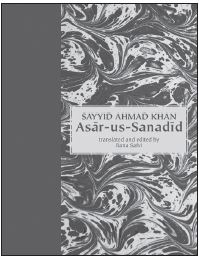
Sayyid Ahmad Khan
2018
Asar-us-Sanadid, variously translated as ‘The Remnant Signs of Ancient Heroes’, ‘Vestiges of the Past’ or ‘Traces of the Notables’, is a book on pre-1857 Delhi, its main buildings, monuments and people, written by Sayyid Ahmad Khan. Two versions of the book were published, one in 1847, and the second in 1854. A third version was perhaps in the works, but for the Uprising. Asar-us-Sanadid, today, is a canonical text, but even when it was published it was considered most impressive for its contribution to the knowledge of the history and archaeology of Delhi.
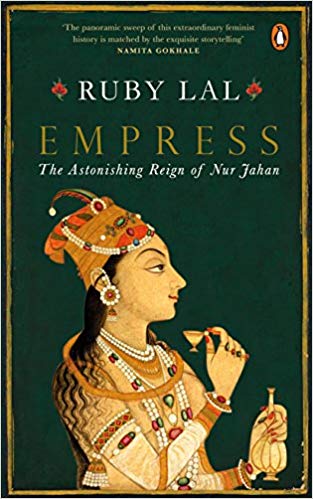
Ruby Lal
Empress :The Astonishing Reign of Nur Jahan comes after a host of other works by Ruby Lal on themes such as domesticity, women’s writing, harem, imperial household and so on in pre-colonial South Asia. Her previous book, Domesticity and Power in the Early Mughal World (2005) opened up new vistas of looking at the Mughal harem, domestic space, and the feminine world, through the prism of power.
Taberez Ahmed Neyazi
Taberez Neyazi’s new book is a welcome addition to the literature on India’s rapidly changing world of media by one of its most enterprising scholars of communication. Centred around Neyazi’s PhD thesis submitted to the National University of Singapore in 2009, the book stretches well beyond the confines of a thesis to suggest how media have played a ‘catalytic role as mobilising agents in the ongoing democratic transformation of India’ (p. 4).
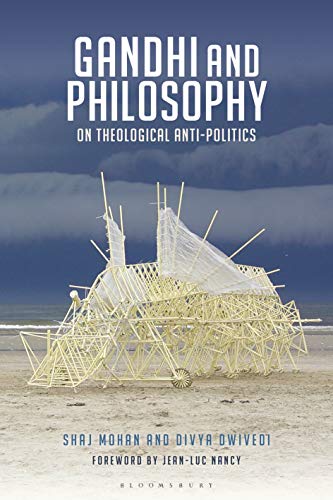
Shaj Mohan
The collected writings of MK Gandhi stretch over a 100 volumes. Prolific even for prolific writers, but for someone so politically active, this is not just phenomenal but incredibly so. Further, there are as many and more volumes about Gandhi’s life and thought, nor does there seem to be an immediate end to the discussion, debate and appropriation that Gandhi is subject to.
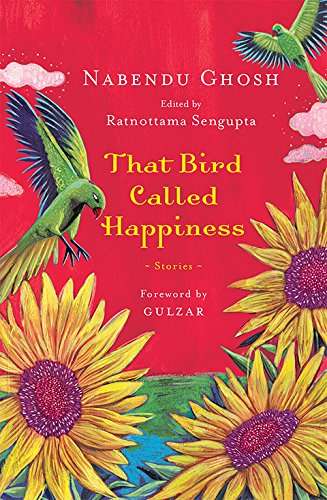
Nabendu Ghosh
Like a skilled gem cutter, Nabendu Ghosh in his short story collection That Bird Called Happiness: Stories facets and cuts that universal yet complex emotion called Love until it sparkles with brilliance, throwing a different light in each of the stories.
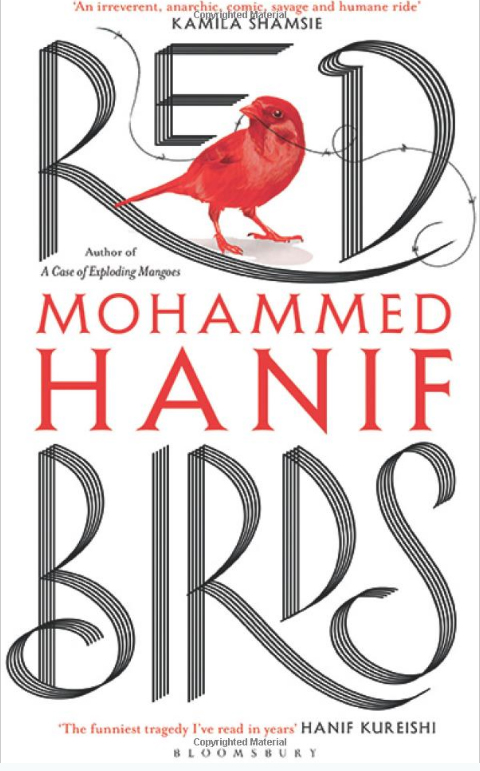
Mohammed Hanif
2018
Wars come and wars go. Some die, some survive. The dead are supposed to be mourned and the survivors expected to move on. Wars are routine affairs in, as we habitually say, the post-1945 world. By their very banality, wars compel us to treat them as such. The force of banality is so tremendous that we are tuned and sometimes choose not to see it all.
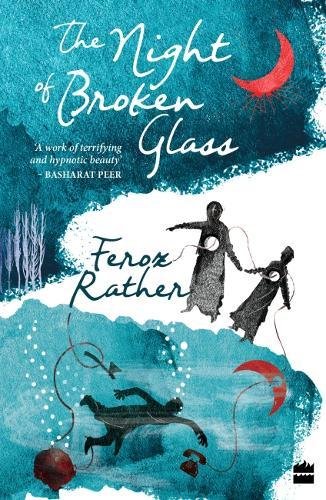
Feroz Rather
How do you write about violence without being didactic or banal? Living as we are today in a world spiralling into deeper gyres of conflict, how do you represent the slow unravelling of the self fronted with pain and loss beyond control, beyond comprehension, beyond understanding? Bombarded with a constant battery of sound and image, of urgent words tearing across our networked minds, it is increasingly difficult to sustain interest—to say nothing of outrage.
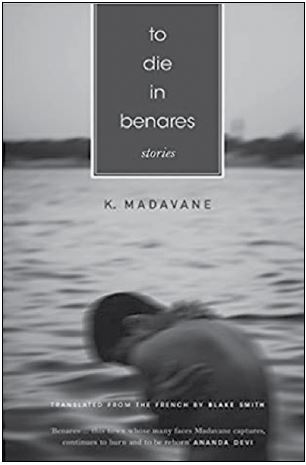
K. Madavane
Benares or Kashi or Varanasi is a revered place in Hindu religion. A city located on the banks of the river Ganga in Uttar Pradesh, it is regarded as the holiest of the seven sacred cities (Sapta Puri) in Hinduism. Hindus believe that death in the city brings salvation for the soul, thereby making the city a major pilgrimage centre. Of particular note in the city are its ghats, where various religious ceremonies take place.

Kula Saikia
If you are at that stage in life where you are looking back and reminiscing about your journey called life so far, well then this collection of twenty translated stories is for you. Saikia’s stories are like a soft breeze wafting across you brushing away the cobwebs of forgetting and reveal emotions, long buried passions, and the whisper of dreams long forgotten.
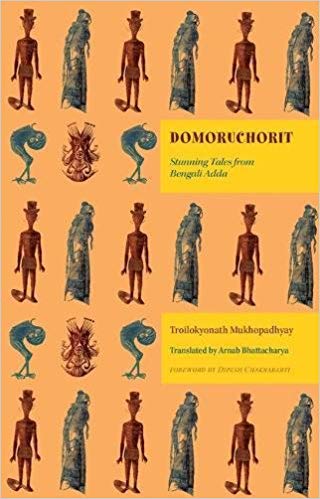
Troilokyonath Mukhopadhyay
Domoruchorit by Troilokyonath Mukhopadhyay is a collection of seven stories describing the incredible adventures of Domorudhor, located in the outskirts of Kolkata at the turn of the nineteenth and twentieth centuries. Dipesh Chakrabarty’s introduction discusses the folkloric tradition that is discernible in the text, and places it in the tradition of novels in which the protagonists narrate tall, exaggerated tales about themselves.
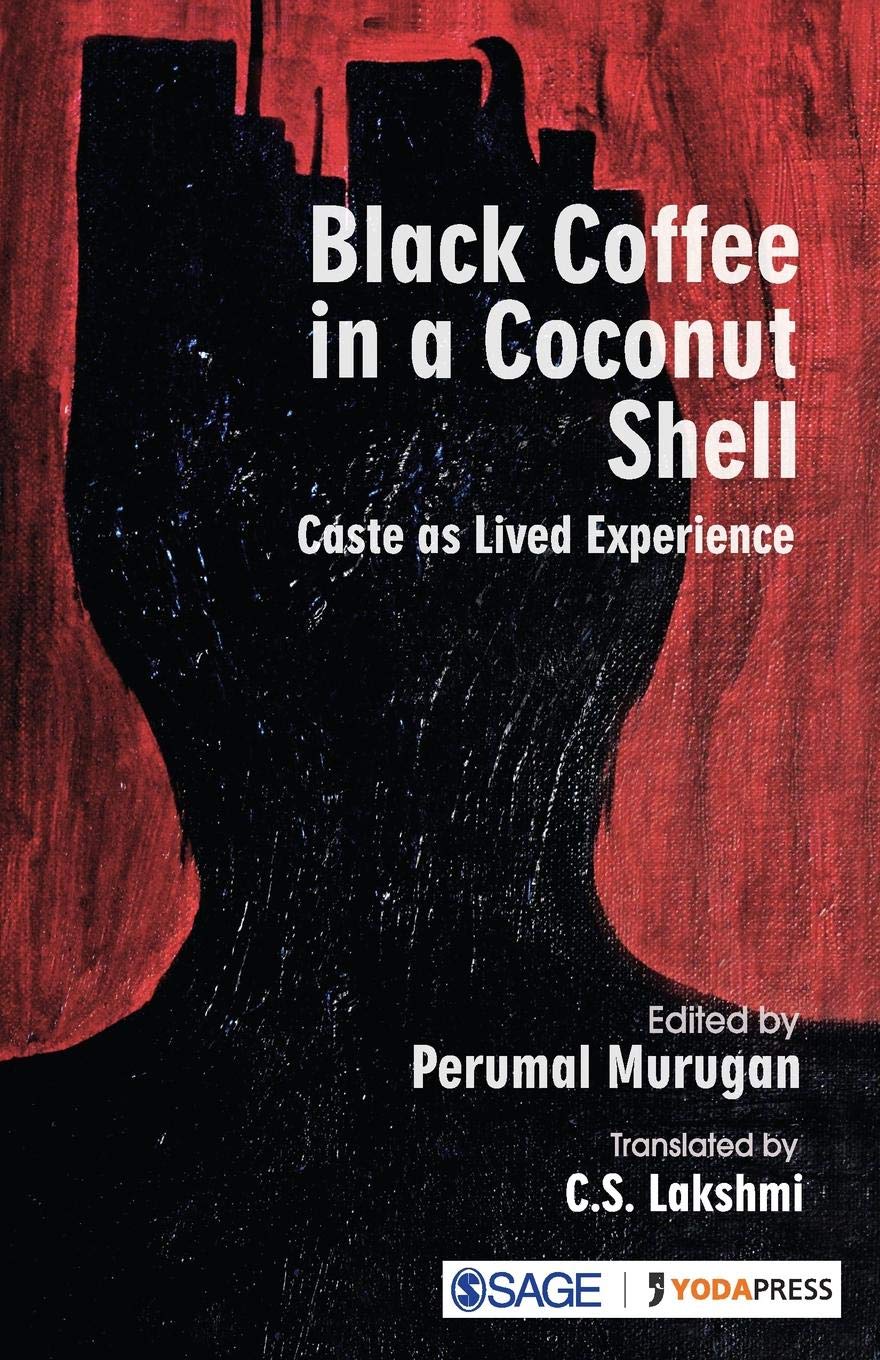
Perumal Murugan
The articulations of caste and its deployment in India are grey areas that have been swept under the carpet and often rendered invisible in our quotidian lives. Many believe that it is a thing of the past that need not be talked about so vehemently today. But the agony of its experiential terrains, as recorded and performed by the millions who continue to be oppressed by its multipronged techniques of naming and shaming, both covert and overt, is profoundly revelatory.
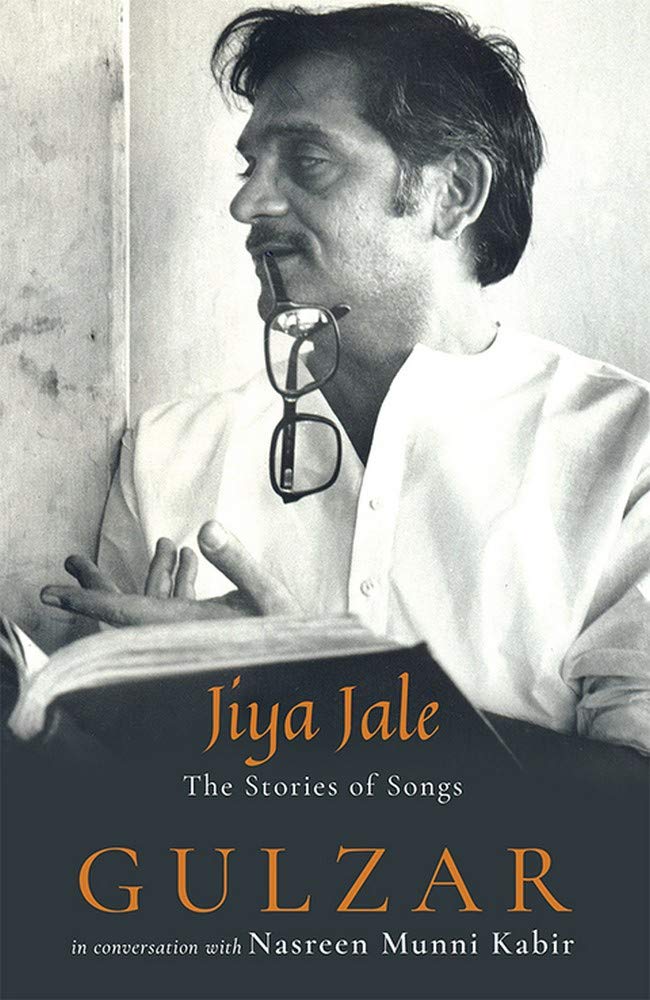
Gulzar in Conversation
Nasreen Munni Kabir’s book Jiya Jale is a fascinating account of trying to understand Gulzar’s poetry in order to translate it. The conversation tries to unravel the meaning of the poet’s lyrics and in the process we get a ringside view of not only the complicated art of translating songs but also insights into the craft of lyric writing. Gulzar lays a lot of stress on the craft of writing; according to him ‘one should master the profession one practices.’
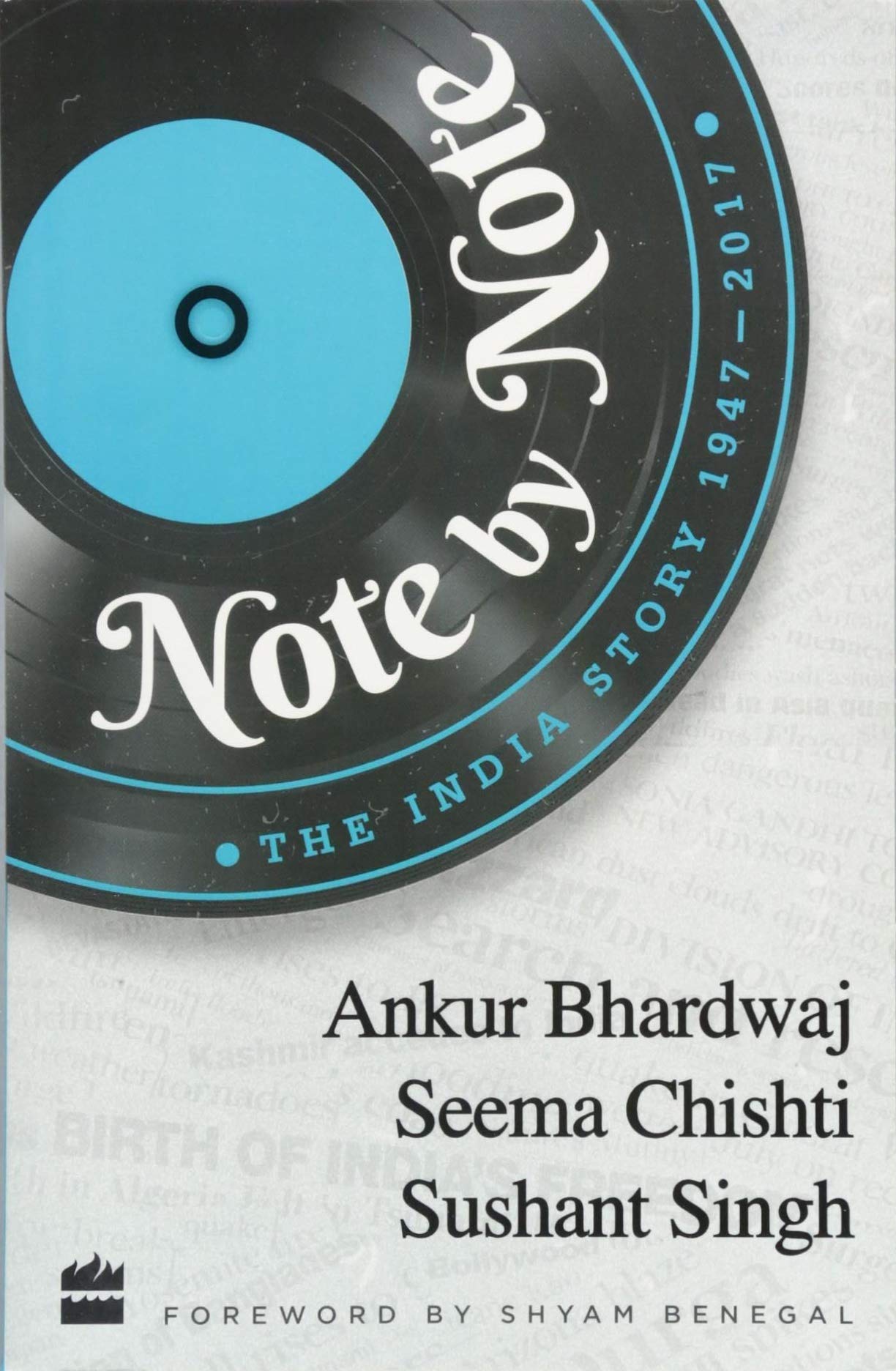
Ankur Bhardwaj
A ficionados of Hindi film music (present reviewer included) seriously believe that the output of songs from the Golden Era (1940-1970) is so rich and diverse that there is a song to describe every single emotion, feeling that we are aware of, as well as those that might be subconscious and subterranean. There is a eureka moment each time one encounters a song that manages to guess one’s exact feelings and puts it just right.
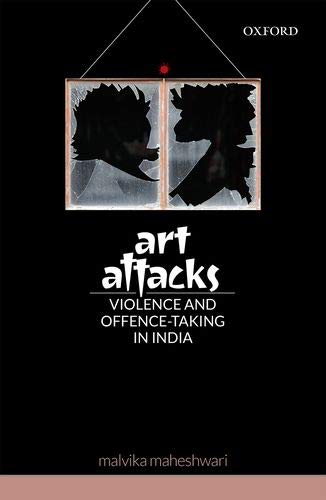
Malvika Maheshwari
Malvika Maheshwari’s book on the extra-constitutional attacks on artists and artworks in post-Emergency India, adds productively to the literature on free speech and censorship. Emerging out of her PhD dissertation and research conducted between 2008 and 2016, the book maps a history of `hurt sentiments’ and violent attacks through studying a selection of controversial events.
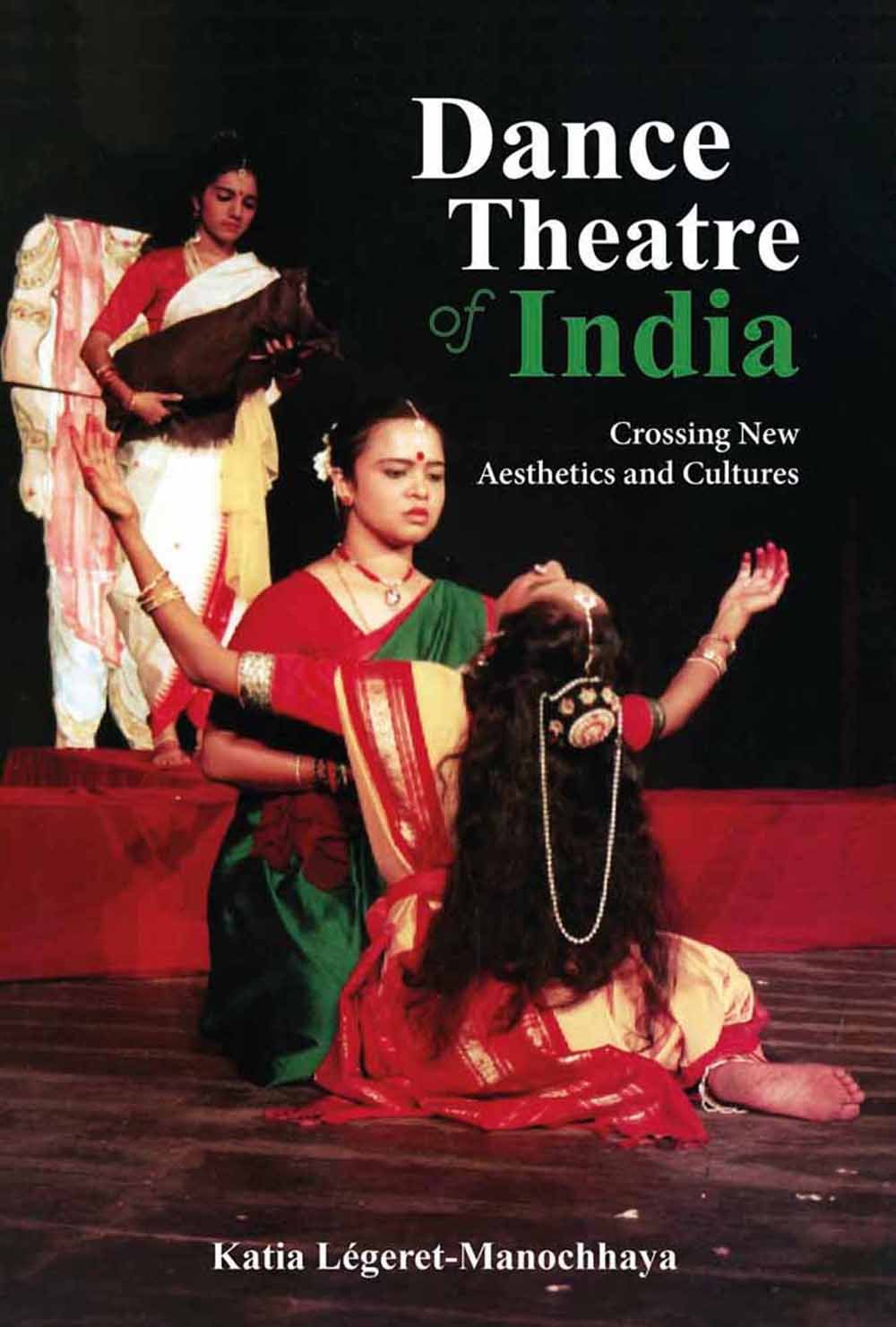
Katia Legeret Manochhaya
Reading through Dance Theatre of India: Crossing New Aesthetics and Cultures, there are two questions that arise from the preface itself: 1. Who is the intended audience for this book? And by extension, who then should the reviewer be? 2. What are the basic assumptions and attitudes that seem to underlie the lens of research and the form of writing?
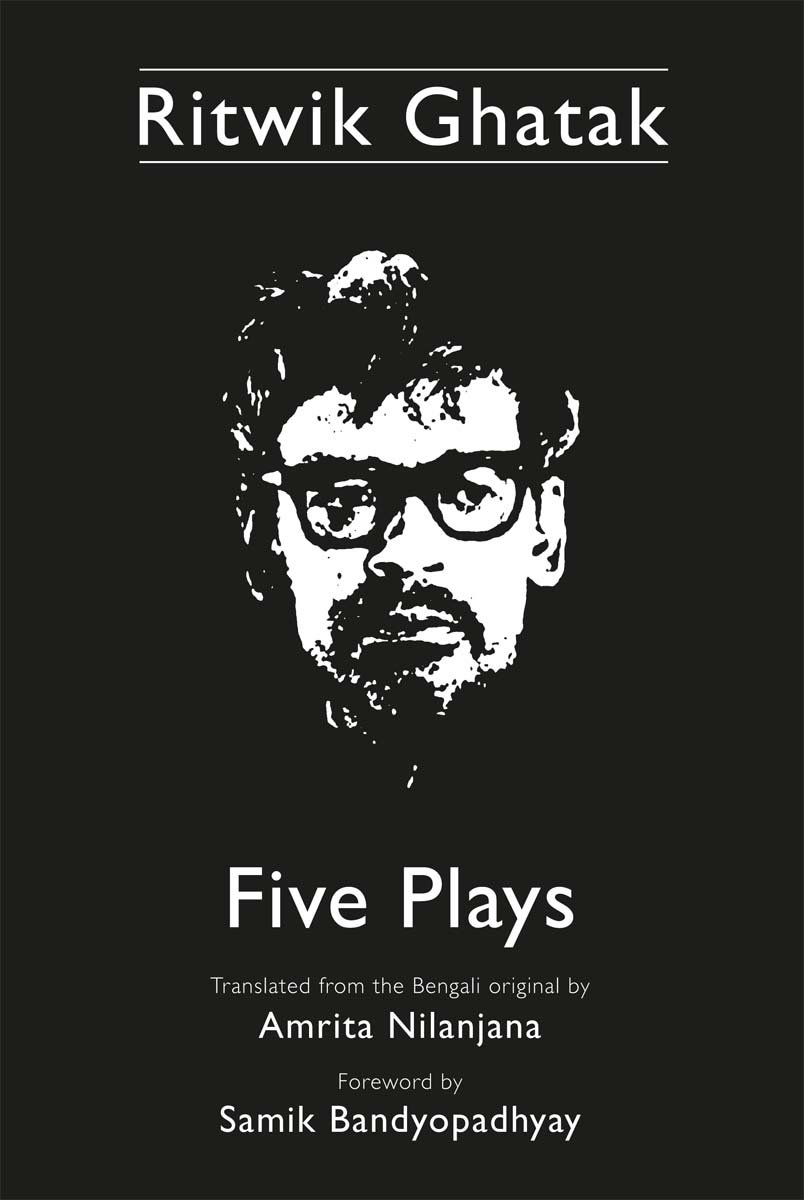
Ritwik Ghatak
2018
A sequence in Komal Gandhar (1961) is where the camera dollies towards the dead end of a railway track. The tracks end at the banks of the Padma. On the other side of the Padma is Eastern Bengal or East Pakistan. As they stare into the vast expanse of the Padma with itinerant vessels plying along the waters, Anusya shares with Bhrigu that her ‘desh’ is on the other side and that the sight of the other Bengal has saddened her.
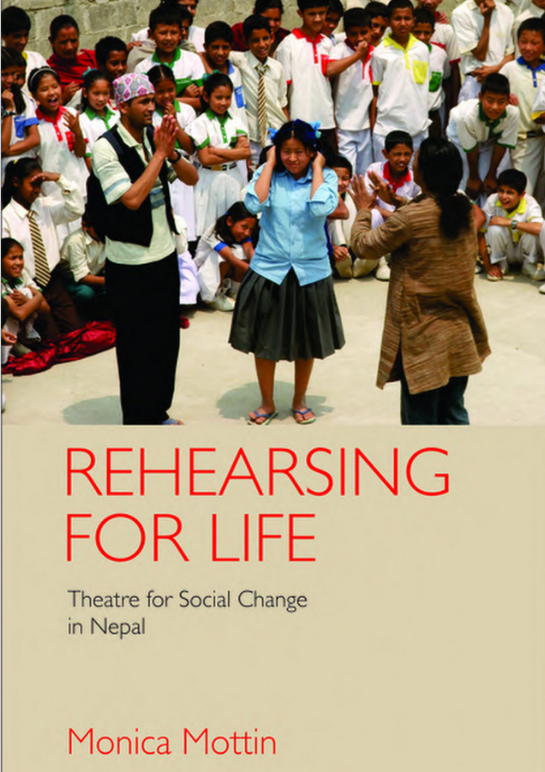
Monica Mottin
Theatre has been the oldest art form known to humankind—an art form that surpasses class barriers to facilitate an egalitarian representation of community’s aspirations, ideas and responses. In fact it is an evocative medium that articulates the identities of societies all over the world. As Monica Mottin remarks, her intent is to probe how reflectivity and ambiguity can allow for the aesthetic space to become a transformative space.
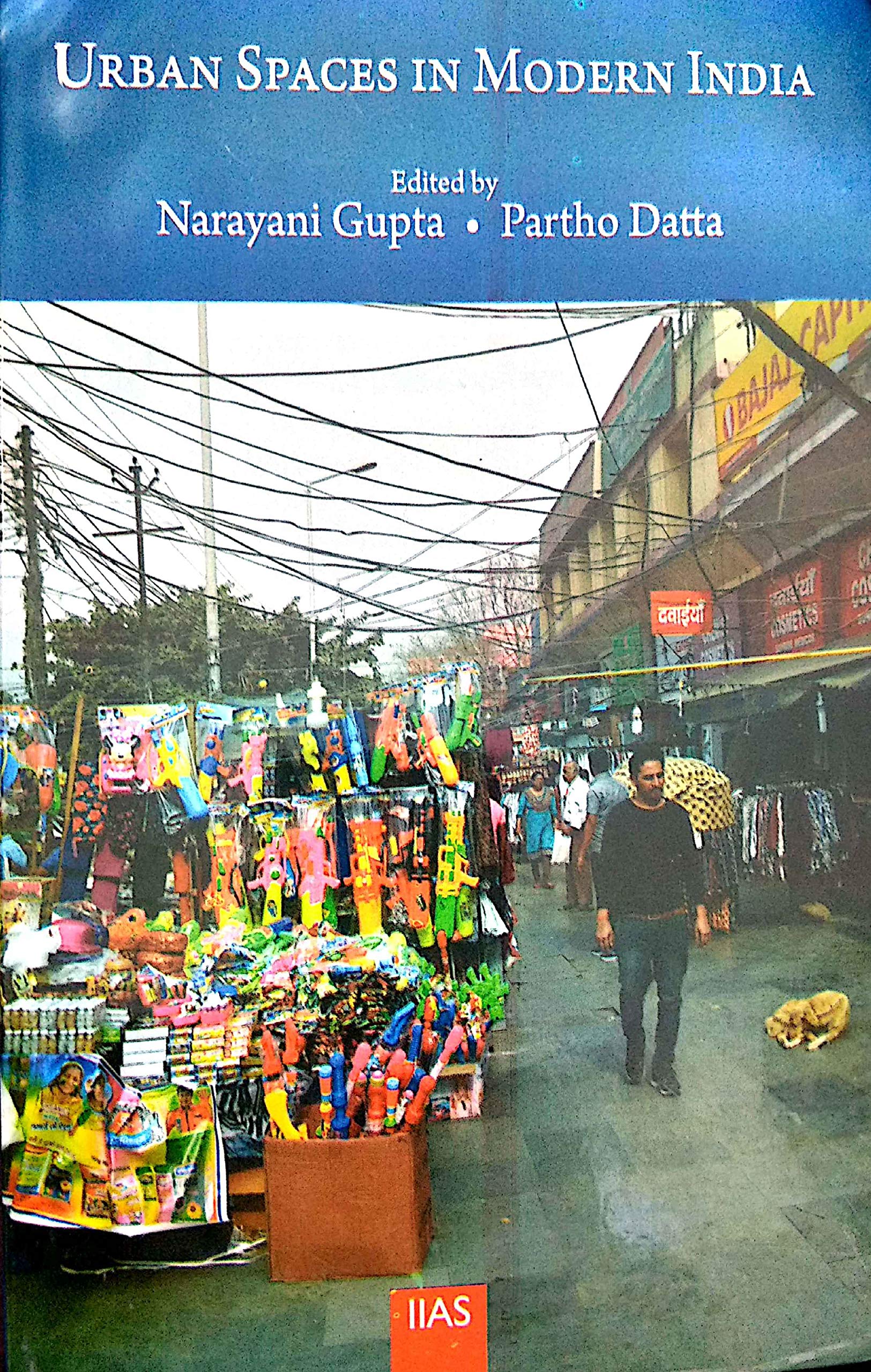
Narayani Gupta and Partho Datta
Trying to understand Indian urbanism is like the proverbial story of the blind men trying to describe the elephant. Scholars, professionals and engaged commentators who have written about the phenomenon and consequences of postcolonial urban development in India have provided partial insights into the nature of the beast they have ‘touched’, but in sum, its complexities have eluded the kind of understanding that would have enabled any agency, state or market, to effectively engage with its welfare and maladies.
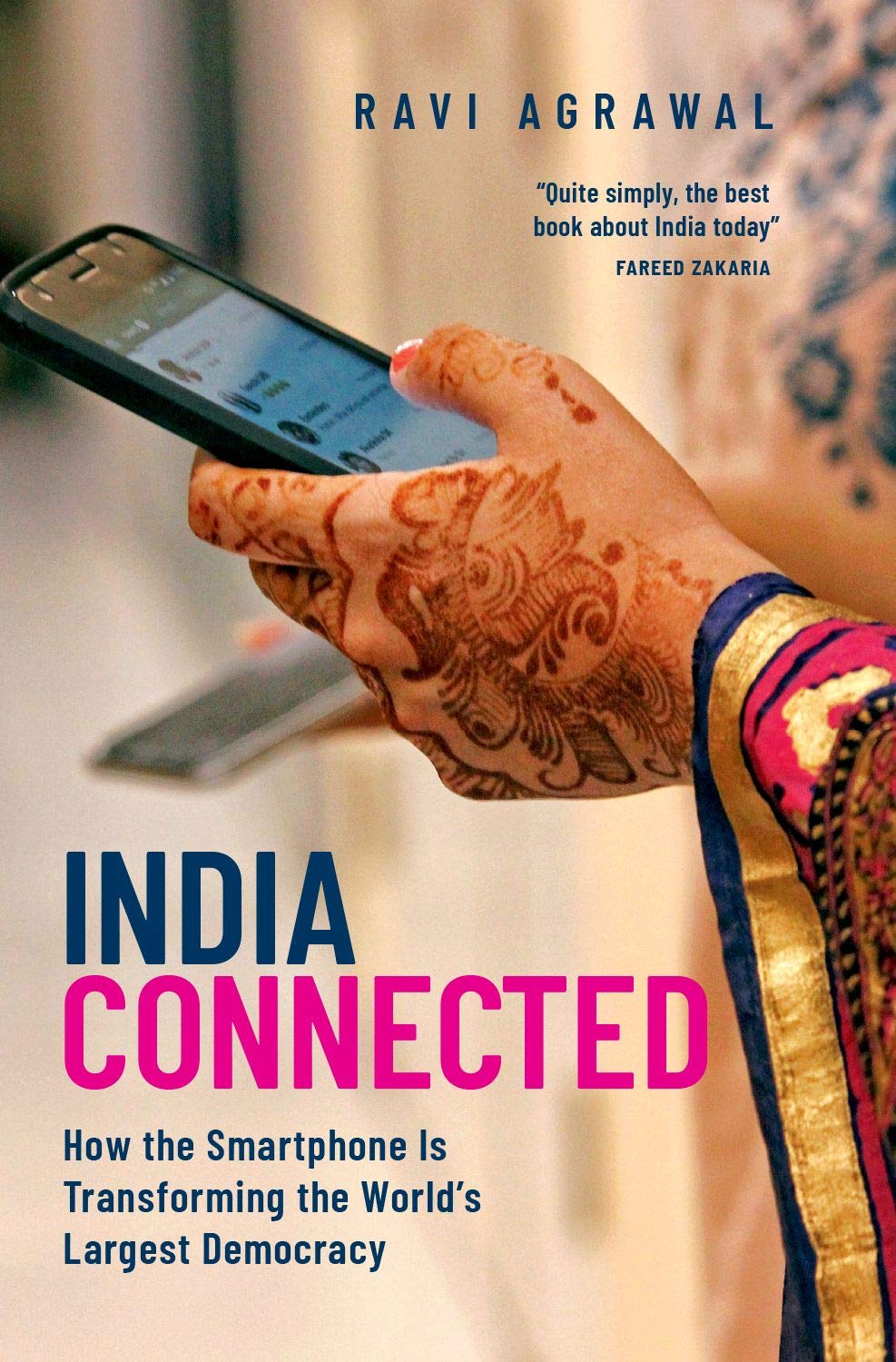
Ravi Agrawal
There is something to be said about the way digital technologies have captured policy and popular media attention in world capitals. From Washington DC to Berlin, from Ankara to Delhi, there is a growing sense of foreboding, desperation even, to respond to the rise of online networks and various social media platforms. Leaders world over are trying to fit the networks into existing frameworks of public policy and with every passing year the task seems more and more arduous.
Alf Gunvald Nilsen
The book under review is a critical analysis of subalternity in India, which is in contrast to both the postcolonial and postmodern approaches that have dominated academia for the last three decades or so. The author is critical of the postcolonial studies, represented by the Subaltern Studies project, for drawing untenable boundaries between liberal-constitutional modernity and subaltern `ethnicization`.