
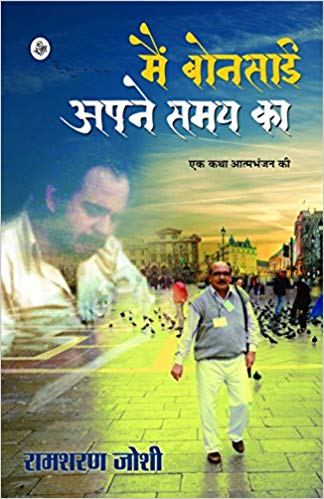
Ramsharan Joshi
Ramsharan Joshi is a well -known Hindi writer and a journalist. He has been an activist, editor, social analyst and professor of media studies. He has held a number of prestigious positions: Professor and Executive Director at Makhanlal Chaturvedi National University of Journalism and Mass Communication, Bhopal, Director, National Bal Bhavan, New Delhi, and Deputy Director, Central Hindi Directorate.
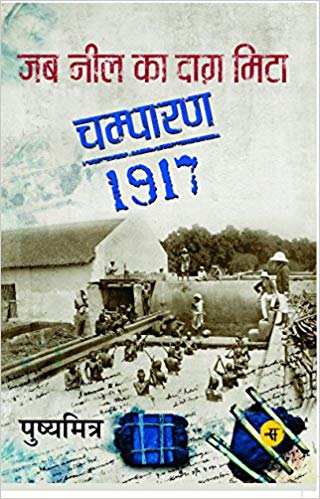
Pushyamitra
Jab Neel ka Daag Mita: Champaran 1917 recounts the processes and procedures whereby Gandhi became a Mahatma for Indians. The Champaran Satyagraha was seminal to challenging an oppressive regime of British indigo planters and restoring the rights and dignity of peasants as cultivators and human beings.
Jiten Thakur
2018
Jiten Thakur’s novel, Chauraha, filled with the myriad hues of human experience and diversity of human sensations is similar to the inventive style of Anton Chekhov in its depiction of a humour laced with warmth and gentle irony and comparable to Honore de Balzac in its representation of a milieu full of interesting characters. Dramatizing the multifarious crossroads that one encounters in the journey called life…
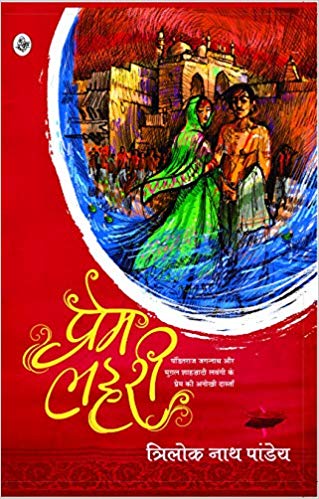
Trilok Nath Pandey
The use of fantasy and history in a fiction format is quite a common technique for social commentary that has been used by authors across the ages in order to place their viewpoint among the readership. The book under review, Prem Lahari, written by Trilok Nath Pandey is one such novel. It is a love story set in the medieval period, that is, the Mughal era, across the length of North India.
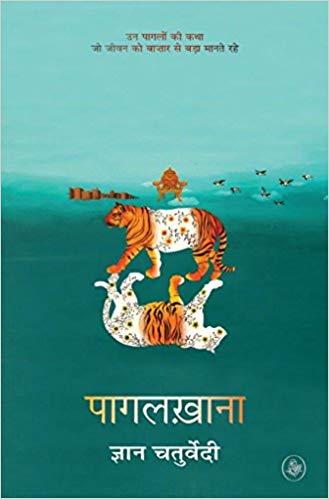
Gyan Chaturvedi
2018
Padma Shri Dr. Gyan Chaturvedi (b. 1952), a noted cardiologist by training and a veteran Hindi satirist, explores the ravages of a world ruled by market culture in his fifth novel Pagalkhana. The novel employs the genre of satirical fantasy and an experimental narrative structure replete with interweaving stories, unnamed character types, and fragments, constructed with an economy of words, images and themes.
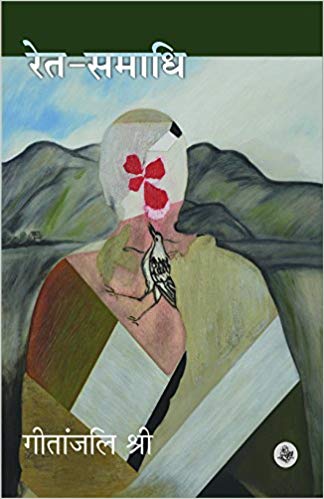
Geetanjali Shree
2018
As a fellow writer, the fifth novel of Geetanjali Shree leaves you wonderstruck with its sweeping imagination and the sheer power of language, unprecedented and uninhibited. She is known for her experiments with content and form, but this novel keeps you in its grip with the storyline as well, which had not really been her forte earlier.
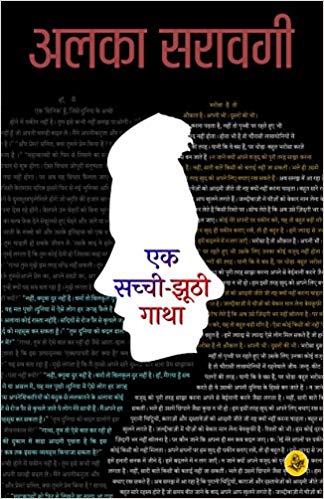
Alka Saraogi
Alka Saraogi’s latest novel is a poignant, layered and textured twenty-first century love story which examines the nature of illusion and reality—especially in the virtual world—appearances, violence, vulnerability and torment. It is the record of an interaction between a man and a woman who meet in cyberspace and the unexpected journey of discovery that Gatha, the female protagonist embarks upon.
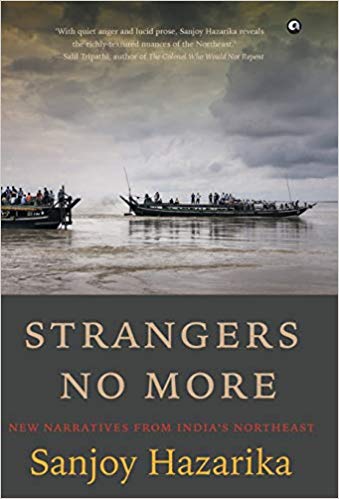
Sanjoy Hazarika
A journey through the eight States of North East India, the present book is a sequel to Sanjoy Hazarika’s earlier published and much acclaimed title Strangers of the Mist: Tales of War and Peace from India’s Northeast. Hazarika states that Strangers No More is a deeply personal book through which he intends to understand and express his concern on topical issues…
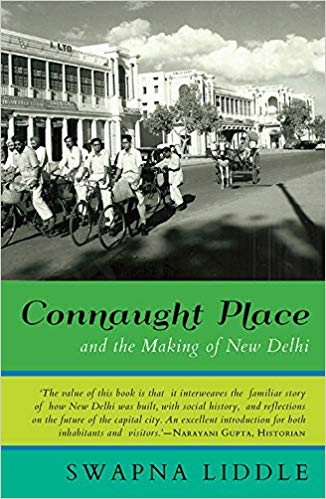
Swapna Liddle
The much-defeated citadel of Delhi was little more than desolation. The Persian ruler Nadir Shah had bled the city. And what remained had been plundered by the rapacious hordes led by the Afghan, Ahmad Shah Durrani. Delhi could barely sustain a population much less afford the patronage of the arts. By the end of the eighteenth century Delhi was no more.
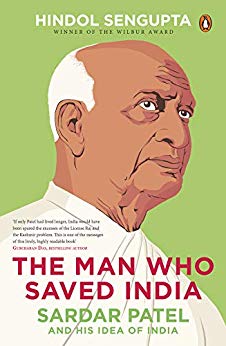
Hindol Sengupta
In The Man Who Saved India Hindol Sengupta brings together the political history of early twentieth century India, and biographical details of Sardar Vallabhbhai Jhaverbhai Patel’s life to show the integral role of political icons in the functioning of the social, economic, and political life of the newly formed nation-state of India. The display of political icons through the construction of statues, naming of roads, or of celebration of specific dates is more than ritualistic remembering.
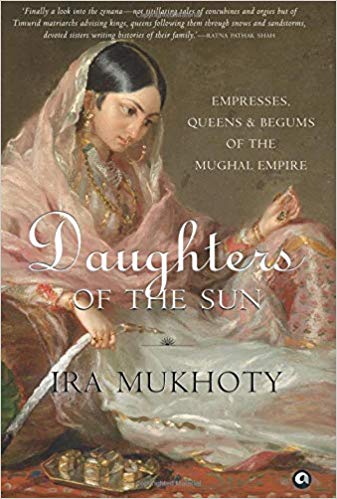
Ira Mukhoty
Daughters of the Sun chronicles the lives of Mughal women—unmarried daughters, sisters, powerful, dynamic wives, anagas or milk mothers or foster mothers—who contributed to the building of the Mughal Empire. These women often worked from within the zenana or the women quarters; several of these women, however, accompanied the Emperor to the battlefield, engaged in diplomacy…
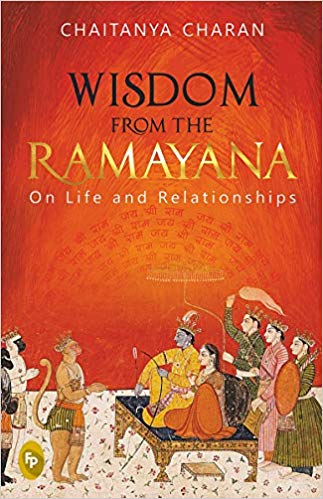
Chaitanya Charan
No matter how old you are, if you are from India, you can probably recall the first time you heard the story of Rama. The memory could be your grandmother’s voice in a room lit only by a lamp, or a book such as Rajagopalachari’s rendition or the pictures in the Amar Chitra Katha or the televised version. Every Indian household has children who have grown up on the telling of the Ramayana.
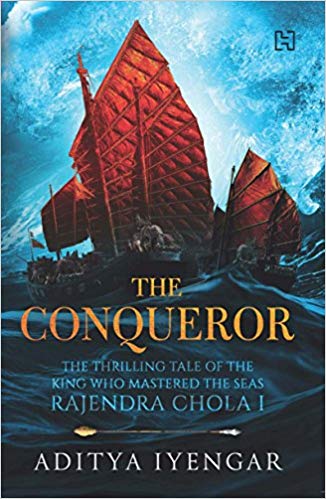
Aditya Iyengar
At the end of the book, Iyengar singles out one person from among the publishing staff for special thanks for having encouraged him to switch from ‘myth-fiction’ to historical fiction. All those who read this novel and are familiar with Iyengar’s earlier work will want to do that after reading this book. Without going into details, this switch has made the book easier to read, less laboured than his earlier work.
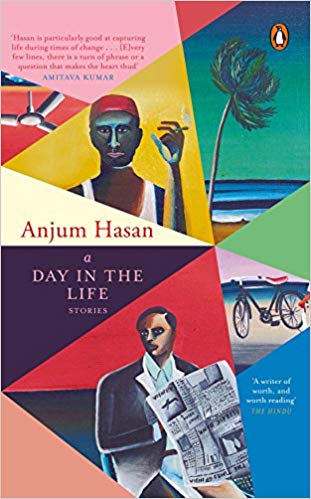
Anjum Hasan
Anjum Hasan is exceptional. The imagery in her stories comes at you so fast that you gasp as you try to absorb it all—and every image is familiar—but in her stories they become poetry: ‘The phrase that comes to mind is–bursting into life. But spring is a gradual unfolding: day-by-day colour seeps back into the land, expressed in crocuses of lilac and gold. The oaks will fatten with leaves by slow degrees. Will they burst into life? Will the buds on the apple trees?’
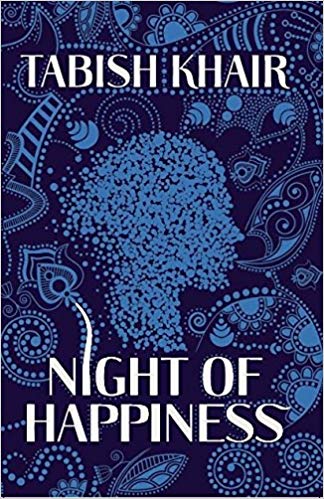
Tabish Khair
2018
Somewhere hidden in the labyrinth of memory you can hear the lonely whistle of a train crossing the dark expanse of the Indian subcontinent. It is often reminiscent of the cry of those djinns that you have been warned will suddenly appear on your doorstep. They chitter and grind their teeth with rage as the train rocks uneasily along a steel bridge over a swollen river.
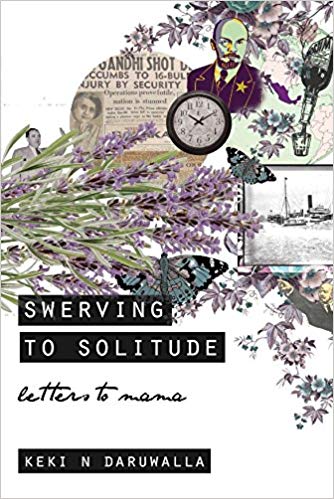
Keki N Daruwalla
This is a very unusual book. But then, a novel written by a poet needs to be so. At one level, it is undoubtedly ‘Letters to Mama’… as the title says. The voice is that of Seema Thakur Singh, a journalist and an idealist speaking through a series of letters to her much loved but long-lost mother about the travails of living through the Emergency and the dismay of her bureaucrat husband.
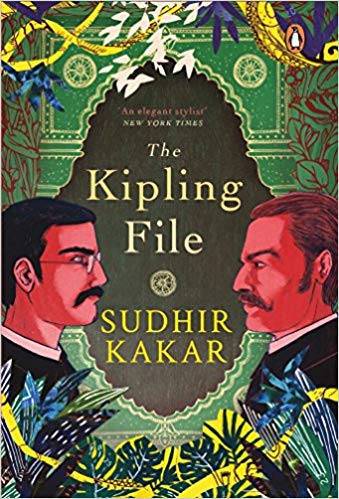
Sudhir Kakar
2018
Rudyard Kipling (1865-1936) remains the enfant terrible of English literature if not an outright villain, for he is routinely castigated for his blatant championing of British imperialism. He remains phenomenally popular as a writer, his sheer political incorrectness notwithstanding. His poem ‘If –’, which is stoical rather than jingoistic, regularly comes out tops in opinion polls conducted in Britain to decide the most popular poem in the language.
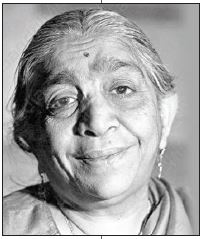
Susan Haris
2019
Now that we have celebrated the 73rd Independence Day, let us remember that 2019 is also the 140th birth anniversary year of Sarojini Naidu. Amidst the political turmoil and clampdown in Kashmir, there is a need to revisit our political legacies and the right to dissent. Naidu’s political poetry invites us to reconsider if the personal is synonymous with the political.
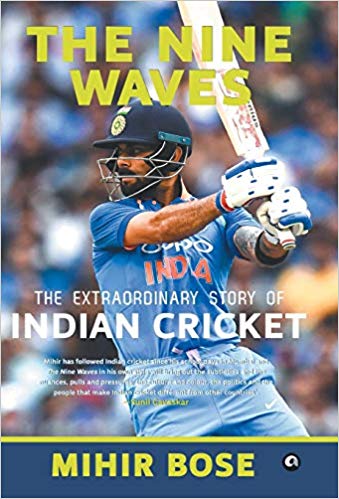
Mihir Bose
Reading Indian cricket history, especially when the clamour around the game is at its peak—during the four-yearly World Cup (luckily not during the Indian Premier League, at least not yet)—has its charms. For starters, the historic perspective it provides could be fascinating, riveting and perplexing as well.
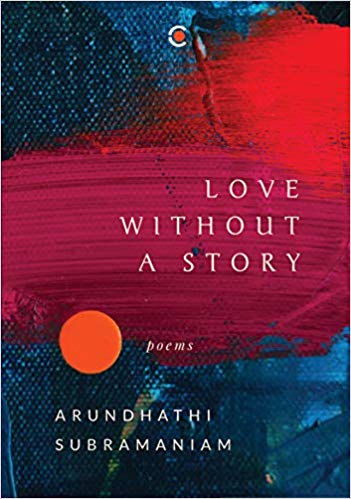
Arundhathi Subramaniam
The voices so near and yet so far consume a poet’s mind and oeuvre. Sometimes you are a dreamer and sometimes you look to depict reality. The characters and images run in and out of Arundhathi Subramaniam’s poems as you soak in oneness with the plots and sub plots within the lines. For instance, in the poem ‘In short’, she says, ‘and one day you realize you’re pane too, freckled by your own rigmaroles of vapours’.