
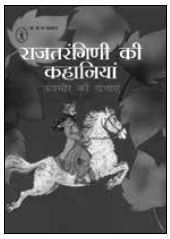
Devika Rangachari
Devika Rangachari, the well-known…
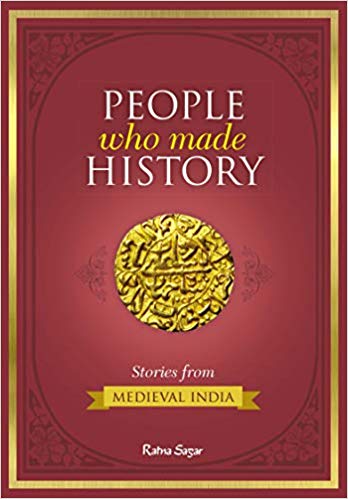
Nilima Sinha
This book is a part of the series…
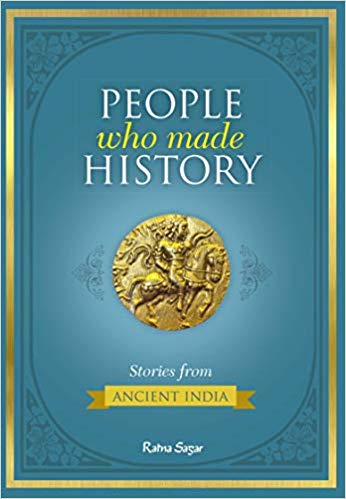
Nilima Sinha,Archana Garodia Gupta
History has earned the partly-deserved…
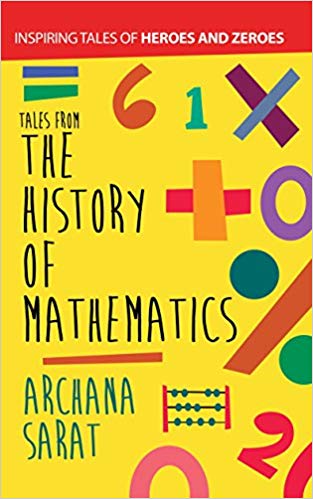
Archana Sarat
If there is one subject that evokes strong feelings for any student, it is Mathematics. Simply uttering the word ‘Maths’ is enough for someone to claim that they love the subject or more often, how much they hated Maths in school. But irrespective of one’s attitude towards Maths, Tales from The History of Mathematics by Archana Sarat is a book that will appeal to readers of all ages and preferences.
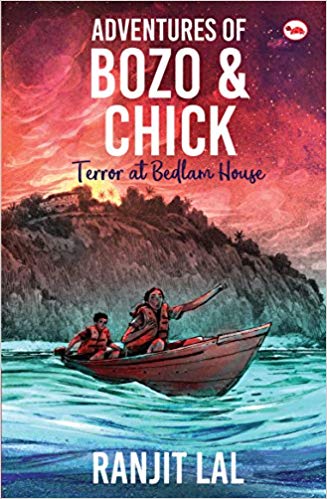
Ranjit Lal
This story is about fifteen-year-old Rohan (Bozo) and sixteen-year-old Nita (Chick), who love fun and adventure and are patriotic to the core. Along with another friend, Aslam, they live in Dubash Mansions, known as Bedlam House. The owners of the building are Dr. Dubash, a child specialist and his wife Mridula who is a dog trainer and runs an NGO. The childless Dubashs are very affectionate and caring towards the children.
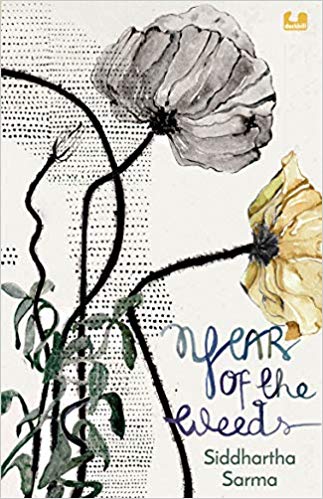
Siddhartha Sarma
Year of the Weeds by Siddhartha Sarma is a modern-day parable. This Young Adult (YA) novel has a deeply affective register such that it neither underplays nor overcompensates for its political and social understanding and representations. It would not be an exaggeration to call the novel a sociological fiction in terms of its tenor and treatment of the little biographies of the characters in the novel.
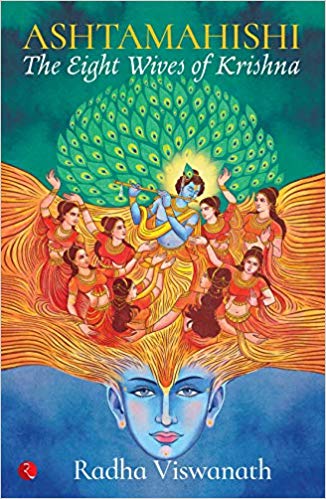
Radha Viswanath
Radha Viswanath’s Ashtamahishi: The Eight Wives of Krishna is a work of religious fiction, a genre that along with mythological fiction is seeing a major revival. A number of writers are choosing to return to the epics, the Ramayana and the Mahabharata, and retell them from feminist or subaltern perspectives and enabling us to hear the stories of characters that have been silenced.
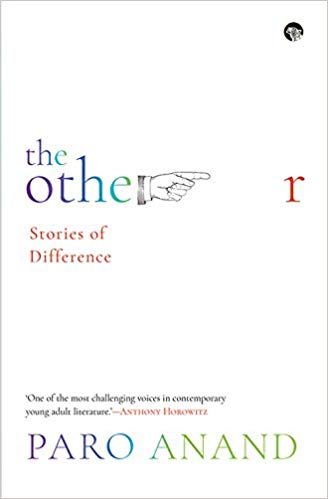
Paro Anand
For the longest time there has been an invisible line, an unwritten rule that prevents writing meant for young readers from straying too far into the unknown and by extension, the ‘unsuitable’. The Other: Stories of Difference by Paro Anand is a collection of short narratives that aims to bring to light the experiences of those who lurk at our society’s margins. Anand dares to take her young adult readers down a dark path to the far reaches of society, which in reality aren’t that far from the realities of everyday adolescent life.
V.S. Rao
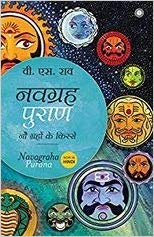
A Telugu author, scriptwriter, and translator, Vakkantham Suryanarayana Rao has more than eighty titles to his credit. The book under review Navagraha Purana is a fascinating chronological account of birth, life and glory of nine planets in great detail. The book, originally written in English by VS Rao has been translated into Hindi by Vai Shankar Murti.
Abhiram Bhadkamkar
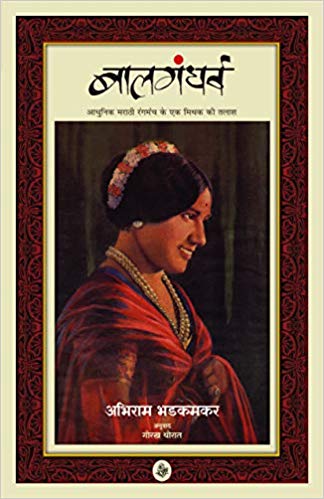
At the outset I would like to congratulate Gorakh Thorat for choosing to translate Abhiram Bhadkamkar’s novel Asa Balgandharva, and not any other account of Balgandharva’s life, which are available in plenty, in Marathi. Bhadkamkar’s account is by far the fullest account of the star-actor’s life in one place, in Marathi!
Surekha Bankar
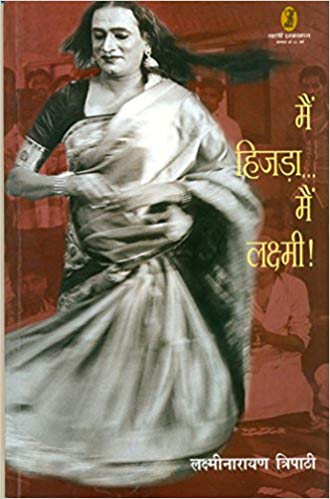
While queer theory and practice is a new field of study in India, the form of autobiography, biography, and memoir has come up as a powerful tool for LGBTQIA+ authors. Apart from Tripathi’s Main Hijra… Main Laxmi!, there are books like The Truth About Me by A Revathi, A Gift of Goddess Lakshmi by Manobi Bandhopadhyay, the first transgender principal of a college and Red Lipstick: The Men in My Life by Laxminarayan Tripathi and Pooja Pandey.
Dileep Chandan
2018
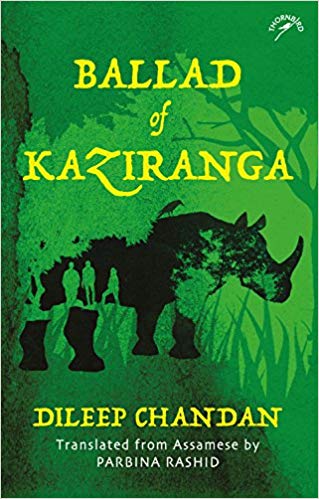
Kaziranga! The very name spells magic. Deep dark forests, filtered emerald-green sunlight, large acres of open grassland, swamps and wetland, and thousands of animals and birds coexisting in celebration of the splendid glory of nature. Spread across over 400 sq km, Kaziranga is home to several protected species of animals: among them the tiger (its largest concentration in the world is found here), the wild elephants, the water buffalo, the swamp deer, many species of birds, and most famously, two-thirds of the world’s one-horned rhino population.
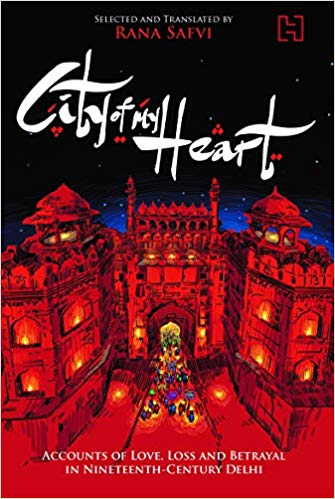
Rana Safvi
The Mughal years are a fascinating period in our history. It is a period that is sought to be whitewashed by the current dispensation. Roads named after Mughal emperors are already in the process of getting appropriated and renamed and history glorifying the non-Mughal leaders is being rewritten. In such a time, Rana Safvi’s City of My Heart takes us back to the Delhi of the Mughal Empire, not in its heyday, but during its last vestiges.
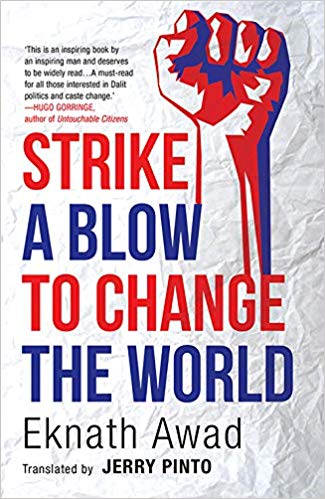
Eknath Awad
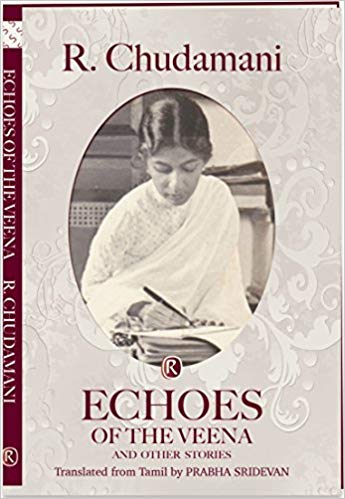
R. Chudamani
I must confess to never having read Chudamani earlier. Coming to political maturity in an age when Tamil Brahminness was considered dangerous, there seemed to be no need to read her, someone I had thought was the quintessential Brahmin writer. This is why this small book bowled me over. Delicious irony, a humanist non-judgemental gaze, pithy writing—if I could read and enjoy Jane Austen whom colonialism surely empowered to write…
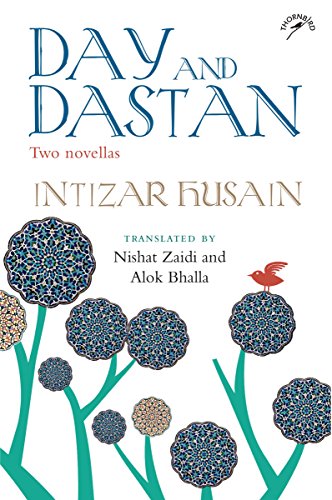
Intizar Husain
While reading Intizar Husain’s Din (Day) I am reminded of Pashemaani (Regret) by Ikramullah Khan. Both the novellas have two child protagonists each, through whose experiences an idyllic life is created, against which the violence and depravity of modern life is depicted. Of course, the way the two writers deal with the afterlife of Partition is different.
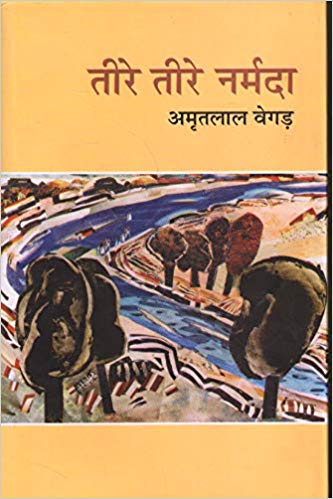
Amritlal Vegad
In recent times, a compelling discourse has been generated at the global level over the increasing scarcity of water and its socio-cultural implications. Water bodies and repositories such as ponds, rivers, seas and icecaps are now frequently and deservedly discussed in academic and popular arenas.
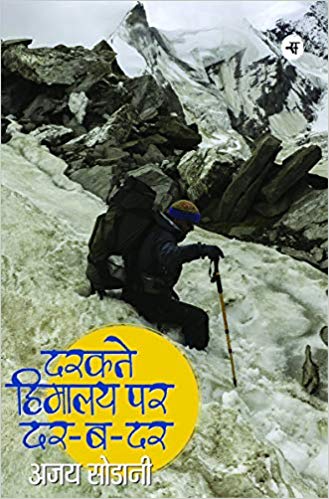
Ajoy Sodani
You may not be able to pick up any other genre after reading this brilliant specimen of travelogue, Darakte Himalaya par Dar-ba-Dar (2018) published by Rajkamal Prakashan. It sparks the curiosity to know more about the most prototypical postmodernist genre of travel writing. This perfectly titled travelogue by Ajoy Sodani is his second book on the Himalaya Yatra Series. An eminent neurologist and a traveller…
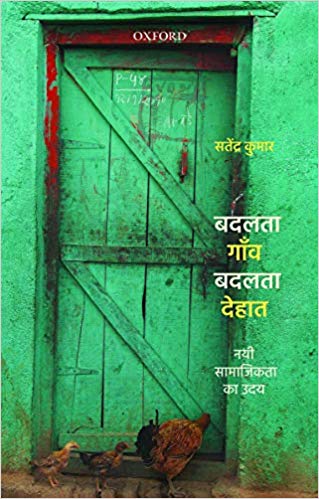
Satendra Kumar
Life for peasants in India has always been challenging, but the developments of the last three decades, particularly the post-liberalization era, has created an existential problem for those peasant families who are solely dependent on agriculture. The Indian villages are going through a colossal change due to the impact of a constitutional decentralization mechanism…