
Fiction
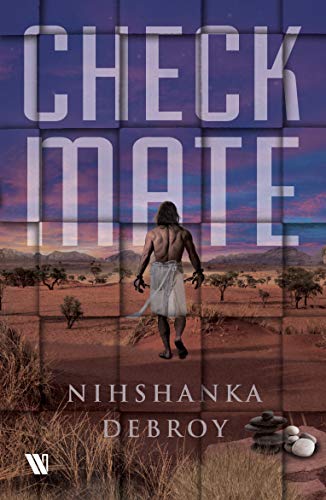
Nihshanka Debroy
2020
This debut novel offers a playful twist on the possible origins of chess. The narrative flips back and forth between the boardrooms of the 21st century and the battlefields of the 5th century. The protagonists are Ms Vinita Joshi.
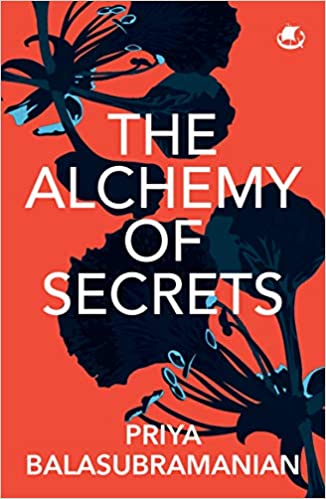
Priya Balasubramanian
Reading Priya Balasubramanian’s The Alchemy of Secrets during Covid-19 pandemic left a strong afterthought. While fierce debates rage on if the deadly disease is airborne and if community level transmission is observed at places, I wonder if those questions.
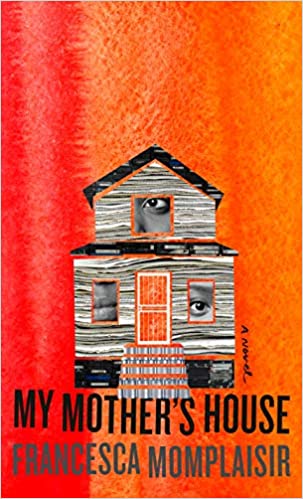
Francesca Momplaisir
This cracker of a debut novel opens with a house on fire—La Kay, a house that is one of the protagonists, a sentient house, that is actually attempting to commit suicide. The house has had enough of its ‘owner’ Lucien, an immigrant from Haiti who had moved.
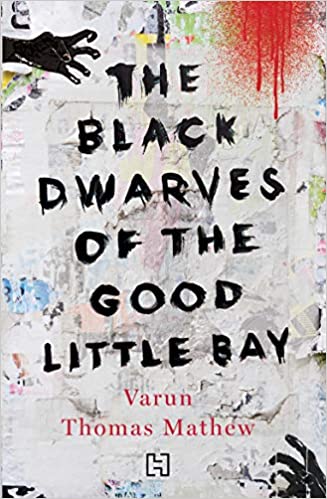
Varun Thomas Mathew
The year is 2041. A huge fortress named Bombadrome, 500 sq. km in an area housing thirty million people stands against a towering sea wall on the soil of erstwhile Bom Bahia, Bombay or Mumbai. Equipped with the finest transport network, efficient.
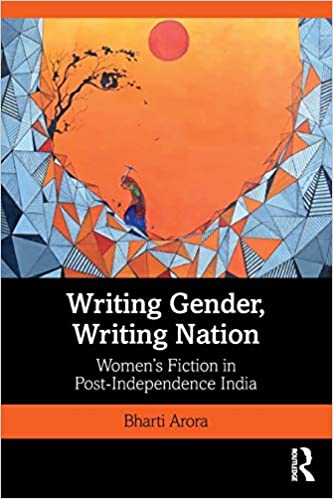
Bharti Arora
Bharti Arora’s book is an analysis of eleven novels written by women in different Indian languages from 1950 to the mid-1990s. It draws from historical and sociological scholarship and policy reports to develop a framework to draw attention to the socially.
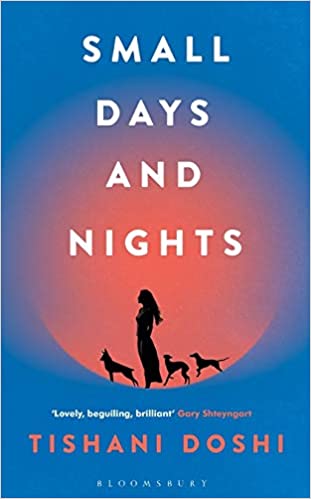
Tishani Doshi
It is understandable that Tishani Doshi as a poet would prefer to write slowly. But she extends the principle of slow writing to her prose works too, speaking of its value in a note at the end of her debut novel The Pleasure Seekers (2010).
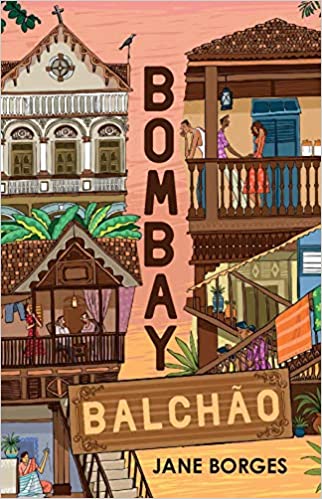
Jane Borges
2019
‘Each time you prepare the balchao masala, think of the person you want to feed it to. If it’s someone you dislike, you might end up being too liberal with your spices. If this person is somebody you love, you will be more careful, especially.
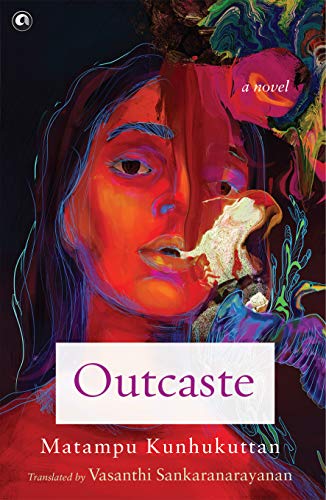
Matampu Kunhukuttan. Translated from the original Malayalam by Vasanthi Sankaranarayanan
The Malayalam novel, published in 1969, was based on the 1905 trial for excommunication of a high-born Namboodiri Brahmin woman (antharjanam) named Thatri from the Namboodiri homestead(illam) called Kuriyedathu and her sixty-four paramours.
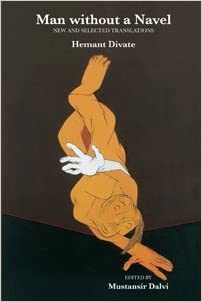
Hemant Divate/Mustansir Dalvi/Bina Sarkar Ellias/Reshma Ruia
A whole line whose meaning is backed by no experience may crash upon me.
The temporalities of one’s life are divided into past, present and the future. In living towards one’s future, there is always the far end that remains at the back of one’s mind—death.
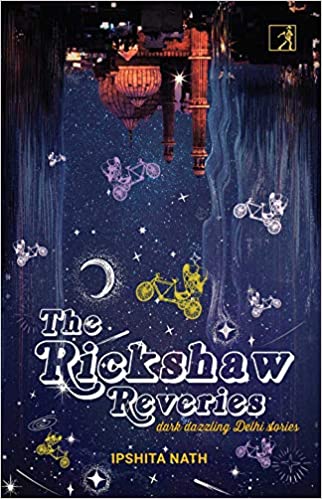
Ipshita Nath
Hold tight. The rickshaw ride could turn unruly as it meanders through the underbelly of an unlikely city that undervalues the compulsive human-driven commuting that crisscrosses its bye lanes. Ipshita Nath’s debut of dozen stories of rickshaw rides.
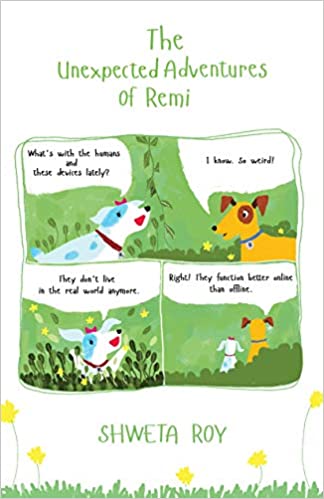
Shweta Roy. Illustrations by Atish. Cover Design by Ambika Karandikar/Sudha Murty. Illustrations by Priyankar Gupta
The first book under review has an intriguing cover featuring two dogs who are puzzled by their owners’ addiction to their phones and laptops. One of the dogs, a fox-terrier named Remi wonders, ‘What’s with the humans and these devices lately? … they don’t live.
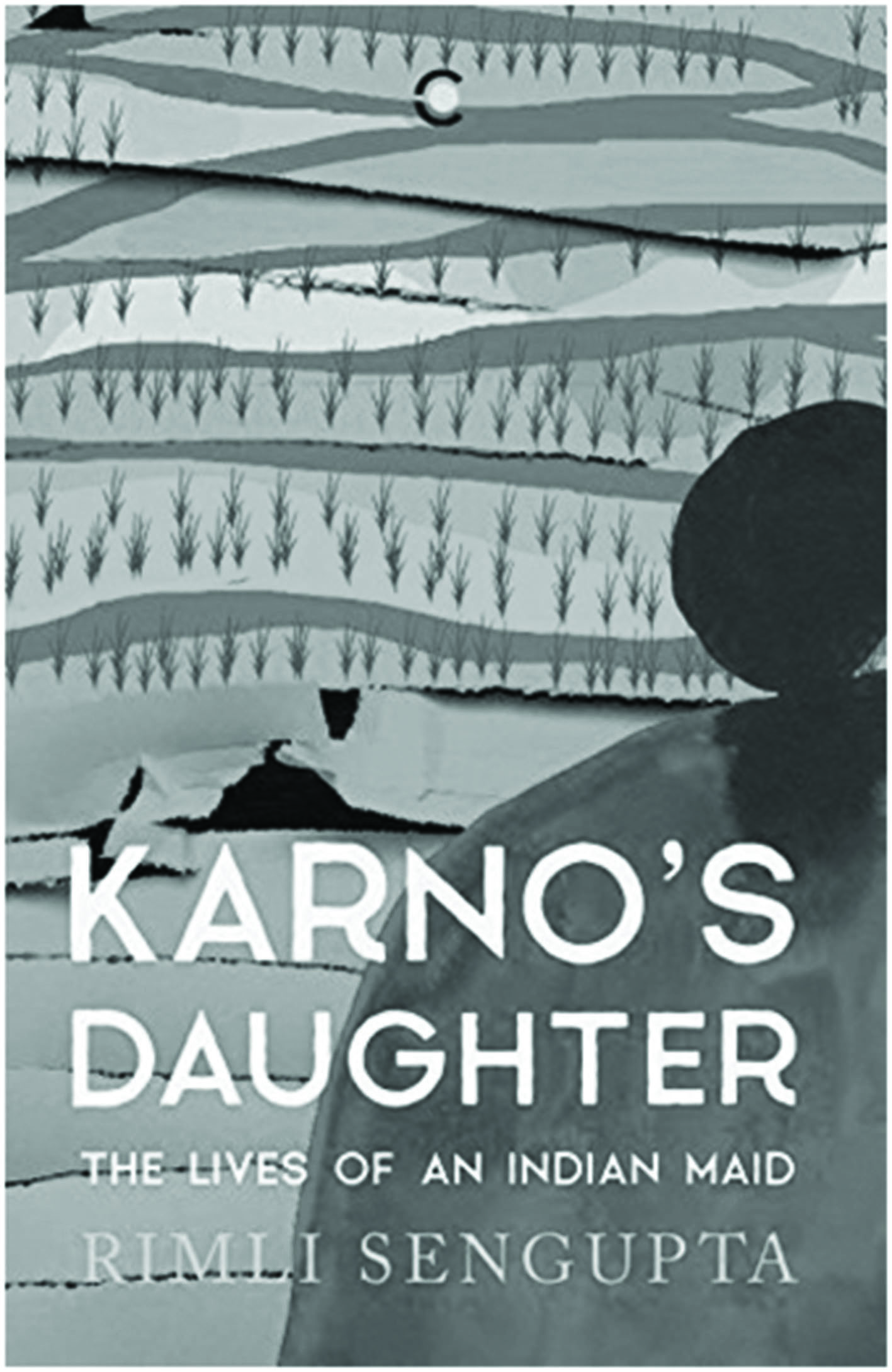
Rimli Sengupta
When in doubt of your mettle, Rimli Gupta’s book, Karno’s Daughter makes for a good litmus test. If you feel exhausted on reading it, you are a wimp, but if the trials and tribulations of Buttermilk the protagonist buoy you, there is hope for you.
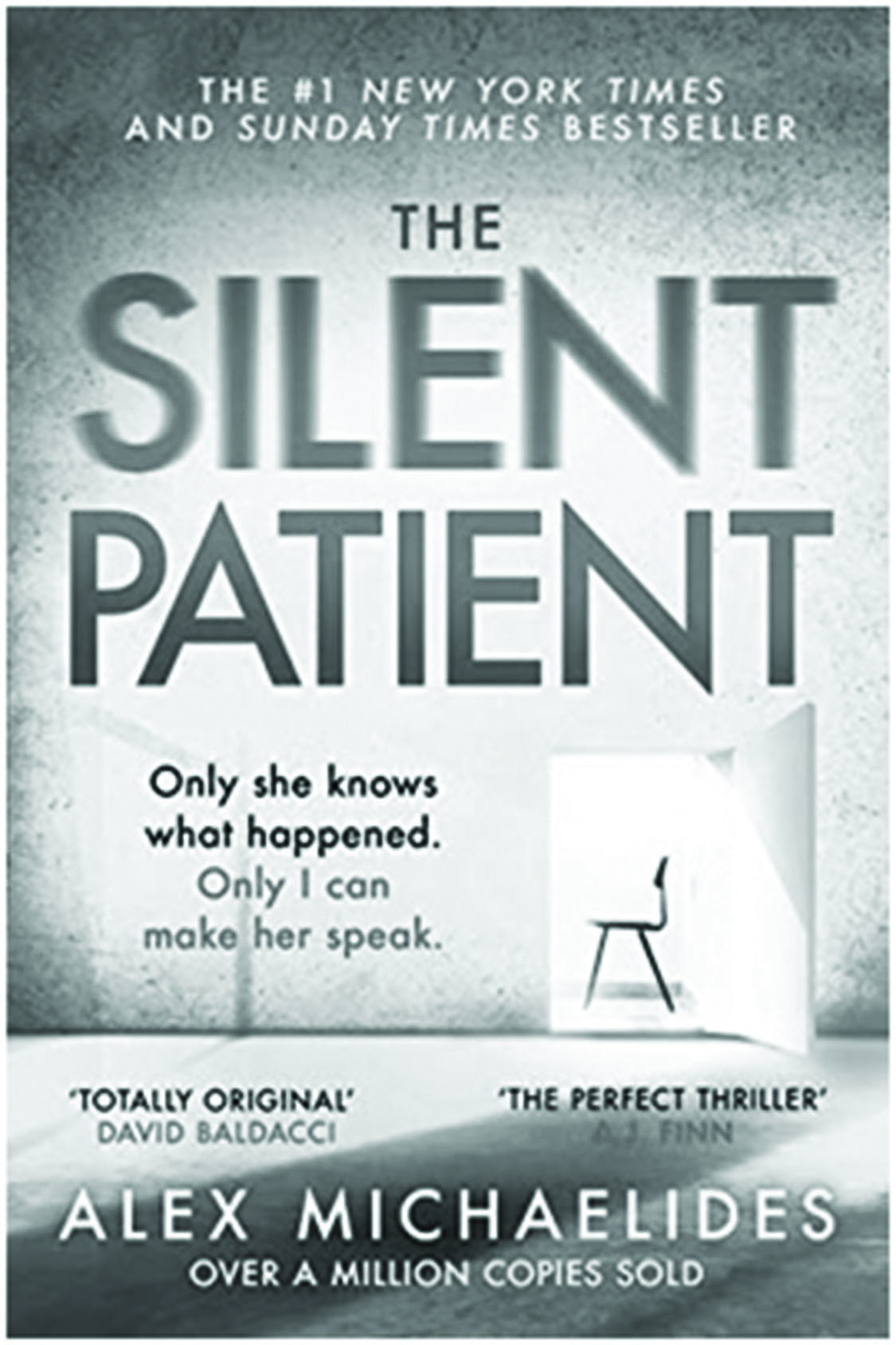
Alex Michaelides
Have I died and gone to Heaven,’ I wondered. ‘I have been asked to review a detective novel my most favourite reading nowadays!’ And what a novel at that! The first book published by the author, it tells a gripping story in the manner of …no, no.
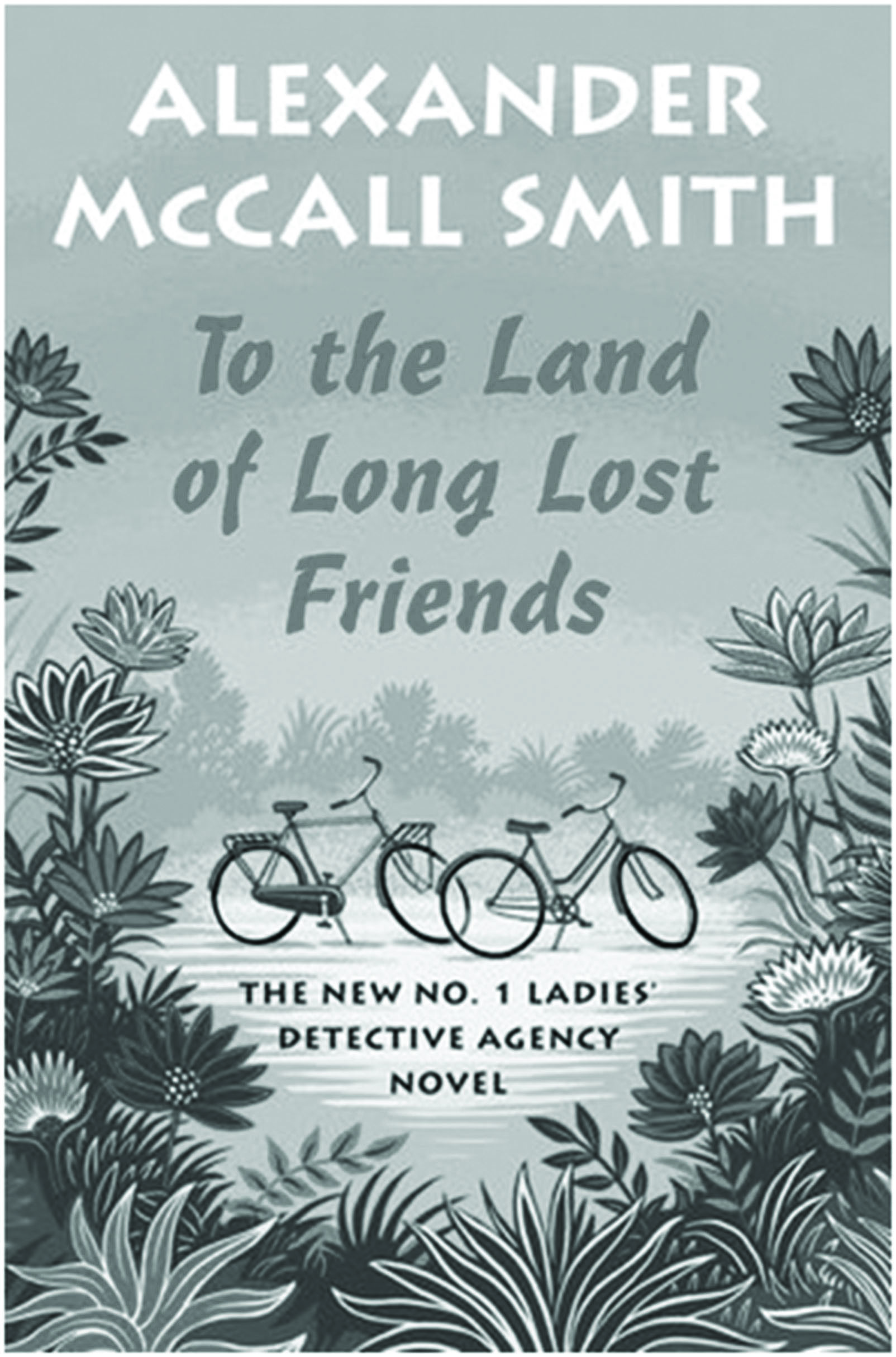
Alexander McCall Smith
There are not many fictional characters that acquire lives of their own. Sherlock Holmes comes to mind, as do Rumpole of the Old Bailey, Don Quixote, Cyrano de Bergerac and the inimitable Jeeves. The most recent entrant to this exalted and much-loved hall.
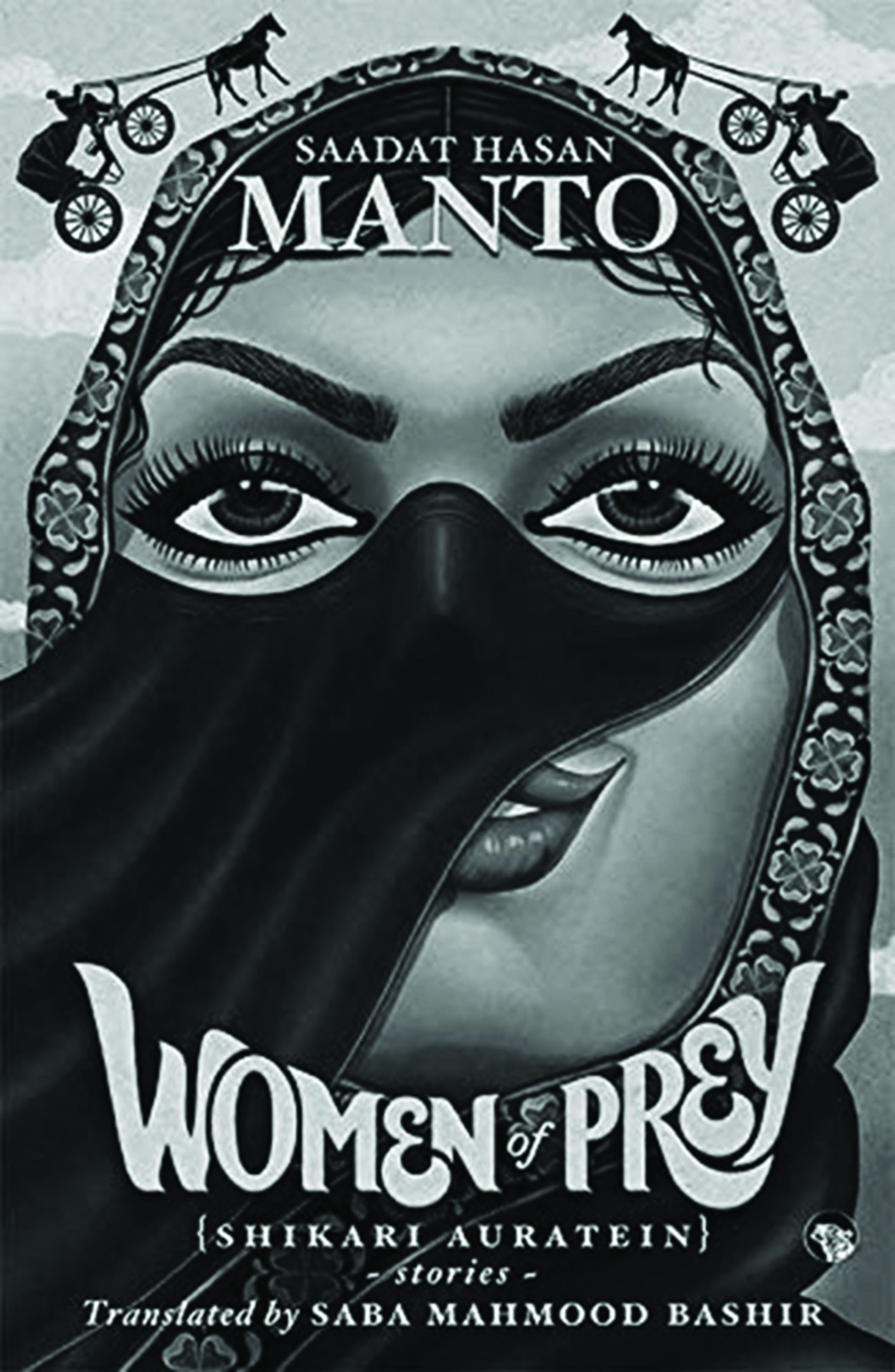
Saadat Hasan Manto
Capitalized SAADAT HASAN MANTO, printed against strands of jet black hair that have escaped the floral edge of a burqa, which reveals more than it conceals; arched eyebrows, large and thickly kohl-lined eyes, the partial tantalizing glimpse of painted lips.
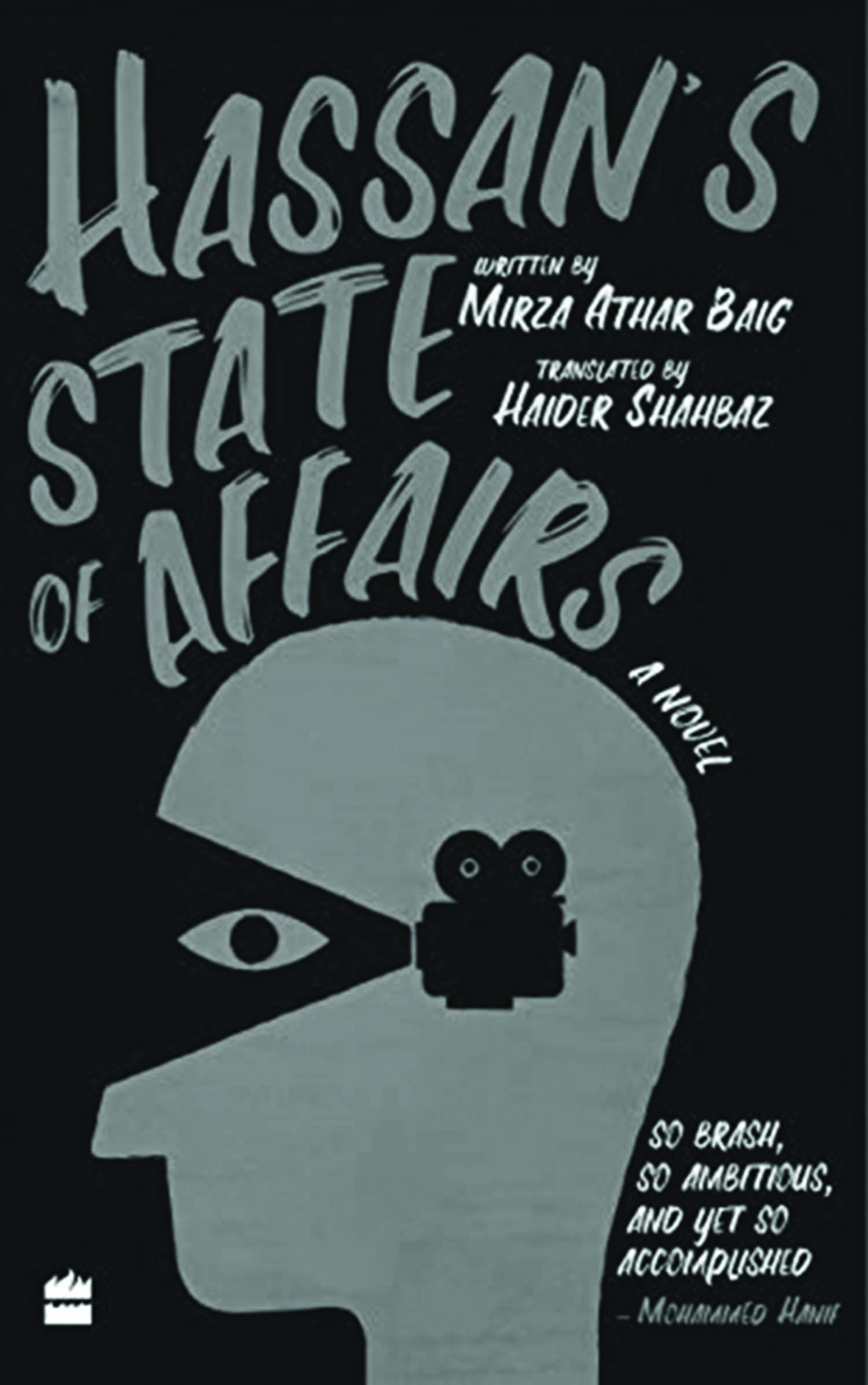
Mirza Athar Baig
Urdu fiction is mostly known for its realist, humanist approach. Even in its most experimental incarnations, Urdu writers did not make any radical break from the modernist aesthetics. Mirza Athar Baig, a revolutionary in this sense, has been hailed as a pathbreaker who with each.
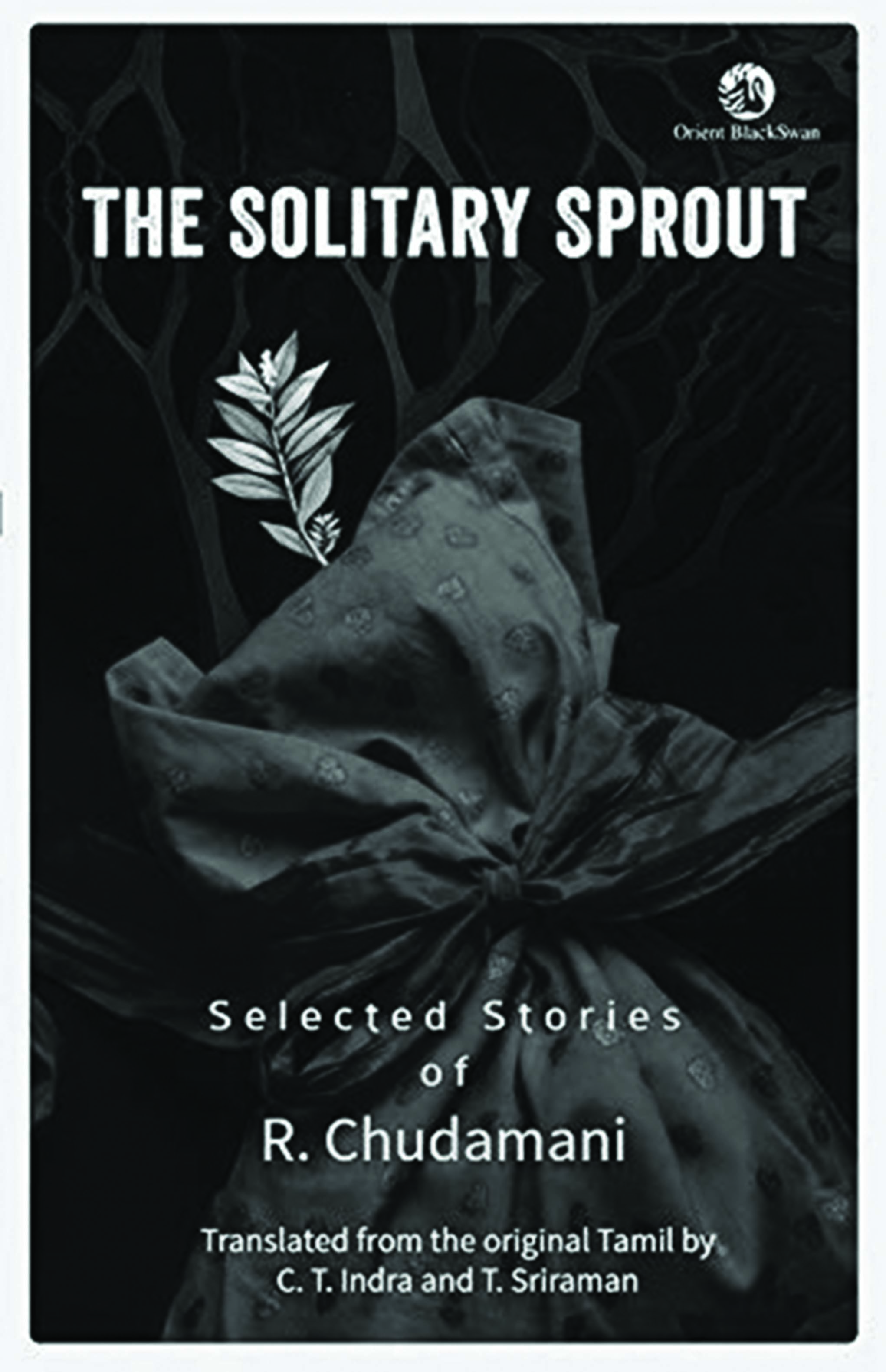
C. T. Indra and T. Sriraman
The Solitary Sprout is a treat to read. This will come as no surprise to those familiar with Chudamani’s books. Like the others, this book contains no violence or sex, preaches no doctrine, upholds no morals……just twenty simple tales of the everyday life of mostly Tamilian families.
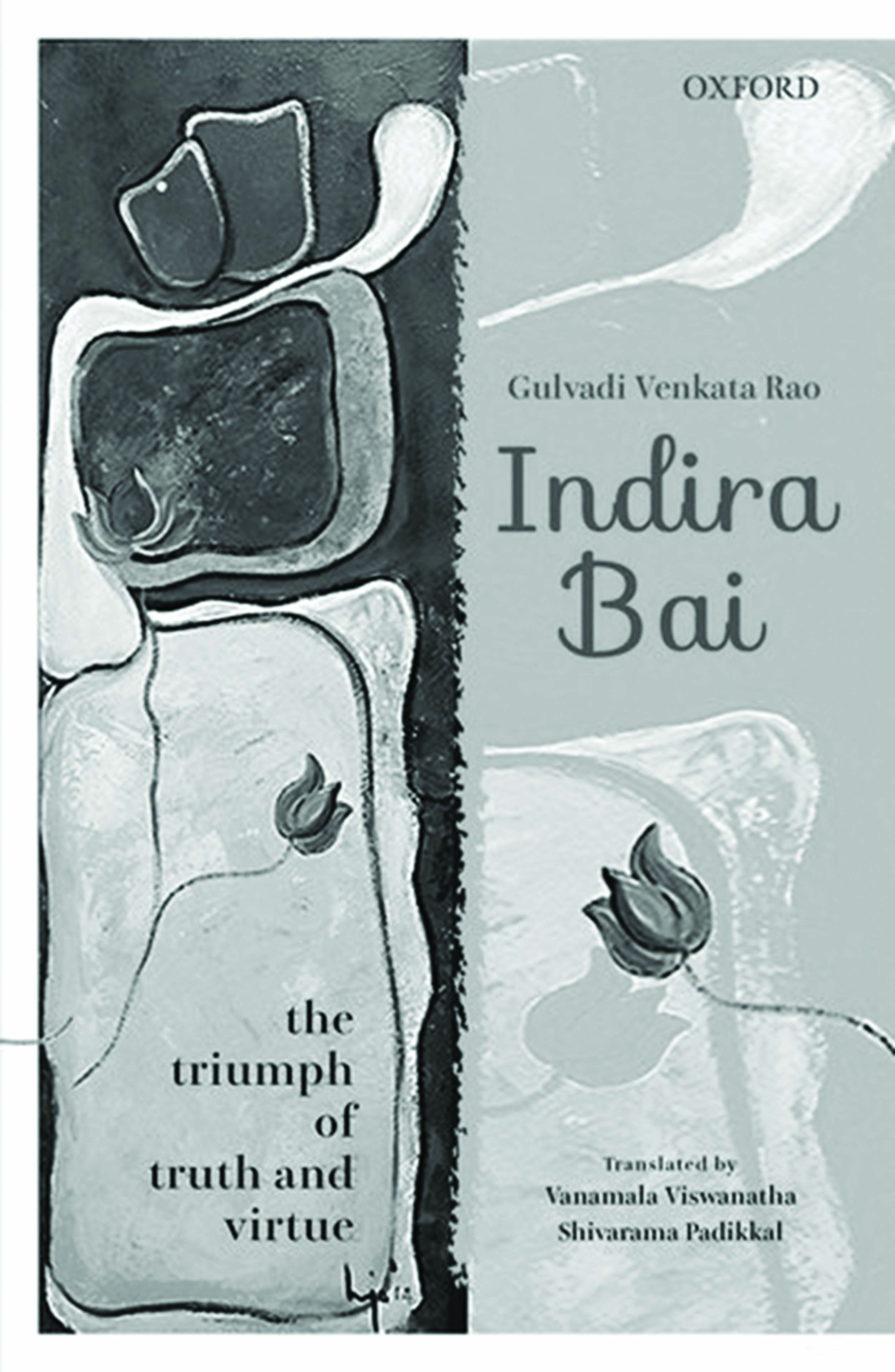
Gulvadi Venkata Rao
The first Kannada novel, Indira Bai or The Triumph of Truth and Virtue, has been recently translated into English, for the second time, by Vanamala Viswanatha and Shivarama Padikkal. Originally published by the Basel Mission Press, Mangalore, in 1899 the novel was first translated into English.
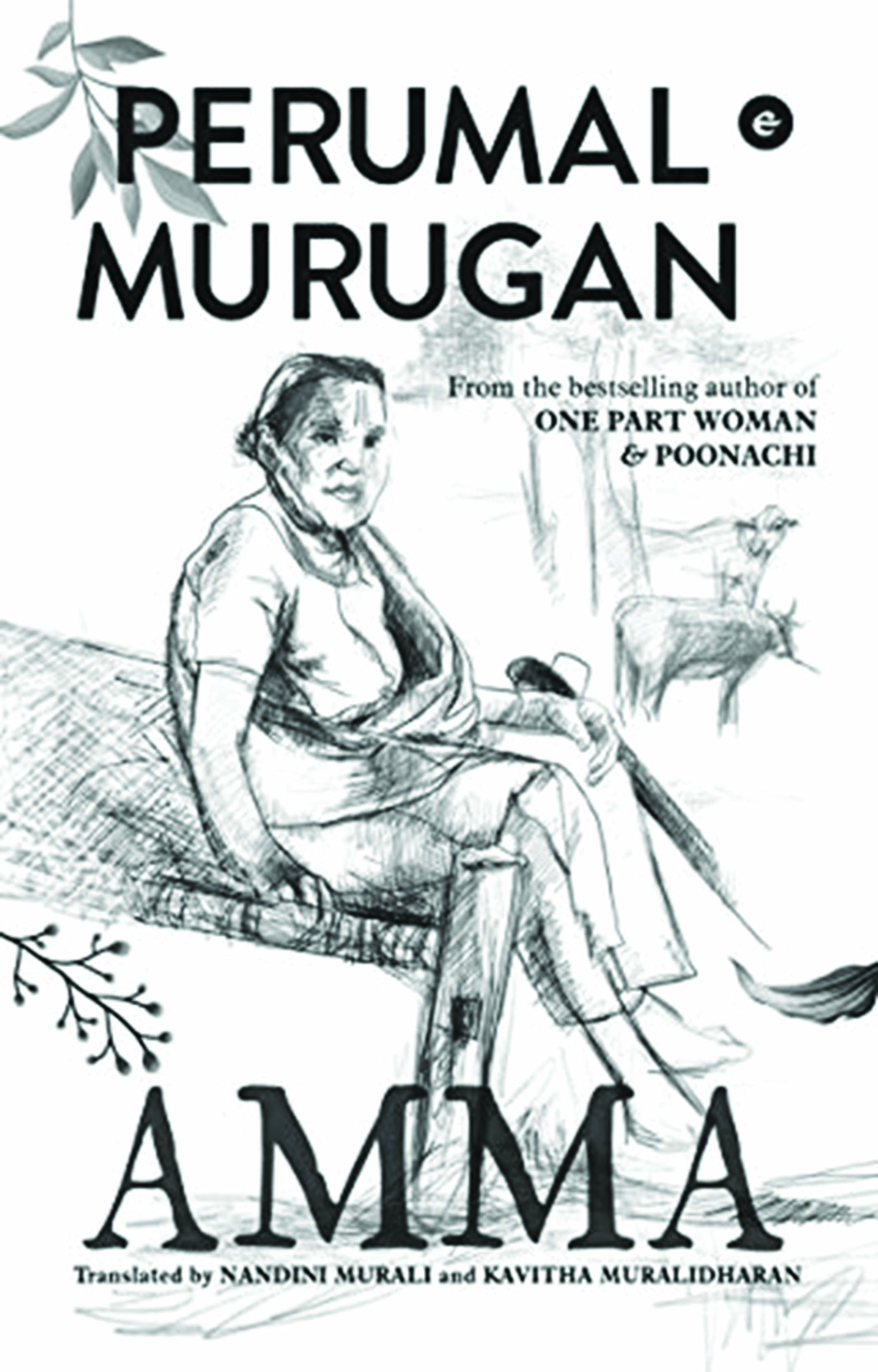
Perumal Murugan
2019
‘I was my mother’s boy.’ ‘Amma took this shy, introverted child by hand and pushed him out into the world.’‘I was forty-six the year Amma died. Even today, I inhabit the world she created in those forty-six years with me.’
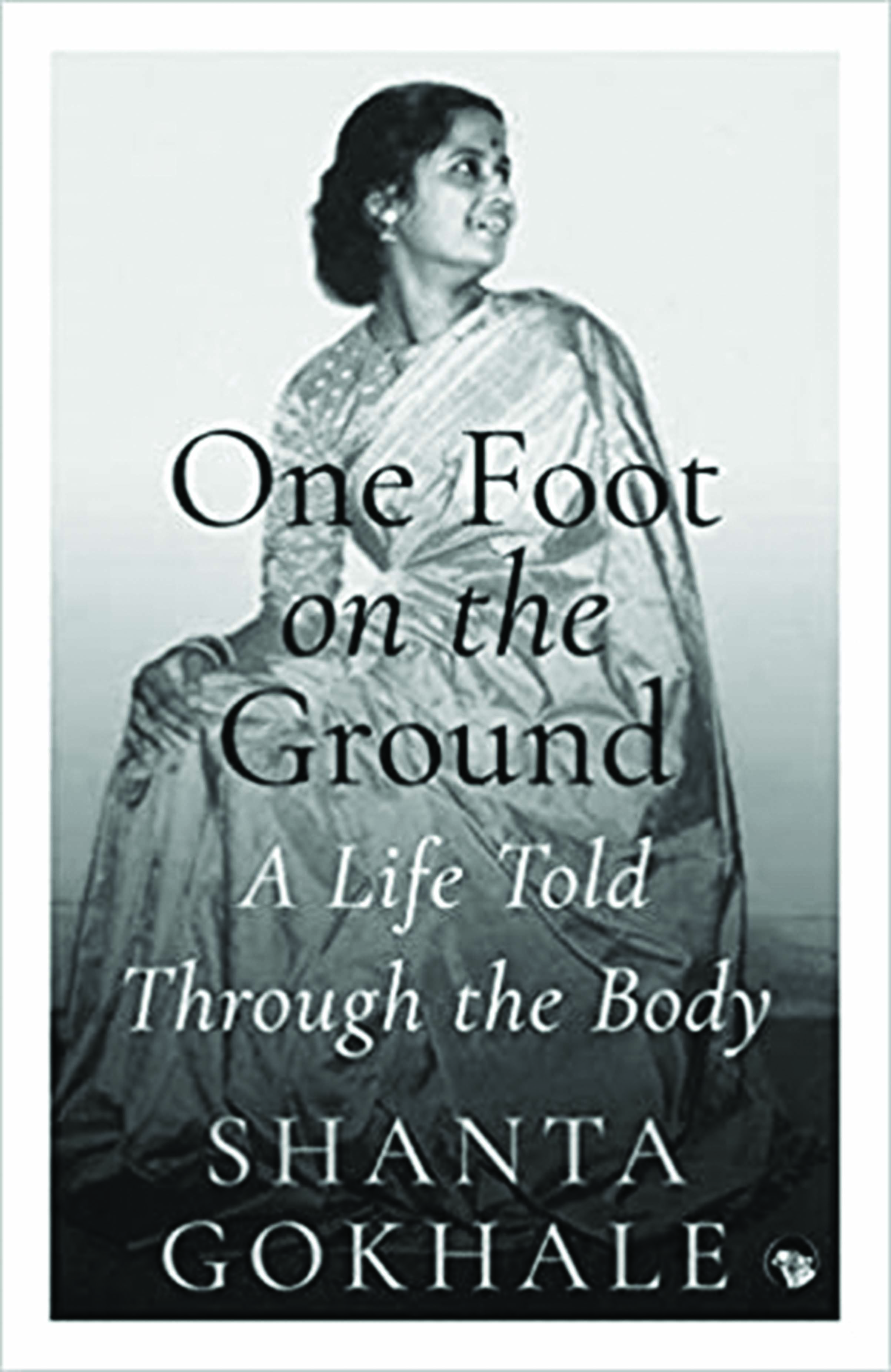
Shanta Gokhale
In November 2019, the Tata Literature Live Festival, held in Mumbai, conferred a lifetime achievement award upon Shanta Gokhale, recognizing and acknowledging her long and distinguished career. Reading her delightful memoir, we can understand.