
Fiction
Amit Dasgupta
Lockdown. Isolation. Social distancing. Cases. PPE. These are but fragments of the vocabulary that have entered our lives with the onset of the pandemic. Now that ‘the new normal’ has been set and the countless deaths slowly become cold numbers that we scroll past on .
Githa Hariharan
Can the centuries old song of a humble washerman, Chikkiah, speak to us in contemporary India today? If that song could be heard today, how would we comprehend the world which shaped the song? Would we hear the echo of Chikkiah’s struggle for freedom and be able.
Kalpish Ratna
Synapse: Ratan Oak Stories is my first encounter with the fictional world of Kalpish Ratna, about whom frankly I knew nothing before this book came to me. Their works ‘explore the interface between science and humanities’. Ratan Oak and Ramratan Oak, his grandfather.
Manreet Sodhi Someshwar
In July 1947 an accomplished lawyer from England made his first, and only, visit to India. When he left after five weeks he left behind a boundary line which created two new countries. The Partition would result in the largest communal massacre and human migration.
Mathangi Subramanian
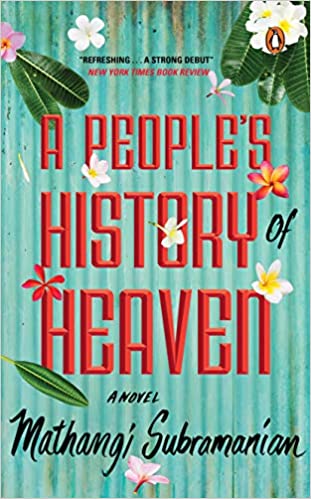
When I began reading this novel, I realized the novel gave access to its readers into the lives of those living in the slums of Bangalore. Two books that I had read years before, came to my mind: Shantaram, a 2003 novel by Gregory David Roberts that depicted.
Anamika
Reading Anamika is like getting back to a world of memories, fun filled laughter, aspirations of a young adolescent female who enjoyed being in the company of trees and streets, books and beats. Anamika is a recipient of several literary awards like the Kedar Samman in 2007.
Hrishikesh Sulabh
2019
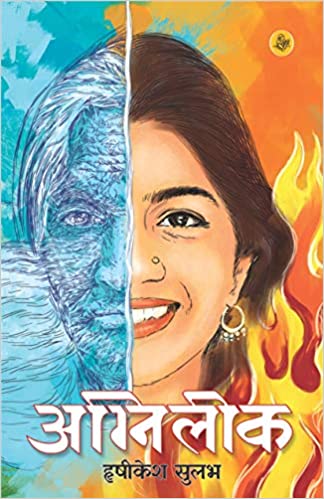
Many novels portray changes which have occurred in different periods and their impact on the lives of various sections of society. The novel Maila Aanchal by Phanishwar Nath ‘Renu’, for example, depicts the changes in grassroots politics, contestation of moral values…
Bhalchandra Joshi
2019
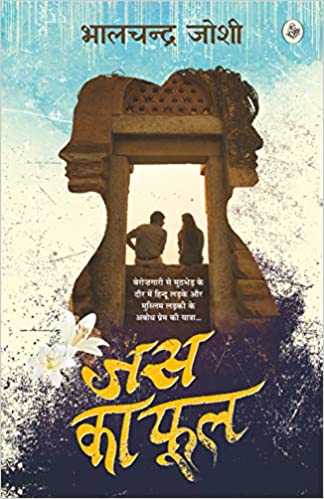
Bhalchandra Joshi’s Hindi novel Jas Ka Phool (2019) addresses the contemporary shifts in India, particularly linked to the issues of communal conflicts and urban imagination, which are incessantly reproducing/negotiating/challenging narratives.
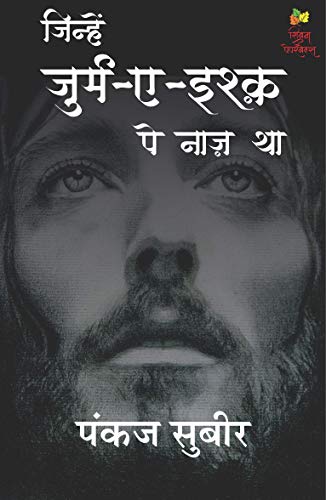
Pankaj Subeer
Pankaj Subeer’s novel Jinhe Jurm-e-Ishq pe Naaz Tha is a colossal project that seeks to set right the religio-cultural, political and historical violations of the last five thousand years of human civilization. The novel centres on the narrative of Rameshwar.
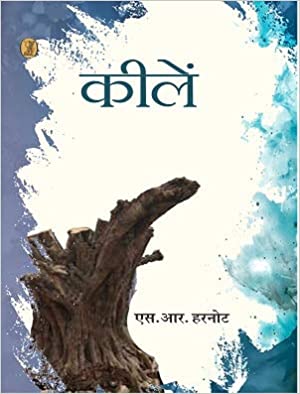
Vani Prakashan
2019
Keelein (Nails), a collection of short stories, reaffirms SR Harnot’s merit as an important literary and political voice from Himachal Pradesh. Deeply rooted in the contemporary milieu, the collection brings together one previously unpublished story and six stories.
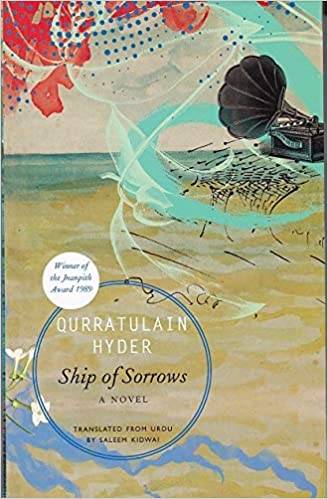
Qurratulain Hyder. Translated from the original Urdu by Saleem Kidwai
Ship of Sorrows is the English translation of Qurratulain Hyder’s second novel, Safinae Ghame Dil (1952) written during the tumultuous years in Pakistan immediately following the Partition of the country. It is regarded as a sequel to her first novel, Mere Bhi Sanamkhane written.
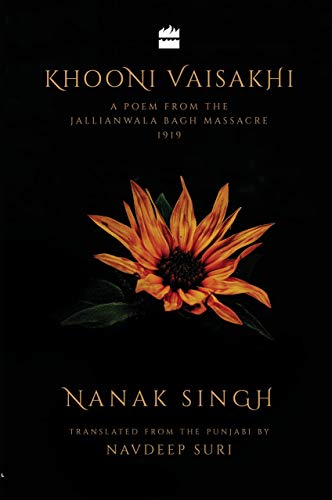
Nanak Singh. Translated from the original Punjabi by Navdeep Suri
Writers and poets have always taken note of history. Sometimes, when history is exceptionally brutal and bloody, the poet may fall silent but the prose writer is compelled to pick up his pen, and sometimes it is the reverse. Some events shake the conscience of thinking.
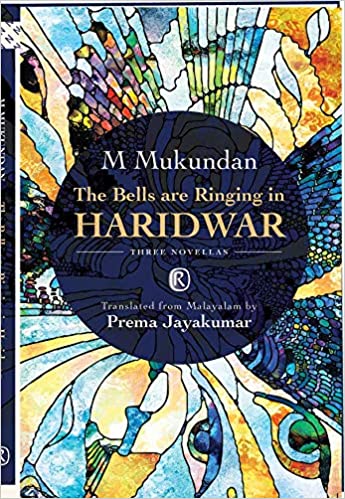
M. Mukundan. Translated from the original Malayalam by Prema Jayakumar
Mukundan’s latest offering in translation is a collection of three novellas—the eponymous long novella and two short ones. But these are not new stories; on the contrary they are pretty old ones written in the late 1960s and early 70s. They have been introduced to the English reading public some fifty years later in an interesting translation by Prema Jayakumar.
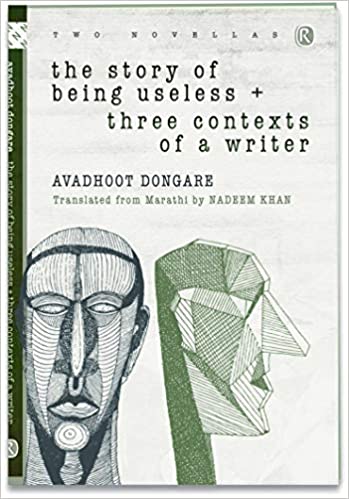
Avadhoot Dongare. Translated from the original Marathi by Nadeem Khan
The story of being useless + three contexts of a writer is a translation of two Marathi novellas by a young writer, Avadhoot Dongare.
Nadeem Khan who has translated these two novellas into English needs to be congratulated on his choice of the texts as they introduce the readers of English translations of regional.
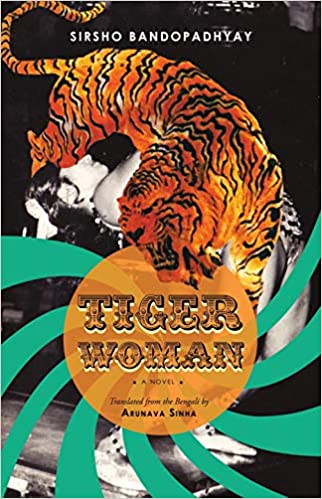
Sirsho Bandopadhyay. Translated from the original Bengali by Arunava Sinha
2019
Few historical epochs of India have drawn as much attention as nineteenth century Bengal. Hailed as the time of birth and growth of Bengali nabajagaran or ‘renaissance’, the period (extending until early twentieth century) unceasingly reminds us, and the Bengalis.
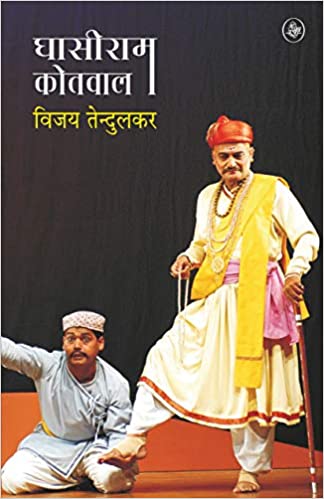
Vijay Tendulkar. Translated from the original Marathi by Dr Damodar Khadse
2019
The accepted wisdom about Vijay Tendulkar’s plays is that they are about power and violence. Well, are they? Think of his ‘violent’ protagonists—Sakharam (in Sakharam Binder), Ramakant (Gidhade), Ghashiram (Ghashiram Kotwal), Benare’s prosecutors (Shantata! Court Chalu Ahe).
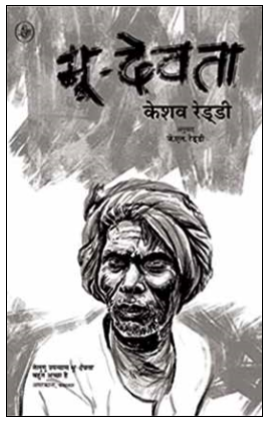
Keshav Reddy. Translated from the original Telugu by J.L. Reddy
As lecturers and critics, we routinely perform the delicate task of establishing and reinforcing the boundaries which mark our disciplinary engagements. What, for instance, is life writing as opposed to bildsungroman? At which stage do novellas become novels? What distinguishes.
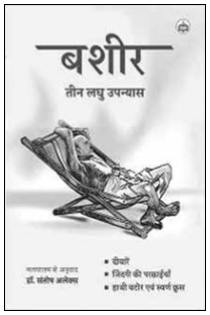
Dr. Santosh Alex
From the very beginning, Vaikom Muhammad Basheer’s writing grips you. The very first story in the collection declares itself as a love story. Not only that, the narrator of this story does so by directly asking the readers a simple question: ‘Aap logon mein kisi ne Deewaarein.
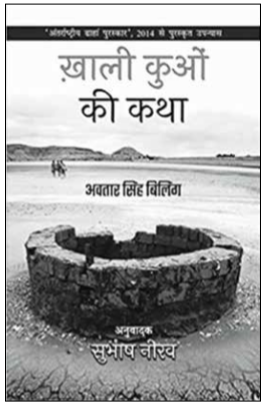
Avtar Singh Billing. Translated from the original Punjabi by Subhash Neerav
An ardent Punjabi, having lived all my life outside of the Punjab, I am delighted to have been given such an evocative tour de force in Avtar Singh Billing’s novel Khali Kuon ki Katha. This book is my first experience of having effectively entered into rural Punjab.
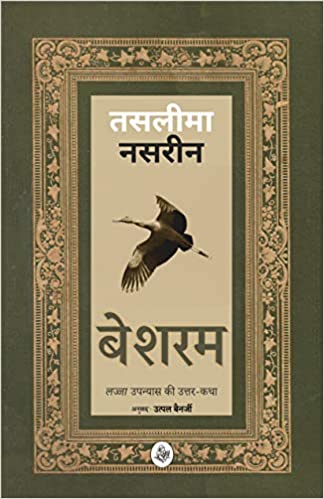
Taslima Nasrin. Translated from the original Bengali by Utpal Banerjee
When the characters the author weaves in Lajja take a shape of their own in the sequel, readers are taken into a journey beyond the political realm of Lajja to the social and emotional realms. Besharam takes the story of Lajja forward in a way where the author delves.