
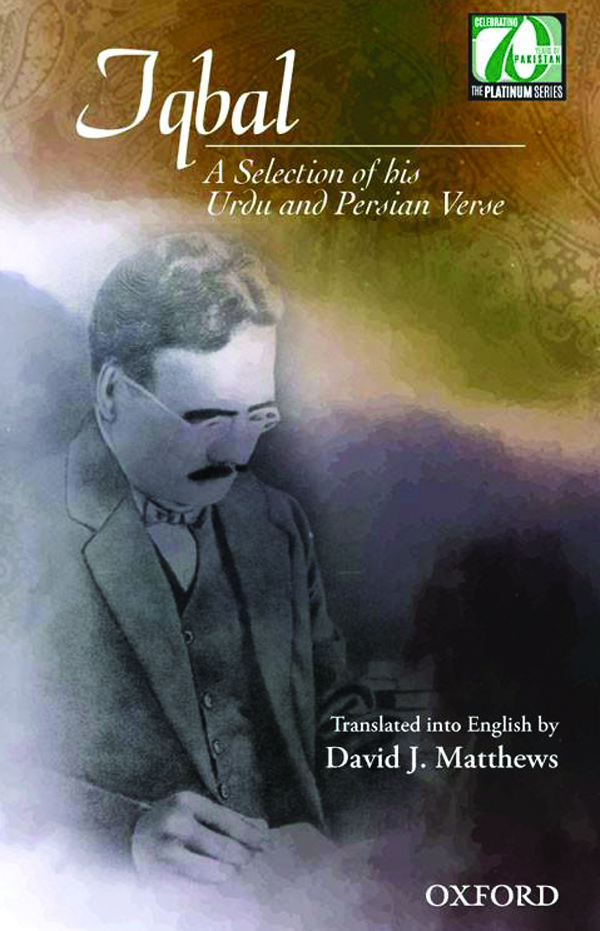
Urdu by David J. Matthews
David J. Matthews’s translation of the Urdu and Persian verses by Iqbal opens up a world of ideas and events that Iqbal has witnessed/thought about in his works. The text of each poem included in this book is followed by a brief commentary to showcase the historical and the literary context.
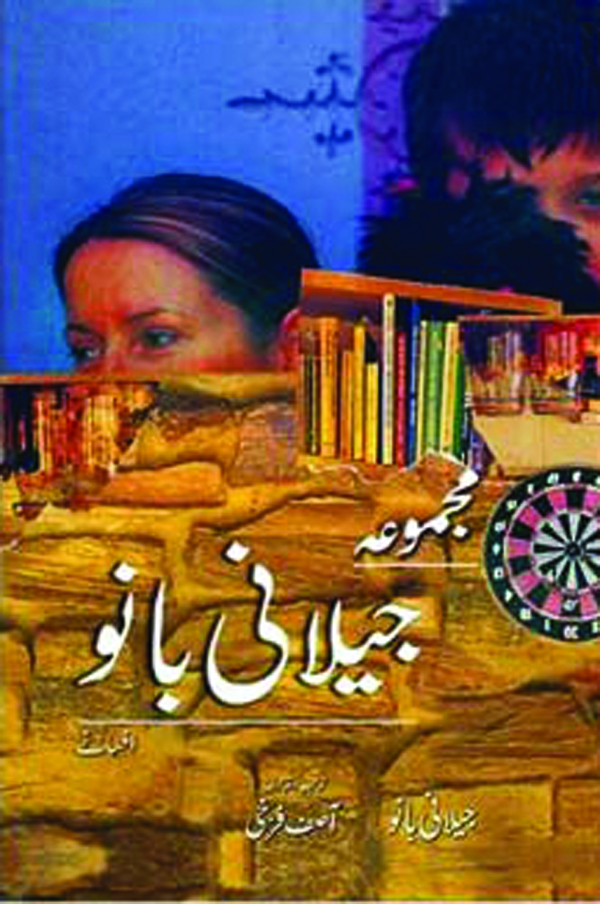
Asif Farrukhi
Majmua-e-Jeelani Bano (2017) is a compilation of short stories and letters of Jeelani Bano, one of the important literary voices of Urdu literature of the twentieth century. A recipient of Padma Shri, the highest civilian award, Bano has about 22 books to her credit and has dabbled in varied genres from short story to novel, stories for children and writing for television.
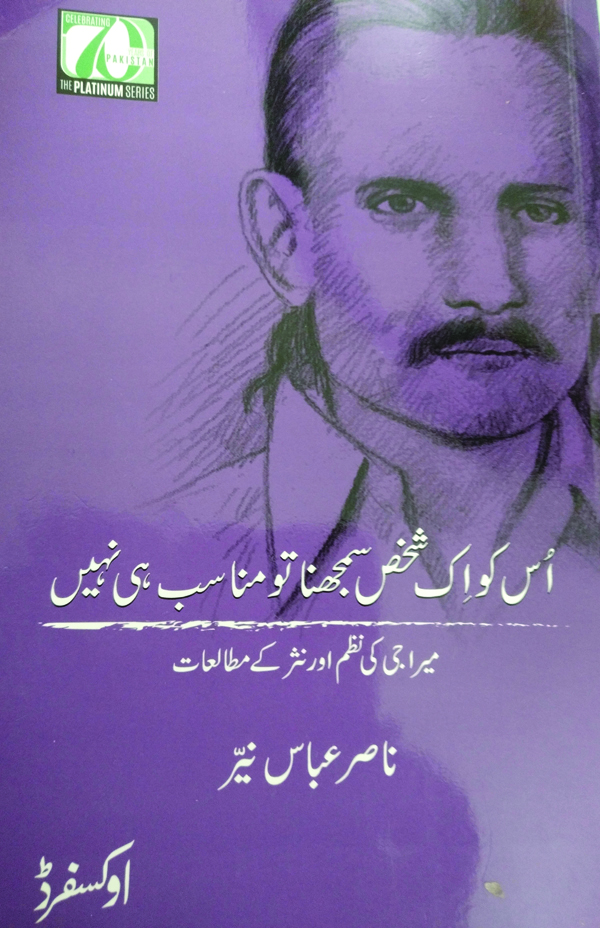
Geeta Patel
With the title, Nasir Abbas Nayyar throws a gauntlet in front of readers—it is not appropriate to think of him, Miraji, as a person, an individual, a shakhs. Nayyar qualifies this statement with the subtitle: readings of Miraji’s poetry and prose.

Intizar Hussain
Is newspaper column an art or science? Probably a column doesn’t fall in either of these two categories that have been traditionally in vogue to define diverse, though not antagonist, serious productions of the human mind.
Naiyer Masud
Naiyer Masud’s short stories bring to mind the writings of mavericks like Haruki Murakami, Jose Saramago, Franz Kafka, Edgar Allen Poe, Robert Walser, Jorge Luis Borges and many more. However, he carves out a separate place for himself within the literary oeuvre.
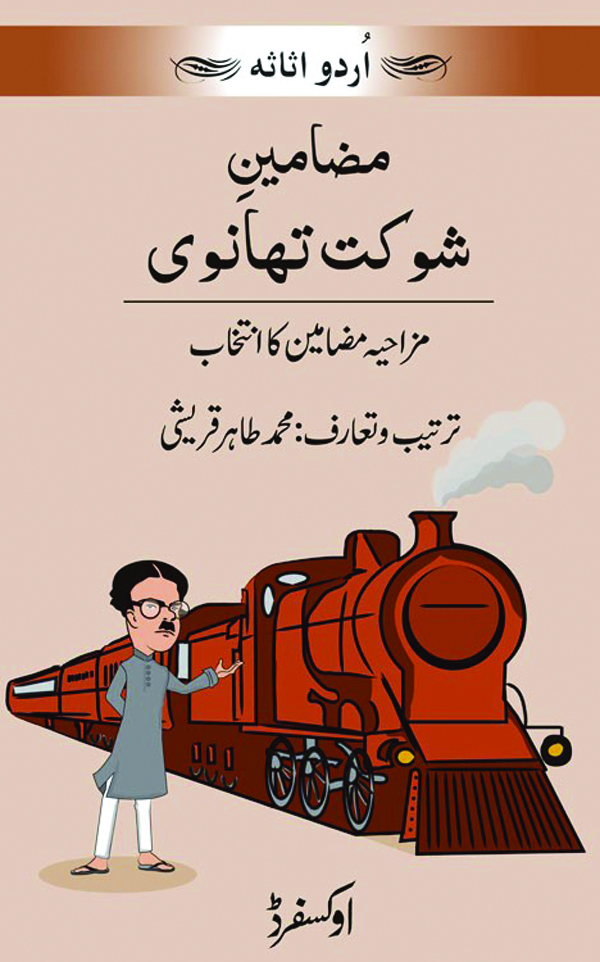
Mohammad Tahir Qureshi
Mark Twain is believed to have said, ‘Humanity has unquestionably one really effective weapon—laughter. Power, money, persuasion, supplication, persecution—these can lift at a colossal humbug, push it a little, weaken it a little, century by century, but only humour can blow it to rags and atoms at a blast. Against the assault of laughter nothing can stand.’
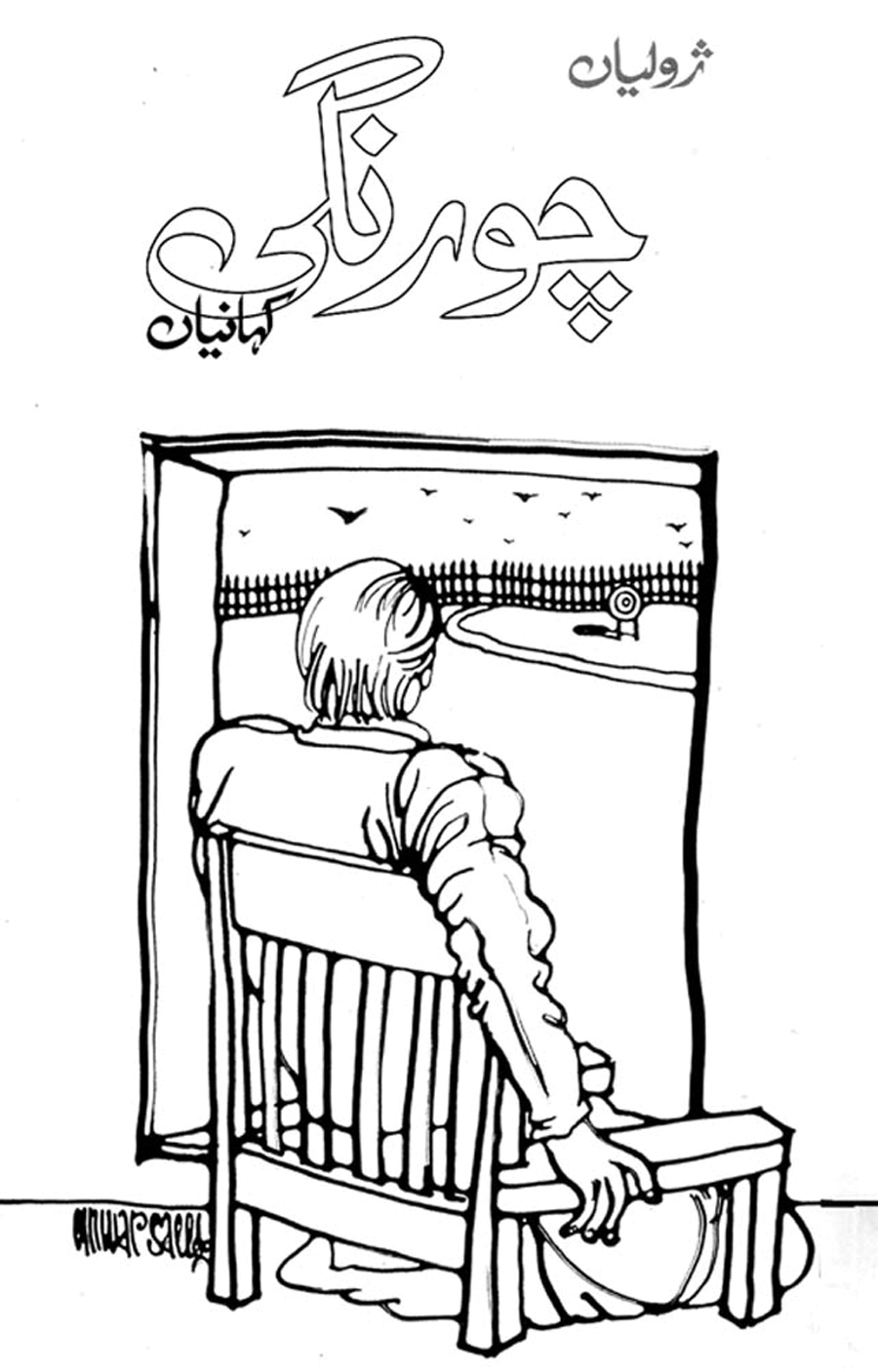
Julien Columeau
2017
Julien Columeau has been critically praised for the elasticity he brings to his adopted language through his narrative style and content. Though his stories are first written in French, his natural language, he finds it similar to a Baroque painter’s exercise to transfer them to Urdu and in this translation, he recreates and rewrites his stories.
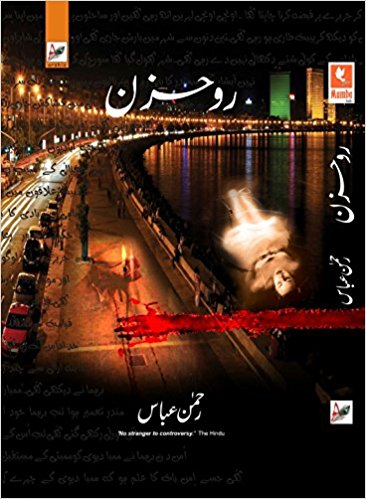
Rahman Abbas
A book of eight chapters, Rohzin or The Melancholy of the Soul, by Rahman Abbas is a veritable feast for the mind. In Urdu ‘rohzin’ is a word that the author coins to signify the souls of people hurt by witnessing the betrayal of their parents with their partners.
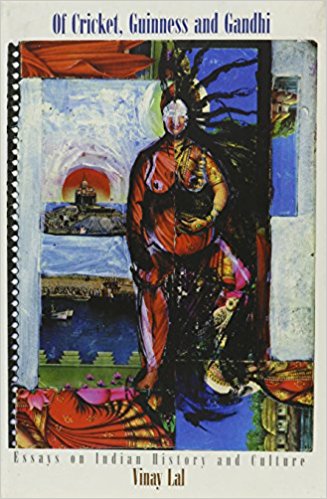
Vinay Lal
This is a book that raises interesting ques- tions. As for example, why do so many Indians try to enter the eccentric world of the Guinness Book of Records? It is after all an intriguing and bewildering fact that so many Indians try to establish world records in the zaniest of categories every year.
Syed Muhammad Ashraf
As a child I used to be fascinated by the street magicians (madåri) in my hometown of Kasganj, Uttar Pradesh. At the sound of their dugdugi drum I was pulled like all the neighbourhood children to watch the show. The magician would sit down, put his hand into his bag of tricks and say, ‘I have something amazing to show you…’
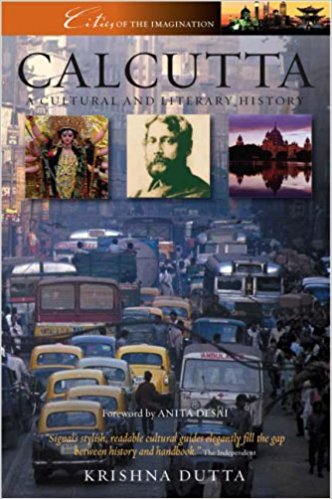
Krishna Dutta
The title of this book reminded me of a conversation I had over kathis in Nizam, New Market, one evening with a non-Bengali friend who loves Calcutta, knows about it as much as anyone else and would not exchange living in it for another. The city had just been renamed and my friend felt betrayed.
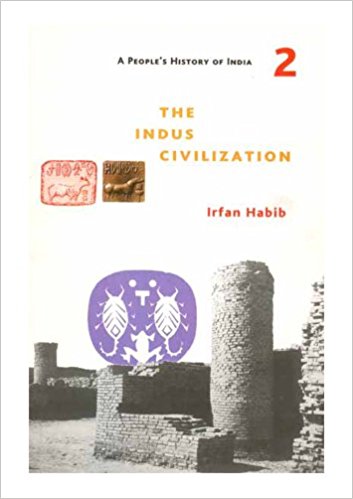
Irfan Habib
Sir John Marshall, then Director General of the Archaeological Survey of India, used the term ‘Indus civilization’ for the culture discovered at Harappa and Mohenjodaro, a term doubly apt because of the geographical context implied in the name ‘Indus’ and the presence of cities implied in the word ‘civilization’.
D. Mandal
Admittedly, archaeology cannot answer questions relating to faith, or questions such as whether Rama was an historical figure, or problems about locating his birthplace. However, archaeology can answer with a considerable degree of certainty, many questions about various past activities of people, for which material evidence is available.
Daud Kamal
Ahmad Nadeem Qasimi (1916–2006) was a major Pakistani poet (Jalal-o Jamal, Shola-i-Gul, Kisht-e Wafa, to name just a few), short story writer (Chaupal, Sannata, Kapaas Ka Phool and many more), and editor of many journals (Savera, Nuqoosh, Funoon, Adab-e Lateef). As one associated with the Progressive Writers Movement, who later distanced himself from it, Qasimi is acknowledged as a writer who portrayal liberal human values.
Shaheen Akhtar
This volume is an admirable effort on the part of the editors, translators and commentators to make visible the writings of early twentieth century Bengali Muslim women. The scale of the work is fairly ambitious since the writings of about fifteen women have been anthologized.
Surinder Singh and Ishwar Dayal Gaur
This is a book by historians for historians. This is not to deny the value of this collection of essays, which have come out of an academic seminar, but to state clearly wherein lies its quite significant value.
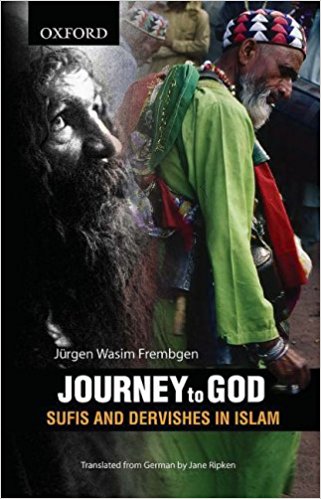
Jurgen Wasim Frembgen
When Jürgen Wasim Frembgen set out to write this book he knew he was attempting the impossible. He was aiming in one slim volume to describe the external practice of Sufis and dervishes throughout the world, and from the dawn of Islam to the present day.
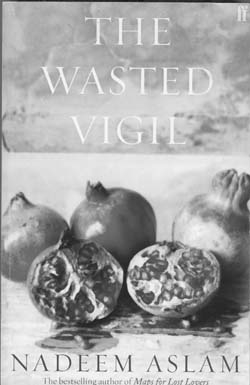
Nadeem Aslam
2009
V.S. Pritchett once remarked, tongue only partly in cheek, that boredom was the great resource of the English novelist. There are many ways of understanding this remark. But in one important sense, it may be understood as the cosy Northern equivalent of the Chinese curse—may you live in interesting times.
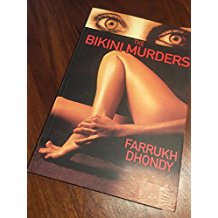
Farrukh Dhondy
‘Who is Johnson Thhat? And how has he managed to escape justice for so long, even when in jail?’ reads the intriguing blurb on the back of Farrukh Dhondy’s The Bikini Murders. The title itself hints at a potent combination of sex and violence, reinforced by a lurid picture of bare honey-hued legs and a pair of staring brown eyes. All designed to lure the unsuspecting reader just as the protagonist of the story did with innocent tourists.
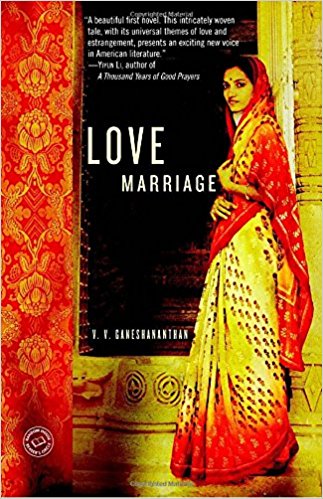
V.V. Ganeshananthan
2009
V.V. Ganeshananthan’s Love Marriage is a debut novel set against the circumstances of postcolonial Sri Lankan society, torn apart by ethnic conflict. I received my review copy at the time when the media was reporting on the ‘successful’ re-capture of Kilinochi by the Sri Lankan army from the hold of Tamil separatists, and the possibility of finally securing Prabhakaran, the elusive and enigmatic commander of the LTTE.