
Translations
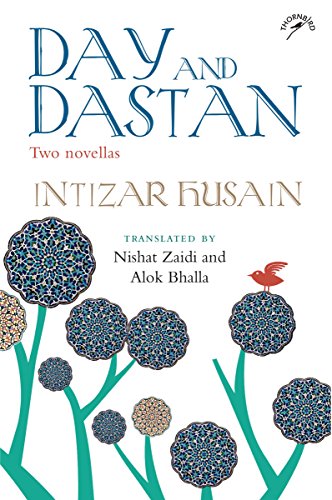
Intizar Husain
While reading Intizar Husain’s Din (Day) I am reminded of Pashemaani (Regret) by Ikramullah Khan. Both the novellas have two child protagonists each, through whose experiences an idyllic life is created, against which the violence and depravity of modern life is depicted. Of course, the way the two writers deal with the afterlife of Partition is different.
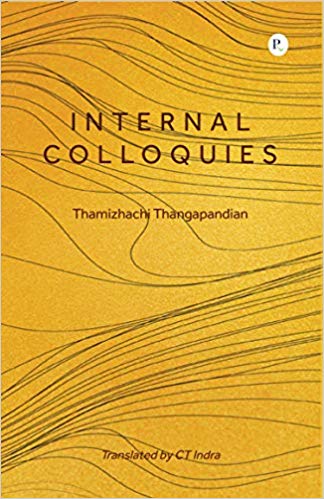
Thamizhachi Thangapandian
2019
Professor CT Indra has, over a period of time, evolved as a committed translator, covering a wide range of genres that include plays, novels and short stories. Internal Colloquies, a translation of selected poems from Thangapandian’s Vanapechi is, by her own admission, Indra’s ‘maiden attempt’ at translating poetry.
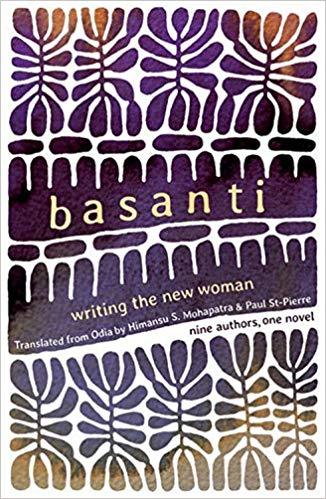
Annada Shankar Ray
Basanti, the protagonist of the novel is a misfit in conservative, pre-Independence rural Odisha not only because she reads and writes on her own choice, but also because she marries out of love a man not belonging to her own caste and in spite of confronting regular conflicts with her conservative mother-in law, manages to run a girls’ school in the village. Suppressing her liberated values, she sacrifices her life for the well-being of her new home ‘through sheer will power’
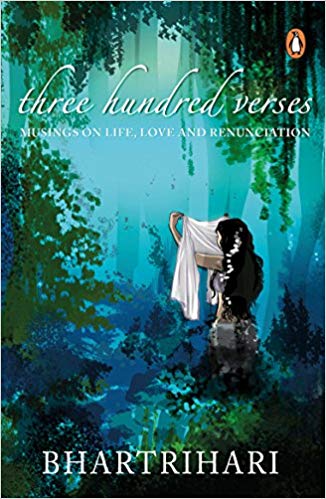
Bhartrihari
Two books translated by Haksar have been released in quick succession. They share something in common in that they both have been translated from Sanskrit into English. Otherwise they are different in perspective and context. One was Ritusamharam, reviewed recently* and the other is Three Hundred Verses, a translation of the famous Trishatakam by Bhartrihari.
Susheela Punitha
2018
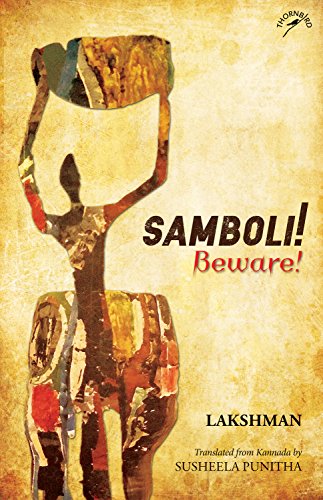
Samboli! This expression is not from yesterday or the day before; it is centuries old. Manu, the ancient law-giver, decreed that people belonging to any of the untouchable castes of this country had to hold a pole with jingling bells tied to one end and pound it on the ground at every step to make a sound jal-jal. They had to call out ‘Samboli! Samboli!’ This is the Samboli pole warning others of their presence.

Shirshendu Mukhopadhyay
Shirshendu Mukhopadhyay’s Goynar Baksho is a Bengali novel about the ghost of Pishima. Married at the age of seven, widowed at twelve, Pishima lives in three rooms of her paternal house and owns a jewellery box. The possession of this box after the sudden death of Pishima pushes the plot until the ghost of the dead Pishima forces the innocent newly-wedded bride, Somlata, to hide it in her room.