
Literature
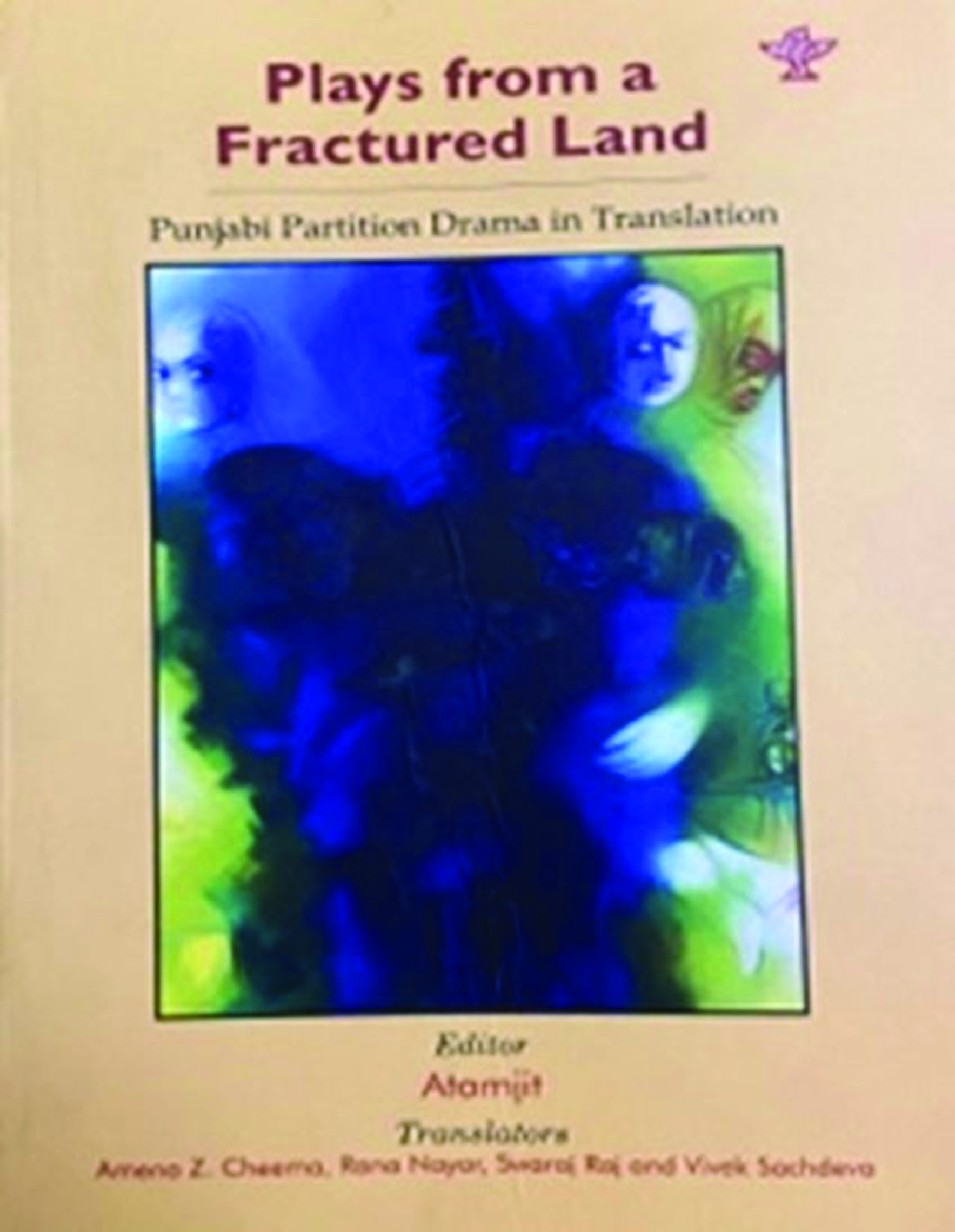
Atamjit. Translated from the original Urdu by Ameena Z. Cheema, Rana Nayar, Swaraj Raj and Vivek Sachdeva
Independent India, as a secular nation, was born in Partition. The legacy of this fracture continues to implode and explode the very idea and ideals of post-Independent India. Indian creative imagination has continuously engaged with the ever-changing trajectories of this fracture, especially communalism. Since Partition these creative responses, in fact, have evolved as a distinct sub-genre within Indian literature. While the initial creative responses to Partition were underlined by an emotive surcharge that oscillated between memory and forgetting, the lived and the thought, or the exigencies of traumatic immediacy and the demands of nation building, the later ‘re-visits’ have tended to be more ideological and analytical in their thrust and have increasingly focused on the protean character of the phenomenon.
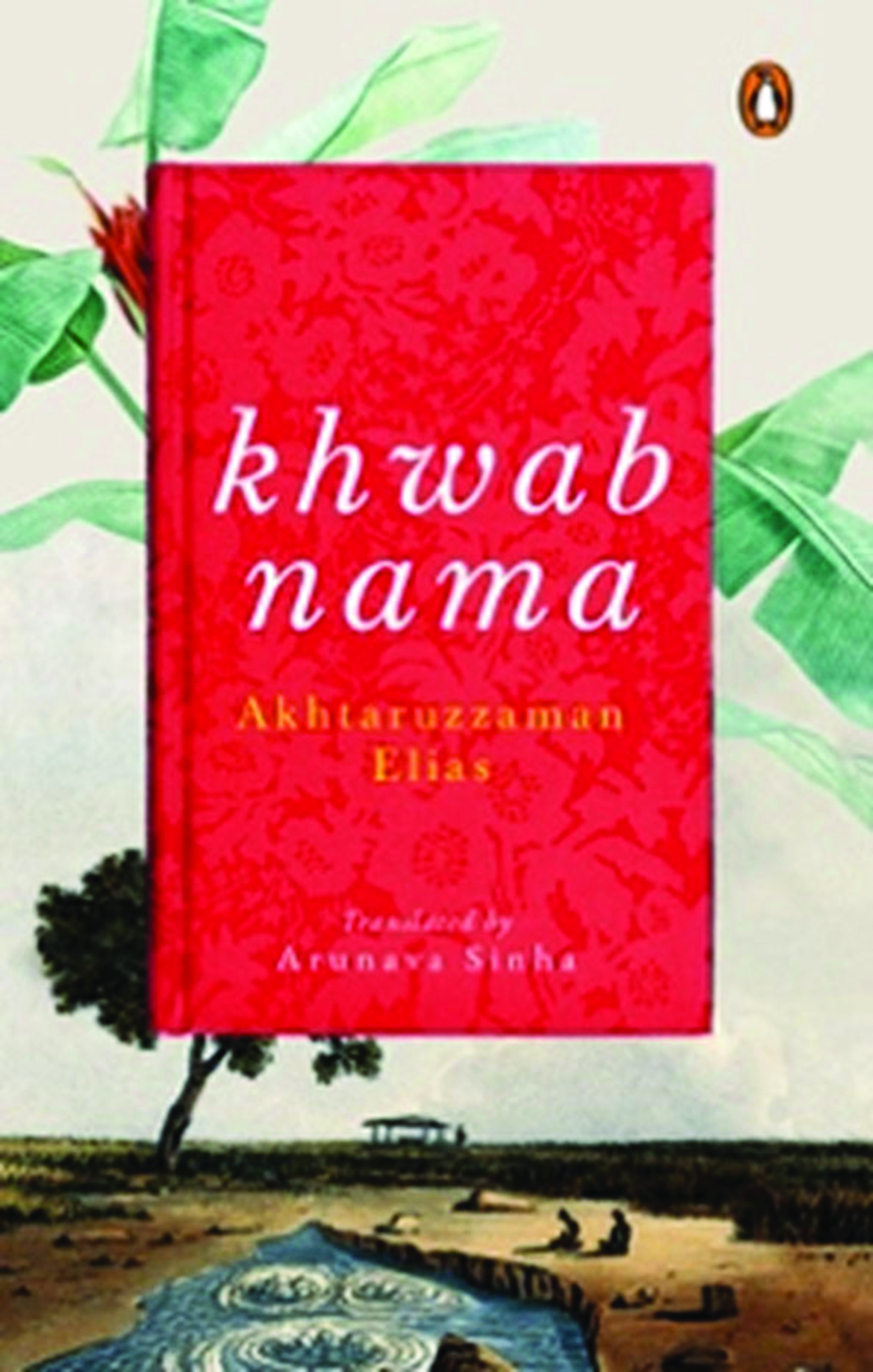
Akhtaruzzaman Elias Translated from the original Bangla by Arunava Sinha
2021
Some writers become legends in their own lifetime; respected and admired by their peers, loved by legions of readers despite a slender output. The Bangladeshi novelist and short story writer Akhtaruzzaman Elias is one such. He wrote just two novels and five collections of short stories and yet earned fulsome praise from fellow writers. Mahasweta Devi saying ‘I would have considered myself blessed if I could have achieved a fraction of his quality in my writing’ reminded me of the Urdu poet Mirza Ghalib saying that he would have happily given away his entire collection of poetry for this one sher by Momin Khan Momin: ‘Tum mere paas hotey ho goya/Jab koi doosra nahi hota.’
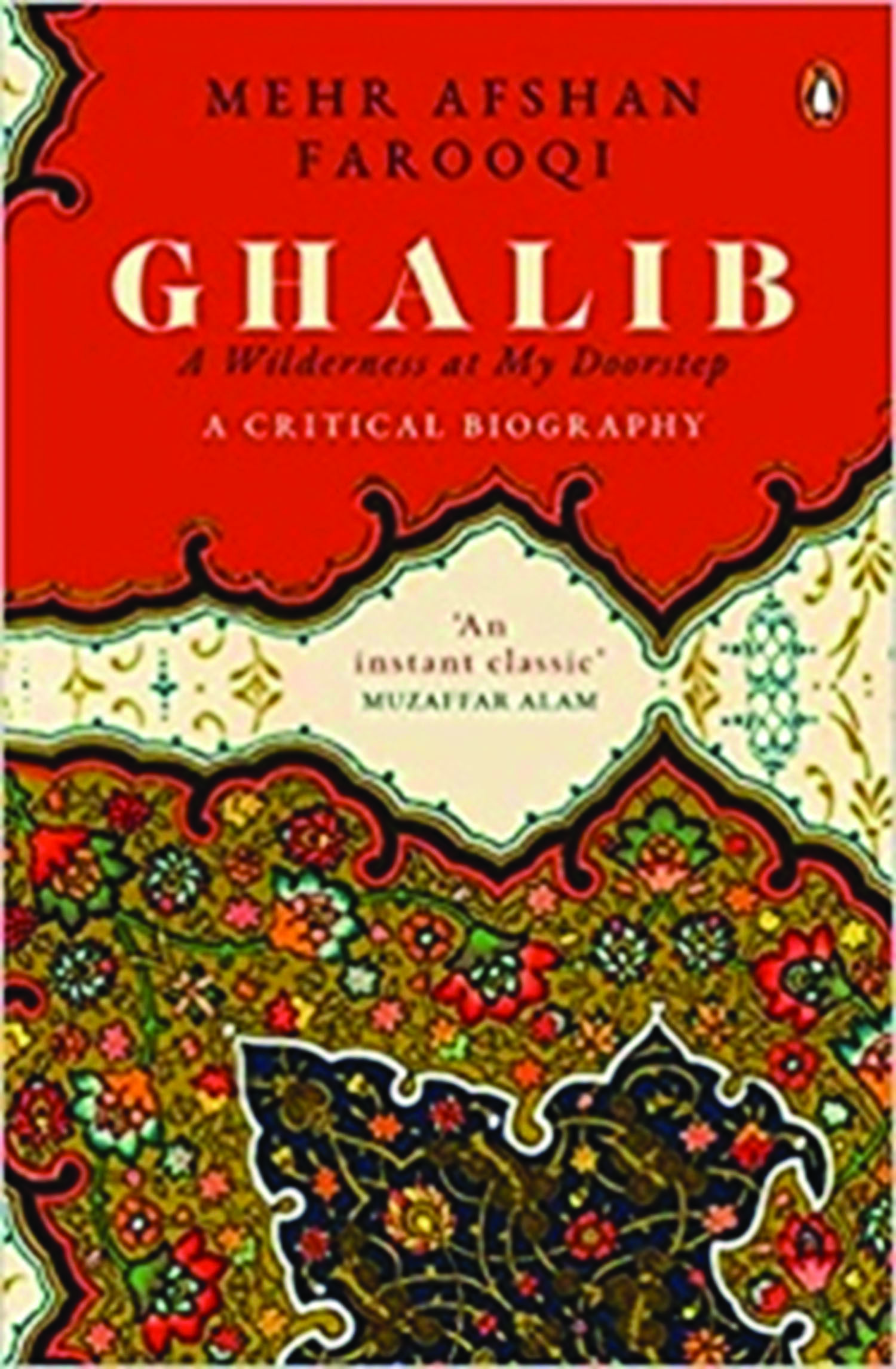
Mehr Afshan Farooqi
Literary biographies, as a genre, has remained popular in the West, covering a wide spectrum, from the purely documentary and factual to the wildly and extravagantly imaginative. The latest in the genre that created a buzz when it came out was The Dawn Watch: Joseph Conrad in a Global World by Maya Jasanoff that had as its subject Joseph Conrad, the great writer of Polish origin and stylist of the English novel.
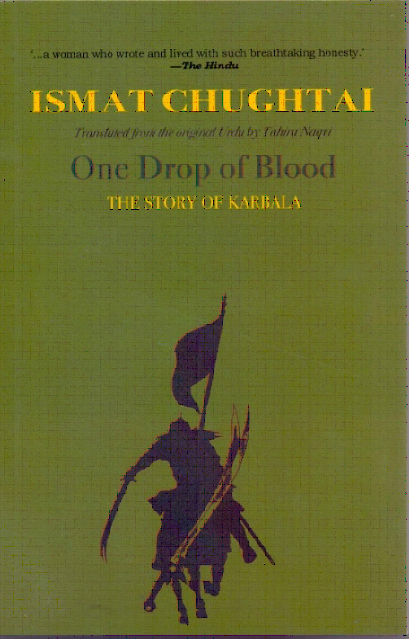
Ismat Chughtai. Translated from the original Urdu by Tahira Naqvi
The events of Karbala are part of a tradition that is well documented in the observation of Moharram all over the world. The story told has also been across generations making these events a cultural artefact to be remembered and shared, with every episode echoed in a majlis, marsiya, noha, and more. Ismat Chughtai’s Ek Qatra-e-Khoon is a recounting of these events presented in the form of a novel, and particularly unique if one considers it alongside her other works…
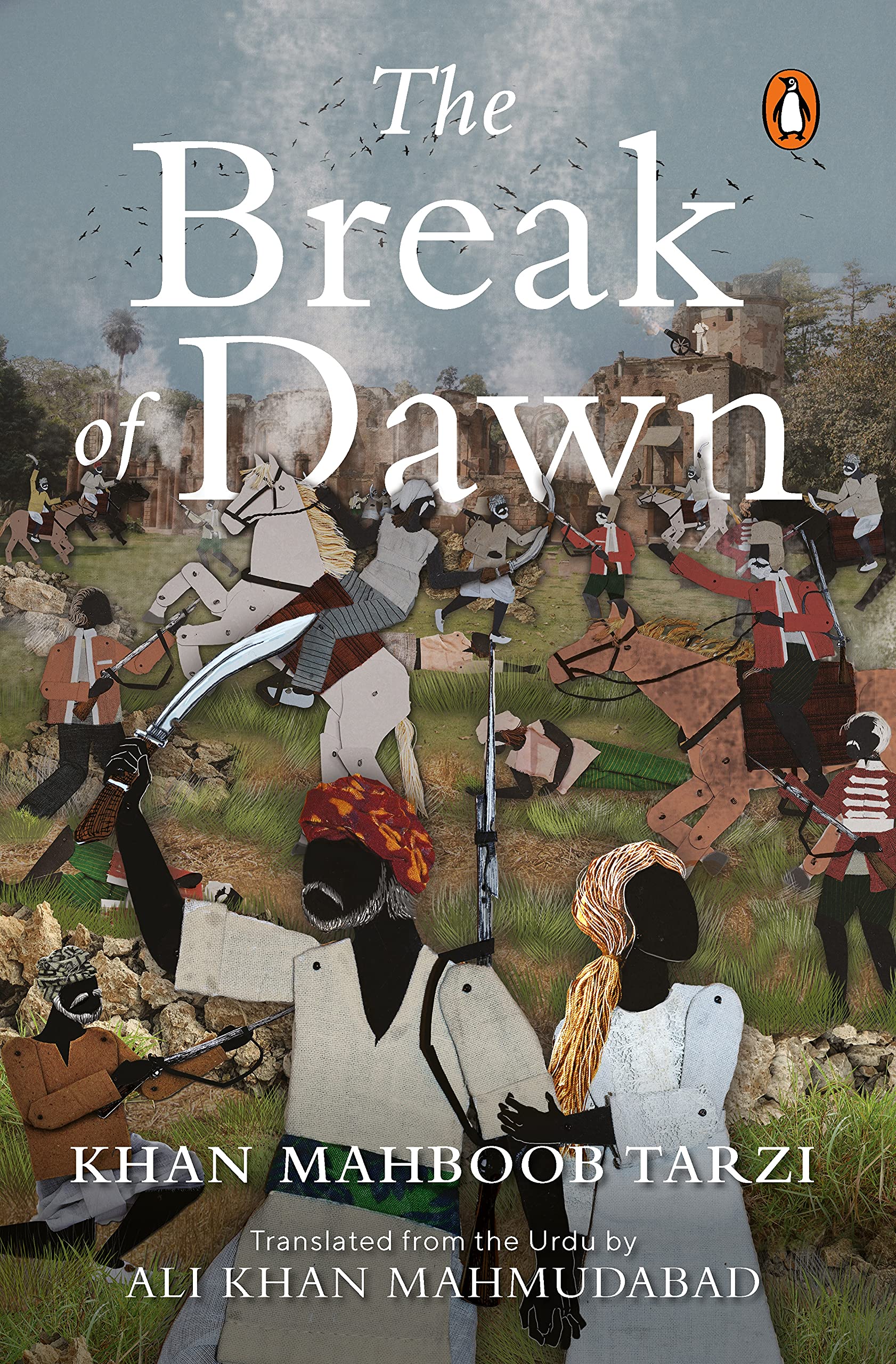
Khan Mahboob Tarzi. Translated from the Urdu by Ali Khan Mahmudabad
1857 is etched in the historical memory of India, particularly of Indian Muslims, as a singular event that ushered in a tectonic shift in Indian history and transformed their fate forever. Their claim to equal citizenship, let alone supremacy, was permanently eroded and the process of their minoritization was slowly set in motion. Nineteenth-century Muslim intellectuals like Sir Syed Ahmad Khan and Mirza Ghalib had a vague sense of it. But others, especially those writing in the wake of the 1947 Partition…
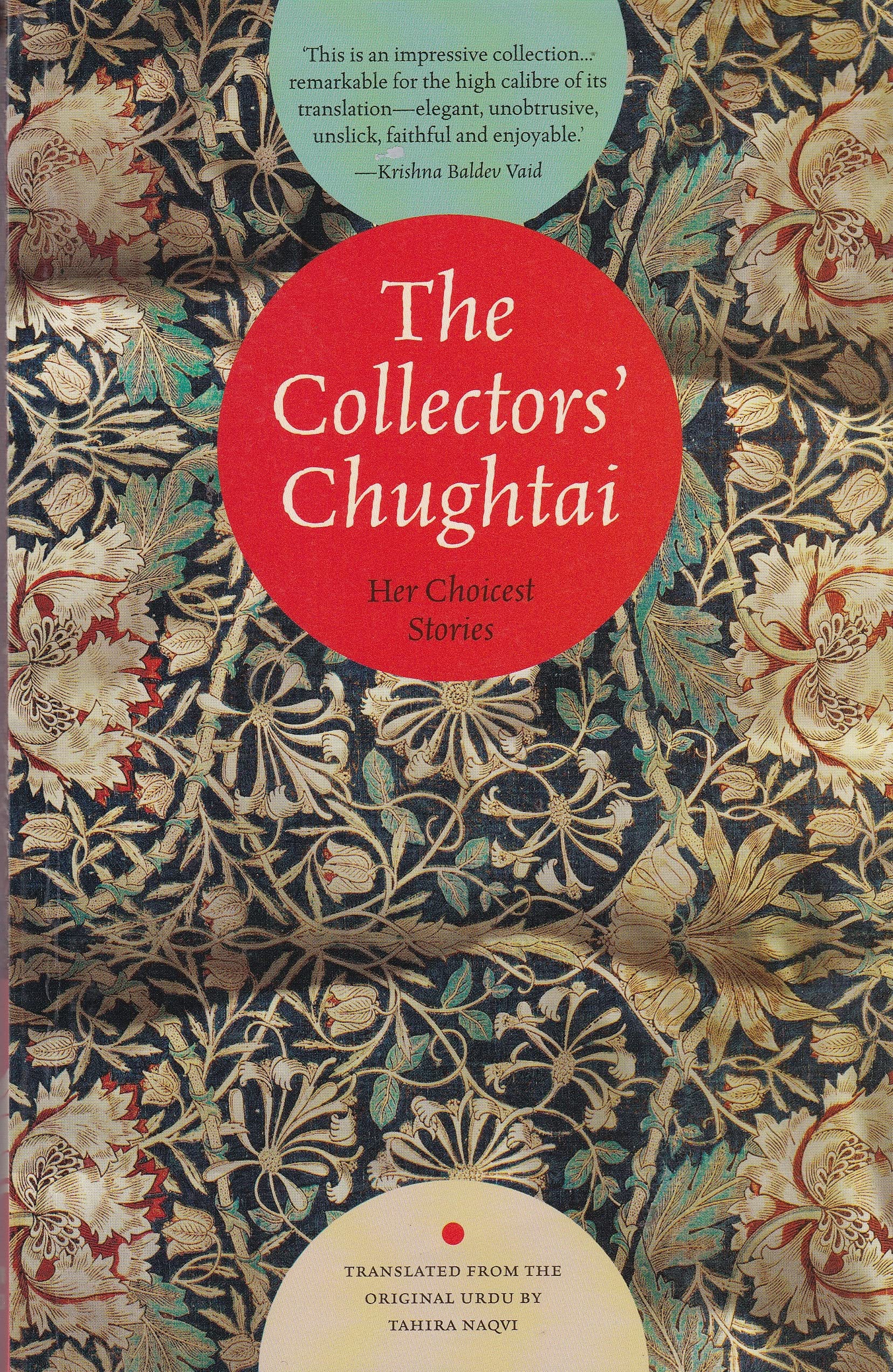
Ismat Chughtai. Translated from the original Urdu by Tahira Naqvi
The Collectors’ Chughtai is a collection of twenty-nine short stories by Ismat Apa, or Ismat, as she is popularly referred to in the Urdu literary circles. Tahira Naqvi, who has translated other works by Chughtai, is the translator for this volume. Women Unlimited have once again done a favour to readers of translated Urdu afsanas and admirers of Ismat. Chughtai’s works regularly feature in graduate and postgraduate courses of literature or culture studies the world over. This is interesting since her works were first translated from Urdu to English not earlier than 1990…
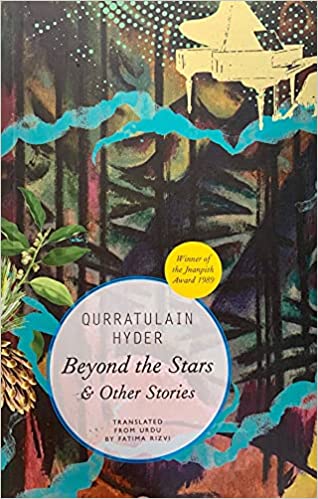
Qurratulain Hyder. Translated from the original Urdu by Fatima Rizvi
To write is to demonstrate a principled willingness to be judged. The writer knows that her neck is on the line but she lives with this awareness and continues moving towards something more honest. She knows she will never be able to capture the entire human being, that her words—her most trusted aides—will fail her eventually, but she continues inching towards that failure ensuring that she fails well. In every failure she finds her reasons for embarking upon another failure, of a different and, preferably, better kind…
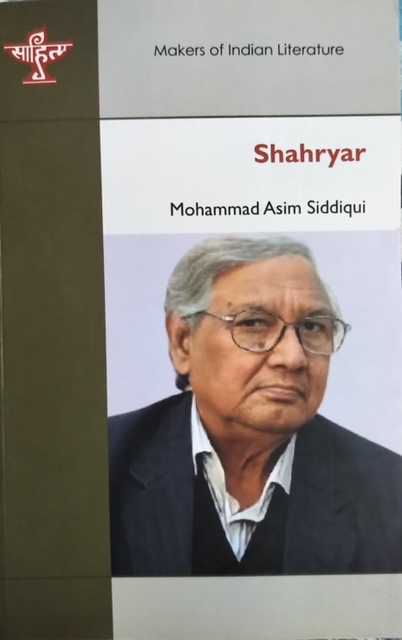
Mohammad Asim Siddiqui
Shahryar (1936-2012) was a name incarnate indeed; the prince perfect of modern Urdu poetry. He was a person of suave manners and a poet of soft tone and tenor who stood out as an embodiment of urbanity in life and literature. He looked at life with clinical detachment and at literature with passionate commitment. During a literary career spread over five decades (1960-2012) and an academic career spanning over three decades (1966-1996), he earned a name for himself as an academic, editor, poet, and a film lyricist while balancing all these roles against one another with great distinction…
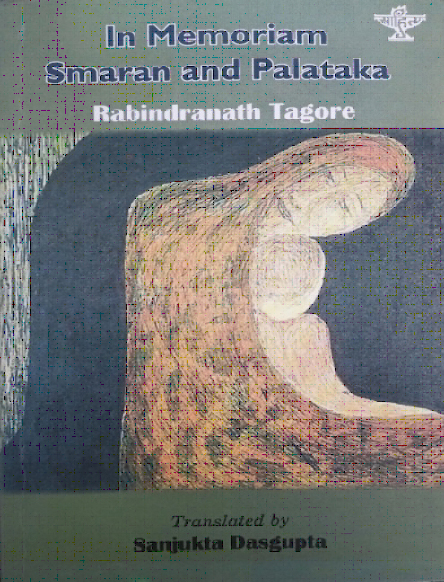
Rabindranath Tagore. Translated from the original Bengali by Sanjukta Dasgupta
Grief and mourning are some of the hardest emotions to write about. The ongoing experience of the pandemic has returned us to these elemental experiences of loss and reminded us that words still carry the anguish of sorrow and the power of cathartic healing. Rabindranath Tagore’s poignant lyrics in Smaran and Palataka are both personal as well as timeless; they speak to all those who have lost beloved family members and those who fear such losses…
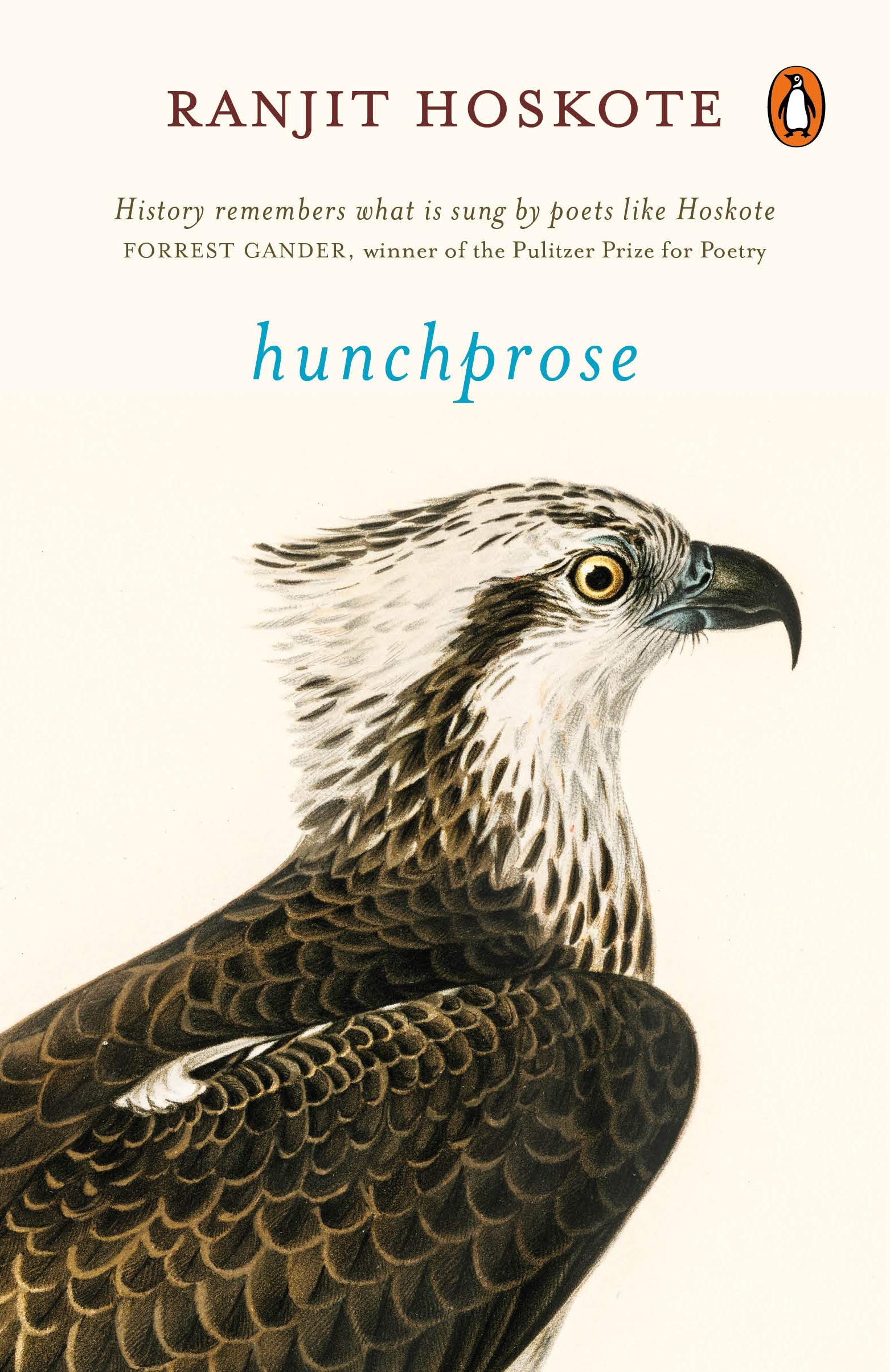
Ranjit Hoskote
2021
What good can poetry do? A lot. Even for jaded sensibilities. When hype springs eternal in the human breast, poetry can be sobering. Poets have been reminding us for long that we are not all that human. Some of them fear a future when we are human. We lack the capacity, they say, to see one another as fully human, as more than ‘dreams or dots’. Some poets go a step further. They also try (almost in vain) to make us think and feel like the animals around us.
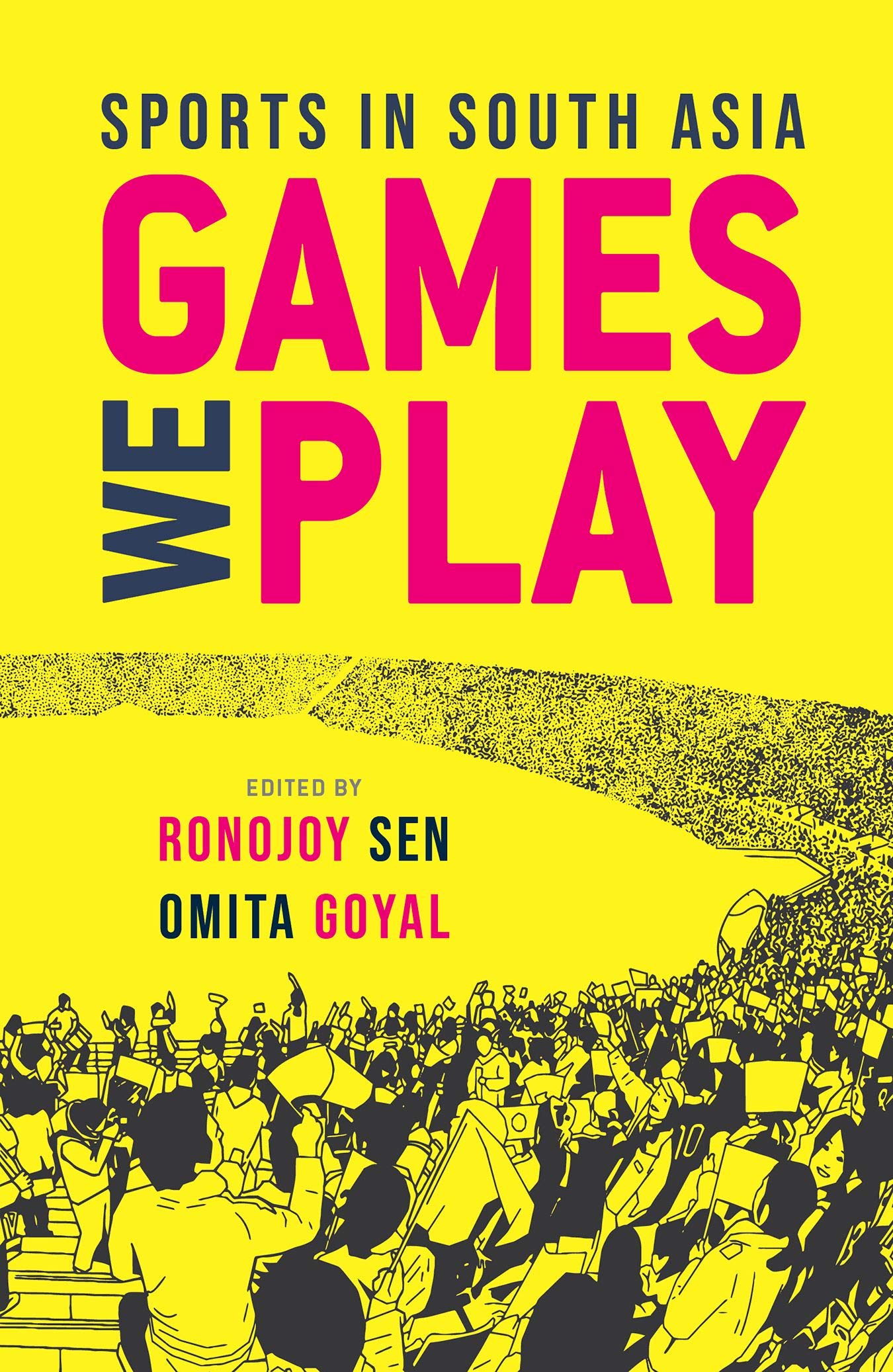
Ronojoy Sen and Omita Goyal
The book is an edited volume whose chapters unravel the socio-cultural and socio-economic dynamics of the development of sports in South Asia. However, as states of this region were former colonies of the British Empire, cricket has captured the bulk of the attention in the book. Alongside other genres of team and individual sports, ‘traditional sports’ have been adequately discussed. Interestingly, it has also manifested how sports have figured in myths, memories, fiction and cinema…
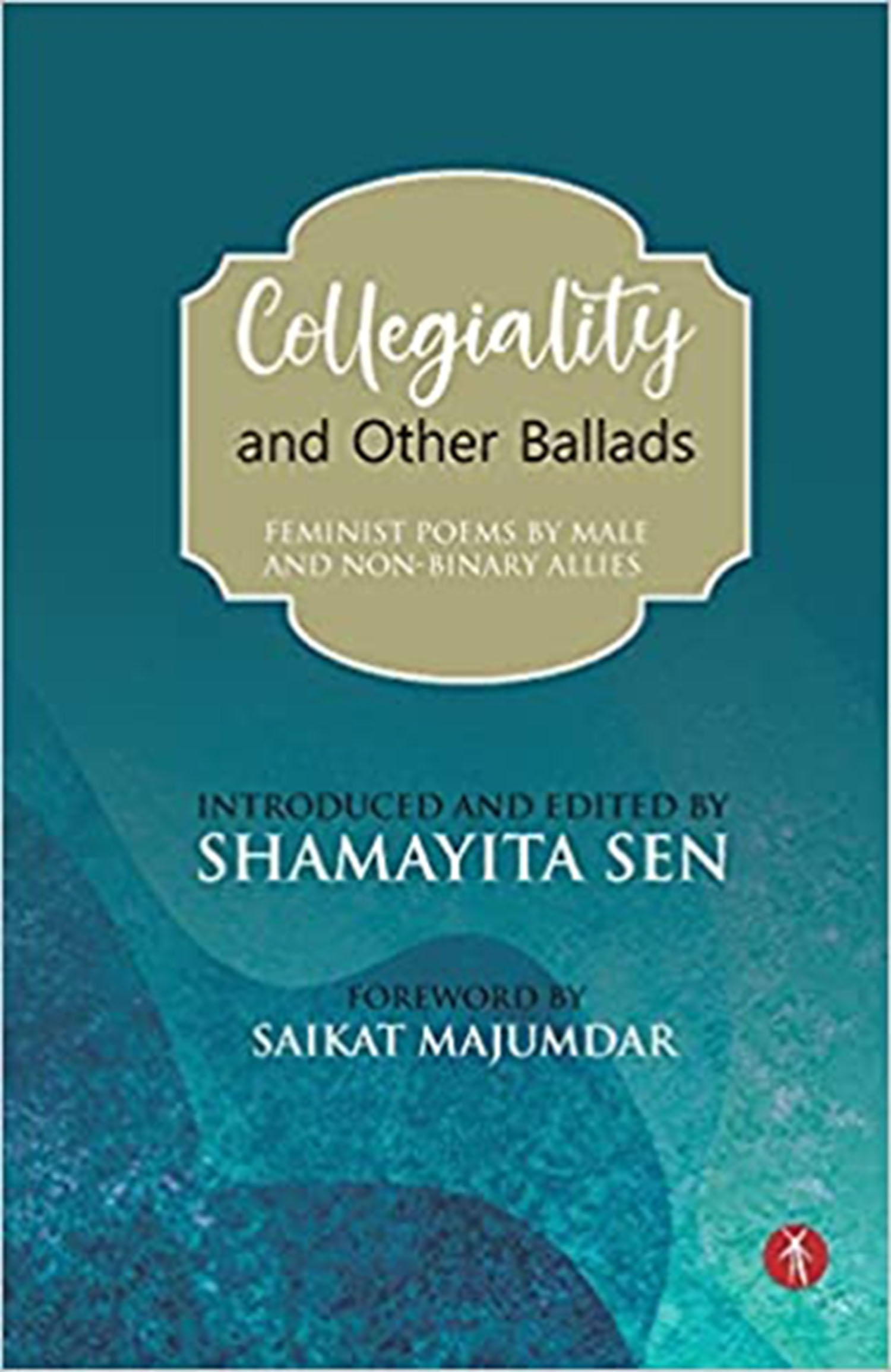
Shamayita Sen. Foreword by Saikat Majumdar
Picking up a book of poetry is a task I usually reserve for my lectures which requires an intellectual engagement with a purposeful end in mind. So with this book as well I had my resistance and fear on either side, ready for it to be replaced by my half read copy of Naomi Wolf’s The Beauty Myth. After all, shouldn’t women talk about feminism…
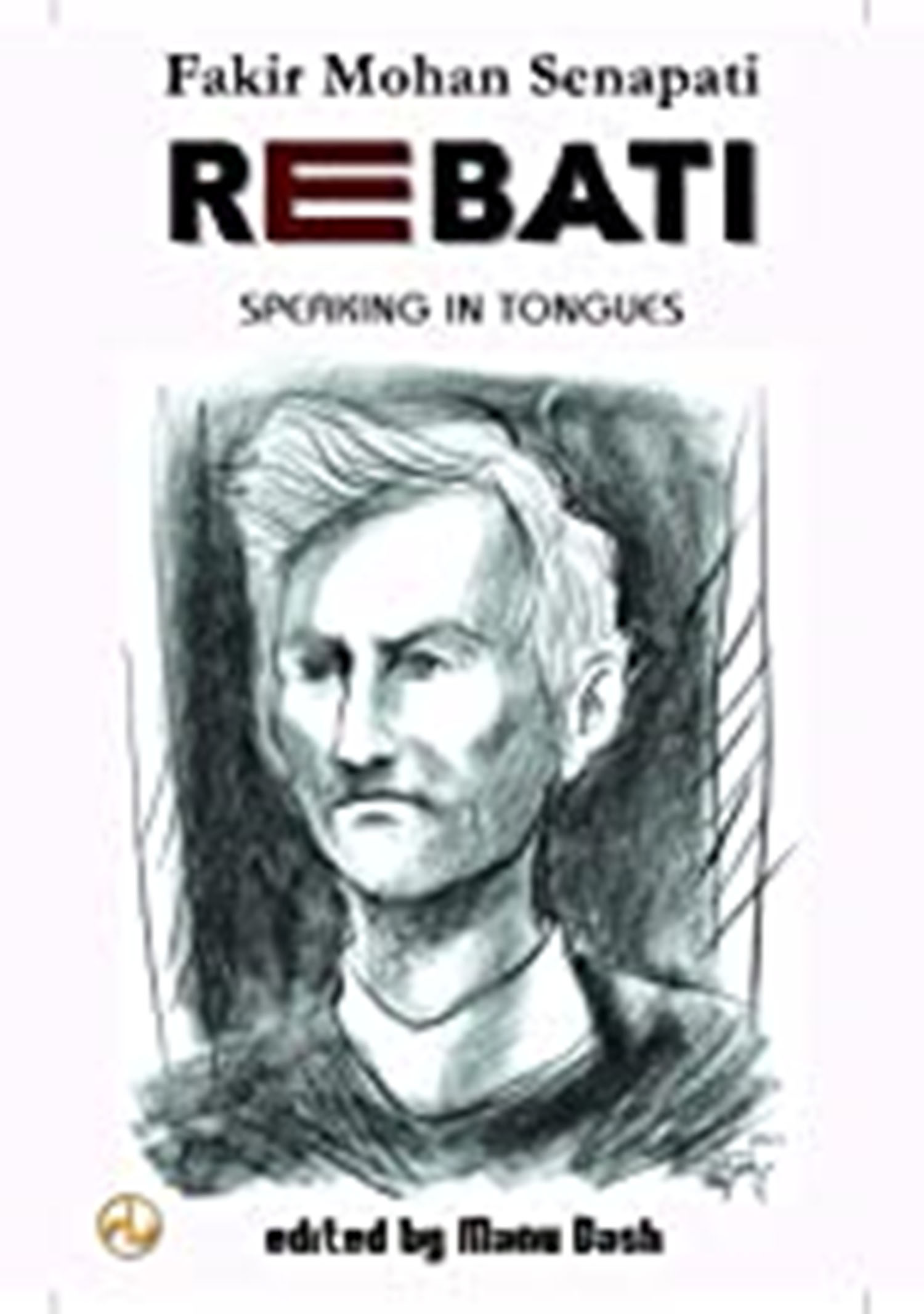
Fakir Mohan Senapati. Edited by Manu Dash
Considered as a master in the art of writing short stories, Fakir Mohan Senapati (1843-1918) played a leading role in establishing a distinctive Odia identity and is considered to be the father of Odia nationalism and modern Odia literature. Told in the simplest terms, his short story ‘Rebati’ (1898) narrates the story…
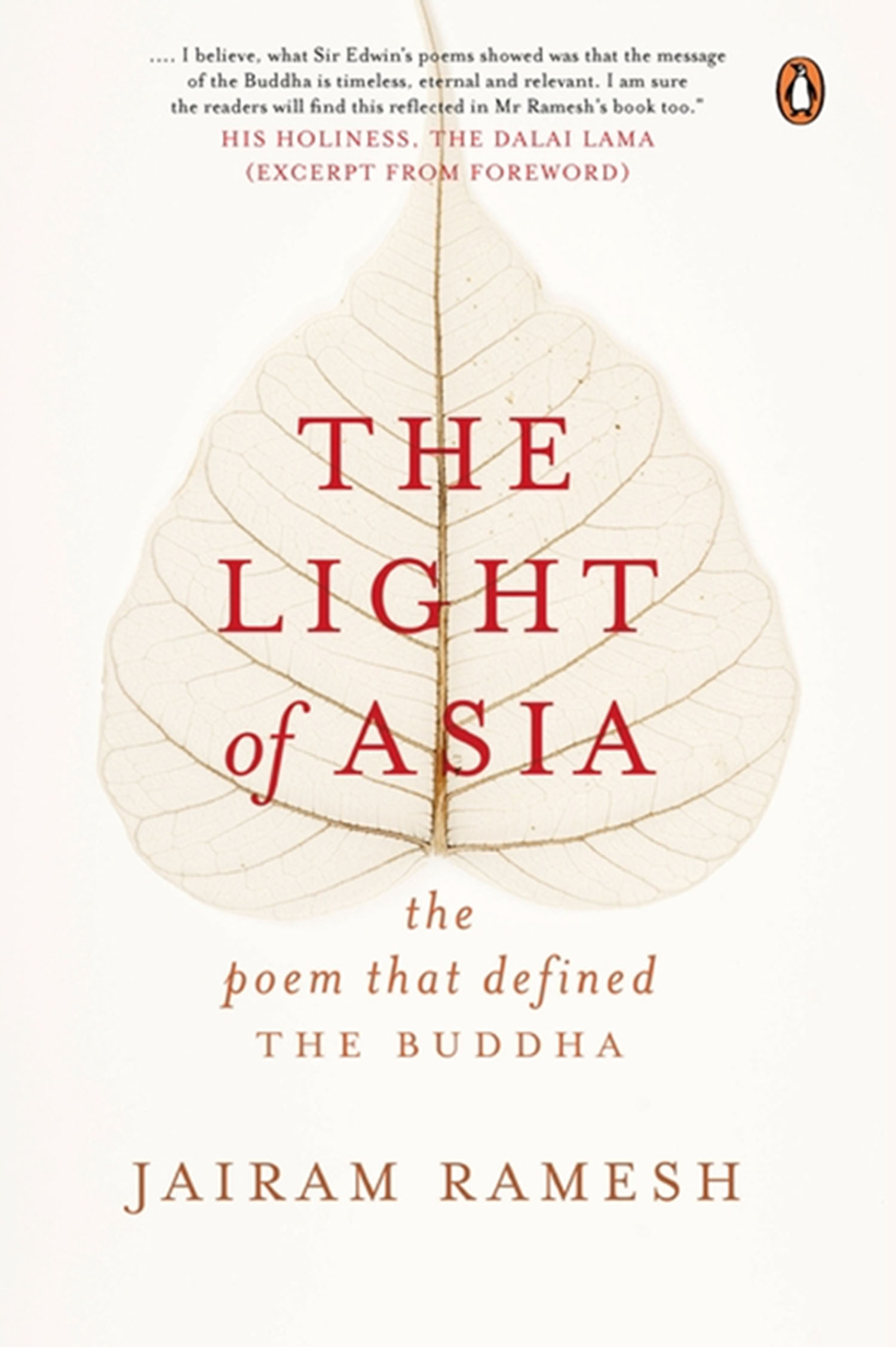
Jairam Ramesh
Jairam Ramesh and I have known each other since 1982. We are both Iyengars to boot. In those days he was trying his hand at free-lance journalism, writing articles on the economy. I was a full-time journalist and remained one. But Jairam, as we shall see in this book, has had as many careers as the subject of this book, Edwin Arnold…
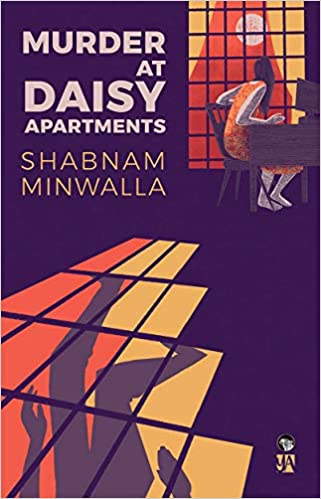
Shabnam Minwalla
Ten minutes later, the Marker apartment was teeming with masked men and women, all reeking of hand sanitizer and nervous energy.Any time else, a murder scene crowded with masked people, air tinted with sanitizer smell and nervous energy, and a cordoned off building in the middle of a lockdown…
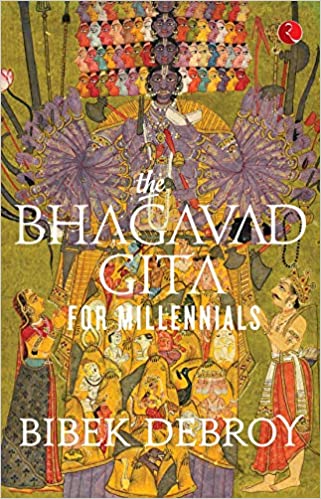
Bibek Debroy
As an opening sentence, it is perhaps the best yet. A blind king, Dhritirashtra, asks his charioteer, Sanjaya, what his sons and the sons of Pandu, both of whom were wanting to fight, did on the battlefield?The suspense-filled question, however, occurs in the middle of the Bhishma Parva of the Mahabharata. Sanjaya’s account has come to be known as ‘The Book’ sacred…
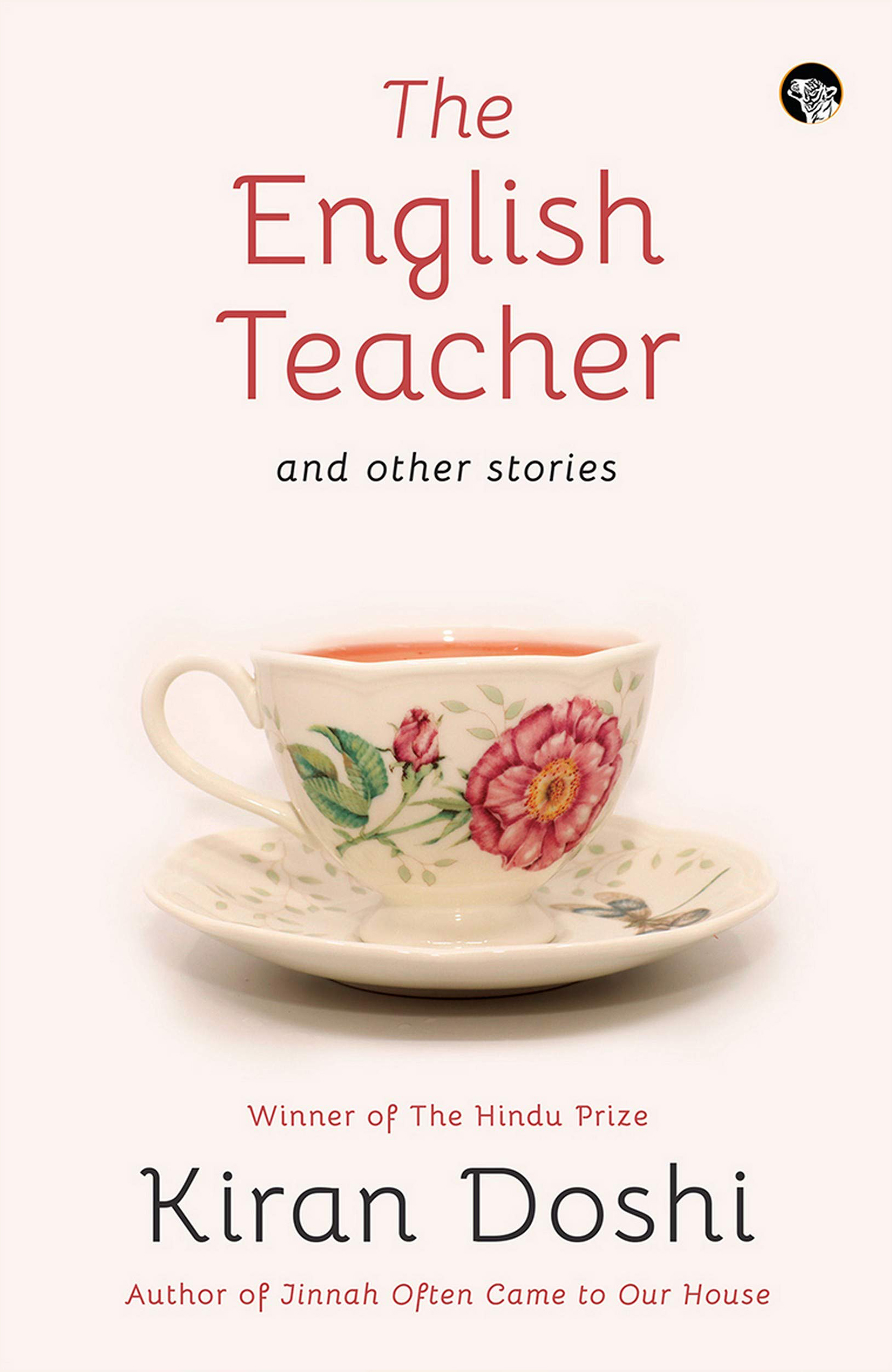
Kiran Doshi
Let me say this at the very outset. Kiran Doshi is a dear friend of 48 years and he is a reviewer’s nightmare. Once he wrote a novel in verse. I retaliated by writing the review in verse. Using that logic, I should write this review in what they call a ‘briefs’ form. But I am not going to let him get away that easily…
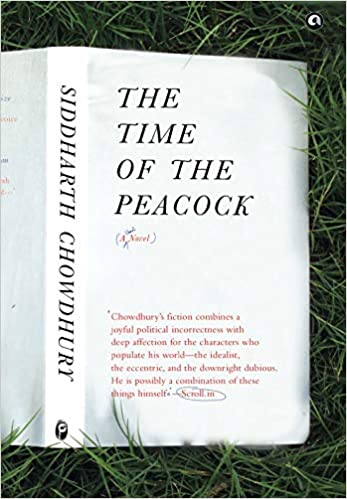
Siddharth Chowdhury
After writing four fictional works, Diksha at St. Martin’s, Day Scholar, Patna Rough-cut, and Patna Manual of Style, and attracting a fair amount of informed critical attention, Siddharth Chowdhury is back with a novel that his imagined editor qualifies as ‘short’ with the insert symbol on the cover…
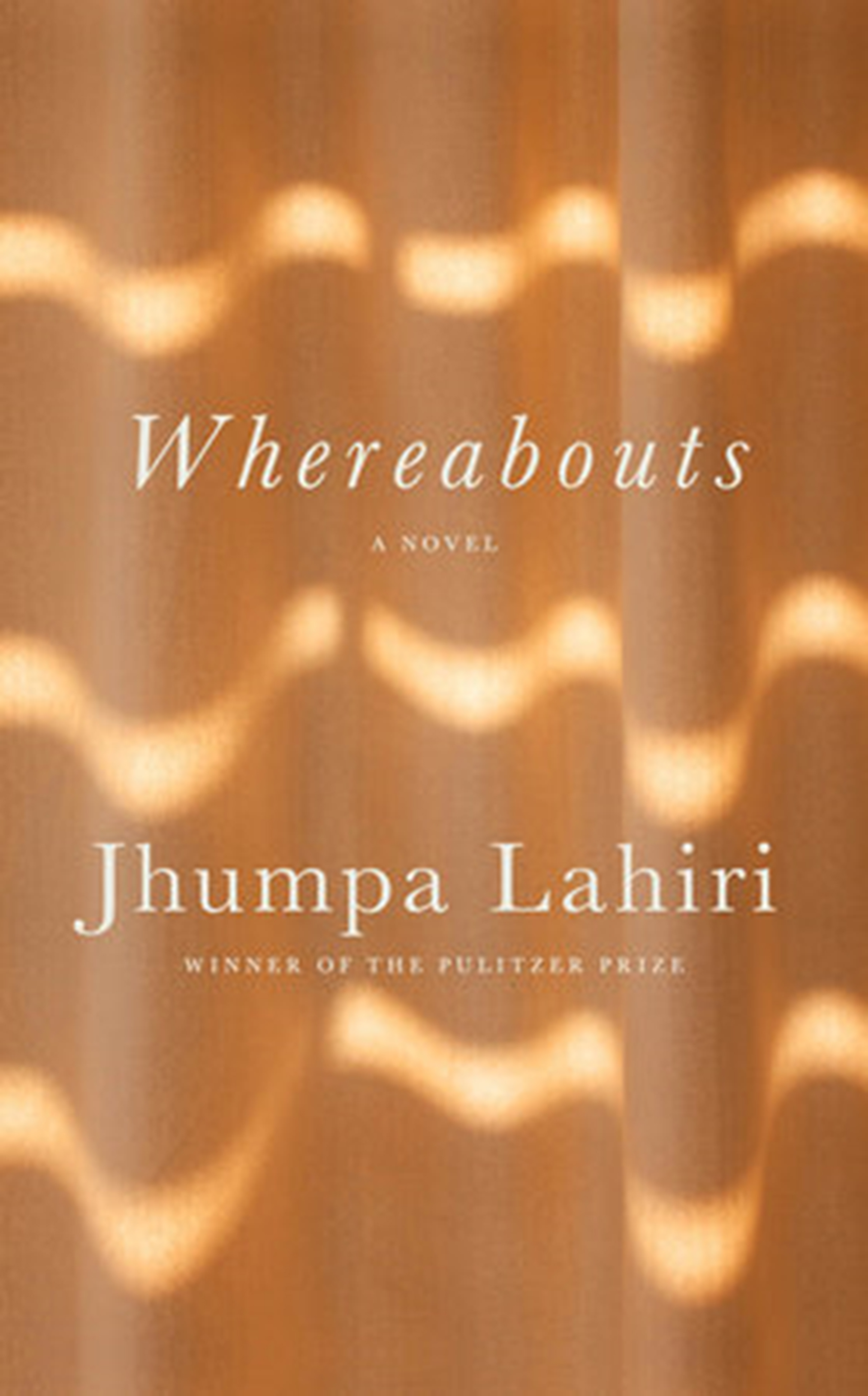
Jhumpa Lahiri
One must marvel at the extraordinary image makeover in recent years of Jhumpa Lahiri, an acclaimed American author of Indian descent. From 2000 when Lahiri burst onto the literary landscape of USA with her debut collection of short stories Interpreter of Maladies to 2013 when she published her second novel…
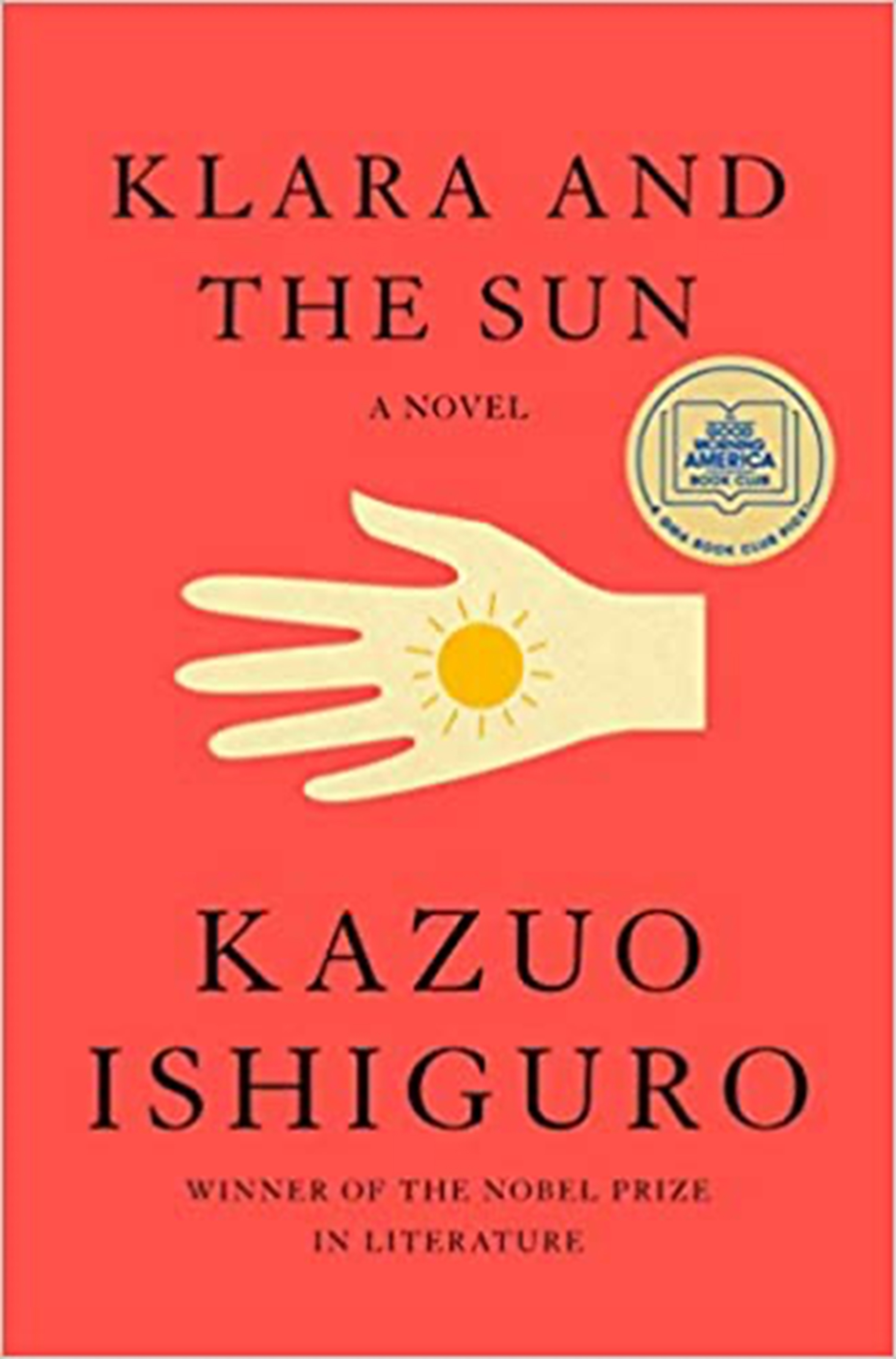
Kazuo Ishiguro
First, a disclosure: I have never been fond of Ishiguro. A lifetime of teaching and correcting has made me wary of the good student—the one who writes impeccable but boring papers, the one you are tempted to give ‘A’ without reading but force yourself to read to the bitter end because you are that kind of teacher, that kind of reader…