
Literature

Vikram Seth
2021
TS Eliot wrote in his essay The Three Provincialities (1922): ‘True literature has something which can be appreciated by intelligent foreigners who have a reading knowledge of the language, and also something which can only be understood by the particular people living in the same place as the author.’ Eliot goes on to mention how writers should be able to disturb the provincialism of not only a particular time but also a particular place. Vikram Seth’s poetry sets out to follow Eliot somewhat on this path.
Lopamudra Maitra Bajpai
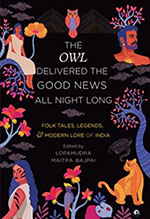
The Owl Delivered the Good News all Night Long is a mammoth compilation of folk tales from all the States in the Indian Union. With 108 tales from 57 languages and dialects across India, it is a stupendous effort to keep alive the spirit of these regions through words and stories that emanate from and are deeply inscribed in their lived realities. The book has an interesting organizational structure.
Sujatha Vijayaraghavan & Mini Krishnan
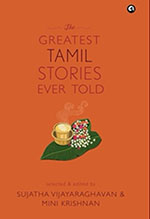
The Greatest Tamil Stories Ever Told, an eclectic collection of 30 stories, features eminent writers who are common household names and current favourites, dating from the 1930s to today. The editor Sujatha Vijayaraghavan’s unhurried indulgence in short stories by Thamizh writers and an earlier venture of reading more than 800 stories in three months’ time for her dance project came to fruition in compiling this edition, we infer from the foreword.
Yogesh Patel
2021
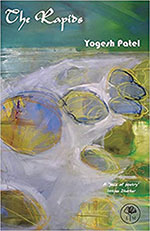
Yogesh Patel’s The Rapids is a collection of brisk poetic thoughts on a range of ideas that reflect on contemporary times. In the age of high-speed internet, data-deluge and fractured communication, Patel is conscious of his stance as a poet. Thus, instead of critiquing the world from an ivory tower, he comes down and invents playful patterns, inspired by everyday disjuncture.
Sanjeev Sethi
2021
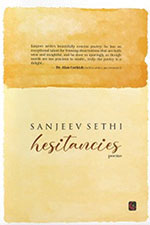
Despite all pronouncements to the contrary, poetry is not dead. But it surely is confronted with a crisis. Its publication and reception are fraught with a risk—a risk that in part springs from the prosaic proclivities of the present and in part from the indifference that noise-saturated sensibility—enamoured as it is by the surfaces—has for anything that demands nuanced engagement with and understanding of life verities.
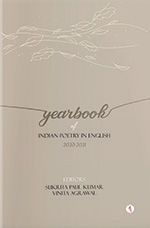
Sukrita Paul Kumar and Vinita Agrawal
The task of a poetry editor is both exciting and onerous. The most difficult genre to ‘judge’ for quality, poetry’s intimate and earnest vocabulary defies any fixed norms. While each poet is supremely individual, so is each reader, and therefore literary responses can be highly subjective. Nevertheless, if the incremental interest in this genre is to be systematized for public circulation, editors have to make choices within the amplitude confronting them. Sukrita Paul Kumar and Vinita Agrawal, editors of the Yearbook of Indian Poetry in English, 2020-2021 have fulfilled their task admirably though it is a specially difficult year when the pandemic has thrown up poetry as a favoured instrument of self-healing.
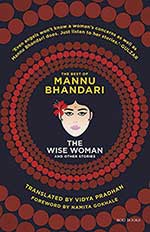
Translated from the original Hindi by Vidya Pradhan with a Foreword by Namita Gokhale
Anton Chekhov, analysing the structural elements of a short story, says, ‘writing a short story, therefore, is to write what the characters do, not what they think, or say’ (Friedland 1890). While there is no autobiographical evidence of Chekhov’s influence on Mannu Bhandari’s artistic development, one can see a Chekovian resonance, a kind of literary parallel. In Vidya Pradhan’s rich selection of eighteen stories under review, Bhandari’s characters do negotiate things as they exist. Her narrative canvas substitutes abstract philosophizing with lived realities.
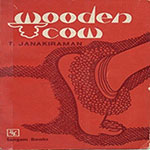
T. Janakiraman. Translated from the original Tamil by Lakshmi Kannan. Introduction by Anita Balakrishnan
T.Janakiraman (1921–82), affectionately known as Thi Jaa, is one of the most influential figures of twentieth-century Tamil literature. He wrote about familial and interpersonal issues, with a focus on the ill-treatment of women, especially widows. His best-known novels, Mohamul, 1964, (The Thorn of Desire), Amma Vantal,1966, (English translation The Sins of Appu’s Mother) and Marappasu,1975, (Wooden Cow) present strong women with a mind of their own. Bilingual novelist, short story writer, poet and translator Lakshmi Kannan had published an English translation of Marappasu in 1979. She felt the need to do a revised version; the birth centenary of the novelist provided the occasion to publish it.
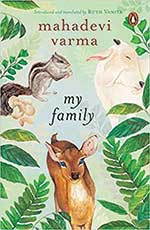
Mahadevi Varma.Translated from the original Hindi by Ruth Vanita
2021
The canonical Hindi poet Mahadevi Varma (1907-1987) has to some extent suffered from being too revered. In well-meaning hagiography, she has been cast as overly pious, almost joyless in her asceticism for her art. In this context, Ruth Vanita’s attentive translation of Varma’s collection of sketches, My Family, has revitalized Varma as more spiritually buoyant, as someone deeply invested and in love with wider, larger, more spiralling notions of family and kinship—especially one that includes animal companions.
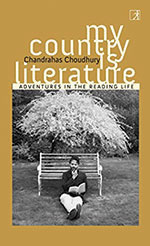
Chandrahas Choudhury
The number of celebrated poets and novelists who began their career reviewing books is probably much higher than is currently known. To start with, current literary culture, while being sustained invisibly by reviewing, is rather uncharitable towards the modest review. Writers too have colluded with this ethos and have tended to distance themselves from their own ‘jobbing work’ once they have achieved name and fame. Dr. Johnson of the eighteenth century was probably the last known writer of English literature who was as much of a ‘grandly generalizing sage’ as he was a ‘proletarianized hack’ (Terry Eagleton, The Function of Criticism, p. 32.)
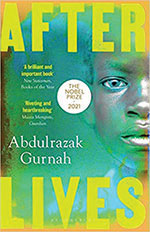
Abdulrazak Gurnah
2020
Afterlives is the latest publication from Abdulrazak Gurnah, the Nobel Prize winner for literature in 2021. The Nobel Committee has very aptly remarked that Gurnah is being awarded for his uncompromising and compassionate penetration of the effects of colonialism and the fate of the refugee in the gulf between cultures and continents (The New York Times).
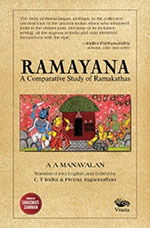
AA Manavalan. Translated from the original Thamizh by CT Indra and Prema Jagannathan
A book awarded the Saraswati Samman, Ramakathaiyum Iramayanankalum (2005) is an ambitious work by the Thamizh scholar AA Manavalan, a comparative study of forty-eight Ramakathas (though it references more) from the 5th century BCE to the 19th century CE, written in twenty-two languages—Pali, Sanskrit, Prakrit, Tibetan, Tamil, Old Javanese, Japanese, Telugu, Assamese, Malayalam, Bengali, Kannada, Marathi, Hindi, Odia, Persian, Malay, Burmese, Filipino, Thai, Laotian and Kashmiri. We are fortunate now to have a meticulously done translation in English by CT Indra and Prema Jagannathan, one that is extremely readable without losing out on the scholarship and the research that has gone into both the Thamizh work and the translation.
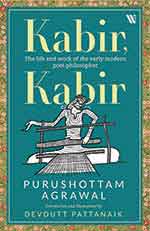
Purushottam Agrawal. Introduction and illustrations by Devdutt Pattanaik
The title of this well-researched book, reflecting a life-time’s work, is serendipitous. Mirrored in it is a couplet written by this medieval poet, which also figures as the epigraph:I have made my mind as pure as Ganga water,Hari follows after, calling out, ‘Kabir, Kabir’The echoing repetition of Kabir’s name, even more than the plurality which is a quintessential aspect of the cultural memory of this poet, suggests the indefinite and nebulous in the striving for the mystical. In an inversion of hierarchy, it is Hari who runs after Kabir, calling out to his devotee.
Prem Kumari Srivastava
The edited volume makes a significant intervention in the hitherto extant discourse on tribal/Adivasi literary studies in India. As Prem Kumari Srivastava states in her introduction, ‘this book debates and discusses tribal literatures and oral expressions that have long been surrounded by silences, even though they embrace us all the time’ (p. xiii). The contributors to the book make it a point to unfold these silences, probing the narratives of pain, deprivation and dispossession that lie therein. Srivastava highlights the theme and tenor of the book in the introduction asserting that the tribal writings symbolize a revolutionary spirit against the established culture.
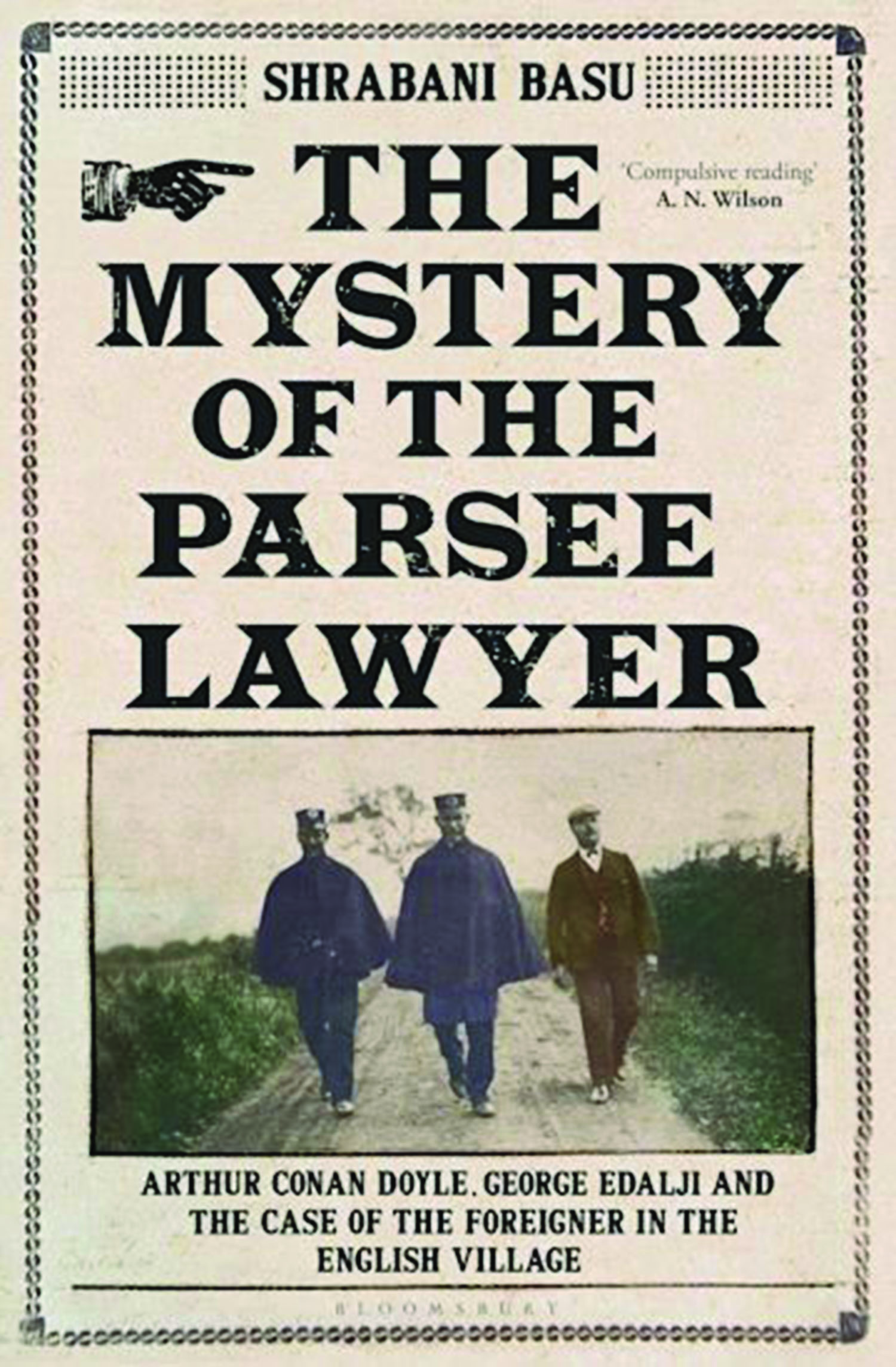
Shrabani Basu
This book, contrary to what the title suggests, is not a crime thriller. It is, instead, a bit of obscure 19th century English social history in which an Indian, who was also a Parsi—and vicar to boot—faced what might have been deep racial discrimination. His name was George Edalji.He was accused of mutilating a horse and threatening to kill a policeman. The natives were outraged, had him arrested, tried and convicted him.
Kynpham Sing Nongkynrih
2021
Kynpham Sing Nongkynrih’s Funeral Nights points out, among a whole lot of other things, that language is one of the fundamental tools to recover, rehabilitate and moor a community’s identity. However, the Khasi language has not yet been made an official language under the Eighth Schedule of the Constitution of India despite demands for its inclusion. The twenty-two official languages of India (which include Assamese, Manipuri and Bodo from Northeast India) carry both immense prestige and other benefits, including membership of the Official Language Commission itself. The pedagogic implications, employment opportunities, cultural and translation benefits and so on for an official language are centrally connected to the identity and sustenance of a community.
Somdatta Mandal
This is a comprehensive, well-structured book. The five sections of the book are titled ‘General Overviews’, ‘Pilgrimages’, ‘Travelling within the Country’, ‘Travelling Abroad’ and ‘Miscellaneous’. This is apart from the Introduction by the editor of the volume. The first section has essays on the historical and cultural matrices of early travel writings from Bengal (Jayati Gupta), secular travel culture as obtained in Bengal during the colonial period (Simonti Sen), and the generic shifts that occured in women’s travel writing in Bengal during the 19th and early 20th century (Shrutakirti Dutta).
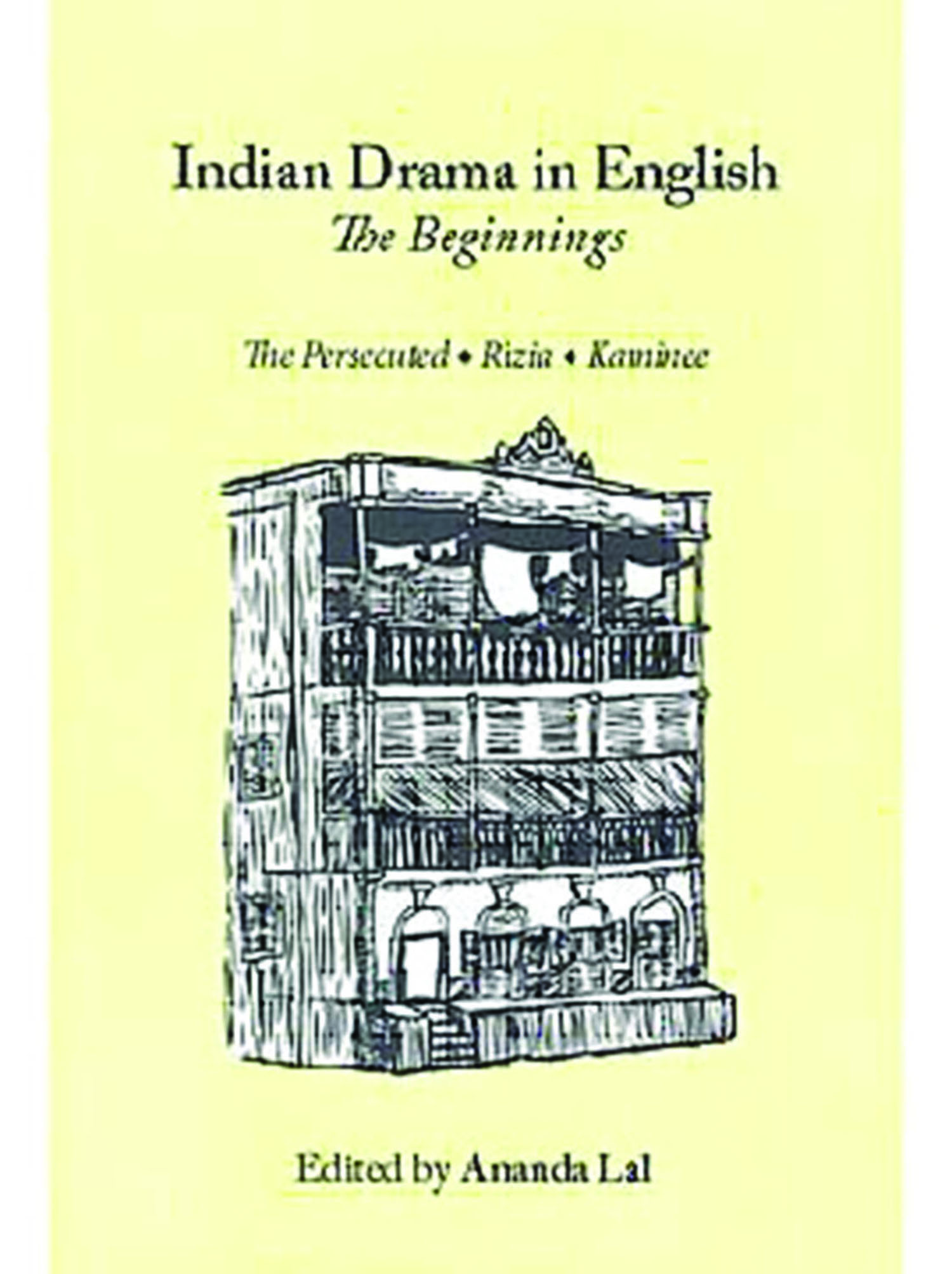
Ananda Lal
Ananda Lal’s edited volume, Indian Drama in English: The Beginnings, is a significant milestone in the genre. A researcher’s delight, the book has immense value for its reconstruction of text and authorship to fill the ellipses in the history of Indian English Drama. It comprises three nineteenth century plays—Krishna Mohan Banerjea’s The Persecuted (1831), Michael Madhusudan Dutt’s Rizia (1849) and Kaminee (1874) by an anonymous author. Lal’s introduction to each of the plays makes it a substantial and insightful read.
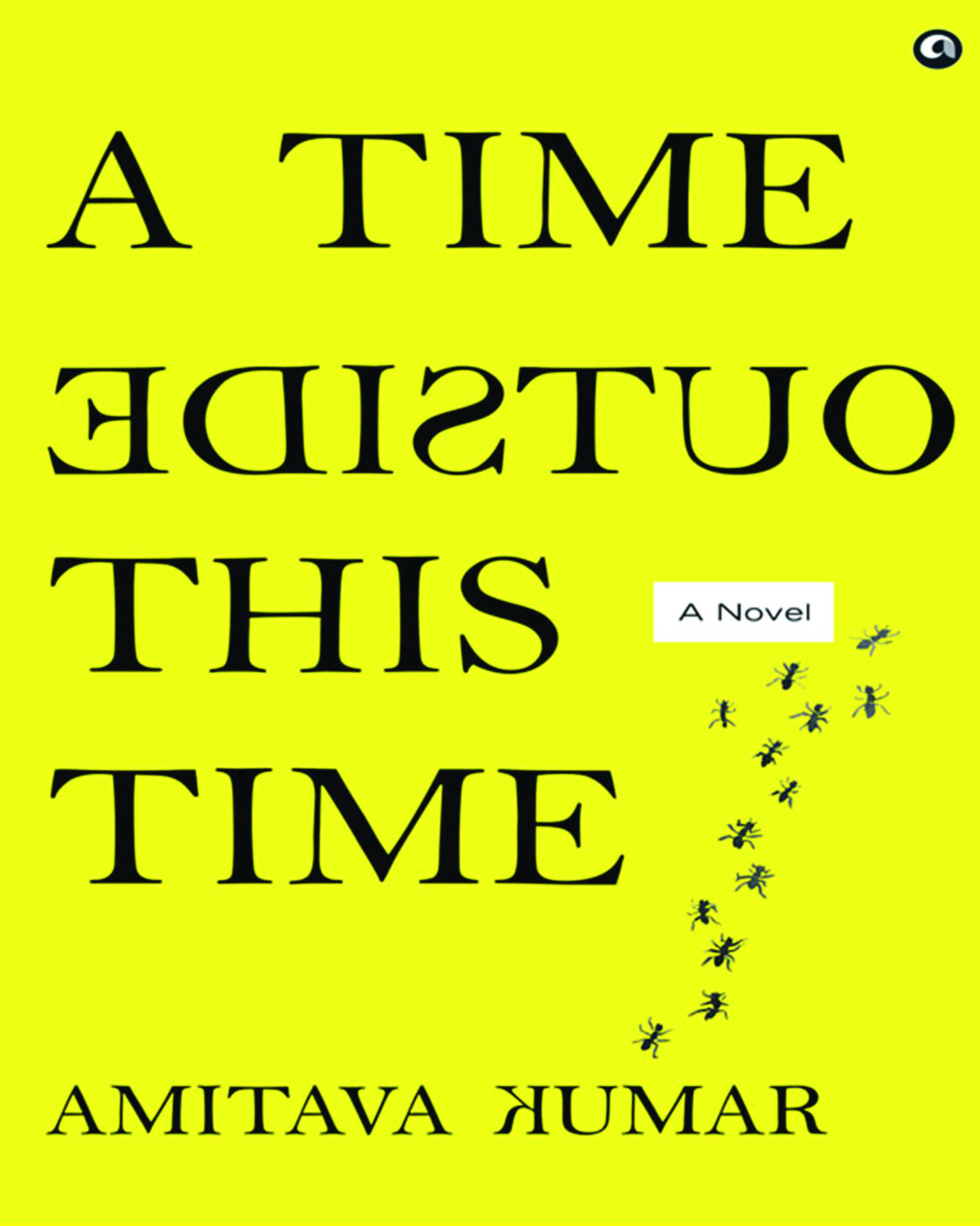
Amitava Kumar
To the adage ‘journalism is literature in a hurry’ Oscar Wilde added that ‘the difference between literature and journalism is that journalism is unreadable and literature is not read.’ Amitava Kumar’s short novel A Time Outside This Time, all of two hundred odd pages, explores the space between fiction and journalism, trying to turn journalism into literature and making it readable too. Playing on Ezra Pound’s definition of literature as news that stays news, the novelist narrator of A Time Outside This Time conjectures if ‘by bringing news into literature we make sure that daily news doesn’t die a daily death?’ Kumar’s turning the news into literature in the novel has a serious purpose.
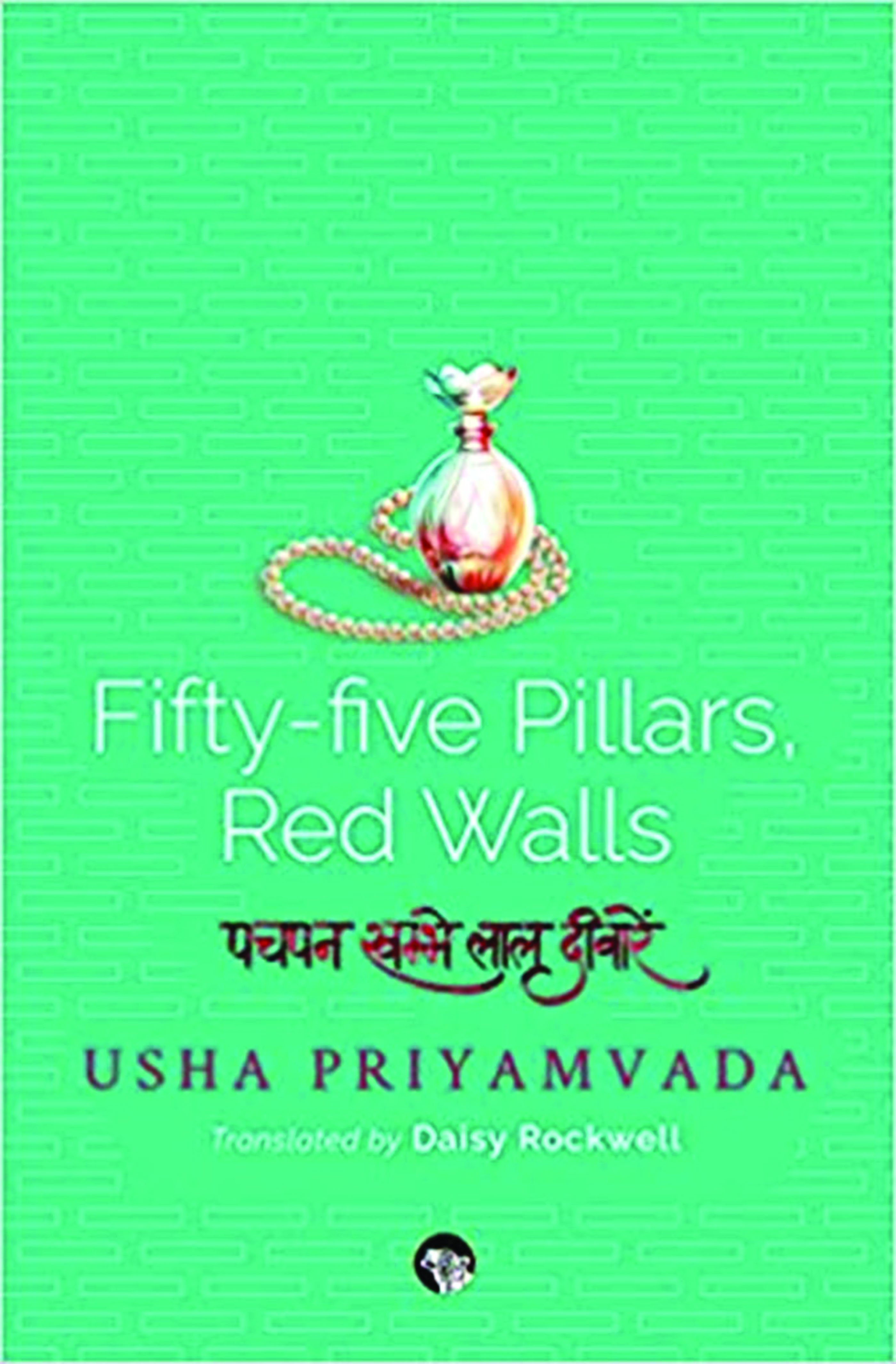
Usha Priyamvada. Translated from the original Hindi by Daisy Rockwell
Pachpan Khambe Laal Deewarein’s poignant profile of a professional woman chafing against her suffocating context continues to resonate in its recent English translation, long after its first publication in 1961. The Hindi novel had acquired a cult status, birthing a television series and generations of loyal readers to whom the protagonist Sushma Sharma’s travails spoke viscerally. Lecturer in Hindi (or History, as the novel suggests variously) and warden of a hostel at a women’s college in Delhi some time in the late 50s, Sushma seeks to separate her professional and personal lives and assert her hard-earned financial independence.