
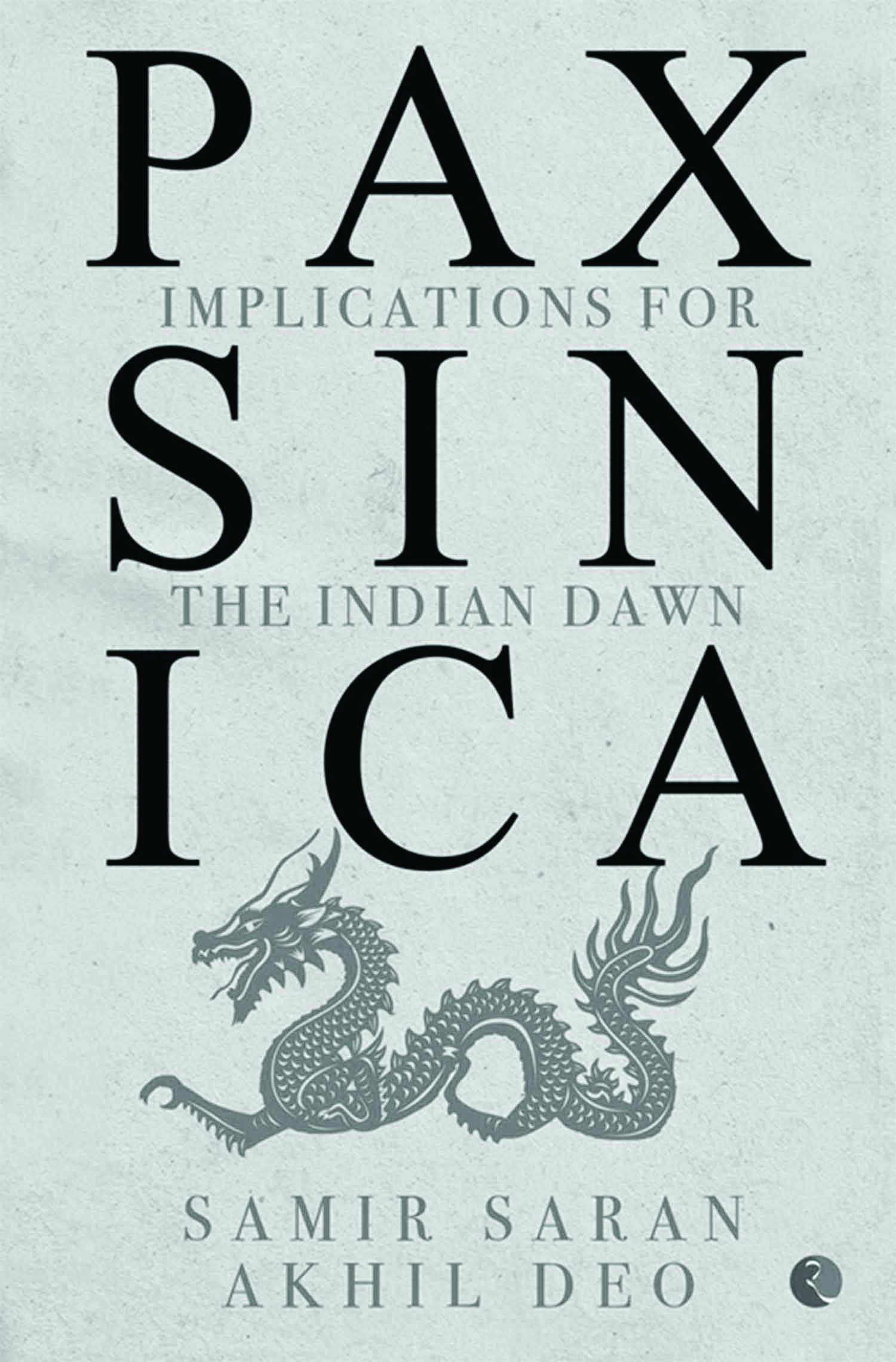
Samir Saran and Akhil Deo
Over the past few years, there’s been a growing debate about the implications of China’s rise for the future of the liberal international order. Is China a revisionist power that is seeking to craft a Sino-centric world order? Is it a fragile superpower whose actions.
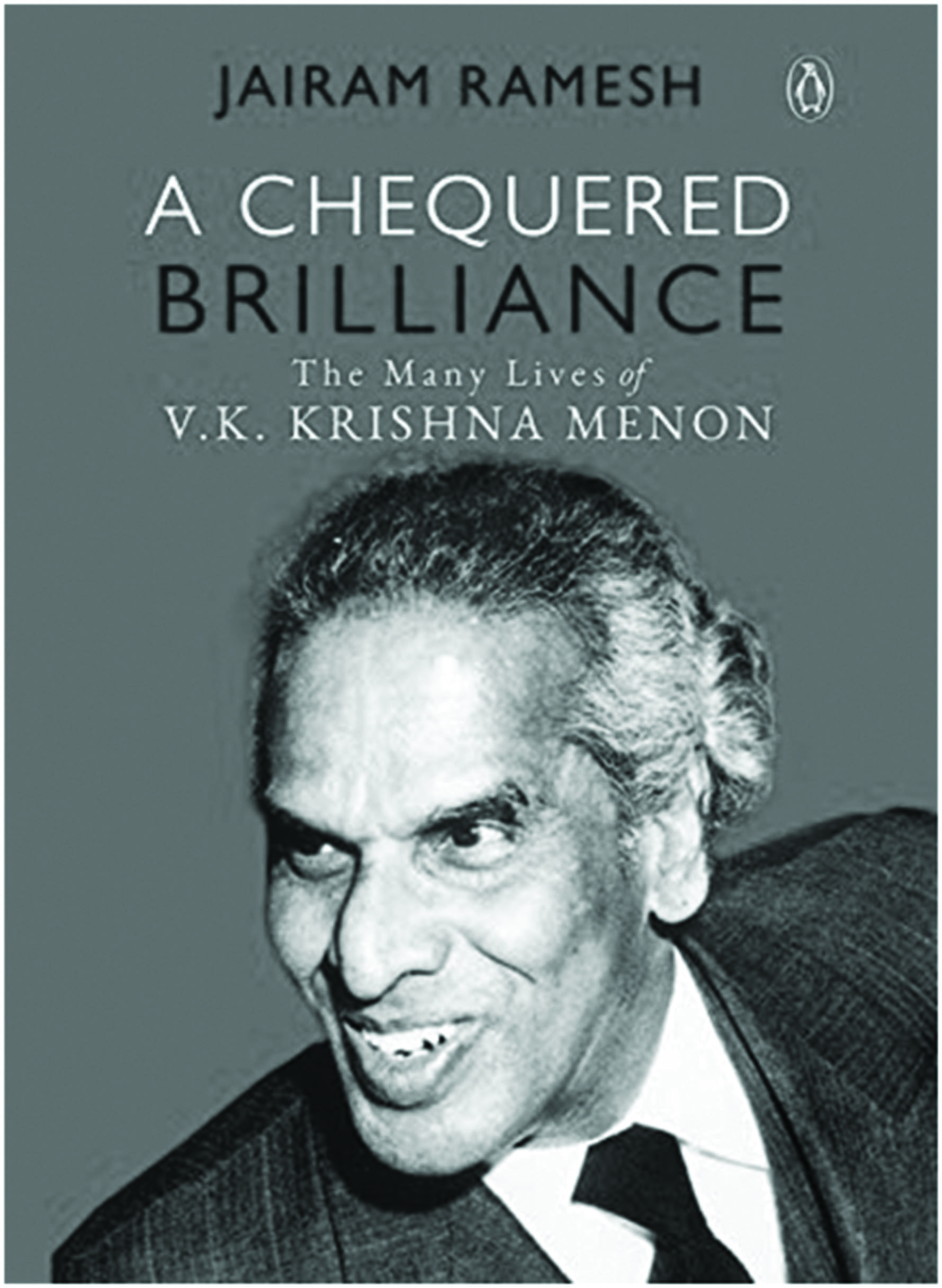
Jairam Ramesh
This is a very fat book about a very thin man, a man moreover who was very arrogant, very rude, very obstreperous and, as the title suggests, very brilliant. In the end, though the brilliance served him poorly and he is remembered—by a rapidly dwindling number.
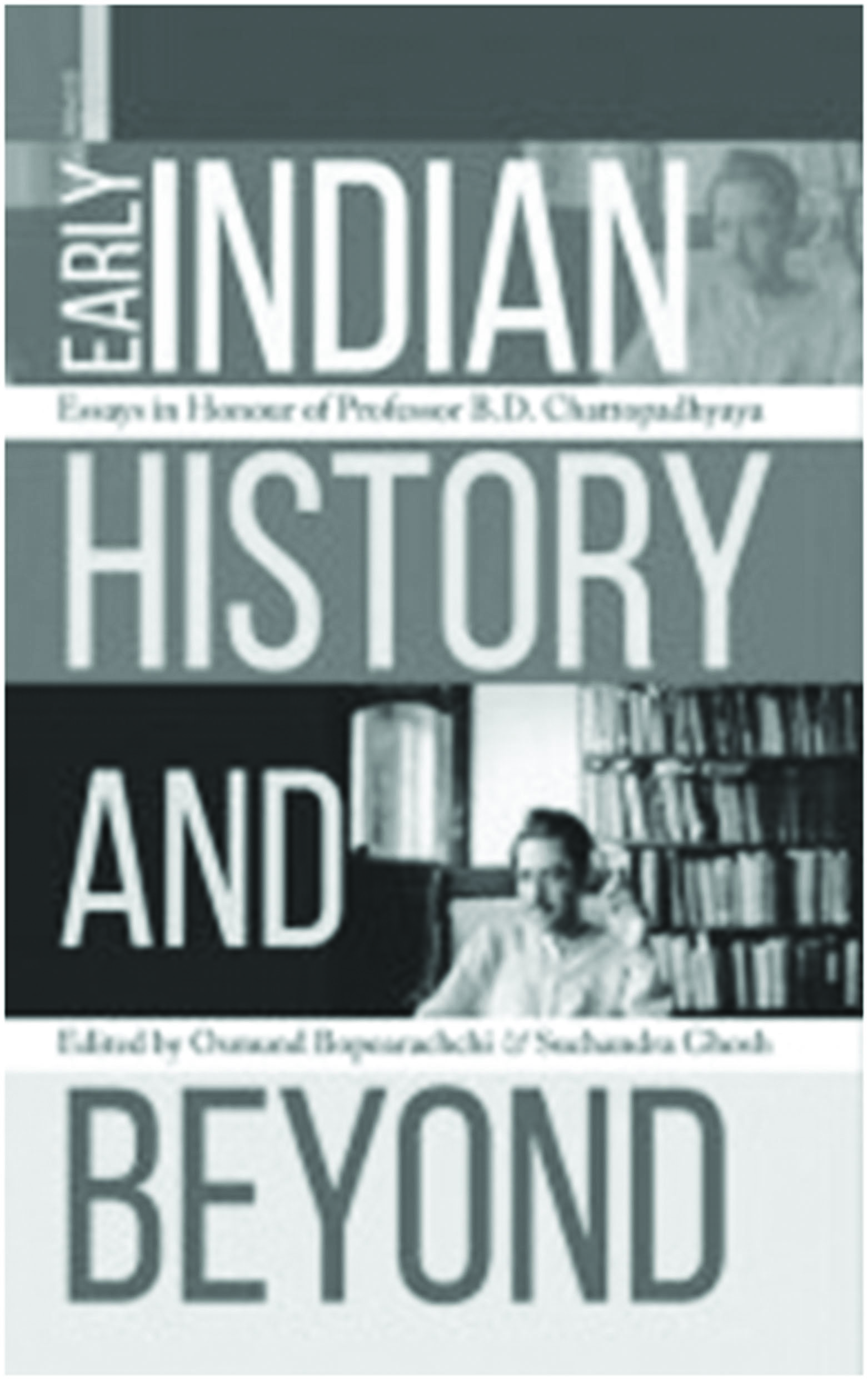
Osmund Bopearachchi and Suchandra Ghosh
The work of historians is to deconstruct the past and re-present it, not necessarily as a coherent whole or one of consensus (Joan Scott, Gender and Politics of Representation) but rather, to explore the complexities in the past—including fissures and the conflicts that existed.
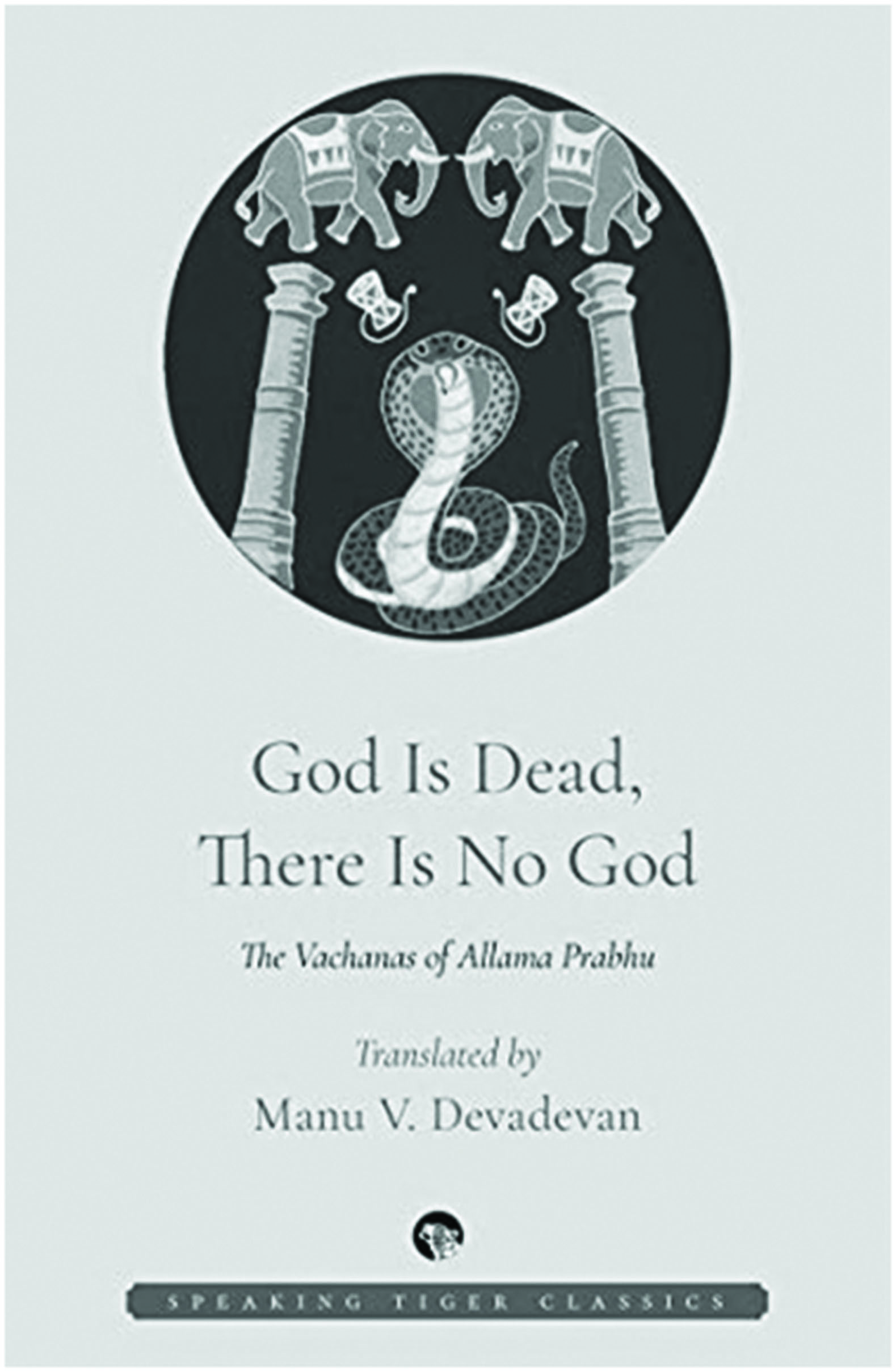
Manu V. Devadevan
The title is a misnomer. This tantalizing title of a book of translation that is saturated with divinity is an invitation to the enterprising reader to explore what lies within and what lies beyond the imagined entity called ‘God’. I would like to begin my review.
Harsh Mahaan Cairae
2014
This is a daring outlier of a book. At a time when genetic research, coupled with linguistic and archaeological studies, provide path-breaking revelations on ‘who we are and how we got here’, Harsh Mahaan Cairae has chosen to trace the journey of the Aryan.
Supriya Gandhi
Certain historical events—often, military or strategic in nature— engender obsessions with counter-factual questions. Questions such as, ‘what if Hitler and the Axis had won’, ‘what if Jinnah had died before August 1947’, and ‘what if the South had won the U.S. Civil War’, continually.
Sudeep Chakravarti
Before Robert Clive slit his jugular, perhaps in a paroxysm of violent pain in the abdomen, he had excused himself from a game of whist to visit the toilet. He was in his Berkeley Square townhouse in London and had ordered for his carriage to take him to Bath later after noontide.
Kavita Puri
‘The 1940s’, observes Ashis Nandy, ‘introduced into the South Asian public life a new actor—the refugee.’
Bakhtiar Dadabhoy’s political biography of Salar Jung I, the administrator most often credited with engineering Hyderabad’s turn to modern times is a welcome addition to the field of Hyderabad studies. It tracks the life and times of a man widely acknowledged.
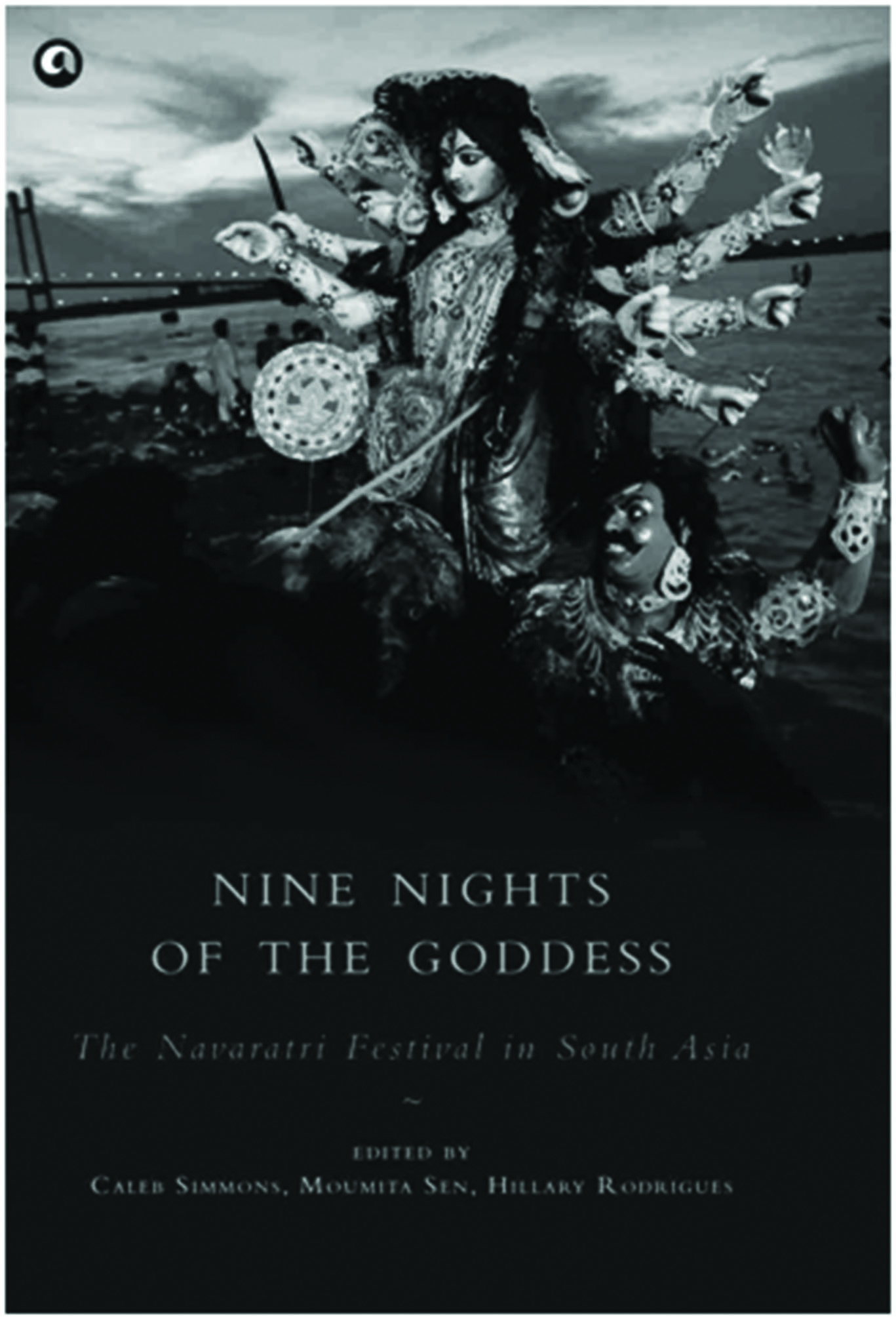
Caleb Simmons, Moumita Sen, Hillary Rodrigues
Divided into four sections, the fifteen essays in Nine Nights of the Goddess are a coming together of disciplines, methodologies, sources and places on traditions of the nine-day Navratri celebrations, also known as Navaratra, Mahanavmi, Durga Puja, Dasara or Dassain throughout South Asia.
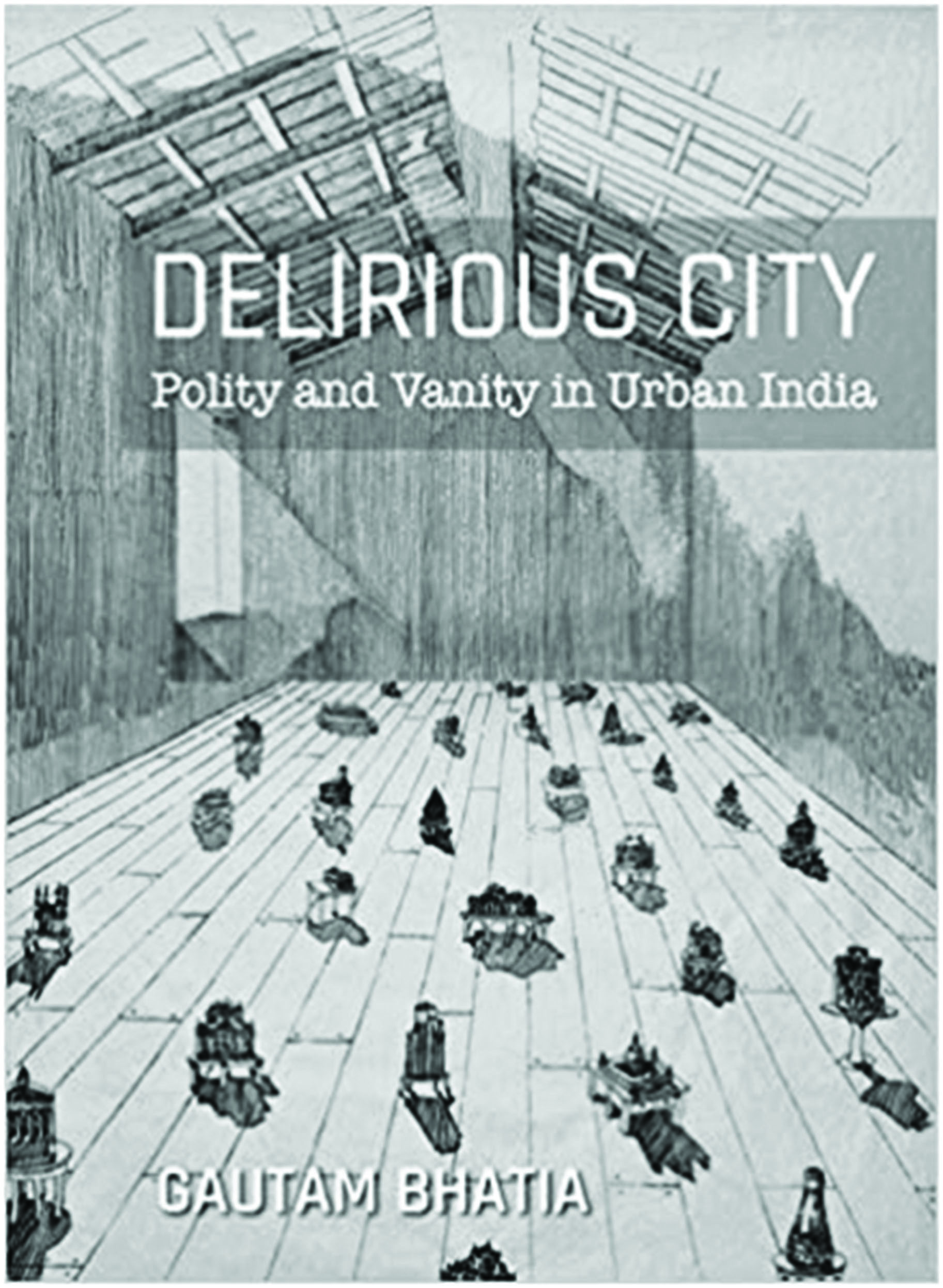
Gautam Bhatia
Gautam Bhatia’s books on architecture in India are, by and large, autobiographical. They are thoughtful reflections of a sensitive and idealistic practitioner at odds with the quotidian values of the profession. As he sees it, it is a profession that actually.
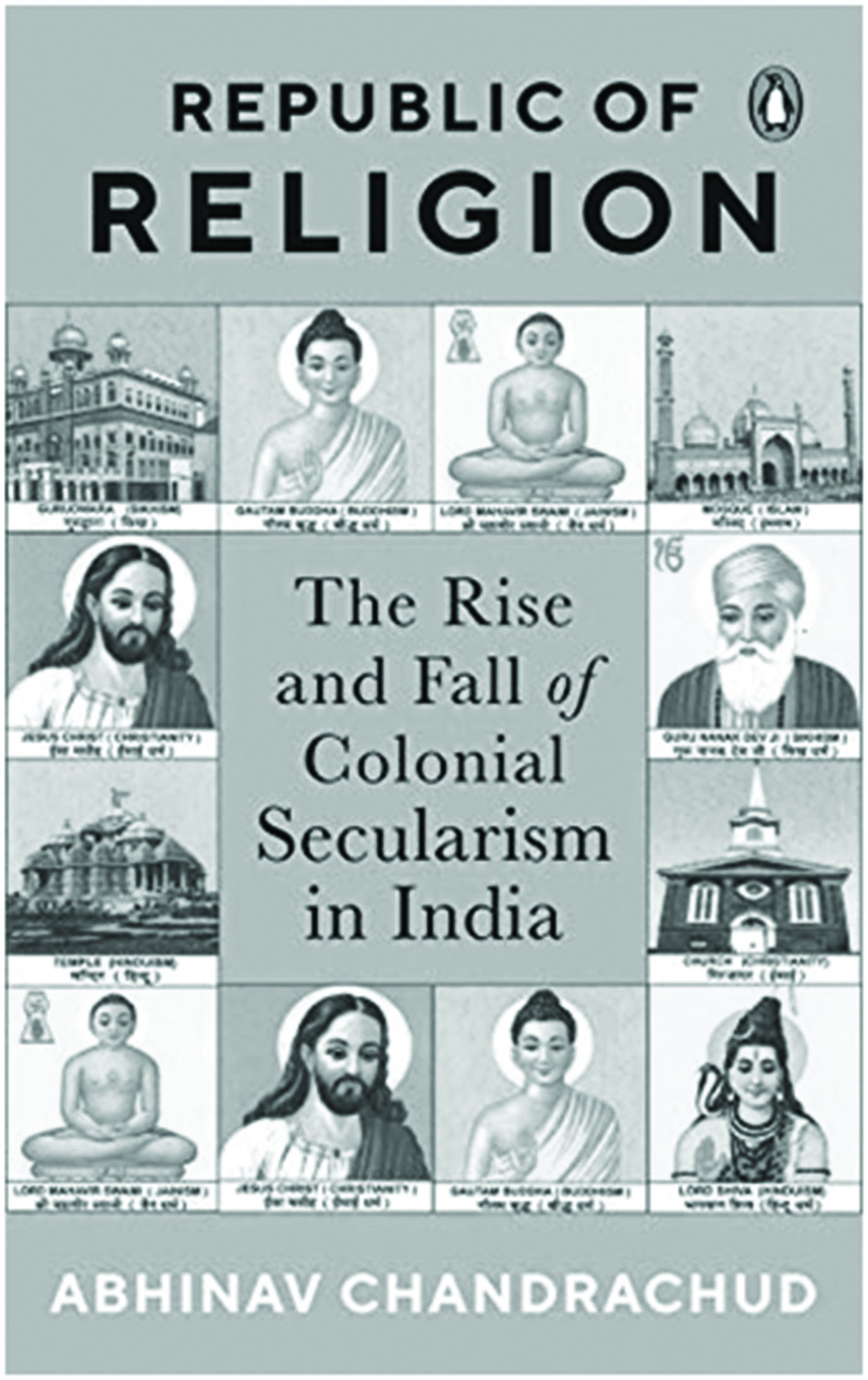
Abhinav Chandrachud
In the abundant literature on secularism that is now at hand, the range of comparative work on distinctive projects of secularism, in different parts of the world, has widened significantly, moving away from earlier binary classifications. The literature shows.
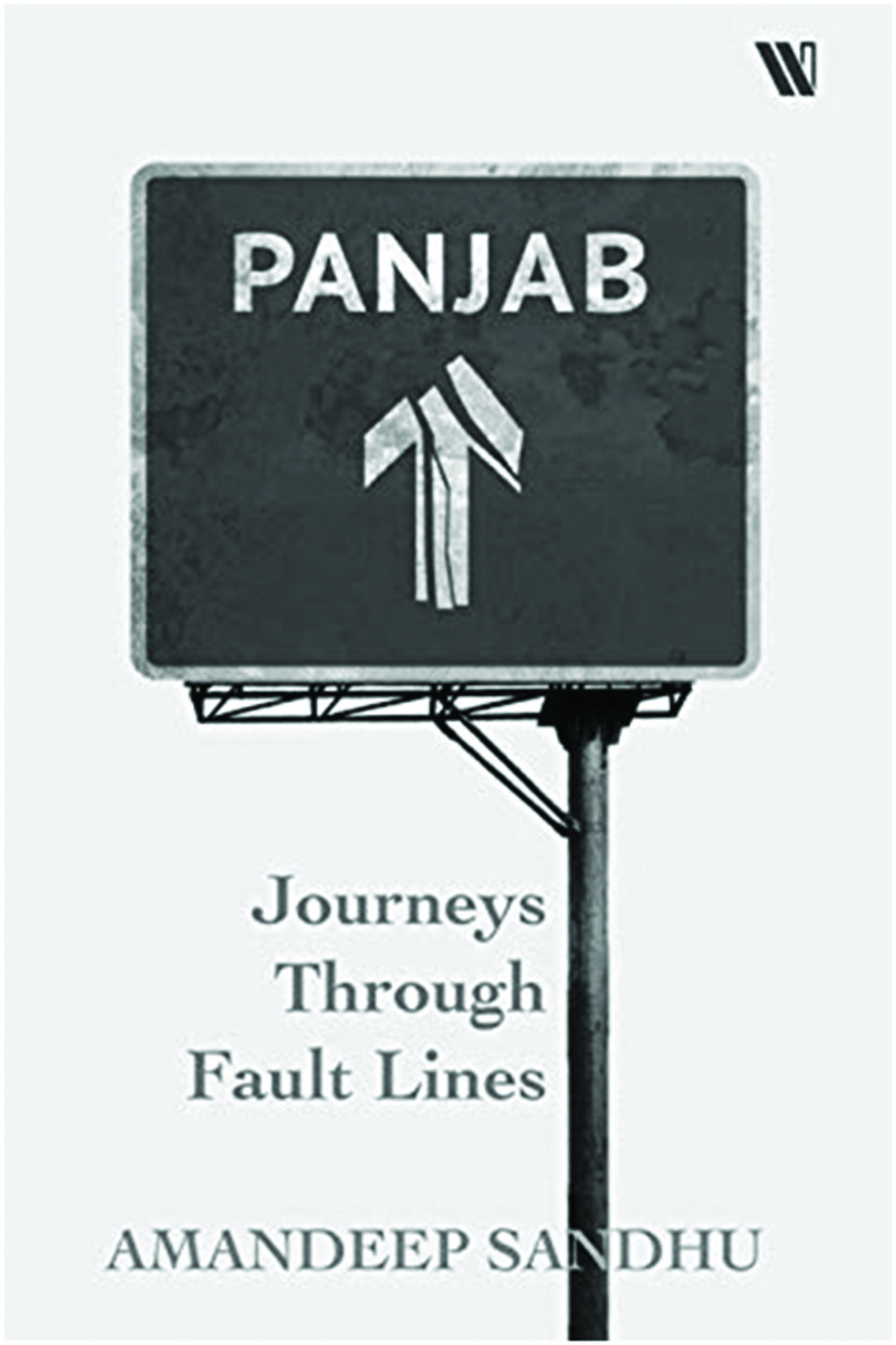
Amandeep Sandhu
The tenor of Amandeep Sandhu’s Panjab: Journeys Through Fault Lines is established in the very first chapter titled Satt–Wound. The author, born in Rourkela, admits to only a fragile link with Punjab (spelt Panjab)–his family once belonged to the State. He then provides images that are intimate and distant, uniquely personal and universally familiar all at once: brass vessels.
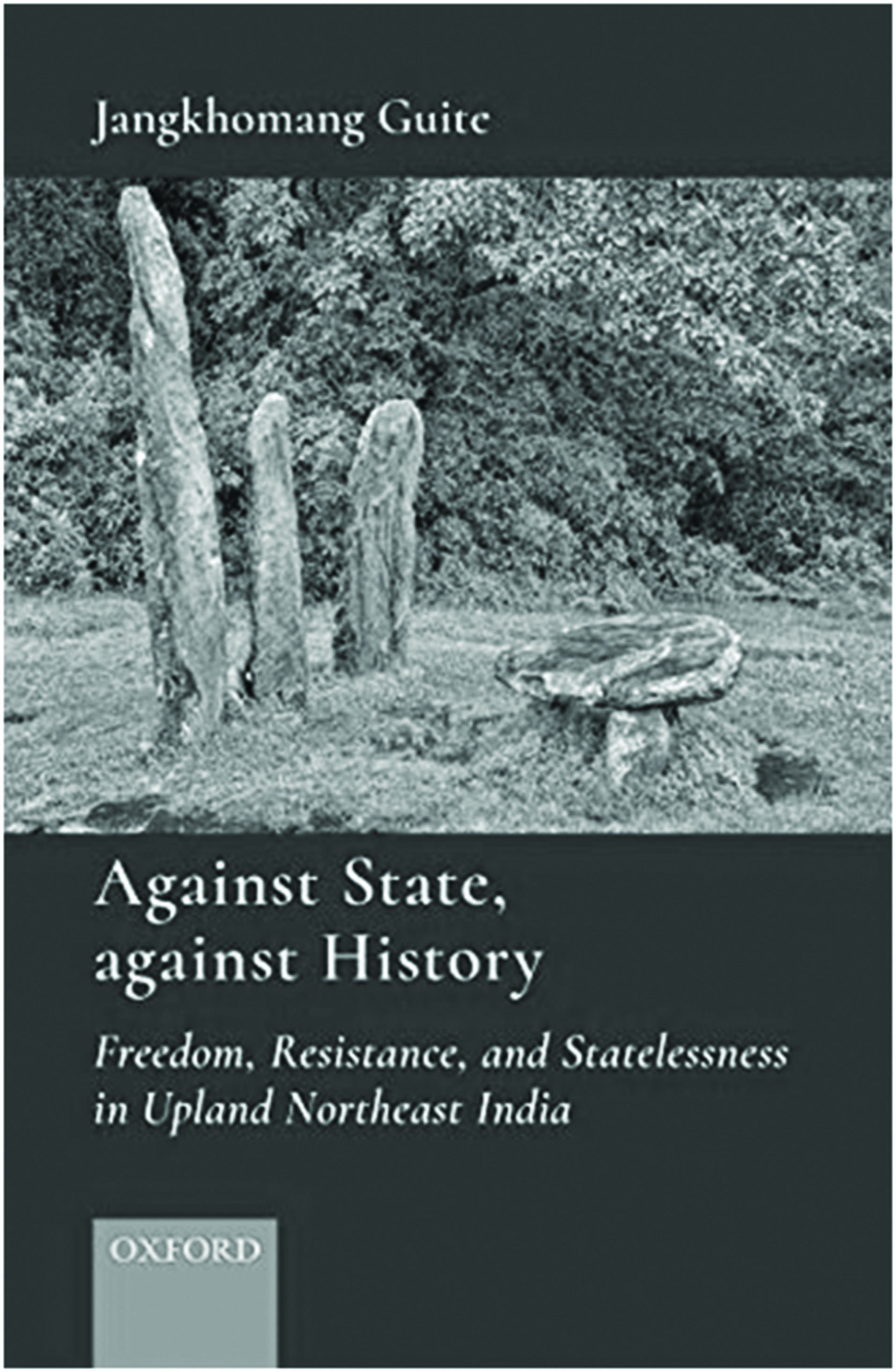
Jangkhomang Guite
2019
Colonial stereotypical portrayal of the myriad hill-tribes of India’s North East as, inter alia, demoniacal, relics of the past and uncivilized—abstract principles intended to rationalize the imperial project—has undergirded much of the dominant understandings about the region.
Partha Chatterjee
This is a timely intervention by Partha Chatterjee on the question of popular sovereignty in an era of populism and abounding authoritarianism. The book is based on the Ruth Benedict Lectures that Chatterjee delivered at Columbia University in April 2018 and as he admits candidly.
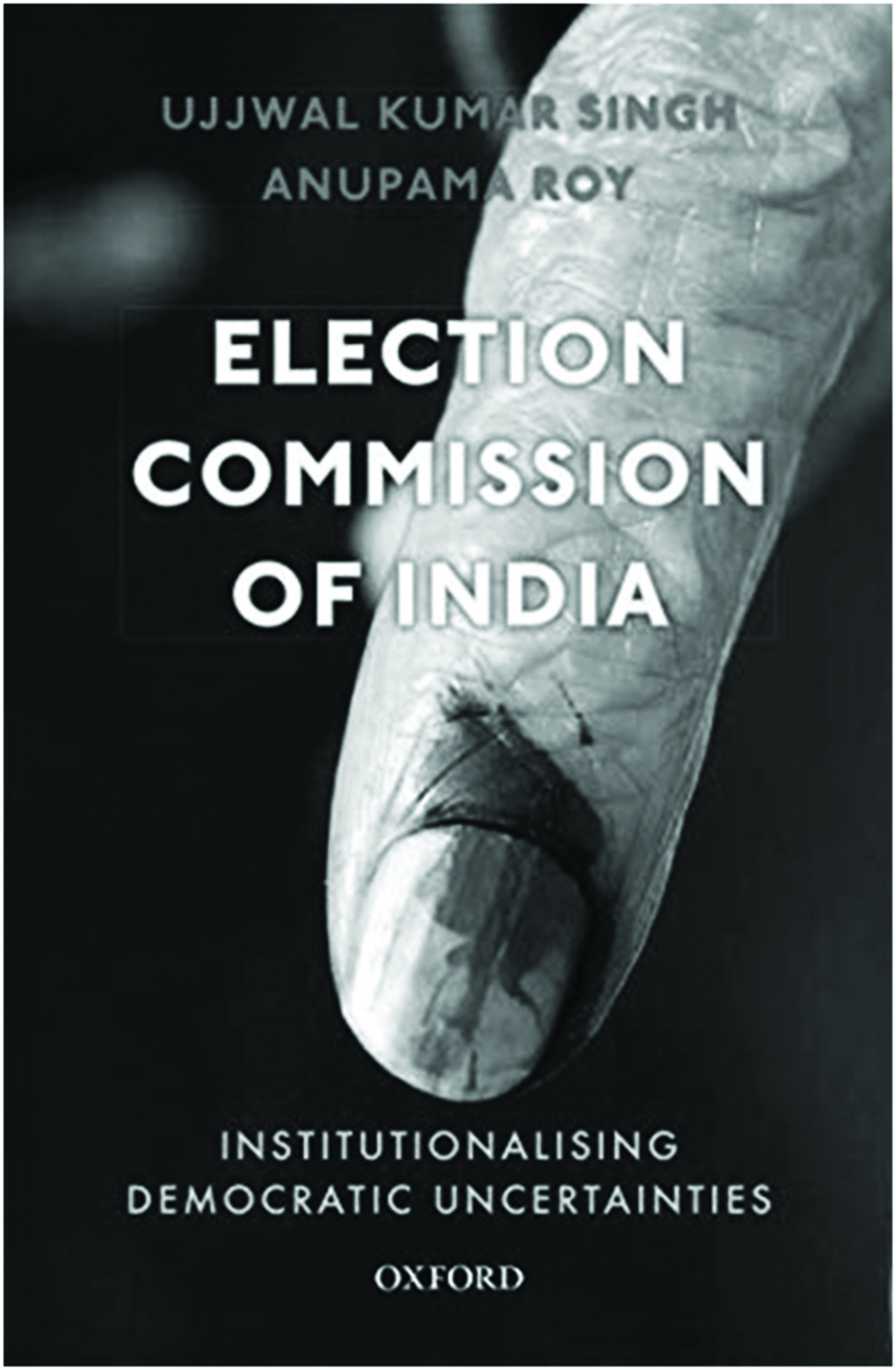
Ujjwal Kumar Singh and Anupama Roy
Election Commission of India: Institutionalising Democratic Uncertainties has hit the shelves—physical as well as digital, at a time when the Election Commission of India (ECI) has come under unprecedented scrutiny over its alleged failure to enforce election norms.
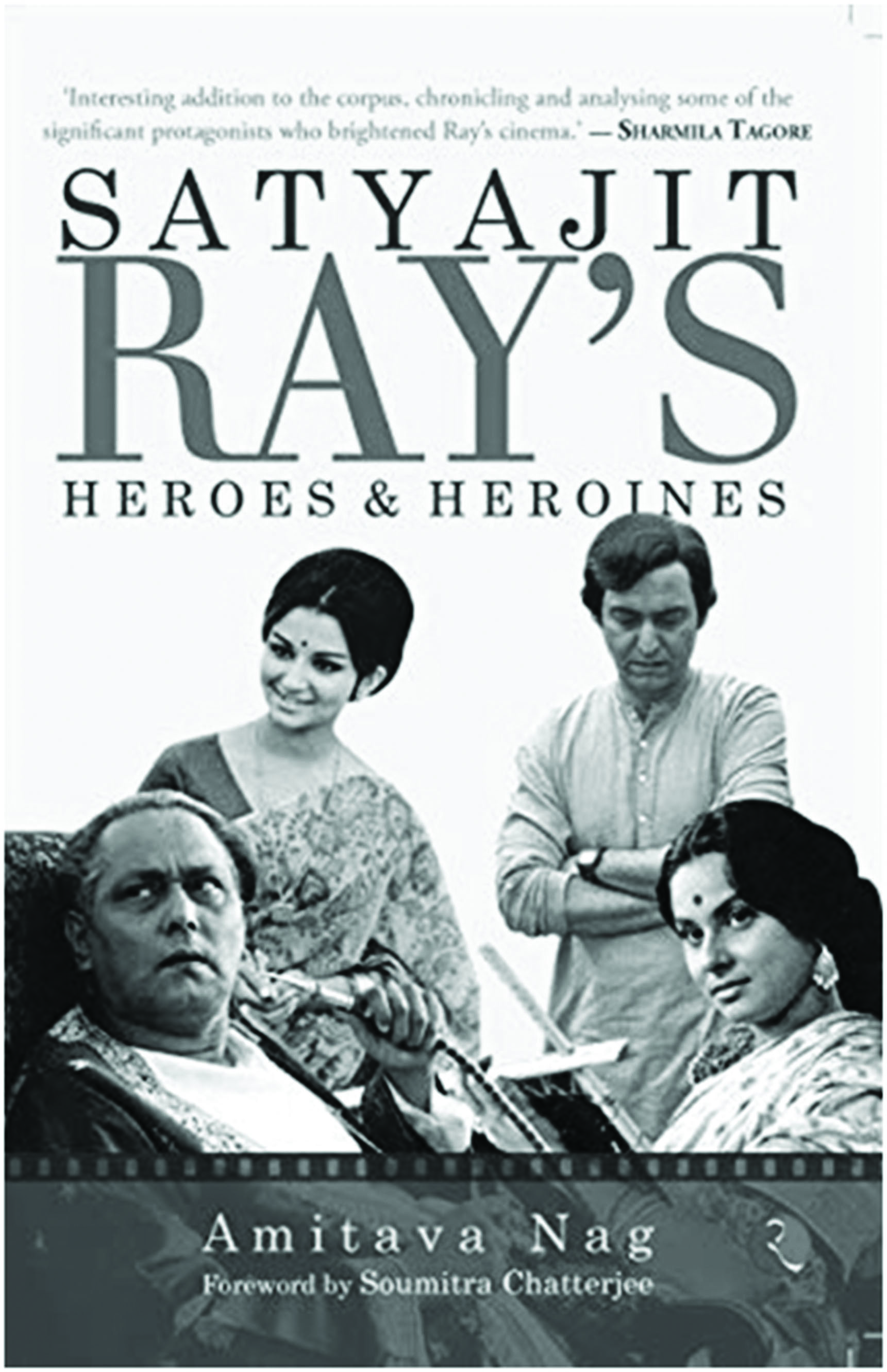
Amitava Nag
Satyajit Ray (1921-1992), who has been one cultural icon, admired as much in Bengal as in much of the world, continues to inspire filmmakers and scholars of different hues. Besides making twenty-eight feature films, all in Bengali except Shatranj Ke Khilari.
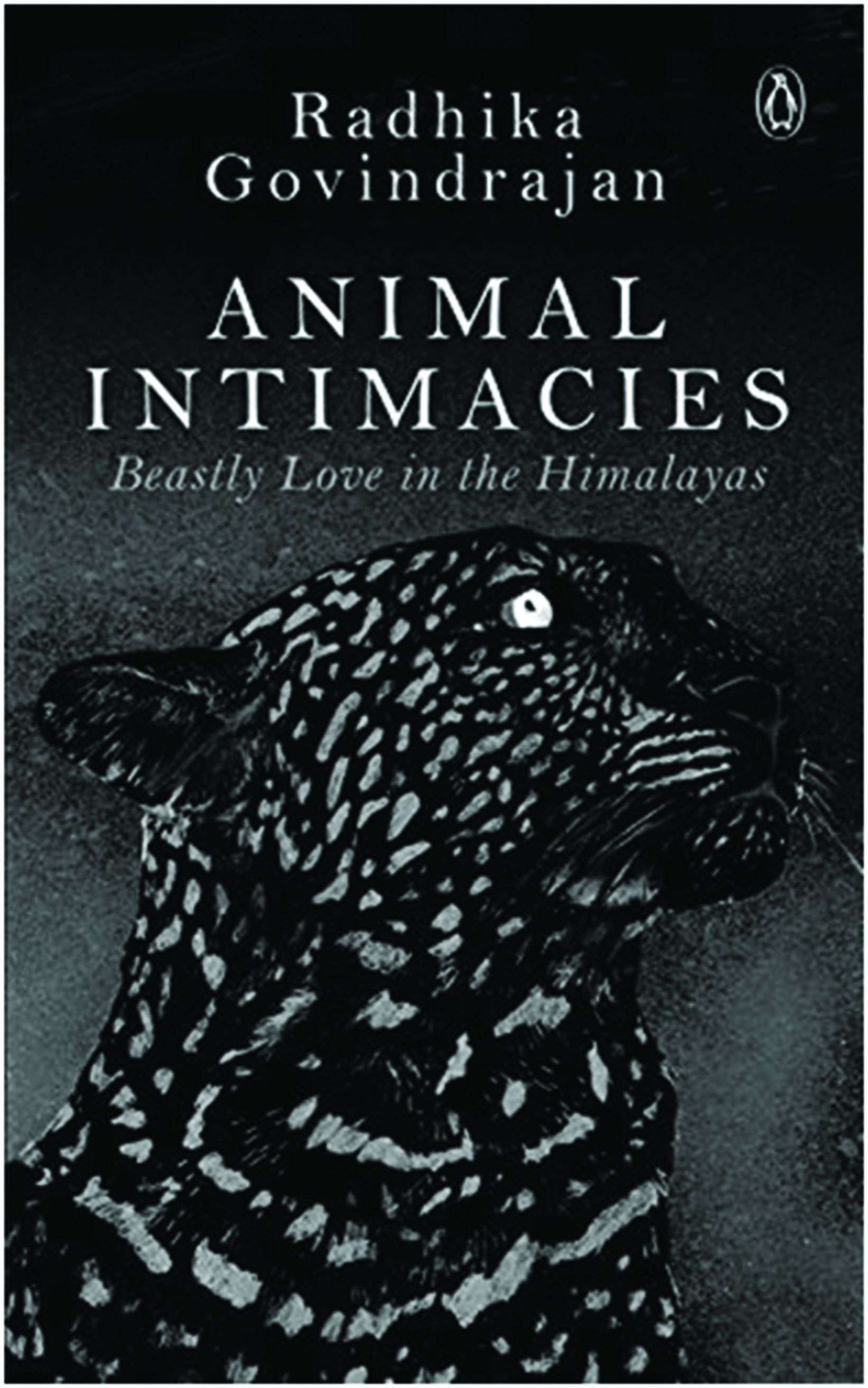
Radhika Govindrajan
Splendid is not the word. Finally, an exemplary work of research that consciously blurs the boundary between the human and the non-human. In Animal Intimacies: Beastly Love in the Himalayas, Radhika Govindrajan attempts and successfully manages to show the reader.
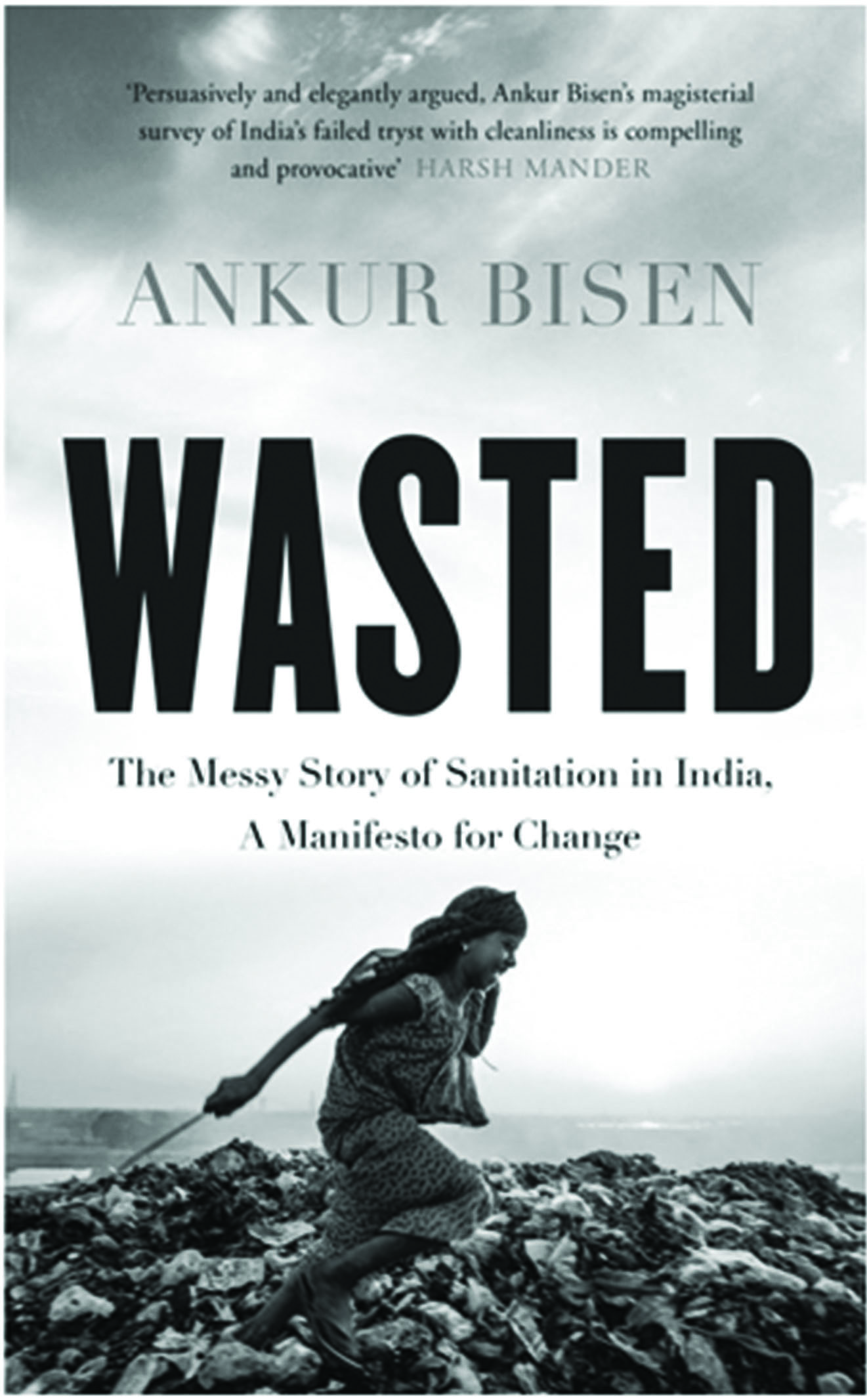
Ankur Bisen
Ulrich Beck in his much-acclaimed book Risk Society: Toward a New Modernity throws light on the consequences of a wide range of hazardous and deadly risks of a highly industrialized and urbanized society. He further elaborates that modern risks are not restricted.
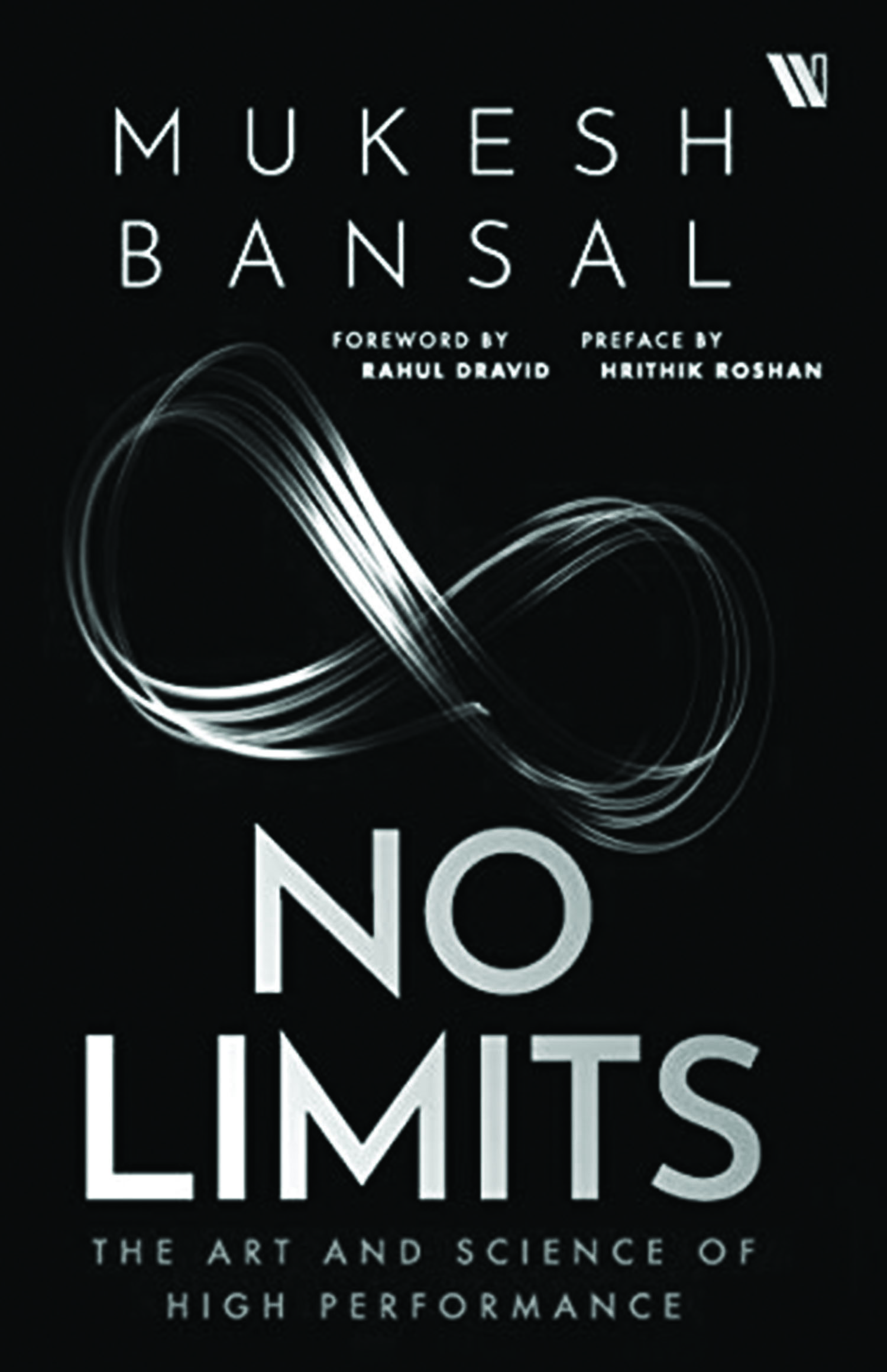
Mukesh Bansal
‘May the force be with you!’ The last line of the book is not a mere wish but a self-proclaimed statement of a tech entrepreneur, whose smart work has won many laurels. Decoding mental agility and extraordinary physical ability, Mukesh Bansal, the founder.