
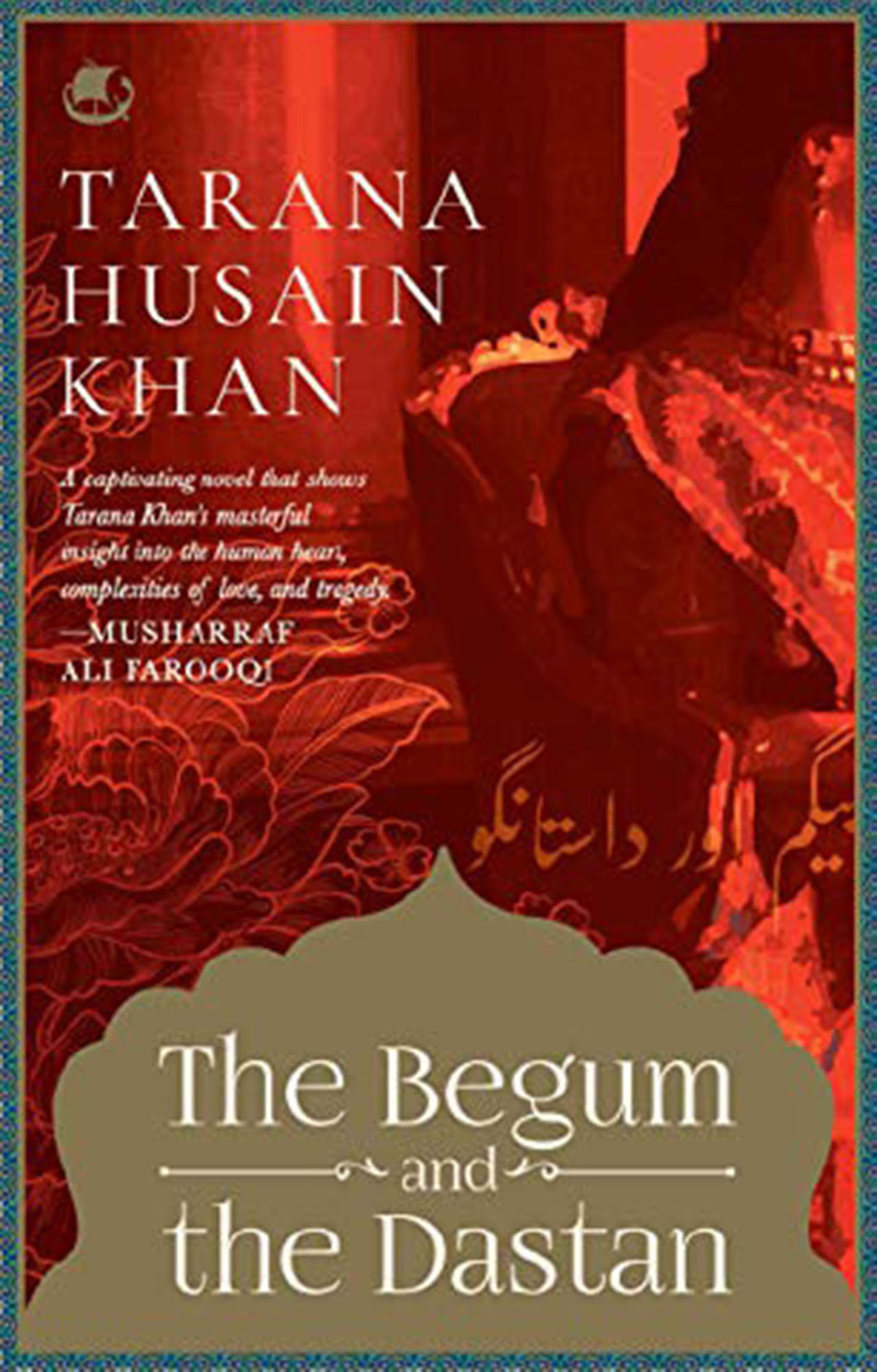
Tarana Husain Khan
Urdu Dastan refers to an extant mode of storytelling where popular fantasies, literary tropes and a hint of history is melded to produce utterly entertaining and absorbing stories. Often about legendary characters, the charm of the dastan rests on its flamboyance, verbal excesses and a fine entanglement of the ordinary…
Munshi Faizuddin. Translated from the original Urdu by Ather Farouqui
The blurb in the inner cover of this book describes it as a rich and lively first-hand account of life in the royal court of Bahadur Shah Zafar, the last Mughal Emperor, in the Red Fort. The author Munshi Faizuddin lived in the Red Fort in his capacity of being a long-time servant of Prince Mirza Ilahi Baksh…
Gopi Chand Narang. Translated from the original Urdu by Surinder Deol
Does profoundness stem from simplicity? Do the unending complexities and deeper truths that elude religion, psychology and politics, become viewable in verses made up of simple words charged with captivating verbal richness? Does elegant and sophisticated simplicity stamp…
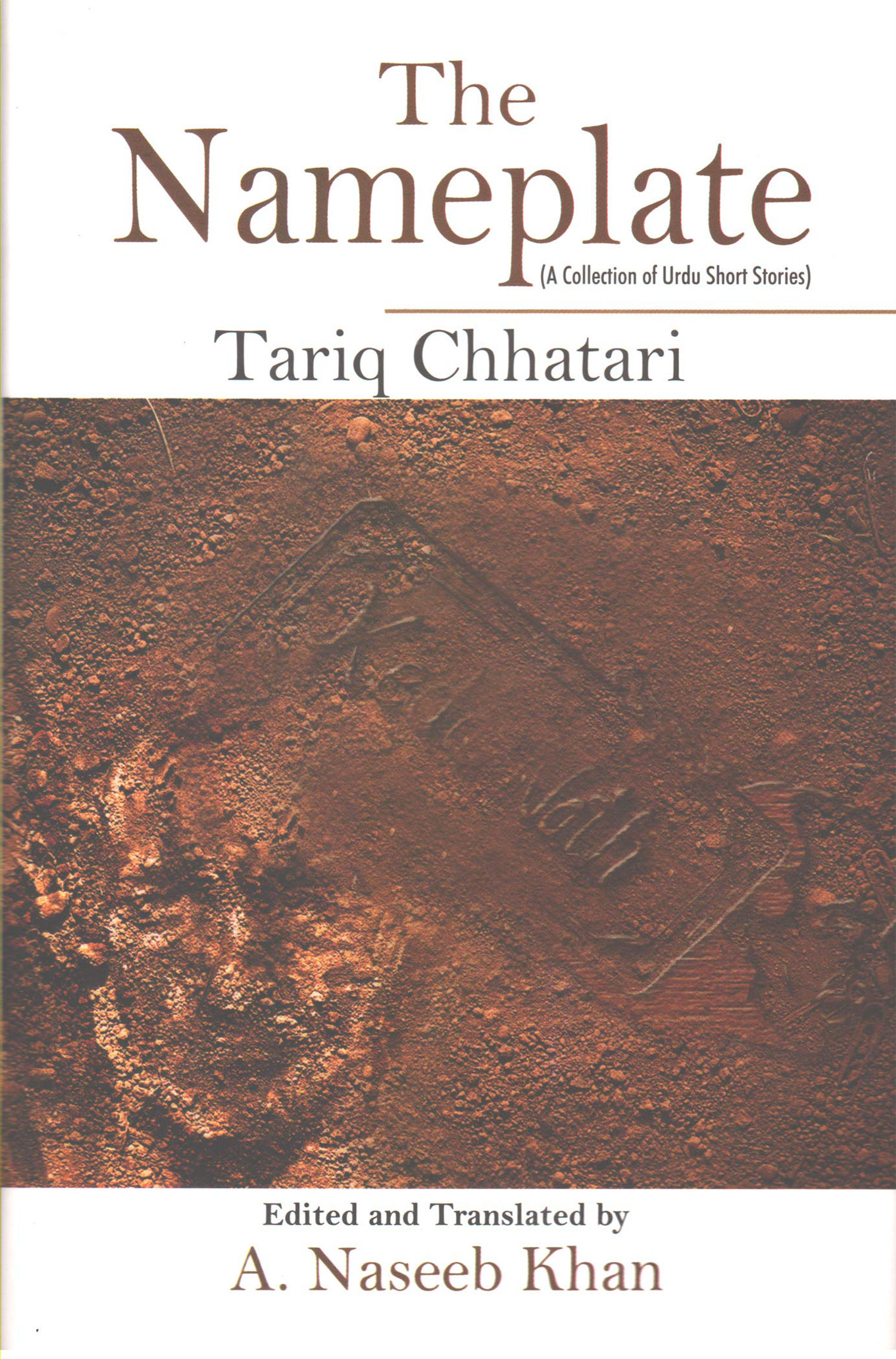
Tariq Chhatari. Edited and translated by A. Naseeb Khan
Among one of the notable modern fiction writers in Urdu, Tariq Chhatari’s The Nameplate is a collection of eleven short stories selected from his first anthology Bagh Ka Darwaza (2001). Translated by A Naseeb Khan, this book has a spirited Introduction, in which he attempts to place Tariq Chhatari’s…
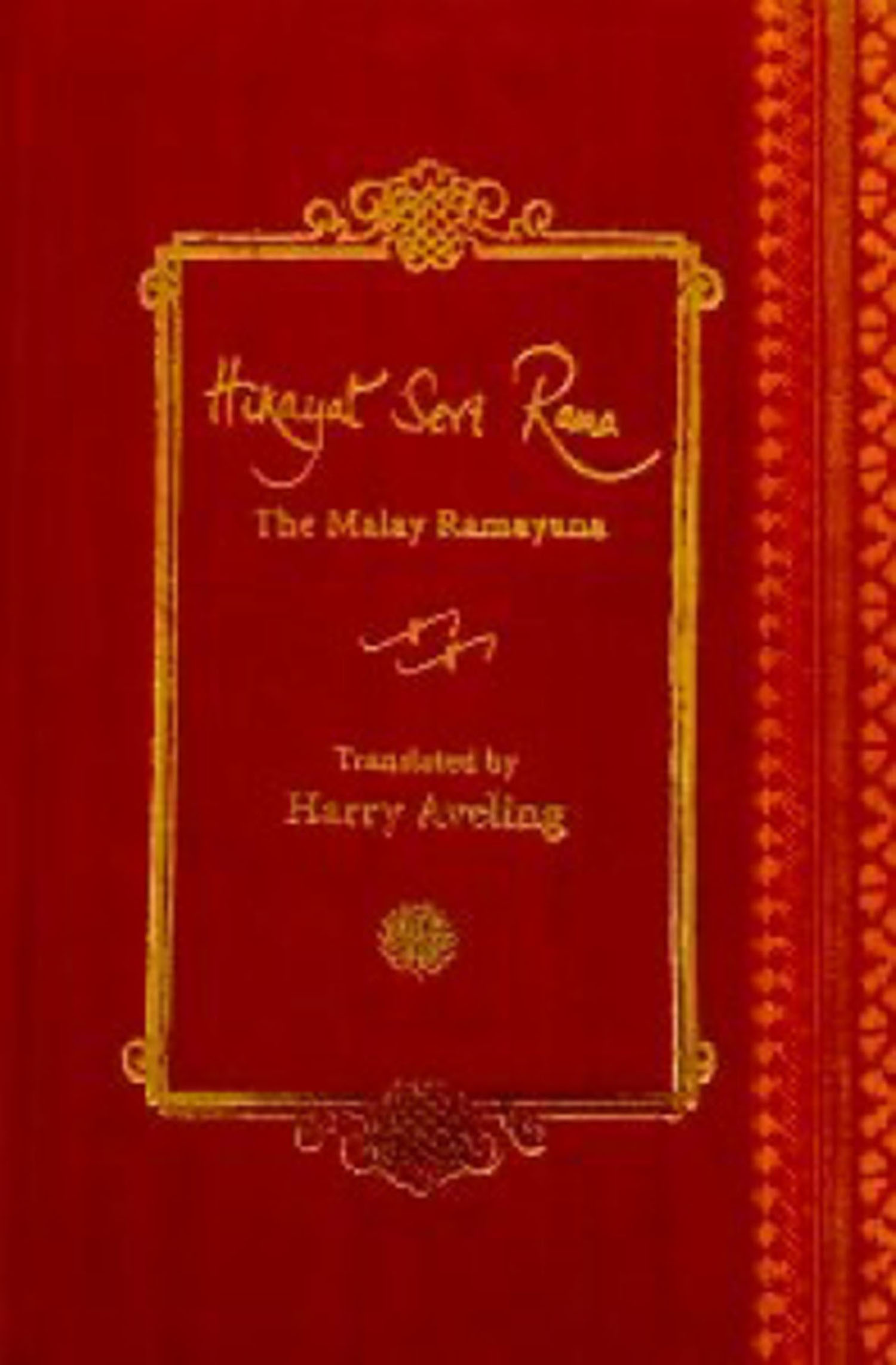
Harry Aveling
The remarkable story of the Indianization of South-East Asia is an instance of historical spontaneity. Hinduism and Buddhism travelled there with indomitable traders, adventurers and priests carrying along their religion and culture which the local population accepted enthusiastically…
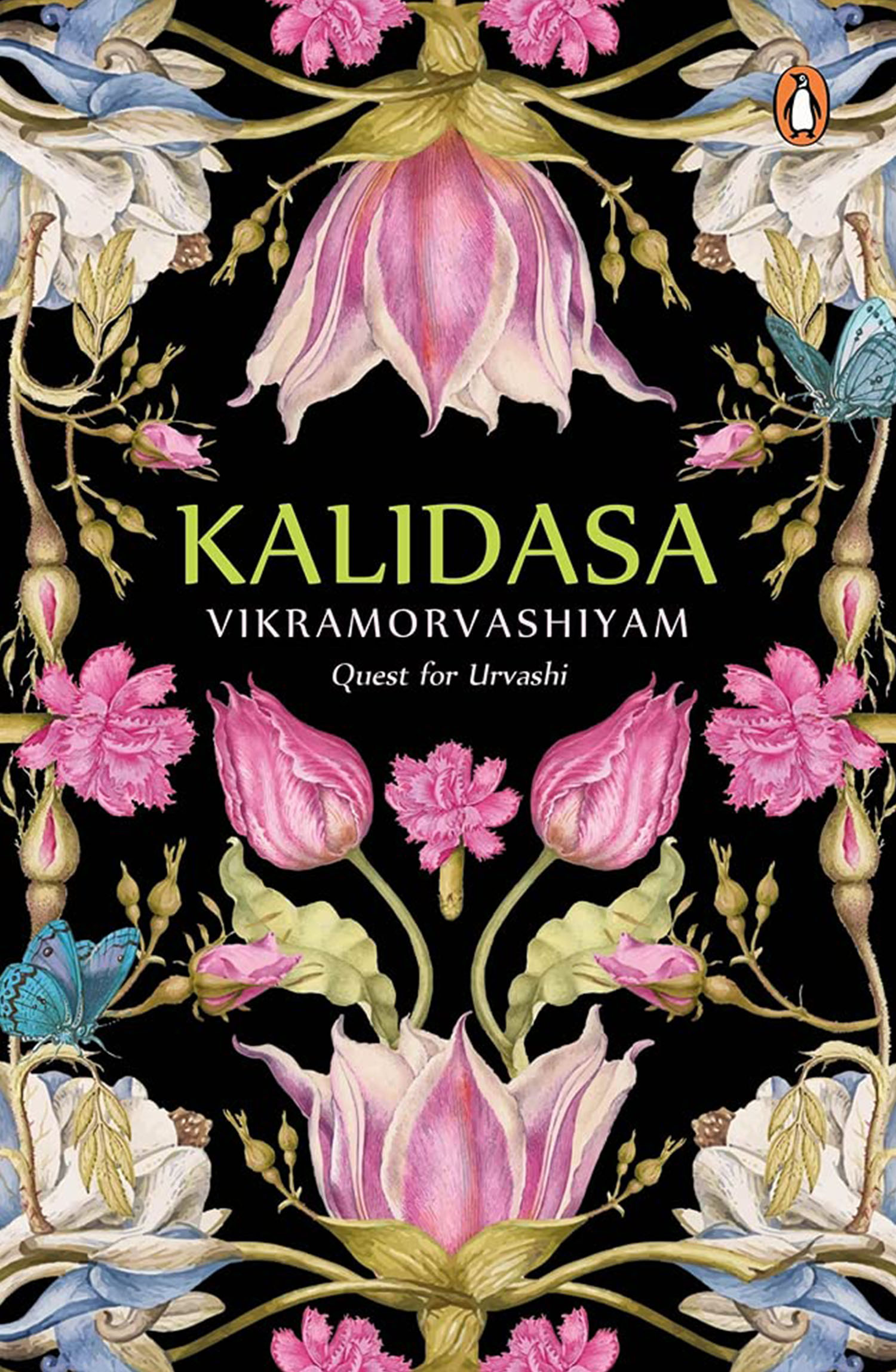
Kalidasa. Translated from the original Sanskrit by A.N.D. Haksar
In these troubled times, when even leisure reading requires motivation, a translation whisked me off to a fantasy land…a land of unparalleled beauty and unmatched courage, a land of love and romance. My own reluctance to be led away is just one part of the story, the growing discomfort…
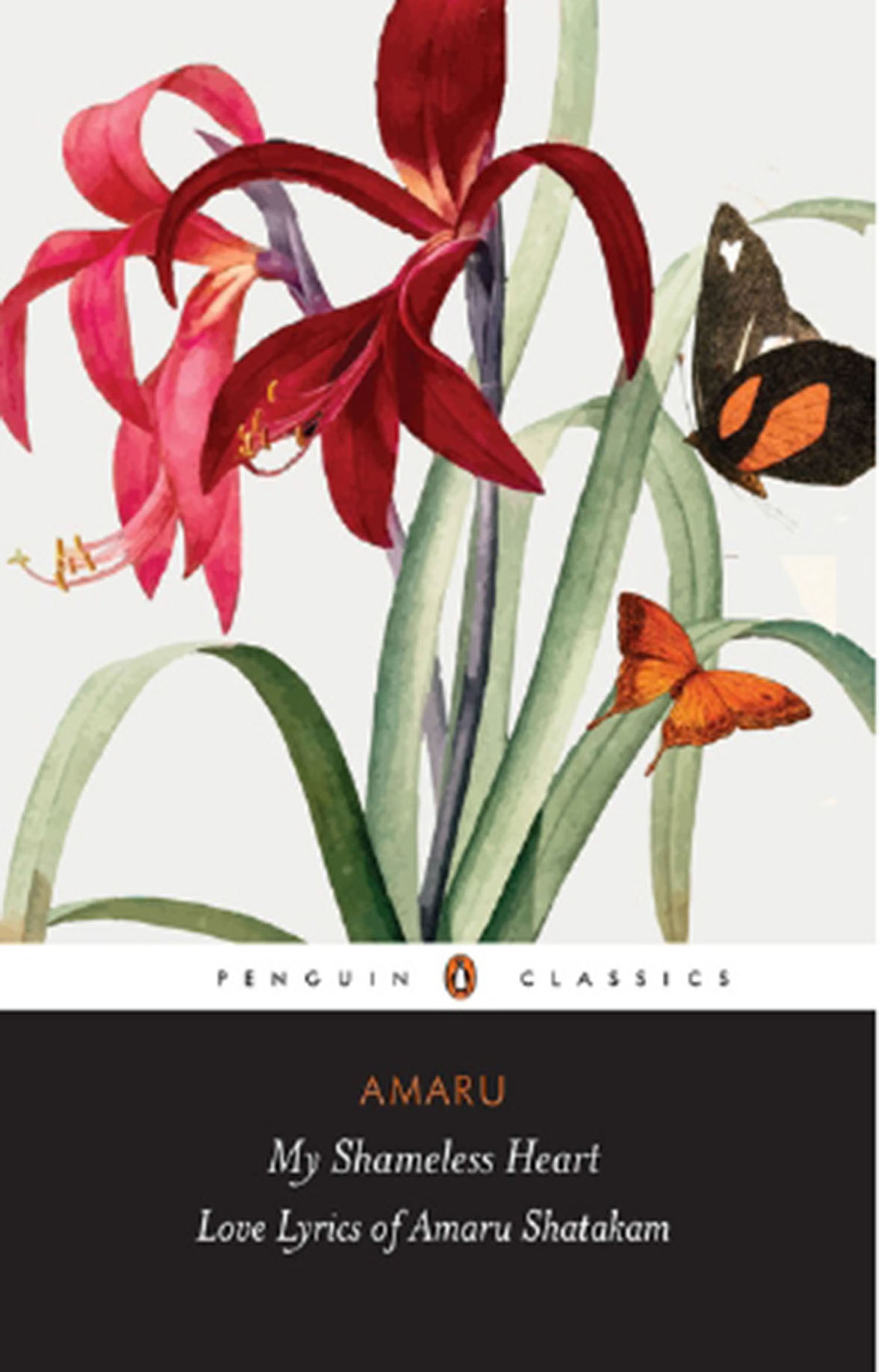
Amaru. Translated from the original Sanskrit by AND Haksar
Amaru Shatakam, translation of some hundred love lyrics is one of the best specimens of the genre in classical Sanskrit. Nothing is known about the author but it is ascribed to a king of Kashmir. There is also the fantastic legend identifying him with the soul of Adi Sankaracharya transferred into the body…
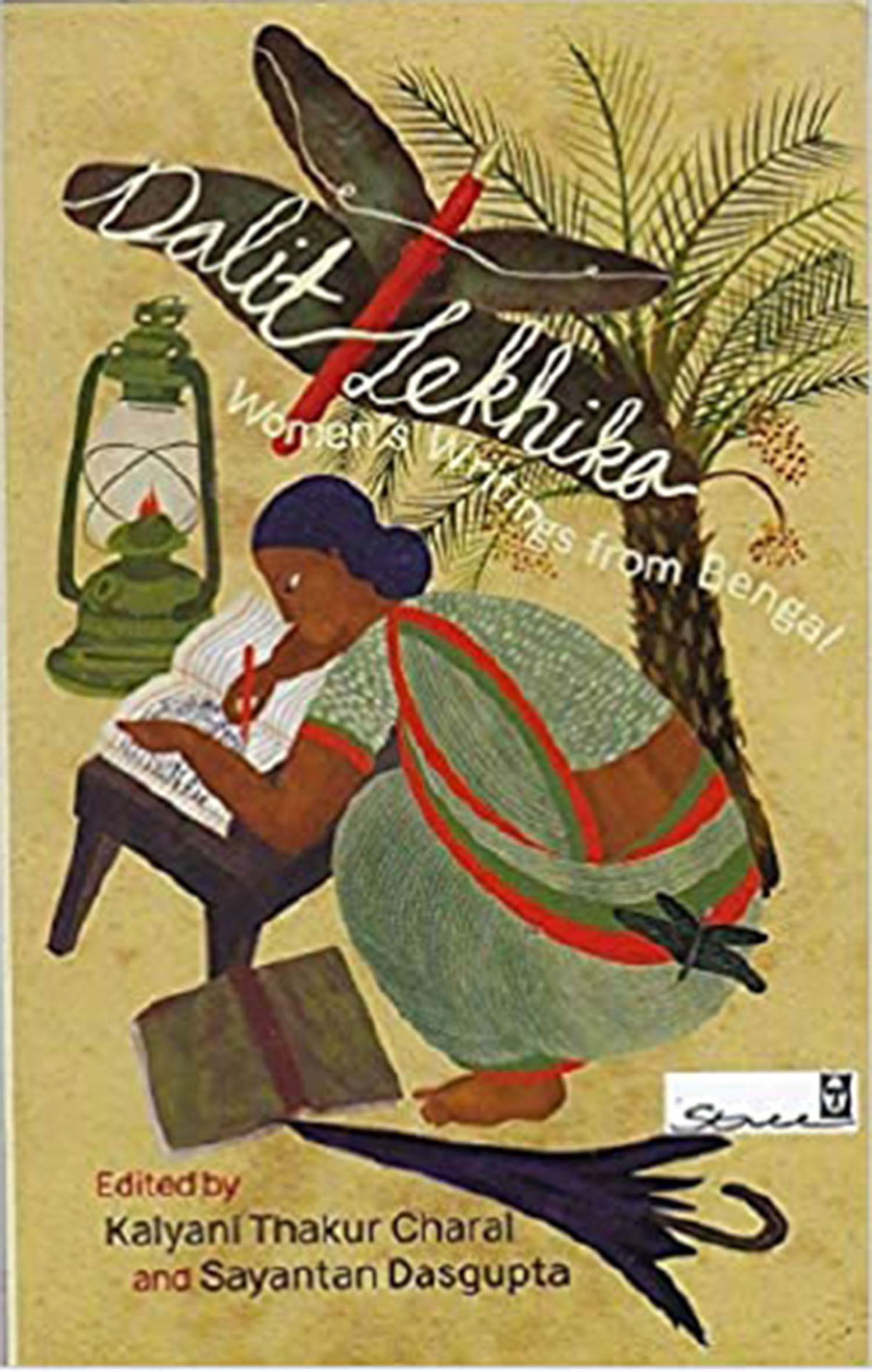
Kalyani Thakur Charal and Sayantan Dasgupta
In Kalyani Thakur Charal’s short story translated as ‘A Hundred Pens’, Rekha’s Thakuma/paternal grandmother, though illiterate herself, dreams of a new generation rewriting the history of discrimination, oppression, neglect and deprivation that marks the caste-based politics of the Indian subcontinent.For thousands of years our people haven’t been able…
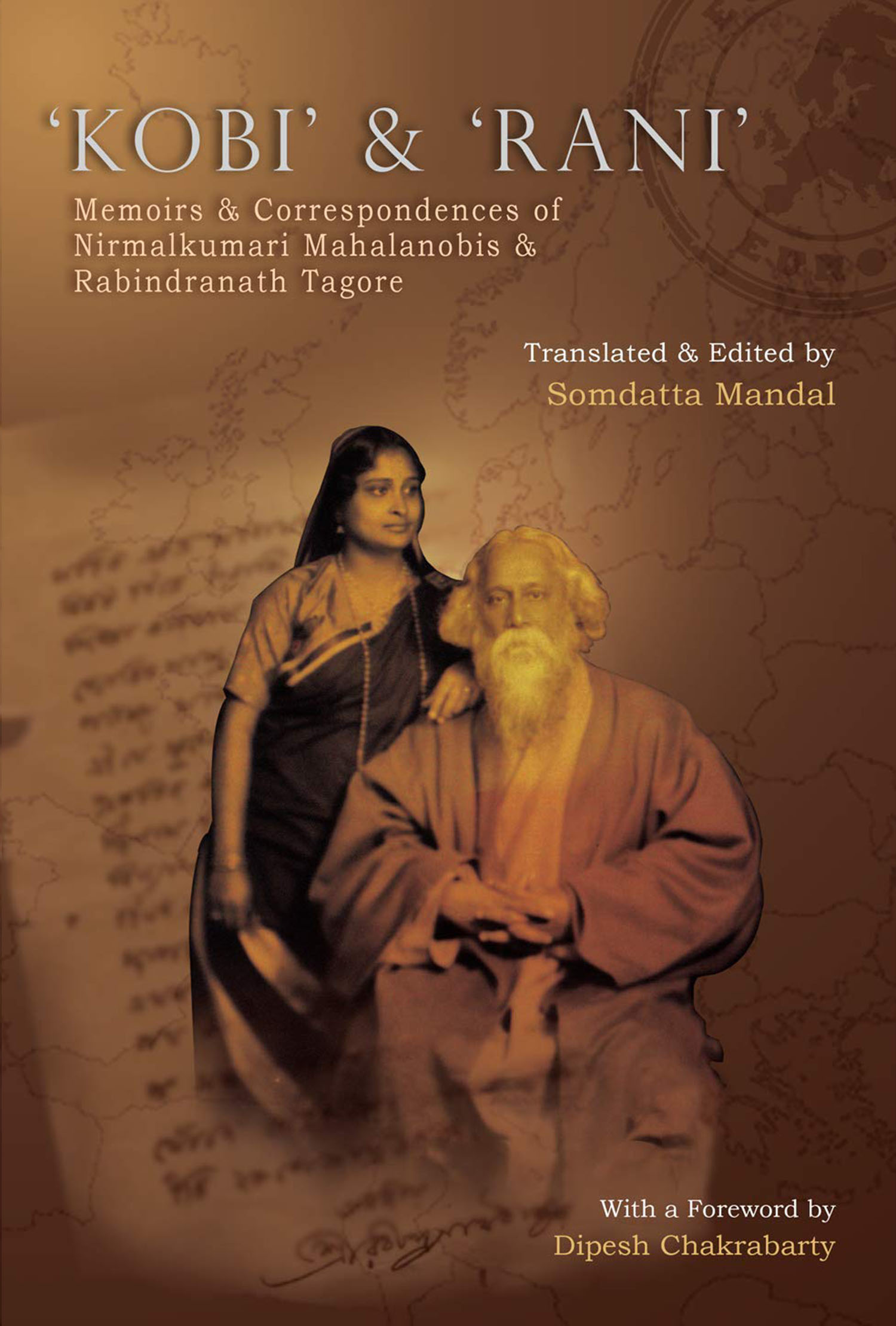
Somdatta Mandal with a Foreword by Dipesh Chakrabarty
In the making of Rabindranath Tagore’s public image, apart from the voices of the critical establishment and the poet’s own forms of self-projection, the reminiscences of those around him also played a part. A compulsive globe-trotter, Tagore often travelled with companions who knew him closely…
Nirmal Kanti Bhattacharjee
Rabindranath Tagore’s androgynous imagination finds fulsome expression in the two books under review. How he extended his understanding to the mysterious secrets of women silenced by patriarchy remains a conjecture. Periodic translations open up the question in various social contexts…
Samaresh Bose. Translated from the original Bengali by Rani Ray
Partition narratives accommodate some of the most difficult and irreconcilable spaces of human experience within the contested ideas of home, nation, and sense of belonging. Samaresh Bose’s Bangla novella Khandita written in 1985, translated into English by Rani Ray as Dissevered in 2019, registers the need to comprehend…
Sunil Gangopadhyay. Translated from the original Bengali by Debali Mookerjea-Leonard
2020
‘Why can’t we be friends now?’ said the other, holding him affectionately. ‘It’s what I want. It’s what you want.’ But the horses didn’t want it—they swerved apart: the earth didn’t want it, sending up rocks through which riders must pass single file; the temple, the tank, the jail, the palace, the birds, the carrion, the Guest House…
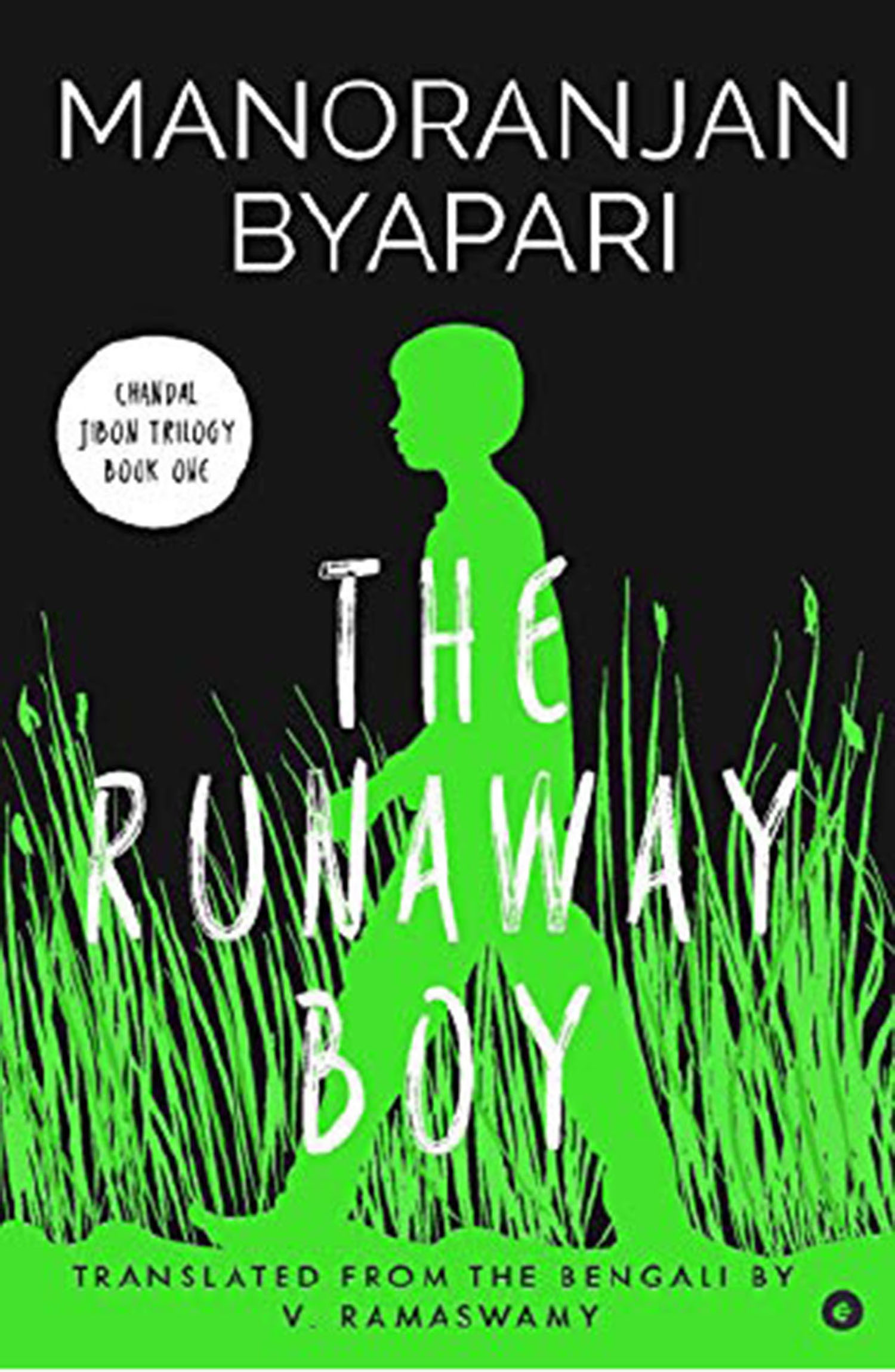
Manoranjan Byapari. Translated from the original Bengali by V. Ramaswamy
The Runaway Boy is a novel that packs a punch! It is a novel about the downtrodden. About oppression at various social levels. And, most of all, about the struggle for survival.The Runaway Boy, a trilogy, traces the lives of Garib Das and his son, Jibon. And through their lives, Manoranjan Byapari chronicles the tempestuous politics…
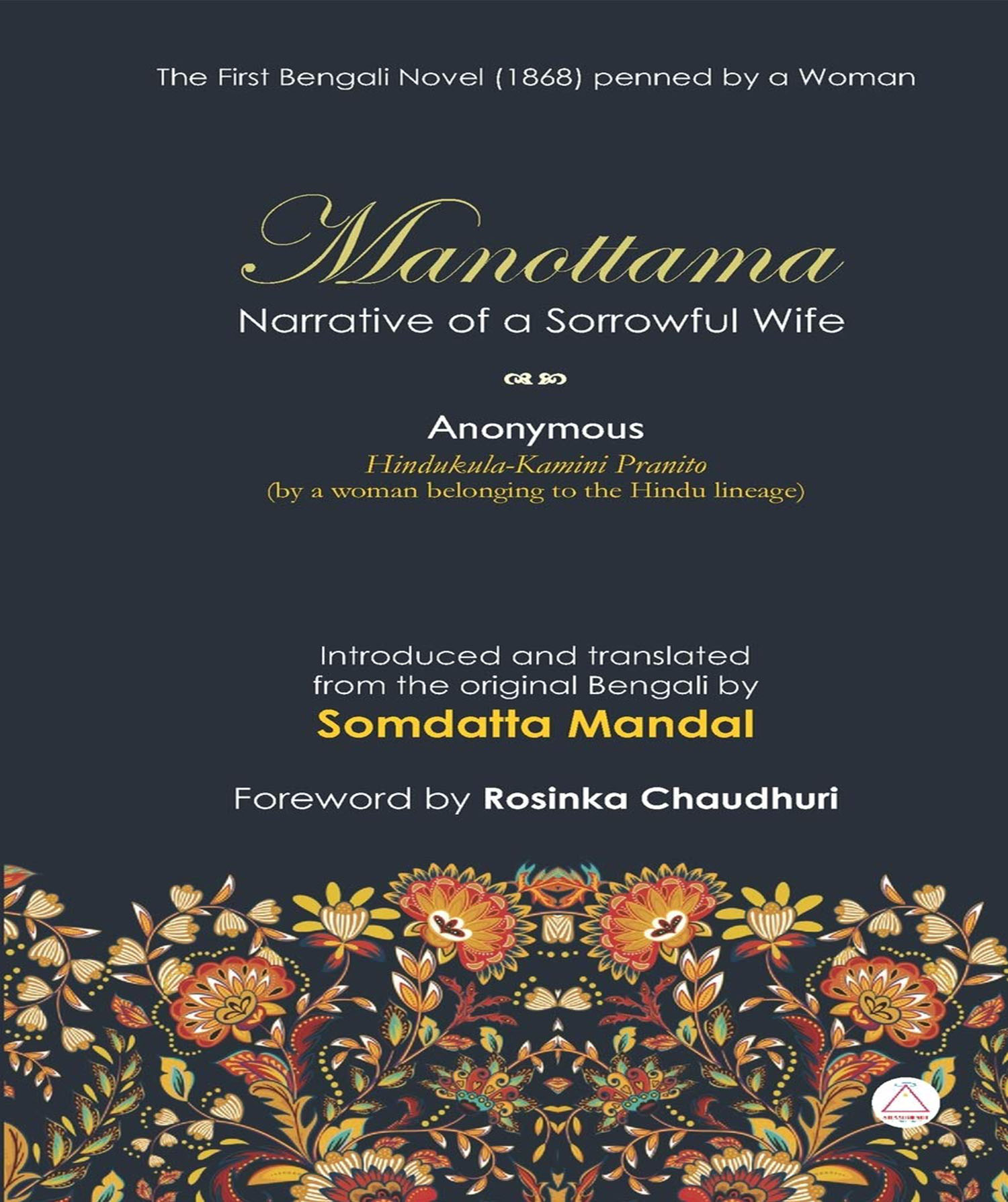
Rosinka Chaudhuri
Women’s education was an important subject in nineteenth century Bengal’s intellectual circles. Many early Bengali novels had an educated man marrying an uneducated woman, and then educating her. In Manottama, the plot is reversed—an educated girl marries an older, uneducated man…
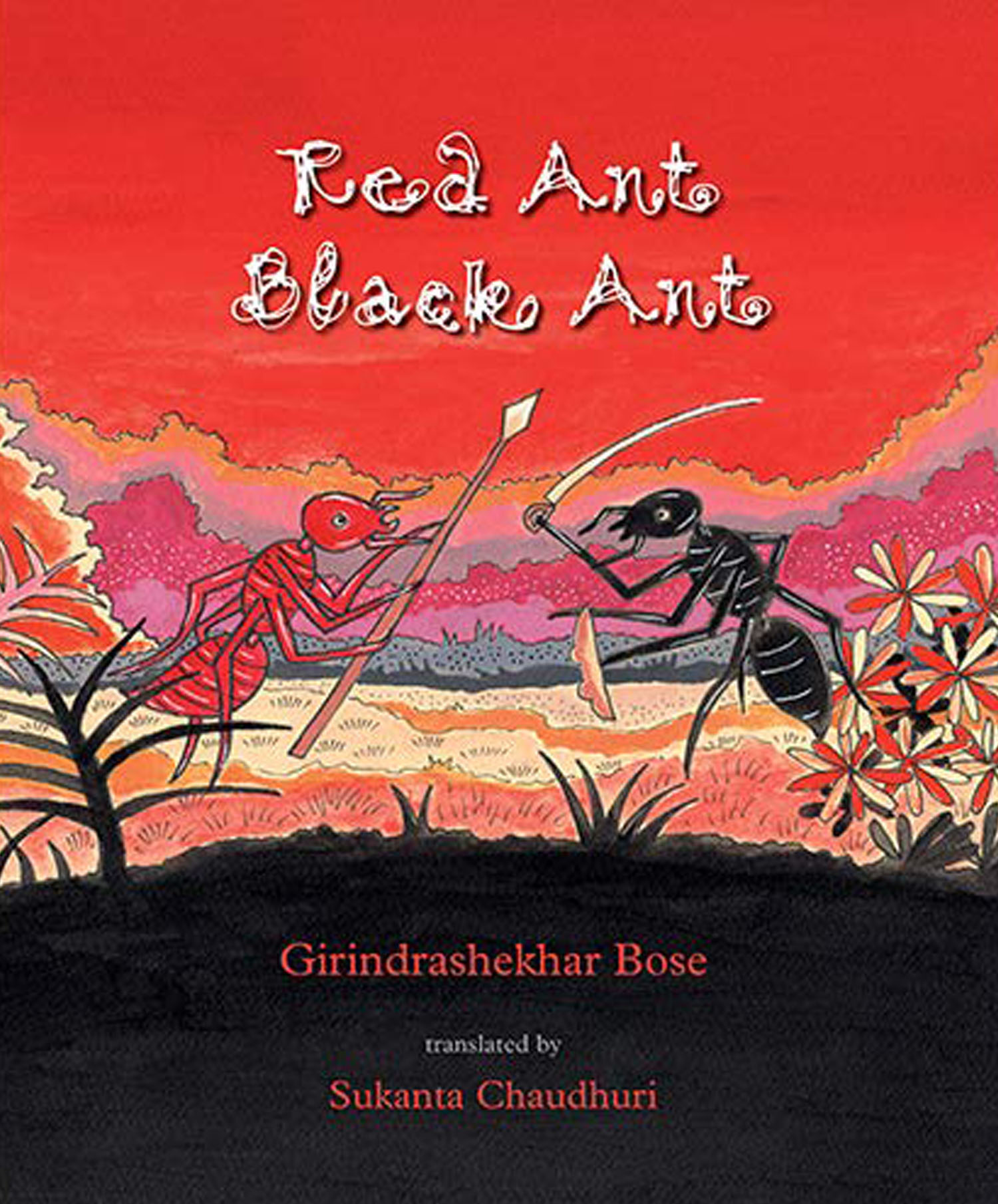
Girindrashekhar Bose. Translated from the original Bengali by Sukanta Chaudhuri
Rajshekhar Bose (1880-1960) aka Parashuram is quite well-known to Bengali readers, and outside Bengal also, as the greatest Bengali humorist of the twentieth century. But his younger brother Girindrashekhar Bose’s name is not quite familiar to the Bengali readership, although it is very well known in the world…
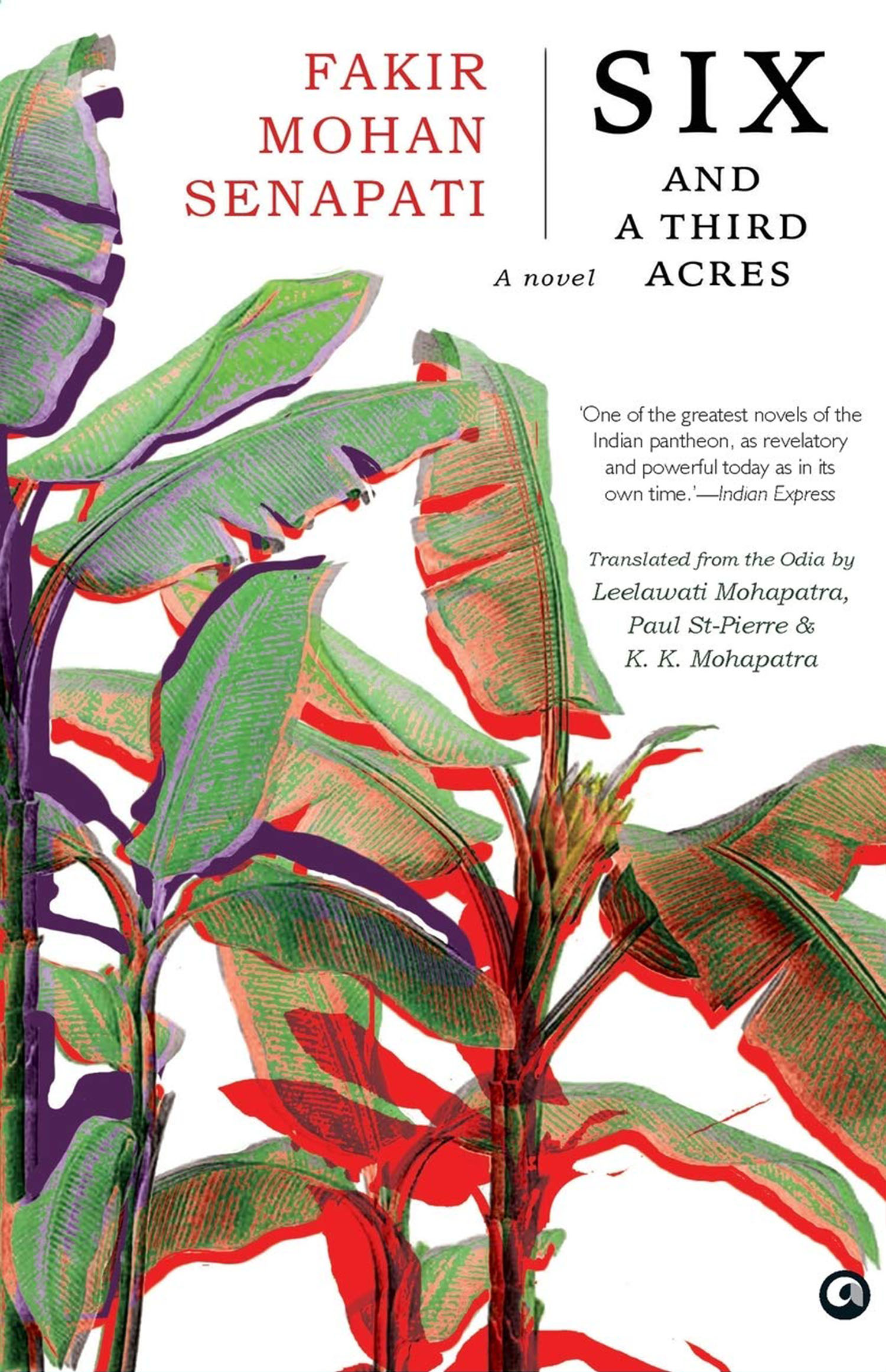
Leelawati Mohapatra, Paul St-Pierre and K.K. Mohapatra
A greedy landlord named Ramachandra Mangaraj, belonging to a coastal village in Odisha, sets out to defraud an innocent weaver couple of their fertile and good-sized parcel of land measuring six acres and thirty-two decimals. He weaves a crooked scheme for this purpose with the help…
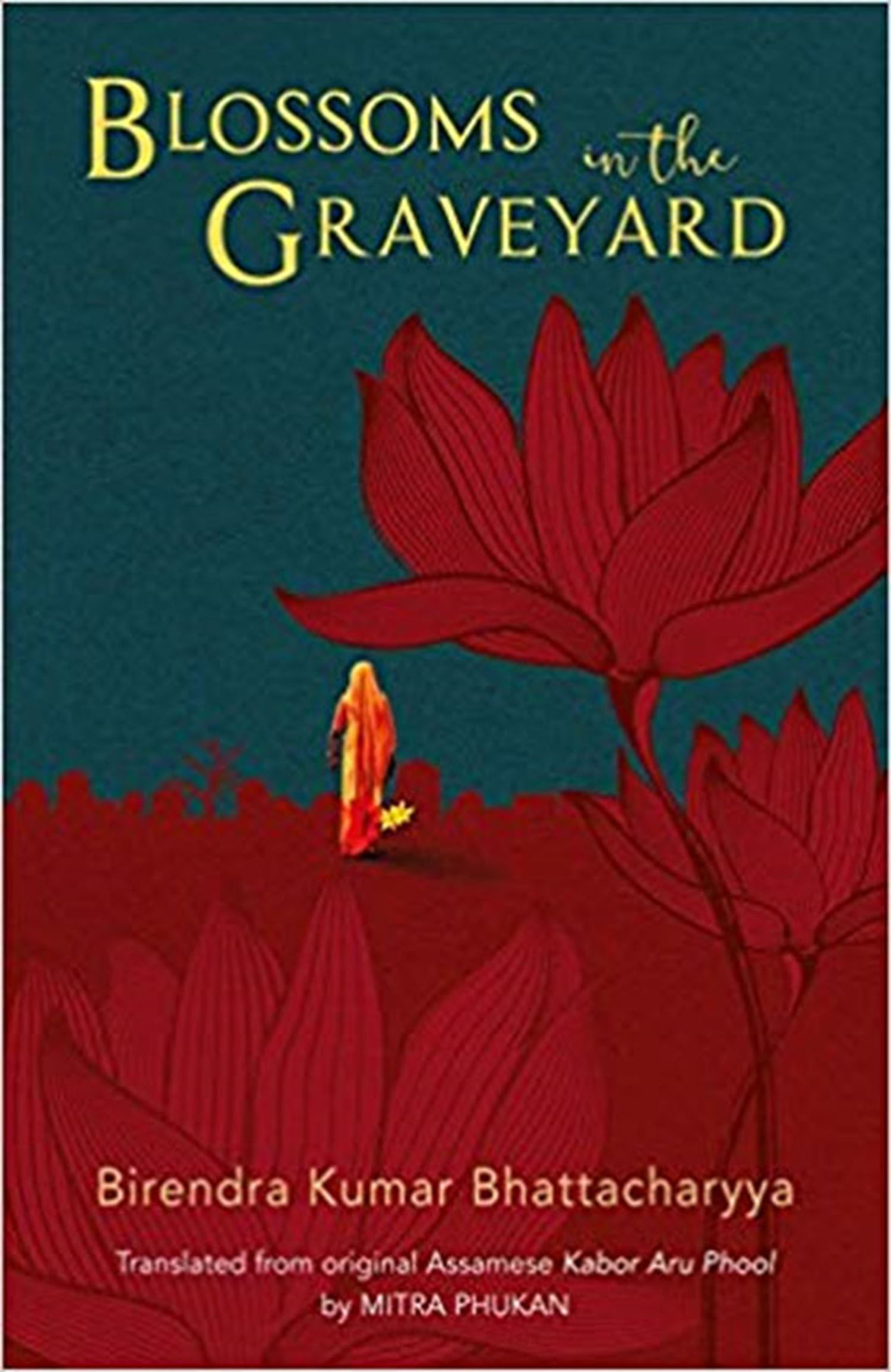
Mitra Phukan
Blossoms in the Graveyard by Jnanpeeth Awardee Birendra Kumar Bhattacharyya is set around the Bangladesh War of Liberation of 1971. While books in Assamese have dealt with the question of migration of people from across erstwhile East Bengal (before Partition) and East Pakistan…
Kaka Vidhate. Translated from the original Marathi by Vikrant Pande
2020
You are not alone when you read the Mahabharata. You are in the shadows cast by millions who have heard or read the tale before you. The Mahabharata has evolved over centuries with both the tellers of the tale and the listeners enriching it. It has made the transition from oral telling to inscription…
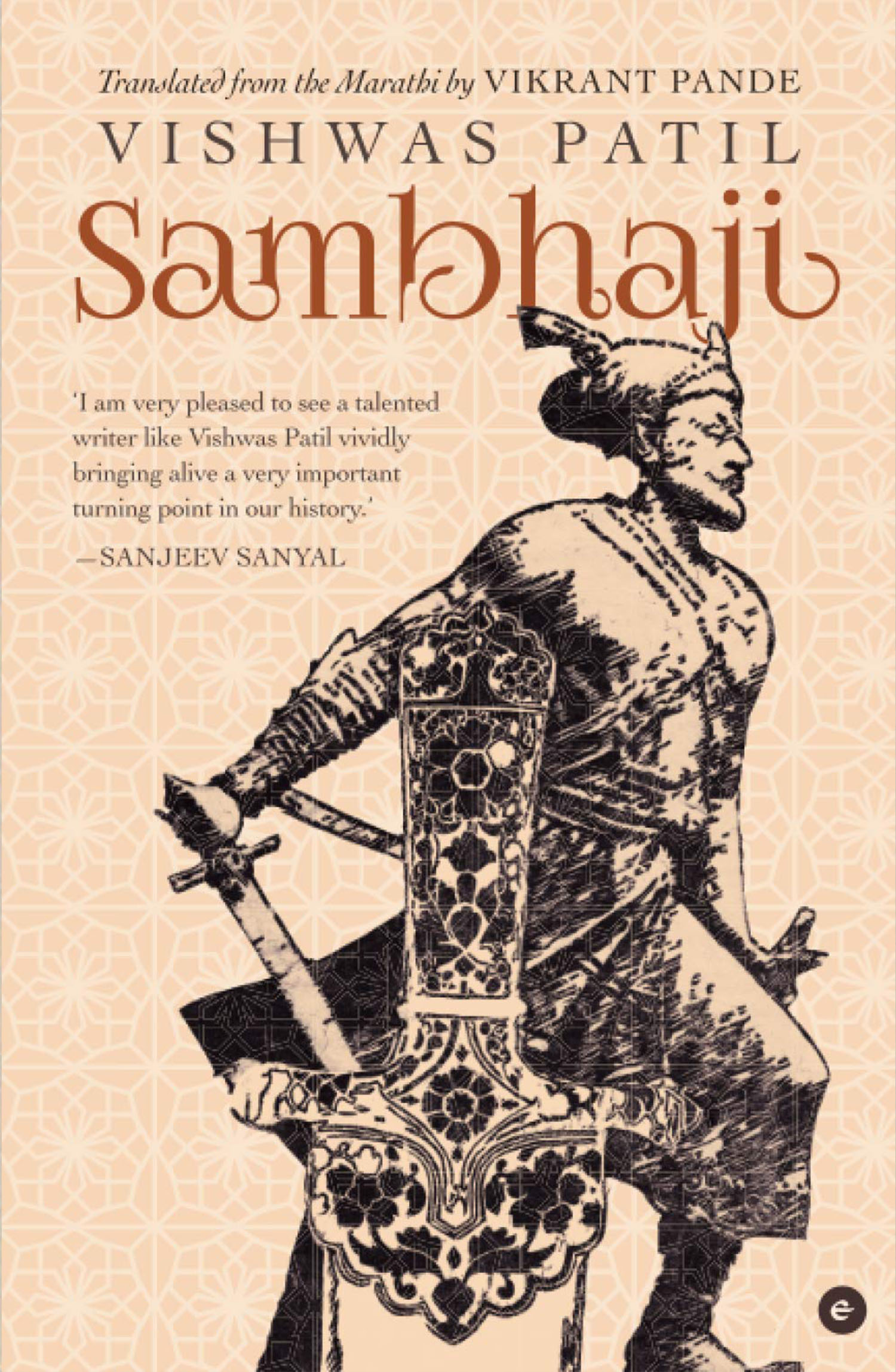
Vishwas Patil. Translated from the original Marathi by Vikrant Pande
2021
Vishwas Patil is well known in Marathi for his historical novels viz. Panipat and Sambhaji, which bring alive some tragic chapters in Maratha history that still rankle in the Maharashtrian subconscious. Whereas Panipat narrates a tale of an agonizing defeat of the Marathas at the hands of Ahmadshah Abdali…
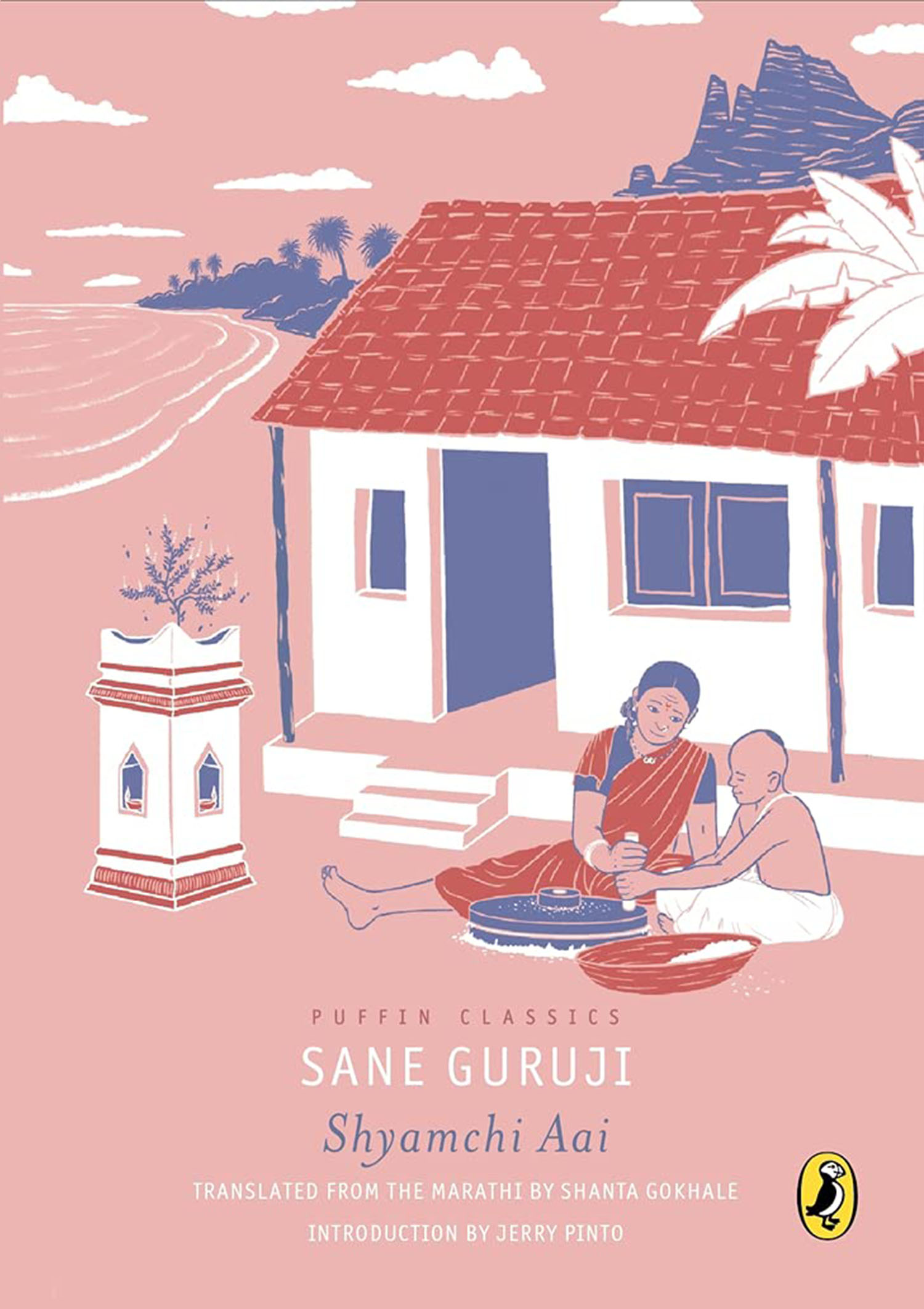
Sane Guruji. Translated from the original Marathi by Shanta Gokhale. Introduction by Jerry Pinto
2021
We are a nation that thrives on nostalgia. An eagerness to view our past as glorious and some bygone era as the Golden Age seems endemic today. Psychologists or neuroscientists might explain this as a phenomenon arising out of an inferiority complex, or as an escape mechanism to counter…