
International Relations
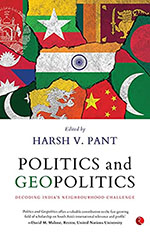
Harsh V Pant
South Asia is witnessing a phase of churning in the aftermath of the COVID-19 pandemic. Political volatility combined with economic instability has badly hit the region. As the pandemic seemingly recedes, there is great deal of uncertainty in the entire region straddling India’s periphery. Harsh V Pant’s edited volume Politics and Geopolitics: Decoding India’s Neighbourhood Challenge comes at a cusp moment as nations in South Asia grapple to recover from the shock of the pandemic that claimed millions of lives and ground nations across the region including India to a halt for two years.

Mahatma Gandhi once referred to Sri Lanka as India’s ‘daughter state’. True to this metaphoric observation, India is not only Sri Lanka’s closest, but also an important and powerful neighbour in every aspect: territorial extent, population size, economic strength, military might and diplomatic standing. Relations between the two neighbours stretch to more than two millennia in wide-ranging areas—political, economic, socio-cultural and military. Common colonial experiences under Britain led both countries to have similar world views, yet certain strategic imperatives and national interests dictated differing policies, at times in conflict with each other.
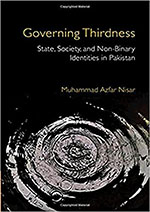
Muhammad Azfar Nisar
The book under review by Muhammad Azfar Nisar provides important insights into the identity, marginalization and governance of the Khawaja Sira of Pakistan. Based on ethnographic fieldwork in Lahore, it studies various forms of governance of the Khawaja Sira community across legal, social and administrative institutions.Muhammad Azfar Nisar is an Assistant Professor of Public Policy & Administration at the Suleman Dawood School of Business, Lahore University of Management Sciences. His research focuses on issues related to policy implementation, public administration, health policy, gender identity, and governance.
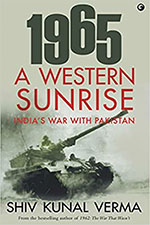
Shiv Kunal Verma
The India-Pakistan War of 1965 was the second major war fought between the two countries after Partition in 1947. The War also called the ‘Second Kashmir War’ was a culmination of skirmishes that took place in the preceding months. The seventeen-day War (6 September-22 September 1965) caused thousands of casualties on both sides. The hostilities between the two countries ended after a ceasefire was declared through the United Nations Security Council Resolution, following diplomatic intervention by the Soviet Union and the United States, and the subsequent issuance of the Tashkent Declaration.
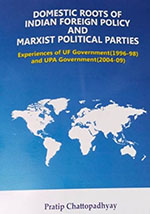
Pratip Chattopadhyay
As India’s influence in global politics increases, there has been a corresponding increase in the number of books on Indian foreign policy. Increasingly, one sees more books and articles based on India’s archives. However, the impact of India’s domestic politics on the formulation of foreign policy remains an under-researched area.
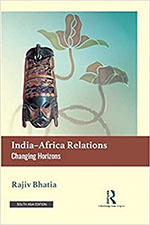
Rajiv Bhatia
he publication of two important books on India-Africa relations in early 2022 is a striking event. The authors are Foreign Service Africanists with multiple assignments on the Continent. They complement each other rather well.Rajiv Bhatia addresses the wide historical canvas, and a range of political and other connections.
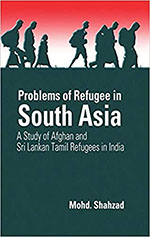
Mohd. Shahzad
Euriphides once remarked, ‘There is no greater sorrow on earth than the loss of one’s native land.’ It does not augur well for today’s modern civilized world that a whopping number of people are born and die in refugee camps, and millions of people each year are forced to leave their countries and seek refuge in other countries, while many others are displaced within their own countries.
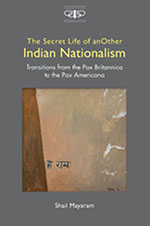
Shail Mayaram
Eric Hobsbawm in the introduction to Nations and Nationalism since 1780 notes that although the idea of nationalism is constructed chiefly from above, it needs to be studied from below as this is where it takes root and is most powerful and capricious. Shail Mayaram’s new book The Secret Life of anOther Indian Nationalism: Transitions from the Pax Britannica to the Pax Americana is a sincere attempt in this direction.

Anirudh Suri
The Great Tech Game comes with a promise to explain one of the pre-eminent challenges of our times, which concerns the rapid growth in the technological domain and its implications for the economic and strategic sectors in countries across the world. The fact that a book on geopolitics is written around the theme of technology underscores the high stakes now attached to the gadgets and algorithms that were once dismissed as a domain for ‘geeks and freaks’.
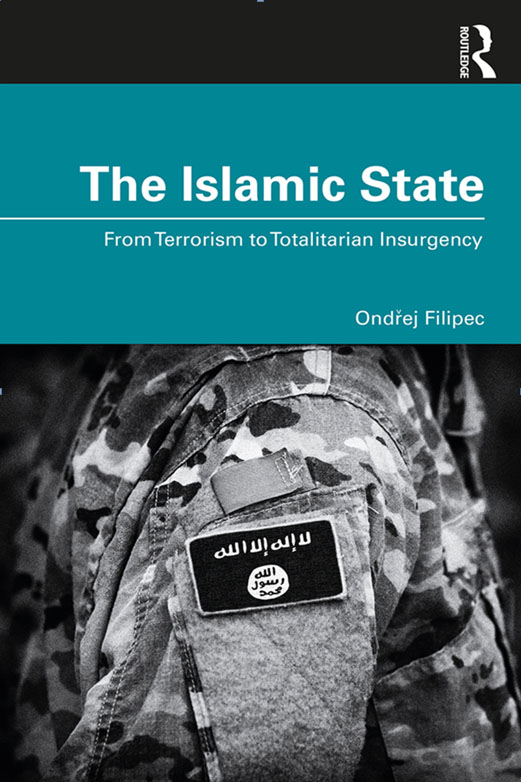
Ondřej Filipec
The rise of the Islamic State—variously known as ISIS, ISIL, IS, Da’esh—represents a unique occurrence within the burgeoning global jihadist movement. It is perhaps for the first time in modern history that an extremist group has succeeded in conquering swathes of territory as vast in size as present day United Kingdom, with several million inhabitants, and transformed itself into a quasi-state like entity, thereby succeeding in establishing a unique political system representing the typical attributes of a totalitarian regime…
E. Sridharan
Indo-Pacific (comprising the maritime space extending to the Indian Ocean, the littorals of East Asia and to the western Pacific Ocean[1]) can be regarded as the new buzzword in international affairs. The renewed focus of the United States towards Indo-Pacific and the ‘pivot to Asia’ call adds strength to this concept. Freedom of navigation and safety of the movement of cargos and resources through the sea lanes of communication are vital for maintaining peace and order in the global system. Most of the trade and resources flow through sea routes and keeping them safe and accessible to all is an important requirement…
Sathnam Sanghera
This an extremely readable book written by a British national whose Sikh and Indian roots draw him back to write not about the country of his parents’ origin (India), but his own country, Britain. In that sense, this book is distinct as it does not focus on the former colony as most books and academic works, especially in the field of postcolonial studies tend to do. It looks at the lingering after-effects of colonialism on a former colonial power like Britain itself. What emerges is an interestingly written account of Britain as a nation that held sway over a vast empire upon which a once fabled sun never set…
Vipul Dutta
Vipul Dutta is Assistant Professor of History at the Department of Humanities and Social Sciences, Indian Institute of Technology, Guwahati, where he combines research and teaching interests in South Asian diplomatic, military, and economic history of the twentieth century. The book is an outcome of his doctorate from King’s College London.In his dissertation, Dutta set out to plug the gap in knowledge in India’s civil-military relations between the demands for Indianization, or the displacement of British officers with Indian officers in the army, and the institutional development in terms of training institutions such demands entailed. Whereas there is enough spotlight on the former, with the contribution of stalwarts from the freedom struggle like Motilal Nehru and Jinnah finding mention…
Nyla Ali Khan
Professor Nyla Khan’s newest book is a call to action: action formulated in a deep consciousness of understanding and caring. Composed out of her own experience and care for the peoples of Jammu and Kashmir and their trauma of insurgency and of the new, native nationalism of India…
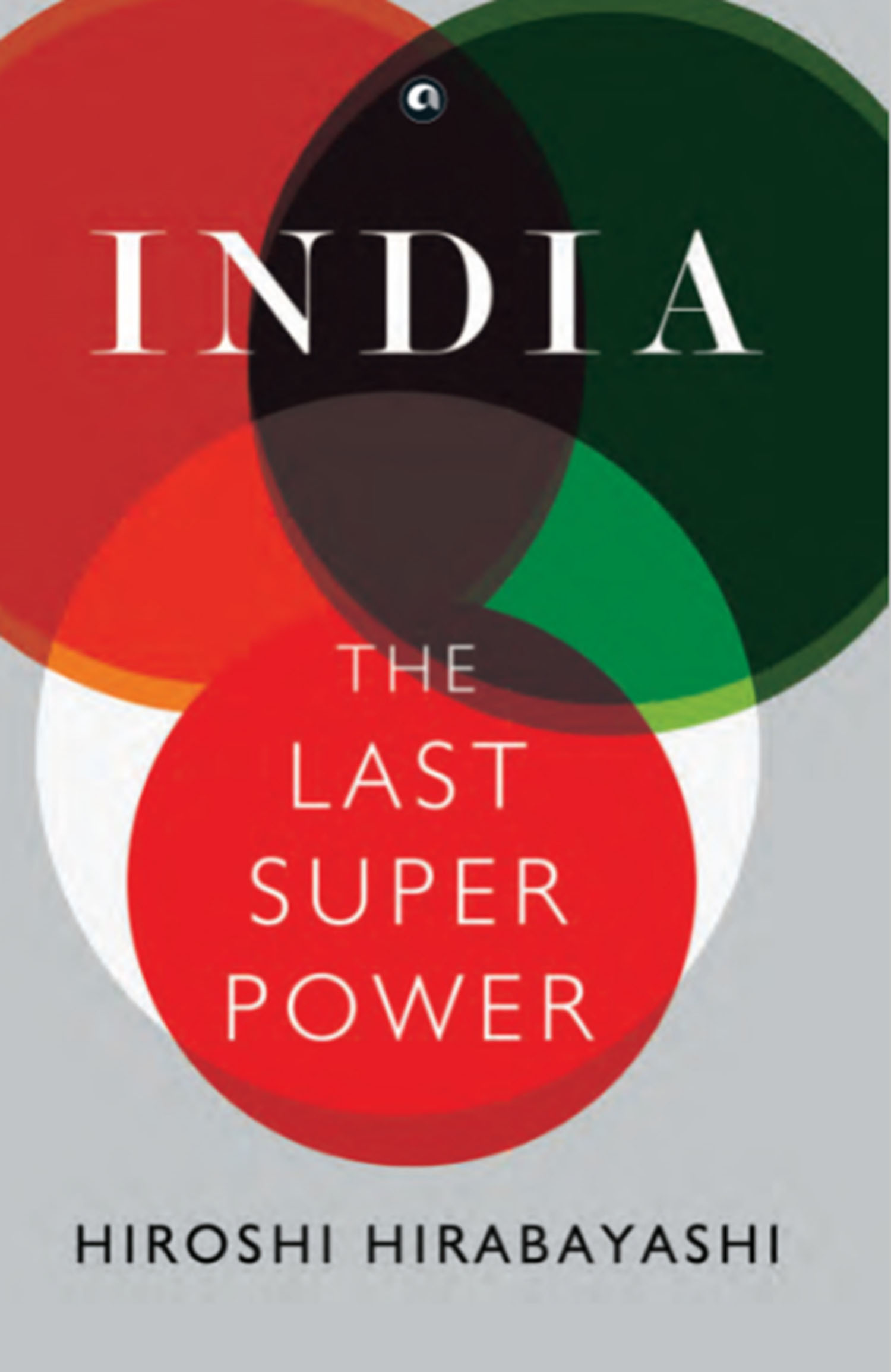
Hiroshi Hirabayashi. Translated from the original Japanese by Prem Motwani
The very title of the book—India: The Last Super Power–is intriguing. It is one of the few works by a foreigner that places India at the centre of global politics. Hiroshi Hirabayashi, a veteran Japanese diplomat, is highly hopeful of India joining the existing list of leading world powers: US, Russia and China. Once it joins…
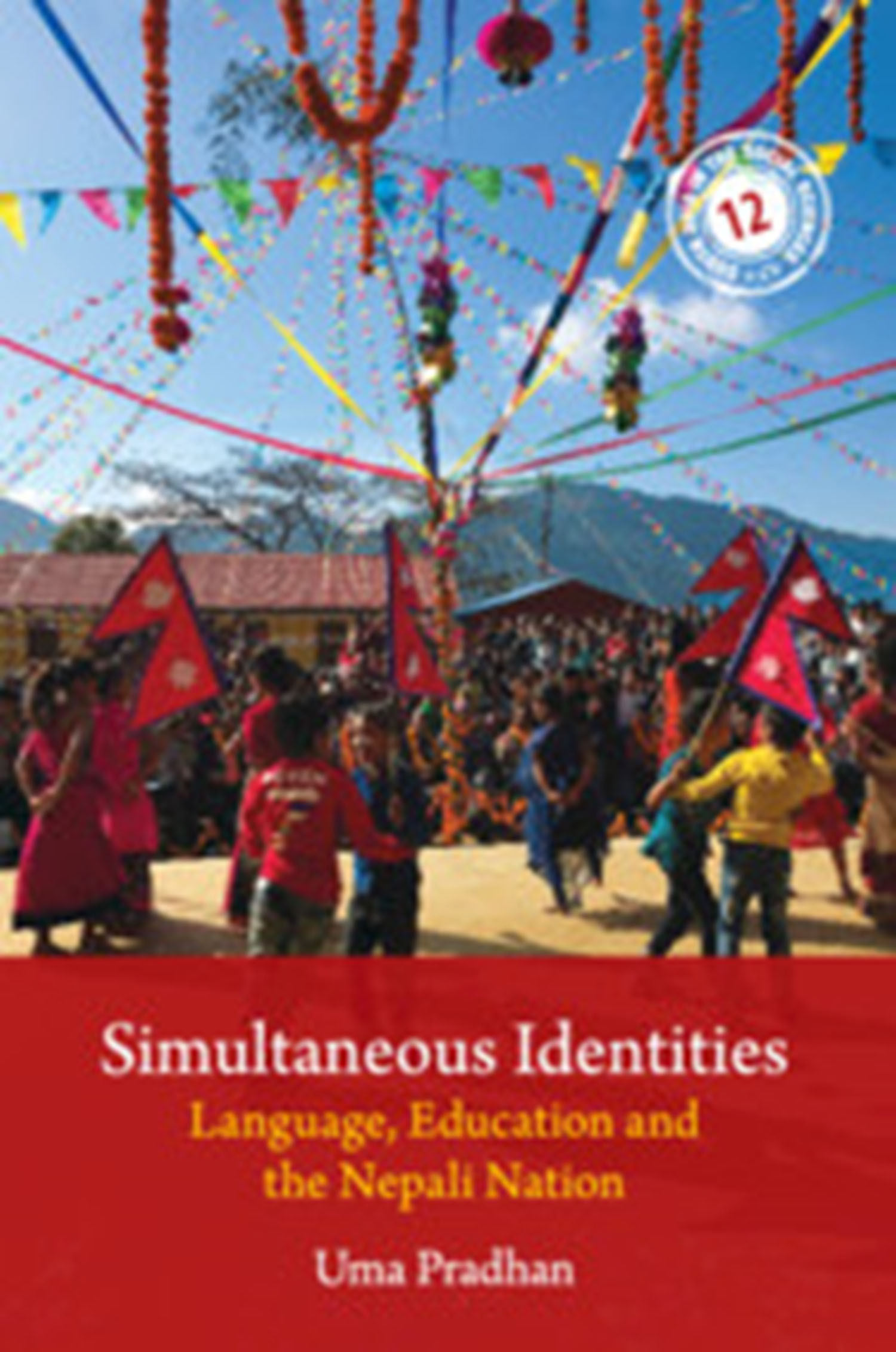
Uma Pradhan
Simultaneous Identities: Language, Education and the Nepali Nation (2020) comes at a time when education stands at a critical juncture in South Asia. As educational inequalities become the centre of analyses in the post-pandemic world, this book reminds us of the need to build a comprehensive understanding of educational practices…
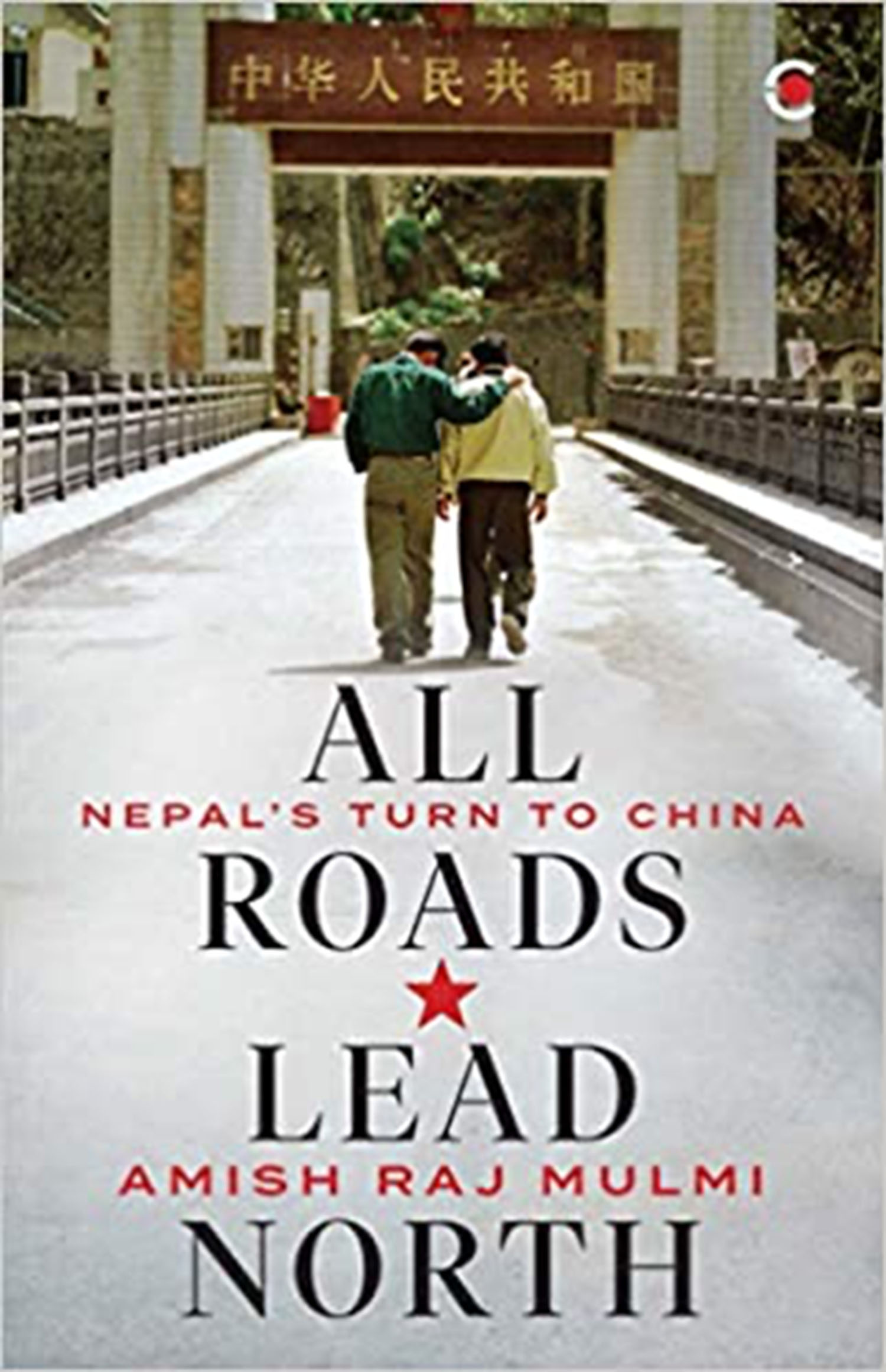
Amish Raj Mulmi
Amish Raj Mulmi’s All Roads Lead North: Nepal’s Turn to China is a fresh breeze. It is based on his extensive travels in Nepal, formal interviews, relaxed and spontaneous chats, and first-hand observations of geography and experiences at Nepal’s northern border during the travels. Yet, this reportage is not simply a travelogue…
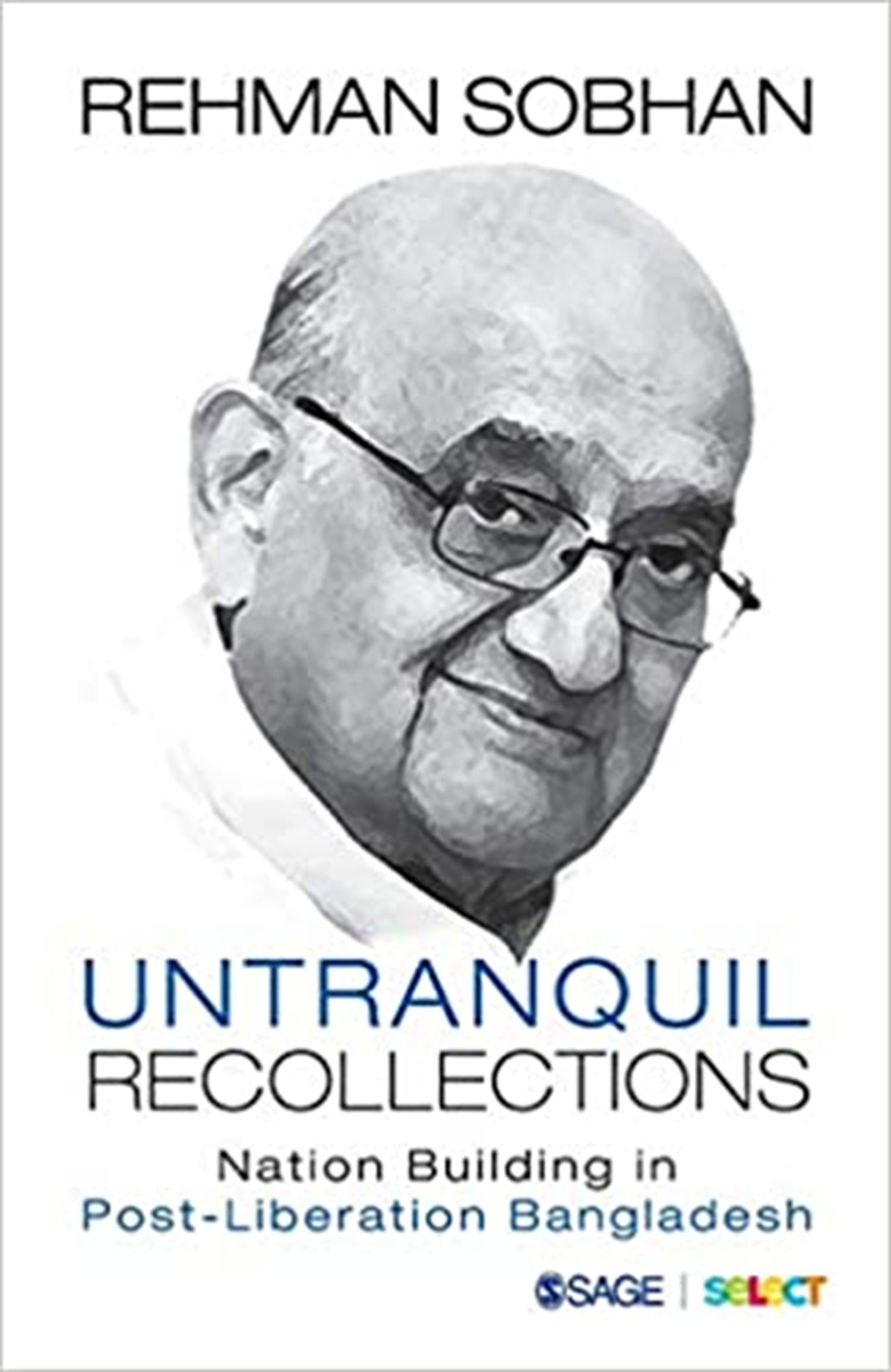
Rehman Sobhan
Economist and freedom fighter Rehman Sobhan is a unique personality who has helped shape the course of contemporary history in the subcontinent. A brilliant man and a friend and contemporary of former Indian Prime Minister Manmohan Singh and Nobel laureate Amartya Sen, the second volume of his memoirs which deals with the early days of the founding of Bangladesh…
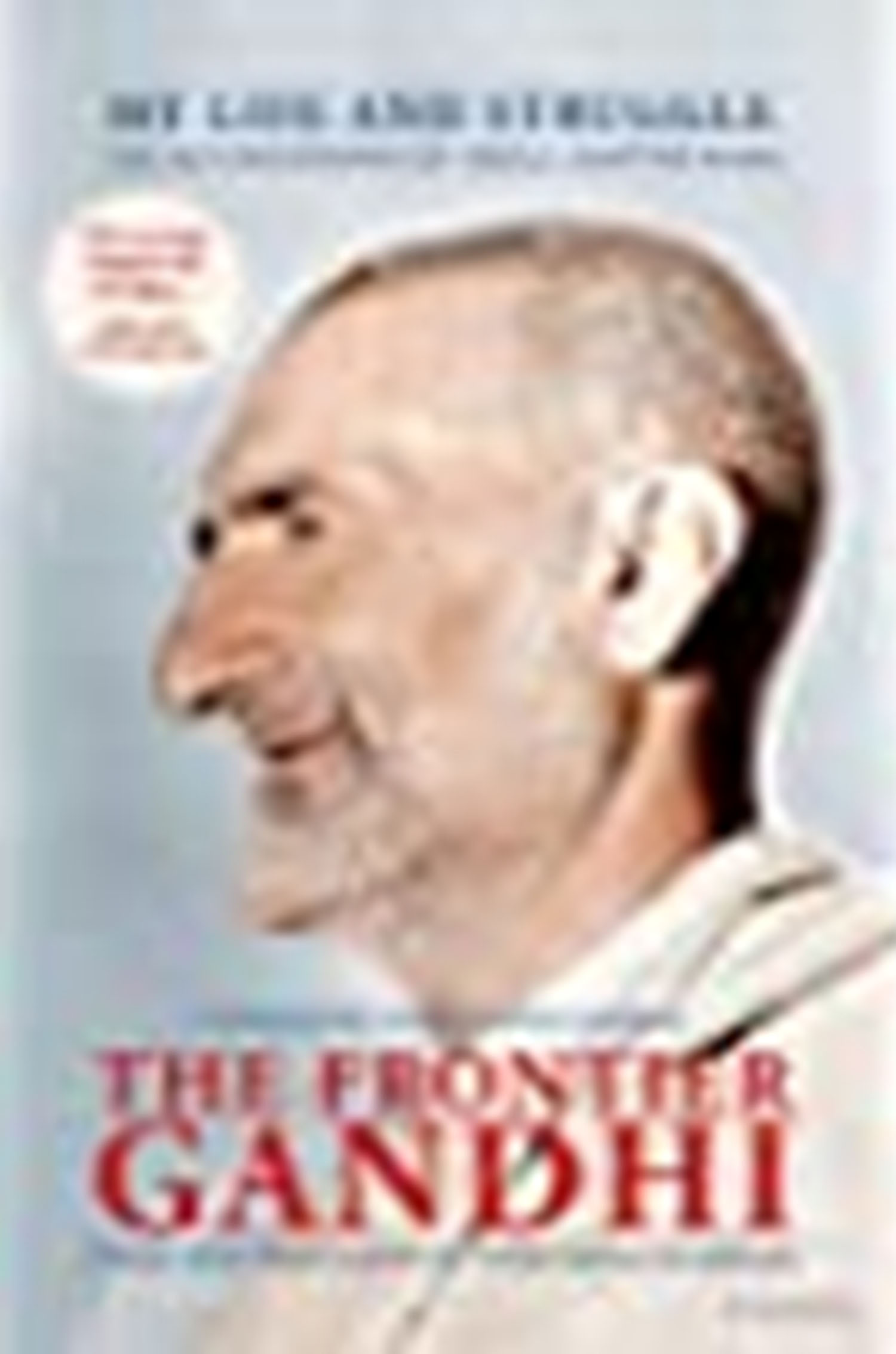
Abdul Ghaffar Khan. Translated from the original Pukhto by Imtiaz Ahmad Sahibzada. Foreword by Rajmohan Gandhi
This is an autobiography of Khan Abdul Ghaffar Khan based on a 1983 text written by him in Pukhto. An earlier 1969 account, also translated and published in English, was deemed incomplete by Bacha Khan and he therefore wrote a more complete account which is now available to a non-Pukhto knowing readership…
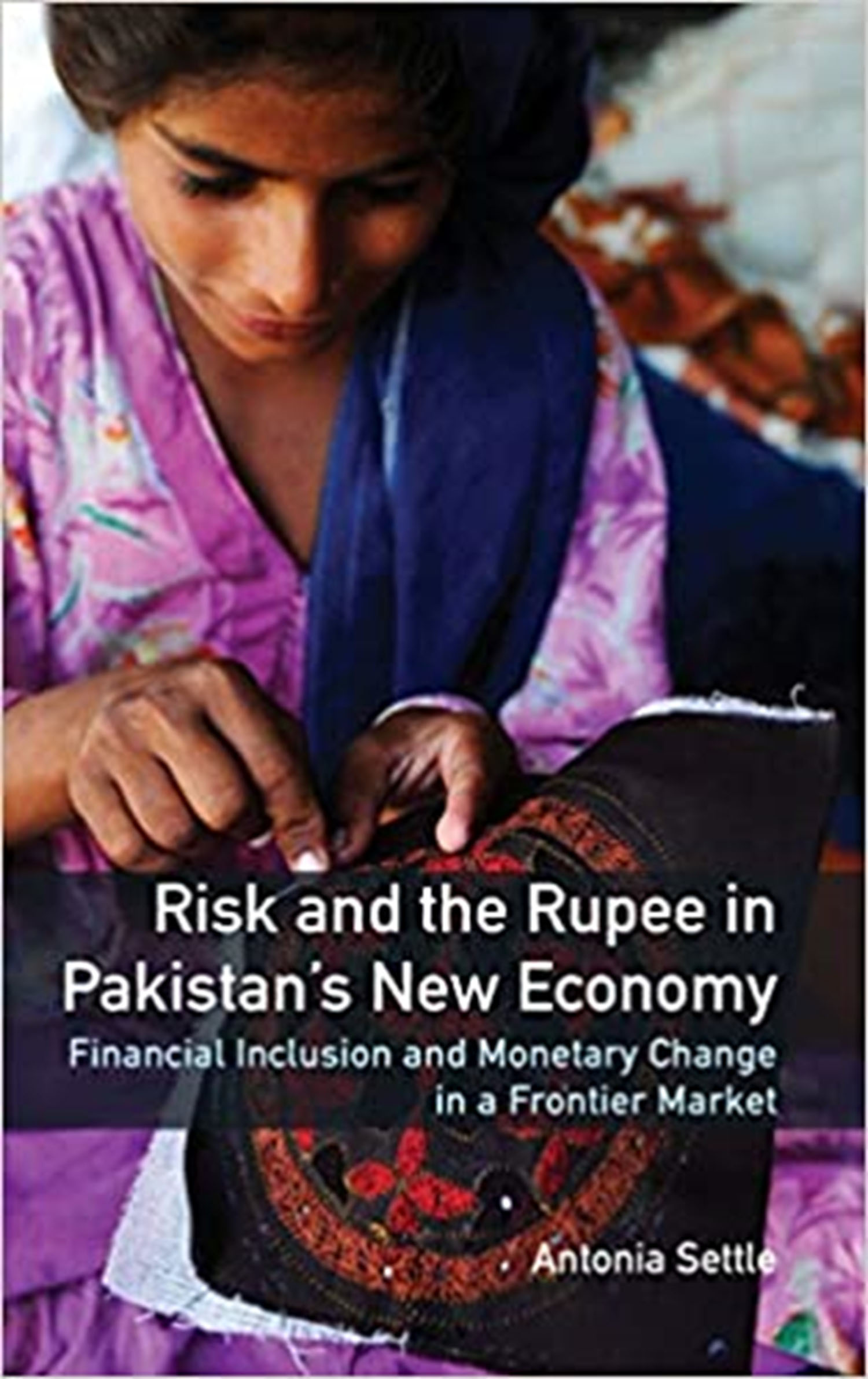
Antonia Settle
The book under review examines financial inclusion and monetary change in Pakistan, where liberalization of money and markets was initiated in the last few decades. Pakistan had been a low-inflation economy until liberalization and had for many decades maintained both fixed exchange rates and fixed pricing. However…