
Tamsin Bradley
The book is the outcome of a network called the Dowry Project, established in 1995 at an International Conference on Dowry and Bride Burning at Harvard, with the aim of encouraging , sharing and disseminating research in the areas of dowry, bride burning and son preference in South Asia and its diaspora.
Arvind Rajagopal
This edited volume attempts to capture the particular and indeed very peculiar characteristics of the public sphere in India. There is a constant juxtaposing of the rational orderliness of the Habermasian public sphere to the seemingly more chaotic, raucous quality of the Indian public sphere. The opening section of the book contains…
R.S. Sharma
R.S. Sharma’s work is marked by a particular and long-term commitment to both his politics and history. The essays in this volume address many themes: from colonial historiography to nationalist utopias; from issues of methodology to the mode of production; from marking transitions to a detailed study of social relations…
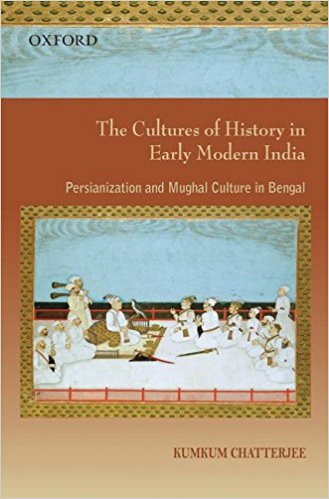
Kumkum Chatterjee
Kumkum Chatterje’s The Cultures of History in Early Modern India is an extremely important contribution on a range of themes which include historiography and historical traditions, the relationship between an imperial centre and (its) province, as well as, culture and power. It shows these registers to be concretely interconnected…
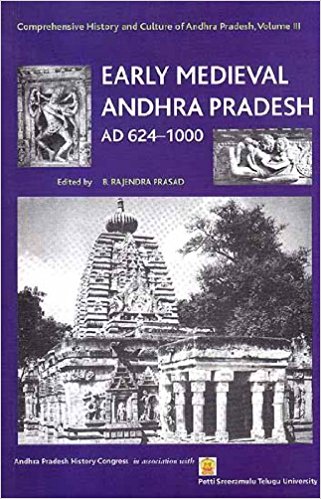
B.Rajendra Prasad
Andhra Pradesh History Congress has been doing commendable work in furthering the cause of historical research in that part of the country, taking the most recent advances in the discipline to the researchers and teachers there as well as publishing the rather ambitious series on the Comprehensive History…
Padmanabh Vijai Pillai
Vijai Pillai, the author of this posthu-mously published work, was terminally ill with cancer when he wrote to a friend: ‘Death for me is a great theme, worthy of a greater subject than my pains, and I wish to approach it with my mind and spirit in full flow in open amazement that my life, like any life, ever was, and is now going…
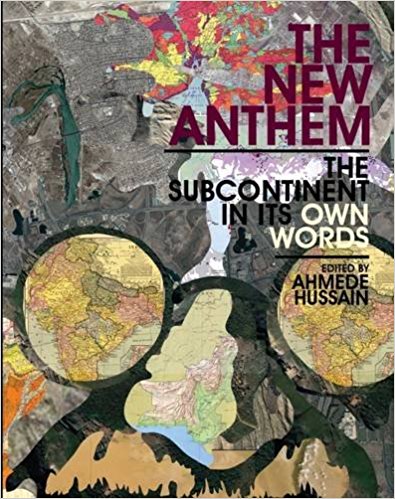
Ahmede Hussain
Sikeena Karmali’s ‘Chahar Bagh: The Mulberry Courtesan’ is the longest in this collection of twenty-two stories. Like Tabish Khair’s‘Night of 16th January, 1955,’ Uzma Aslam Khan’s ‘From Trespassing’ and Mohsin Hamid’s ‘The Reluctant Fundamentalist,’ it is an extract out of a novel, although this one was awaiting…
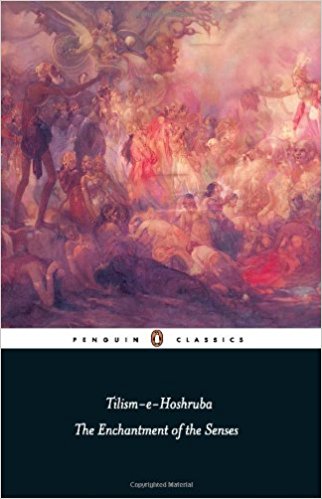
Abridged
Tlism-i-Hoshruba, an epic fantasy, a part in the long series of Hamza dastans, was in many ways a watershed in the popular Urdu literature of its time and continues to generate academic and popular interest till date. In that it compares with Greek myths or Homer’s epics. In India, Tilism-e-Hoshruba is available in two versions…
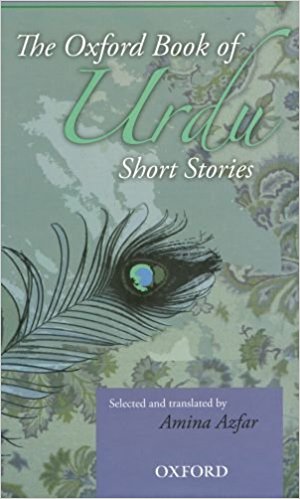
Amina Zafar
Editing a substantial collection of short stories is a daunting task; it becomes especially so when the editor also doubles up as the trans-lator—that too of not one or two stories in the collection but all 22 of them. That Amina Azfar is a prolific translator is apparent from a quick look at the fly leaf of her new book…
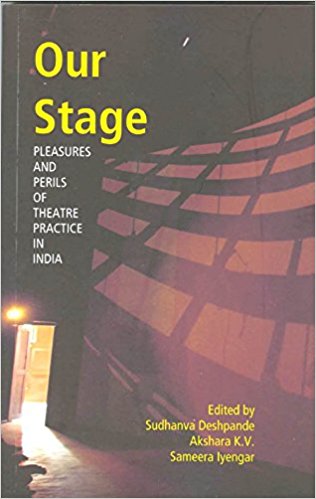
Sudhanva Deshpande
This book grew out of a seminar organized in March 2008 by the India Theatre Forum, which had the idea of bringing together alarge group of theatre persons, academics, activists, thinkers and critics, and permitting them over three days to talk about issues relevant to India’s theatre today. The book is not a record of what was said…
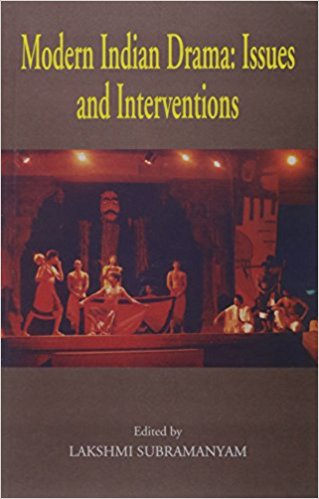
Lakshmi Subramanyam
Lakshmi Subramanyam’s book, Modern Indian Drama:Issues and In-terventions is a welcome endeavour given the lack of substantial theoretical work on postcolonial Indian drama. So does Subramanyam’s book break new ground in undertanding drama, theater and performance studies in India? Perhaps a closer look at the book could provide answers…
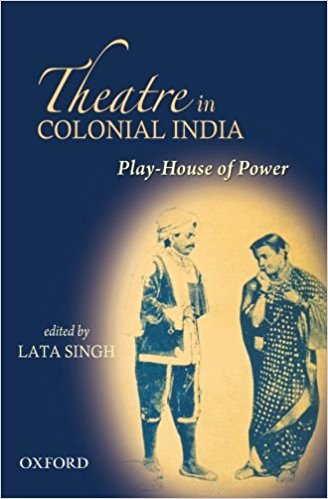
Lata Singh
Is an editor of an anthology of essays anything more than a compiler? Is she (or he) merely expected to read widely on the subject, string to-gether whatever essays are available (and ideally unpublished), slap on an Introduction in which the contents of the essays are summarized, and dispatch it to the publisher?…
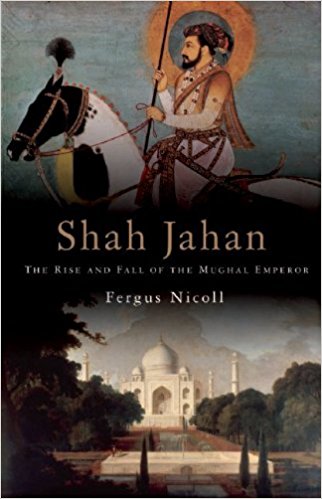
Fergus Nicoll
The book is a story or should we say history written with a differ-ence. The focus is on challenging the legends that have surroundedthe Mughal emperors and therefore their reappraisal. In his pursuit to do so, Fergus Nicoll is urged to make some observations which may not entirely be historically sound, probably because of his large dependence on the travellers’ accounts…
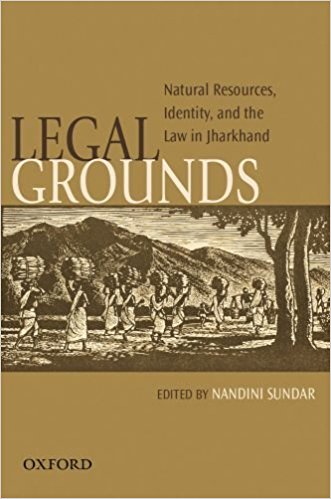
Nandini Sundar
Many of the struggles in postcolonial India have been over the right to use natural resources. Today, after more than sixty years of independence, issues of control over land, forests and water resources remain extremely contentious. Legal Grounds is a collection of essays edited by Nandini Sundar which seeks to explore how the state…
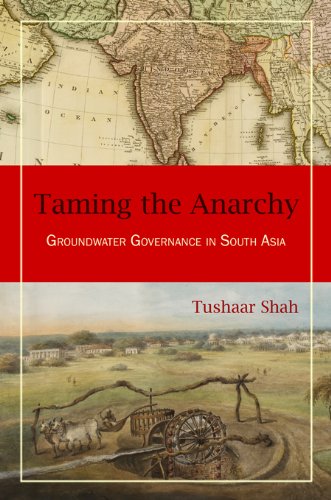
Tushaar Shah
In recent years there has been much concern at the reckless, unregu-lated and destructive exploitation of groundwater in many parts ofIndia and a general agreement on the urgent need for regulation, though there have been differences on the form and modalities of regulation. From his writings in the Economic and Political Weekly…
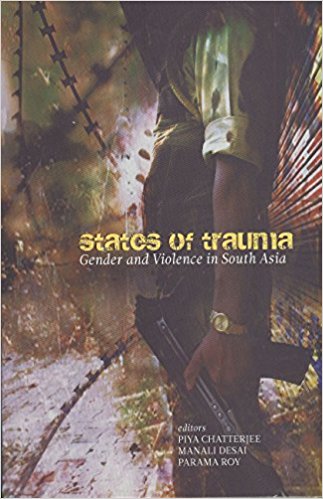
Piya Chhatterjee
Literature on the relationship between gender and violence has largely focused on theorizing specific acts of violence (rape, dowry, female infanticide, domestic violence among others) or on documenting the experiences of violence against women across the world. The latest publication by the editors Piya Chatterjee (Associate Professor…
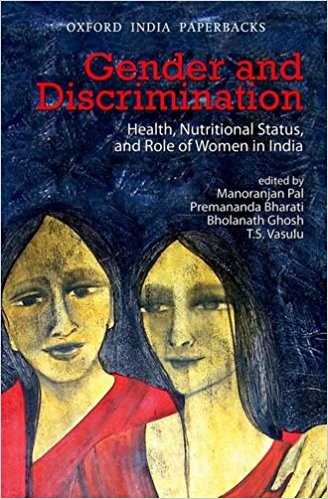
Manoranjan Pal
China and India are among the few exceptions in the world which continue to show stark deprivations that are specific to women orgirl children while the per capita GDP growth has been moving ahead at a phenomenal pace. Neglect of a section of the population has resulted in the lower survival rates of women and female children…
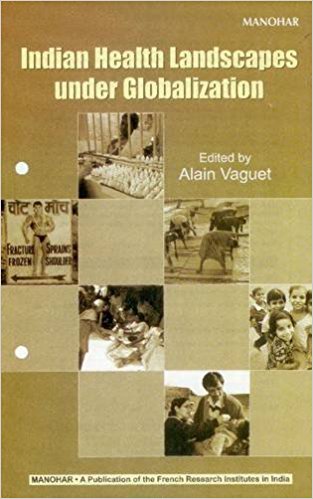
Alain Vaguet
Over the last three and a half decades or so, one of the most striking phenomena has been the emergence of the medical industry as the second largest industry in the world, after, of course, arms.
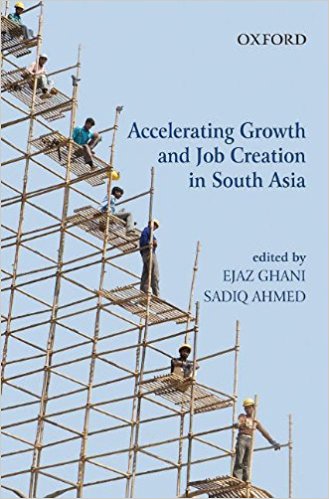
Ejaz Ghani
This volume is the outcome of a regional conference, called the Second SAARC Business Conclave that brought together a numberof key players from the private sector, policy makers, and academics who expressed hope that if the reform processes are in place, South Asia has the potential to achieve and sustain higher growth…
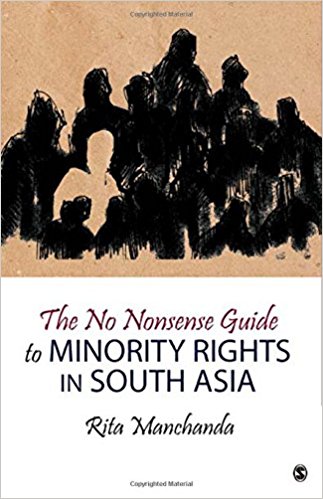
Rita Manchanda
If nation states in their very creation are majoritarian in their thrust besides being the repositories of (often unbridled power) how havecertain institutions and instruments of minority rights protection proved effective in Europe but remained singularly undeveloped in South Asia?While this question posed succinctly in the foreword to this anthology remains unanswered in all its complexity, the work is a substantive and thorough exploration of ‘minority’, a concept that is both rich and diverse…