
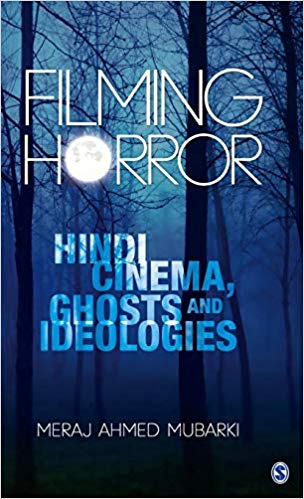
Meraj Ahmed Mubarki/Mithuraaj Dhusiya
The Central Board of Film Certification, popularly known as the Censor Board, requires the members of examining/revising committee to satisfy themselves that ‘pointless or avoidable scenes of violence, cruelty and horror are not shown’ in a film. Arguably, this official undesirability of horror in Indian cinema was complemented by the notoriety of the horror films and their status as ‘not quite cinema’.
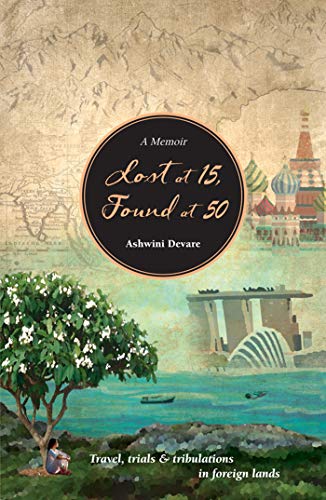
Ashwini Devare
In the age of Social Media and constantly Tweeting political leaders, the art of diplomacy seems like a quaint, bygone craft. The days when ambassadors were truly the only liaison with a foreign country, before technological advancement and the 24/7 news cycle resulted in a hyper connected world of instant communication, seem dinosaur years away.
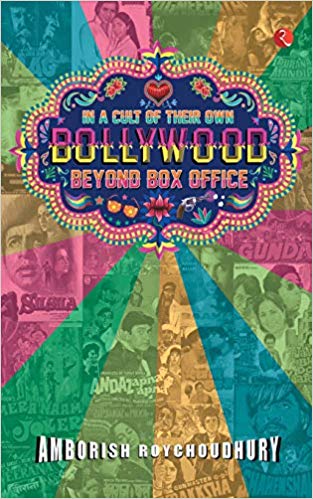
Amborish Roychoudhury
Here is an example of a filmy situation where a simple logic resolves a complex situation: ‘Mantri: Ye kanch bulletproof hai tum mujhe chu bhi nahin sakte (This glass is bullet-proof. You can’t even touch me). Prabhuji thinks for a moment and then smiles: Ye kanch bulletproof hai magar patthhar proof nahin. (This glass is bullet-proof, but not stone-proof).
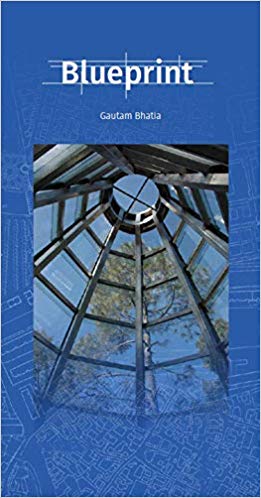
Gautam Bhatia
2018
Gautam Bhatia can very easily be misunderstood. The Delhi-based artist and architect’s discomfort with mediocrity in Indian architecture has been poured out through scathing critiques over the past decades. One could dismiss Bhatia as being cynical if not for his prolific inspired artistic and architectural output that counterbalance the despondency found in his literature.
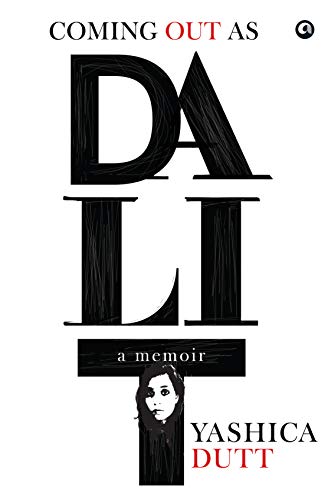
Yashica Dutt
Yashica Dutt’s compellingly gritty tale offers points of identification for probably scores of third or fourth generation Dalits today, who are ‘new’ arrivals in public/professional spaces, as well as those from other marginalized, minority communities. Her memoir is a conscious exercise in reminiscing and examining lives and events, personal and communitarian, including that of her own as a student, as a journalist, and, most germane to this narrative, as a Dalit.
Anand Pandian
Ethnographic research by its very nature is a dialogue among investigator(s) and subjects. Such translations of a way of life must respect confidentiality, yet properly recognize those so central to making intelligible the lives they live. In this co-authored memoir, scholar, researcher, and grandson, Anand Pandian, critically honours the life and works of his grandfather.
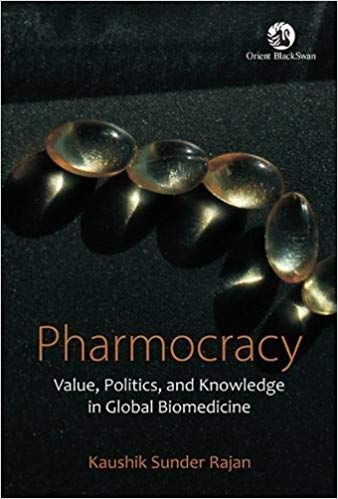
Kaushik Sunder Rajan
It is not easy to review a book that should be a classic in the field, or one that follows another book that is already, in my view, a classic. Kaushik Sunder Rajan’s earlier book Bio-Capital is indeed what I would describe as a classic: it is an exhaustive work, a final word if you want, that shows you what the structure of the global industry of drugs and pharmaceuticals is and how this global industry has moved away from chemical formulations…
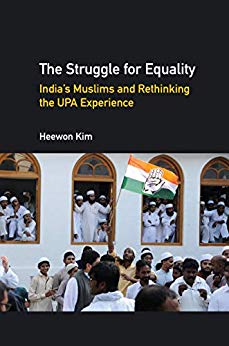
Heewon Kim
Three valid reasons could be offered to write a book. First, nobody else has written on that theme. Second, one has something original or different to convey from what has already been in the public realm. Third, one may be able to provide a different perspective, approach or terms of analyses on the given theme. While Heewon Kim’s The Struggle for Equality: India’s Muslims and Rethinking the UPA Experience…
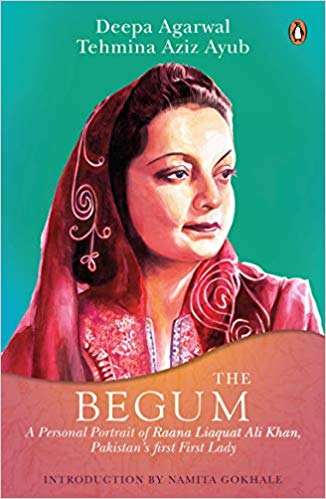
Deepa Agarwal
The Begum is a captivating,…
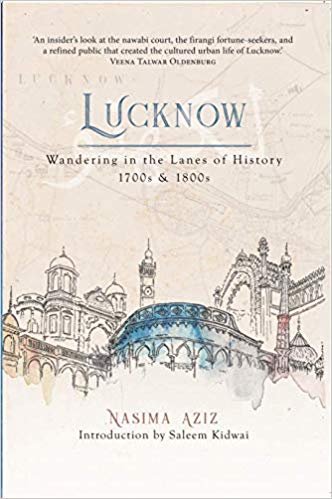
Nasima Aziz
As the title suggests, the book takes the reader on a journey through the most popular period of the history of Awadh—the 1700s and 1800s. The historical scenario is diligently explained; and a peep into the dynamics of the court, the personal lives of the nawabs, and their changing relationship with the Mughal rulers and the colonial masters, makes the book extremely interesting.
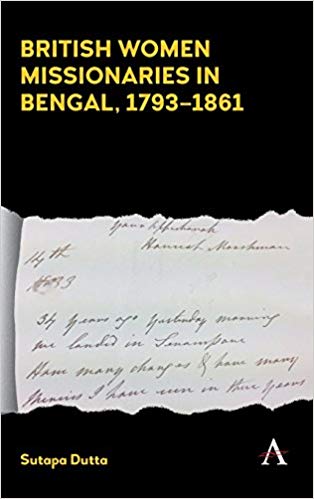
Sutapa Dutta
While William Carey’s name is etched in the history of missionary activity in India, arguably little is known about Hannah Marshman, who worked alongside her missionary husband, Joshua Marshman, as well as Carey. Similarly, Mary Ann Cooke, the first ‘unmarried’ woman sent to do missionary work in India, has had few biographers.
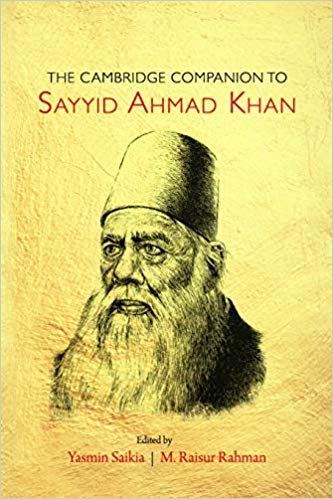
Yasmin Saikia
The Cambridge Companion to Sayyid Ahmad Khan, published on the occasion of the 200th anniversary of the birth of Sayyid Ahmad Khan (1817-98), fittingly includes contributions by historians, political scientists, literature scholars, and a specialist in religious studies.
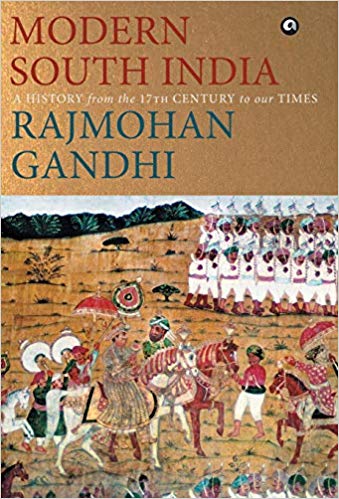
Rajmohan Gandhi
There are histories of India, and then occasionally we have histories of south India. Histories of India tend to be, to a great extent, about regions of the subcontinent lying north of the Deccan plateau and the Vindhyas. Depending on the period of Indian history being considered, a conscientious scholar might take into account some significant developments in the south, but the overall narrative is likely to focus on the Ganga plains and the north-west.

Prannoy Roy
In this timely book, The Verdict: Decoding India’s Elections, India’s original, most popular, and respected pollsters, Prannoy Roy and Dorab R Sopariwala unpack their story of elections in the world’s largest democracy. Spiced with anecdotes from the field and bits of dry humour, this deftly crafted, superbly researched volume presents ‘the characteristics, the experience, and the lessons learned from watching and studying Indian elections over the last seven decades.’
Sharanya Manivannan
The Queen of Jasmine Country brings to us a unique experience of sensuality and spirituality coursing through Kodhai, as she stands delicately poised on the cusp of womanhood. It is an old story made new in retelling, poetic in expression, languorous with longing.
Gurcharan Das
Dharma, artha, kama and moksha are the four purusharthas in Hindu philosophy. A purushartha is an object of human pursuit or a purpose of a human being. Gurcharan Das has written about artha (India Unbound) and dharma (The Difficulty of Being Good). Now, he has written about kama–perhaps the biggest challenge of his career as a writer.
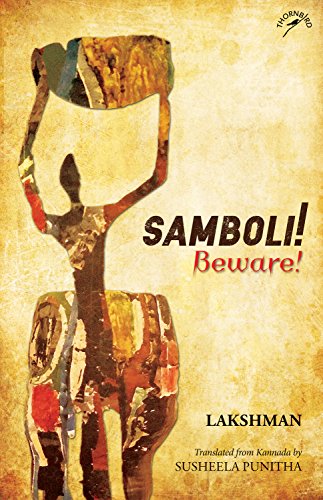
Susheela Punitha
2018
Samboli! This expression is not from yesterday or the day before; it is centuries old. Manu, the ancient law-giver, decreed that people belonging to any of the untouchable castes of this country had to hold a pole with jingling bells tied to one end and pound it on the ground at every step to make a sound jal-jal. They had to call out ‘Samboli! Samboli!’ This is the Samboli pole warning others of their presence.
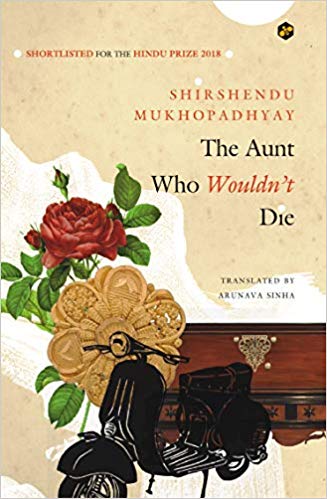
Shirshendu Mukhopadhyay
Shirshendu Mukhopadhyay’s Goynar Baksho is a Bengali novel about the ghost of Pishima. Married at the age of seven, widowed at twelve, Pishima lives in three rooms of her paternal house and owns a jewellery box. The possession of this box after the sudden death of Pishima pushes the plot until the ghost of the dead Pishima forces the innocent newly-wedded bride, Somlata, to hide it in her room.
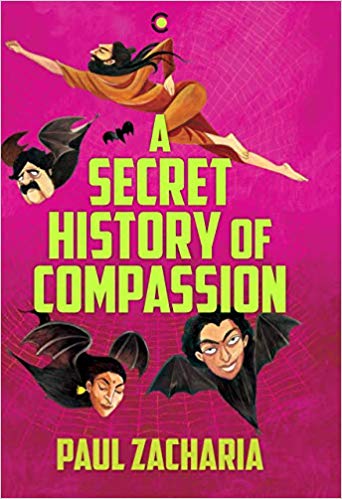
Paul Zacharia
Paul Zacharia is a celebrated name in Malayalam literature. His oeuvre includes more than fifty books in genres ranging from collections of short stories to novels and collections of essays to books for children. A Secret History of Compassion is his first novel in English—and what a whirlwind read this book is! Calling this novel quirky would be an understatement. There are layers in this novel that are not immediately apparent…
Apoorvanand & Omita Goyal
The total spend on education in India (Central and State governments together) is 2.7% of GDP. Though lower than the spends by peer BRICS countries the budget alone does not account for the poor state of school education(primary and secondary) and tertiary education, as revealed in various surveys and reports notably the ASER reports for schools and Asian or global rankings of universities and colleges.