
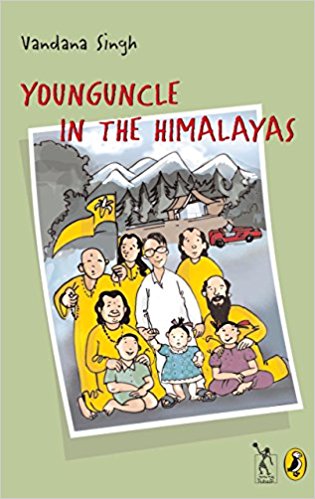
Vandana Singh
When I was a child, growing up in India during the eighties, I believed that adventures only happened to’ blue eyed children in some far off country’.
Pallavi Aiyar
Reporting from China has always been a fascinating experience. Nevertheless, much as in ‘area studies’, western- and-ethno-centrism and value-judgements dominate analyses by foreigners on China.
Farzana Versey
A Journey Interrupted is a secular version of nineteenth-century Indian women’s hajj narratives in which their sense of their Indian identity became stronger and stronger as their pilgrimages proceeded.1 At its simplest,
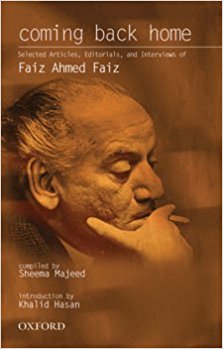
Sheema Majeed
‘Politics and history are interwoven, but not commensurate,’ said Lord Acton (1834-1902) in his inaugural lecture as Regius Professor at Cambridge in 1895. So also are politics and prose, and, in the worst of times, politics and poetry.
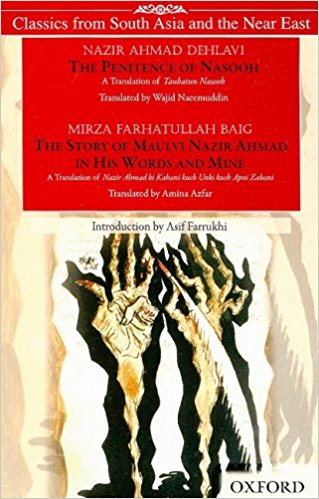
Nazir Ahmad Dehlavi. Mirza Farhatullah Baig
Oxford University Press, Karachi, has put together a translation of two books (almost two books, since the second can perhaps qualify only as a booklet) which are related to each other in more ways than one.
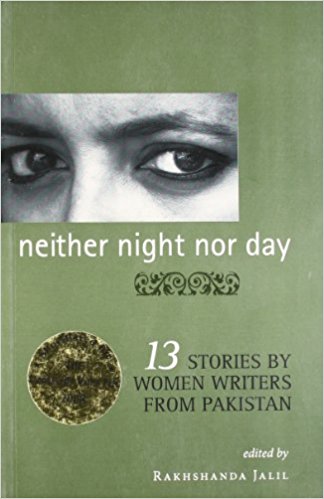
Rakhshanda Jalil
In Indian discussions of Pakistani literature, writings in Urdu and English tend to occupy centrestage, certain specific themes and issues are favoured by the critical establishment, and the works of women writers, barring a few well-known names, receive scant attention.
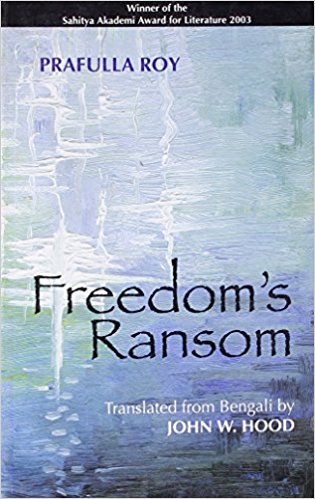
Prafulla Roy
2008
The original Bengali name of the translated book, nowhere cited by the translator or publisher is Akasher Niche Manush (People under the Sky). Prafulla Roy won the Sahitya Akademi Award for Bengali in 2003 for his Krantikal.
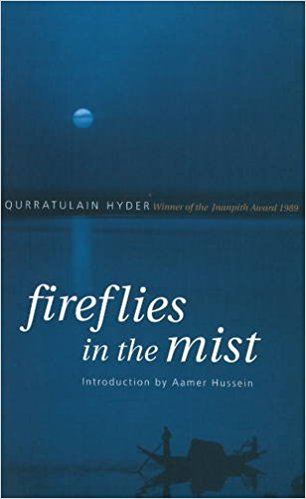
Qurratulain Hyder
Often one of the most difficult things to translate in a novel is the title and the most difficult thing to choose is a translator. Qurratulain Hyder, one of the greatest modern Urdu literary figures, was not one to be easily satisfied in these matters.

Hema Ramakrishna
2008
It is significant that in the introduction to her play, Sanctuary!, Hema Ramakrishna quotes Muriel Rukeyser’s poem to Orpheus at length to contextualize and situate the epigram that begins this retelling of the Indian epic, the Ramayana:
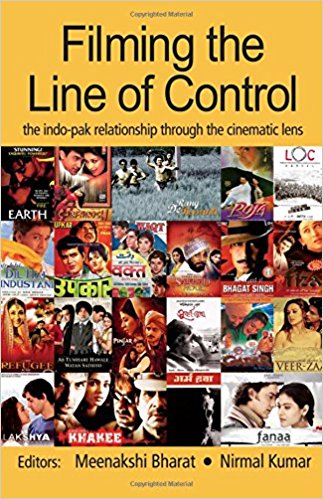
Meenakshi Bharat and Nirmal Kumar
This anthology of essays and interviews dealing with Indo-Pak relationships in Cinema attempts to demonstrate the ‘gradual but distinct’ move by Hindi cinema from a Pakistan centric and partition related construct of the national self-image to an increasingly self-reflexive and self-reflective one.
Ramu Nagappan
Ramu Nagappan’s introductory lines in the book—‘who has the right to speak about trauma?’ is a question that has been pertinent in the last couple of years as debates on histories from below raised crucial questions whether the subaltern can speak at all.
Jayanth Kodkani and R. Edwin Sudhir
Perhaps no other contemporary Indian metro makes complete strangers of its natives as does Bengaluru. Ceaselessly changing one way systems, the sudden yawning gap in the ground where a familiar landmark stood, ever narrowing footpaths, a babel of tongues and a forest of signs make the place unfamiliar.
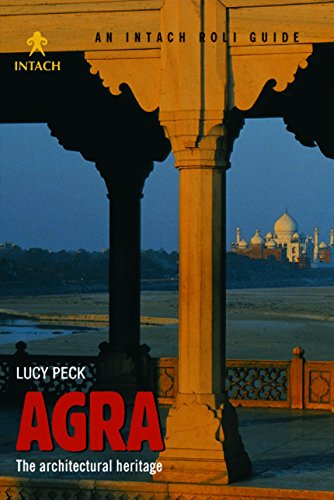
Lucy Peck
Lucy Peck’s new guide is the best and most comprehensive guide of Agra since the classical compilations of S.M. Latif and H.G. Keene of the nineteenth century.
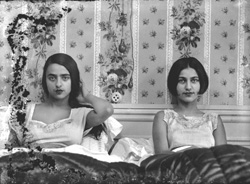
Vivan Sundaram and Devika Daulet-Singh
A few years ago artist Vivan Sundaram created a stunning body of work titled Retake of Amrita using fifty-six exquisite images of the family taken by his grandfather Umrao Singh Sher-Gil (1870–1954).
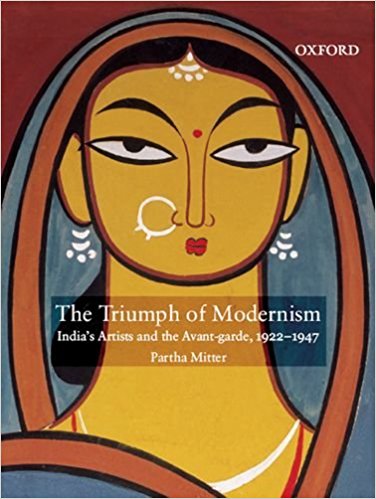
Partha Mitter
The associations which some years back invariably linked the idea of modernism to Baudelaire’s flâneur or Picasso’s demoiselles have today begun to fade, confronted as they are by critical interventions from across the globe challenging the certitudes of universalizing narratives.
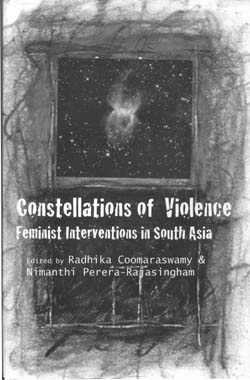
Radhika Coomaraswamy and Nimanthi Perera-Rajasingham
This important anthology brings together seven case studies and one essay that analyse the current thinking about gender-based violence, a subject that has got very little academic attention so far.
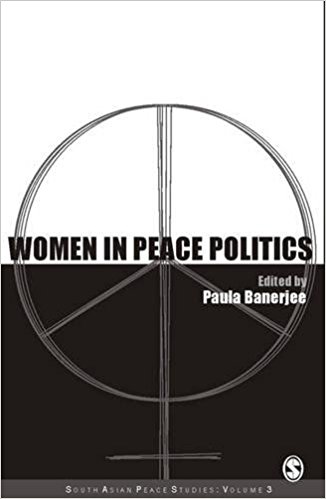
Paula Banerjee
Women by their presence and agency have multiple roles in the various armed conflicts of South Asia. Their roles as combatants and peace makers awaken curiosity amongst onlookers and interest amongst researchers.
P. Stobdan and D. Suba Chandran
Despite the strategic importance of the region comprising Muzaffarabad, Gilgit and Baltistan for all the four countries around its periphery, India, China, Pakistan and Afghanistan, it is a fact that none of them have ever taken a great deal of interest in it.
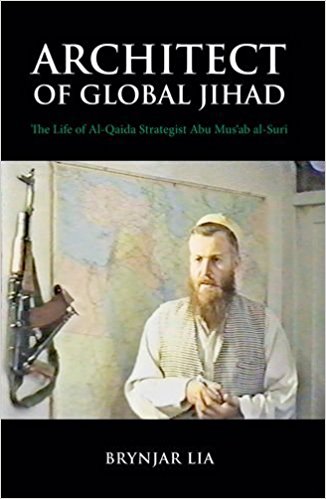
Brynjar Lia
Terrorism is one issue on which the international community has come to be united not least because it has become so widespread as a means of giving vent to a grievance—real or imaginary—that no country can claim total immunity. Despite the continuing deadlock at the UN over how terrorism should be defined with an argument being made that one man’s terrorist might well be another man’s freedom fighter, there is universal acceptance that it needs to be combated.
Rajesh Rajagopalan
In the year 512 Before the Common Era, the Persian Emperor Darius, ruler of the largest empire and commander of the strongest army in the world at that time, failed to subdue the Scythians who adopted what we would describe today as guerrilla warfare.