
Biography
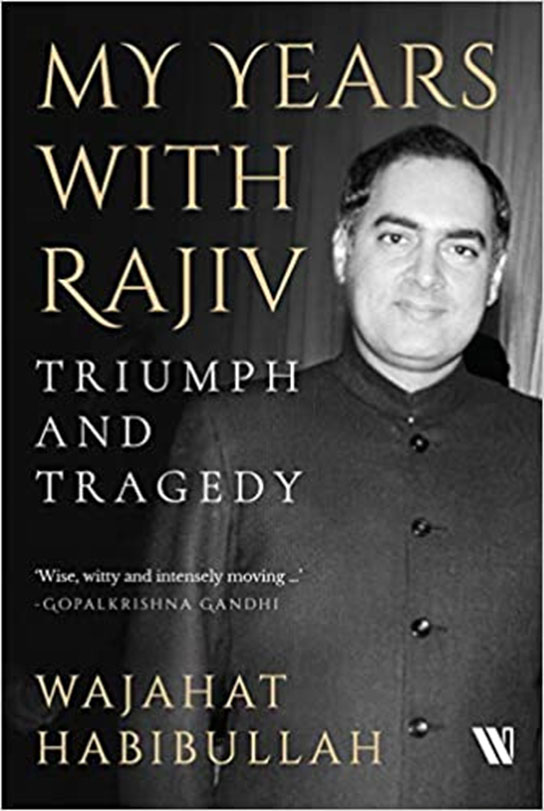
Wajahat Habibullah
1991 is often referred to as the year when India faced severe political and social instability due to the rise of divisive identity politics in the aftermath of the Mandal and Mandir issues. The year also marked the country facing serious economic crisis which compelled…
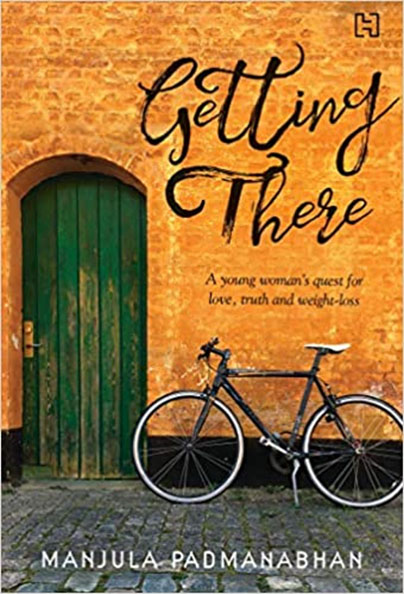
Manjula Padmanabhan
Stuck in her twenty-something body, Manjula Padmanabhan is a misfit amongst her friends and family. Getting There: A Young Woman’s Quest for Love, Truth and Weight-Loss is a memoir about a woman in erstwhile Bombay who is unable to find peace despite all…
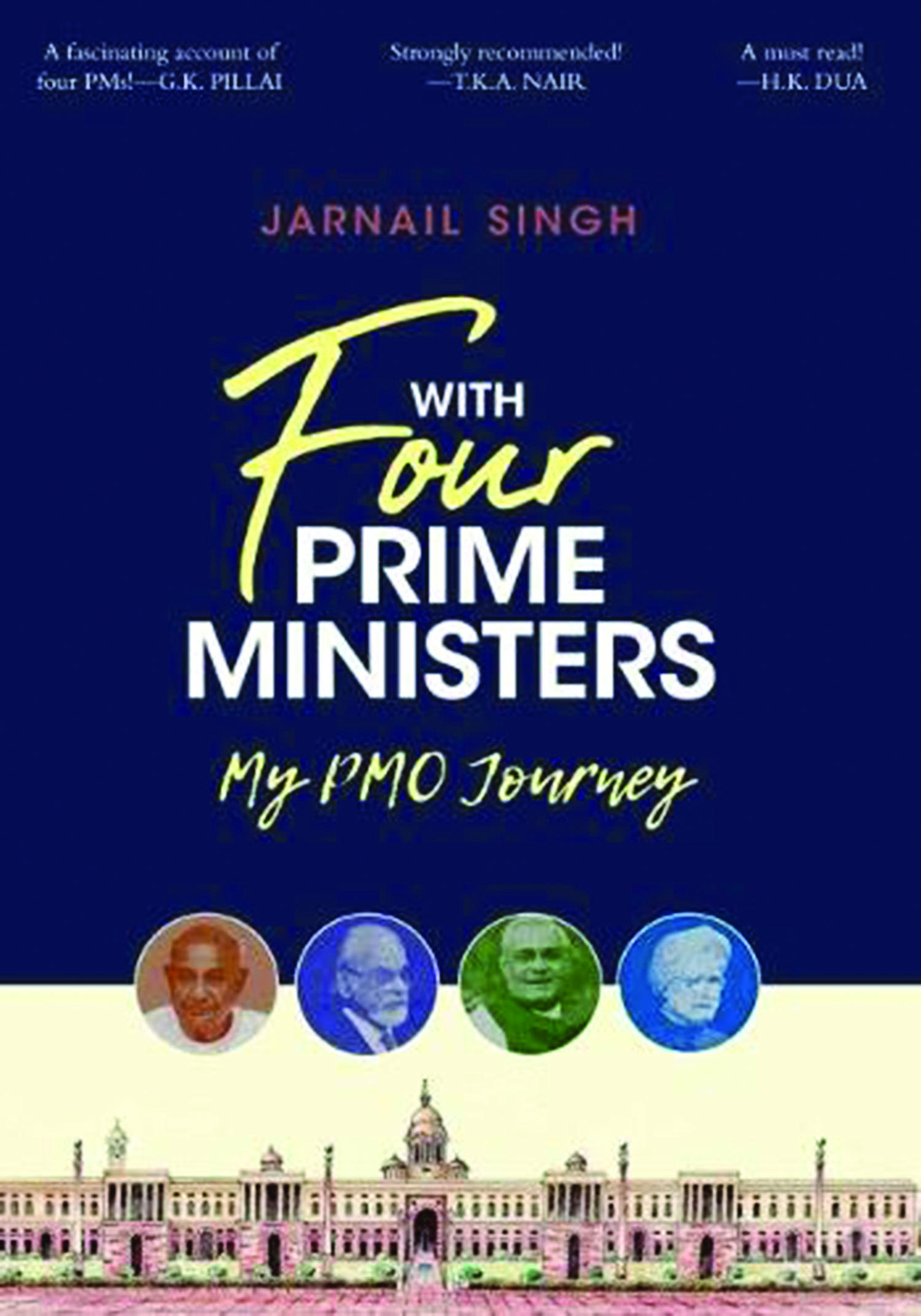
Jarnail Singh
The tradition of writing memoirs by civil servants has been handed down by the colonial administrators to their successors in the bureaucracy of independent India. Sardar Jarnail Singh too has penned a memoir of the fateful eight years of his life in the Prime Minister’s…
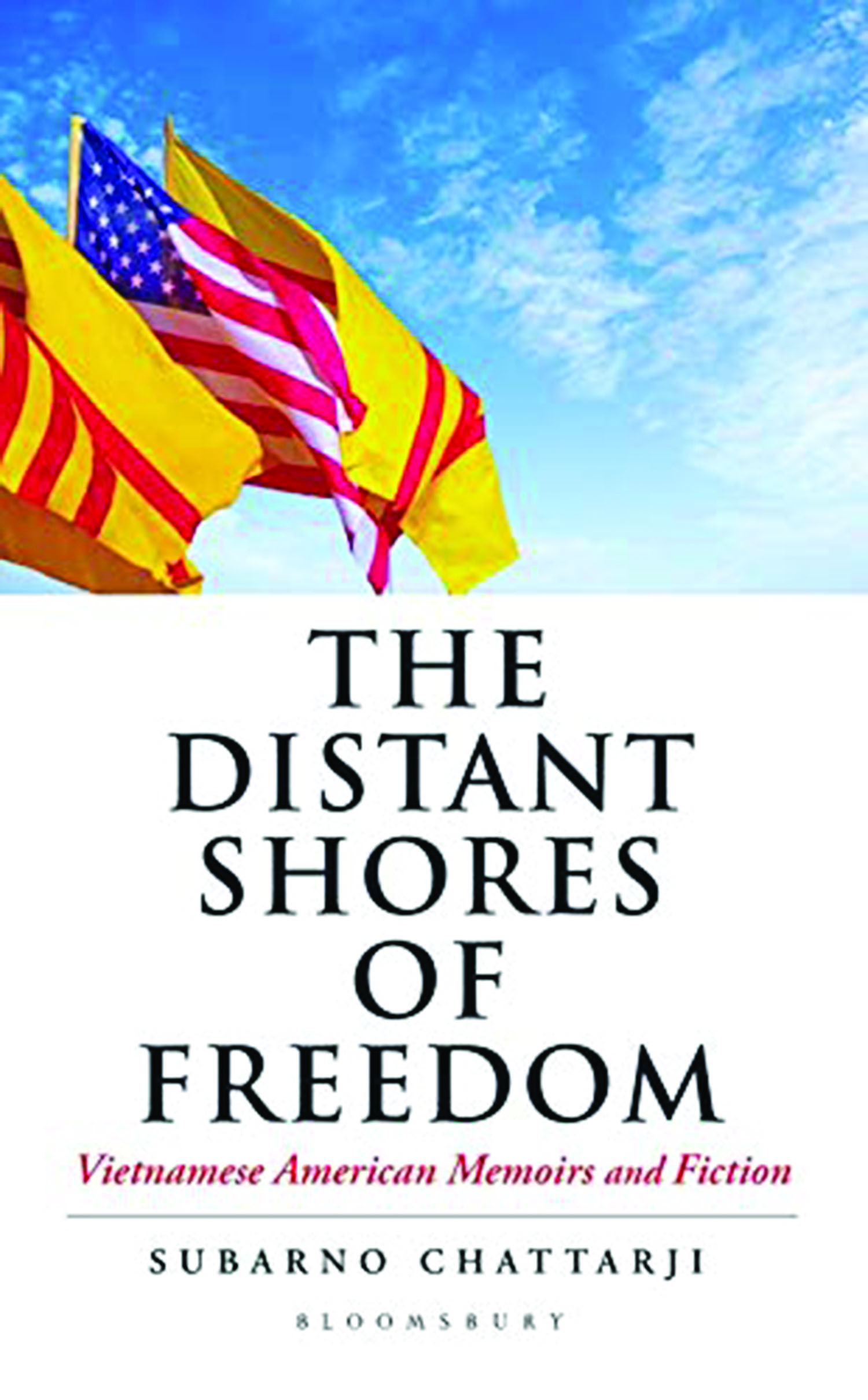
Subarno Chattarjee
It is now usual to think about the Vietnam conflict of the mid-20th century…
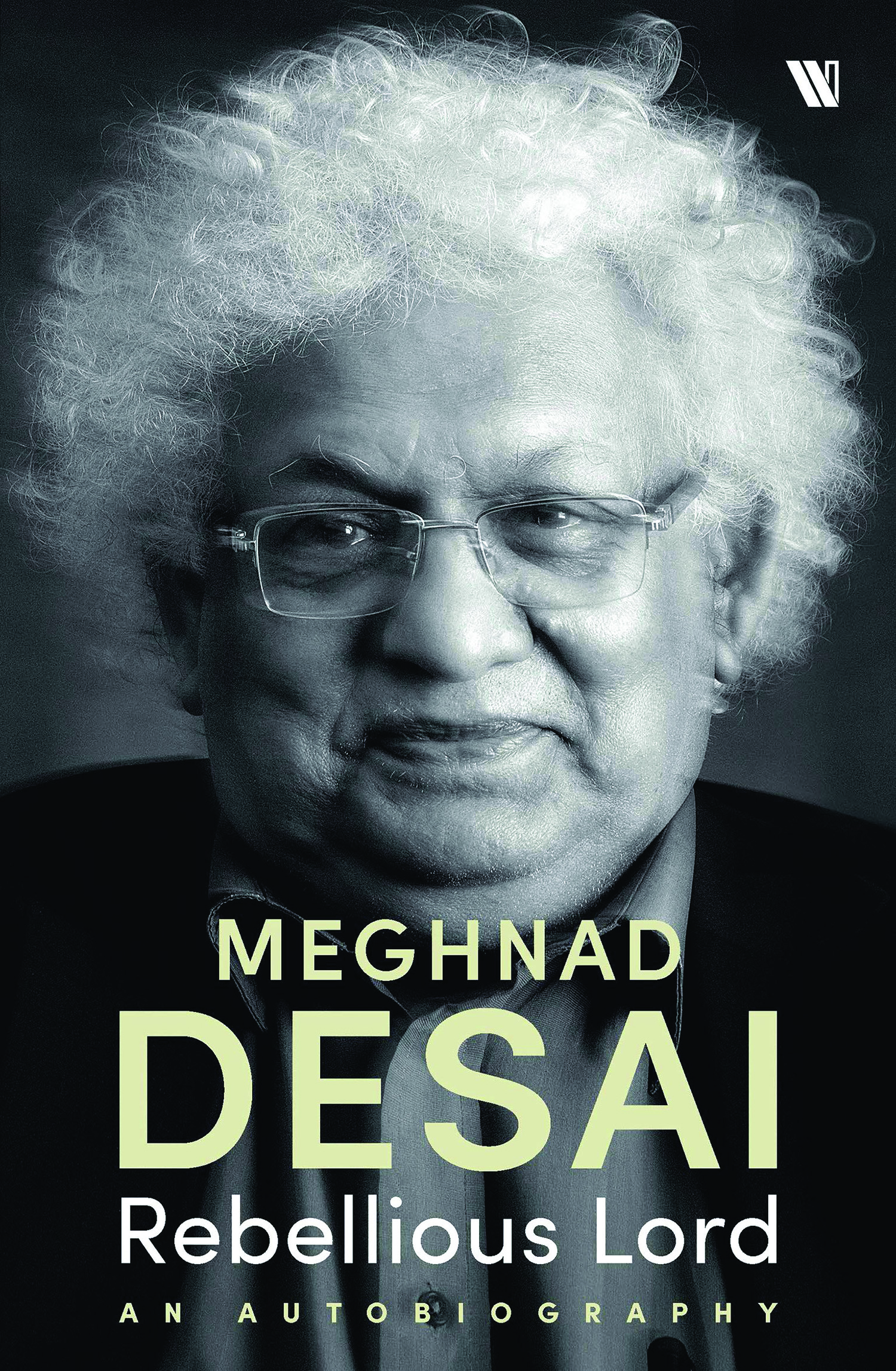
Meghnad Desai
Rebellious Lord is a delightful account by Meghnad Desai of his journey from middle class Vadodara and Mumbai to a Ph.D. from the University of Pennsylvania and then to the London School of Economics, and a life in academia and Left politics in the United Kingdom…
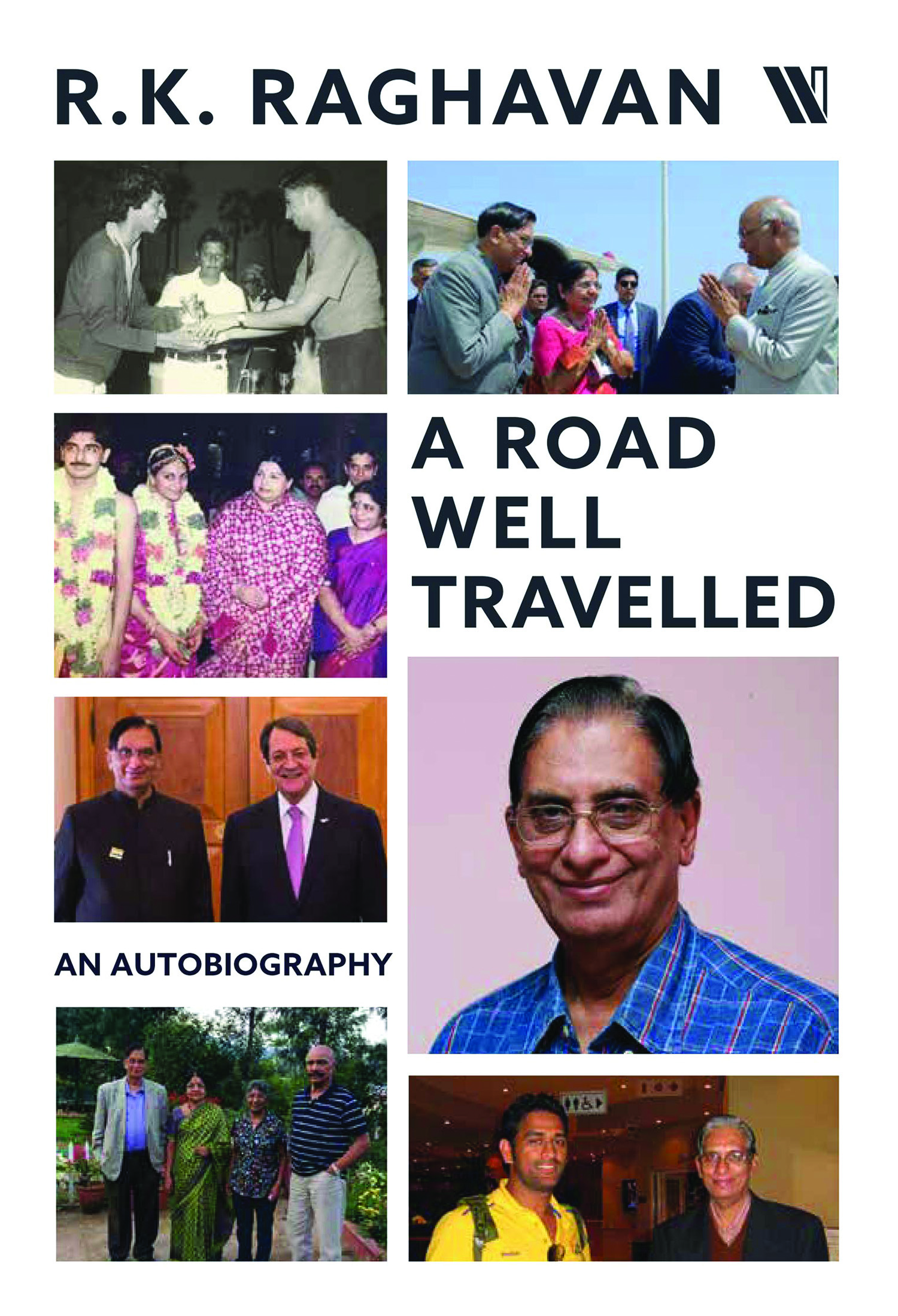
R.K. Raghavan
This autobiography is the journey of a distinguished Police Officer RK Raghavan, who handled events/cases impacting recent political history of the country. He frequently hit the media headlines, from the tragic assassination at Sriperumbudur of a former…
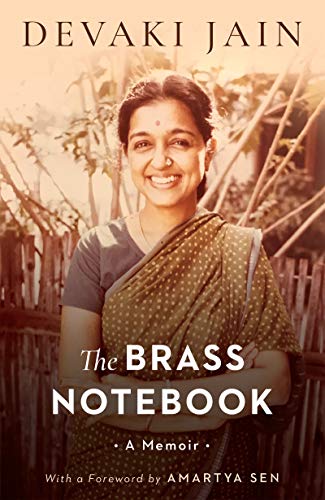
Devaki Jain
When a pioneer of the women’s movement in India opens up the window box of her memories, one can expect some startling revelations and some valuable historical perspectives. Devaki Jain delivers on both counts, making this candid and charming book an inspiration for its readers…
Wandana Sonalkar
Why I am not a Hindu Woman is Wandana Sonalkar’s autobiographical reflections on Hinduism as a religion, as an upper-caste Marxist feminist, and in the context of India’s socio-political journey in the last seventy three years, particularly in the shadow of Hindutva majoritarian politics…
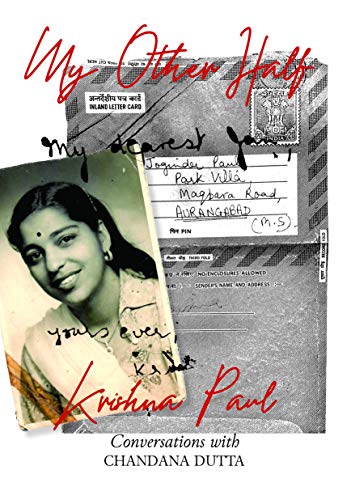
Krishna Paul. Conversations with Chandana Dutta
2019
These lines of John Donne may sound hyperbolic to the modern reader. However, they define like no other lyrics can the enchanting love-story of Krishna Paul and the celebrated writer Joginder Paul. A story narrated through conversations between Krishna Paul and Chandana Dutta…
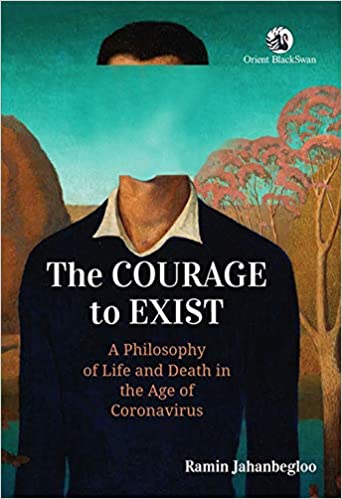
Ramin Jahanbegloo
The Courage to Exist: A Philosophy of Life and Death in the Age of Coronavirus was published in the context of the Covid-19 pandemic. The book suggests that the pandemic has lain bare the limitations of modern socio-political institutions as well as those of modern technology and science in protecting the lives and securing the well-being of human beings…
Siddharth Dhanvant Shanghv
2020
Loss is a set of essays and the first work of non-fiction and memoirs written by Siddharth Dhanvant Shanghvi. The book engages with the universal and rhetorical question of death and grief, based on a string of the author’s personal losses—the death of his father, mother and his dog…
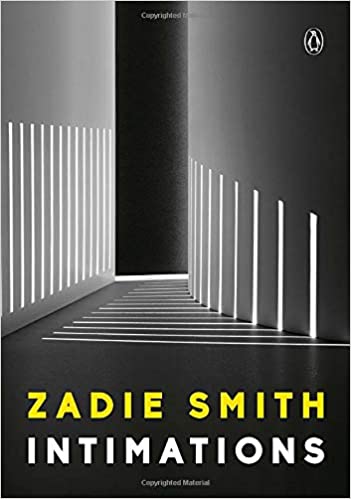
Zadie Smith
2020
The Covid-19 pandemic appears not just as a background in Zadie Smith’s collection of essays titled Intimations. Rather, it infects and pervades every subject matter that the author addresses. The book begins with a seemingly unpremeditated and light-hearted observation on tulips and the author’s fondness for peonies instead…
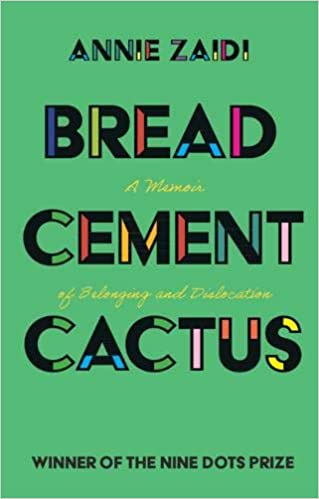
Annie Zaidi
The memoir is a winner of Nine Dots Prize that is given for ‘innovative thinking as a means of tackling pressing problems facing the modern world’. The entrants were supposed to respond to the question, ‘Is there still no place like home?’ in a 3000-word essay…
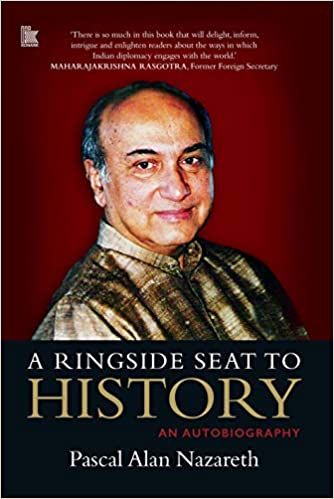
Pascal Alan Nazareth
What exactly does an ambassador or a career diplomat do? Is it merely enjoying a comfortable life, mouthing high sounding ideals and engaging in protocol and immigration issues? How much scope is there for individual initiatives to play out? Reading through this autobiography.
Lalit Mohan Rayal
The title of this novelistic memoir written in Hindi is a variation on a formulaic puranic phrase which was used to start stories and legends; it means, ‘Here begins the tale of Prayag’. This little Sanskrit flourish is apt for a story set in a hallowed city long.
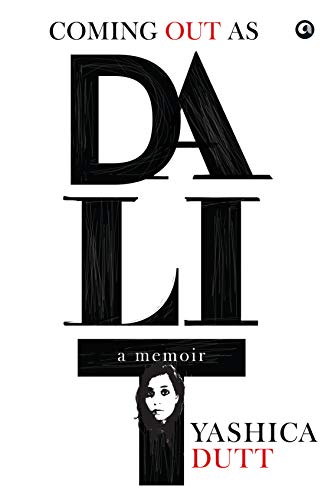
Yashica Dutt
Yashica Dutt’s compellingly gritty tale offers points of identification for probably scores of third or fourth generation Dalits today, who are ‘new’ arrivals in public/professional spaces, as well as those from other marginalized, minority communities.
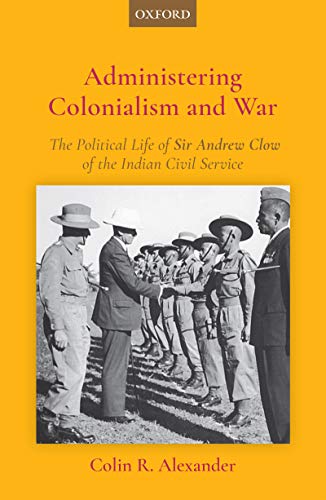
Colin R. Alexander
2019
Although Winston Churchill has often been projected, especially in recent times, as one sinister character behind the Bengal Famine of 1943 that wiped out over three million people, what role the members of the hallowed Indian Civil Service (ICS) played in anticipating.
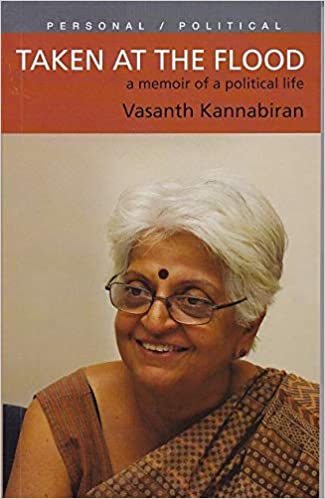
Vasanth Kannabiran
Vasanth Kannabiran’s latest book, described in this edition’s back cover as ‘a feminist memoir’, is a great deal more. There are at least three major narrative strands in the book: (1) Central to it is Vasanth’s examination of her evolution.
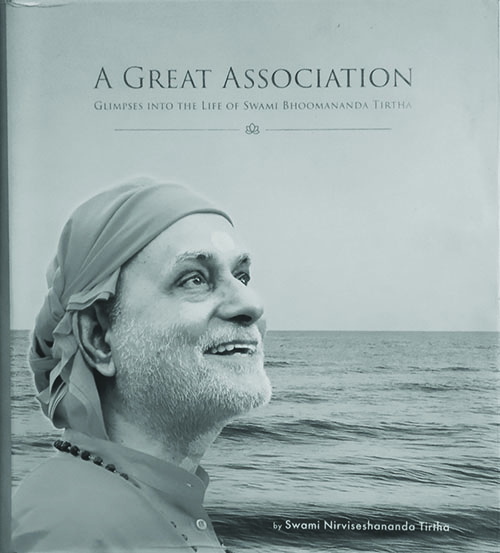
Swami Nirviseshananda Tirtha
To label this book the biography of a spiritual figure would be a misnomer. On the contrary, it is an inner exploration into a universalism that transcends caste and creed and therefore religion in our conventional understanding of the term.
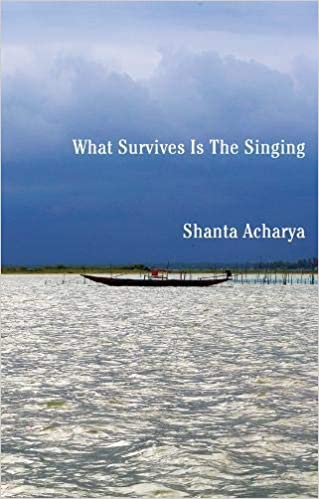
Shanta Acharya/Jennifer Wong
Shanta Acharya exercises her poetic licence by quoting Elizabeth Jennings, ‘We have a whole world to rearrange.’ While she dismantles our perceptions, she rearranges her sentiments and opinions as poems laced with observations. A reason is given.