
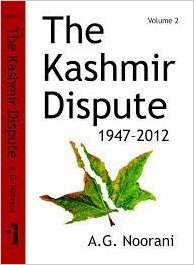
A.G. Noorani
A.G. Noorani’s The Kashmir Dispute 1947-2012 in two volumes presents a substantial and systematic compilation of a lifetime’s work on and around the dispute, much of it already published in various books, journals and magazines over five decades.
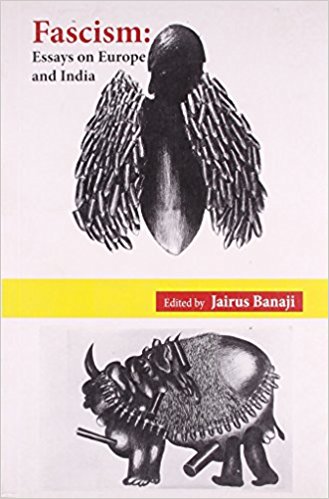
Jairus Banaji
Few realize that the dynamics of the emergence of nations and nationalism in Europe and elsewhere butchered and wiped out many societies and communities.
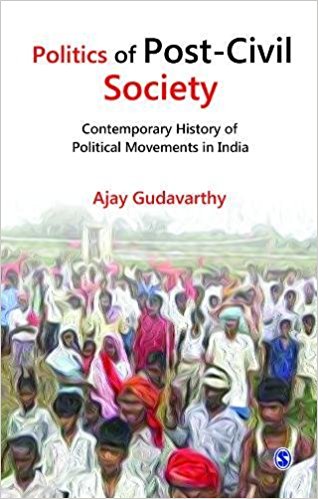
Ajay Gudavarthy
Social movements and the politics surrounding them is a major concern for political science scholars all around the globe. While sociologists are largely concerned with giving accurate descriptions and providing explanations for the success or failure of social movements, political scientists go a bit further into debating the normative and strategic goals and motives of these movements.
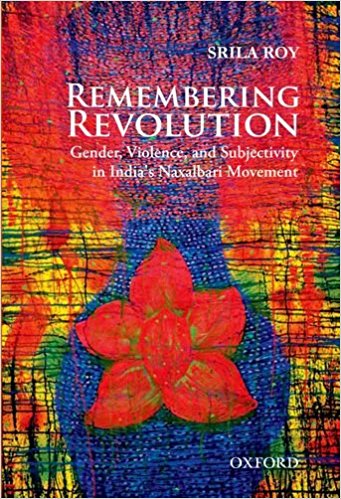
Srila Roy
Remembering Revolution is a perceptive, sympathetic and yet systematic and rigorous study of gender in the Naxalite movement in the 60s and 70s. There have been many studies of the Naxalite movement of late, but none that has explored the role of women from the point of view of their own experiences and motivations on the one hand, and on the other, examining the attitudes existing then among their male comrades, the party leadership, family and social milieu, which in turn influenced what they did and thought.
William M. Paul
The notion of the state is central to political theorizing but ironically in Marxism. Both with the originators and its latter exponents, its account is sketchy. Hegel, who was the starting point for Marx for all his major concerns, worked out the details of a modern state by his distinction between the realm of state and the realm of civil society but Marx’s account is sketchy and reticent in working out the details of the modern state.
Hitendra Patel
The growth of community-oriented consciousness and articulation of antagonism between Hindus and Muslims in the last quarter of the nineteenth century and in the early twentieth century have attracted considerable scholarly attention in recent times.
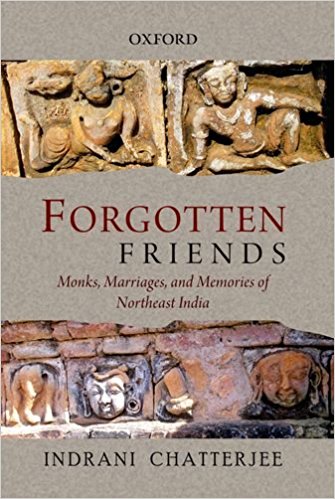
Indrani Chatterjee
As I began to read Forgotten Friends: Monks, Marriages, and Memories of Northeast India a fresh bout of political mobilization demanding separate statehood had already spiralled up in Assam. These competing political claims had overlapping geographies and try to transcend the limits of modern political boundaries.
Sanjay Srivastava
Can there be a more opportune time for an extensive discussion of sexualities in postcolonial India? Each and every day, it seems, we are confronted yet again by the systemic sexual violation of subaltern subjects, marked by one or more intersecting vectors of difference: caste, class, gender, sexual orientation.
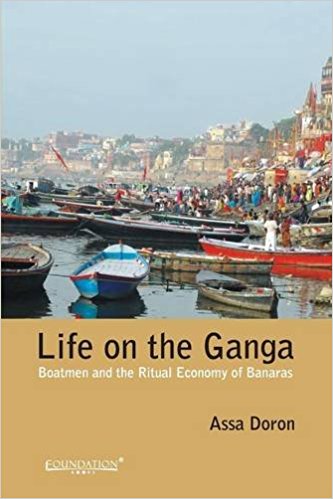
Assa Doron
Assa Doron, Director of the South Asia Research Institute at the Australian National University, and formerly tourist, tour guide, then anthropologist in Banaras, demonstrates in this book the different, difficult, complexly interwoven feats that the discipline of anthropology is capable of. The setting of the book is Banaras.
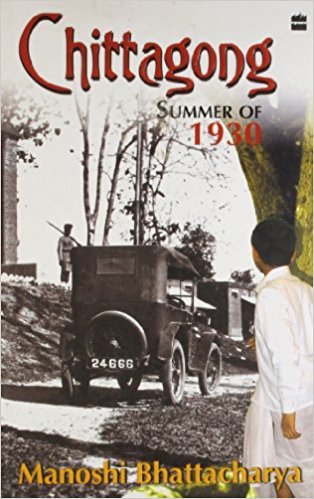
Manoshi Bhattacharya
Manoshi Bhattacharya’s riveting book brings to the fore one of the most dramatic episodes in our freedom struggle, the Chittagong Armoury Raid. Bhattacharya’s book drawing upon an extensive array of sources skillfully depicts the circumstances which culminated in the attempted insurrection on 18, April, 1930.

Anil Bhatt
The questions, posed in this book are: How do caste backgrounds influence, in contemporary India, the distribution of income, wealth, and secular status (together called socio-economic status or ‘class’)?
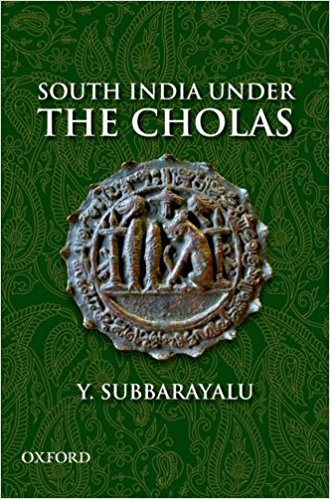
Y. Subbarayalu
This collection of seventeen scholarly essays published by Subbarayulu over the last three decades in various journals and books deals with the socio-economic and political formation in South India during the period of the Cholas.
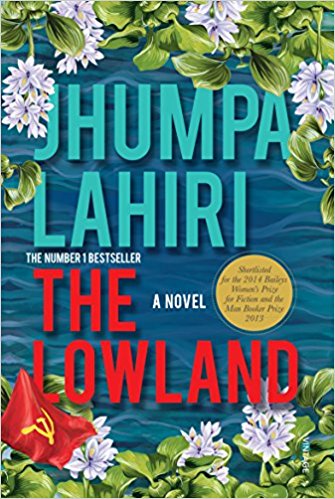
Jhumpa Lahiri
2013
From the winner of the Pulitzer Prize for Fiction comes another evocative novel with Indian-American theme! Subash and Udayan are blood brothers. Born a year apart, theirs is an idyllic childhood, like many others in suburban India.
Sachchidananda
The author’s aim is laudable: a study of the elite among the former untouchables or Harijans of Bihar. But who are the elite? To Sachchidananda they are represented in a sample of 200 graduates in urban areas and matriculates from villages. Further. the elite are drawn from ‘public services…
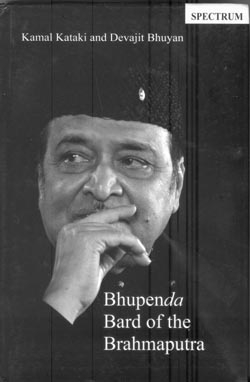
Kamal Kataki and Devajit Bhuyan
The authors’ profound love for Bhupen Hazarika, celebrated as the only great ballad singer in India till his death, comes out in their offering, Bhupenda: Bard of the Brahmaputra.
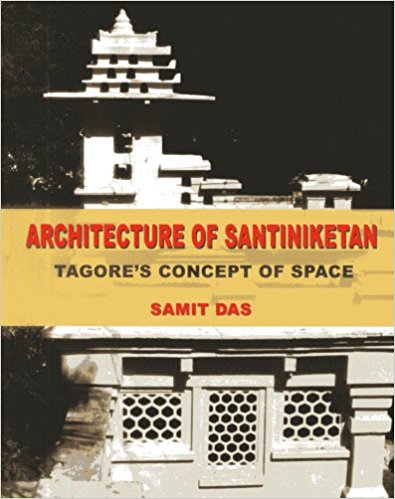
Samit Das
On the tentative UNESCO World Heritage list since 2010, Rabindranath Tagore’s Santiniketan is not only a familiar name across India but also one that espouses academic and orientalist associations worldwide even today. Its origins, history and especially architecture are likely to interest those familiar with this unique establishment and its notable achievements.
K. Umapathy Setty
Librarianship is a comparatively new discipline not only in India but also in the western countries. Though libraries and communication of information date back to the early days of our civilization, systematic approach to librarianship or information organisation, retrieval and dissemination is a recent phenomenon.
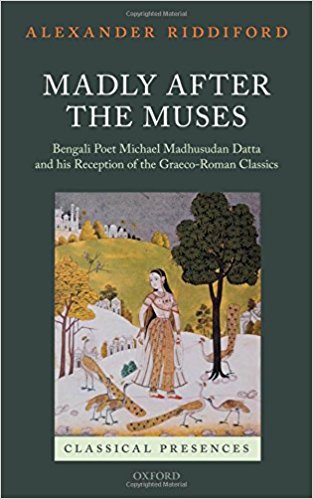
Alexander Riddiford
Although the first part of the title of Alexander Riddiford’s book is not put within quotation marks, the phrase stands out, so that even the lay reader unfamiliar with Madhusudan Datta would guess that it is, in fact, a quotation. For the reader acquainted with Madhusudan’s oeuvre, the word ‘madly’ would seem typical of the exaggerated phraseology so beloved of him, and it is, in fact, taken from a letter to his friend Rajnarain Basu, describing his state of excited creative composition at the time.
K. Krishnamurthy
Panikkar was one of the most colourful personalities, quzzical, combative, suggesting the cardinal statesmen of France, and equal to Machiavelli in his knowledge of diplomacy.
Satyanarain Singh
Mulk Raj Anand’s first novel Untouchable was published in 1935. Anand, then a Bloomsbury intellectual, had written the first draft in 1929, while living in Sabarmati Ashram with Mahatma Gandhi…