
For the Young
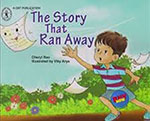
By Cheryl Rao. Illustrations by Viky Arya. Translated into Hindi by Kusumlata Singh
I guess, the picture book is published in a single language. The Hindi and English can be appreciated simultaneously. Some phrases/words sound better in one language than the other. That difference may make the reader understand the beauty of both languages.
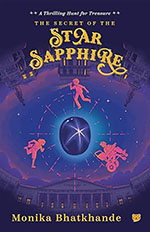
By Monika Bhatkhande
The same is true for the poems, books, and articles that are mentioned, as quite a few are footnoted and can be looked up. In fact, the narrative seems to encourage readers to verify historical references, as the characters do so often, even using search engine techniques. This dynamic line between fact and fiction is necessary to the story as one of its central questions is whether the Star of India is really as powerful as the stories declare.

By Paro Anand. Illustrated by Priya Kuriyan
they were branded as criminals by the British under the 1871 Criminal Tribes Act, which made their traditional way of life illegal. Junglee, a Pardhi girl herself, protects a vulnerable tiger cub, even though her community is blamed for hunting such animals.

By Hansda Sowvendra Shekhar. Illustrated by Proiti Roy. Book Design by Saurabh Garge.
The ‘secret question’ works like a small lesson in resistance. When the ghost copies the mother’s voice, the girl uses what she knows about her widowed mother. She remembers that her mother does not apply alta. She even breaks the rule about not touching the chuhla to burn the ghost’s wolf-foot,
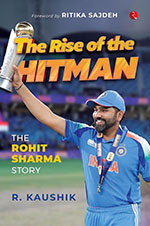
By R. Kaushik
The book is also one of the first to highlight his temperament and captaincy style in detail. It brings out both his meticulous preparation: spending hours in video analysis and attending team meetings with the bowling and batting units even when he wasn’t mandatorily needed, and his people-first management that balances his blunt honesty with backing for his players.
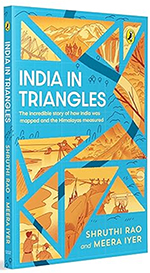
By Shruthi Rao and Meera Iyer Puffin Books, Gurgaon
Shruthi Rao and Meera Iyer in their India in Triangles have explained in easy-to-understand language the main principles of triangulation, and how this method was used for mapping the Indian subcontinent during the nineteenth century.
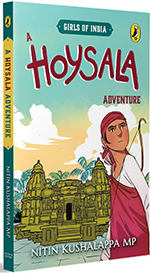
By Nitin Kushalappa MP. Illustrations by Priyanka Tampi
The first chapter details Devaki’s family, her daily duties during vacation days, she being a supporting daughter for her parents, nursing her ailing father and helping her mother with household chores. The author also through interactions between Devaki and her grandmother outlines the gender roles as decided within the families and how Devaki as a young educated girl questioned some of them.
Both by Yemuna Sunny
The text is divided into four sections—an untitled Introduction, Nature and Society, People, and Environment. Four boxes are distributed through the text to highlight some aspects of the area, with 3 or 4 pages of photos at the end. A few highlighted questions are spread through the text.
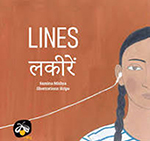
By Samina Mishra. Translated from the original English by Shashi Sablok.
2025
The clear-cut lines between the colours—mainly the earth colours of ochre, the rich blue of the precious stone lapis lazuli, and cyan, which is the light bluish-green associated with water and the sky—harmonize to create a landscape in the mind that goes beyond division and separation.
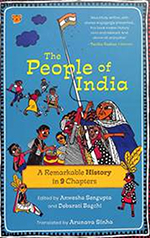
Edited by Anwesha Sengupta and Debarati Bagchi. Translated by Arunava Sinha. Illustrated by Kavita Singh
Initially published in Bengali as a series titled Itihase Hatekhori (loosely translated as First History Lessons), this effort was born out of the editors’ vision of creating non-standard history books for children. It is a kind of history-writing which falls neither within the bucket of drab,
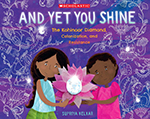
By Supriya Kelkar
Tracing the journey of Kohinoor, the exclusive diamond that changed hands over the centuries, the author brings out how British colonization took what was valuable from India and its different people.
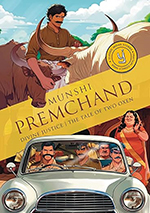
By Munshi Premchand
The second story, ‘A Tale of Two Oxen’, follows Hira and Moti, two loyal oxen whose unbreakable friendship carries them through hardship. When cruel circumstances separate them from the comfort of home, they endure mistreatment under a harsh master but continue to embody resilience and solidarity. Beyond animal characters, the story speaks powerfully about loyalty, compassion, and the strength found in standing together.
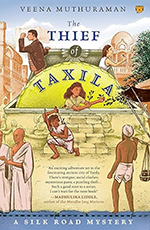
By Veena Muthuraman
The Thief of Taxila takes readers on a fascinating adventure through the lively, ancient city of Taxila. Mixing history, mystery, and friendship, this book is perfect for young readers who love a good puzzle and want to peek into India’s past.
The story happens a long time ago, during the rule of King Kanishka.

By Vibha Batra. Illustrations by Pankaj Saikia
2025
The book is a welcome addition to the rapidly growing array of books for children in India; it stays clear of the trap of tokenism. The plot and characters come together to convey an endearing tale. Pankaj’s vibrant illustrations paint an appealing picture of the entire narrative.
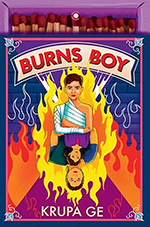
By Krupa Ge
2025
Guru struggles with the trauma of the accident, his anger, and his broken relationship with his mother. His mother is weighed down by guilt, family responsibilities and social expectations, while trying to hold life together. Aparna, the younger sister, feels sidelined and wrestles with her own identity, as the family’s attention shifts toward Guru.
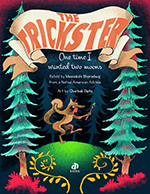
Retold by Meenakshi Bharadwaj from a Native American Folktale. Art by Charbak Dipta
In this story, Coyote uses his magical wishing bone to play a trick on the villagers by creating two moons. First, he conjures the two moons and hopes someone from the village will notice them. A man passing by sees the two moons— ‘two moons’ with his own two eyes—and suspects that Coyote is behind it.
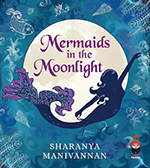
Written and illustrated by Sharanya Manivannan
The illustrations expand the text in surprising ways, offering depictions beyond the familiar. We meet a mermaid in a wheelchair, a mer-guy cooking for his companion, a plump mermaid, and even glimpses of the lagoon’s fraught history of conflict and disaster.
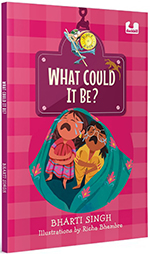
By Bharti Singh. Illustrations by Richa Bhembre
The story is simple, age-appropriate, and colourfully depicted with well-designed illustrations that indicate a middle-class household. The print quality and the font size are age appropriate. There is enough mystery in the story to keep young readers engaged.
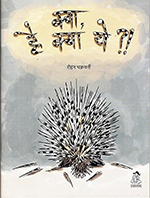
Written and illustrated by Rohan Chakravarty
There’s a lot of information provided through this book, all of it in a fun and engaging manner: we learn about the porcupine’s habitat, preferred foods, predators, defence mechanisms, and more. We also get to see a broadly positive set of interactions between humans and this wild animal,
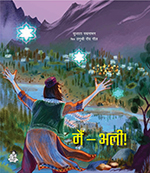
By Sujata Padmanabhan. Illustrations by Tanushree Roy Paul. Translated from the English into the Hindi by Vinatha Vishwanathan
Ali is brought up by his adoptive Apo, grandfather. There are a few words of the Balti language sprinkled throughout the text, a nice touch that introduces us to another culture, while remaining easily understandable in the context of the story.
Tanushree Roy Paul’s warm and detailed illustrations bring alive the love and joy, as well as the lingering grief that Ali and his families experience.