
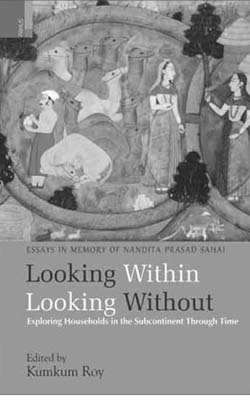
Kumkum Roy
The essays in this volume try to get behind the apparent continuity of normative discourse on the household in India from the ancient to the early modern. They try to locate moments of disruption, transformation or critique, in texts that are often read as simple reiterations of the Manusmriti through the ages.
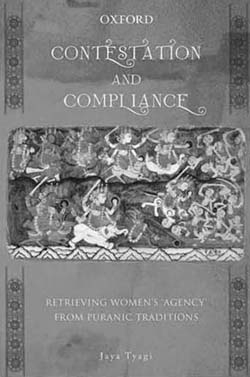
Jaya Tyagi
People perform various auspicious ceremonies on the occasions of illness, the weddings of sons and daughters, the births of children and the setting out on journeys. On these and similar occasions, people perform many auspicious ceremonies. And on such occasions, the womenfolk in particular perform many and diverse ceremonies which are trivial…
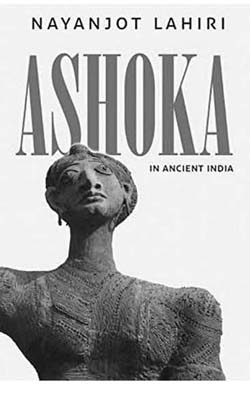
Nayanjot Lahiri
The Mauryan Emperor Ashoka has attracted the attention of scholars and laypersons with access to formal education for nearly two centuries since his ‘rediscovery’ in the 1830s. Nayanjot Lahiri’s work is the latest in a long, rich and diverse series of biographies of the ruler. It is significant as being the first major reassessment of Ashoka by a historian of ancient India…

Manohar Shetty
2017
My first reaction after finishing Manohar Shetty’s Morning Light was the fear of his name being lost like a beautiful tender leaf crushed beneath a pile of dried flowers that blossom only in winters. The second was the sadness of this already happening retrospectively, and the third was of being a responsible reader.
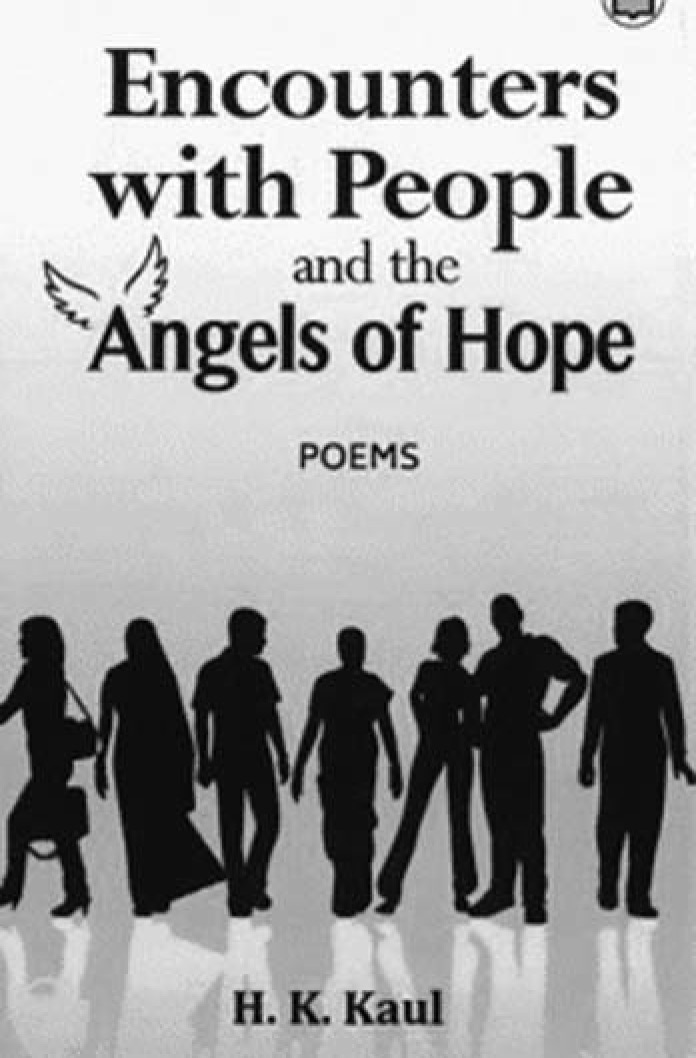
H.K. Kaul
Not quite belonging to the domain of international English poetry, nor integrated with the literary traditions of other Indian languages, Indian poetry in English has often been projected as a homeless genre. The poetry of H.K. Kaul demonstrates, to the contrary, that Indian English poetry possesses the power to express a sense of cultural rootedness in a language that connects it with the rest of the world.
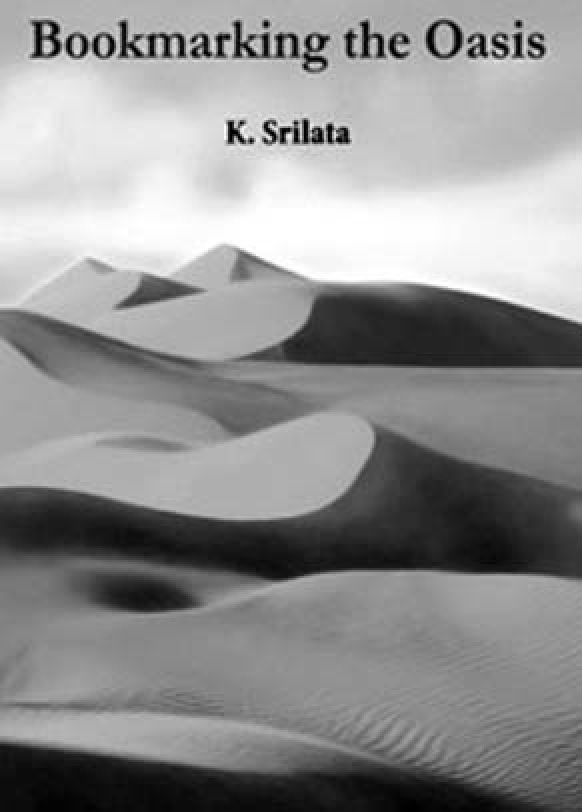
K. Srilata
These two sets of lines from two dif-ferent poems of K. Srilata’s Bookmarking the Oasis succinctly depict the vast range of experiences and metaphors she employs in her poetry. The collection offers its readers a spectrum of poetry that speaks of history and memory, politics and subjectivity, natural habitats and urban spaces, and the sensuous and cerebral.
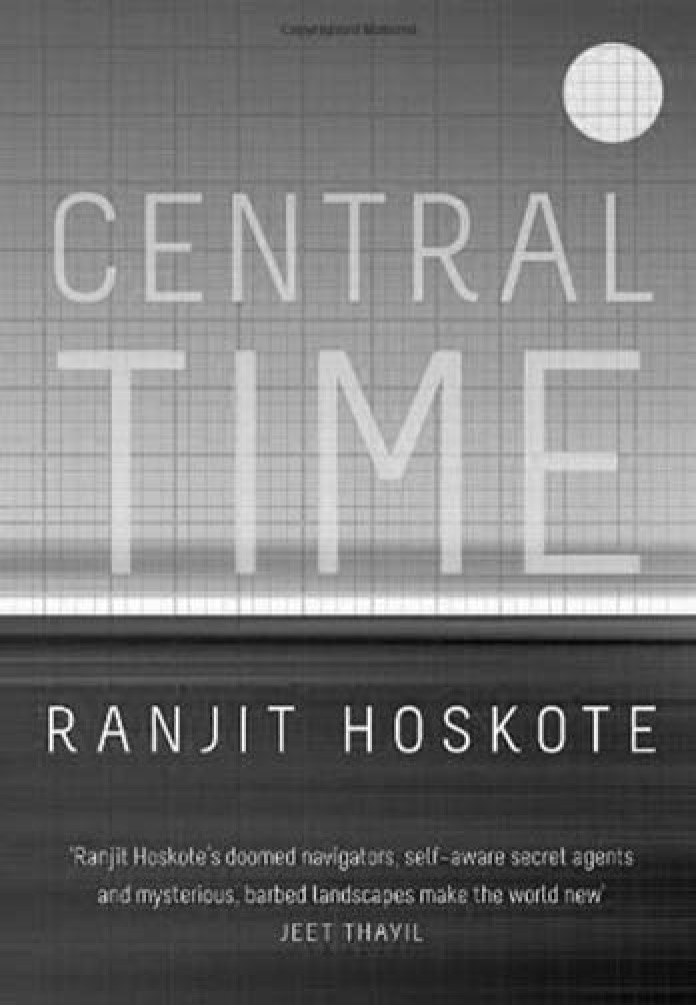
Ranjit Hoskote
2017
The skilled restorer of porcelain will collect not only the visible chips of a broken pot but also the dust
on the table where it rested,’ is a statement made by sociologist Richard Sennett and serves as the epigraph of the poems in the present volume. It proclaims the microscopic and macroscopic range of Hoskote’s compositions.
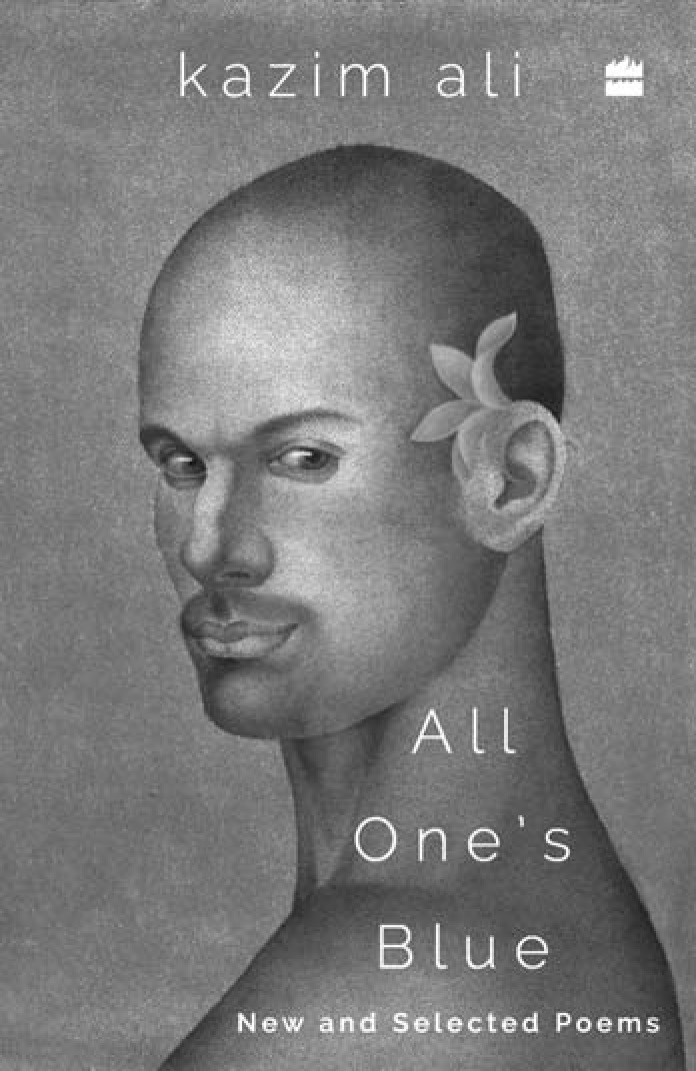
Kazim Ali
Kazim Ali’s poetry allows us more than a glimpse into his rich oeuvre of work resonating with a commitment to creating a language of spiritual and political urgency that walks with soft footsteps. If there was one word to describe Ali’s poetic style and methodology it could well be ‘palimpsestic’. The range of the poems in this collection is wide, poems that are re-imaginings of Quranic and Islamicate myths and figures, translations of Faiz Ahmed Faiz, and prose-like poems mapping cities through an autobiographical lens, but in spite of the diversity of engagement they all work with a sense of an ‘always already’.
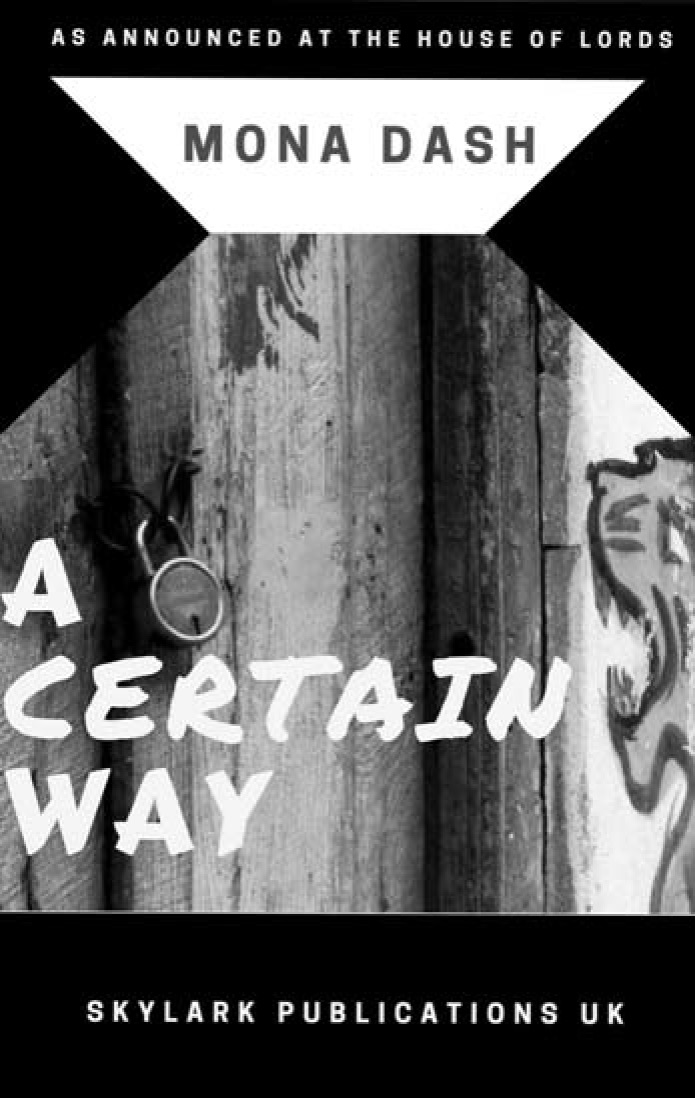
Mona Dash
2017
A Certain Way is an interesting debut in more ways than one. For Word Masala Foundation and its publishing wing Skylark Publications, this is the first time that they have employed crowd-funding as an innovative method of raising finance to fund a book’s publication. It was clearly a successful venture; the outcome is a well-presented paperback—a first collection of poems by ‘Word Masala New Voice Award Winner’ Mona Dash.
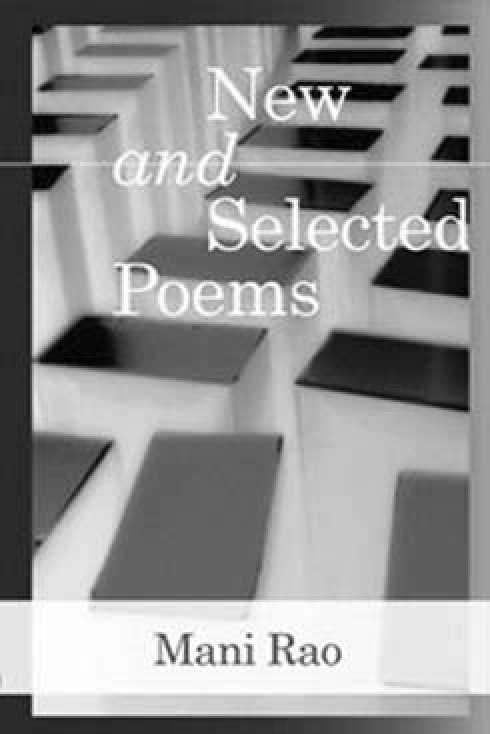
Mani Rao
The book with the yellow cover arrived in a thick yellow envelope on a Sat-urday. It was mid-December, and winter in Delhi was late, though the days had started growing shorter. Over the next few days, I carried it around with me, reading it everywhere I could: in the metro, at work, in bed, and in the bathroom.
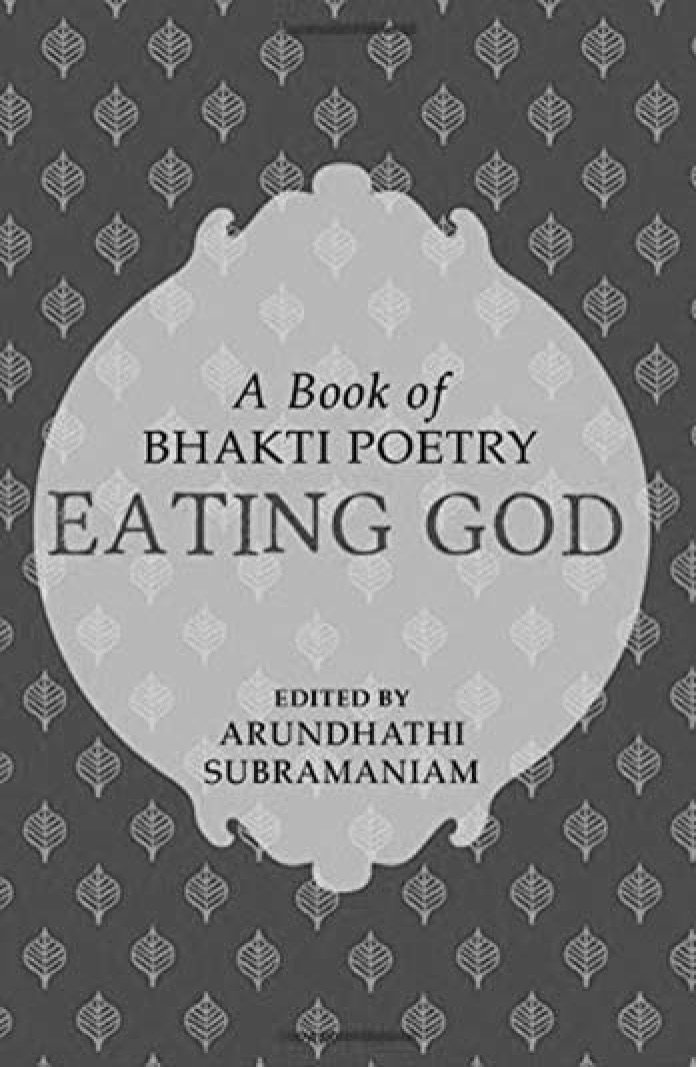
Arundhathi Subramaniam
The moment Arundhathi Subra- maniam’s book came to my hands I was reminded of a song and a story. The song, composed by the eighteenth century Bengali Bhakti (Sakta) saint-poet Ramprasad Sen, is themed around the act of devouring the Goddess Kali (the opening words are: Ebar Kali tomay khabo ….) by Ramprasad, her ardent devotee.
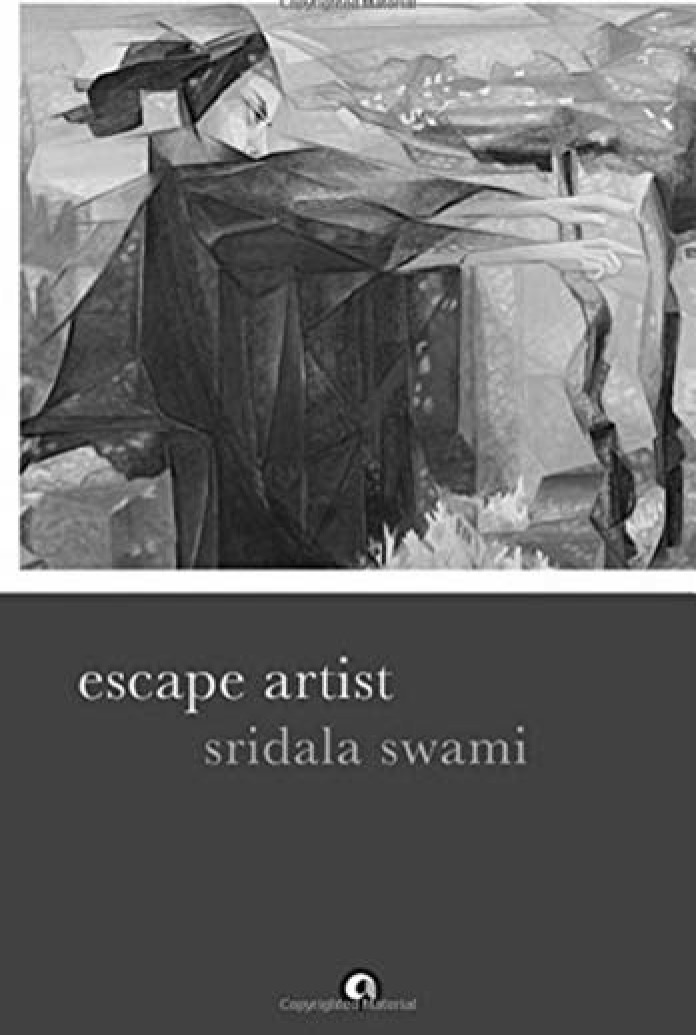
Sridala Swami
2017
Sridala Swami’s collection Escape Artist is not a sea of several-legged creatures and tangled weeds that confuse an entrant. It has the quiet and spaciousness of an art gallery where each poem focuses on a specific thing, like A sacred text on a grain of rice in her poem ‘Not Loss but Residue’, neatly framed by a larger context, or layers of it. The reader gets time to take in one feeling, one image at a time before they are invited to join the larger connectedness of things.
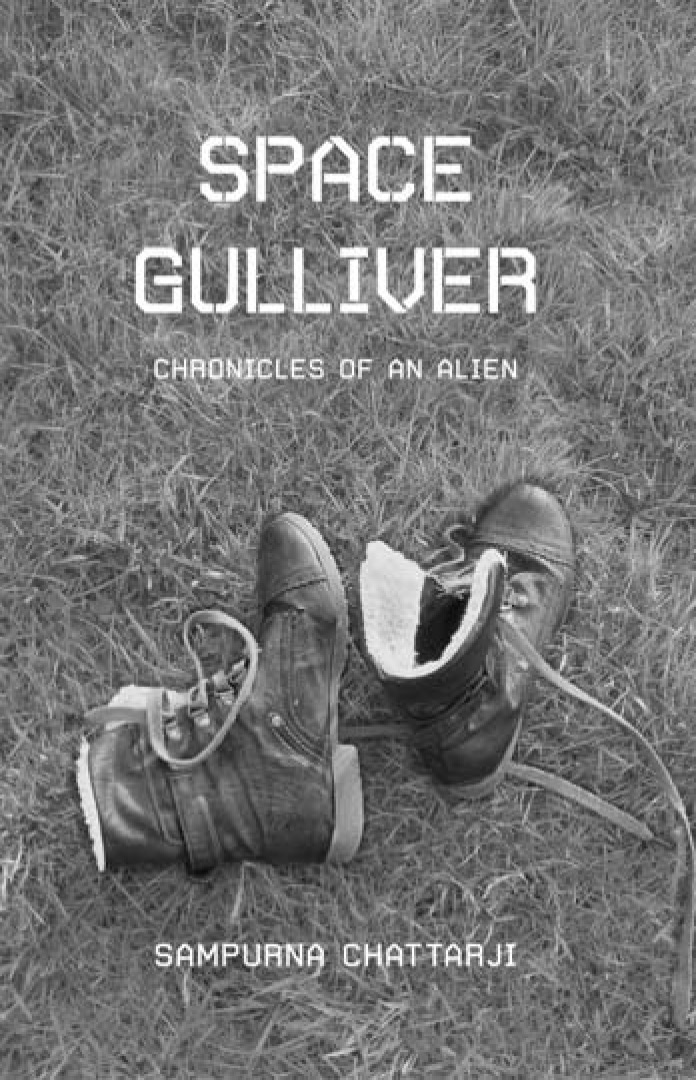
Sampurna Chatterji
Always a little sceptical of science fic-tion, I would read time travel as a trip up-down memory lane and two-headed green creatures as projections of our own distrust of our diabolic selves, threatening our own planet with fire-balling shotguns, burning beautiful bridges down to dystopian dust. With the surge of TV series on Netflix speculating the futures, suspecting us to be the strangers our parents warned us about, showing us a world that has estranged us, where aliens are amongst us and technology is second pulse; the eternal rising question what is fact, what is fiction is staring back at us as we come to close another decade.
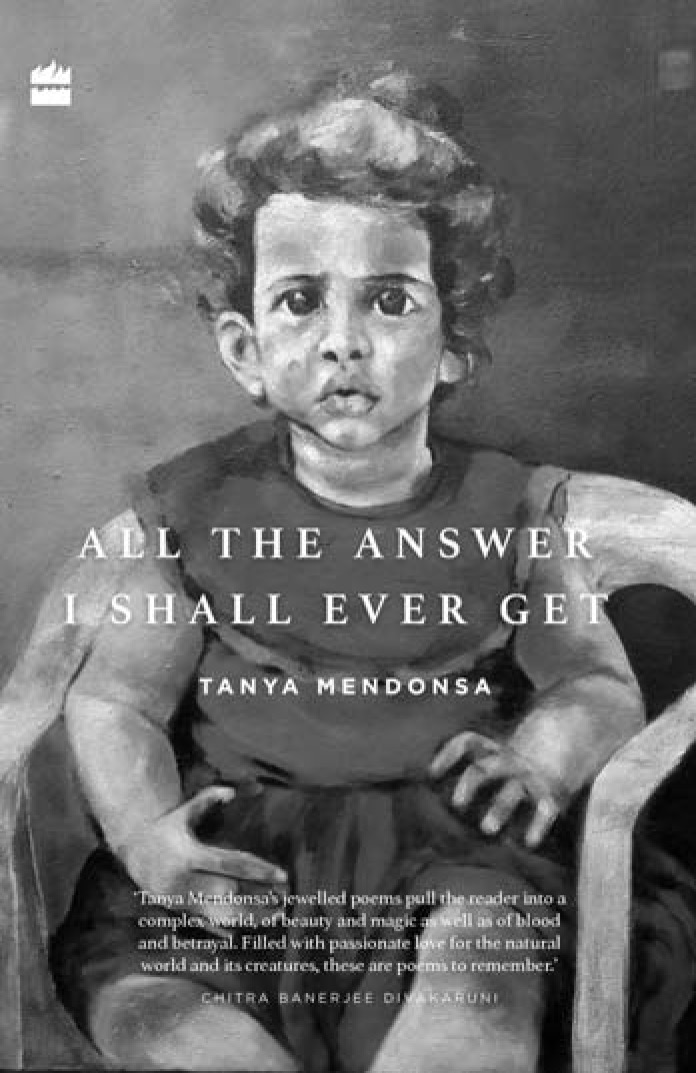
Tanya Mendonsa
Tanya Mendonsa’s journey across con-tinents, from India to France and back again to India is mirrored in her poetry as a hunger: a thirst for a spiritual way of life in harmony with the physical so that the potentialities of both are realized to the optimum.
Vijay Seshadri
Language is our first line of defence—and also our last resort. Bob Dylan won’t tell you that you’ll be incinerated in a nuclear explosion. He will warn you about getting drenched in a hard rain. A Bengali matriarch, when she looks at the bottom of an empty rice jar will not say dhana shesh (the rice is finished) but dhana prachur (there’s too much rice), trusting that her son will get the message and buy a fresh bag. Language is driven, again and again, by defence mechanisms, obscuring all that we are afraid to acknowledge about ourselves and the world around us.
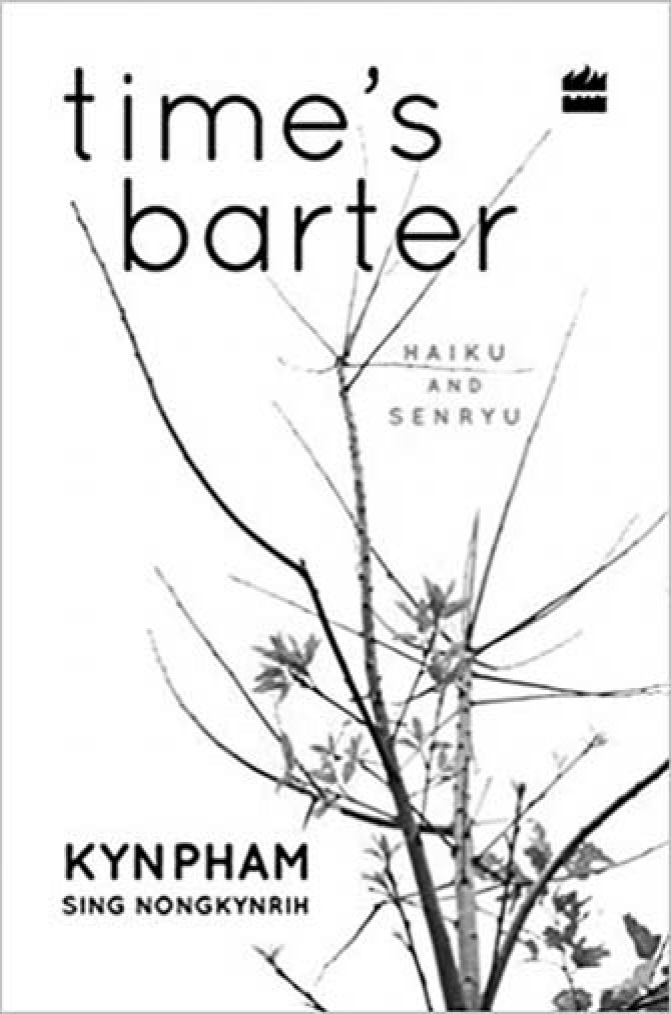
Kynpham Sing Nongkynrih
2017
If you knew that a British Haiku Society was founded in 1990, you are much bet-ter informed than I am. What surprises me is why it took the Brits so long given their homegrown propensity to be stingy with words.

Raza Mir
Urdu is quizzical. First, as a language that is both spoken and written, it communicates thoughts, references, situations, objects, and describes subjective emotions. Urdu has a tangible presence—as alfaaz (words) one can hear and speak Urdu.
Nishat Zaidi
2017
Urdu poetry, indeed, has traversed a long way from the obliquities of Mirza Ghalib, didacticism of Iqbal and the lyrical buoyancy of Faiz Ahmad Faiz. Regardless of countless premature obituaries, Urdu poetry thrives after three centuries, not alone in printed pages but in popular memory.
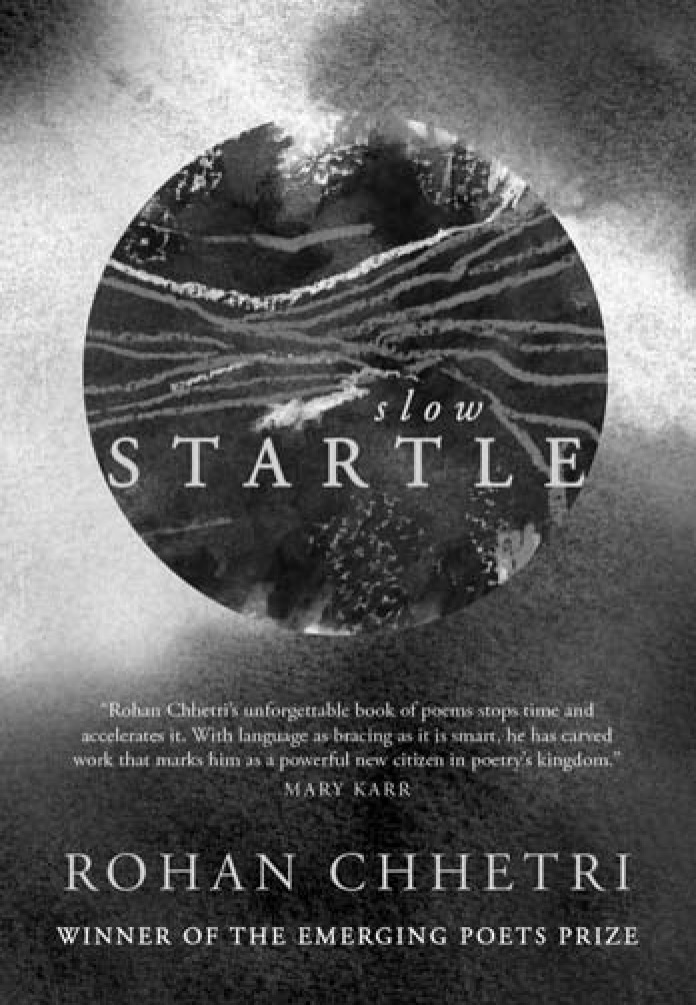
Rohan Chettri
2017
Rohan Chhetri’s Slow Startle is a true indulgence for lovers of poetry and the written word. His poetry spans various subjects: love, loss, relationships, memories that flood the past, shape the present, and the future. His poems about the pangs of growing up, of coming to terms with his grandfather’s death, a difficult relationship with a father given to uncontrolled spurts of violence, a resigned mother humbled by fate…
Arvind Krishna Mehrotra
The poetic imagination works in mysterious ways but never more so than when it is being unpoetic. Other than what people believe, a poet is not a dreamer, with his head perpetually in the clouds, as the caricature has it. On the contrary, he is someone who walks the firm earth, especially those parts of it that are less than beautiful. Which is why when a well-meaning friend says ‘Come and stay in my cottage in the hills (or my house by the sea), you’ll feel inspired and write lots of poems,’ you know why you’ll never accept the invitation…