

Gurcharan Das
The Difficulty of Being Good is as wonderful a title for a book as it is a philosophical statement that provides the parameter for a lifetime’s quest. The declaration, for it is such, boldly encapsulates theproblem that has compelled humankind for centuries. For me, it circumscribes the central problem of being, it is the very definition of the human condition.
Malashri Lal
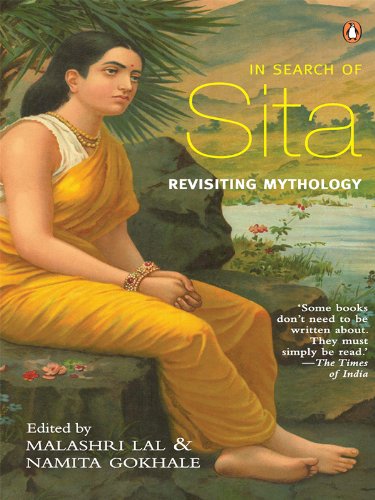
Like manna from the skies or the well-timed appearance of an oasis to a thirsty wanderer in the desert comes this publication, heralding a critical moment in the study of Indian mythology.
Vijay Nambisan
The first millennium bc saw the develop ment of the brahmanical traditions of ritual adherence to varnashrama-dharma and the ideology of renunciation. From about 500 bc there was a growth of sectarian worship of particular deities which resulted in devotional worship. Performing puja is a way of expression of love or devotion (bhakti) to a…
Upinder Singh
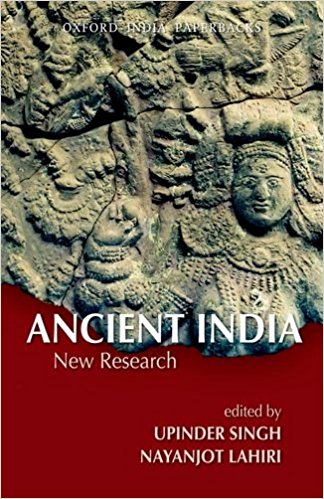
This collection of essays contains nine articles on different aspects of the archaeology and ancient history of the Indian subcontinent. Written by young scholars, they provide an indicator to the direction which Indian historiography, particularly in relation to the earlier periods, is taking in the twenty-first century.
Jonathan A. Silk
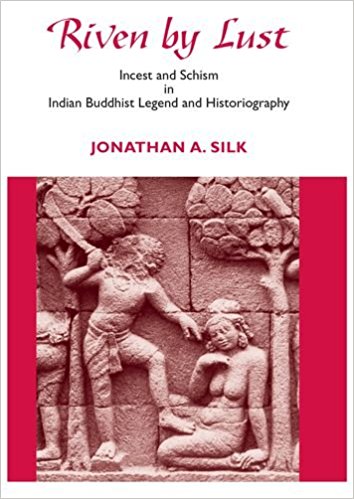
Riven by Lust is a deceptively slim volume: the main text is a little over 200 pages. However, it encapsulates scholarship that is breathtaking in both its depth and range.
Meenakshi Mukherjee
Professor Meenakshi Mukherjee, who passed away recently, is to me more than a brilliant academic and critic.R.K. Narayan had analysed his own strengths: ‘I have roots in family and religion.’ Meenakshi was probably no believer; but I had sensed all along that she had roots in family and Indian culture…
Farrukh Dhondy
2010
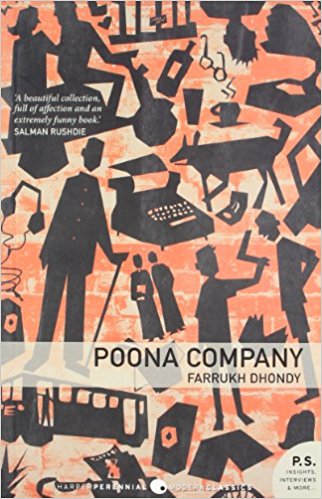
Farrukh Dhondy’s delightful collection of linked short stories, Poona Company, was initially published in 1980 and has been reissued in the Harper Perennial Modern Classics series. Largely centered around a cast of characters that hangs around Sarbatwalla Chowk in Poona in the 1950s, the book takes us back…
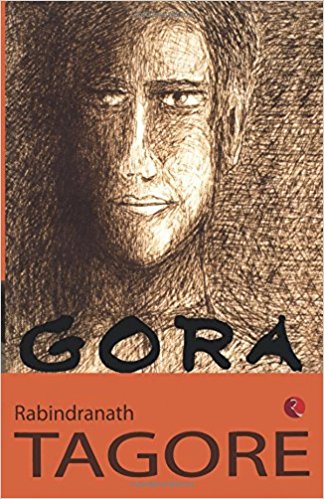
Rabindranath Tagore
2010
One of Rabindranath Tagore’s widely discussed novels, Gora, is set in Kolkata some three decades prior to the date of its publication, 1904, and narrates the interactions, intimacies, incompatibilities and introspections within a community of Hindu and Brahmo educated elite of that period…
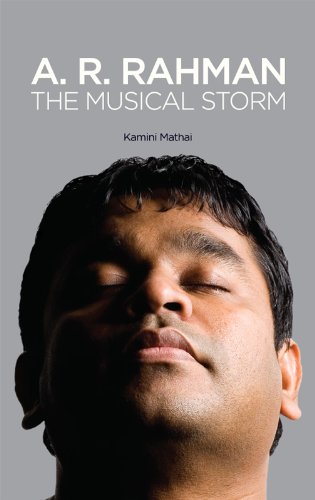
Kamini Mathai
What is the best way to write a biography of a reticent, reclusive, shy man? You get the others, more willing to speak, to speak. And in this, Kamini Mathai, the author has excelled.
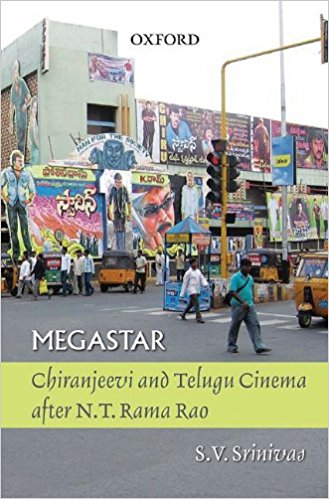
S.V. Srinivas
Here then is a short description of Telugu cinema: it is a cinema in the Telugu language made with borrowed plots, for ten crore speakers of the language, by an industry that makes politicians because it cannot make profits.’ This is how Srinivas concludes his book on the megastar Chiranjeevi. It is a ‘conclusion’ that sums…
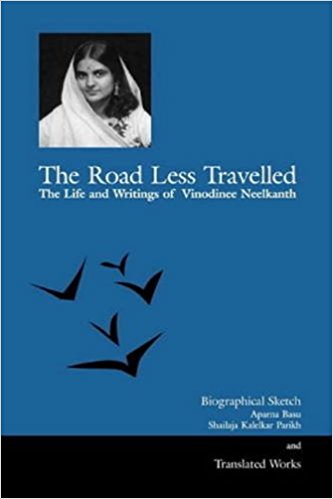
Aparna Basu
The road much travelled by women who lived in the earlier part of the twentieth century was a road paved with an earnest search for meanings, an eager attempt to grasp the new worlds that education and independence opened up for them in its entirety and the consistent attempt to bridge the gap dividing…
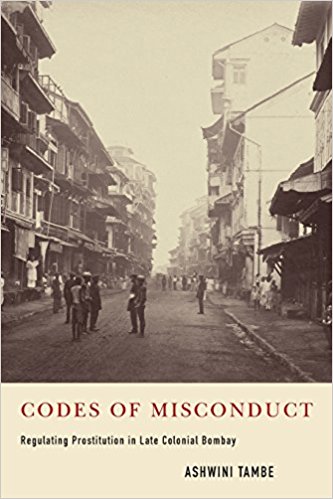
Ashwini Tambe
Codes of Misconduct tells us the story of how through the nineteenth and early twentieth centuries, the colonial government in Bombay city passed a series of laws against prostitution. Many of these laws, strangely, were repetitive and seemed to cover the same ground over and over again…
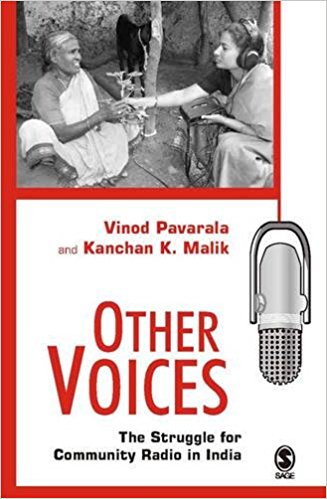
Vinod Pavarala
The context of Community Radio differs from country to country and the communities therein. In the West it started as political propaganda machine and this was called pirate radio, since airwaves were considered government property or state property. Even in the twenty-first century it is not public property in the true sense.
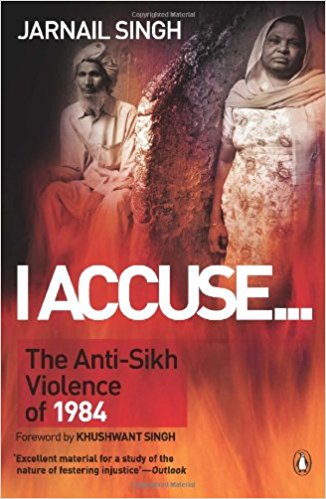
Jarnail Singh
Before April 2009 the author of this volume was a little known journalist. In the run up to the Lok Sabha elections he attended a press conference given by the Minister for Home Affairs, P. Chidambaram…

Subrata K. Mitra
Many transitions to democracies in the Third World have been pro-tracted—evolving over the course of several elections. Although all elections have not been free and fair, however,the repetition of the electoral process even if flawed or manipulated can result in democratization. Citizens endowed with rights—one person…
Indira Menon
Indira Menon was born in Madras, and spent her early years in Bihar where her father was posted. With her sister Kalyani, she later went to live with their grandparents in Madras, where her grandfather, Sir K. Ramunni Menon, had them placed under the tutelage of Smt. T. Brinda, who taught them Carnatic music in 1944–1947…

Deepankar Basu
The monograph under review is one of many attempts to demystify the recent crisis. The author offers an explanation of the incipient causes of the financial crisis and outlines the sequence of events that flicked the first domino so to speak. The stated purpose of the book is to generate an informed ‘working class’ opinion on the crisis, the response of the US government and other national governments.

Kanchan Chopra
This is a very important volume for all the students and scholars interested in the field of Environmental Economics as it is a compendium of articles by eminent persons in the field, who have dealt with the theory and practice of the subject.
Jan Breman
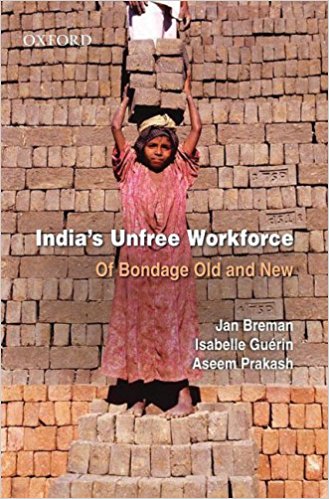
Freedom is a many-splendoured and infinite-dimensional state of existence of a human being. Animals other than man also do not submit to the constraints on their freedom without coercion or ‘training’.
Marcel van der Linden
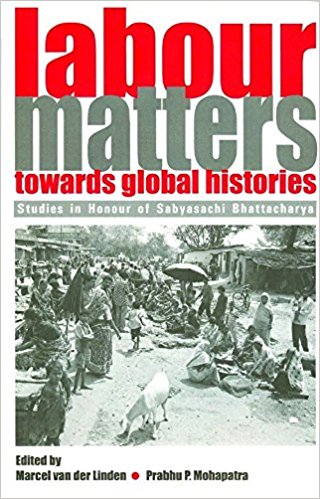
It is nowadays very difficult, at times even for neo-liberals, to deny that the current phase of globalization and liberalization has resulted in intensified immiseration of the working people. The ranks of informal workers, already the largest component of the workforce, have swollen