
Politics
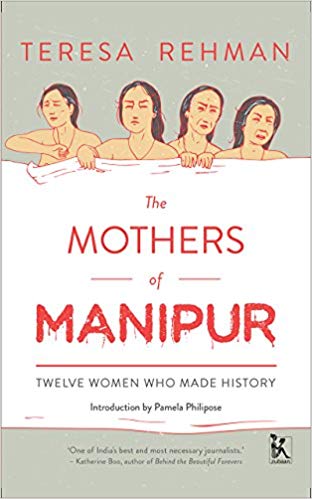
Teresa Rehman
Rehman’s book aims to document the landmark event of the Kangla protest, as well as its political and personal aftermath, through the voices of the twelve Manipuri women who took part in it. It is true that the twelve activists, otherwise known as the twelve imas (meaning ‘mothers’ in the Manipuri language), have spoken numerous times and at length to journalists, researchers and scholars about their experiences in the years following 2004.
Taberez Ahmed Neyazi
Taberez Neyazi’s new book is a welcome addition to the literature on India’s rapidly changing world of media by one of its most enterprising scholars of communication. Centred around Neyazi’s PhD thesis submitted to the National University of Singapore in 2009, the book stretches well beyond the confines of a thesis to suggest how media have played a ‘catalytic role as mobilising agents in the ongoing democratic transformation of India’ (p. 4).
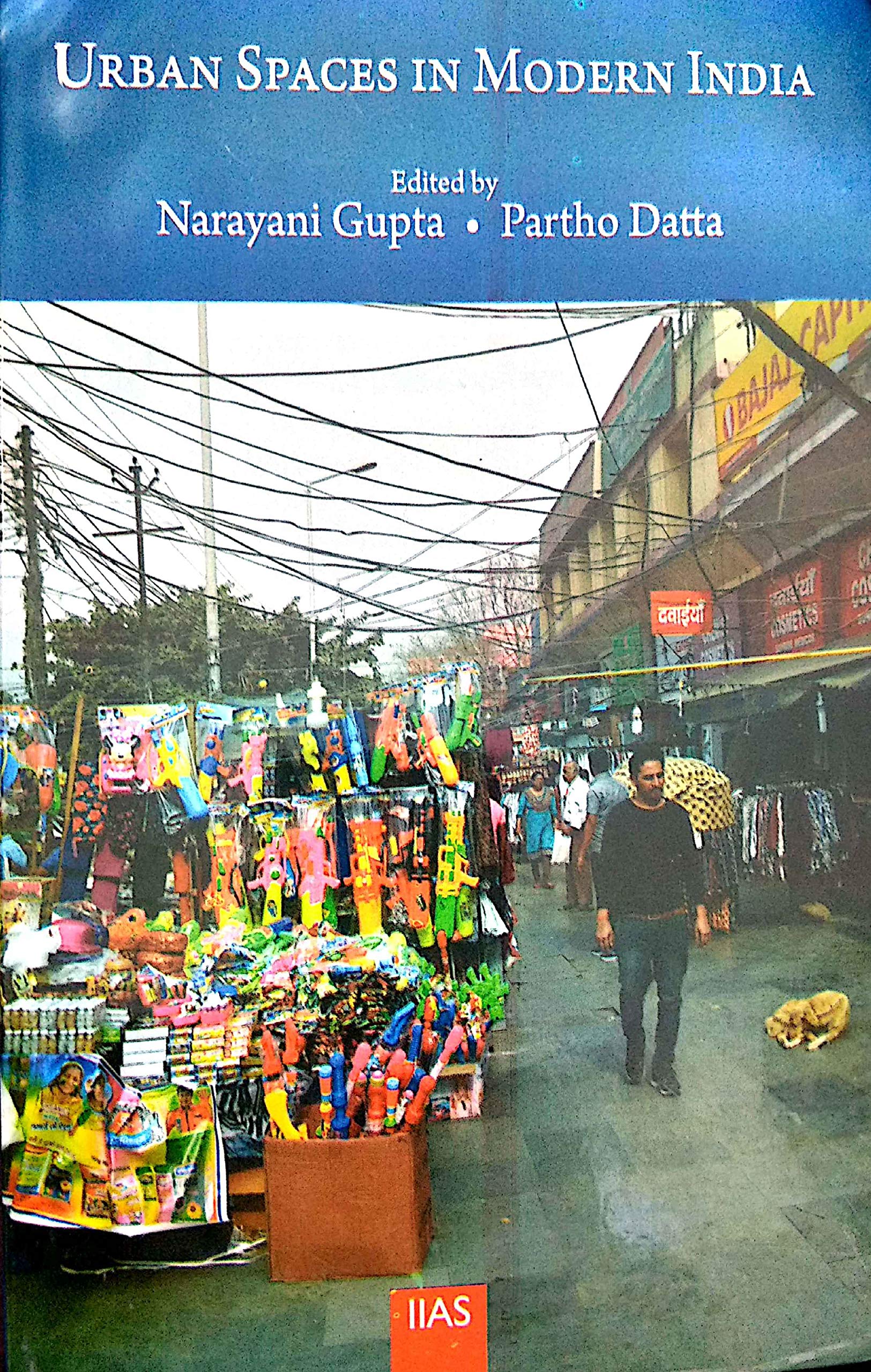
Narayani Gupta and Partho Datta
Trying to understand Indian urbanism is like the proverbial story of the blind men trying to describe the elephant. Scholars, professionals and engaged commentators who have written about the phenomenon and consequences of postcolonial urban development in India have provided partial insights into the nature of the beast they have ‘touched’, but in sum, its complexities have eluded the kind of understanding that would have enabled any agency, state or market, to effectively engage with its welfare and maladies.
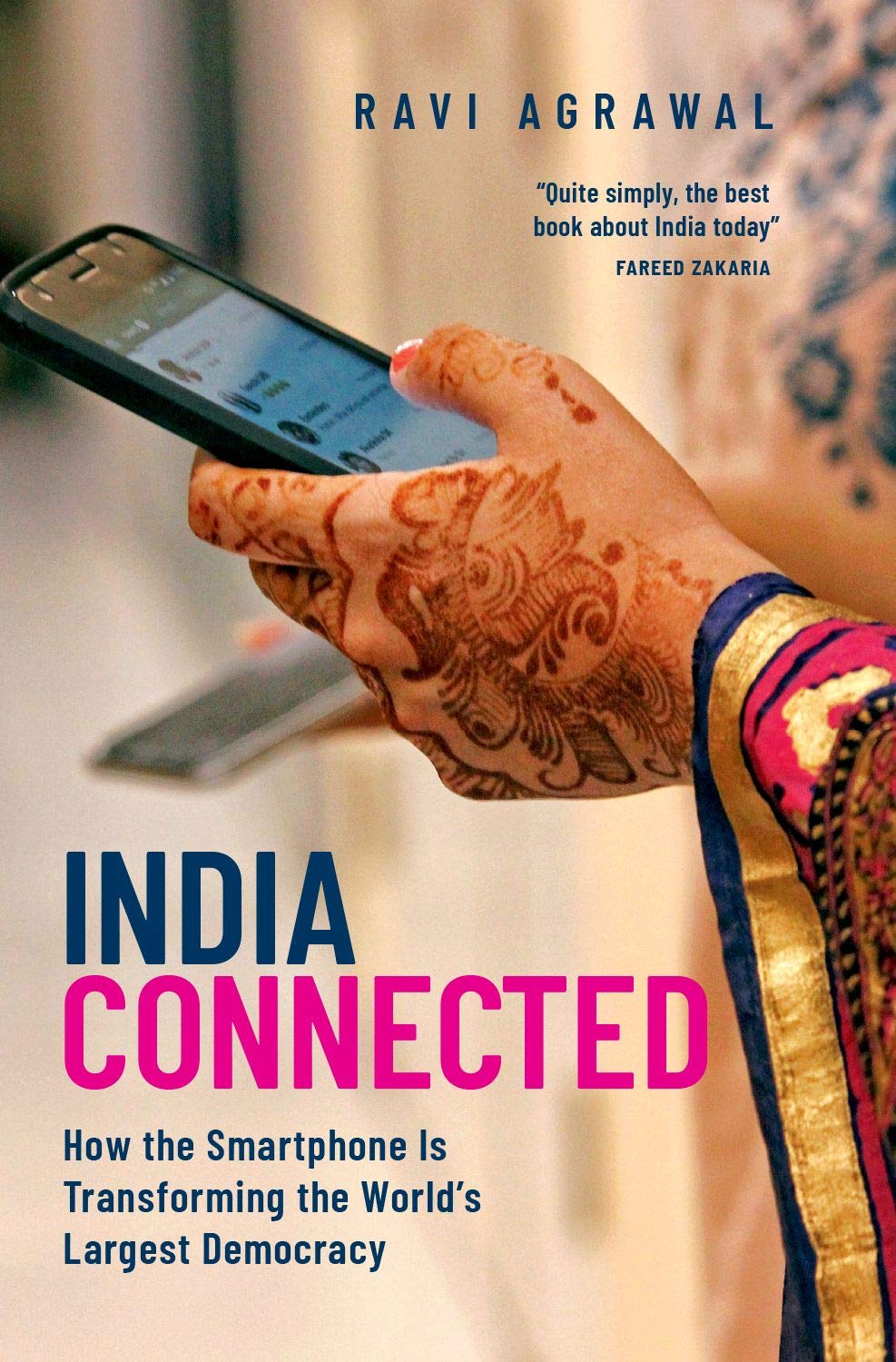
Ravi Agrawal
There is something to be said about the way digital technologies have captured policy and popular media attention in world capitals. From Washington DC to Berlin, from Ankara to Delhi, there is a growing sense of foreboding, desperation even, to respond to the rise of online networks and various social media platforms. Leaders world over are trying to fit the networks into existing frameworks of public policy and with every passing year the task seems more and more arduous.
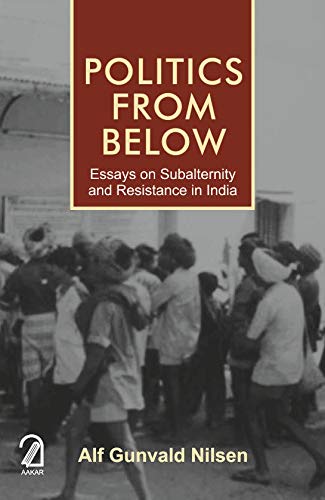
Alf Gunvald Nilsen
The book under review is a critical analysis of subalternity in India, which is in contrast to both the postcolonial and postmodern approaches that have dominated academia for the last three decades or so. The author is critical of the postcolonial studies, represented by the Subaltern Studies project, for drawing untenable boundaries between liberal-constitutional modernity and subaltern `ethnicization`.
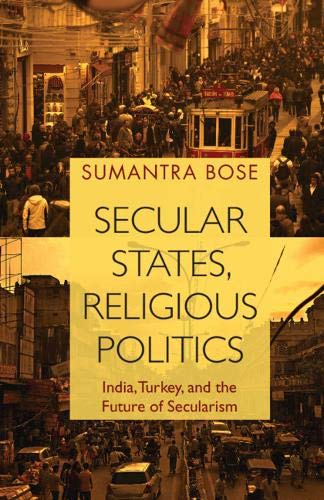
Sumantra Bose
This is a rather bulky book…
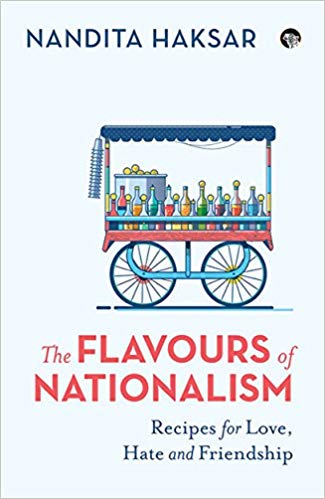
Nandita Haksar
Nandita Haksar book, The Flavours of Nationalism, reminds us that food is not just a personal affair, it is also politically charged. In this brilliantly composed memoir Haksar writes about how food shaped her ideas about politics and culture and at the same time introduced her to the notions of communalism, patriarchy and nationalism which were all embedded in the way that food was prepared, shared and consumed.
Rasheed Kidwai
There are broadly two kinds of books: one, the ones which have a central argument, question or hypothesis, theoretical frameworks and methodology, and engage in debate; and another, those which provide narrative of some developments. Reviewing the first kind is easier. One can engage comfortably with any aspect dealt with in such books. Rasheed Kidwai’s book falls in the second category.
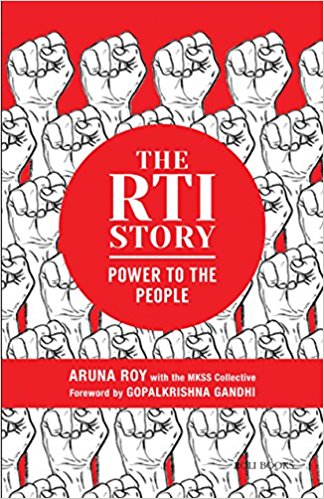
Aruna Roy
Much more than an authoritative account of how the ‘right to information’ (RTI) came to be enshrined in Indian law, The RTI Story describes the building of theory through grassroots practice. Choosing to share the lived experience of poor people, Aruna Roy and her associates encouraged them to reflect on their situation, analyse and articulate the bases of their deprivation and exploitation, and to orchestrate collective corrective action.
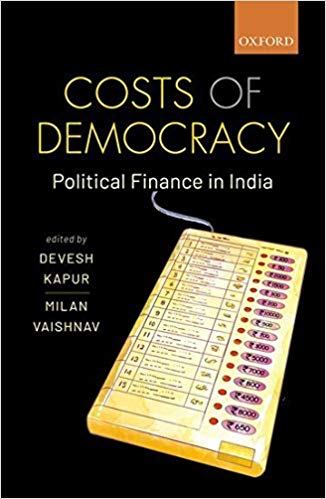
Devesh Kapur and Milan Vaishnav
One of the biggest challenges facing India’s democracy is the growing role of money in elections. During the 2014 parliamentary elections politicians jointly spent an estimated 5 billion dollars. As the spending increases every election, this amount will likely be even surpassed in the upcoming 2019 elections. These extravagant campaign costs are worrisome, for a range of reasons.
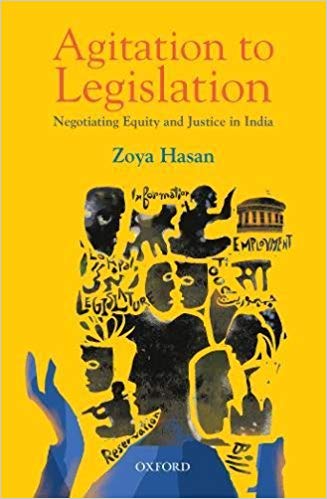
Zoya Hasan
In their July 2017 publication under the eloquent title Indian Income Inequality 1922-2014: From British Raj to Billionaire Raj? the world’s foremost economic analysts Lucas Chancel and Thomas Piketty remind us that while the process of divergence of income (and hence wealth accumulation) of the ultra rich commenced in India with Prime Minister Rajiv Gandhi in 1984, this really took off after the ‘liberalization’ of 1991 by Narasimha Rao bringing to an end India’s experiment with ‘Socialism’.
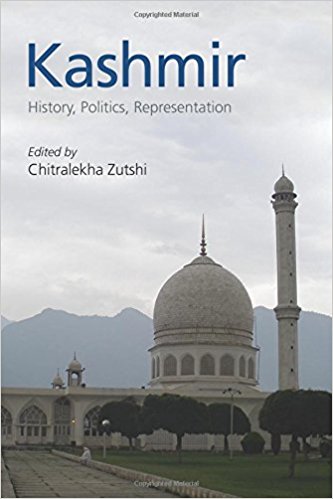
Chitralekha Zutshi
The Valley of Kashmir arouses a peculiar interest as a land of almost mythic and mysterious beauty and, since the end of colonialism in South Asia, as a space of violence. This imagination has taken further root since 1989 following the emergence of an insurgency and a movement for independence in Kashmir and from India and the drastic militarization of life by the Indian state.
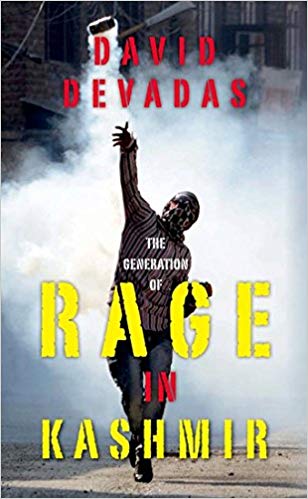
David Devadas
Since 2008 two developments are unfolding side by side in Kashmir. While on the one had we have witnessed recurring popular uprising, and on the other, militancy is on an upward trajectory. Periodic popular uprisings are bringing more and more youth on the streets with some ending up joining the militant ranks and bulk as their sympathizers.