
T.B. Subba, A.C. Sinha, G.S. Nepal, D.R. Nepal
Indians of Nepali Origin (INO) could be described as the unrecognized dimension in India-Nepal relations. They are also a little-understood and under-estimated component of India’s pluralistic mosaic.
Camilla Orjuela
Reading any book on Sri Lanka at this critical juncture in Sri Lankan history is like preparing oneself for an account of history that is fast getting dated and passé.
Delia Cortese & Simonetta Calderini
Recovering and reconstructing women figures from the past constituted the earliest moves of feminist writing which preceded and then accompanied larger critiques of history on the ground that conventional modes of writing and narration were precisely that which rendered women, indeed gender itself, invisible.
Finbarr Barry Flood
The historical experience of temple desecration in pre-modern India—and, at a more general level, contested history revolving round Indo-Muslim rulers and states—has become a sensitive mass political issue in contemporary India.
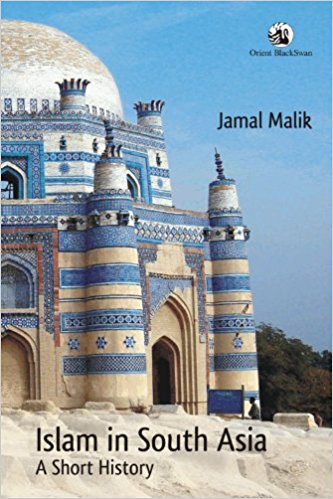
Jamal Malik
Jamal Malik’s book Islam in South Asia: A Short History is anything but a short history of the religion as it evolved in the region. Running a good 500 plus pages this is one of the most dense and comprehensive histories on the subject.
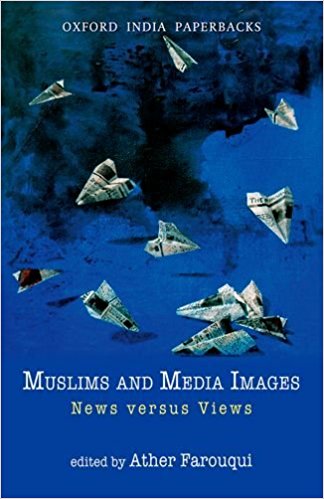
Ather Farouqui
This book tries to explore the condition of Indian Muslims through media images, i.e., through an assessment of the reportage on Indian Muslims by the print and electronic media.
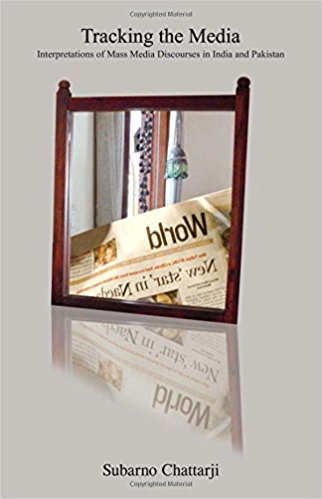
Subarno Chattarji
The growing might and influence of the media in shaping the agenda and nature of public discourse compels greater attention to getting behind and beyond the news and analysing the content and trend of what is read, heard or viewed.
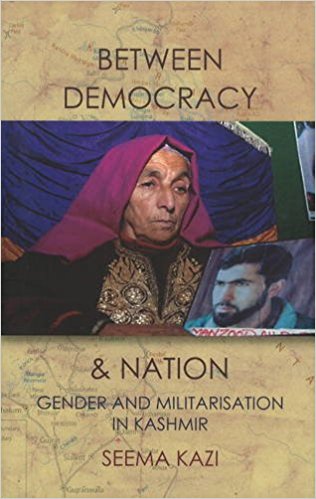
Seema Kazi
Seema Kazi’s book begins on a promising note as she examines the Kashmir conflict from a very different vantage point. Amidst the burgeoning literature on this subject,
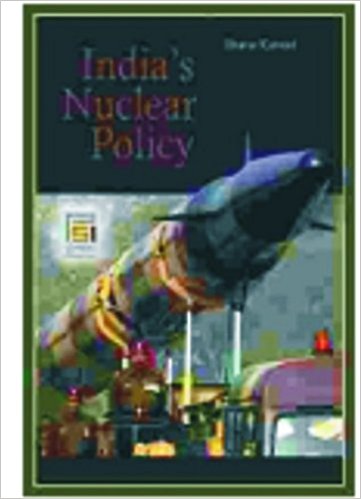
Bharat Karnad
Bharat Karnad’s book India’s Nuclear Policy seeks, to use in the words of the author, ‘to reveal the workings of India’s nuclear strategy and posture’. He has sought to translate the ‘credible nuclear deterrence’ policy of India into a militarily sustainable stance. India’s shift from a deliberately vague nuclear doctrine to an overt nuclear weapons posture and the consequent declaration of the nuclear doctrine has been a matter of debate amongst scholars belonging to the security studies/strategic studies community.
Deepa M. Ollapally
The United Nations designated Mahatma Gandhi’s birth anniversary (October 2) as the International Day of Nonviolence. Unfortunately, not even a single day passes nowadays without an act of extremism in South Asia, as it has emerged as a home to a wide spectrum of extremist groups.
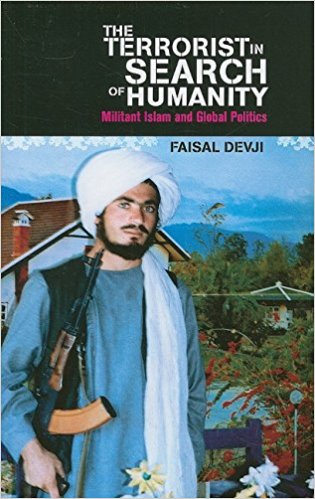
Faisal Devji
Faisal Devji’s latest book continues in the same provocative vein as his first, Landscapes of Jihad: Militancy, Morality, Modernity. He tees off with a short preface, plunging headlong into the opening and arguably the most contentious thesis in his entire book stating that Al Qaeda speaks from within the world of its enemies,
Navnita Chadha Behera
This book is a necessary reading for all policy makers and academics interested in developing International Relations as a discipline in the country.
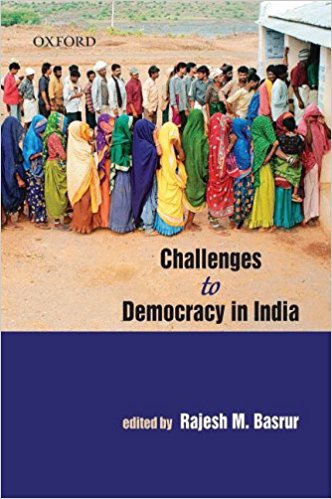
Rajesh M. Basrur
Challenges to Democracy in India is a collection of presentations made by some public intellectuals at the Nehru Centre in Mumbai between November 2005 and February 2007.
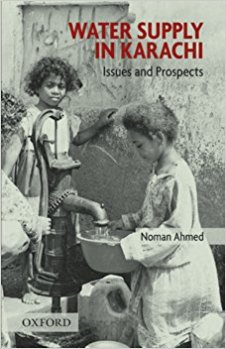
Noman Ahmed
Let me begin this review by borrowing the first sentence of Noman Ahmed’s book which reads: ‘Water supply issues, particularly drinking water supply, are acquiring frontline importance due to the gravity of the prevailing situation’;
Jasveen Jairath and Vishwa Ballabh
2009
Droughts of varying intensity frequently visited the South Asia region, not only the arid and semi arid parts of India and Pakistan, but also countries like Bangladesh and Sri Lanka, where rainfall is considered adequate, also have occasional spells of drought.
Carol Upadhya and A.R. Vasavi
2009
One of the much noted achievements of India in the recent past has been its emergence as a leading player in the world market for software and IT enabled services. Apart from the tangible benefits, (eg. export earning and employment) it has also brought along with it substantial intangibles like the organizational and managerial innovations (Arora and Athreya 2002) and credibility which in turn contributed towards creating the imagery of an emerging India.
Ponna Wignaraja
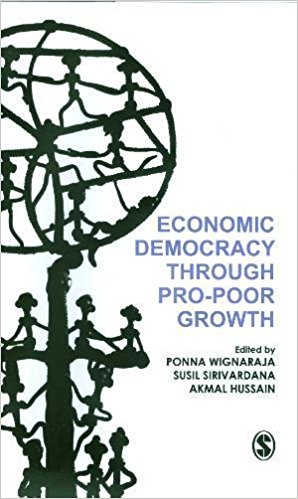
Persistent mass poverty has been a major problem afflicting a large number of countries in the so-called developing world. Even if one conceputalizes poverty in the extremely narrow sense of inadequate food to generate a certain minimum calorie level,
Deepak Nayyar
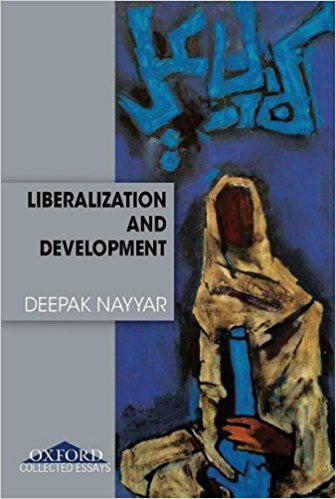
These two companion volumes put together thirty essays of, in Joseph Stiglitz’s words, ‘one of India’s foremost economists’ who has straddled the worlds of both academia and policy making.
Valetina Vitali
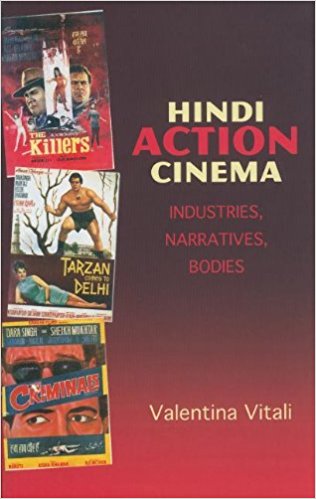
Valentina Vitali’s book Hindi Action Cinema: Industries, Narratives, Bodies, traces the historical trajectory of action as a significant component of popular Hindi cinema. Moving from the silent period to the contemporary, the author attempts to locate the ideological function of action as a defining element in popular cinema.

Several Writers
This is a surprising collection of reasonably longish short booklets – called monographs by general editor of the series, Nasreen Munni Kabir – about some of the heroines of popular, commercial and mainstream Hindi cinema, starting with Nutan of the 1950s, Saira Banu, Mumtaz of the 1960s, Zeenat Aman, Jaya Bachchan and Smita Patil of the 1970s, Madhuri Dixit of the 1980s and 1990s.