
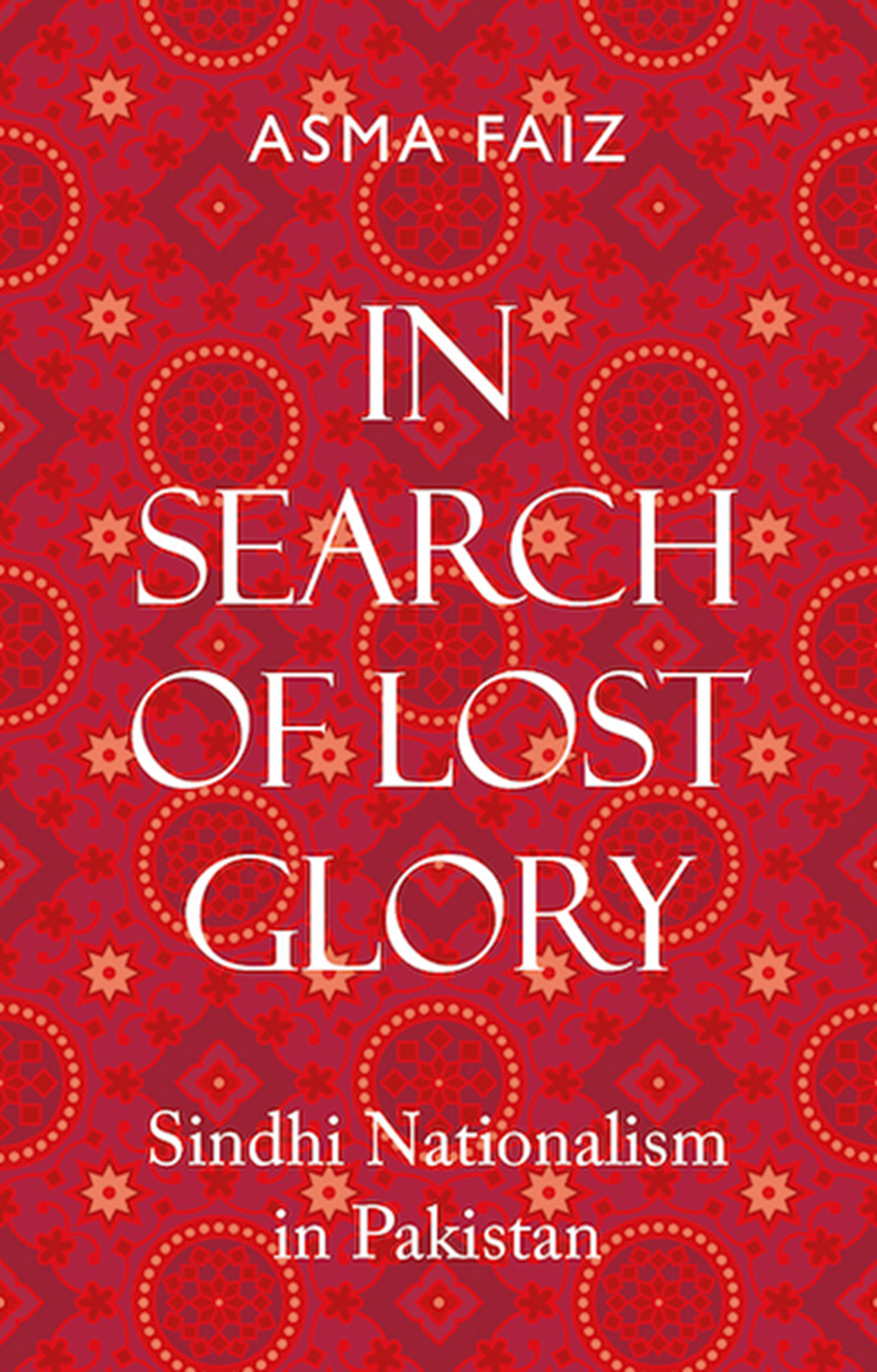
Asma Faiz
Asma Faiz’s excellent book on Sindhi nationalism fills a much needed gap on ethnicity and ethnic conflict in Pakistan. Works on ethnicity in Pakistan—both research articles and books—have focused on providing a more general outline of ethnic conflict and movements including that of Tahir Amin, Adeel Khan, Mehtab Ali Shah or have focused more…
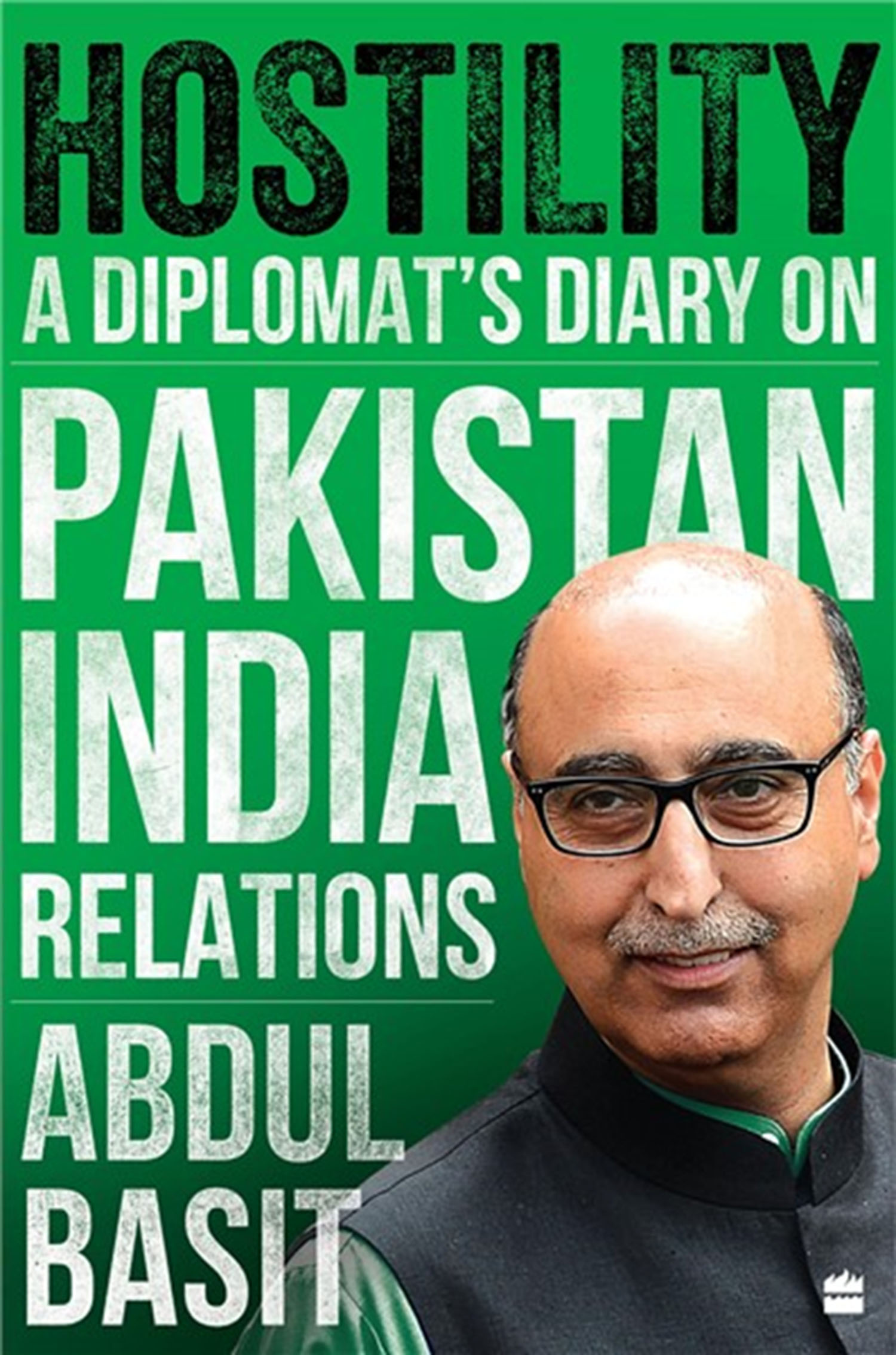
Abdul Basit
Abdul Basit’s book consistently shows that he eschewed the role of an envoy during his assignment in India; instead, becoming a rigid zealot, he became a bone stuck in the throat of his government. An elected and secure government would have reassigned him quickly enough. That Prime Minister Nawaz Sharif did not do so was on account of Pakistan’s…
N.S. Vinodh
Amid the forest of debates about the relations between history and biography one line of disputation stands out, that between the promoters and detractors of the Great Man Theory. Thomas Carlyle, the 19th century Scottish historian was its most well known promoter; he famously said that the history of the world is but the biography of great men…
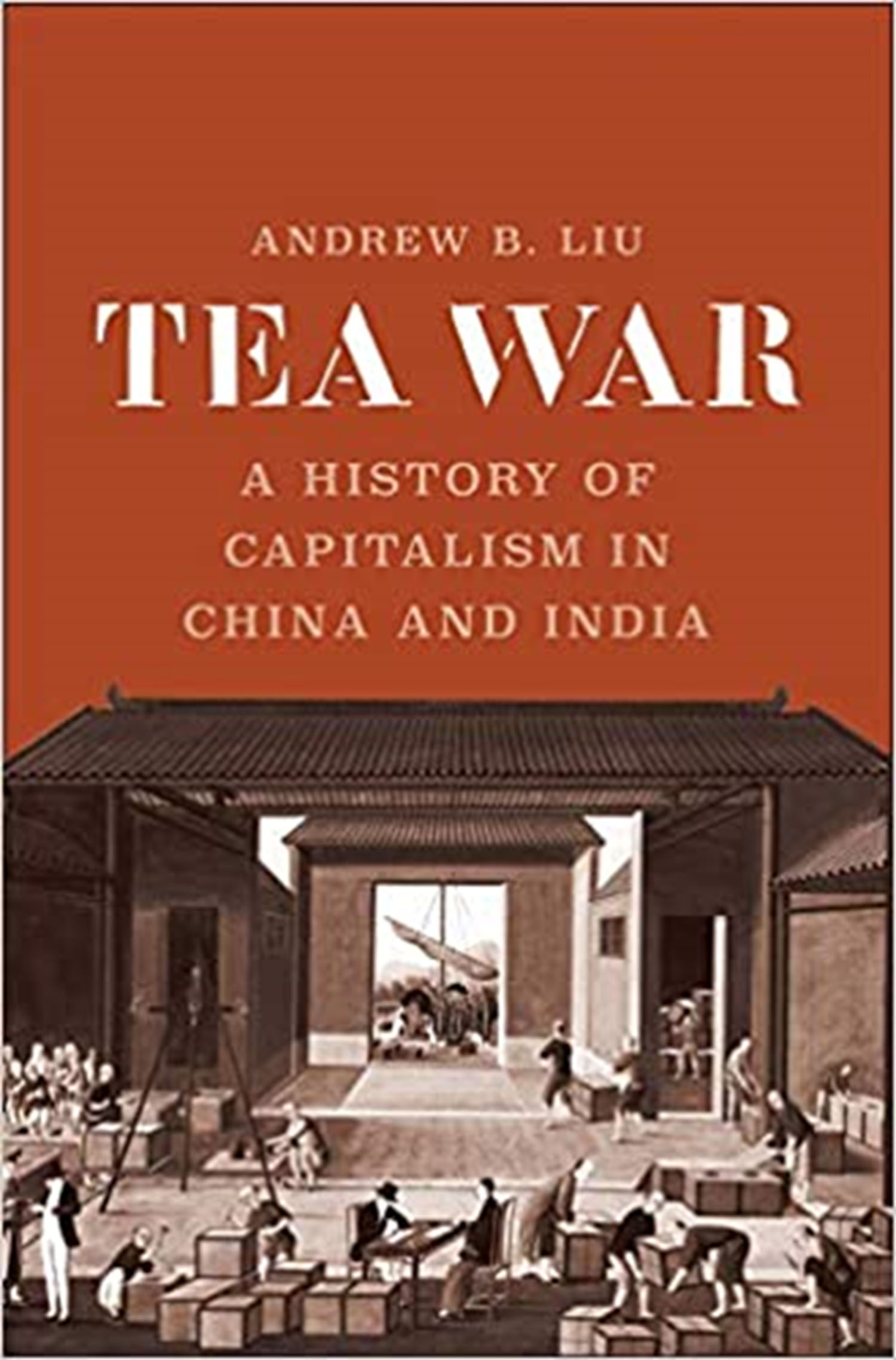
Andrew B. Liu
In the nineteenth century, the Wuyi Mountains in northwest Fujian emerged as a key centre of China’s famed tea industry. Located in the mountain cliffs were more than a hundred factories producing a global commodity that had become integral to the country’s economic fortunes. The factories were maintained by merchants based in the market town of Chongan…
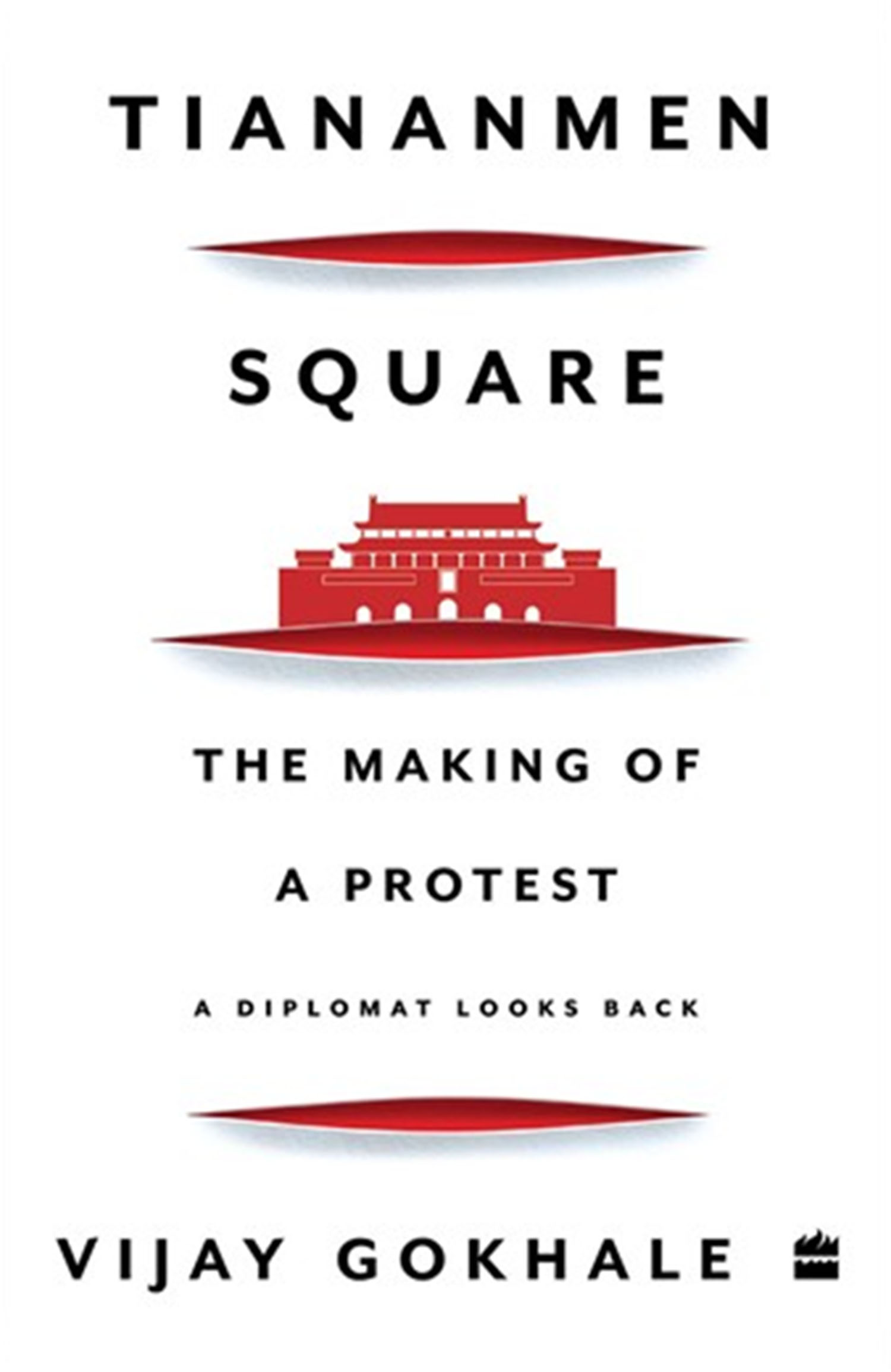
Vijay Gokhale
In school, I had always noticed ‘China (Tibet)’ or ‘Tibet (China)’ on maps showing India’s borders and wondered why no one talked about it, why the fuss was always about Pakistan. And in those days there really were not too many places to go looking for information either. So when the ‘Tiananmen Incident’ of June 4, 1989 happened in China…
Nehginpao Kipgen
The South China Sea is a semi-enclosed area measuring 3.6 million square kilometres in the Pacific Ocean. It spreads from the Straits of Malacca and Karimata to Taiwan Straits and is bordered in the north by China and Taiwan, the Philippines in the East, Brunei and Malaysia in the south, and Vietnam in the West. It contains numerous islands…
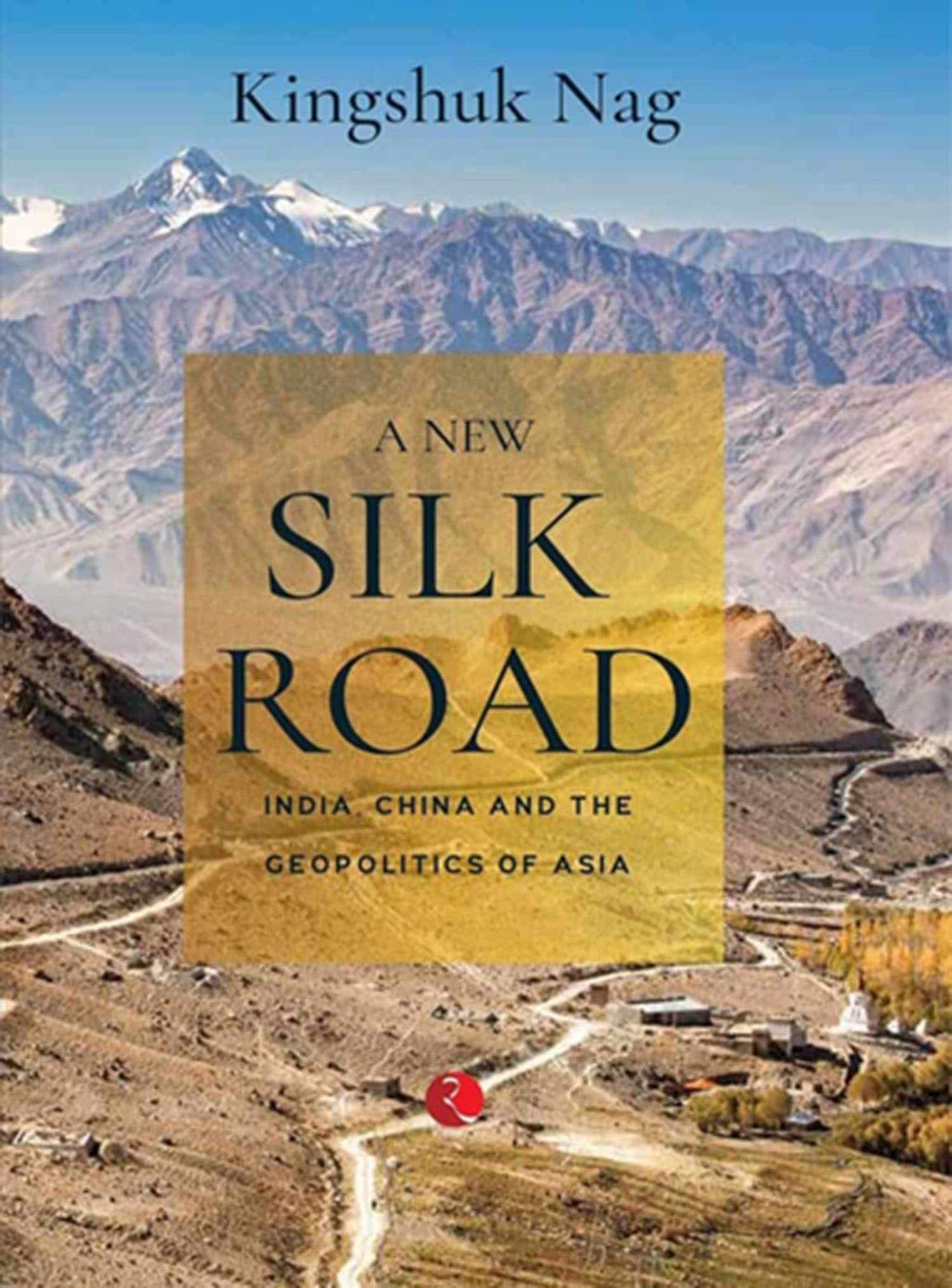
Kingshuk Nag
The rapid deterioration of China’s relations with India over the past year has generated voluminous literature. Kingshuk Nag’s contribution to this body of work, A New Silk Road is an excellent primer on the India-China bilateral relationship. Nag takes a very hawkish position throughout this book and perceives China…
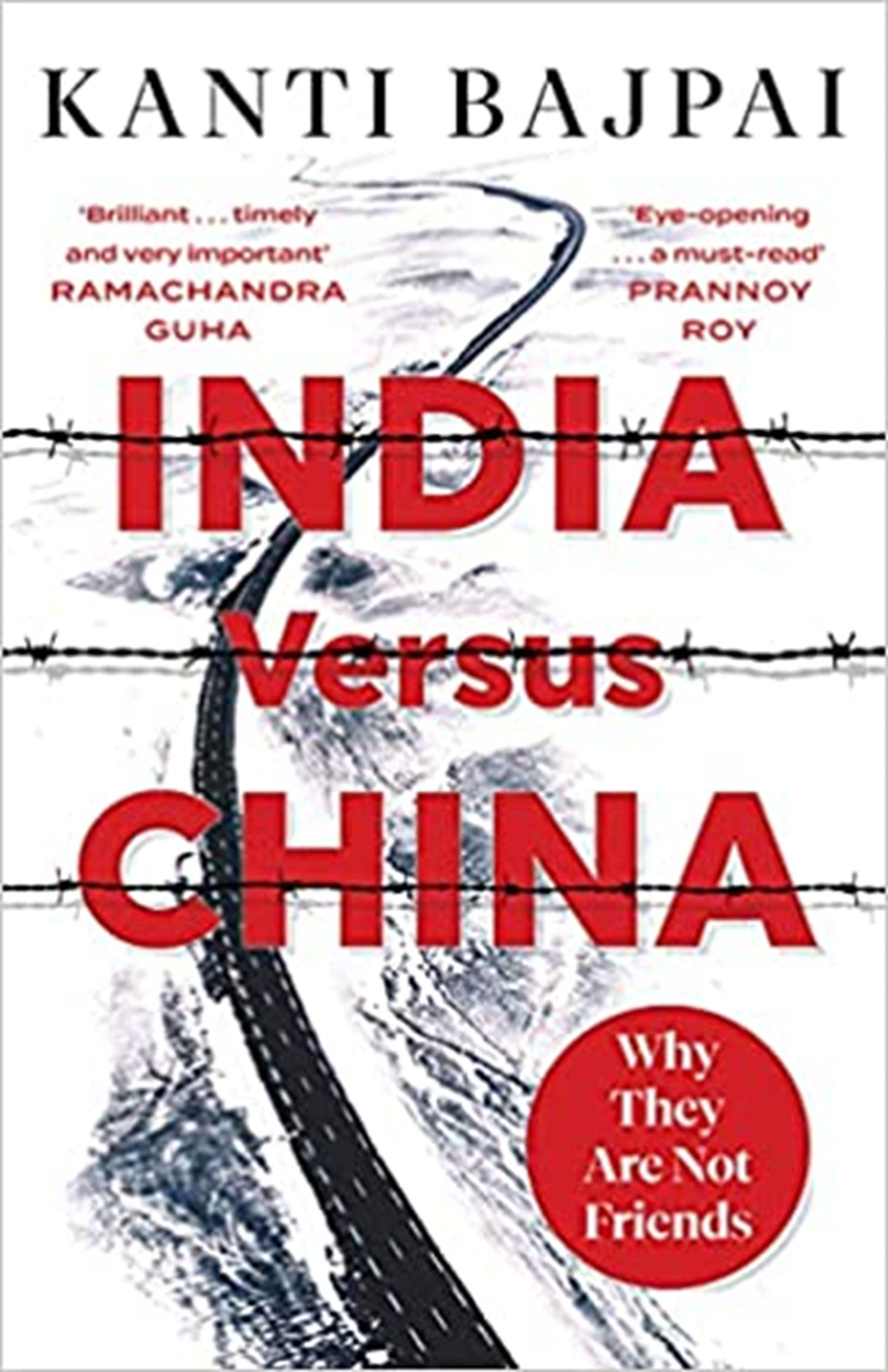
Jayant Prasad
China is arguably India’s most important bilateral relationship and its foremost foreign and security policy challenge. India-China ties are complex and fraught. Kanti Bajpai presents these in an accessible way. His analysis, based on years of research and thinking, is refined and expressed lucidly. The conclusions he draws are stark and maybe disagreeable…

Tansen Sen and Brian Tsui
Pan-Asianism is a general term used to describe a wide range of ideas and movements that called for the solidarity of Asian peoples to counter western influences in the late nineteenth and early twentieth centuries. The concept of Pan-Asianism first emerged in Japan sometime in the late 19th century. The movement gained wider acceptance following the defeat of Russia in the Russo-Japanese War (1904–1905).
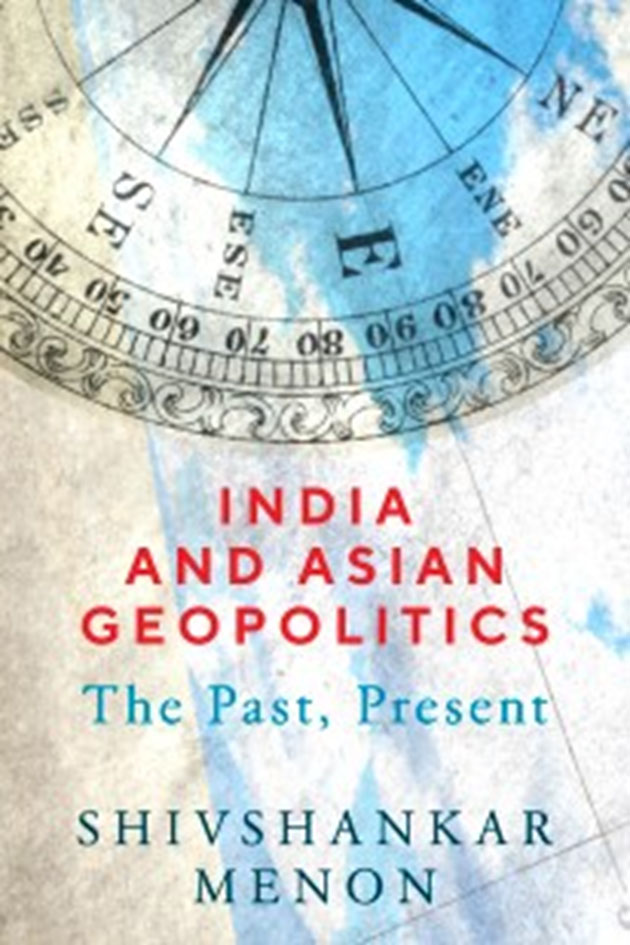
Shivshankar Menon
Those who have read Shivshankar Menon’s first book, Choices, would be familiar with his sharp analytical skills and ability to cut through a mass of disparate detail to focus on underlying patterns that tell a coherent story. Choices pegged its learnings from a set of specific events in which he himself was involved as a practitioner…
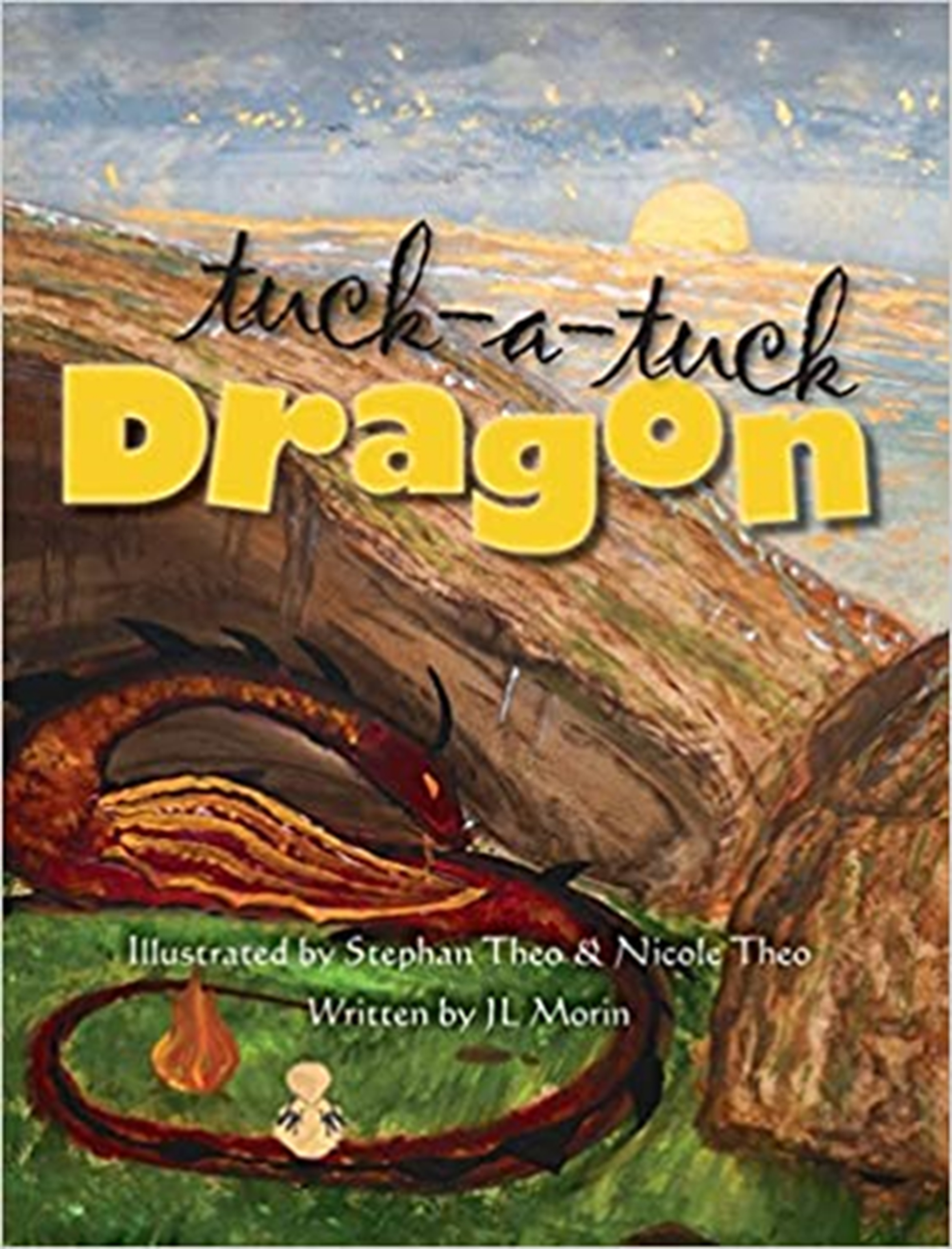
JL Morin. Illustrated by Stephan Theo & Nicole Theo
2021
Arhyming story meant as a ‘diverse children’s book’, Tuck-a-Tuck Dragon is supposed to be about ‘overcoming childhood fears’, through the tale of a ‘boring tan dragon who wins the respect of his colourful peers when he faces his fears and realizes his special gift’…
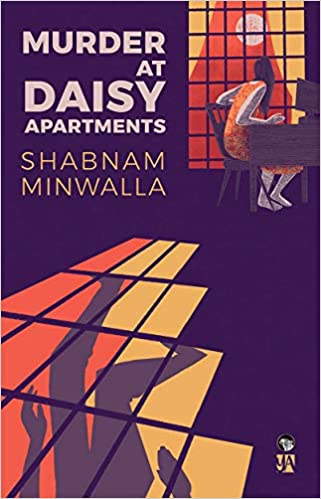
Shabnam Minwalla
Ten minutes later, the Marker apartment was teeming with masked men and women, all reeking of hand sanitizer and nervous energy.Any time else, a murder scene crowded with masked people, air tinted with sanitizer smell and nervous energy, and a cordoned off building in the middle of a lockdown…
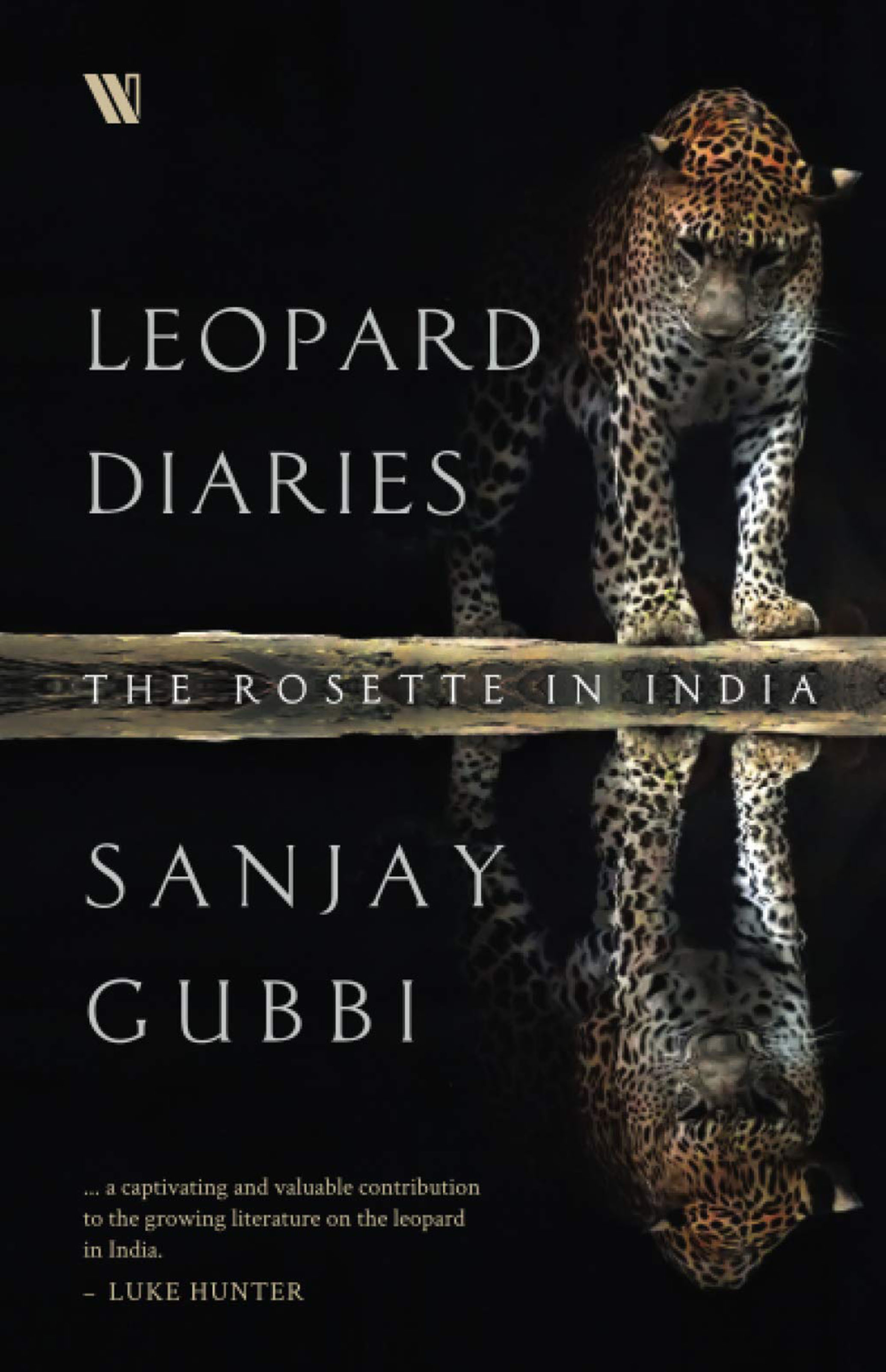
Sanjay Gubbi
Leopard Diaries: The Rosette in India is a 360o view of the life of one of the four big cats of India’s wildlife seen through the eyes of conservation biologist Dr Sanjay Gubbi. Passionate about his pet subject, Panthera pardus or the leopard, the book is written in an autobiographical style and captures a decade of untiring work that involved a tedious amount of field activity with all the trappings of modern technology-driven analysis. ..
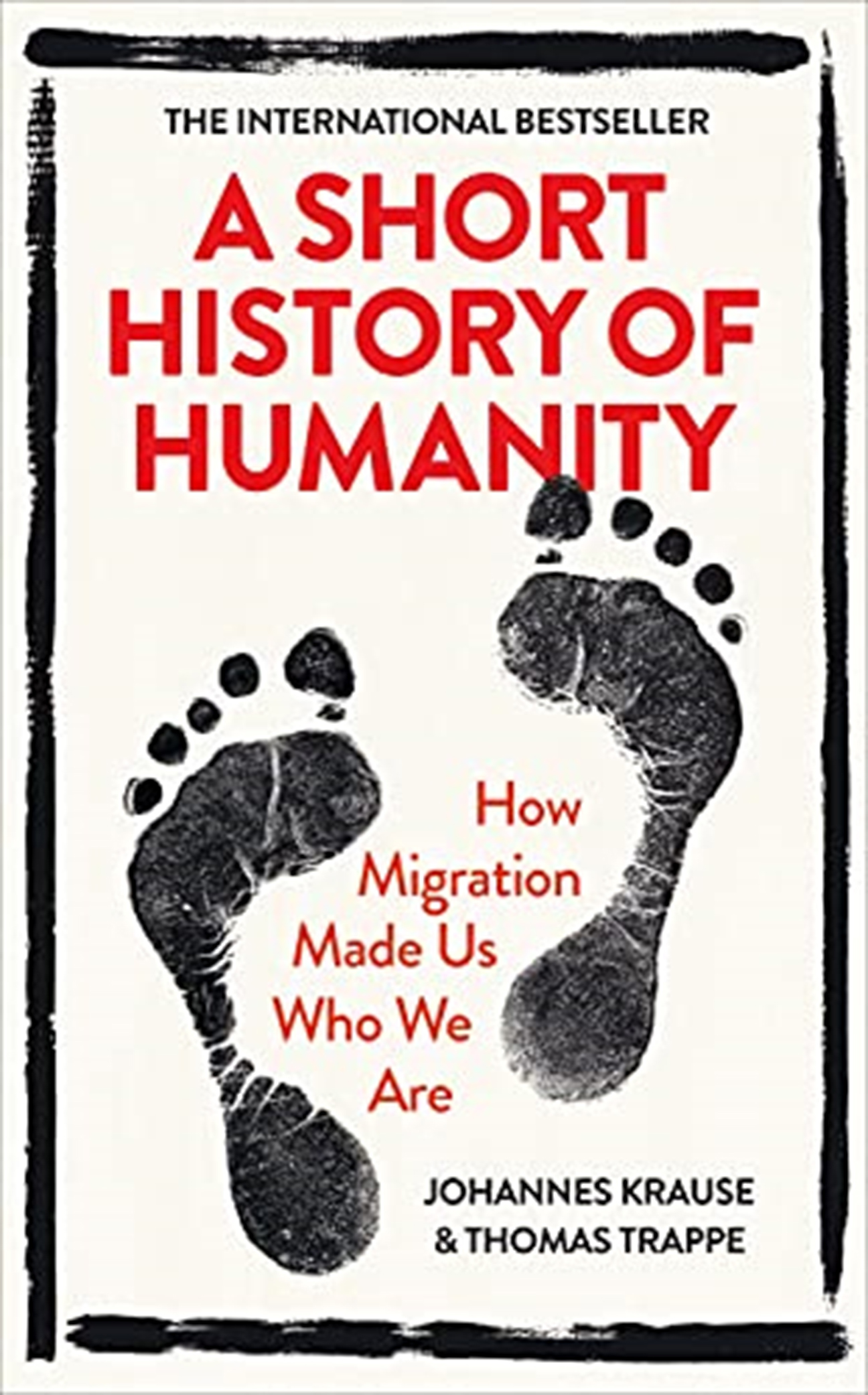
Johannes Krause and Thomas Trappe Translated from the original German by Caroline Waight
Abiochemist and a health journalist come together to write about what happens when biology and history come together—the field of archaeogenetics opens up and lets the human story unfold in exciting new ways. In fact, the authors state that genetics must become an essential element of historical writing…
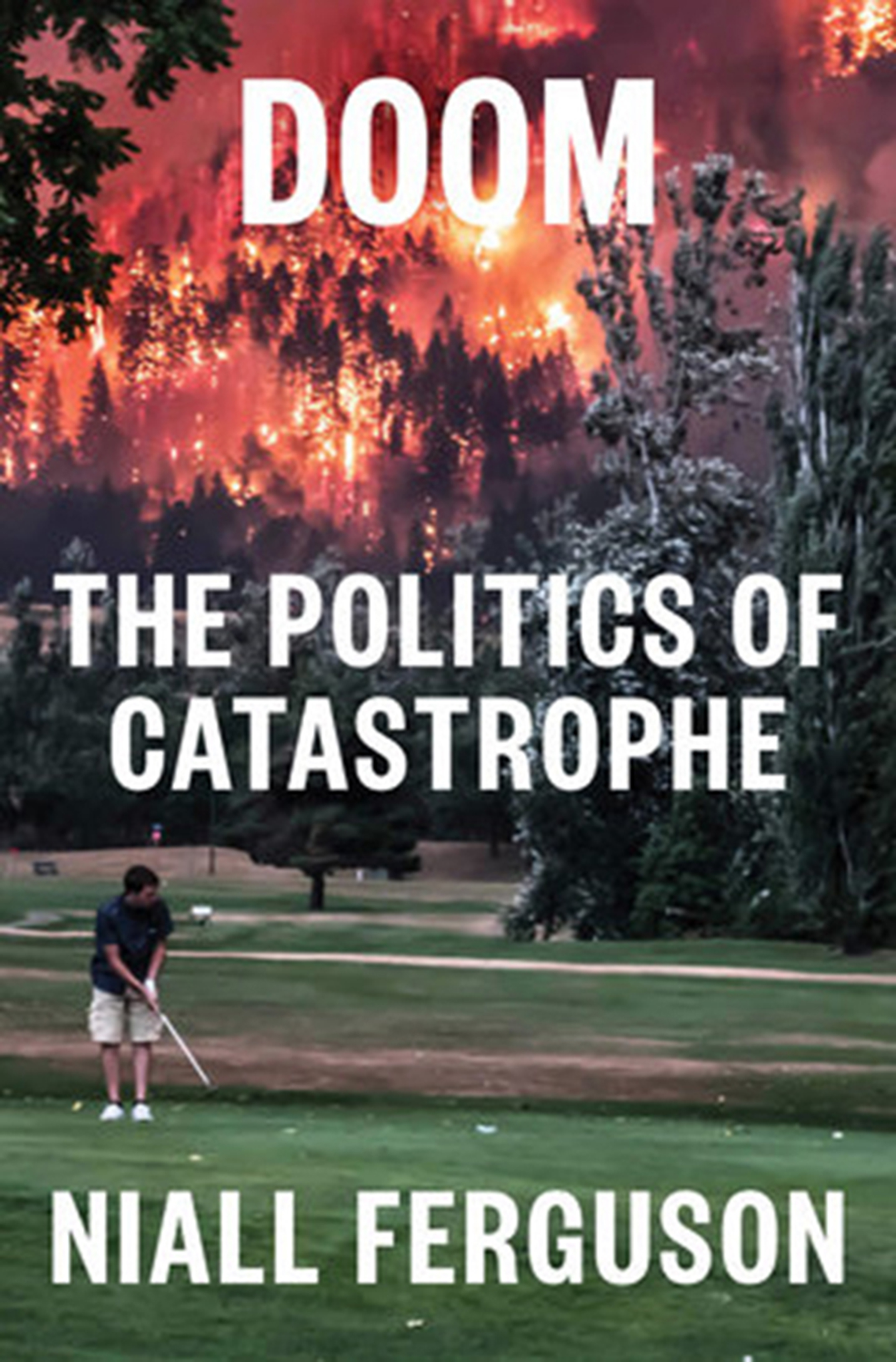
Niall Ferguson
Niall Ferguson has a penchant for writing sweeping histories. Over the years, Ferguson has managed to cast his spell over a wide audience through what can broadly be called as ‘popular history’. From empires and money to global leadership, Ferguson has enchanted his audience by introducing them to newer albeit obscure topics…
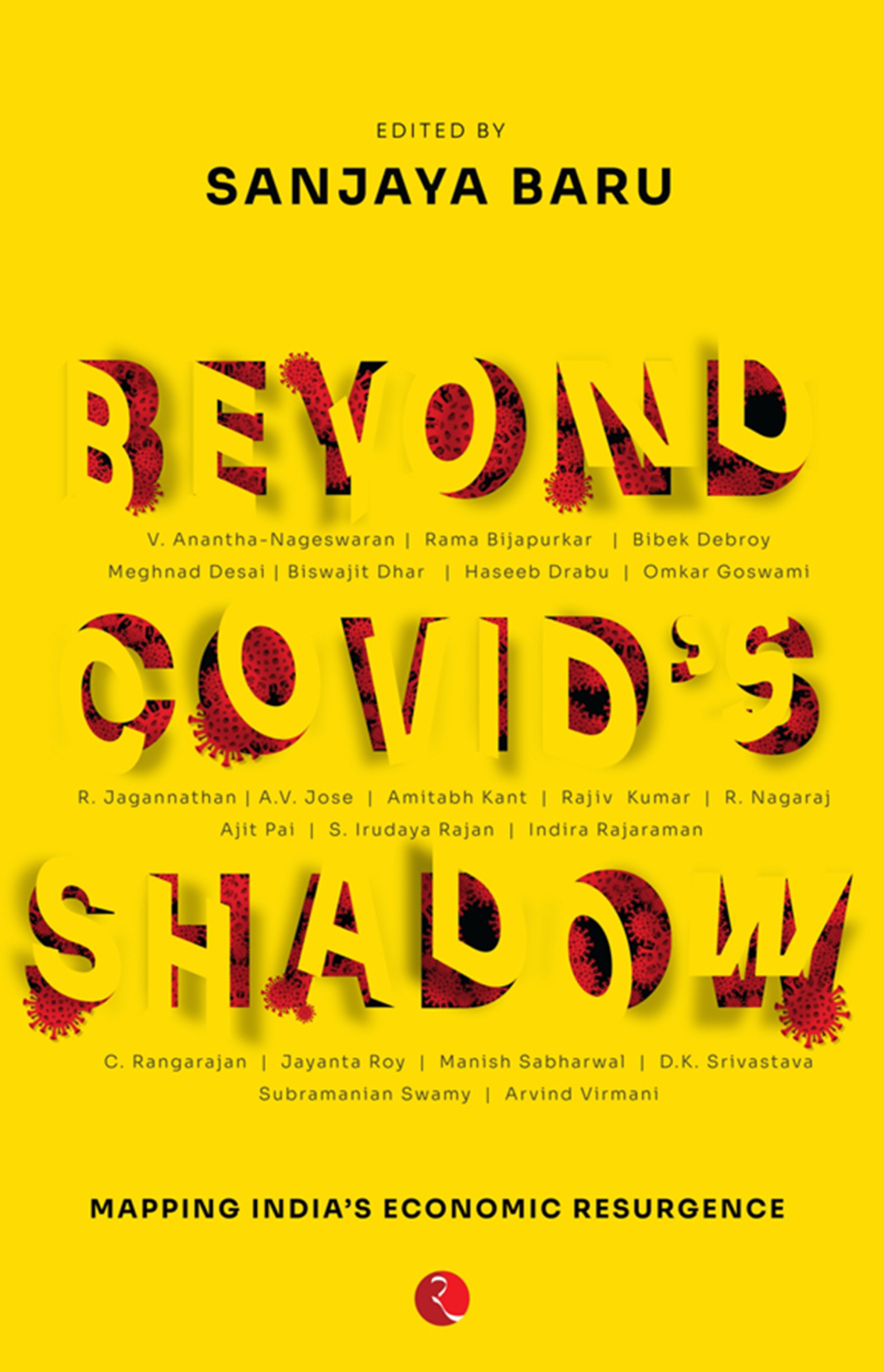
Sanjaya Baru
The author of this edited volume, Sanjaya Baru correctly highlights uncertainty as the key problem caused by COVID-19. But the eminent economists who have contributed to this volume have largely ignored it. Most of them have analysed the situation as it existed sometime in the later part of 2020…
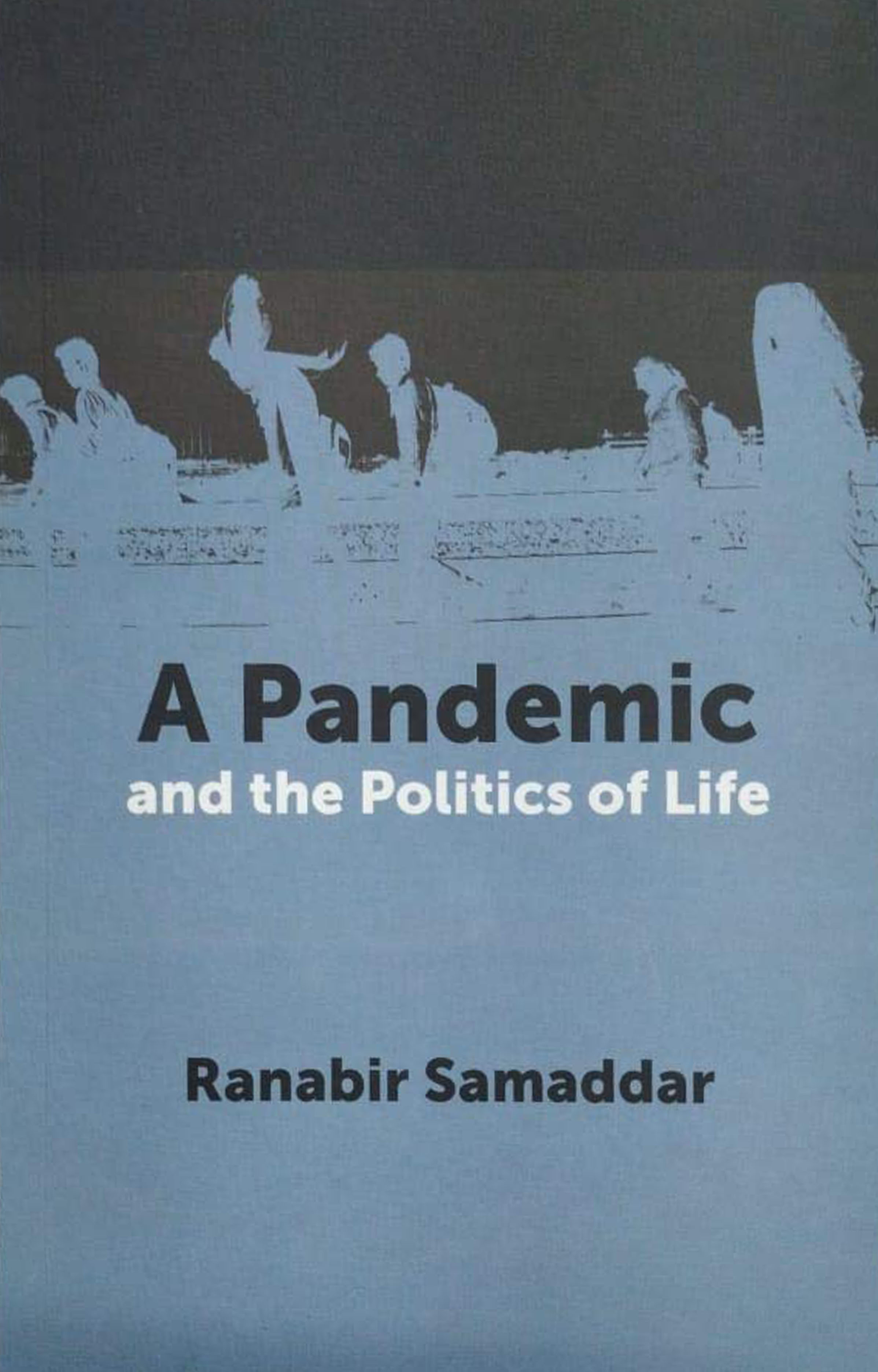
Ranabir Samaddar
Despite the post-positivist and postmodern epistemic shifts that have blurred the boundary between traditional notions of objectivity and subjectivity, it wouldn’t be erroneous to proclaim that the most plausible historical evaluations have emerged in retrospect. The temporality of our subjectivity plays…
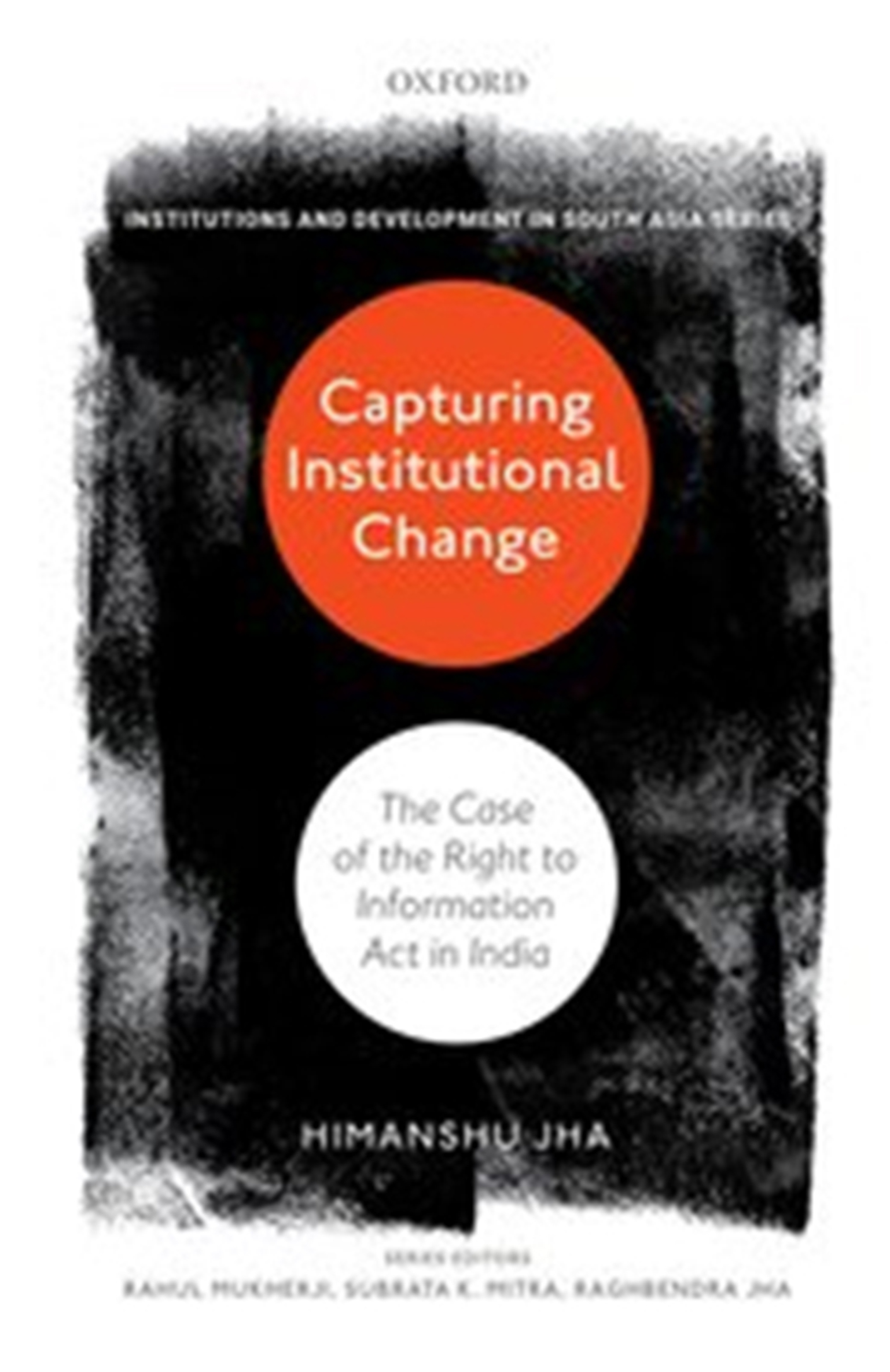
Himanshu Jha
Adetailed and well laid/mapped trajectory of the passage of the Right to Information (RTI) Act, 2005, in India, this book can be read in three parts through clustering the five detailed chapters apart from the introduction and the conclusion: the role of ideas and multi-layered process of institutional change…
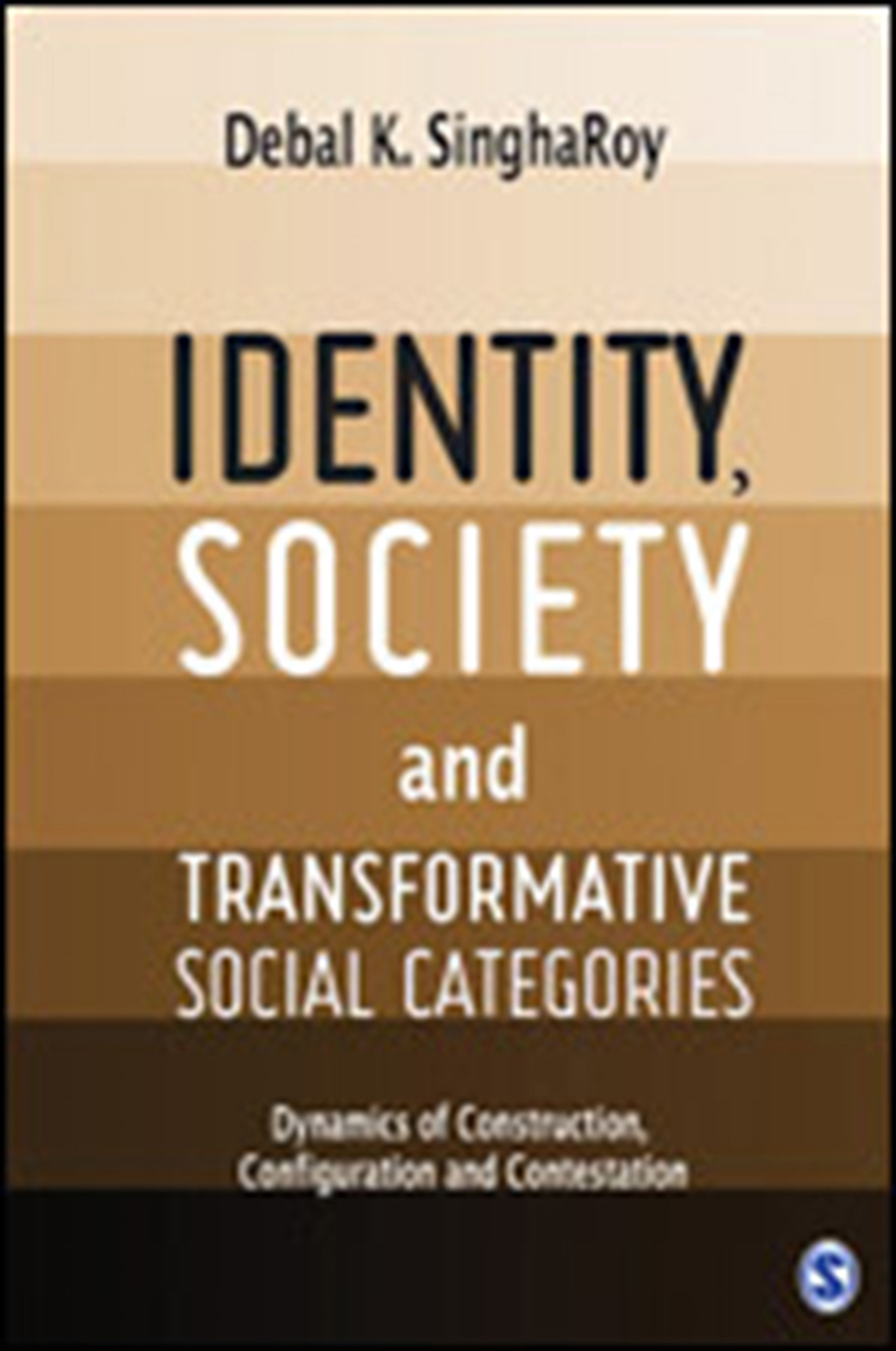
Debal K. SinghaRoy
The book by Debal K SinghaRoy provides an exquisite illustration of the situational reconstruction of new, fluid and layered identities in collective mobilizations, along the axis of caste, class, tribe, nationality, ethnicity, citizenship and social movements, resulting from the unprecedented social transformation caused by the spread…
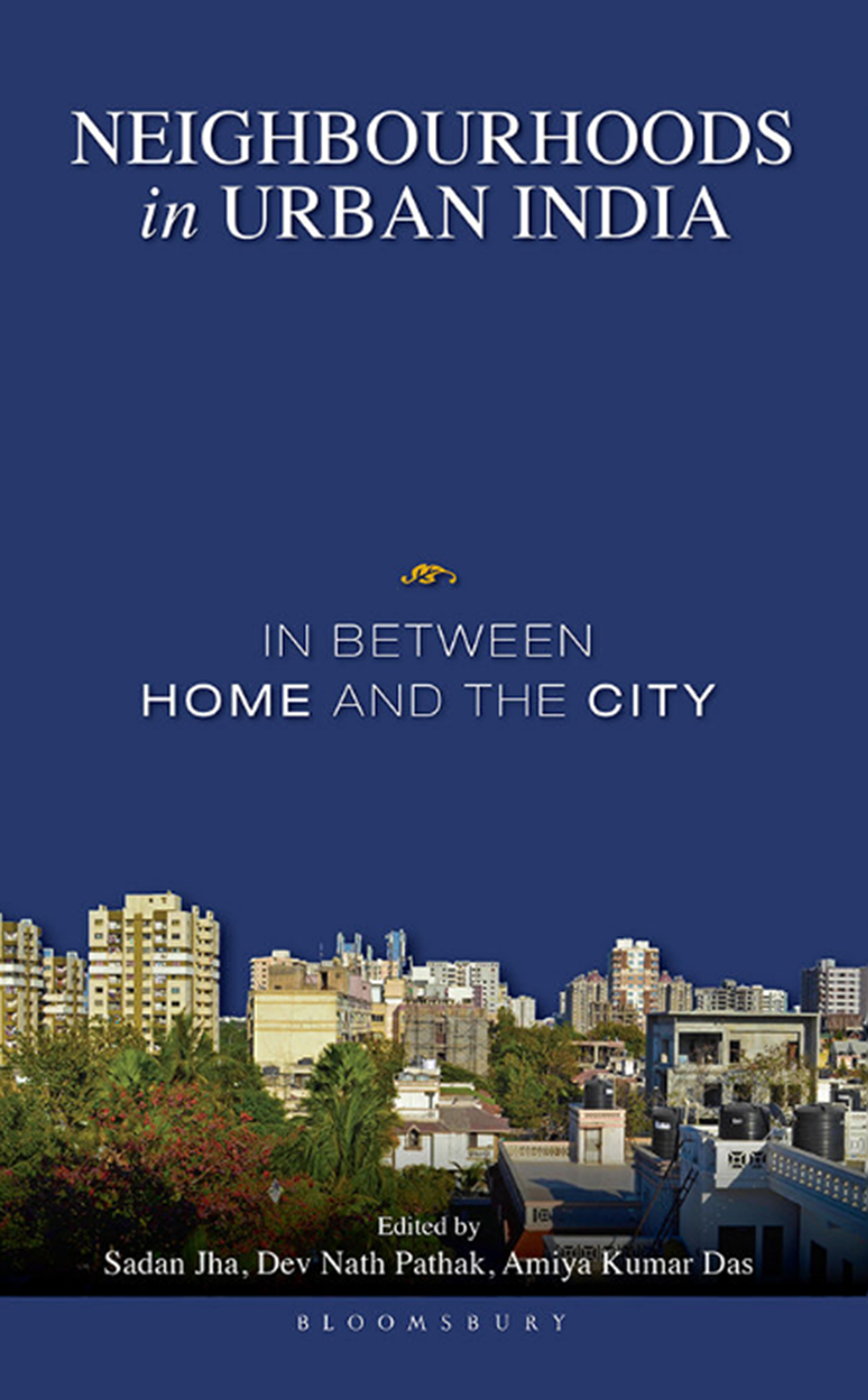
Sadan Jha, Dev Nath Pathak and Amiya Kumar Das
In the existing scenario whereby the literature on urban life in India has almost reduced urban neighbourhoods to abstract monolithic entities embodying human settlements, and the ecology thereof, to the utter neglect of the embeddedness of these settlements in different communitarian identities and categorical values…