
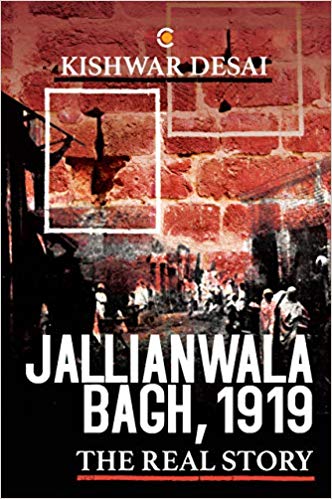
Kishwar Desai
By the time World War I entered its final phase in 1917-18, there was growing resentment over the massive use of India’s resources in a war that was being fought for furthering Britain’s imperial interests. Apart from money and supplies, India was compelled to contribute nearly fifteen lakh soldiers as part of its war ‘effort’.
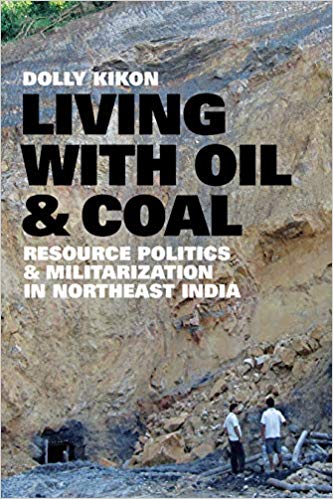
Dolly Kikon
In Living with Oil and Coal, Dolly Kikon presents the ethnography of the entangled lives of multiple actors—of villagers, state officials, geologists, insurgents, traders and landowners—in the militarized carbon landscape of the foothills of Assam and Nagaland in North East India. Although the extractive economy of carbon—oil, coal (and tea)—in these places and beyond is often presented as techno-developmental interventions by geologists…
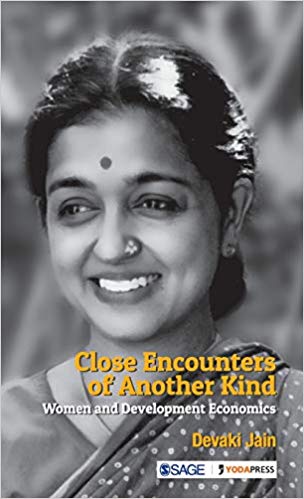
Devaki Jain
2018
The two volumes under review cover a remarkable journey spanning upwards of four decades. They contain a selection of papers from among Devaki Jain’s prolific writings the central theme of which collection being, among other things, not just the interrogation of ‘development’ from a feminist perspective but dissecting ‘development’ itself.
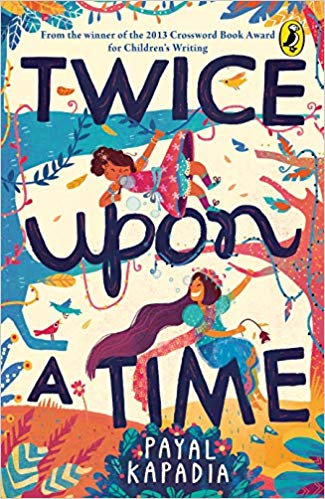
Payal Kapadia
2019
There is no getting away from it: the title Twice Upon a Time must be one of the best things that happened to children’s literature in a long time. Together with the inspired illustrations, funny and fecund, the title promises a romp that evoked, in this reviewer, dusty memories of settling down with a book in a quiet corner of the summer vacation, and surrendering to the bliss of being swept away.
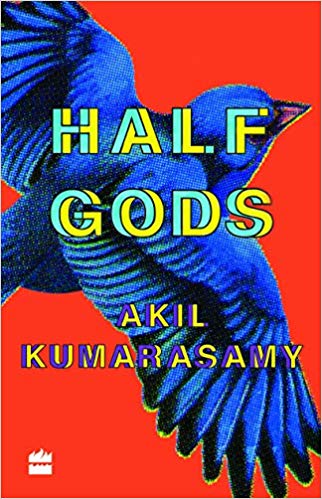
Akil Kumarasamy
2018
Every once in a while there comes along an author, whose expert fingers peel life like an orange, pulling apart the skin, deftly separating the clingy pith to reveal sections of the luscious fruit within. It is with such delicacy and skill that Akil Kumarasamy probes memories, experiences, pain and grief in her short story collection, Half Gods.
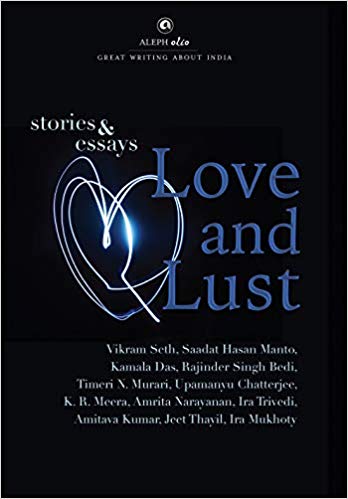
Vikram Seth
Imagine miniature vials of premium perfume curated by a well-known and trusted brand and aesthetically packaged and gift wrapped. Now replace those vials with slices of literary works by some of India’s well known writers enclosed in a hardbound book with a jacket that spells sophistication, stamped with the logo of a publisher that constantly strives to break new ground, and voila! There you have it! Love and Lust: Stories and Essays from Aleph’s Olio series.
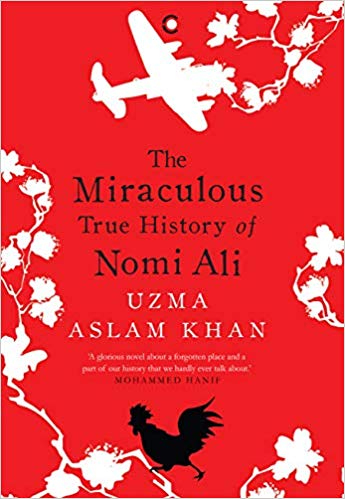
Uzma Aslam Khan
Why do postcolonial states turn penal colonies into tourist destinations? Devil’s Island in French Guiana, Robben Island in Cape Town, South Africa, Penang in Malaysia or Port Blair in the Andamans seem to compete for a place under the sun; their contemporary fame ill accords with their past notoriety.
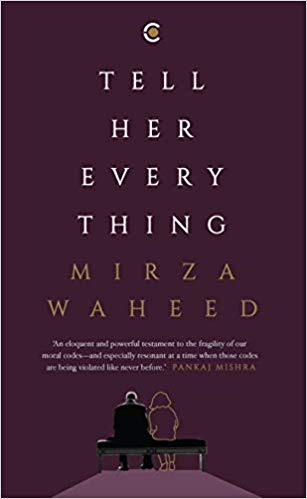
Mirza Waheed
‘Of all the men in the world, of all the doctors in the world, of all the fathers in the whole world. I happened to be the one present in that place at that time.’ This line from Mirza Waheed’s Tell Her Everything immediately brought to mind that iconic dialogue from the iconic movie Casablanca: ‘Of all the gin joints, in all the towns, in all the world, she walks into mine…’
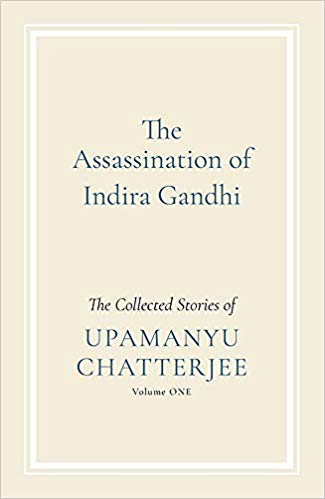
Upamanyu Chatterjee
In 1988 Upamanyu Chatterjee, a Patna born career bureaucrat, published English, August: An Indian Story. The novel, Chatterjee’s first, was a literary sensation. Turning into a cult novel, it transformed the Indian English writing space forever. Very few novels, we must admit, have played such a significant part in our literary scene as Chatterjee’s English, August did; indeed, Agastya Sen is a young man impossible to forget and so is Madna, the small town tucked away somewhere in the vast Indian landmass.
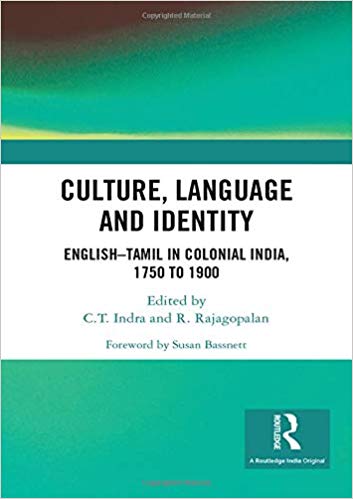
C.T. Indra and R. Rajagopalan
In late 2018 both The New York Times and The New York Review of Books carried long reviews of Tamil writer Perumal Murugan’s One Part Woman following its reprint for the American trade book market by Grove Atlantic. Controversy following the murderous threats to the author no doubt played a part in the attention it received. But it was also a symptom of changed times.
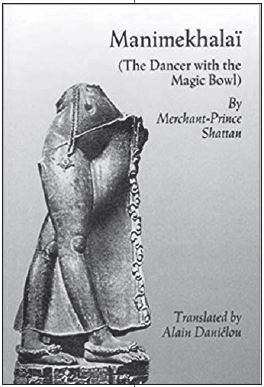
Merchant-Prince Shattan/Ā’ishah Al- Bā‘Ūniyyah/Pingali Suranna/Nazir Ahmad
If one were to play the game…
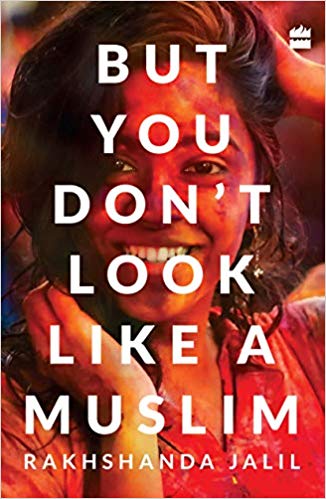
Rakhshanda Jalil
‘How is one supposed to look like one’s religion?’ With these opening lines, the author, Rakhshanda Jalil sets the premise of her book which questions the common imagination of Muslims as a community. Through various essays, Jalil stresses that all the Muslims are not cut from the same cloth. The book is divided into four broad themes of identity, culture, literature and religion containing ten essays in each chapter.
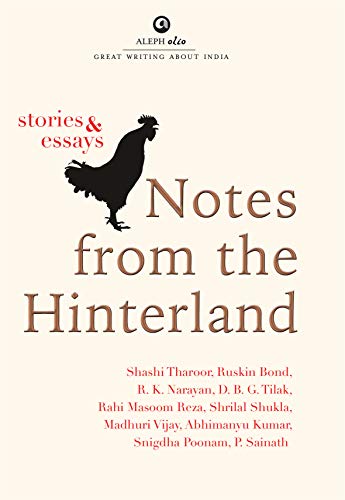
Shashi Tharoor
Notes from the Hinterland belongs to the Olio series of Aleph Books. It a miscellany of fictional and non-fictional texts, including short stories, extracts, reportage and opinion pieces. The collection aims at projecting the multiple hues of life in small towns and villages. Narrated from a humanistic point of view, the selections hold pointers towards development of societies in states of transformation and/or present the problematic of societies in transition.
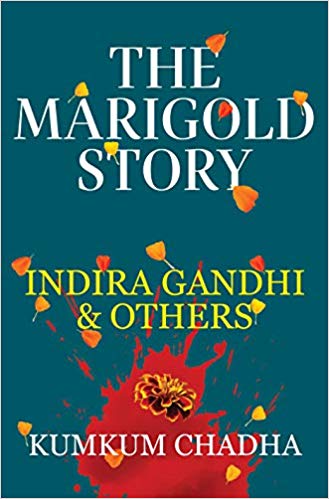
Kumkum Chadha
‘This book is for a generation that has very few memories of the Seventies’ India.’ This is the opening line of the preface of Kumkum Chadha’s new book The Marigold Story: Indira Gandhi & Others, comprising eleven profiles of personalities largely belonging to the world of politics and stardom. The basic idea is to make the present generation aware of the human side of these larger than life personalities with all their weaknesses and vulnerabilities.
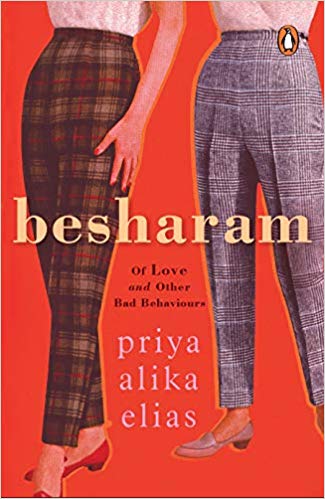
Priya Alika Elias
Besharam: Of Love and Other Bad Behaviours by Priya Alika Elias is a guidebook about what it means to young Indian women and how actually to be one. The author writes it from her perspective of having lived across various countries and how multiple locations for an Indian woman actually don’t simplify the expectations around her. The book has been divided into eight sections demarcated over sex, ugliness, love, hurt, culture, failure, judgement and independence.
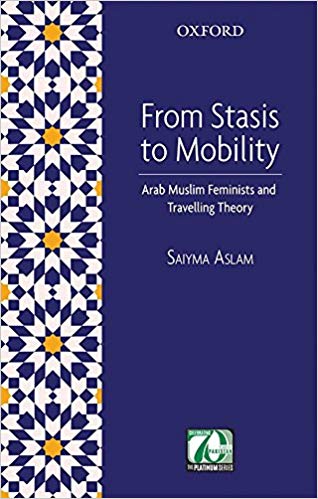
Saiyma Aslam
Aslam’s book is an exploration of how the lives of Arab Muslim women are influenced by culture, law, religion, patriarchy, contingencies of global restructuring and its accompanying socio- economic shifts. She employs feminism and travelling theory to challenge the (re)Orientalist myths about Arab women’s supposedly exotic lives as well as indigenous structures of patriarchal domination. She argues that the lives of Arab women are marked by heterogeneity…
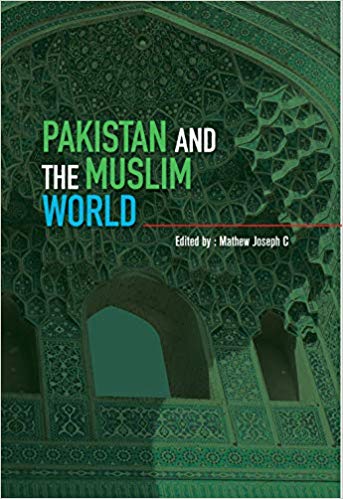
Mathew Joseph C
This book is a much delayed compilation of papers presented at a seminar conducted by the Centre for Pakistan Studies, Academy of International Studies, Jamia Millia Islamia, New Delhi, in March, 2012. Seven years in the making, perhaps the Editor’s ennui in goading the authors to submit papers in time reflects in errors, spelling ‘grateful’ as ‘greatful’ in acknowledgements, which stare glaringly at the reader in the very first page!
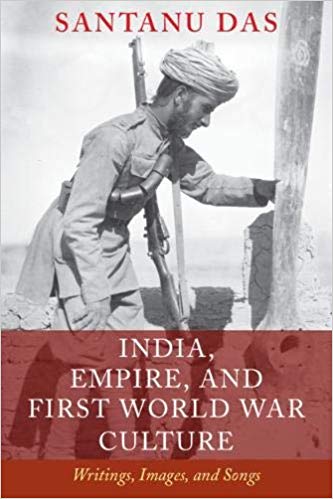
Santanu Das
So much has already been written on the history of the First World War—its cause, spread and consequences—that an addition to the corpus of existing literature, expanded substantially in the last few years on the occasion of the war’s centenary, is unlikely to cause much of a stir. Yet the book by Santanu Das that seeks to be ‘the first cultural and literary history of India and the First World War, though it necessarily engages with the social and the political’ has turned out to be a definitive exercise that enriches our understanding like few others before.
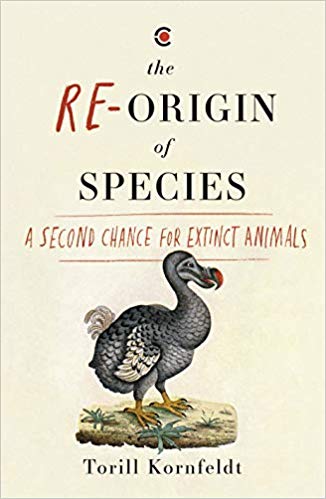
Torill Kornfeldt
Reading Torill Kornfeldt’s book The Re-Origin of Species: A Second Chance for Extinct Animals feels a little odd. Part of that is to do with its translatedness. Make no mistake about it; Fiona Graham has done an excellent job, barring an occasional infelicity such as nanny goats ‘falling pregnant’ (and there are quite a few avoidable errors of copy editing).
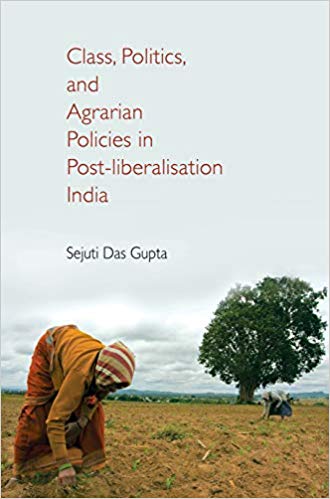
Sejuti Das Gupta
Class, Politics, and Agrarian Policies in Post-Liberalisation India by Sejuti Das Gupta is a valuable and timely contribution to a political economy analysis of state and agrarian policies in India during the period of neo-liberal economic reforms. That Indian agriculture has slipped into some kind of a persistent crisis, leading to rural distress since the late nineties is something that has been amply written about and recognized.