
Politics
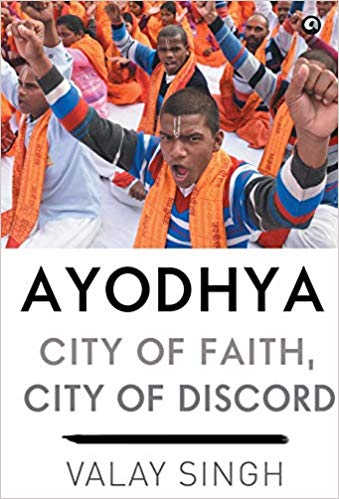
Valay Singh/Sameena Dalwai
Writings that revisit the knocking down of the Babri Masjid in Ayodhya and underscore India’s struggle to remain a secular republic are grim reminders of just how easily and repeatedly political divisiveness triumphs over constitutional values. That, to stamp out the injurious wrath of hateful agendas–-a disposition that has since seemed to have enveloped our collective psyche––it is critical to, with equal rigour, disfavour all beliefs that appeal to individuals and communities to frustrate diversity…
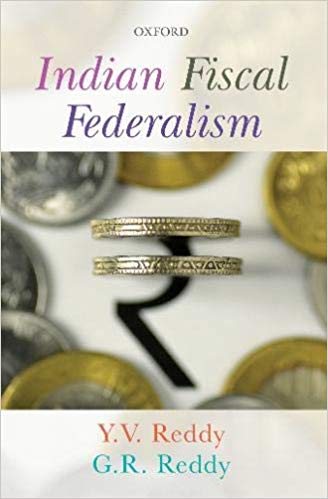
Y.V. Reddy and G.R. Reddy
It is rare to find books which are easy to read even though they are dealing with relatively non-readable topics such as Fiscal management, Institutional development and Policy formulation. This book, while it pulls no punches on these usually convoluted issues, is both lucidly simple and yet packed with information, which is presented in a very readable manner.
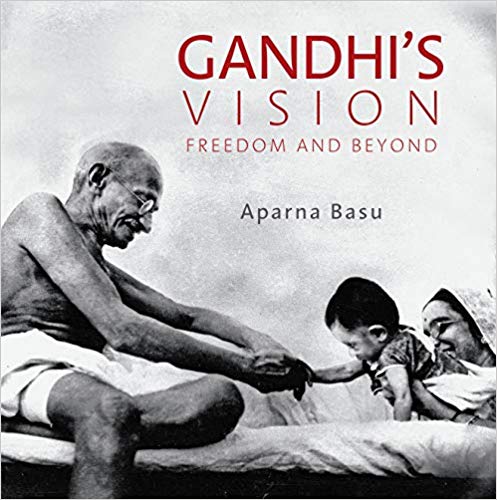
Aparna Basu
Photojournalists, press photographers, amateurs, followers and family members visually documented Mohandas Karamchand Gandhi’s life in great detail. Many of these photographs are housed in specialized archives, the National Gandhi Museum being a leading repository. Based on several photographs displayed at an exhibition organized by the National Gandhi Museum and the India International Centre and curated primarily by Aparna Basu, Gandhi’s Vision
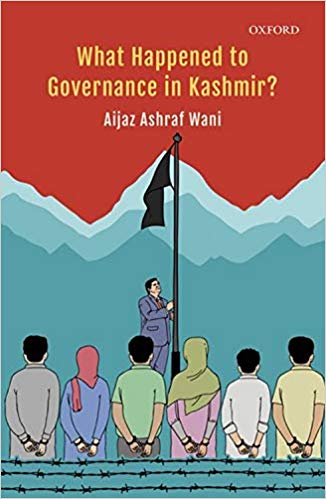
Aijaz Ashraf Wani
The Kashmir conflict, since the beginning, has posed many challenges to the Indian state and the narrative it propounds. Even though experts and academics have often tried to focus on the security dimension of the conflict, the failure to link governance with conflict has not received much attention. It is taken as a given that governance will take a lead once the security dimensions are resolved. Security gets prominence over governance then.
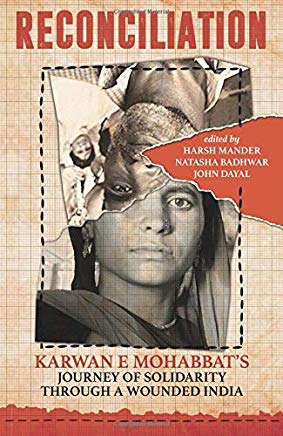
Harsh Mander
This volume is a slightly rushed attempt at collecting the findings about the lynching, hate crimes and rise of cow vigilantes that have stormed the news in India over the last few years. It details the violence that has surged against Muslims, Dalits and other lower castes. While doing so, many writers take pains to establish the even more vulnerable position of women, children and the aged belonging to these backgrounds and families.
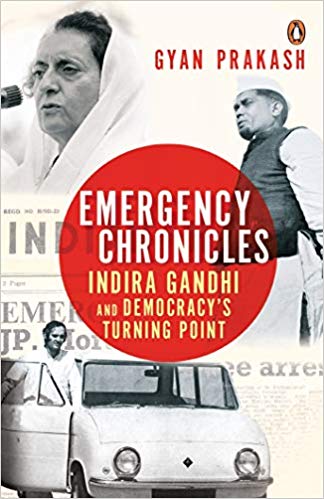
Gyan Prakash
Emergency Chronicles fills a void among the available scholarly works covering the period of what was an ‘aberration’ in Indian politics. In this riveting work of impressive archival research, Gyan Prakash lifts the curtain from the evolutionary sequencing of events leading to June 1975—the day Emergency came into force—and uncovers the everyday governing apparatus of a then proto fascist—if not a full blown fascist-government…
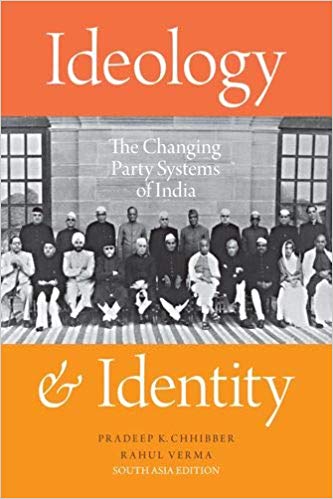
Pradeep K. Chhibber
Party politics in India has often been characterized by observers as being patronage-based, chaotic and opportunistic, driven largely by interests of office seeking politicians rather than ideology. This in turn is assumed to have led to corruption, rent-seeking and clientelistic behaviour rather than broad-based programmatic delivery of public goods. Literature also refers to Indian politicians adopting particularistic appeals based on voters’ identity such as caste…
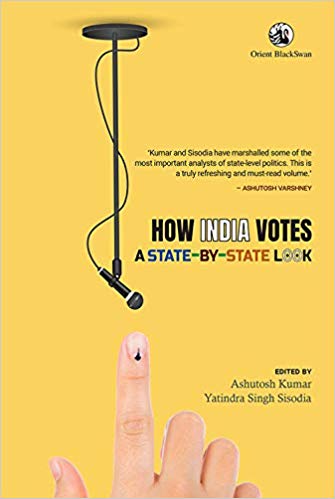
Ashutosh Kumar
The historian Ramchandra Guha had once observed that two of the things that keep India together are cricket and Bollywood. If one were to think of a third unifying element it would undoubtedly be the national election. However, despite its pan-India appeal and its consistency in attracting wide public participation, it is surprising that the national election in India has not received the kind of nuanced attention that it deserves.
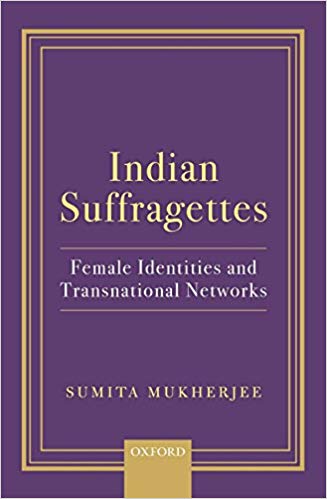
Sumita Mukherjee
The suffrage movement marks a watershed in the history of women’s movements and continues to inspire feminist contestations across the world. However, all forms of delineations and depictions on the suffrage movement, whether in academia or popular culture, exclusively focus on the role and struggles of the women in the West. In her extensively researched work, Indian Suffragettes…
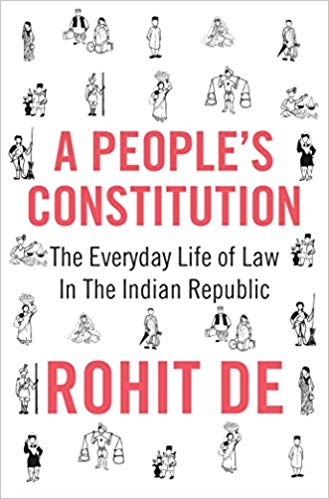
Rohit De
Way back in 1985, I got a call from an agitated lawyer friend. He wanted me to mobilize opinion against the newly passed Administrative Tribunals Act, which took away the jurisdiction of the Supreme Court and the High Courts over service disputes of public servants, and vested it in administrative tribunals. The power of constitutional courts was being handed over to statutory tribunals, which did not even need to have judicial members on the bench.
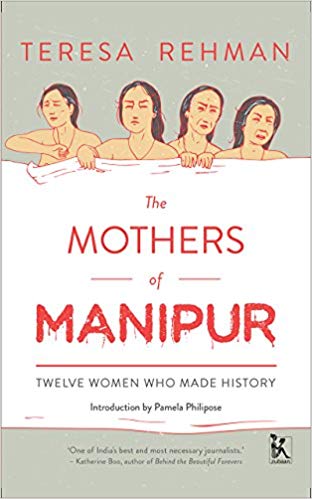
Teresa Rehman
Rehman’s book aims to document the landmark event of the Kangla protest, as well as its political and personal aftermath, through the voices of the twelve Manipuri women who took part in it. It is true that the twelve activists, otherwise known as the twelve imas (meaning ‘mothers’ in the Manipuri language), have spoken numerous times and at length to journalists, researchers and scholars about their experiences in the years following 2004.
Taberez Ahmed Neyazi
Taberez Neyazi’s new book is a welcome addition to the literature on India’s rapidly changing world of media by one of its most enterprising scholars of communication. Centred around Neyazi’s PhD thesis submitted to the National University of Singapore in 2009, the book stretches well beyond the confines of a thesis to suggest how media have played a ‘catalytic role as mobilising agents in the ongoing democratic transformation of India’ (p. 4).
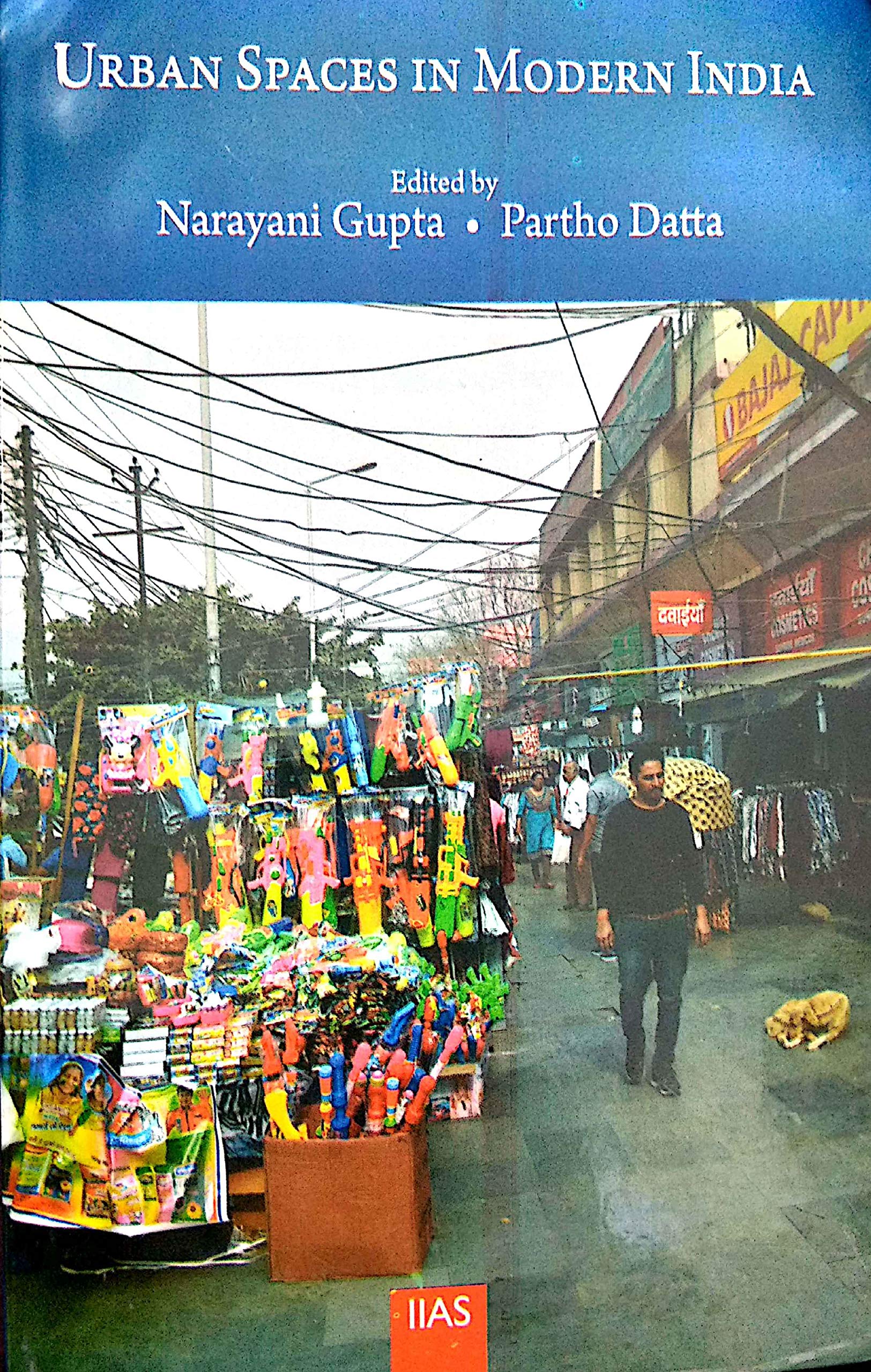
Narayani Gupta and Partho Datta
Trying to understand Indian urbanism is like the proverbial story of the blind men trying to describe the elephant. Scholars, professionals and engaged commentators who have written about the phenomenon and consequences of postcolonial urban development in India have provided partial insights into the nature of the beast they have ‘touched’, but in sum, its complexities have eluded the kind of understanding that would have enabled any agency, state or market, to effectively engage with its welfare and maladies.
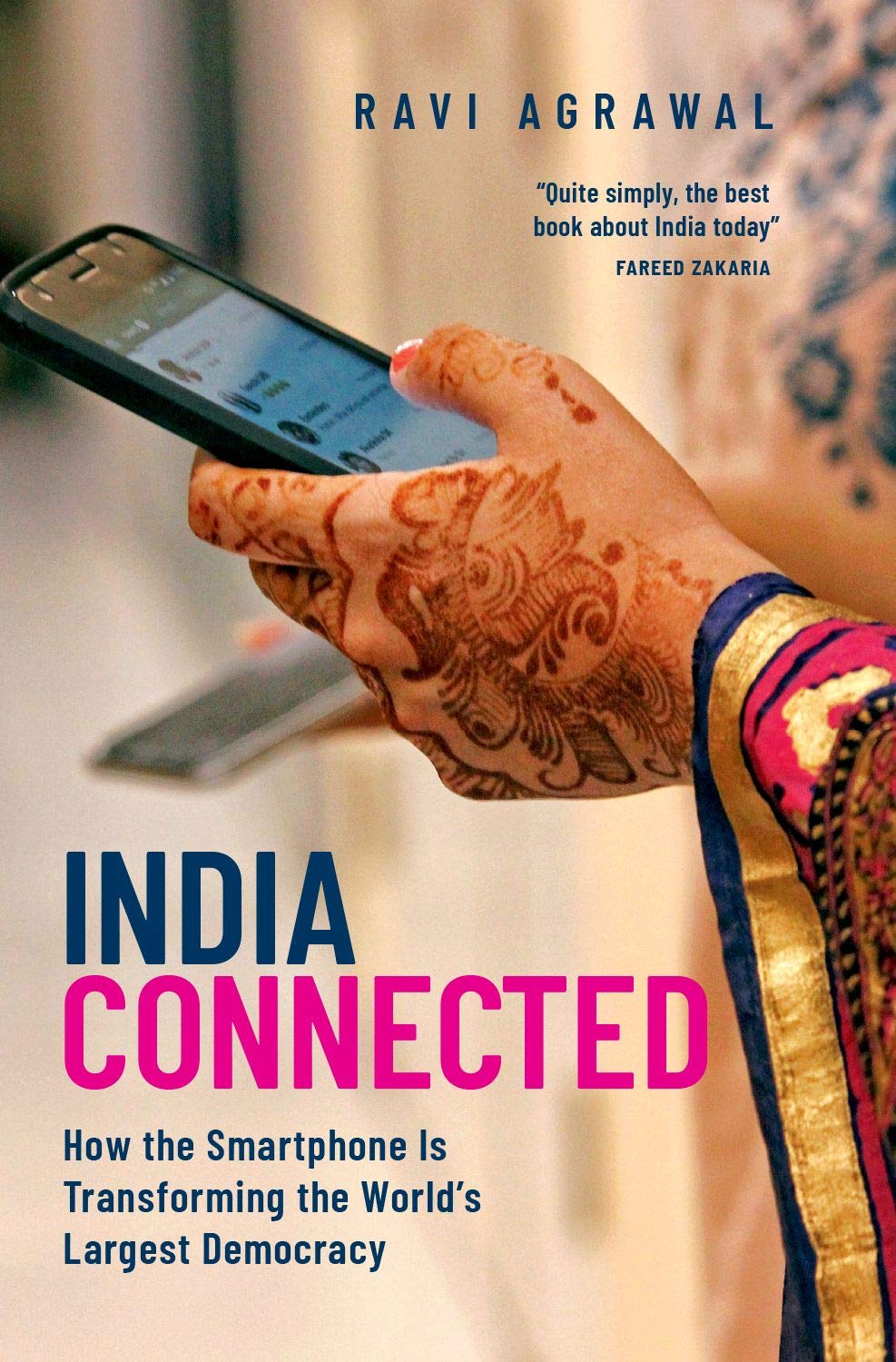
Ravi Agrawal
There is something to be said about the way digital technologies have captured policy and popular media attention in world capitals. From Washington DC to Berlin, from Ankara to Delhi, there is a growing sense of foreboding, desperation even, to respond to the rise of online networks and various social media platforms. Leaders world over are trying to fit the networks into existing frameworks of public policy and with every passing year the task seems more and more arduous.
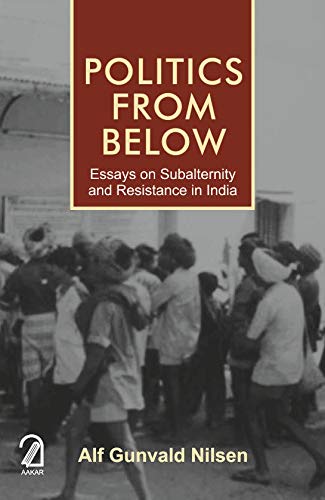
Alf Gunvald Nilsen
The book under review is a critical analysis of subalternity in India, which is in contrast to both the postcolonial and postmodern approaches that have dominated academia for the last three decades or so. The author is critical of the postcolonial studies, represented by the Subaltern Studies project, for drawing untenable boundaries between liberal-constitutional modernity and subaltern `ethnicization`.
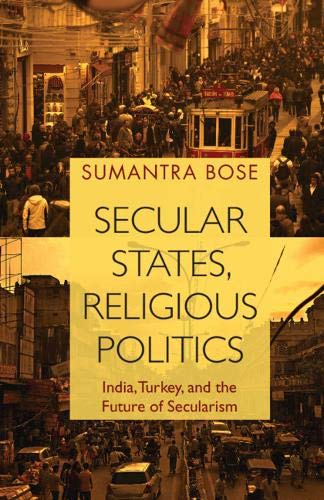
Sumantra Bose
This is a rather bulky book…
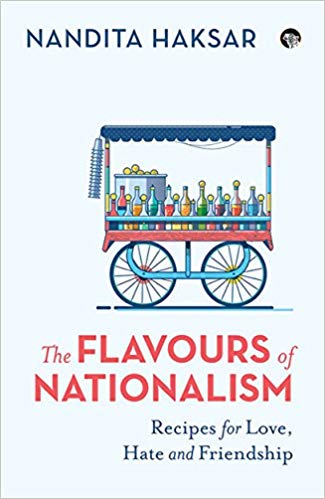
Nandita Haksar
Nandita Haksar book, The Flavours of Nationalism, reminds us that food is not just a personal affair, it is also politically charged. In this brilliantly composed memoir Haksar writes about how food shaped her ideas about politics and culture and at the same time introduced her to the notions of communalism, patriarchy and nationalism which were all embedded in the way that food was prepared, shared and consumed.
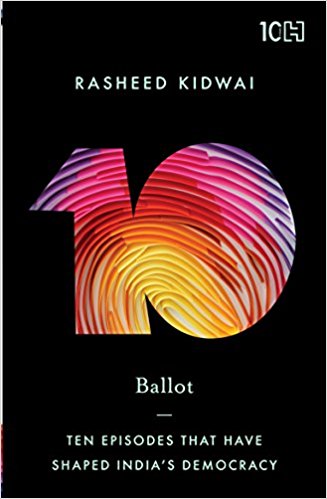
Rasheed Kidwai
There are broadly two kinds of books: one, the ones which have a central argument, question or hypothesis, theoretical frameworks and methodology, and engage in debate; and another, those which provide narrative of some developments. Reviewing the first kind is easier. One can engage comfortably with any aspect dealt with in such books. Rasheed Kidwai’s book falls in the second category.
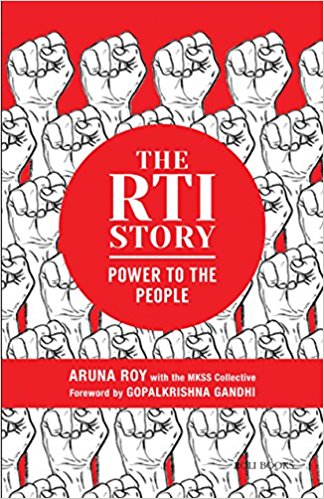
Aruna Roy
Much more than an authoritative account of how the ‘right to information’ (RTI) came to be enshrined in Indian law, The RTI Story describes the building of theory through grassroots practice. Choosing to share the lived experience of poor people, Aruna Roy and her associates encouraged them to reflect on their situation, analyse and articulate the bases of their deprivation and exploitation, and to orchestrate collective corrective action.
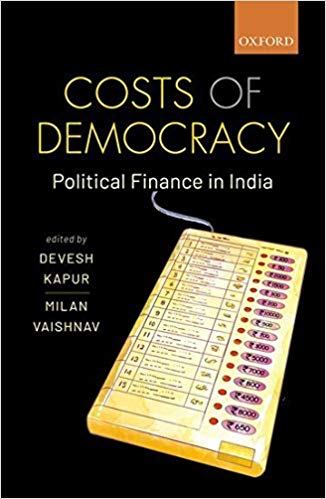
Devesh Kapur and Milan Vaishnav
One of the biggest challenges facing India’s democracy is the growing role of money in elections. During the 2014 parliamentary elections politicians jointly spent an estimated 5 billion dollars. As the spending increases every election, this amount will likely be even surpassed in the upcoming 2019 elections. These extravagant campaign costs are worrisome, for a range of reasons.