
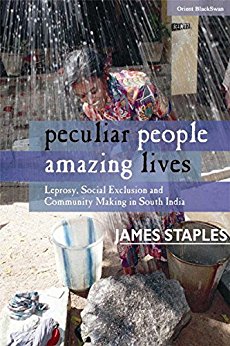
There has been a huge explosion of studies in medical anthropology – some good, some indifferent, and many appalling – in recent years. How does one explain this? Is it related to the sexiness of Faoucaldian post-structuralism? Of Subaltern Studies and their disillusionment with political economy? Is it what Mamdani incisively describes as “ culture talk”, a neo-Orientalist project, with huge political implications (Mamdani 2004)? Indeed even those who contest this seem to do so extremely defensively, using the same impossible language (Goswami 2004).
As a student of public health, I should be devoted to large-scale data, population- based data, data for example thrown up in surveys by the NSS and in the NFHS. My epidemiological instincts tell me this data is important and can perhaps teach us a lot about the determinants of health, and not just prevalence and incidence rates. However, given the kind of banal associations that most analyses of large- scale data give us, there is reason to be skeptical.
Ethnographic studies cannot supplant large-scale data – and good ethnographic studies, as in the case of the book under review, do not claim to be “representative”. On the other hand, ethnographic studies provide us a richness of “thick data”, of processes and lived experience, the incandescence of the everyday, that also illumines health, as perhaps few studies can.