
Literature
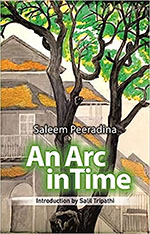
Saleem Peeradina
2022
Rarely does one come across a book that stirs up one’s curiosity and inspires one to explore the author’s entire corpus. An Arc in Time (2022) is Saleem Peeradina’s most recent and compelling gift to the literary world. Blessed with a multi-faceted personality, Peeradina dons many hats: writer, journalist, editor, painter, ethnographer, critic, and professor.
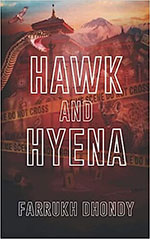
Farrukh Dhondy
2022
Hawk and Hyena is a short memoir of Charles Sobhraj, the infamous serial killer, written by Farrukh Dhondy. Farrukh Dhondy is not an unfamiliar name in the literary, journalistic, television and film industries and he is known for his writings across several genres including biographies, children’s literature, novels, screenplays and more.

Naina Gupta
2023
Dark Rainbow, a debut novel by a young author, Naina Gupta, an Indian native who currently lives in Dubai, is a fantasy grounded in reality, loaded with humour and sarcasm. It delves into the psyche of the protagonist Ernaline Volkov, 16, as she wanders around the locales of New York city trying to unearth secrets about her mother, Dalia Volkov.
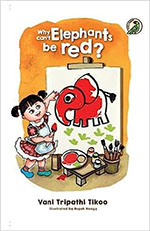
Vani Tripathi Tikoo Illustrated by Rupak Neogy
Here’s a question for you to mull over—why can’t elephants be red? Why not, indeed! Everything is possible in the multi-coloured fantasy world of a child.
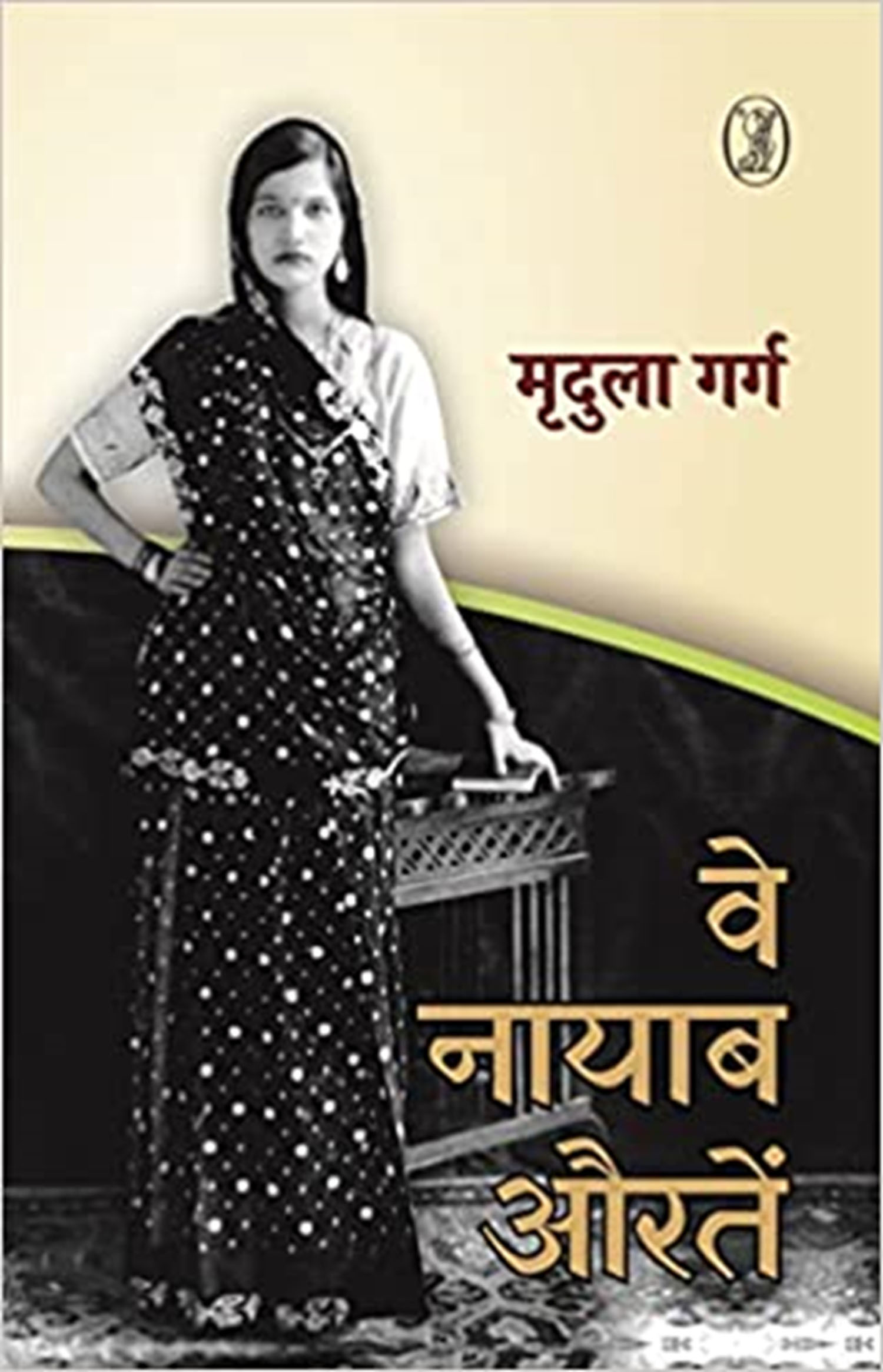
Mridula Garg
Ve Nayab Auratein is remarkable in its expansive scope and commitment. As the title suggests, this memoir is an honest, frank and committed portrayal of ‘nayab’/inimitable women and men who have enriched Garg’s life and career as a writer. She often uses the word äfsana to describe this work, highlighting how literary imagination is deeply entwined with civic imagination. ‘I am a writer after all, and thus driven to enmeshing the real and the imaginary to create new worlds’ (Preface)
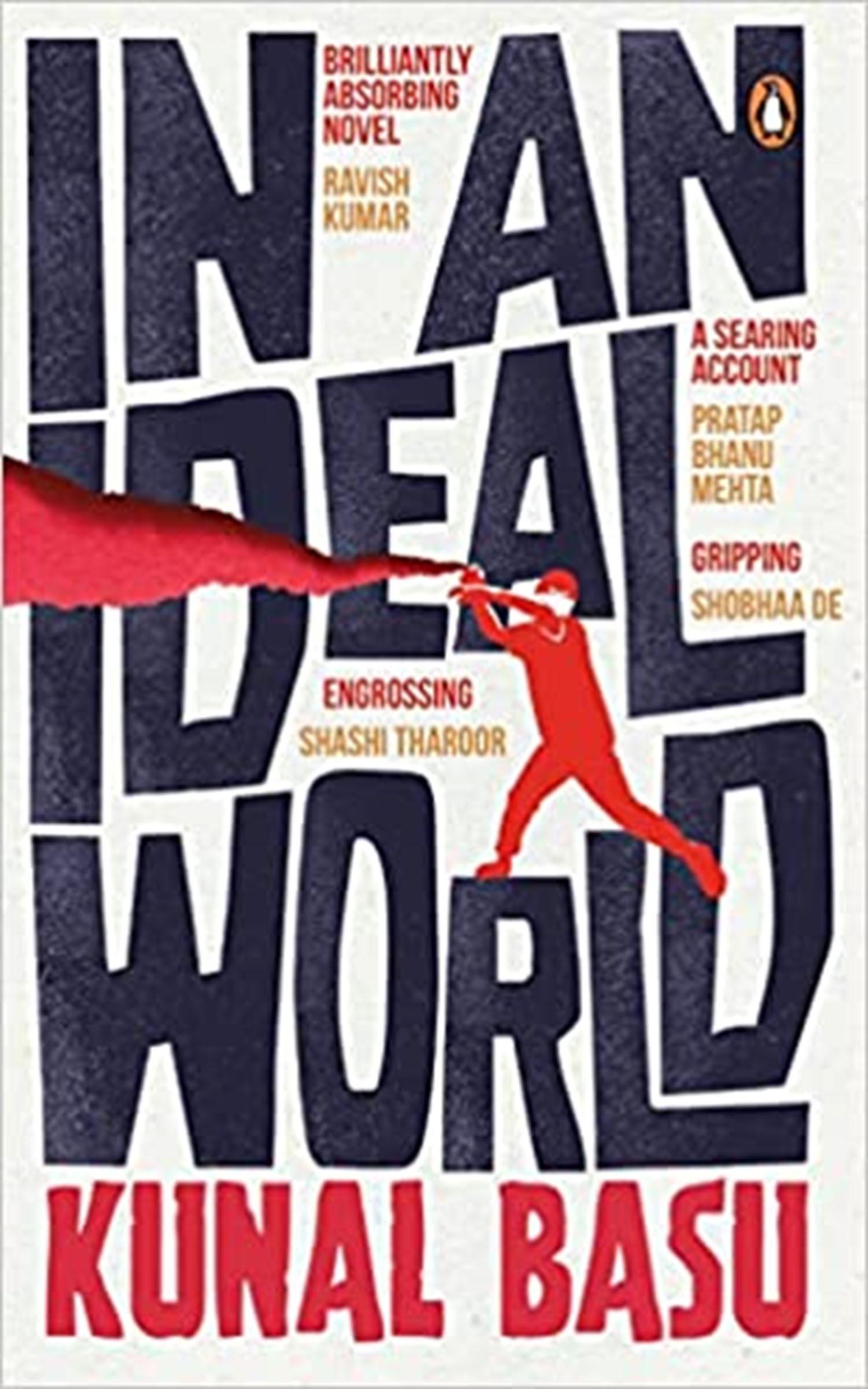
Kunal Basu
To finish reading a near 200-page novel in half a day is possible either because it’s been a gripping page-turner that the reader excitedly raced through, or else because it offered little for her to pause, think, to uncomplicate. Kunal Basu’s In an Ideal World is disappointingly the latter.
Sanskrit is an all-India language. All parts of this land have contributed to its ancient great literature, and none can claim a special place in this regard. Even so, the contribution from Kashmir over centuries is most remarkable—in quality and variety as well as value and volume. Once well known all over this country and beyond, it now deserves renewed notice, especially by Kashmiris themselves. Hence this brief note for Koshur Samachar.
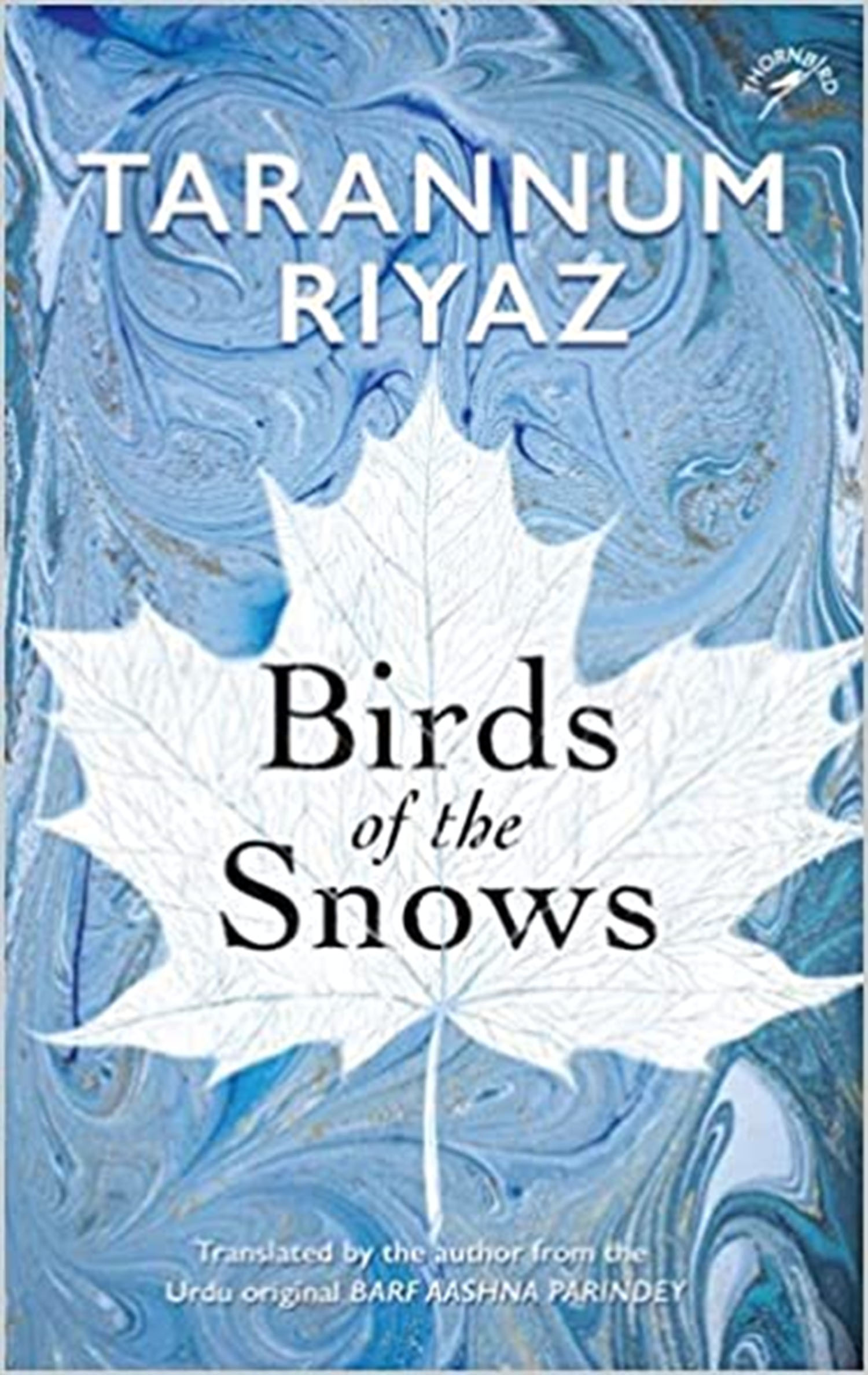
Tarannum Riyaz
He was not…smiling…But it did not…look like he wasn’t…smiling either.” Sheba considered the funny sentence, relishing it for a few moments, as she did in her childhood when she wanted to break a sentence and make it up again in reverse.’ The book is a slow unravelling of a family living in Kashmir. The unravelling…
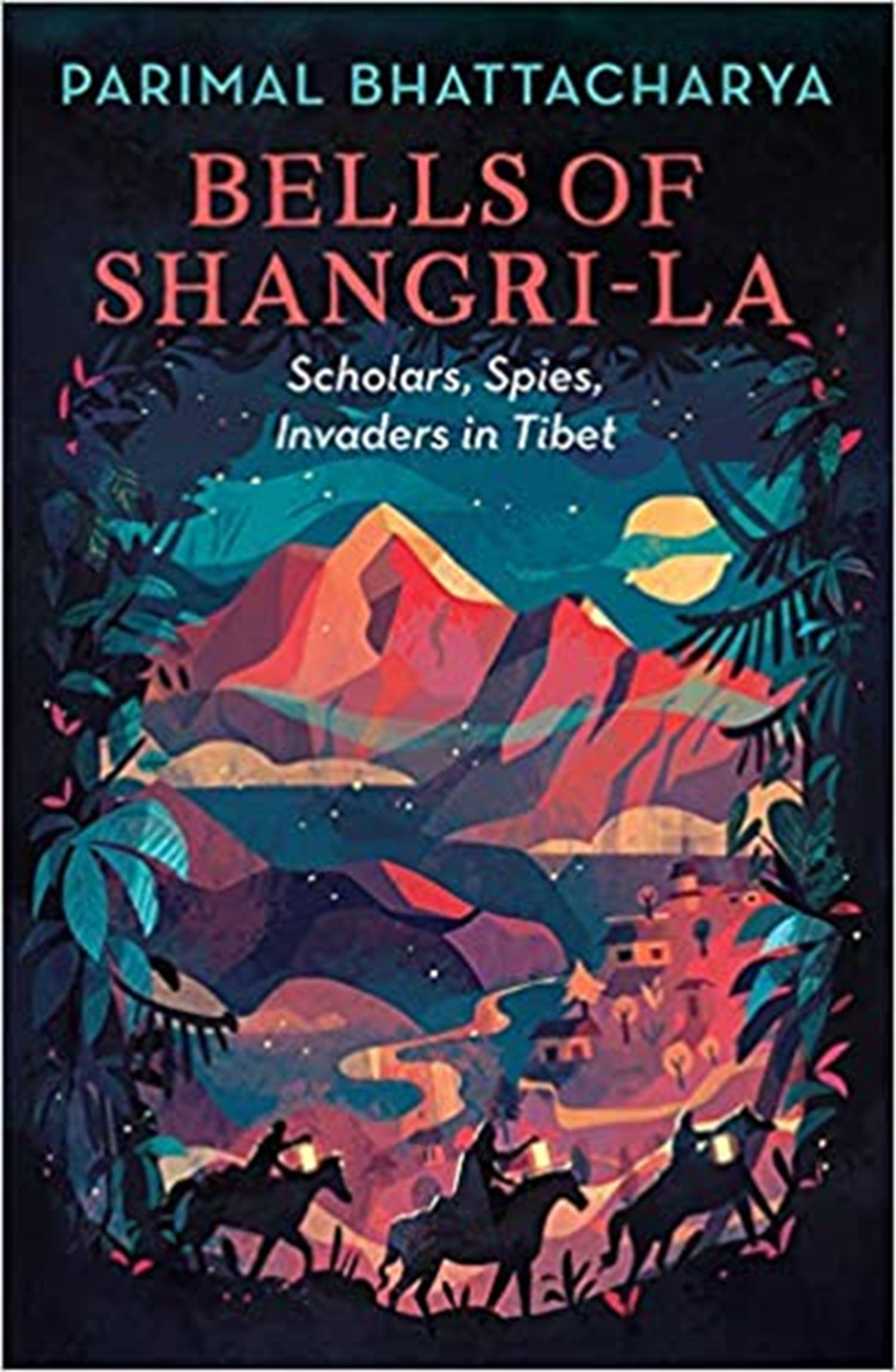
Parimal Bhattacharya
In Bells of Shangri-la: Scholars, Spies, Invaders in Tibet (originally published in 1919), the author, an academic in West Bengal Education Service who attends a course in the Institute of Advanced Studies in Simla, reminisces on a bookstore there. Books are not only a priceless resource for him, he says, but when he was a child, he imagined books creating new stories as they lay on the shelves.

Bhuchung D. Sonam
The generation of young Tibetans, born and brought up in India amidst the cultural diversity of the land is putting out a rich harvest of creative writing, which speaks to readers across the world telling them of what it means to exist in a state of perpetual exile, the rootlessness and sense of homelessness it entails along with the never-ending threat of cultural dilution and extinction which they face. Under the Blue Skies, an anthology compiled by the poet and Sahitya Akademi awardee Bhuchung D Sonam is one such book, which highlights how exilic sensibility partakes of both—freedom and despair
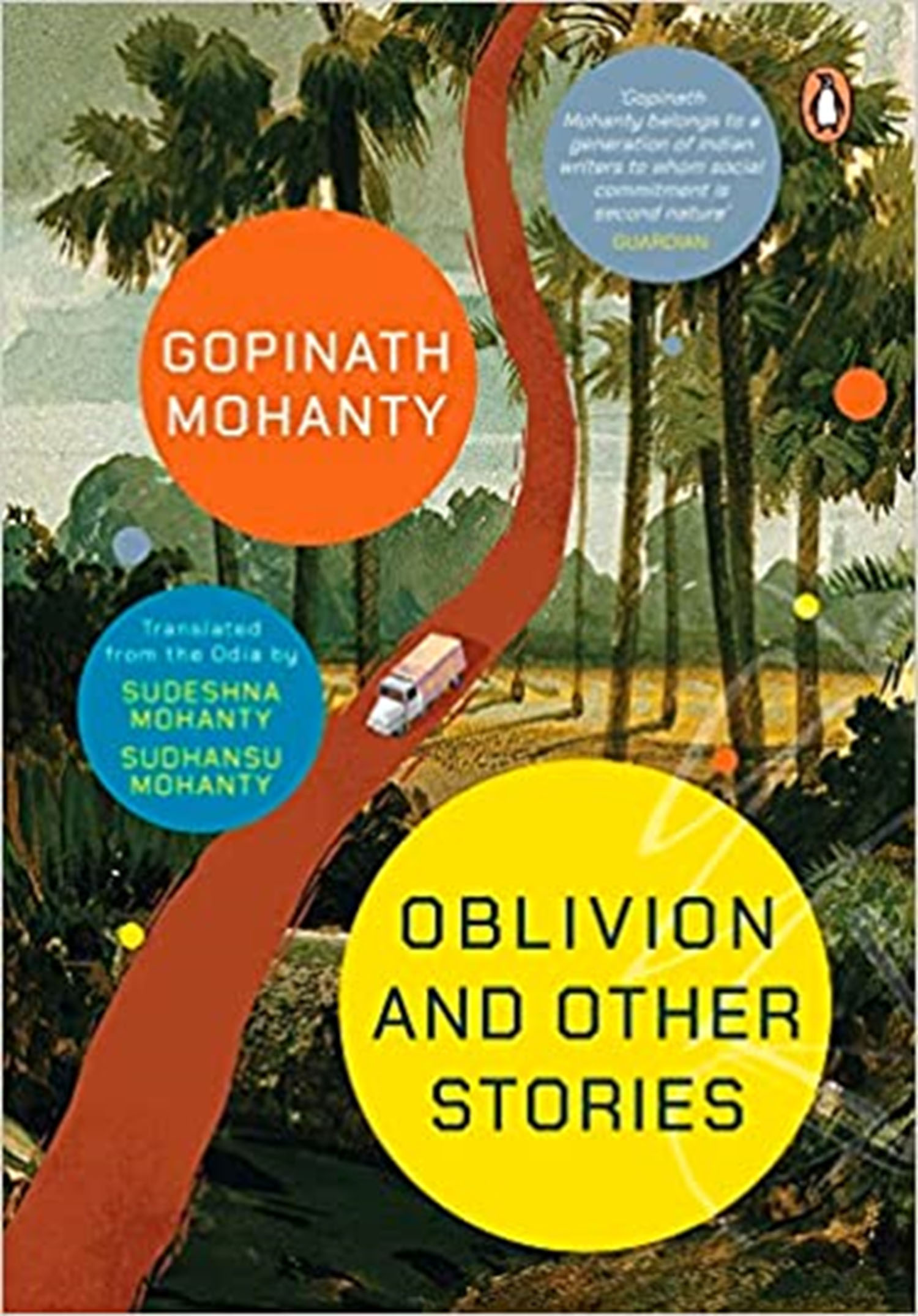
Gopinath Mohanty
Gopinath Mohanty wrote his fictional masterpieces during the years just prior to and after Indian Independence. He was the first Odia and Indian writer to receive the Sahitya Akademi award, and the first among Odia litterateurs to receive the Jnanpith award. No wonder he is the most translated among modern Odia writers. After the international publication of the English translation of his cult novel Paraja in 1987* a steady stream of translations of his other major novels has poured in.
The first book is a collection of eight prize-winning entries in the category Creative Non-Fiction for children in the 9 to 12-year bracket of the Competition for Writers of Children’s Books organized by the Children’s Book Trust (CBT). Seven of the profiles are of Indians, while one is of a Kenyan, Nobel laureate Wangari Maathai. The seven Indians are of varied backgrounds: a soldier, Param Vir Chakra winner Albert Ekka; Everester Arunima Sinha; solo-forest planter Abdul Kareem; Hockey Olympian Dilip Tirkey; visually impaired Jawahar Kaul; ‘India’s James Herriot’, Vet Dr. Naveen Kumar Pandey and sand artist Sudarsan Pattnaik.
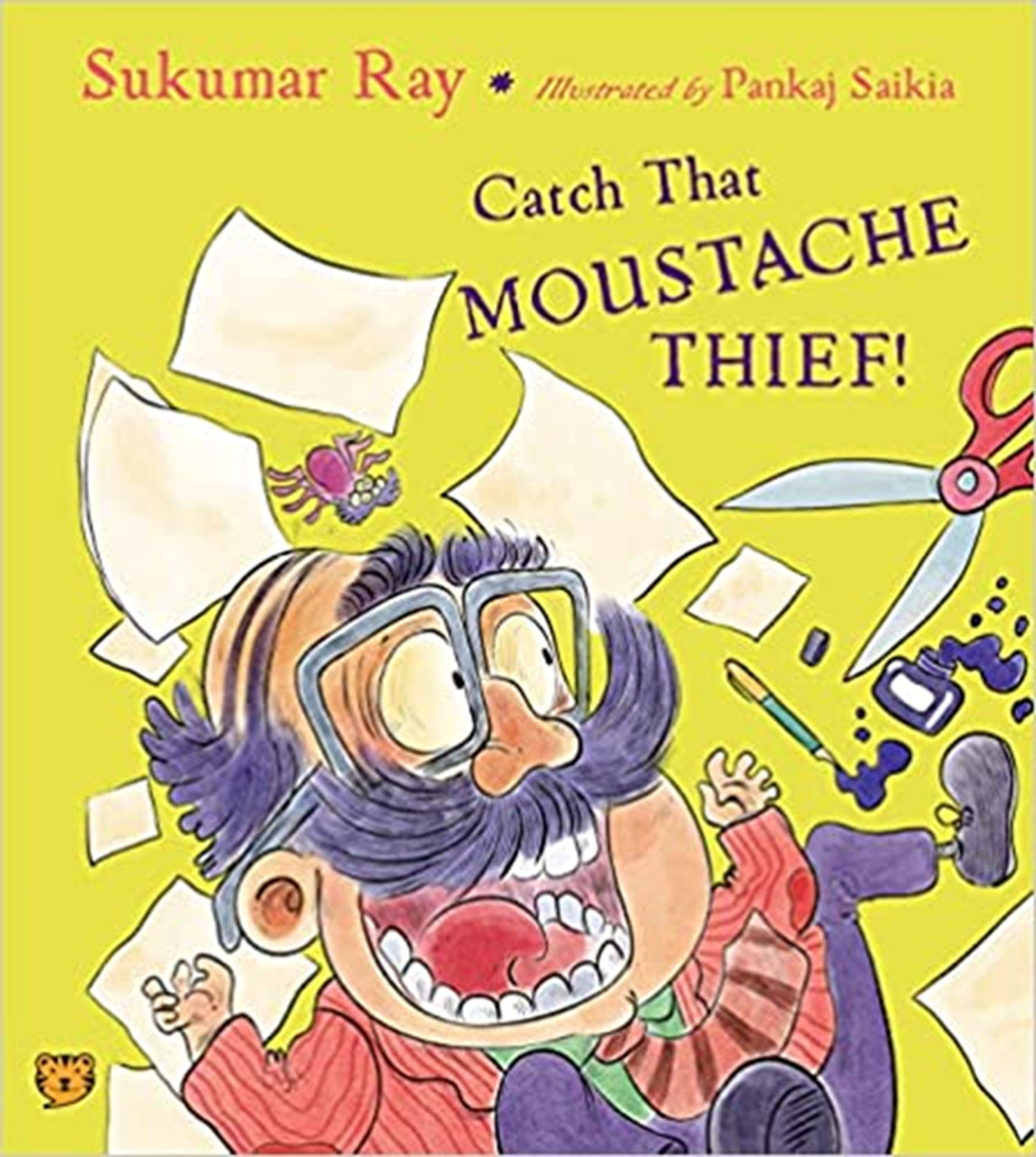
Sukumar Ray
Difficult to translate my son’s response on reading the new English translation of Sukumar Ray’s Gonph Chor (Catch that Moustache Thief!). Perhaps ‘How funny!’, but that does not entirely convey the element of surprise, affection, and familiarity that he feels. In the short poem, boro babu, the boss in an office, is frantically looking for his stolen moustache.
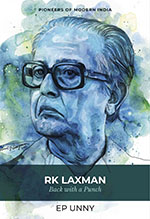
EP Unny
‘…his fans remained mute loyalists for want of an ecosystem to applaud… We have so far managed to build one museum for cartoonist Shankar…and the rest is history waiting to be made. We let our democracy and cartoons fend for themselves.’RK Laxman: Back with a Punch is expert cartoonist EP Unny’s tribute to a master of the art. Written in a succinct, racy style, it is a unique biography which looks at the shifting scenario of Indian politics through the eyes of RK Laxman’s cartoons.
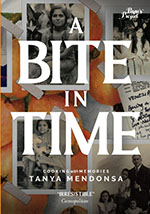
Tanya Mendonsa
Reading A Bite in Time by Tanya Mendonsa, I had a feeling of coming home to a country without borders, a house without walls, for what Tanya has written about, whether people or recipes, was familiar to me. I had either met, or heard of, the people she mentions in the book, and tasted many of the recipes in the book.The publication of the book establishes her versatility as a writer, though she is primarily a poet, and a very gifted one at that.
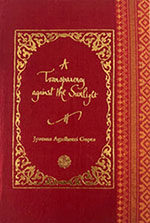
Jyotsna Agnihotri Gupta
The title of this poetry collection is rather intriguing. The ‘Foreword’ implies that it can be understood as an exposure ‘to the bare bone, a sort of nakedness which is an uncomfortable feeling, to say the least’.Ada Limon, the current U.S. Poet Laureate says, poetry helps us ‘walk into the room of ourselves’, and in the very first titular poem the poet sets the tone with, ‘A transparency against the sunlight I stand, in the class room self-revealed to you striking a pose clothed in much verbiage, books and notes.
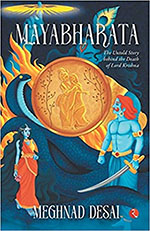
Meghnad Desai
This cleverly titled book focuses on an enigmatic and neglected aspect of Lord Krishna.Krishna’s death has hardly received attention compared to his birth and childhood celebrated still as Janmashtami.In the Mahabharata, he was mistakenly shot in the foot by a hunter. But who was the hunter and how did he happen to be on the spot?
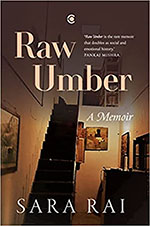
Sara Rai
Sara Rai, a renowned contemporary author in Hindi who is at home with its literary and sociocultural landscape, notes that she has chosen to write about writing, as well as the journeys of her family and their times, in English. Perhaps it is to reach a wider reading public. Or perhaps, it is a language which allows emotional and intellectual distance. For Raw Umber is a literary memoir fashioned with circumspection in some ways, and with an evocative lyricism in others.
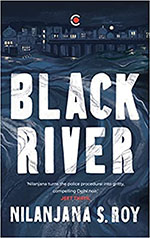
Nilanjana S. Roy
2022
Despite featuring in any number of literary works in English, Delhi never got to be immortalized in the definitive way that contemporary Bombay/Mumbai was in Suketu Mehta’s Maximum City. Black River’s title is, of course, a salute to Delhi’s river, Yamuna, one of whose names is Kalindi, quite besides the fact that pollution and effluents in the last few decades have rendered her nearly black.
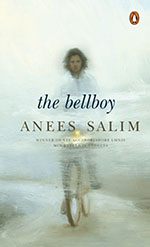
Anees Salim
2022
In yet another riveting piece of literature, Anees Salim revives the theme of death as perceived by a young adult protagonist. The bellboy consistently maintains the ever-imposing doom of death by suicide and/or accident seen from a safe distance of ‘forced indifference’. During the course of the novel, we see the keen observer of deaths, Latif, turn into an amateur anthropologist who starts making mental notes of suicides in Paradise Lodge.