
Education
Sreemati Chakrabarti
Higher Education in India and China is a collection of scholarly contributions by leading researchers and academia from the University of Delhi and the University of Hong Kong and Macao. Each of the contributions provide a rich understanding about the development of education.
Kuldip Kaur
The book could not be timelier, given that so many people live in perpetual fear, insecurity and life-threatening circumstances in different parts of the world. The context of Jammu and Kashmir highlights a growing trend (as observed in other contemporary political-ethnic conflicts.
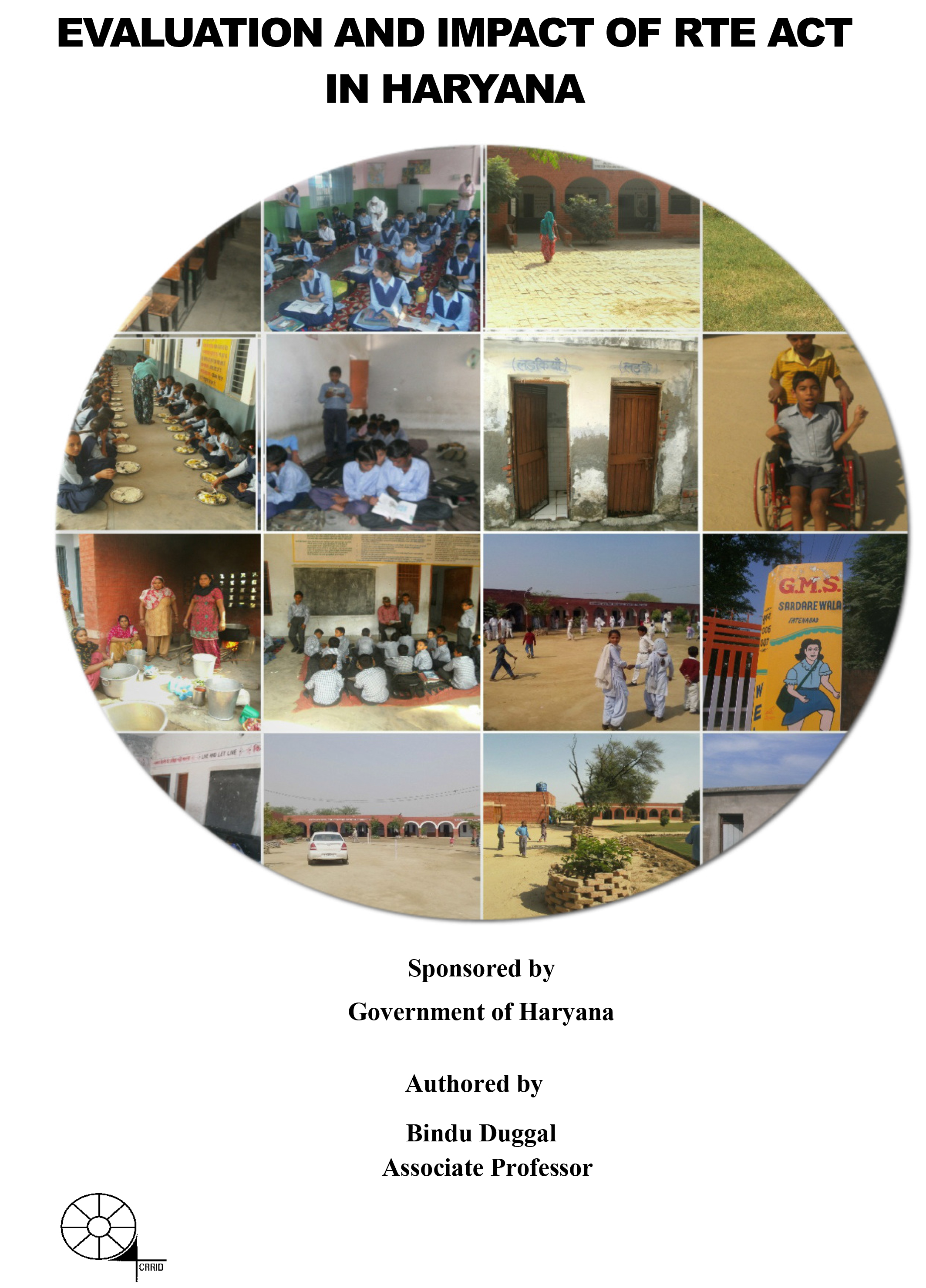
Bindu Duggal
The book as the name suggests is based on a research study aimed at examining the implementation of the Right to Education (RTE) Act, 2009, in the State of Haryana. The study was funded by the Department of Planning, Government of Haryana as has been duly acknowledged.
Apoorvanand & Omita Goyal
The total spend on education in India (Central and State governments together) is 2.7% of GDP. Though lower than the spends by peer BRICS countries the budget alone does not account for the poor state of school education(primary and secondary) and tertiary education, as revealed in various surveys and reports notably the ASER reports for schools and Asian or global rankings of universities and colleges.
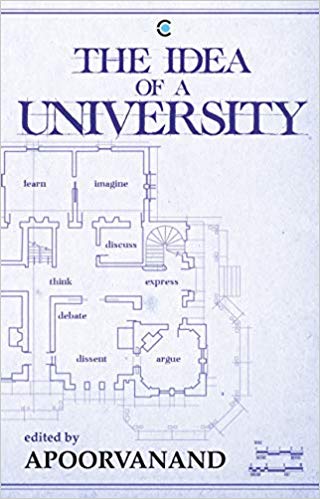
Apoorvanand
The Idea of a UnThe Idea of a University, edited by Apoorvanand, is a spirited defence of ‘cosmopolitan’, liberal university education and reassertion of the meaning and relevance of academic freedom in today’s troubling times. Notably, this book draws on the same title as John Henry Newman’s 1852 volume, which was a collection of his lectures on the idea of an ideal university, (that was published in the backdrop of the first Irish Catholic University, the University of Dublin, being set up).
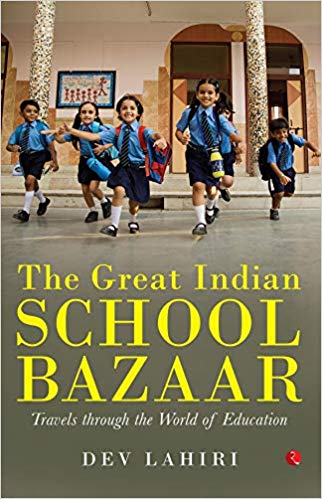
Dev Lahiri
Dev Lahiri’s book is a slim, easy read on the complex and multi-layered topic of school education in India. The author draws from his vast experience of over four decades as a teacher, principal and educator, both in India and abroad. The book is replete with real, and often funny anecdotes from his stint in various schools and his sense of humour and ‘joie de vivre’ come across in many parts of the book.
Jandhyala B.G.Tilak
A few years after I had joined…
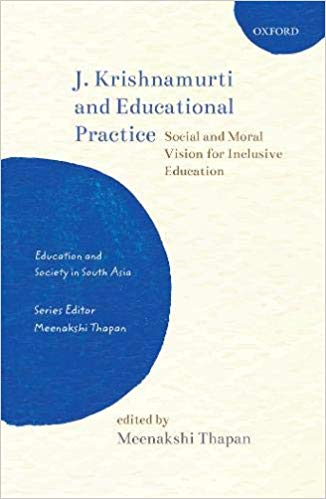
Meenakshi Thapan
As J. Krishnamurti and Educational Practice: Social and Moral Vision for Inclusive Education edited by Meenakshi Thapan enters circulation, I wondered how to write a non-conventional review of it. That is, to outline the politics in which it can be located and read, rather than say what it contains and what it does not.