
Education
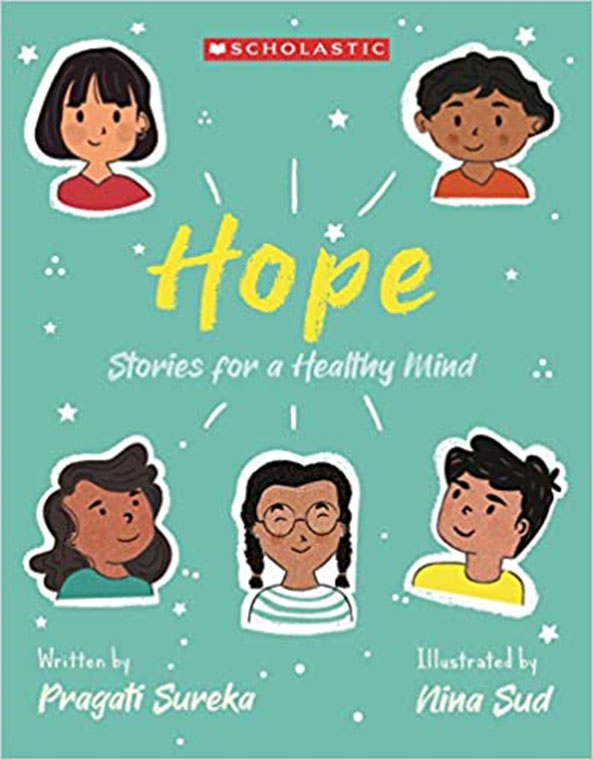
Pragati Sureka. Illustrated by Nina Su
Hope: Stories for a Healthy Mind by Pragati Sureka is an anthology of short stories of three children dealing with different psychological challenges. These stories are named after the young protagonists; Ryan, Kabir and Shoma. The first story is of a young boy named Ryan. The story unfolds with the emotional turmoil faced by him due to the quarrel between his parents. He is unable to concentrate on his studies and withdraws himself from participating in school activities. His class teacher notices this change in his behaviour and decides to speak to him…
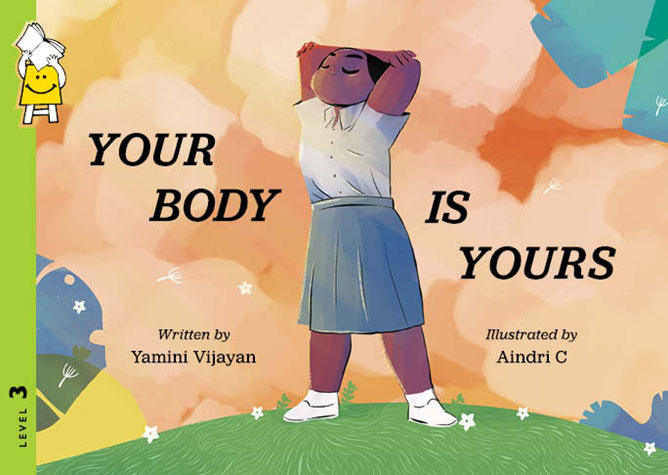
Yamini Vijayan. Illustrated by Aindri C
I introduced my daughter to topics such as body safety, consent, and body image, around the age of three. I think it is a good age to start talking about the body. I referred to several YouTube videos and books, to choose simple enough words and images, appropriate for a preschooler. While there is no dearth of books covering this sensitive subject, there is a pressing need and growing awareness among parents and teachers about the introduction of these topics to young children…
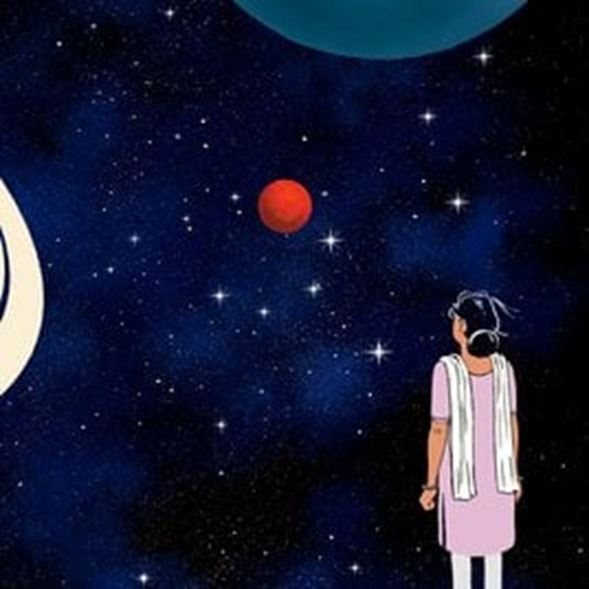
Nikhil Gulati. Illustrated by Nikhil Gulati
Being a mother to two young kids, one being a bit young for stories, I am always on the lookout for good books that I could read along with them. My five-year-old daughter is always fascinated by topics like space, planets, and astronauts. Her young, creative mind goes for a spin every time she is made aware of the possibilities. So, when I received the options for books to review, I was quick to select A Journey to Mars: Mangalyaan by Nikhil Gulati. I am extremely glad that I made that choice. The book succinctly describes India’s Mars mission to young readers…
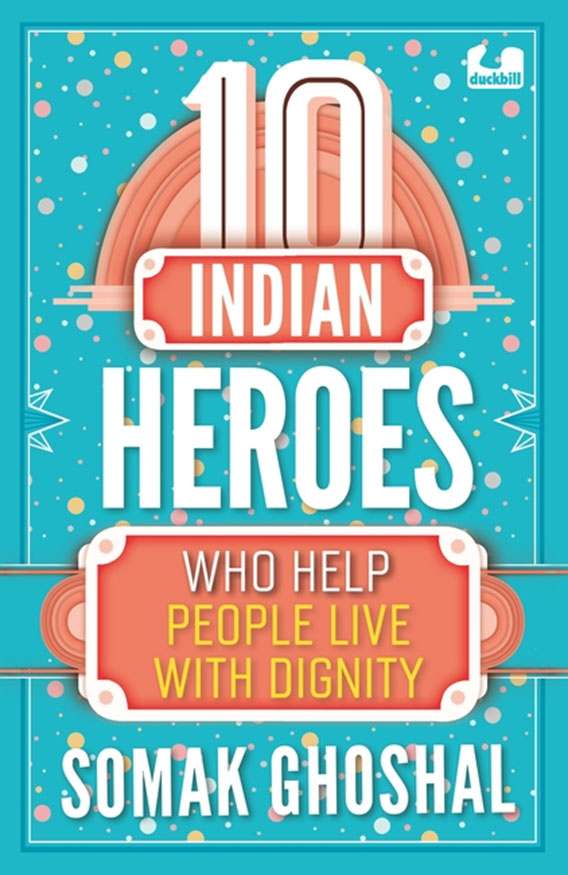
Somak Ghoshal
Somak Ghoshal’s 10 Indian Heroes is an important book. The Constitution of India is easily invoked as part of conversations, but do we live it? ‘The idea of dignity is at the core of our identity as Indians. In 1949, when the Constitution was adopted under the leadership of Babasaheb Ambedkar, the word was introduced into the Preamble’, writes Somak in his introduction. ‘But what does dignity really mean? How do you experience it in your daily life? And, more importantly, what does it look like in practice, as opposed to simply being an idea in our minds?’ he poses…
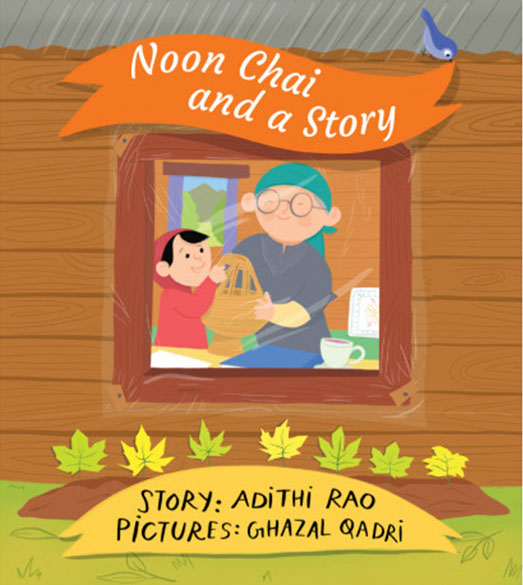
Adithi Rao. Illustrated by Ghazal Qadri
Noon Chai and a Story is a slim little book, beautifully illustrated which gently draws the young reader’s attention to what books mean to those who are deprived of them. But while the story is about books it is also about the world in which the young protagonist lives with her parents, her sister and her beloved grandmother, Deidi. Looking at life through the eyes of a little girl living in the remote area of Gurez, the book gives an authentic representation of life in this beautiful but little known corner of India…
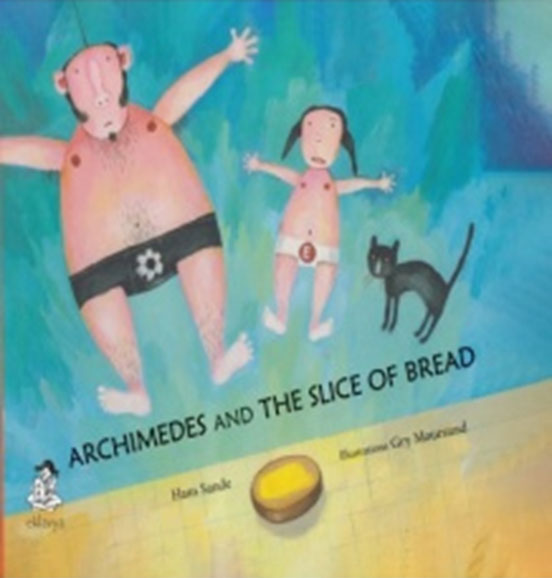
Hans Sande. Translated by Marietta Taralrud Maddrel. Illustrated by Gry Moursund
Archimedes and the Slice of Bread—the title piques your interest and you dive right in. The book is about a father who is trying hard to invent something, and his daughter Eureka and her cat Archimedes. Eureka feels sorry for Papa, who has never invented anything in his life, except for trying to invent a square soap bubble that burst before he was successful. The only thing he has invented is a strange name for her. Archimedes loved to lick butter off Eureka’s slice of bread. Once when Archimedes tries to lick the caviar off Papa’s slice of bread, he lifts him and throws him away from the table…
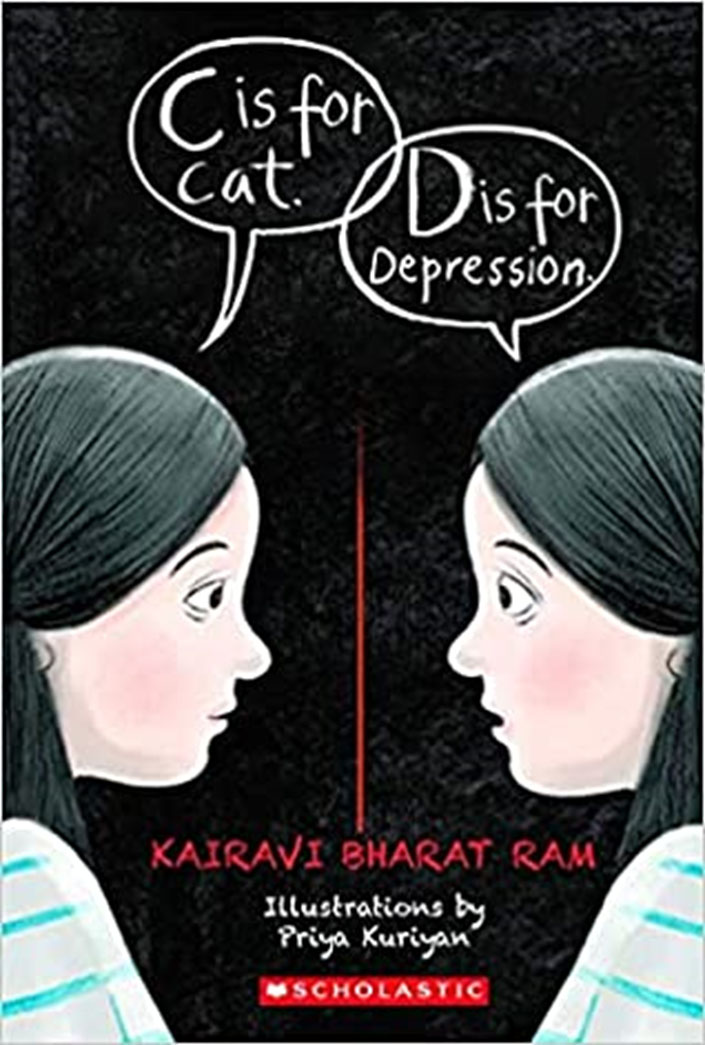
Kairavi Bharat Ram. Illustrated by Priya Kuriyan
Depression, there I said it too….! Was that such a big deal…? Wasn’t that difficult, was it? No! It’s just a word but when you say it out loud, it seems like half the battle is won; when you acknowledge it, its existence, you know, it’s no longer an unbeatable monster that you thought it was. It’s only a monster if it is hidden, if it is out of sight. And perhaps if you push further and make an honest attempt to understand it, preferably without mocking it, then you realize that this so called ‘monster’ is just a burden many of the unfortunates carry, a monster that can be destroyed.
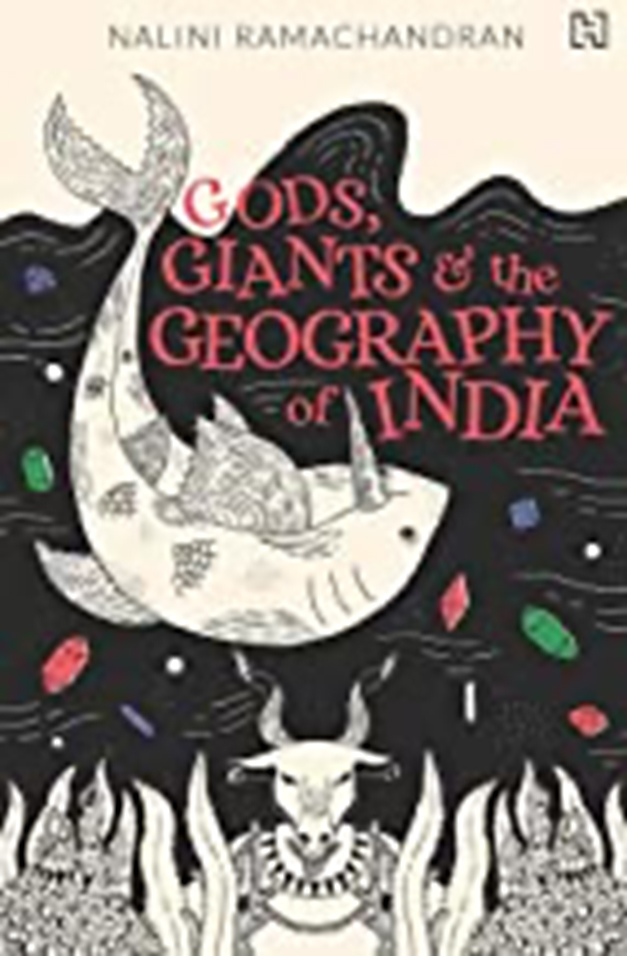
Nalini Ramachandran. Illustrated by Sharanya Kunnath
How do you describe the importance of fishing so as to not overfishing the rivers and seas? In communities living in wary coexistence with dangerous and deadly animals, whose livelihoods depend on harvesting forest produce, how do you convey the importance of ecological preservation? How do you impress upon the need for sustainable logging practices and forest management, to prevent the denudation of forests on the mountains from where rivers flow? In short, how do you convey the actionable ideas of science such that they dictate the behaviours of the community and the individual?…
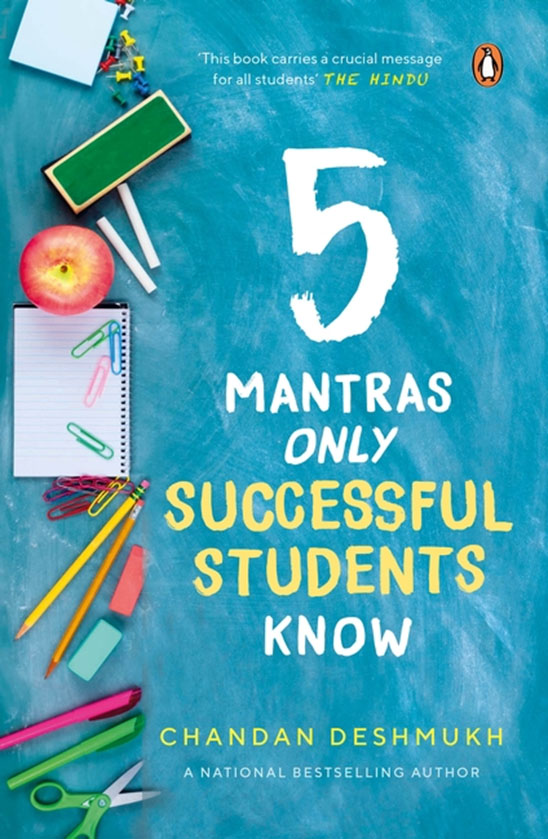
Chandan Deshmukh
Generation Y, commonly referred to as millennials, are those who were born between the early 80s and the early 2000s. This generation is typically highly aspirational, and tends to be self-absorbed. Often when the realization dawns, early in life, that reality is nowhere near their expectation, it leaves them disillusioned. Partly the fault lies, according to the author, with the parents of this generation, as they tend to raise their kids making them believe that they are special, by constantly reiterating that the world has unlimited opportunities for them…
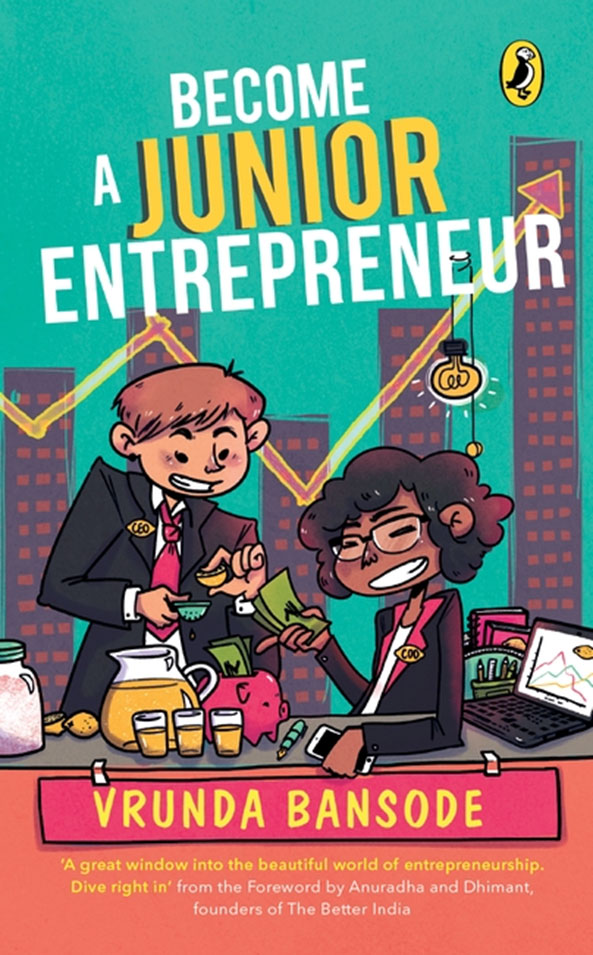
Vrunda Bansode
Simple and neat. The book is more like a guided journal with questionnaires, templates and exercises to think through interwoven with the theory. The entire content is spread across five sections. Each section covers basic concepts of business and economics in a succinct manner that can be grasped by not only pre-university students but also high school students having no orientation to the subject.The first four sections are all about setting up a business—idea to execution. These sections include a good mix of brief real-life startup stories like Wildcraft, BookMyShow, etc., though juicy details are missed here. Running over a little on what goes wrong for start-ups and why without affecting the experience of positivity of the book could have been beneficial…
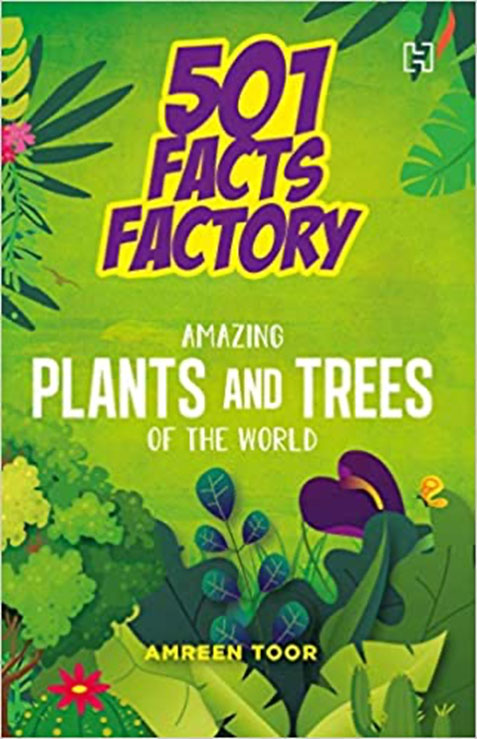
Amreen Toor. Illustrated by Mistunee Chowdhury
An orchid that grows underground, wasps that come to attack pests on a plant in response to a chemical signal sent by the plant, glue from the juice of flowers, a poisonous seed used to weigh precious metals…there’s plenty of fascinating stuff happening in the plant world. Amreen Toor has a captivating lineup of facts in 501 Facts Factory. The book, all 170 pages of it, is packed with interesting information…
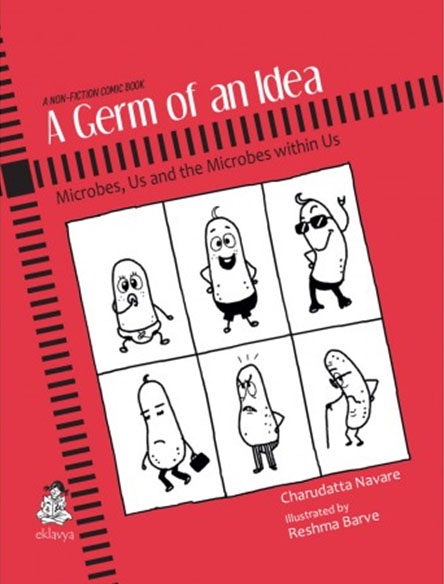
Charudatta Navare. Illustrated by Reshma Barve
They say never judge a book by its cover. Wise words but the title on the cover of a book definitely gives the reader a good reason to give it a second look…or not! And this title grabs attention immediately! The strength of this book is the choice of the topic. It is extremely relevant for people spanning a wide age group. It speaks of microbes coexisting with us, a fact that is certainly not new but it describes the width and depth of our interaction with microbes which is not so well known to most people, barring the experts…
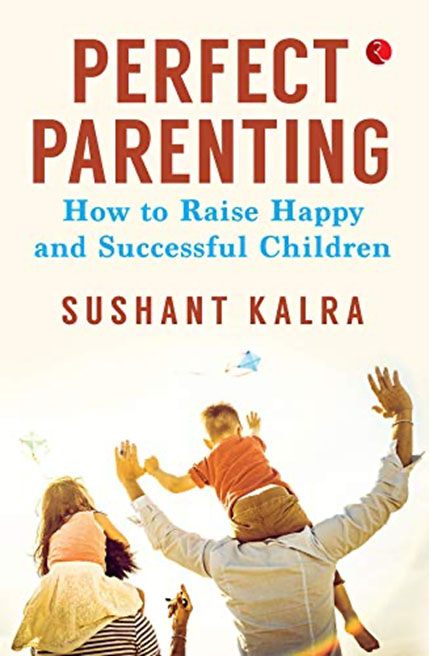
Sushant Kalra
The ‘present’ generation and its values have oft taken the blame for much that is wrong in the world. The generation keeps changing just as the wrongs keep changing. As people age, the side of this blame game that they represent also changes. Yet, seldom do people sit and think who is responsible for the changing values of the ‘present generation’ that has led to so much ‘wrong’ in the world. Parenting for most people is not a conscious choice. We grow up, build careers, and start a family, because that is what society teaches us. This is taken as a given without any conscious thought about who can be a good parent.
Recently, my school has started a quarter-long course called Eagles Enhancing Lives (EEL). In this course, we learn about social justice and issues that have happened and are currently happening in the world. There are four mini units we go through, and we explore the concepts of Justice, Equality, Diversity, and Identity. In each unit we explore different social justice issues and learn about how each concept links to the issue. For example, in our Identity unit we learned about intersectionality, and how we’re more than ‘one story’, or one perspective and trait…

The first quarter of 2020 was marked by a fear of COVID-19 in India. A sudden lockdown was declared and although it seemed to be initially for a finite period, it soon became clear that the period of uncertainty would continue for a while. While adults grappled with illness, loss of job, relocation, and a changed lifestyle, children were themselves faced with a completely alien set of circumstances. The experiences of children have been heterogeneous, essentially marked by their socio-economic contexts and family circumstances.

Childhood has long been an area of interest to psychologists, sociologists, educators and parents. It is important to understand childhood through the lived experiences of children as they give us unique insights into their life worlds. They also provide insights into the ways in which children need to be raised, socialized and enculturated and the different roles and styles of parenting that exist in different families. Reflections on children’s lives and experiences also enable decisions on visualizing effective pedagogic processes, curricular structures and school policies and practices that would support children’s learning and development in schools…
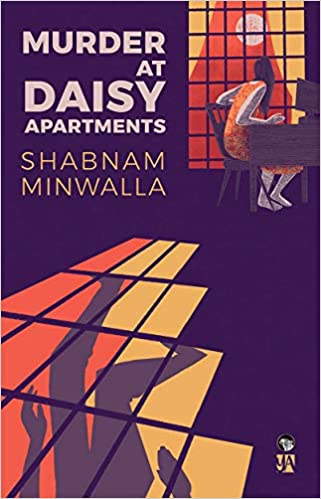
Shabnam Minwalla
Ten minutes later, the Marker apartment was teeming with masked men and women, all reeking of hand sanitizer and nervous energy.Any time else, a murder scene crowded with masked people, air tinted with sanitizer smell and nervous energy, and a cordoned off building in the middle of a lockdown…
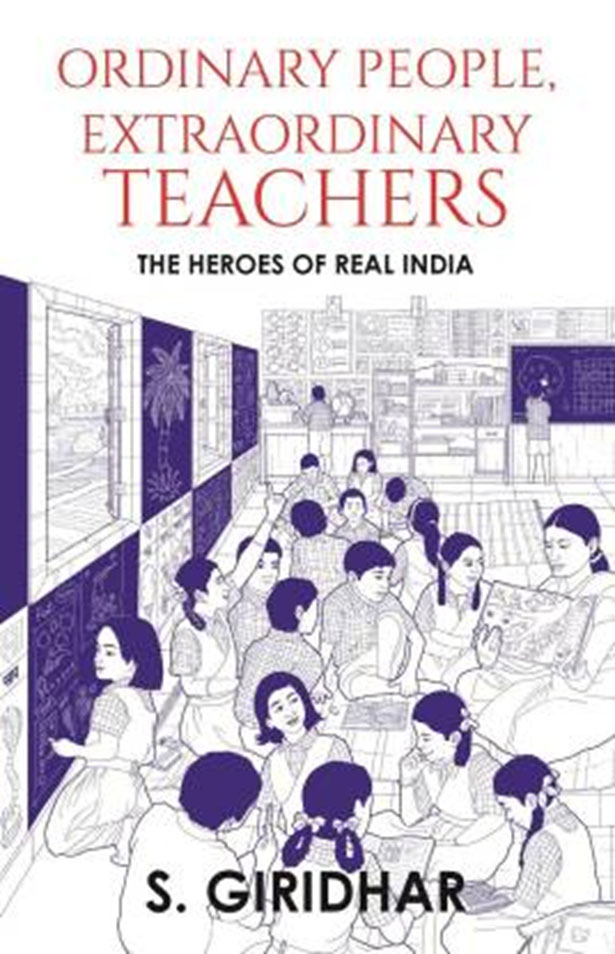
S. Giridhar
Academic writing in the field of education often presents a theoretical understanding that is disconnected from field realities. As a teacher educator, I have often found pre-service teachers struggling with theories, models and perspectives that are built on the basis of research…

Neeladri Bhattacharya, Kunal Chakrabarti, S. Gunasekaran, Janaki Nair & Joy L. K. Pachuau
JNU Stories: The First 50 years is an anthology of anecdotal essays and a few poetical pieces. These essays, suffused and soaked with nostalgia, map the institutional and intellectual journey and are haunted by an ‘anxiety about preserving an institutional memory’ (p. 44). This passionate…
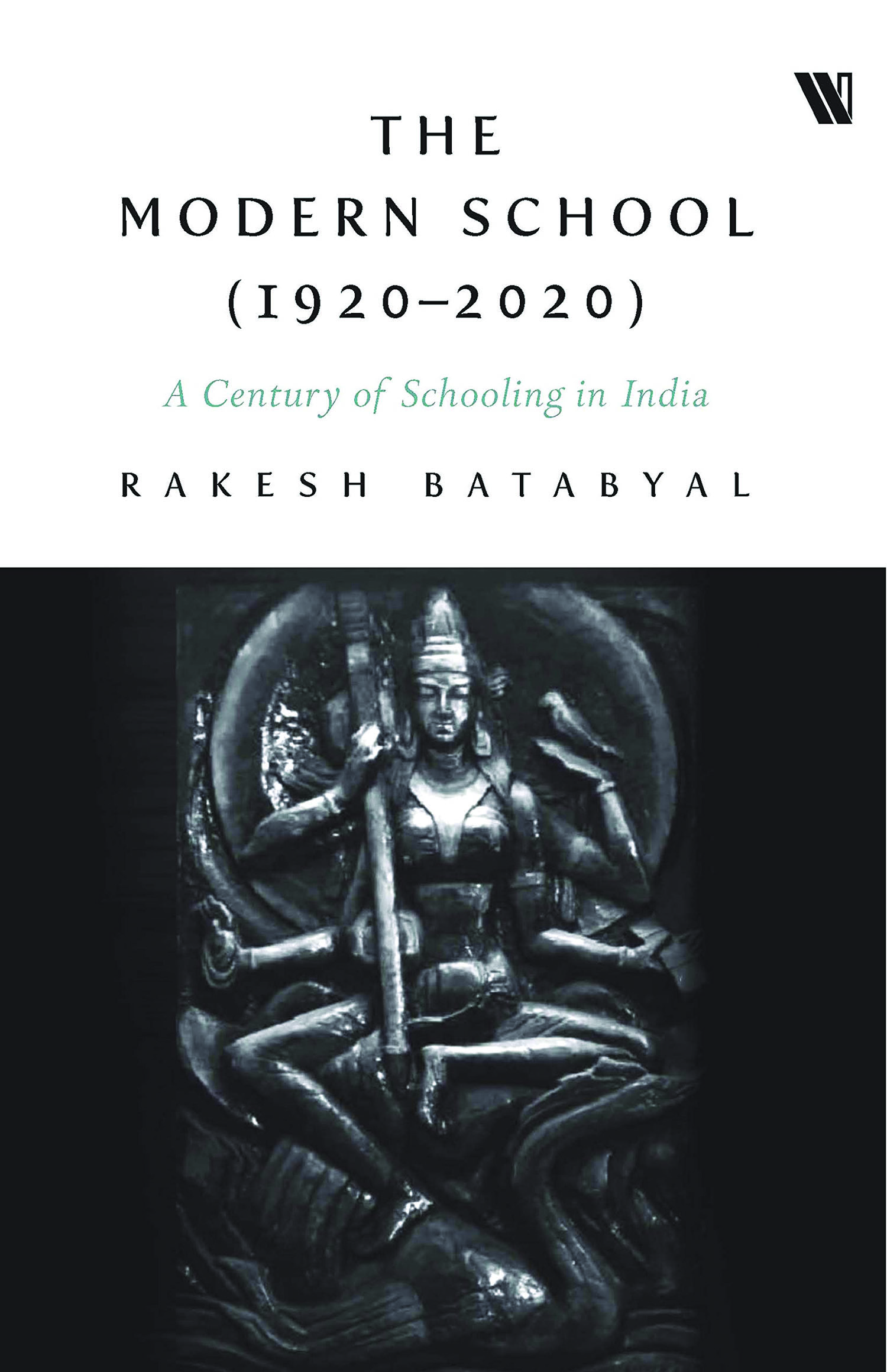
Rakesh Batabyal
Reading the history of one’s old school is always interesting, sometimes even challenging. Rakesh Batabyal’s book on Modern School is certainly both. Situating the founding of the school in the context of the Indian Independence movement’s initiatives to build free…