
‘We look at the world once, in childhood. The rest is memory.’
―Louise Glück
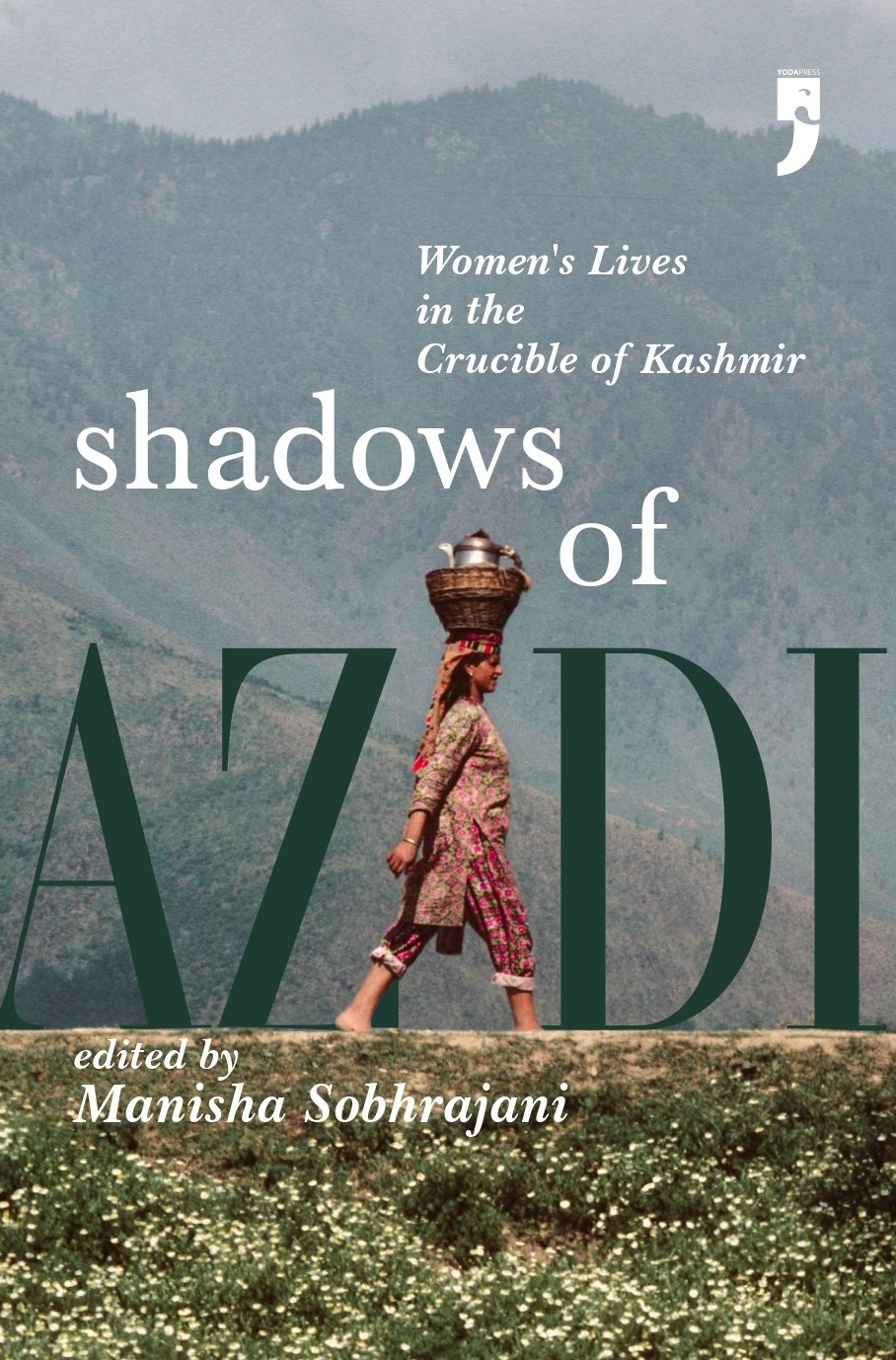
A single word has the power to open up a floodgate of emotions, memories and the weight of unfulfilled aspirations. For people in the Valley of Kashmir, Azadi is one such word. And yet, everyone in the Valley did not get an equal opportunity to shape the contours of the public discourse around it. My memory of the word goes back to the year 2008, when I was seven years old. The Valley erupted in a major agitation against the land transfer of 40 hectares of forest land to Shri Amarnathji Shrine Board (SASB). The Valley reverberated with loud chants of the word. The lyrical, catchy slogans were registered in my young and impressionable mind. Back then mostly for the rhythm. But also, for the wave of emotion that would engulf everyone in the room. The videos that carried these chants to our living rooms were circulated throughout the Valley despite the State crackdown on news and information. I had no name for the emotion then and, in fact, still don’t. The word and the world I saw then shapes how I see the word and the world now. Joining me in this sentiment are the women who have contributed to this anthology. It is a collection of eighteen essays written by women from the region. This book is a reclamation by women of the right to contribute to what this word means for the region.
The book brims with nostalgic meanderings periodically interrupted with rage and resentment. The women in the Valley have borne the dual brunt of a protracted conflict and a social structure laid out according to patriarchal values. They have endured cycles of violence and surveillance alongside patriarchal constraints. Despite it all, they have persisted. Some women in this anthology have crossed oceans to fulfil their dreams, literal and metaphorical. Some work in the Valley, most for its people, especially women. They are educators, researchers, lawyers, activists and therapists. Some write poetry, books and make films. Regardless of the extent of the physical proximity to the Valley, an aching sense of longing for the homeland runs through the essays. Some long for a past, soft and untainted by the violence of the later years. Some long from exile. Some long for a future when both the land and the women have healed.
The collection has contributions from women from Jammu, Kashmir and Ladakh, both Muslims and Hindus including Kashmiri Pandits. A few have liminal identities that don’t fit into these categories. What came as a surprise was one from the other side of the border. It fits in so seamlessly with the others that one can’t help but mock the simultaneous success and failure of man-made borders. The people physically separated by concertina remain united in spirit and unfortunately, suffering. The fact that the contributors come from different generations has further enriched the book. The essays read together feel like an inter-generational, inter-regional and inter-community dialogue. Since the sequence of the essays is not decided by region, age or religion, the book pushes the reader to hold space for everyone side by side. The story of the Valley has many narratives, but the women’s side of the story often remains untold. This book is a much-needed attempt to bring forth their voices. In Kashmir, there are layers to layers, nuances to nuances. The book gives no answers. There is no jargon; no solutions are offered. It sits with all of it in an uneasy comfort.
The essays offer a unique vignette of the place through the eyes of these women. The women share their memories of militarization running parallel with their personal stories. Along with navigating the political backdrop, each woman has a monster they have slayed. It can be navigating a divorce in a society where it is still a stigma or dodging community pressure to get married. These big and small victories carry hope for women facing similar predicaments. One of my favourite but bitter-sweet moments from the book comes from Niyati Bhat’s essay. She mentions how her exiled grandmother, Benji, would call every working professional an Afsar (Officer). This reminds me of my own grandmother, Amma, for she too uses Afsar like a blanket term for everyone with a job or a career. The sweetness of familiarity in this moment was dampened by the memory of another such quaint habit of my grandmother. She can’t pronounce curfew, so I have a distinct memory of her calling it Karfee. A seven-year-old me is guilty of finding it funny. Today, I wish she did not know the word at all. And somewhere between Afsar and Karfee, life in the region goes on.
Shimaila Mushtaq is Digital Consultant with The Book Review.