
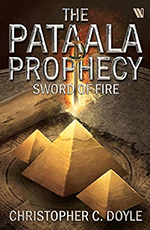
An easy-to-read work of fiction, this elaborate adventure plot is woven onto an Indian landscape over 103 short chapters drawing heavily from ancient pre-historic tales. It is about quests, combats and conquests where malefic forces from Indian epics return to modern times and the human protagonists fight them using machinery of ciphers and chants, mantras and shlokas, astras and shastras.
As the third book in a series, though it assumes knowledge of its predecessors for continuity, it is quite an engaging read on its own. The story revolves around a secret community protecting their world from the evil forces of another.
Overall, it is a fantasy plot with no drab moments. The pace of the story is maintained to keep one interested. Most chapters are very short; they start on a fresh note and come to a restful stop, allowing the reader to pick up from where they left off with ease. Further, the title of each chapter is accompanied by a location stamp which indicates where the scene is unfolding.
There are some clever surprises here and there. Amidst all the combats, murder investigations, detecting infiltrations, destroying imposters and unearthly creatures, there is a positive vibe running in the background throughout the story. The characters display all emotions including fear, guilt, anger, frustration, treachery, bereavement, etc. The narrative is around secrecy, strife and victory concluding with unanswered questions which leave the readers in anticipation of upcoming action in the series. There are ample instances of the leading characters setting good examples and the theme of ‘good triumphing over evil’ brings cheer to the storyline.
The fiction borrows facts from its legendary sources in a responsible way and explains the connections in an author’s note at the end. All in all, it doesn’t slacken anywhere except at times when elements like smartphones and the internet feel out of place in a world of superpowers and underground archives; or a sudden detour into the pyramids of Egypt throws one off the scent of the mystery.
A fast and easy read introducing readers to many enchanting characters, personalities and elements well-known to the public. Readers who prefer finely textured or poetic storytelling might find the style too plain. The language is descriptive, but the imagery comes across as heavy-handed. Hence, some readers might feel the lack of subtlety in delivery. Those not familiar with the legends of the Indic subcontinent might take time to orient to the regional vocabulary and characterization.