
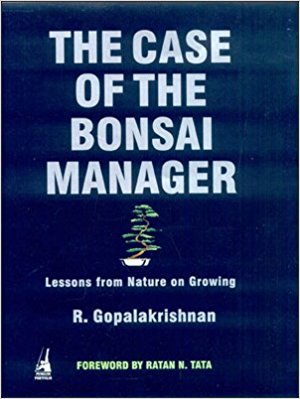
R. Gopalakrishnan
Good managers are those who acquire skills on their own initiative. They don’t wait for someone at the workplace to teach them. And if they have this propensity to learn on their own, they can survive in any situation they find themselves in without losing time or skill.
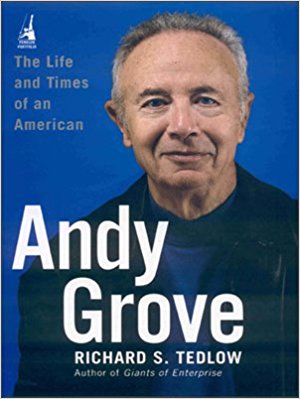
Richard S. Tedlow
The catchy ad ‘Intel Inside’ on computers used to evoke curiosity in users about the meaning it sought to convey. The man behind making Intel is captured ‘inside’ this book written by Richard S. Tedlow.
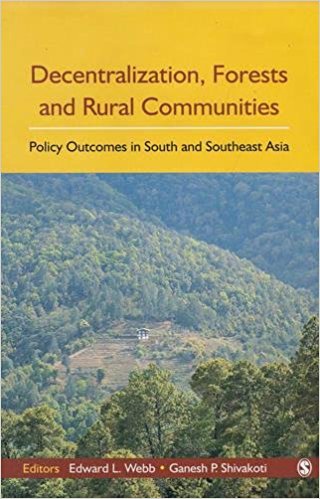
Edward L. Webb and Ganesh P. Shivakoti
In the recent years forests are being increasingly seen closely linked to the livelihood of the rural people. Giving rights to poor villagers in forests is seen as essential to remove their poverty.
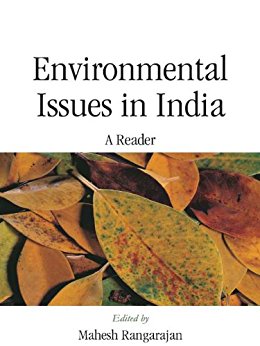
Mahesh Rangarajan
Over the past thirty years, in the various university departments teaching environmental sciences or related issues in India, somehow, there has been a steady loss of value. The best, most forward looking and most famous environmental scientists of the country have not arisen from backgrounds in environmental sciences, but from basic studies in the pure sciences.

Binay Bhusan Chaudhuri
The period between 1750 and 1950 witnessed an unparalleled development in human history. A small horde of invaders from a promontory of the Eurasian continent subjugated and systematically de-humanized the vast majority of mankind.
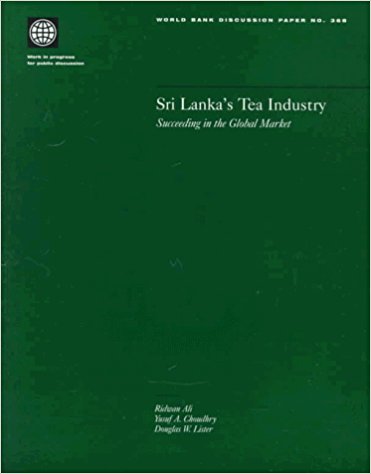
Ranjit Fernando
This publication was brought out to mark the 50th Anniversary of the Development Finance Corporation of Ceylon (DFCC) and is published by the World Bank. Naoko Ishii, the current World Bank Country Director in Sri Lanka, in her Foreword to the publication states: ‘In much of the world,

Sten Widmalm
One of the challenges that seemed to have prompted Widmalm—a university teacher, to engage in this study was that the ‘intellectual climate in the field of development studies is in a rather poor condition in many Universities’. He also explains how he came upon the seemingly intriguing subject of his study:
Amiya Kumar Bagchi and Gary A. Dymski
This is a breathtaking, densely packed collection of essays on global finance that has as its core the themes of exclusion and fragility.
Mushirul Hasan
As India made its transition from colony to an independent nation, Nehru made the transition too from being a ‘rebel’ to a ‘statesman’. The two transitions were indeed connected.

Kunal Basu
Aparna Sen, who is making a film based on the title story of Kunal Basu’s The Japanese Wife and Other Stories is lyrical about the story in her blurb on the cover. ‘It’s an improbable and hauntingly beautiful love story, almost surreal in its innocence. And I immediately knew that this was the film I had to make.’
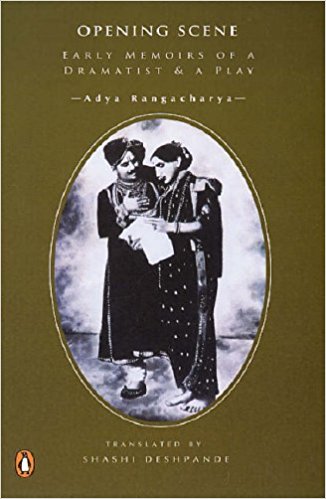
Adya Rangacharya
Writers and literary works have never been in isolation to the dominant forces of their times. One of Kannada’s early playwrights, Adya Rangacharya (1904-84, popularly known as Sri Ranga) was no exception to this.
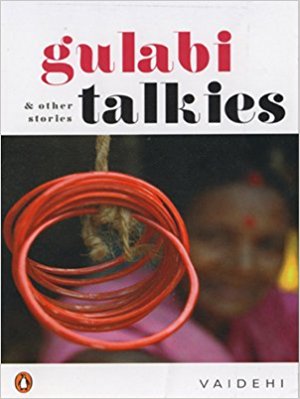
Vaidehi. Translated from the Kannada by Tejaswini Niranjana, Mrinalini Sebastian, Bageshree and Nayana Kashyap
2008
The speaker of the above lines in the last story of this selection is someone who was forced by circumstances to murder her mother to rescue her from further indignities.
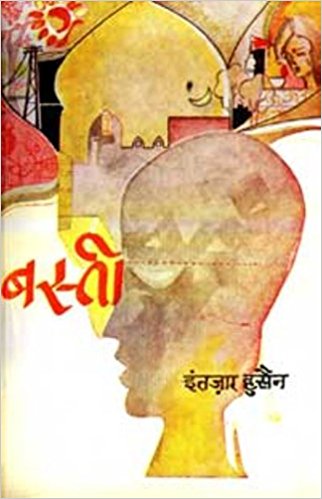
Intizar Hussain
Turning and turning in the widening gyre The falcon cannot hear the falconer; Things fall apart; the centre cannot hold; Mere anarchy is loosed upon the world, The blood-dimmed tide is loosed, and everywhere The ceremony of innocence is drowned; The best lack all conviction, while the worst Are full of passionate intensity.
Bhagwandass Morwal
A formidable presence in contemporary Hindi literature, Bhagwandass Morwal has been hailed as the chronicler of Mewat, the land of his birth and nurture. Straddling Rajasthan, UP and Haryana, the region of Mewat, despite its unique cultural compositeness, lies on the socio-economic margins of India.
Kameshwar Choudhary
The critique of globalization and the neo-liberal economy has, interestingly enough, become a major platform in an increasingly interdependent world, where writers and thinkers from different disciplines come together to discuss their commonalities and state their divergences.
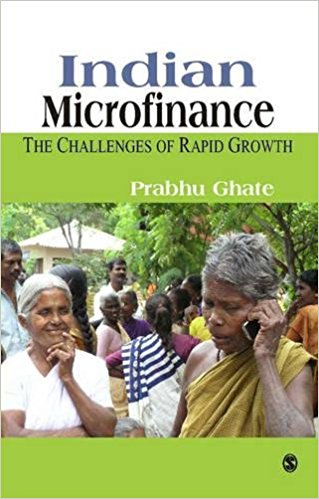
Prabhu Ghate
Prabhu Ghate provides a fascinating account of the Indian micro-finance scenario. For the non-initiated, the word micro-finance brings several very contradictory images to mind. One is that of Mohammad Yunus sharing the 2006 Noble Peace Prize with his creation, the Grameen Bank, the micro-finance organization in Bangladesh.
Sunanda Sen
Sunanda Sen, through her long career, has been writing extensively on questions related broadly to globalization, and in particular, on the intricacies of trade and financial flows and how these might impact the well-being of the working people, especially in the developing world.
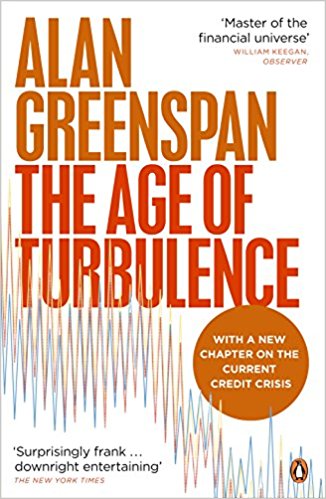
Alan Greenspan
Half of this book tells the story of the heady years between 1987 and 2006 when Alan Greenspan was the Chairman of America’s Federal Reserve Board, known to the whole world as simply the Fed. The other half consists of musings about the future and is actually quite disappointing.
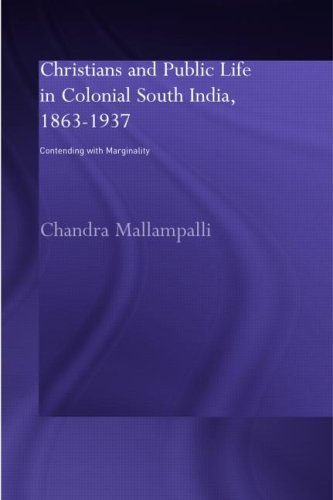
Chandra Mallampalli
The theme of the formation of Christian identities and the nature of its implications in politics during colonialism has been a much-neglected area in Indian history. Many reasons can be adduced for this neglect.
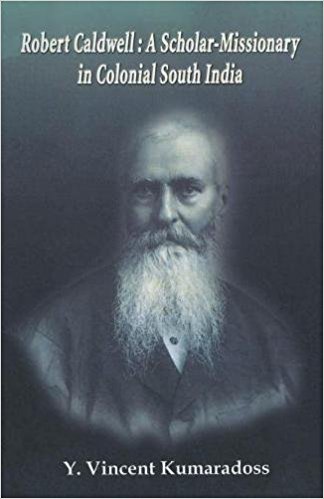
Y. Vincent Kumaradoss
I enjoyed reading this book, though as local histories go, it is extremely dense and detailed. Missionary history is a specialist domain, because it chronicles 19th century lifeworlds, very far removed from present circumstances.