
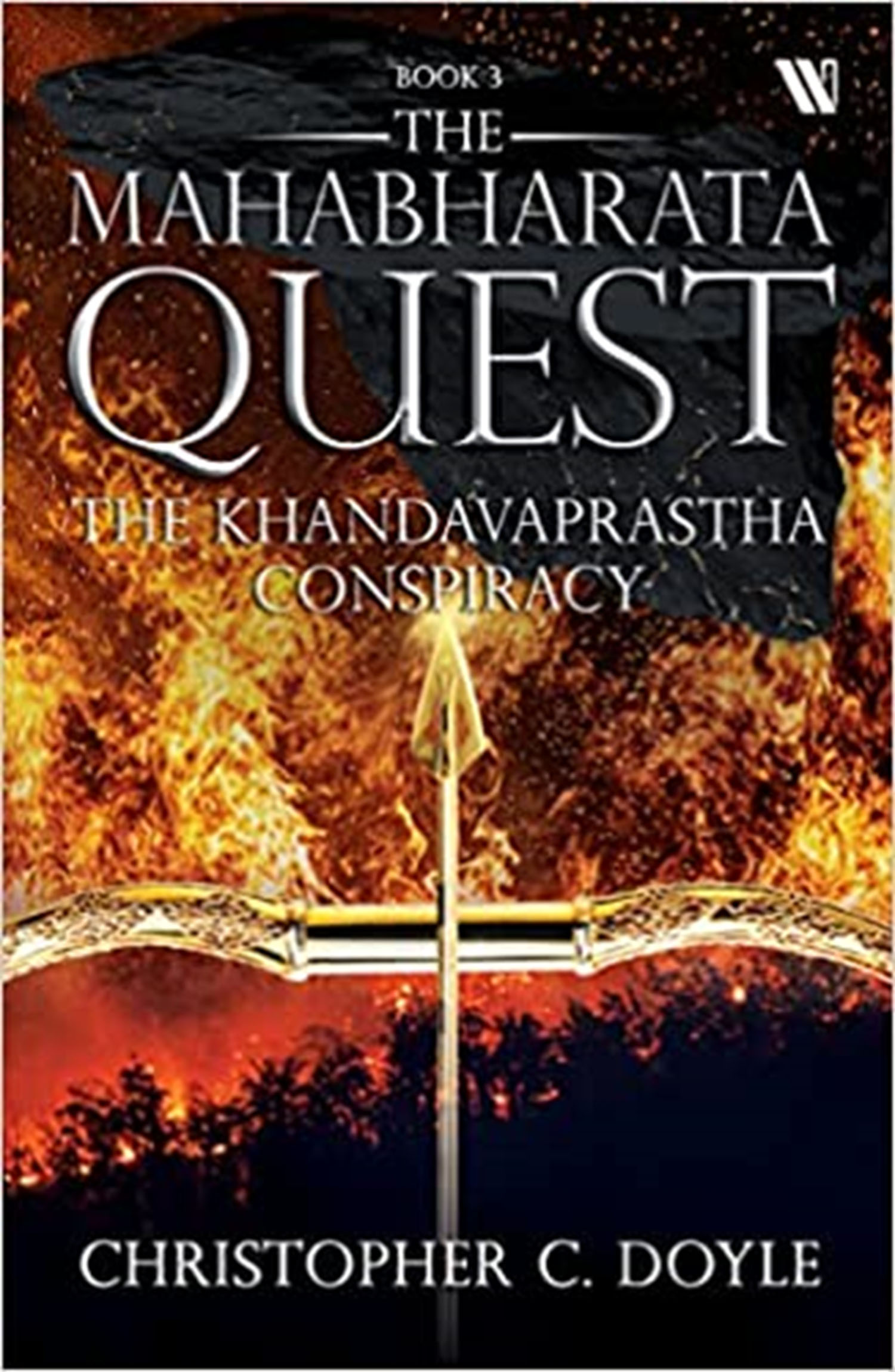
Christopher C. Doyle
Creating fiction, poetry and drama based on the Mahabharata, the Ramayana or the Puranas is a well-established tradition in Sanskrit and the Bhashas. Indian English novelists and poets have turned to reinterpretations of Hindu mythology in a big way only in the twenty-first century: the twentieth century had just a few writers, like KR Srinivasa Iyengar, Sri Aurobindo and TP Kailasam who attempted this. Christopher C Doyle has gone a step further; having studied the Mahabharata for fifteen years, he makes good use of incidents in the epic to build up his series of thrillers.
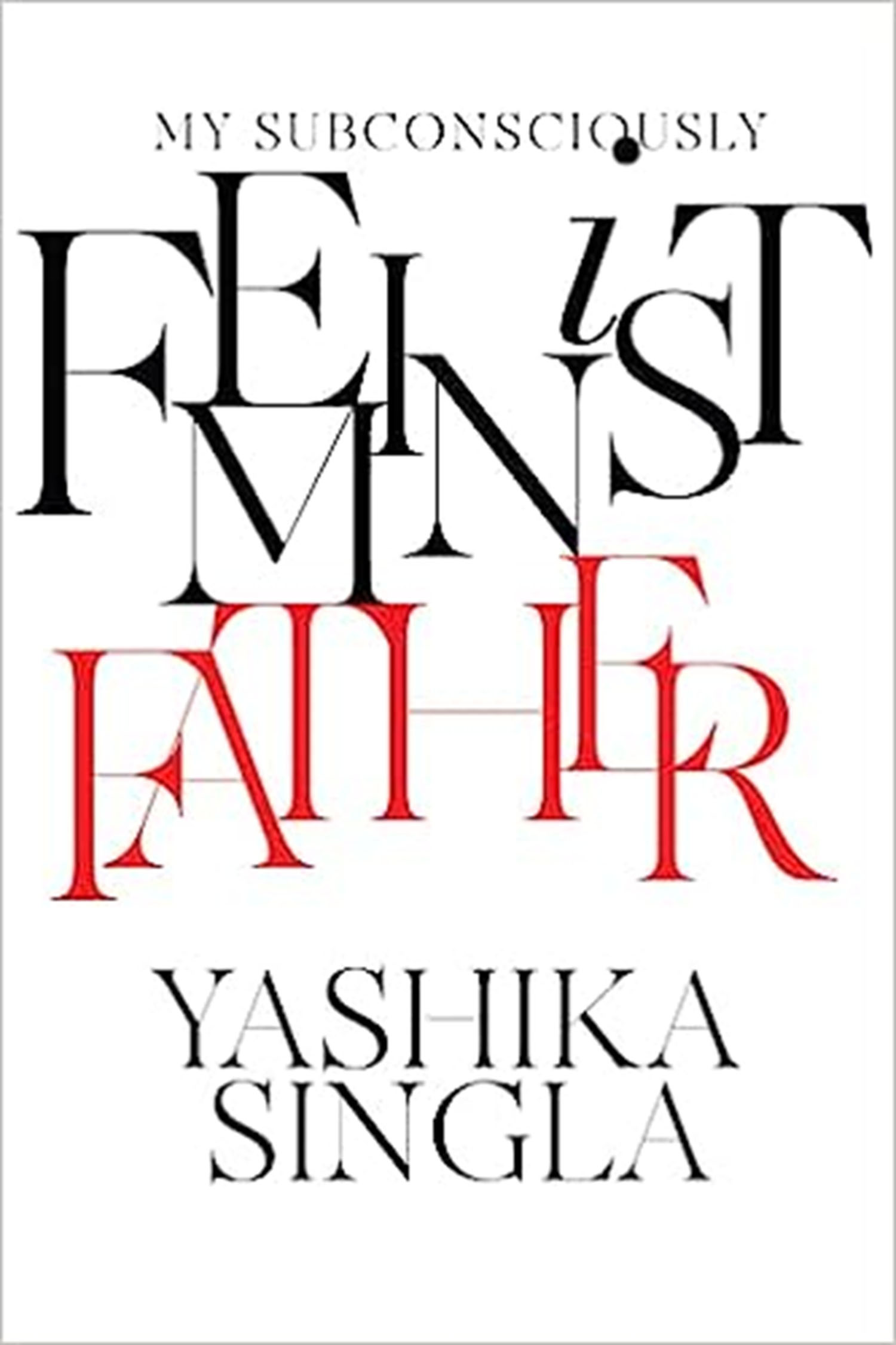
Yashika Singla
If feminism was a colour, we would all be colour blind. It is, by nature, a fiddly matter; one that people trip over, trying to understand. It is both an aesthetic and a burden for the modern world we live in; a jigsaw puzzle with a missing piece if you like. The metaphors are endless, like its many (mis)interpretations. Enter Yashika Singla. Colour corrected glasses in hand, theories tucked under her arm, ready to clear the fog around feminism—the word, its meaning, and its practice.
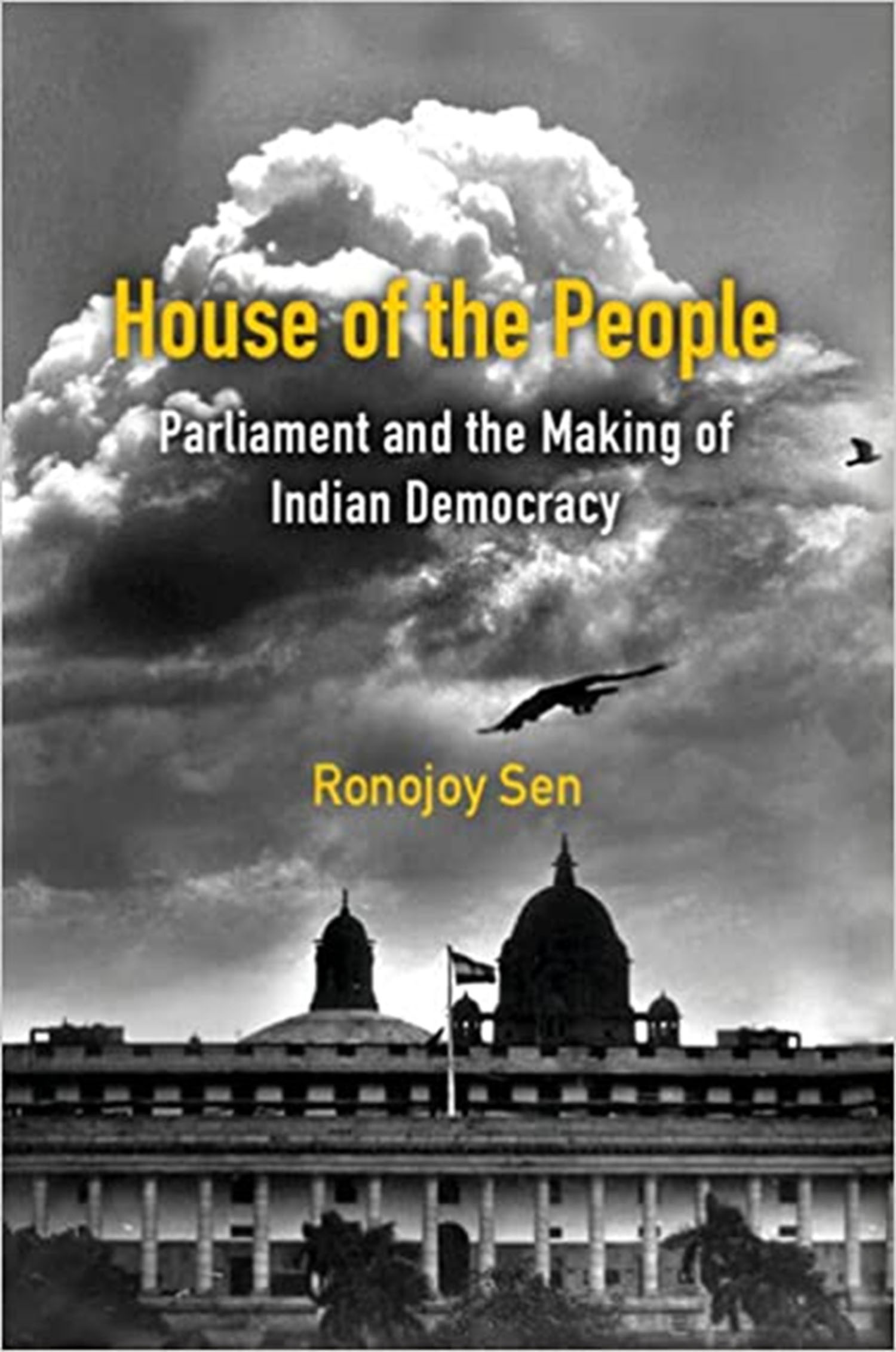
Ronojoy Sen
The Indian Parliament completed 71 years during April-May 2023. The study of the institution, which began soon after the publication of Parliament in India by WH Morris-Jones in 1957, a classic till today, is still a work in progress, as is Indian democracy. There have been authored studies and edited volumes on the Indian parliament with rich material.
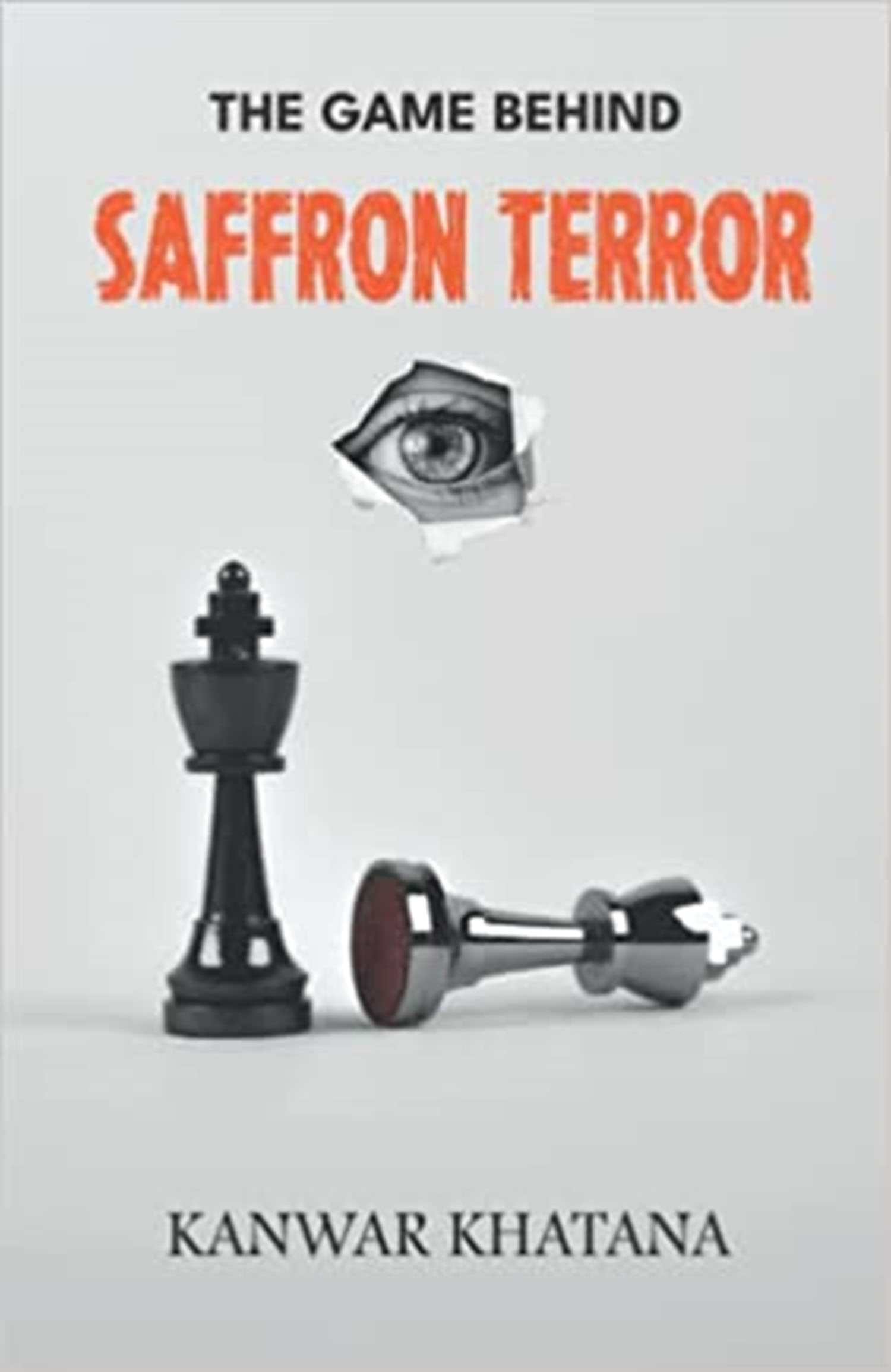
Kanwar Khatana
The term ‘Saffron Terror’ was coined almost two decades ago in 2002 and gained popularity in 2007-2008. At times, terms like Hindu terrorism or Hindutva terror are also used instead, allegedly to describe acts of violence motivated by Hindu extremist nationalism. In all probability, the term comes from the symbolic use of the saffron colour by most of the temples in India and many Hindu nationalist organizations.
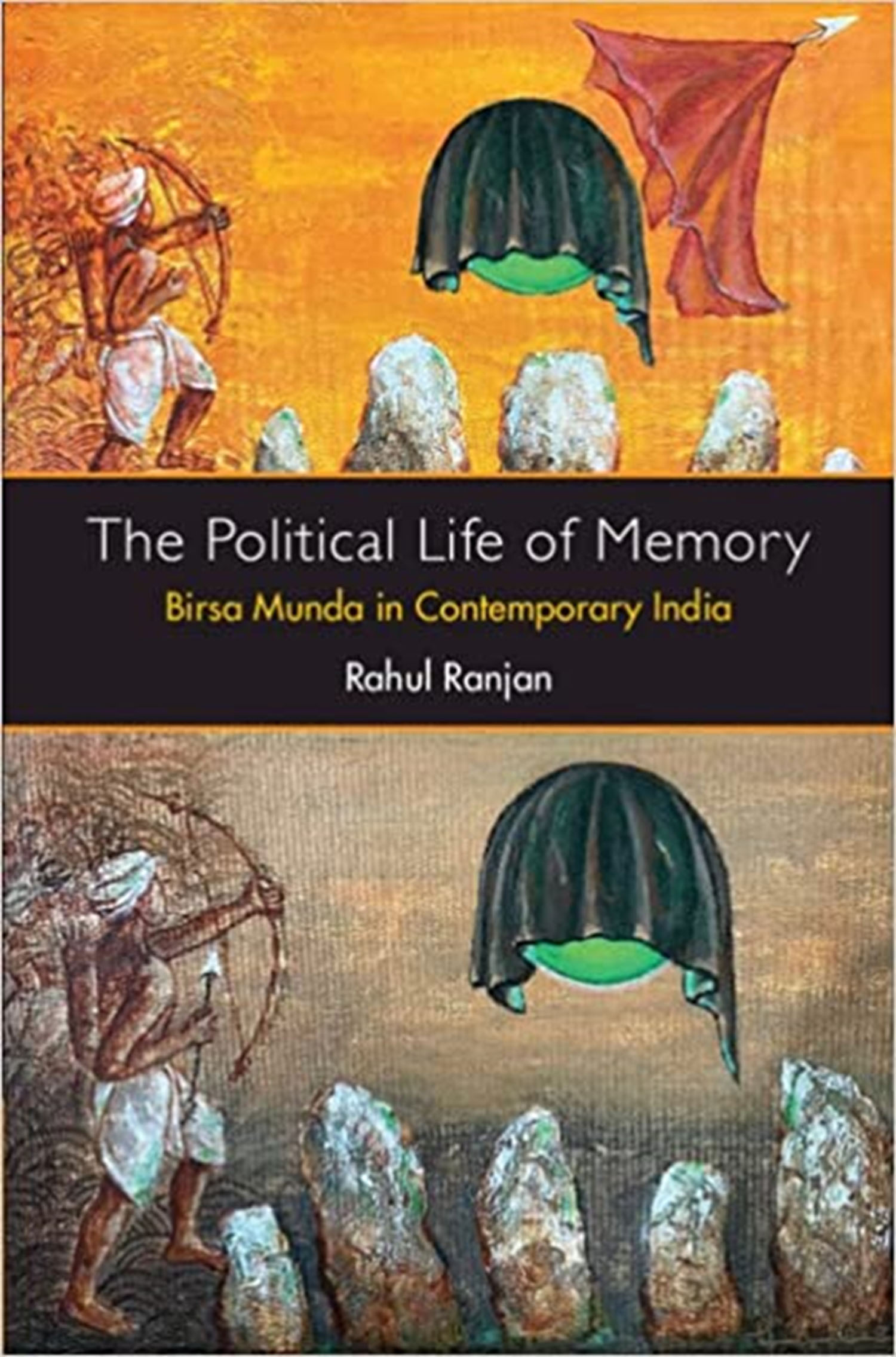
Rahul Ranjan
Birsa Munda is a revolutionary figure who has inspired many generations to fight against the injustice of both colonial rulers and the postcolonial exploitative development model. Though largely overlooked and portrayed marginally as a ‘nationalist’, who fought against British rule in present-day Jharkhand in the last decade of the nineteenth century,
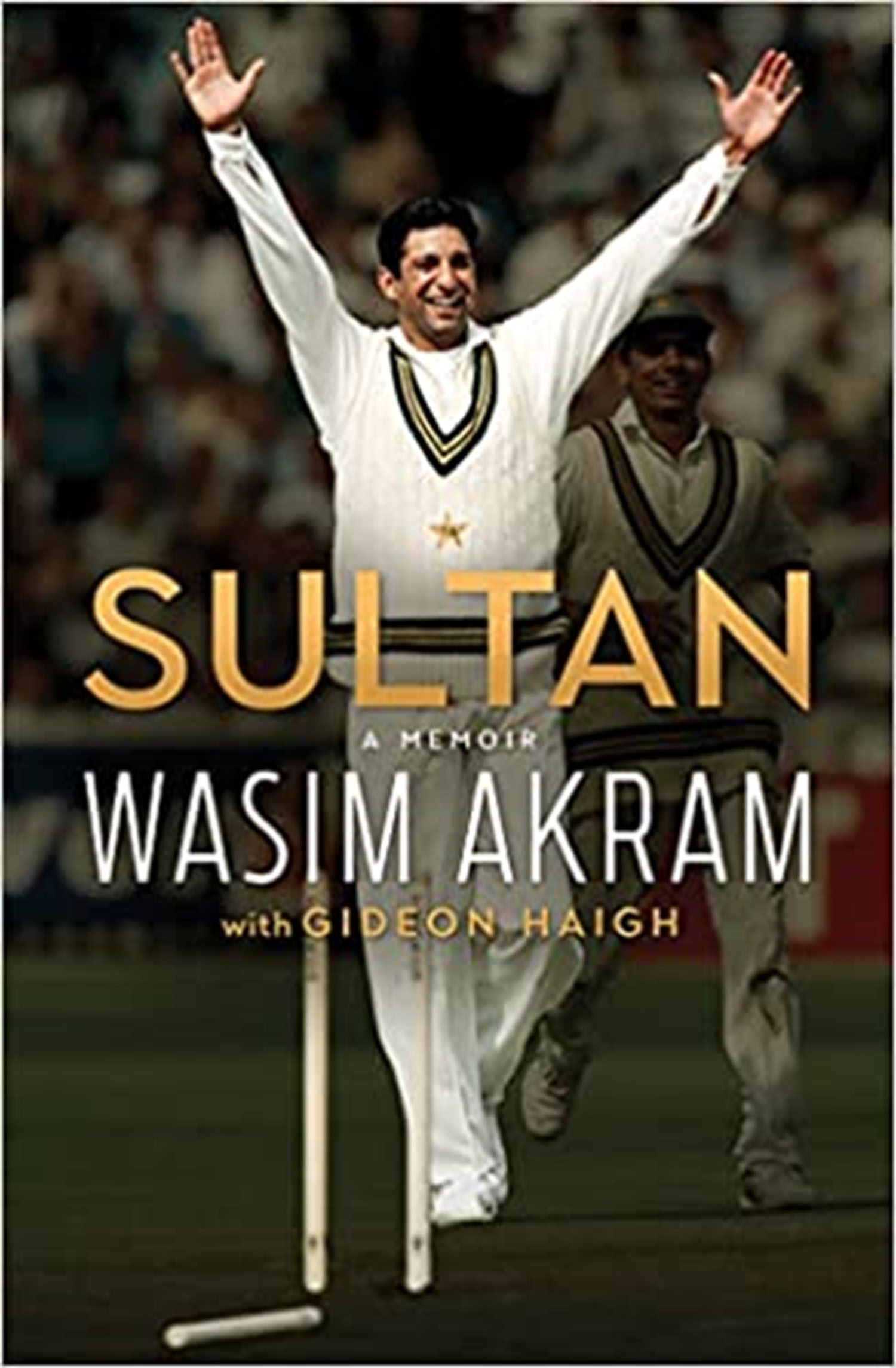
Wasim Akram with Gideon Haigh
My first memories of watching the ‘Sultan of Swing’ Wasim Akram bowl to his opponents are from back in the day: Akram with his accurate and brutal left-arm swing pairing up with the toe-crushing yorkers coming out of the fast, pacy hands of his bowling partner Waqar Younis. Whether in Test whites or in Pakistani olive greens, the two gentlemen terrorized many a batsman in their heyday of glory.
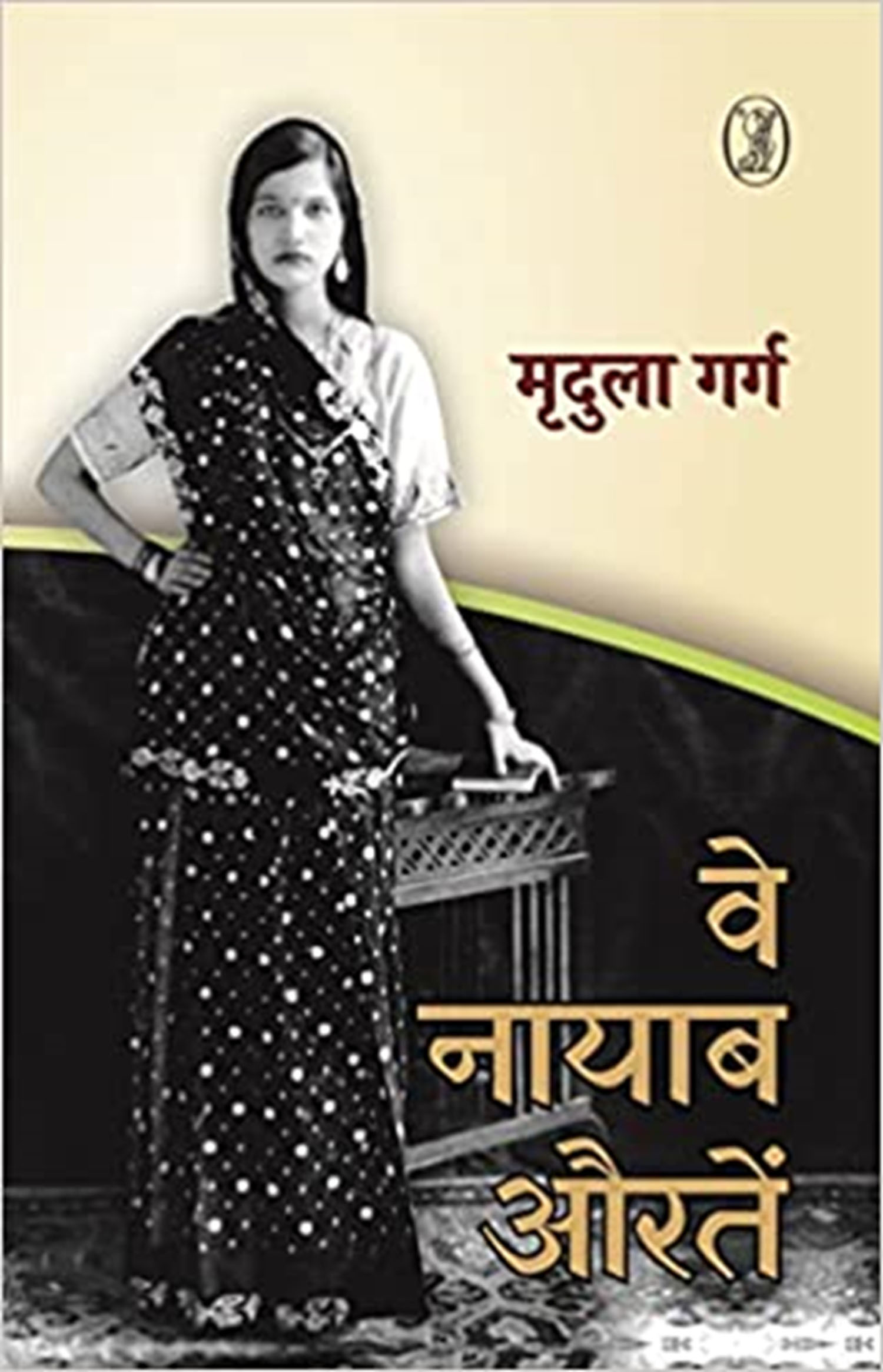
Mridula Garg
Ve Nayab Auratein is remarkable in its expansive scope and commitment. As the title suggests, this memoir is an honest, frank and committed portrayal of ‘nayab’/inimitable women and men who have enriched Garg’s life and career as a writer. She often uses the word äfsana to describe this work, highlighting how literary imagination is deeply entwined with civic imagination. ‘I am a writer after all, and thus driven to enmeshing the real and the imaginary to create new worlds’ (Preface)
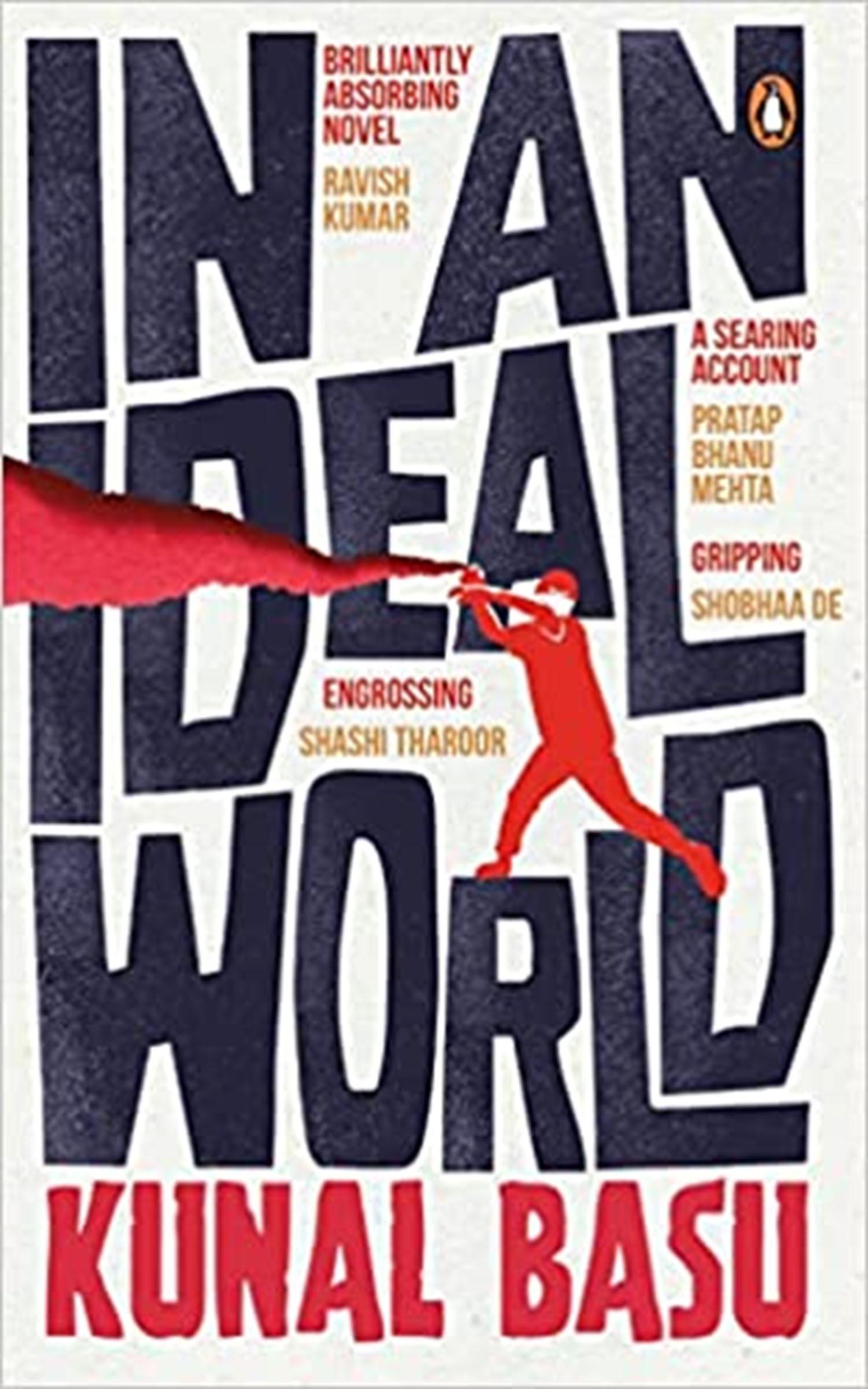
Kunal Basu
To finish reading a near 200-page novel in half a day is possible either because it’s been a gripping page-turner that the reader excitedly raced through, or else because it offered little for her to pause, think, to uncomplicate. Kunal Basu’s In an Ideal World is disappointingly the latter.
Sanskrit is an all-India language. All parts of this land have contributed to its ancient great literature, and none can claim a special place in this regard. Even so, the contribution from Kashmir over centuries is most remarkable—in quality and variety as well as value and volume. Once well known all over this country and beyond, it now deserves renewed notice, especially by Kashmiris themselves. Hence this brief note for Koshur Samachar.
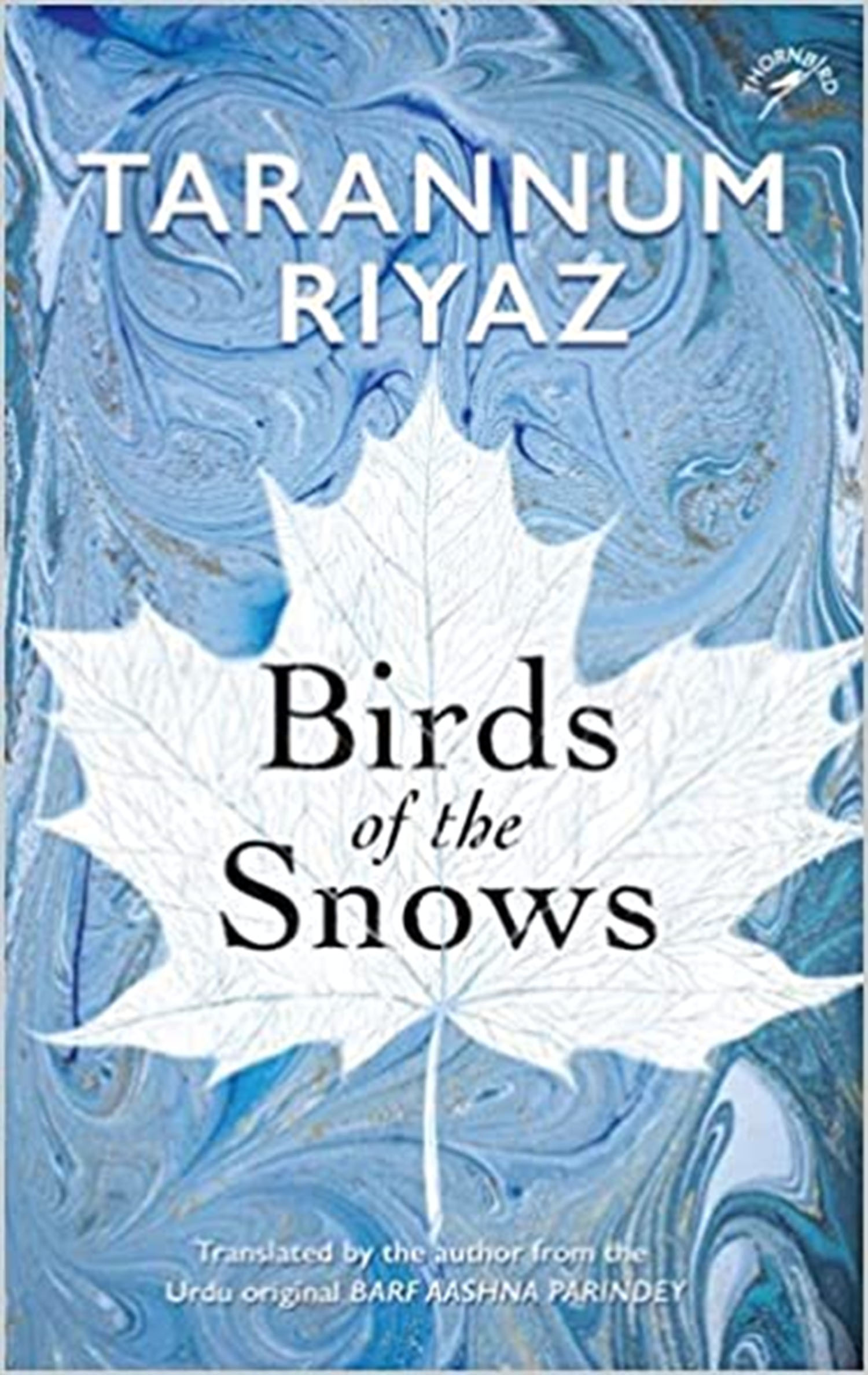
Tarannum Riyaz
He was not…smiling…But it did not…look like he wasn’t…smiling either.” Sheba considered the funny sentence, relishing it for a few moments, as she did in her childhood when she wanted to break a sentence and make it up again in reverse.’ The book is a slow unravelling of a family living in Kashmir. The unravelling…
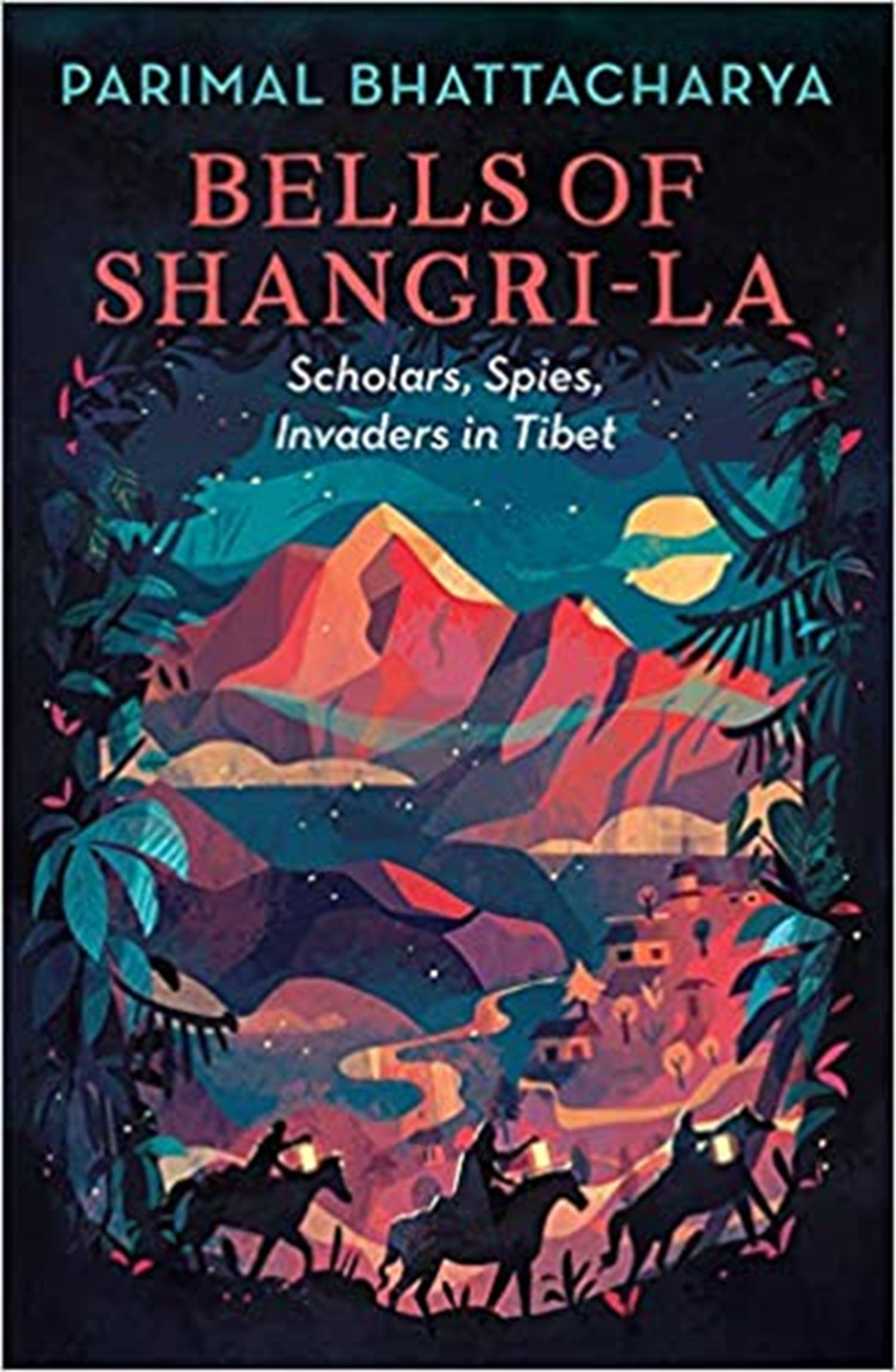
Parimal Bhattacharya
In Bells of Shangri-la: Scholars, Spies, Invaders in Tibet (originally published in 1919), the author, an academic in West Bengal Education Service who attends a course in the Institute of Advanced Studies in Simla, reminisces on a bookstore there. Books are not only a priceless resource for him, he says, but when he was a child, he imagined books creating new stories as they lay on the shelves.

Bhuchung D. Sonam
The generation of young Tibetans, born and brought up in India amidst the cultural diversity of the land is putting out a rich harvest of creative writing, which speaks to readers across the world telling them of what it means to exist in a state of perpetual exile, the rootlessness and sense of homelessness it entails along with the never-ending threat of cultural dilution and extinction which they face. Under the Blue Skies, an anthology compiled by the poet and Sahitya Akademi awardee Bhuchung D Sonam is one such book, which highlights how exilic sensibility partakes of both—freedom and despair
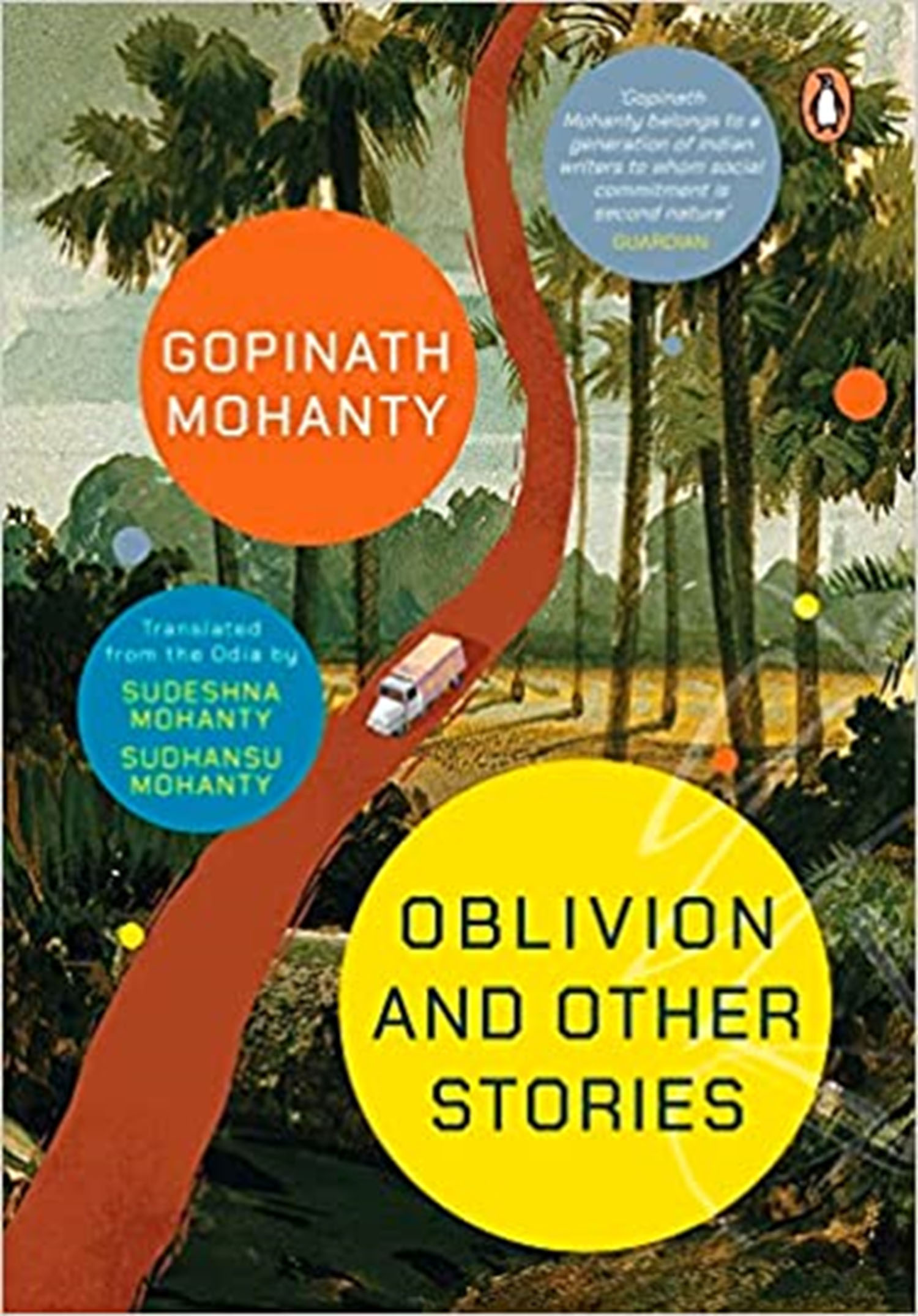
Gopinath Mohanty
Gopinath Mohanty wrote his fictional masterpieces during the years just prior to and after Indian Independence. He was the first Odia and Indian writer to receive the Sahitya Akademi award, and the first among Odia litterateurs to receive the Jnanpith award. No wonder he is the most translated among modern Odia writers. After the international publication of the English translation of his cult novel Paraja in 1987* a steady stream of translations of his other major novels has poured in.
The first book is a collection of eight prize-winning entries in the category Creative Non-Fiction for children in the 9 to 12-year bracket of the Competition for Writers of Children’s Books organized by the Children’s Book Trust (CBT). Seven of the profiles are of Indians, while one is of a Kenyan, Nobel laureate Wangari Maathai. The seven Indians are of varied backgrounds: a soldier, Param Vir Chakra winner Albert Ekka; Everester Arunima Sinha; solo-forest planter Abdul Kareem; Hockey Olympian Dilip Tirkey; visually impaired Jawahar Kaul; ‘India’s James Herriot’, Vet Dr. Naveen Kumar Pandey and sand artist Sudarsan Pattnaik.
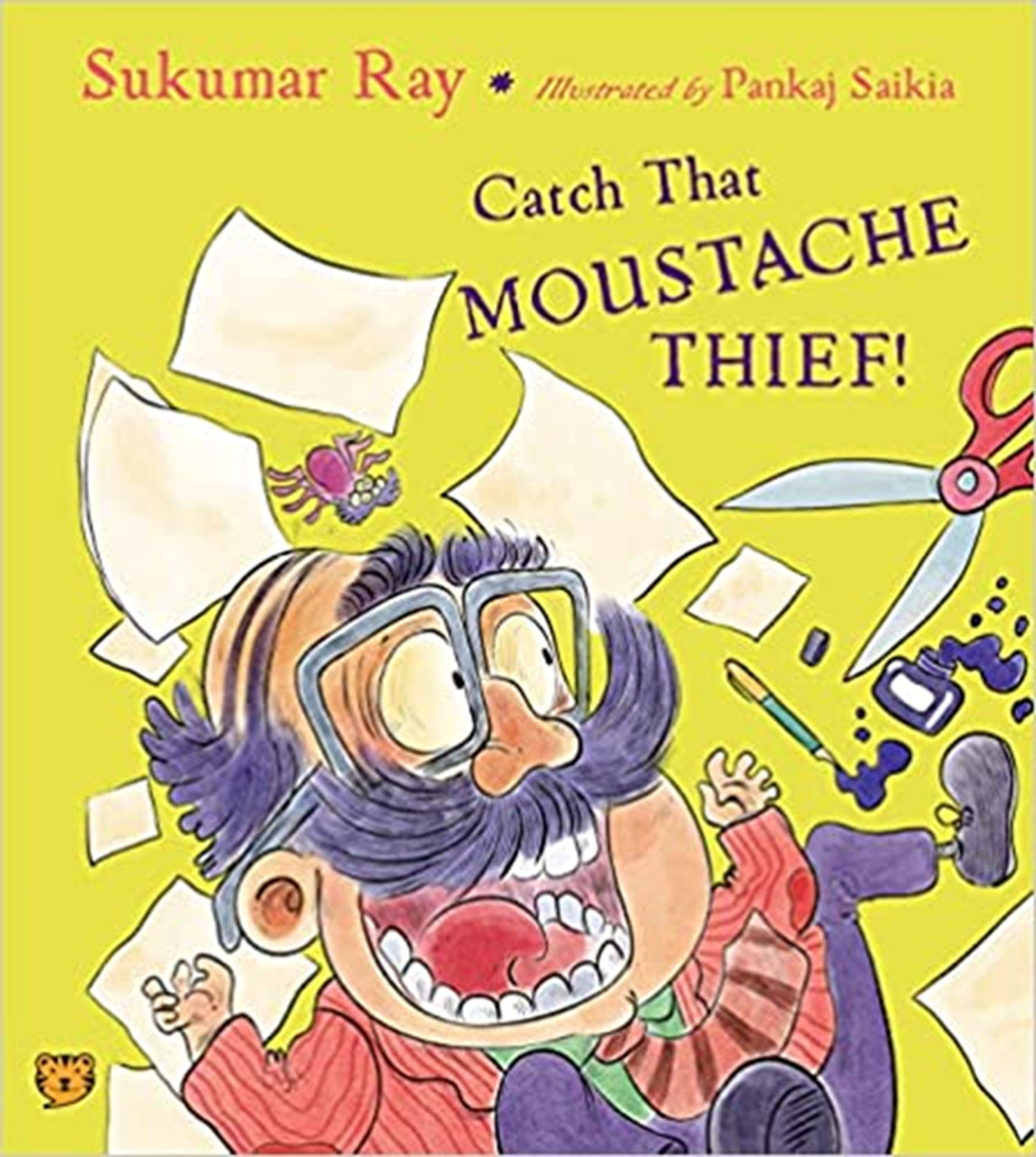
Sukumar Ray
Difficult to translate my son’s response on reading the new English translation of Sukumar Ray’s Gonph Chor (Catch that Moustache Thief!). Perhaps ‘How funny!’, but that does not entirely convey the element of surprise, affection, and familiarity that he feels. In the short poem, boro babu, the boss in an office, is frantically looking for his stolen moustache.

Krishna Mohan Shrimali
Professor Krishna Mohan Shrimali is amongst the handful of scholars who have consistently pursued an academic interest in the histories of religious traditions. What is more, his analysis is almost invariably located within the socio-economic contexts of these traditions and is informed by a careful consideration of historiographical debates.
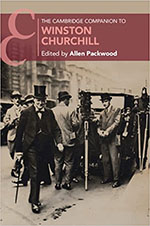
Allen Packwood
Companionship’ can be a limp word; it lacks the intimacy of friendship or the instrumentality of a working relationship. And yet, it serves the title of this volume well, claiming to be neither definitive nor comprehensive, an almost leisurely exploration of the subject, his facets and foibles, his many individualisms and his many more many inconsistencies.
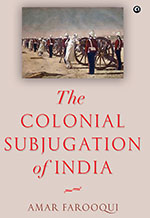
Amar Farooqui
The book authored by Amar Farooqui written at the fag end of his teaching career contains the filtered essence of earlier voluminous scholarship on various components and aspects of British consolidation in the Indian subcontinent. The filtered essence has been further fermented by recent historiographical debates on the subject, thus imparting the information and interpretation an unusual freshness.
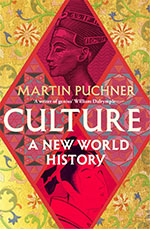
Martin Puchner
This is one of those books that breeze across centuries and continents, leaving the reader’s mind ventilated by long cultural cross currents. Puchner argues that culture cannot be considered hived off, discrete, and possessed exclusively by a set of people. This is the kind of nigglingly neat billiard ball understanding of culture that political theorists operated with as they made the case for cultural pluralism or multiculturalism.
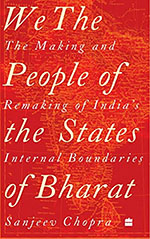
Sanjeev Chopra
In a crucial scene set in an underground temple in Bankimchandra Chatterji’s Anandamath, the protagonist Mahendra first encounters the Motherland, as he goes into a dark room, and ‘Gradually a picture revealed itself to him. It was a gigantic, imposing, resplendent, yes, almost a living map of India. This is our Mother India as she was before British conquest,’ he was told.