
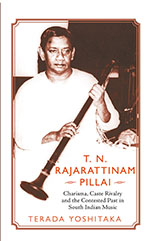
Terada Yoshitaka
We tend to disassociate musical performance from social analysis and stratification, concentrating on the excellence of performance. The story of Rajarattinam Pillai is about a musician who was one of the greatest musicians and performers of Carnatic music, and who as a player of the Nagaswaram, consciously faced and addressed the contentious issues and intersections between musical performance, hierarchy and caste.
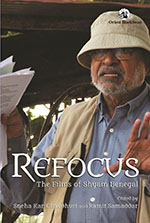
Sneha Kar Chaudhuri and Ramit Samaddar (ed.)
General appraisal of Benegal’s films is easy to find. Refocus, as appropriately named, highlights certain trends and brings to our attention some of the less-discussed aspects of his creativity. Serious students and researchers of Indian cinema will find this book of great value and relevance.
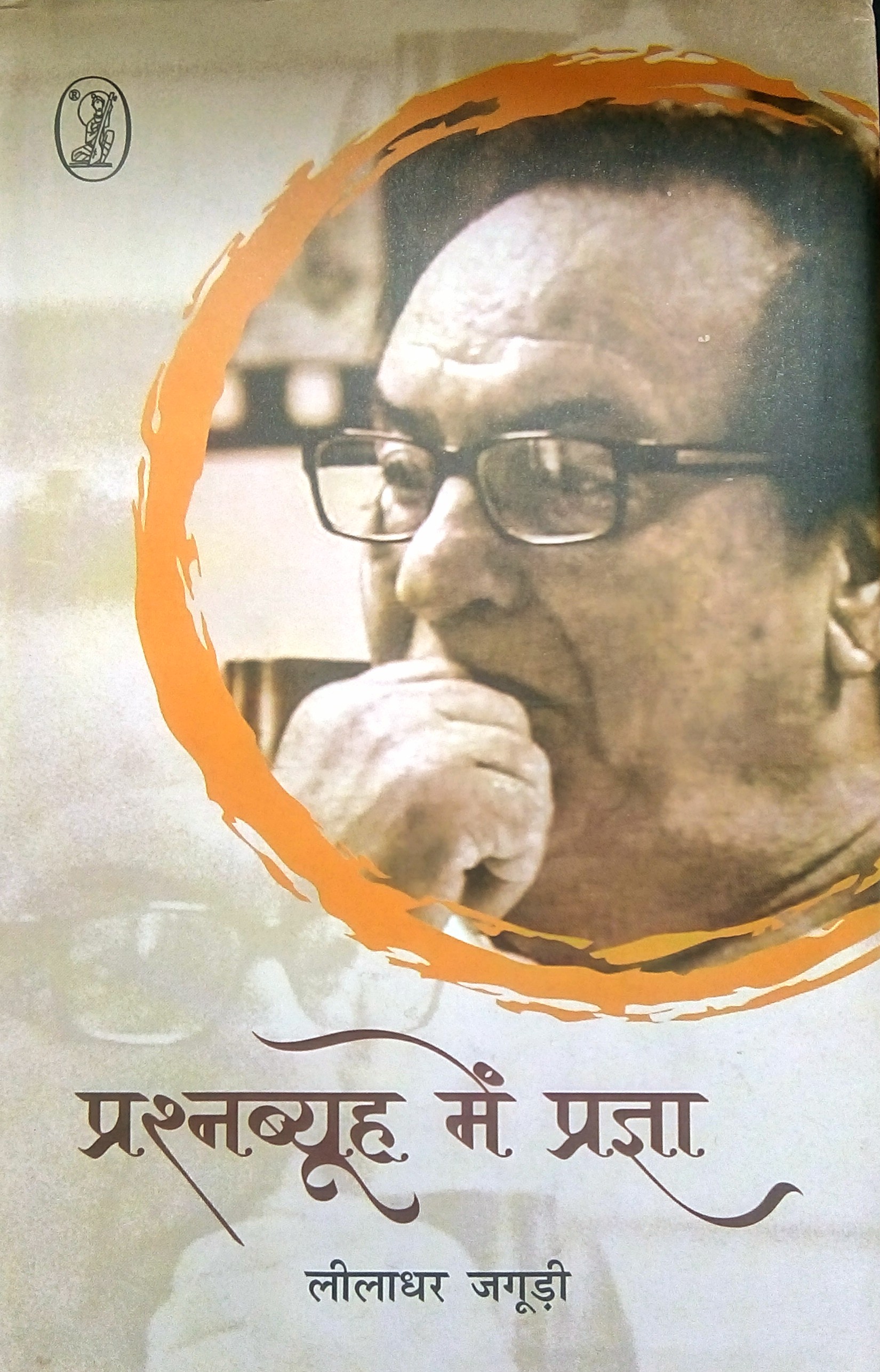
Leeladhar Jagudi
The ingredients of poetic sensibility compel a writer to see a little more than others can see and dig a little deeper than usual sense-perception may allow. Leeladhar Jagudi’s work and wisdom highlights this tender balance between living and writing. In this anthology of interviews Prashnavyuh Mein Pragnya, Jaguri talks of poems, poets and the translation of an observation into a creative composition.
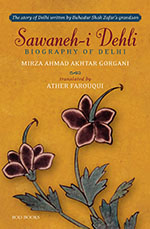
Mirza Ahmad Akhtar Gorgani. Translated from the original Urdu by Ather Farouqui
Farouqui’s translation of Sawaneh-i Dehli is a cultural, archaeological, historical treatise since it is not limited to simply translating the text from one language to another but also painstakingly locates factual errors in Gorgani’s original text and has elaborate explanatory footnotes: as Farouqui points out in his Preface, Gorgani knew very little of history.
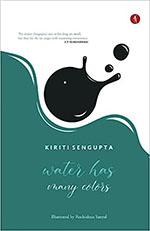
Kiriti Sengupta
As a monk, tired of seeking the divine elsewhere, looks within and finds his way back, Sengupta follows a trail of breadcrumbs strewn in his path to move back to his cloister. If we see through the black humour in these poems, we will know the poet is weary in his critical gaze and all he needs is rest. But resting is possible only in the midst of nature, or specifically, in the tenderness of Bengal’s mud and grass.
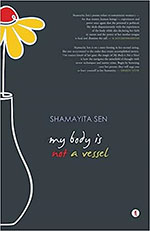
Shamayita Sen
Sen does a wonderful job at simultaneously being a feminist and a humanist. Her poems offer as much of an immersive experience into what it means to be a woman as they tap into the sorrows and longings common to all. My Body is Not a Vessel both provokes and consoles, and takes us out of ourselves while doing it.
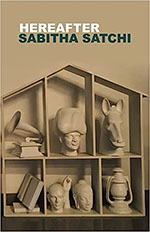
Sabitha Satchi
2021
Sabitha Satchi’s debut poetry collection Hereafter surpasses all expectations from a first book. Hereafter is the work of a seasoned pen, with well-chiseled poems, backed with profundity of thought. The artwork in the book including the cover image is by the Kerala film maker and artist KM Madhusudhanan. Selections from Madhusudhanan’s ‘Oedipus Series’ separate the different sections in this poetry collection.
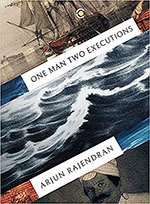
Arjun Rajendra
If you’re also caught up in the tug-of-war between the history of Mughals in India and of that of the Rajput kings stirred by current politics, Rajendran’s poetry of the French colonial past in Pondicherry will come as a great relief! The poetry collection which starts with over 30 poems stretched across a decade in Pondicherry, offers an insight into the lives of natives and colonials, couched in multilingual verses with heaps of historical references.
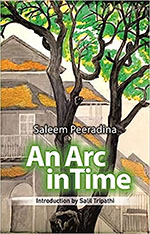
Saleem Peeradina
2022
Rarely does one come across a book that stirs up one’s curiosity and inspires one to explore the author’s entire corpus. An Arc in Time (2022) is Saleem Peeradina’s most recent and compelling gift to the literary world. Blessed with a multi-faceted personality, Peeradina dons many hats: writer, journalist, editor, painter, ethnographer, critic, and professor.
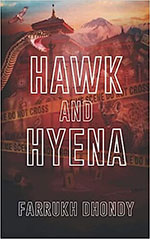
Farrukh Dhondy
2022
Hawk and Hyena is a short memoir of Charles Sobhraj, the infamous serial killer, written by Farrukh Dhondy. Farrukh Dhondy is not an unfamiliar name in the literary, journalistic, television and film industries and he is known for his writings across several genres including biographies, children’s literature, novels, screenplays and more.

Naina Gupta
2023
Dark Rainbow, a debut novel by a young author, Naina Gupta, an Indian native who currently lives in Dubai, is a fantasy grounded in reality, loaded with humour and sarcasm. It delves into the psyche of the protagonist Ernaline Volkov, 16, as she wanders around the locales of New York city trying to unearth secrets about her mother, Dalia Volkov.
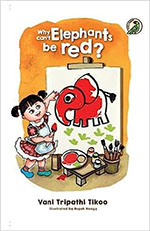
Vani Tripathi Tikoo Illustrated by Rupak Neogy
Here’s a question for you to mull over—why can’t elephants be red? Why not, indeed! Everything is possible in the multi-coloured fantasy world of a child.
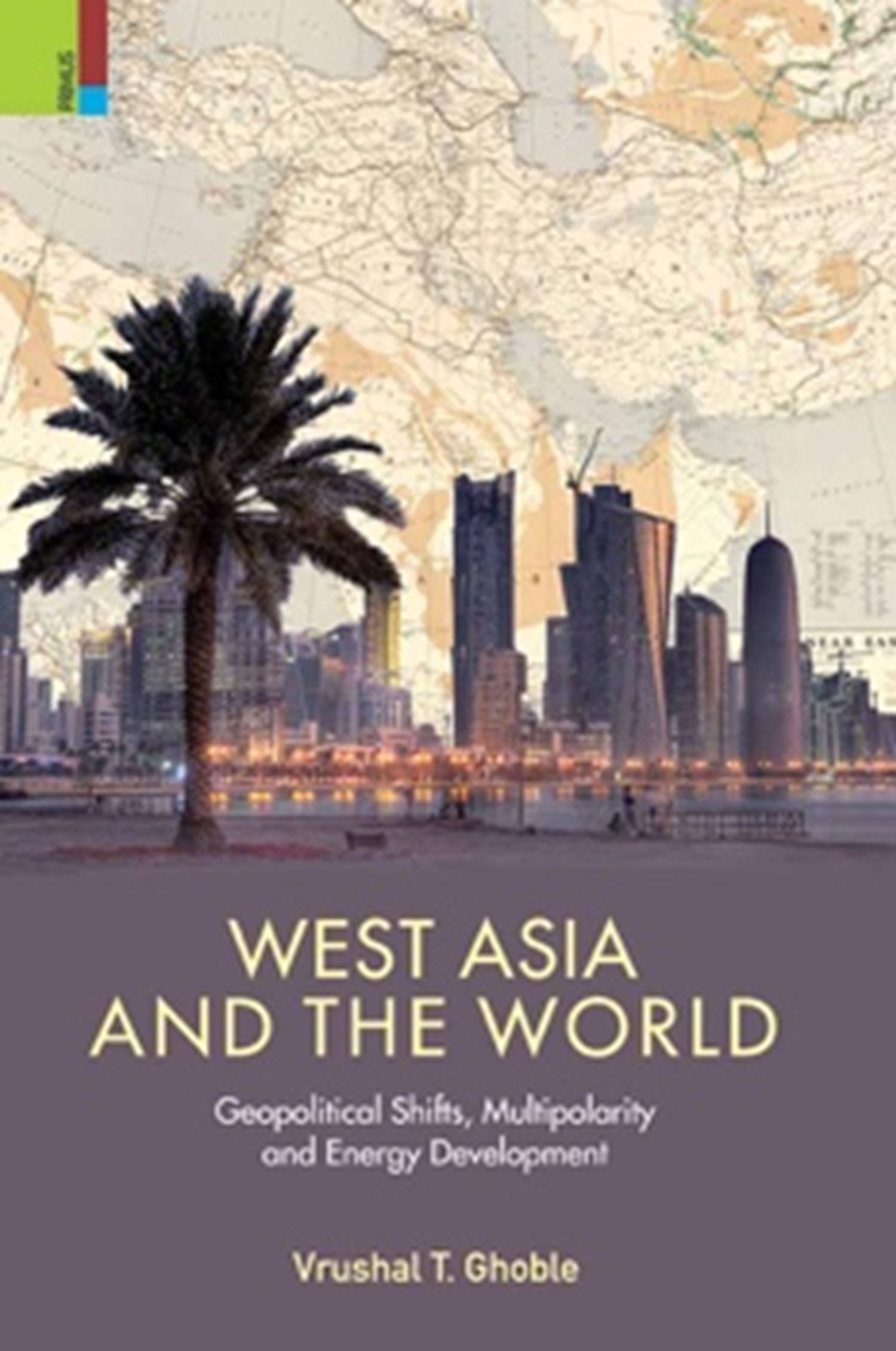
Vrushal T. Ghoble
In the wake of the Arab uprising in 2011, the West Asian region faces immense uncertainty due to the lack of a democratic structure, authoritarian rules, sectarian divisions, economic crisis, tribal and military polarization, and foreign state interventions. Being a rentier state, the region of West Asia experienced an immense geopolitical shift contesting the definition of regional power, especially between Saudi, Iran, Turkey, and others.
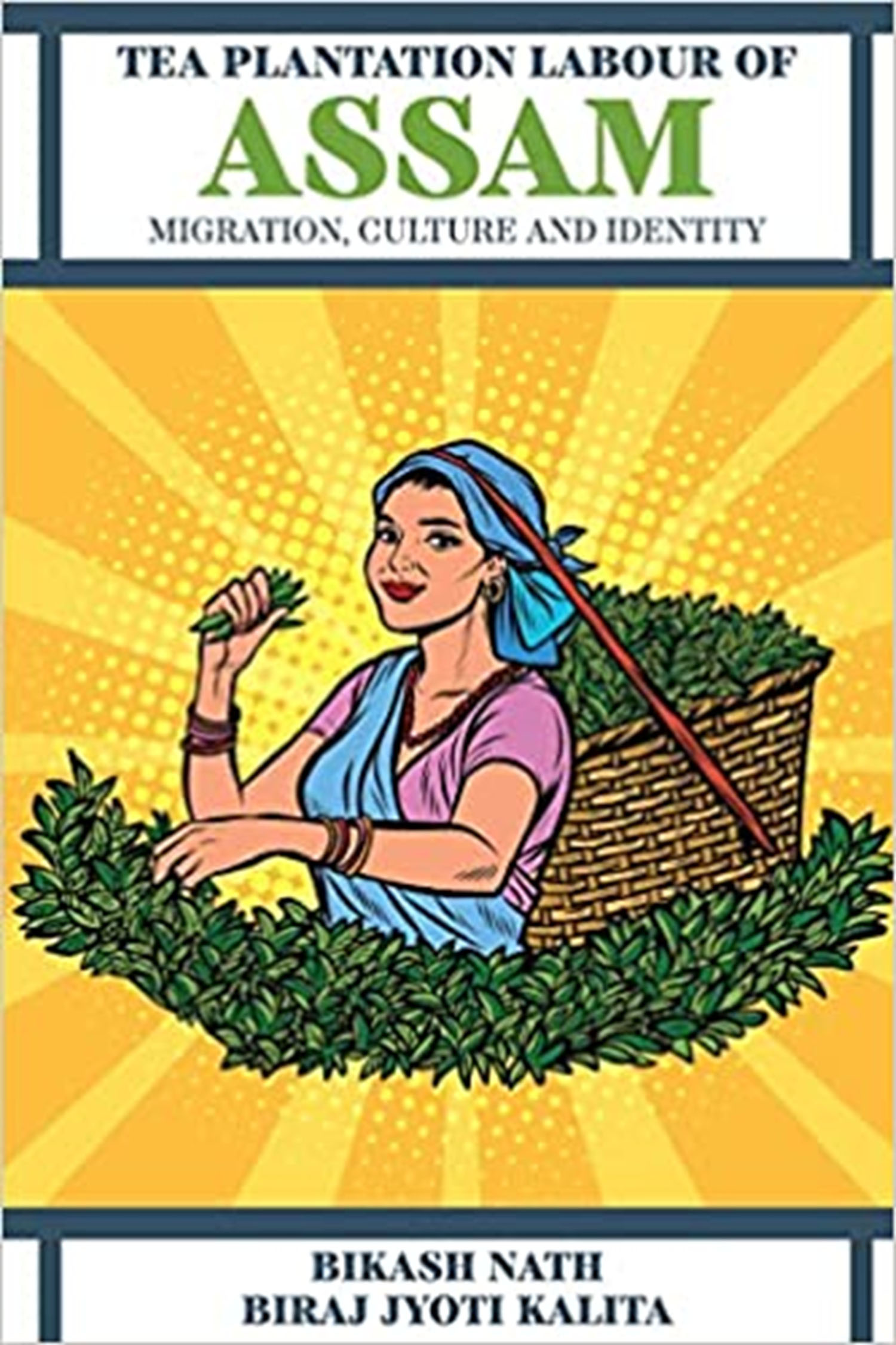
Bikash Nath and Biraj Jyoti Kalita
The discovery of tea in Assam and the growth of tea plantation as commercial commodity have added a new dimension in the socio-economic landscape of Assam. The establishment of the tea industry in Assam, in which the British had monopoly, reflected the imperial mastery over colonial land and its inhabitants. The new industrial setup by the British transformed not only the economy but altered the whole demography of Assam as shown by the biggest human migration in Indian history in search of labour for tea plantations.
V. Murali
V Murali is a veteran who has spent his entire career in manufacturing, dabbling across various roles, and mastering a critical few, which have shaped him into a leader with a proven track record of a string of successes in business. Here, in the book Hop on Hop off, which comes across as his professional journal, he shares the recipe of those successes, from which scores of manufacturing professionals can draw vital lessons on making a turnaround when necessary.
Tapati Guha-Thakurta and Vazira Zamindar
The irreversible entrapment of religion with terms like violence, brutality, offence, anger, fear, and censure instead with say, inquiry, beauty, prayer or tolerance is a paramount sign of our decayed condition. But resigned acquiescence is also not a mark of the academic enterprise. The very act of thinking and writing challenges admission.
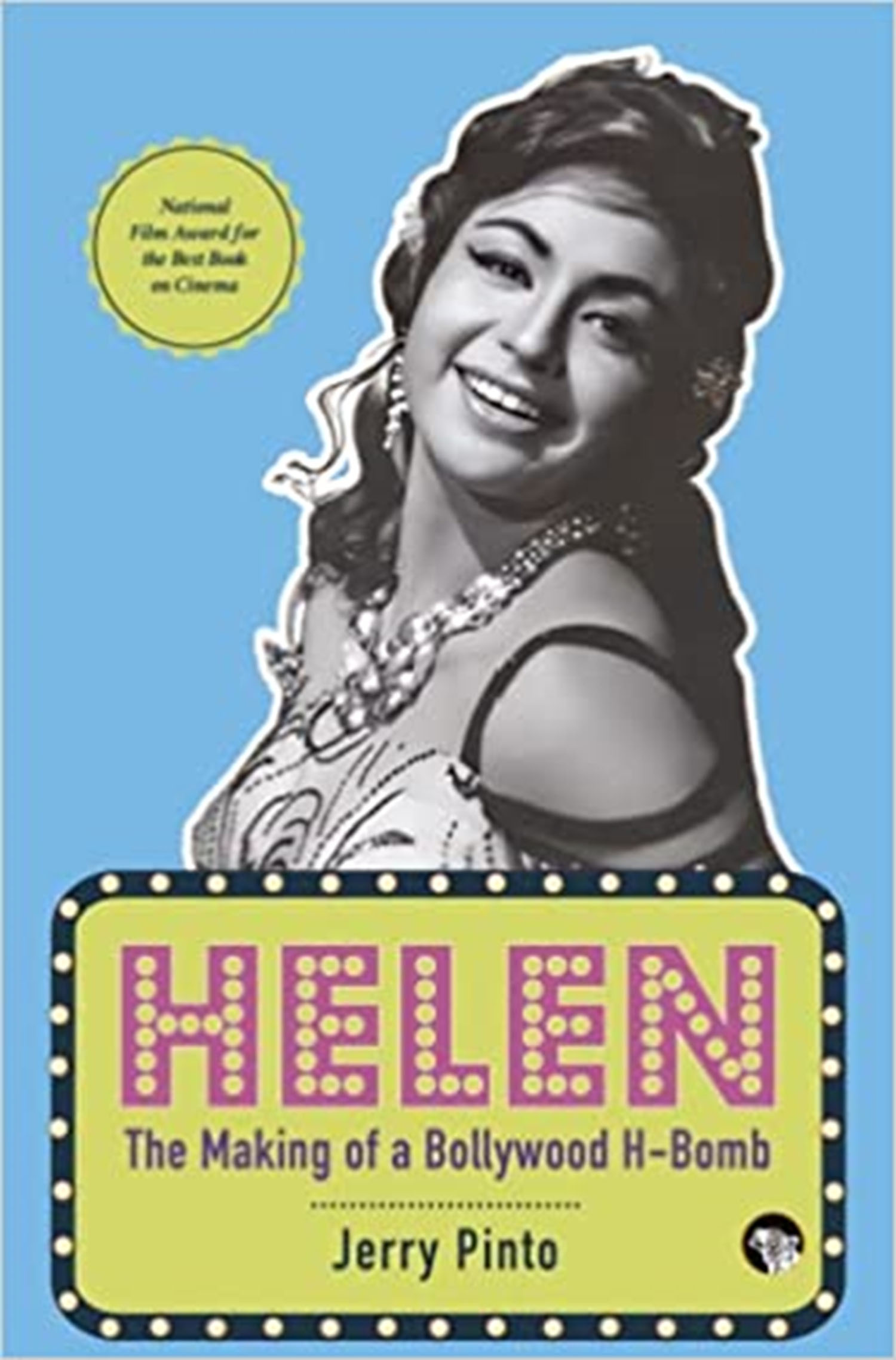
Jerry Pinto
Why is it that every Helen is an enigma? Homer’s, Marlowe’s, Bollywood’s? Does the letter H—drawn like a one-step ladder connecting nothing with nothing, or a bar in a passage between two walls—have something occult to do with it? Neither Menelaus nor Faustus could read his Helen. Both were doomed.
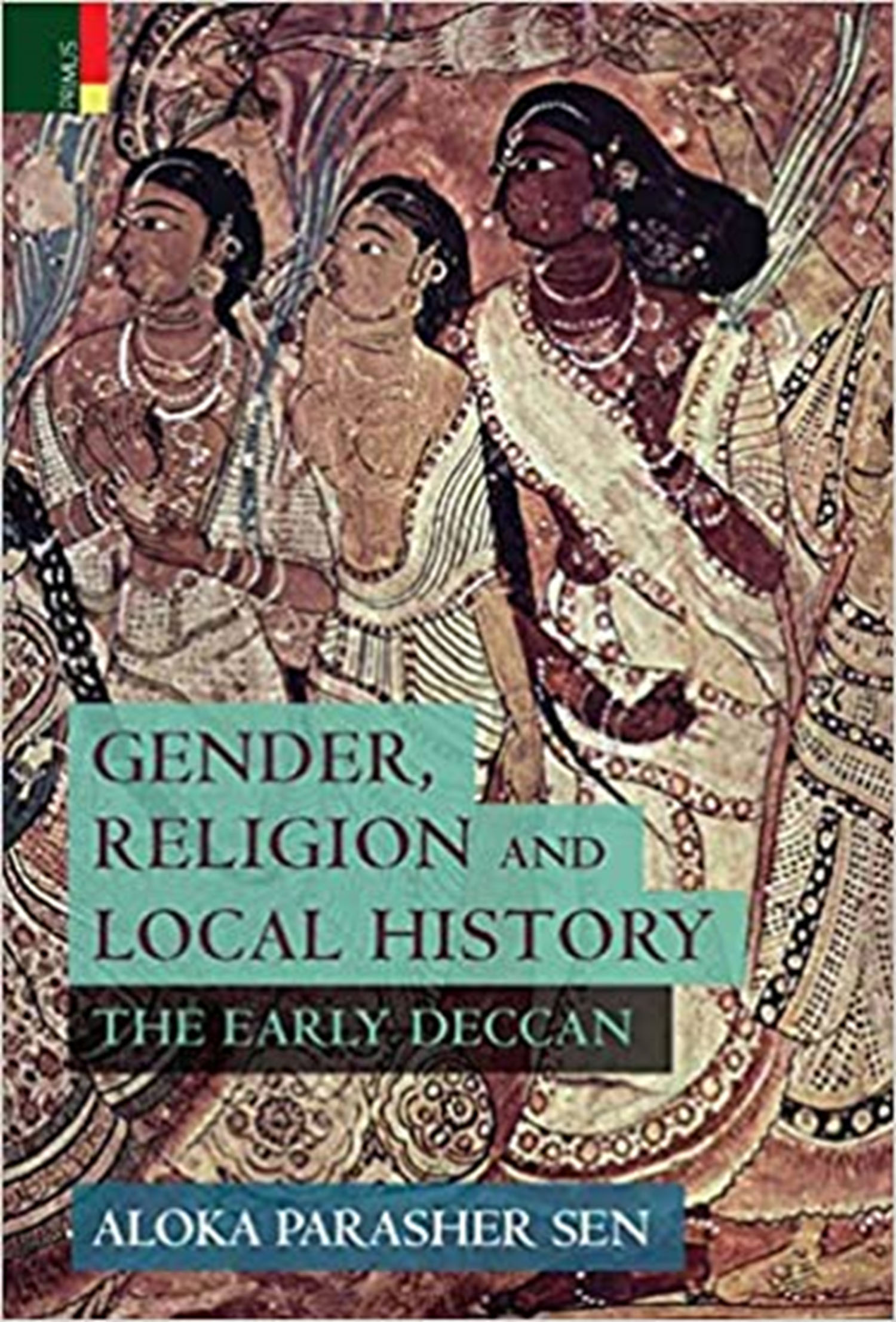
Aloka Parasher Sen
Aloka Parasher Sen’s latest collection brings together seven essays dealing with gender and religion, almost all of which were previously published, and have been revised for inclusion in this volume. Taken collectively, the volume is a three-pronged history of the intersections of gender and religion in local contexts. Parasher Sen’s stated intent is to trace how women subscribed to and broke out of the prescriptive norms that were laid out for them and to generally explore how religious ideas shaped gender relations in early India, while trying to bring in the particularities of local history in all this (p. xviii).
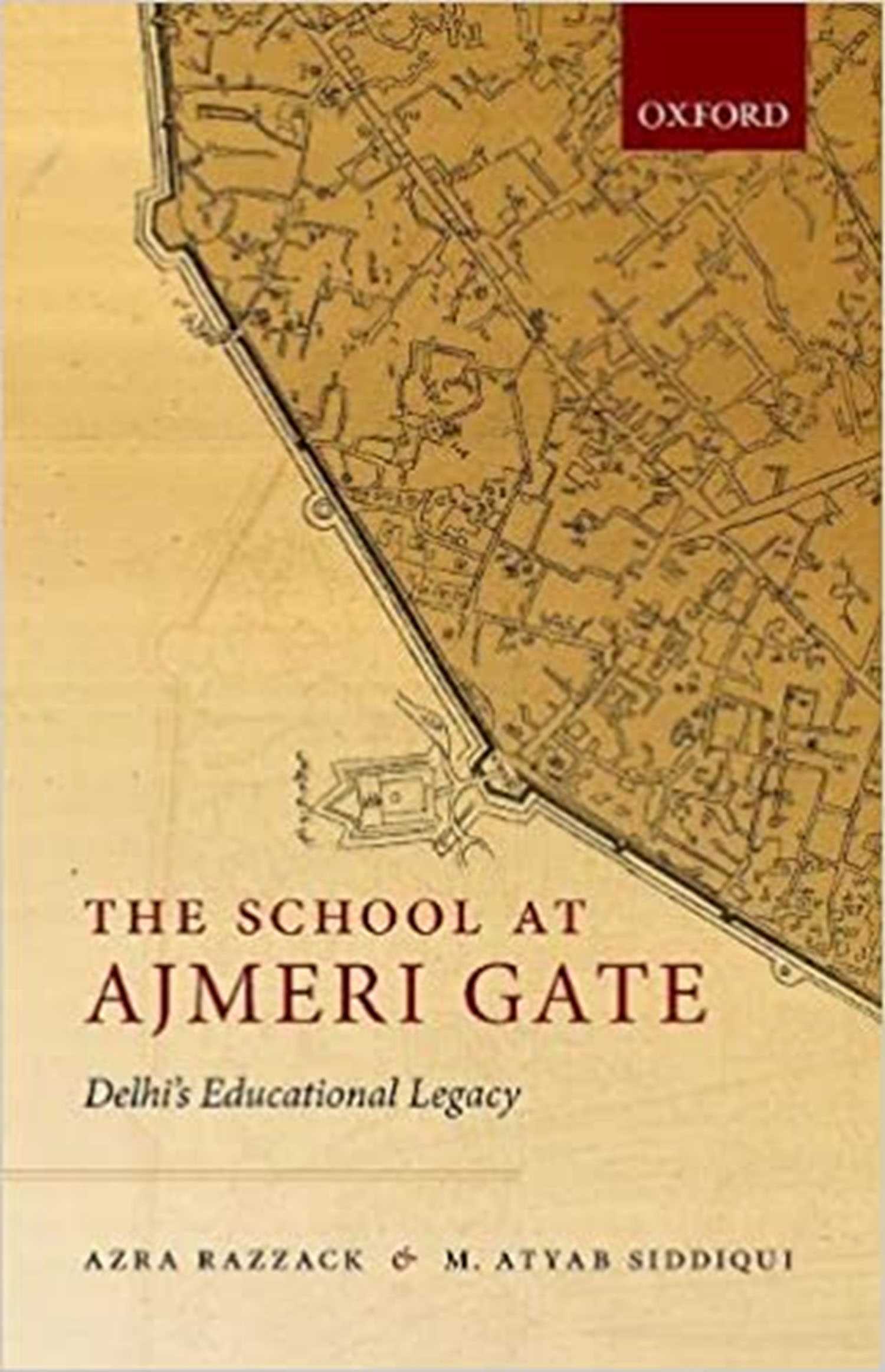
Azra Razzack and M. Atyab Siddiqui
In the vicinity of walled-Delhi, or old Shahjahanabad, stands a school with a long, fraught and yet cherished history. The magnificence of the Anglo-Arabic School is amplified by the Indo-Persian architectural style of the mosque and buildings, and the astoundingly serene and sprawling campus within which it is housed.
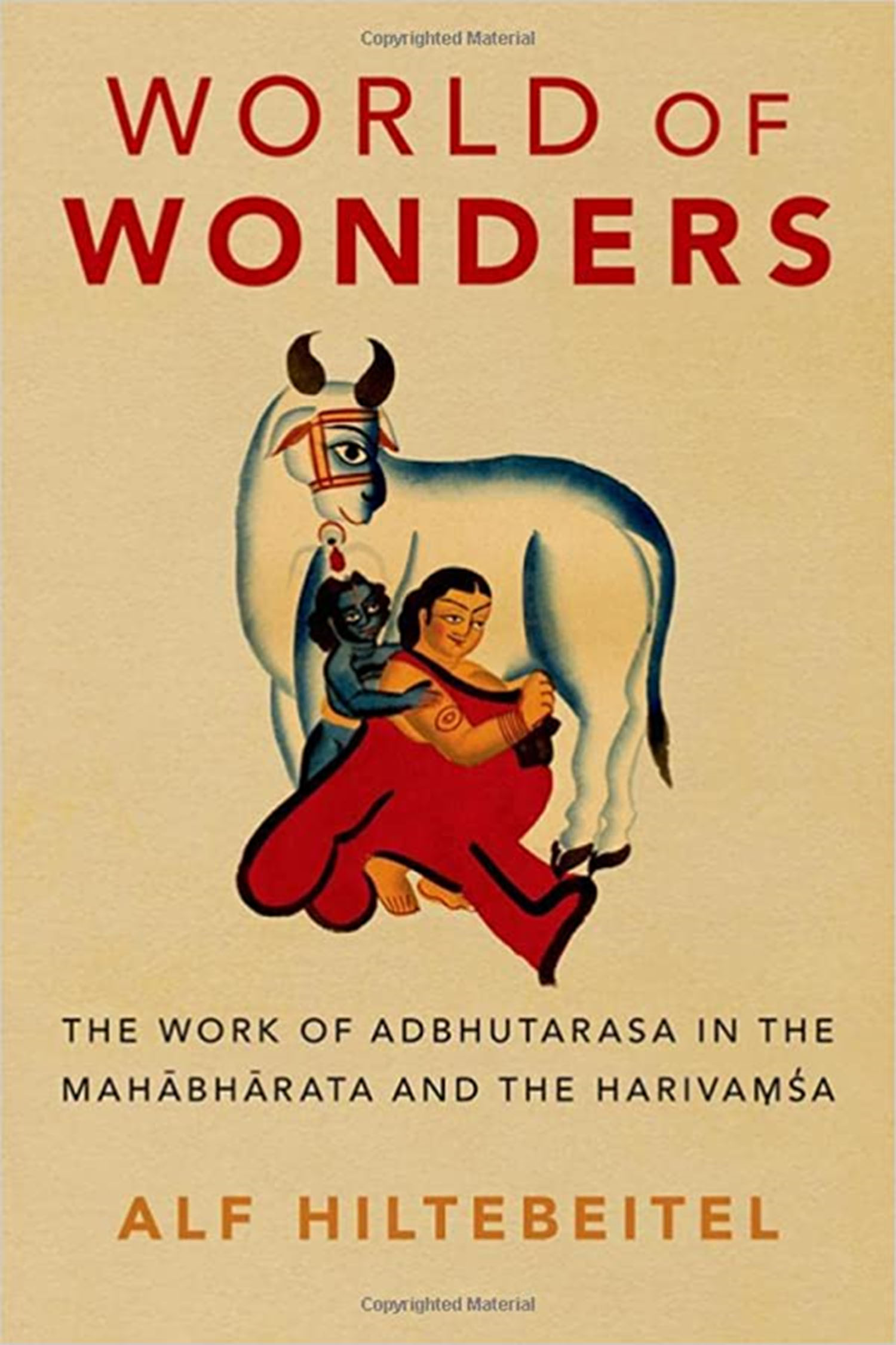
Alf Hiltebeitel
In January 2023 the world of Indology lost Alf Hiltebeitel, prolific Mahabharata scholar who hewed new pathways through that thorny thicket to reveal fresh vistas of understanding. Freud’s India explored personal experiences following his father’s death and his own divorce that recalled Freud’s life and Freud’s connection with India through Dr. Girindrasekhar Bose (‘an extraordinary professor who had founded a local psychoanalytic group in Calcutta’—Freud, 1922). Bose sent Freud an icon of Vishnu seated on Ananta which he kept on his desk. This features as the cover.